Slagmolen




Slagmolen holds two Michelin stars and a Les Grandes Tables du Monde award, placing Chef Bert Meewis among Belgium's most decorated proponents of grounded Flemish cooking. Set on Molenweg in rural Oudsbergen, the restaurant operates a tightly controlled schedule, lunch and dinner Thursday through Monday, that signals how seriously the kitchen treats its sourcing and preparation.8 across 544 reviews confirms the reputation holds well beyond critical circles.
Pearl is the En Primeur Club membership app — saves, bookings, and concierge access live there. Same editors, same standards.
- Address
- Molenweg 177, 3660 Oudsbergen, Belgium
- Phone
- +32 89 85 48 88
- Website
- slagmolen.be
- Directions
- Get directions
 Saves & bookings on Pearl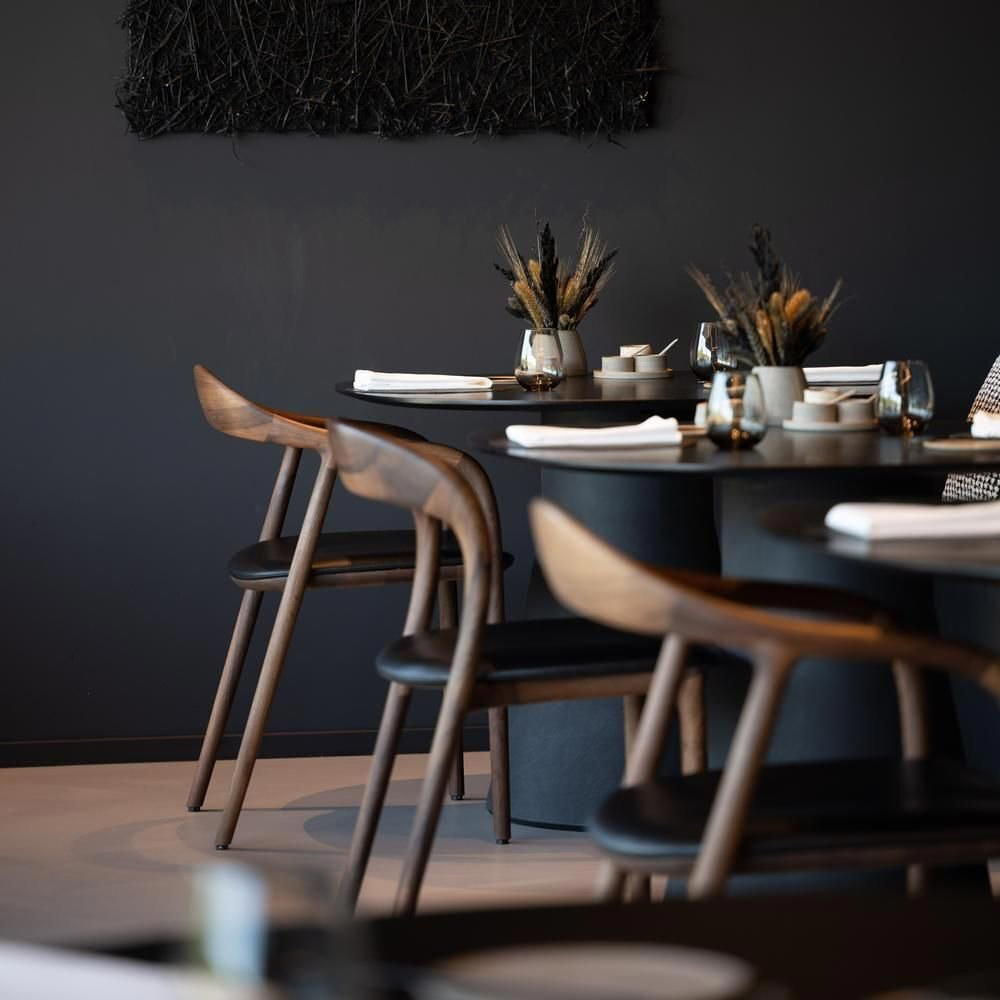
Where Belgian Fine Dining Earns Its Remoteness
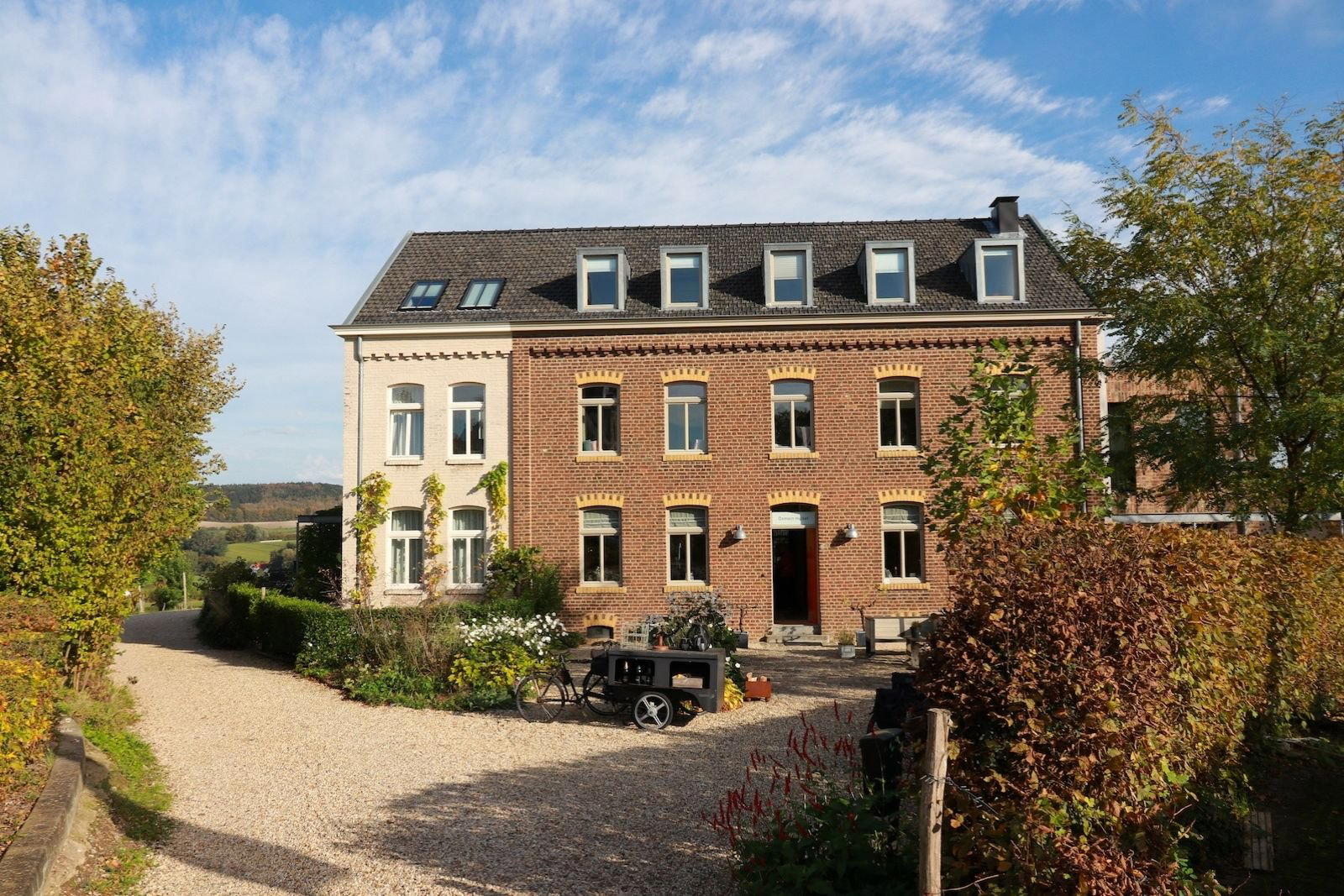
Slagmolen in Oudsbergen is a two-Michelin-starred restaurant serving Traditional French Fine Dining at the €€€€ level. Slagmolen, on Molenweg in rural Oudsbergen, a village most Belgian food enthusiasts would locate only by its proximity to the Dutch border rather than by any urban landmark, earns that pull. Approaching along flat Limburg countryside, the mill setting and the agricultural quiet around it establish, before a single dish arrives, that the food here will have a relationship with what grows nearby. That is not atmospherics for its own sake. In Belgium's strongest fine-dining kitchens, the ones operating at the two-star level and holding Les Grandes Tables du Monde membership alongside it, sourcing discipline and setting tend to reinforce each other. Slagmolen is a clear example of that alignment.
Flemish Cooking at the Two-Star Level: What That Actually Means
Belgium's fine-dining tier is denser than its geographic footprint suggests. At the leading end, Hof van Cleve in Kruishoutem and Boury in Roeselare represent the creative-modernist strand of Flemish cooking. Zilte in Antwerp anchors urban fine dining with produce-driven precision. Slagmolen occupies a different position: a restaurant explicitly rooted in Flemish tradition, operating in a rural format, with an award profile, two Michelin stars held consecutively through 2024 and 2025, Les Grandes Tables du Monde membership, a La Liste score of 93.5 points in 2025, and an Opinionated About Dining Classical Europe ranking of 418th in 2025, that places it in the company of kitchens where classical discipline is the standard, not the exception.
That La Liste score of 93.5 points in 2025 placed Slagmolen inside a globally competitive bracket. The OAD Classical Europe ranking provides additional texture: being assessed in the classical category, rather than creative or progressive, confirms what the Michelin citations have always implied, that Chef Bert Meewis works within a defined culinary tradition and refines it rather than departing from it.
Across the wider Belgian two-star cohort, this approach to tradition-within-rigor is represented at places like d'Eugénie à Emilie in Baudour and L'Eau Vive in Arbre. The common thread in this tier is not innovation as a selling point, but depth, a kitchen that has worked the same traditions long enough to produce something that can be evaluated against the leading in its category internationally.
Ingredient Sourcing as the Core Argument
The editorial angle on Slagmolen is the logic of why a restaurant at this level operates in the Limburg countryside rather than in Antwerp or Brussels. It is the logic of why a restaurant at this level operates in the Limburg countryside rather than in Antwerp or Brussels. The answer is sourcing. Flemish traditional cuisine, at its serious end, is built on the agricultural specificity of its region: game from the Campine heath, freshwater produce from the nearby waterways, dairy and root vegetables from the sandy Limburg soil.A mill setting in Oudsbergen is not decorative heritage tourism. It is a statement about where the kitchen's supply lines originate and how short they are.
In global fine dining, the sourcing argument has become so widespread that it risks meaning little. At kitchens like Le Bernardin in New York or Atomix, sourcing is one thread among many in a multi-reference approach. At Slagmolen, the classical Flemish framework means sourcing is structural rather than decorative. The traditional dishes that define this cuisine, preparations built around seasonal game, regional freshwater fish, and locally grown produce, do not translate to a different geography. The kitchen's connection to Limburg's agricultural calendar is the reason the cuisine holds at this level.
For Belgian fine dining specifically, this locational commitment maps onto a broader regional pattern. Willem Hiele in Oudenburg and Bartholomeus in Heist operate similar frameworks, kitchens deliberately placed where their primary ingredients are, rather than in cities where the clientele is easier to reach. The difficulty of getting to these restaurants is, in a sense, the point: it signals that the kitchen did not compromise its supply logic for commercial convenience.
The Competitive Context: Opglabbeek and Its Dining Scene
Opglabbeek, the municipality in which Oudsbergen sits, is not a dining destination in the conventional sense. There is no cluster of restaurants competing for the same evening. For guests planning a multi-day visit, the local offer is narrow, which is worth factoring into logistics. The restaurants worth pairing with a Slagmolen booking are in Antwerp, Hasselt, or across the Dutch border.
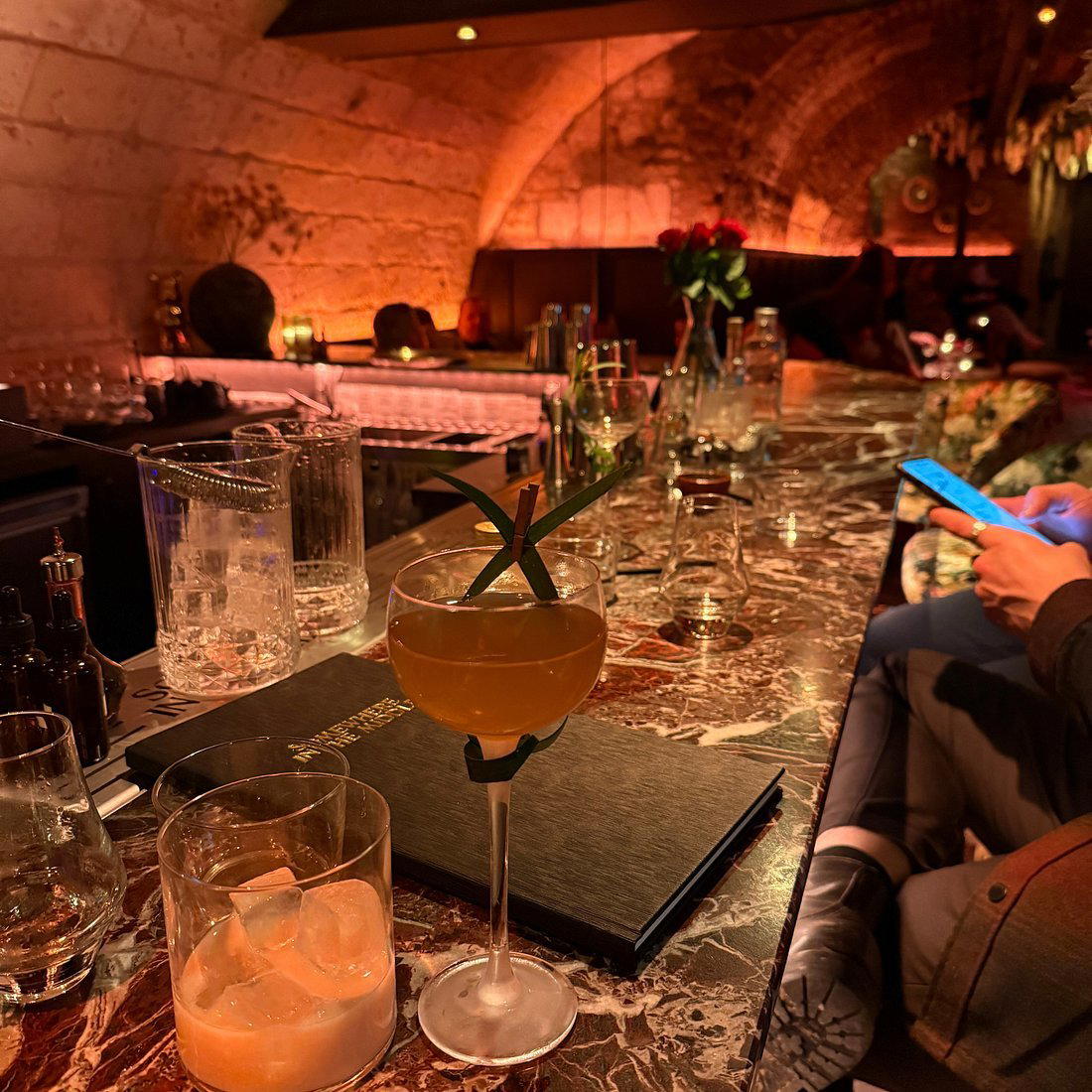
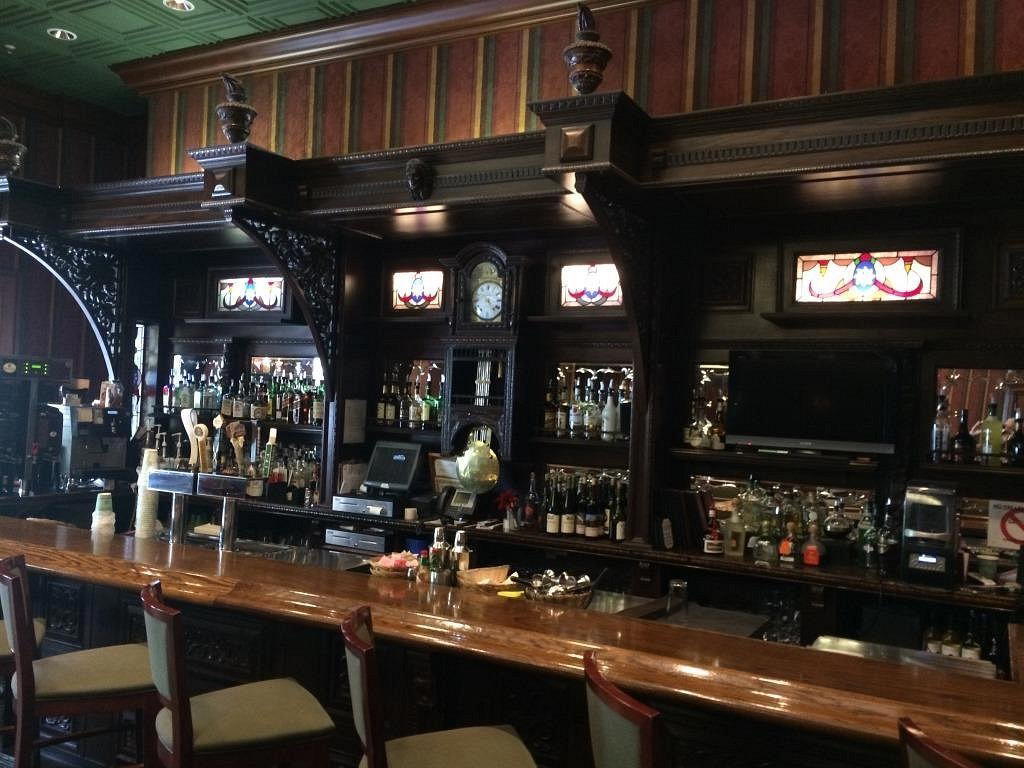
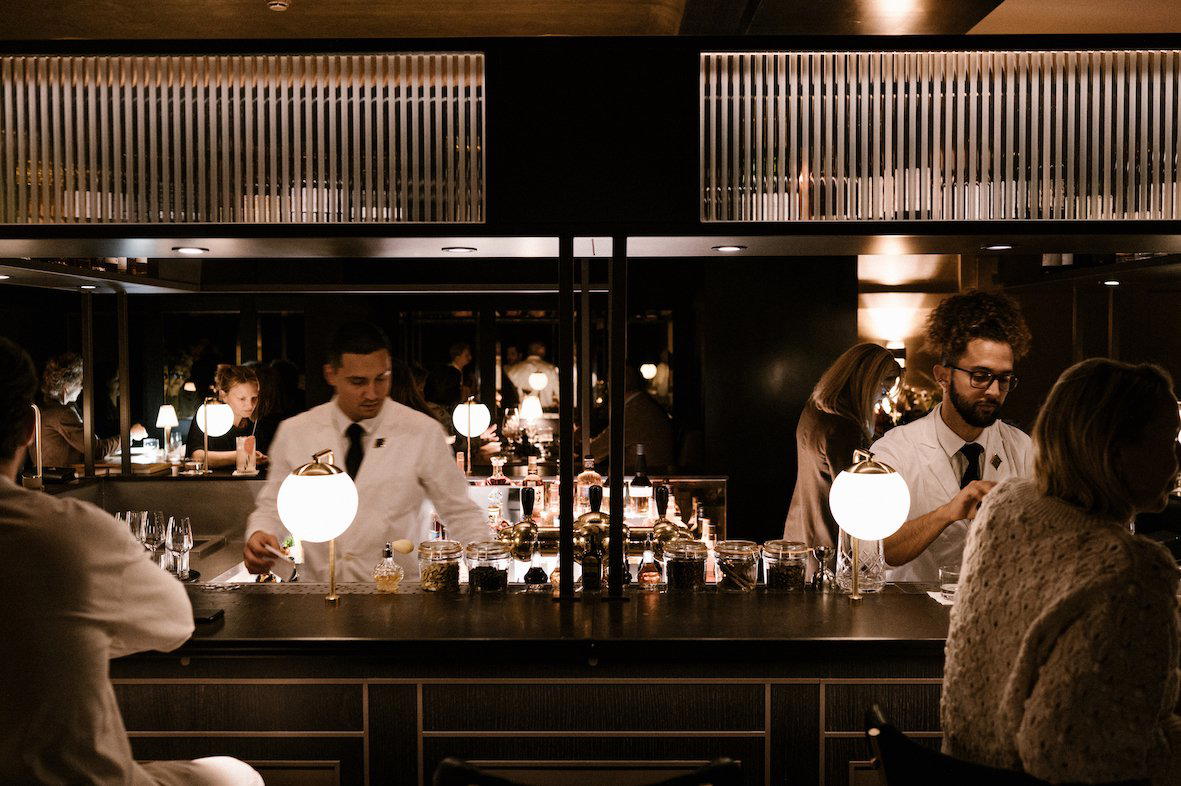
Guests exploring the region more broadly will find accommodation options in Opglabbeek, and EP Club also covers bars, wineries, and experiences in Opglabbeek for those building a full itinerary around the area. For a broader Belgian comparison, Bozar Restaurant in Brussels and Ralf Berendsen in Neerharen, the latter geographically closer to Slagmolen than most of the Belgian two-star set, round out the regional picture. La Durée in Izegem adds another data point in the French-Belgian classical tier for comparison.
Planning a Visit: Practical Details
Slagmolen operates a tight schedule by design. Service runs Thursday through Monday for both lunch (12 to 1:30 pm) and dinner (7 to 8:30 pm), with Wednesday, Saturday, and Sunday off. For a kitchen operating at this award level, those hours reflect kitchen priorities: a shorter service window across fewer days supports the preparation depth that two-star cooking requires. The address is Molenweg 177, 3660 Oudsbergen. Driving is the practical choice for most guests; the location is not served by any meaningful public transport connection. The price range sits at the summit tier (€€€€), consistent with the award profile and comparable set.
Reservations are essential. Given the limited weekly service windows, booking several weeks ahead is advisable, particularly for weekend lunches on Thursday and Friday.
What Regulars Order at Slagmolen
Slagmolen's Michelin citations and OAD Classical Europe classification point toward a kitchen whose strength lies in Flemish traditional preparations executed with precision. Guests who return consistently to this type of restaurant, those holding two stars in the classical category with a Les Grandes Tables du Monde membership, tend to be drawn by the seasonal game and regional produce preparations rather than by any single signature dish. The Limburg setting means the kitchen's most compelling work follows the agricultural calendar: autumn game, regional freshwater preparations, and the root-vegetable-anchored cooking that defines Belgian classical cuisine in its stronger regional expressions. Chef Bert Meewis leads a kitchen where the menu evolves within a consistent stylistic identity. That consistency is what the two-star designation, held across two consecutive Michelin cycles, is designed to communicate.
Cost Snapshot
Comparable venues nearby, for context on price, style, and recognition.
| Venue | Cuisine | Price | Awards |
|---|---|---|---|
| SlagmolenThis venue — the venue you are viewing | Flemish, Traditional Cuisine | $$$$ | Michelin 2 Star |
| Modest | Opglabbeek, Modern French Fine Dining | $$$$ | Michelin 1 Star |
| Nuance | Duffel, Modern French Fine Dining | $$$$ | Michelin 2 Star |
| La Table de Maxime | Our, Modern French Fine Dining | $$$$ | Michelin 2 Star |
| La Villa Lorraine by Yves Mattagne | Boendael, Modern French Fine Dining | $$$$ | Michelin 2 Star |
| d'Eugénie à Emilie | Baudour, Classic French Fine Dining | $$$$ | Michelin 2 Star |
Recognition history
Dated appearances from independent guides and award organizations, with the underlying list record or original source where available.
La Liste Top Restaurants
La Liste
Les Grandes Tables du Monde Member
Les Grandes Tables du Monde
Michelin 2 Stars
Michelin
La Liste Top Restaurants
La Liste
Michelin 2 Stars
Michelin
Opinionated About Dining Classical in Europe Ranked #418
Opinionated About Dining
Michelin 2 Stars
Michelin
Continue exploring
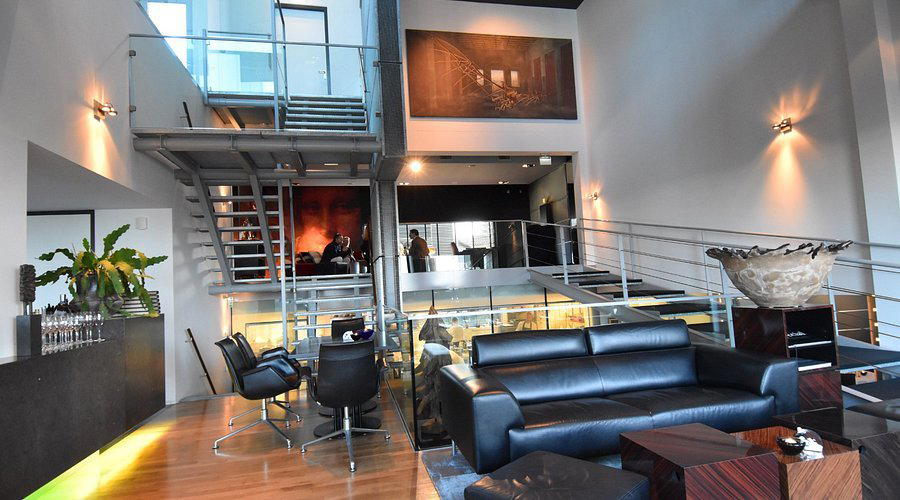
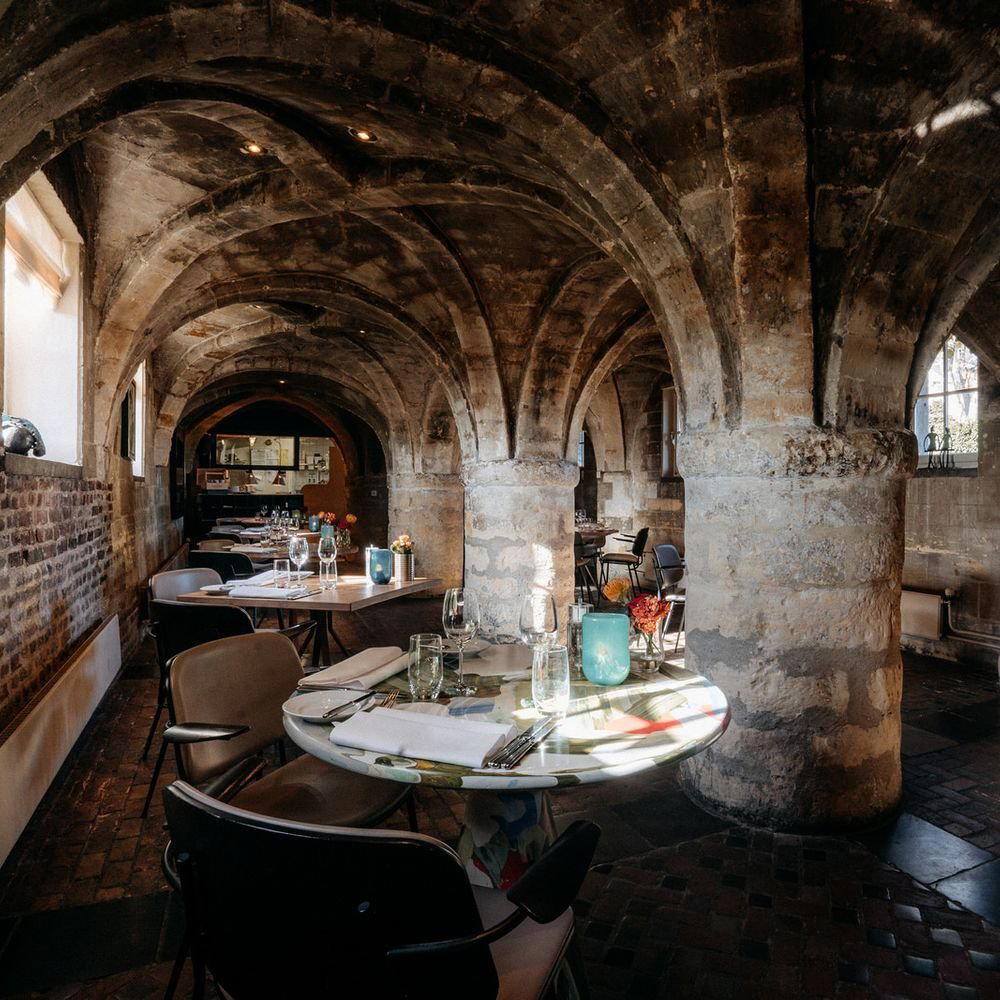
More in Opglabbeek
Restaurants in Opglabbeek
Browse all →
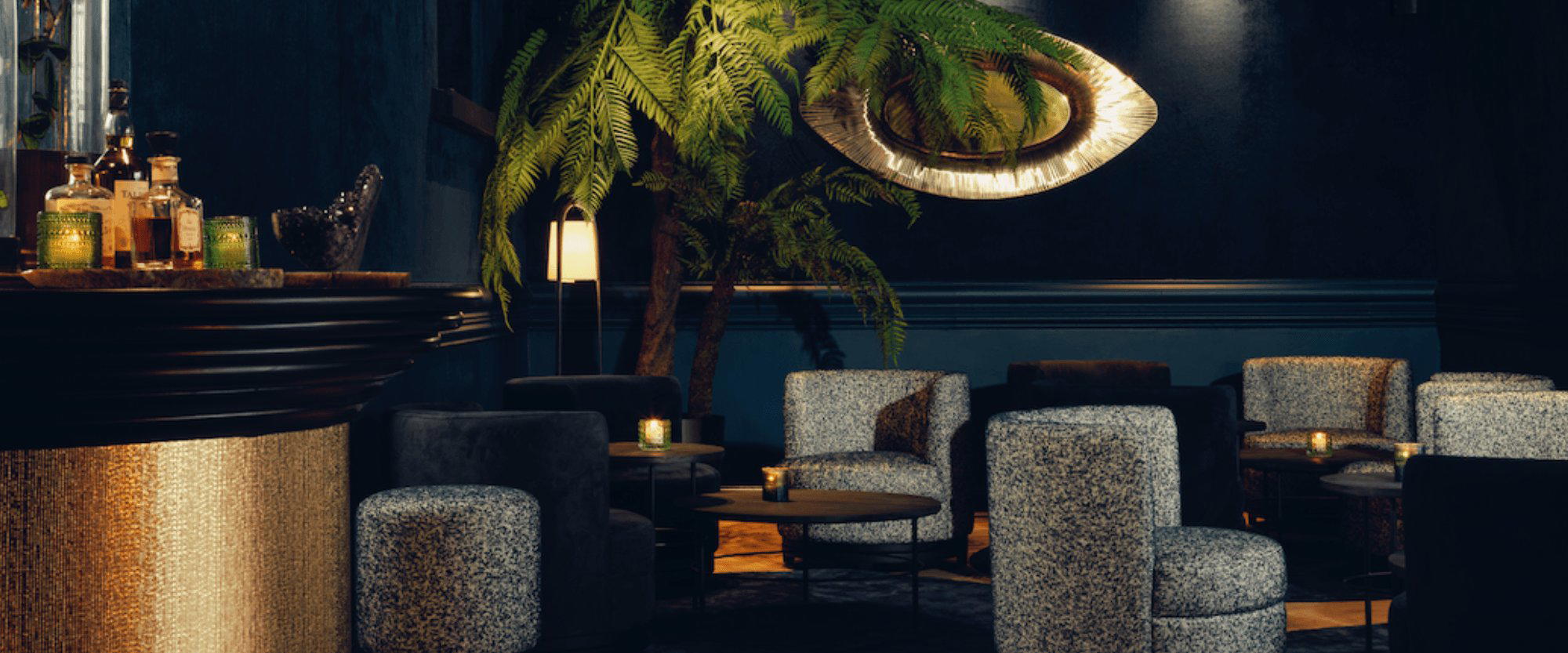
Bars in Opglabbeek
Browse all →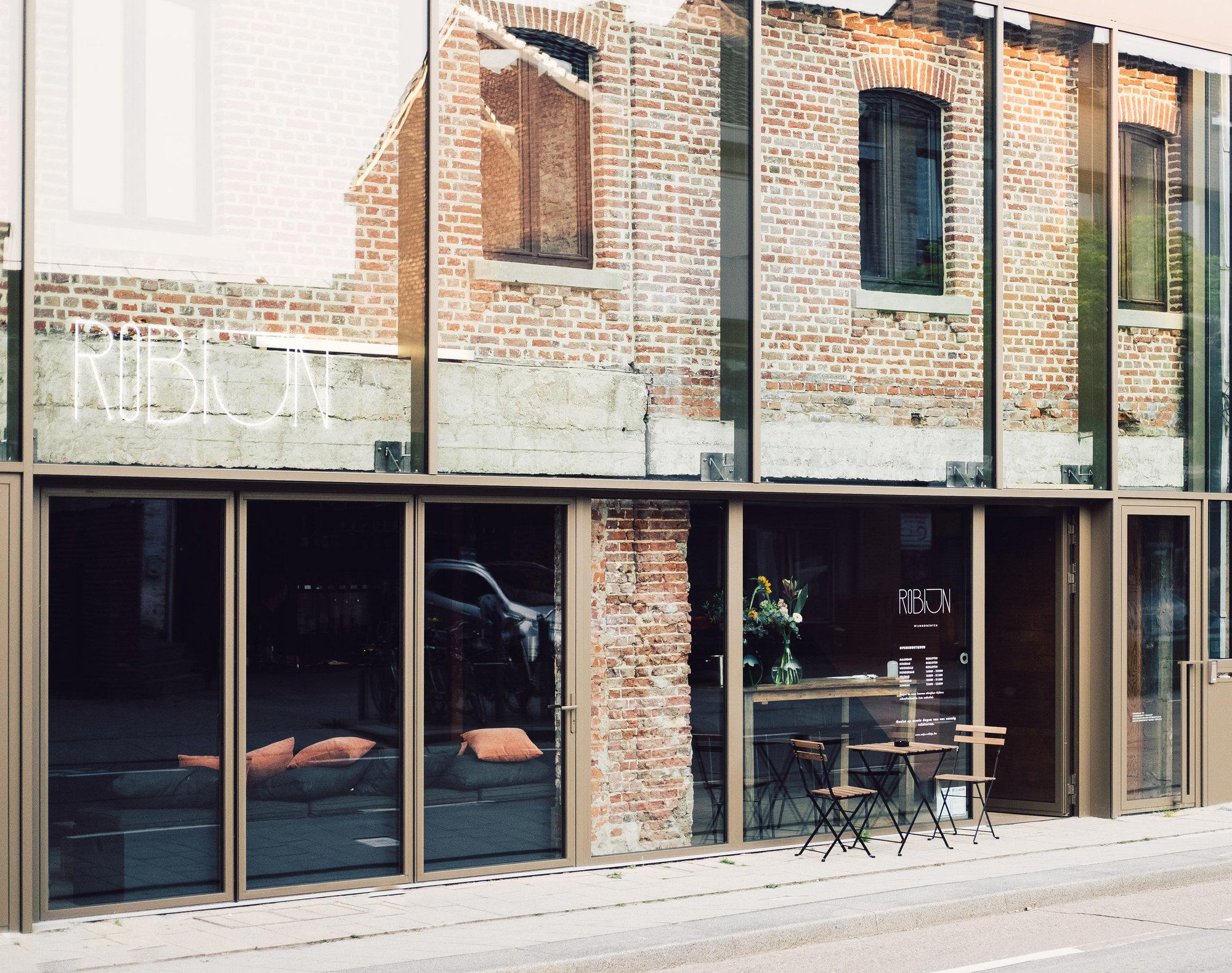
Hotels in Opglabbeek
Browse all →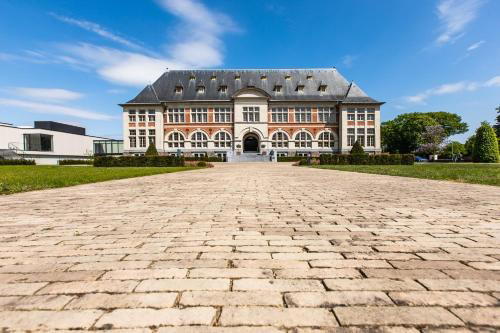

At a Glance
- Romantic
- Elegant
- Cozy
- Rustic
- Scenic
- Special Occasion
- Date Night
- Business Dinner
- Historic Building
- Open Kitchen
- Terrace
- Garden
- Extensive Wine List
- Garden
Current opening hours
- Monday
- 12–1:30 PM, 7–8:30 PM
- Tuesday
- 12–1:30 PM, 7–8:30 PM
- Wednesday
- Closed
- Thursday
- 12–1:30 PM, 7–8:30 PM
- Friday
- 12–1:30 PM, 7–8:30 PM
- Saturday
- Closed
- Sunday
- Closed
Hours can change for holidays and private events. Last verified .
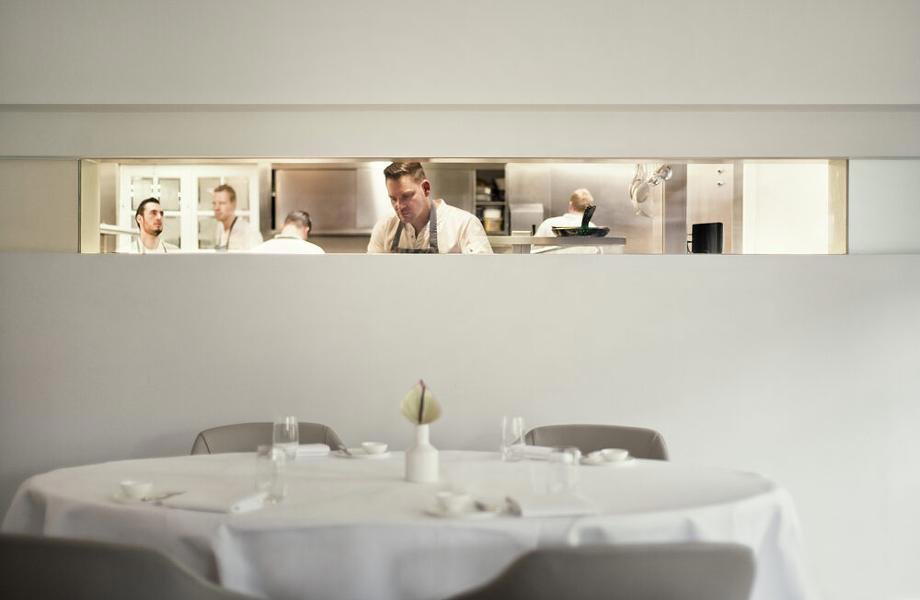
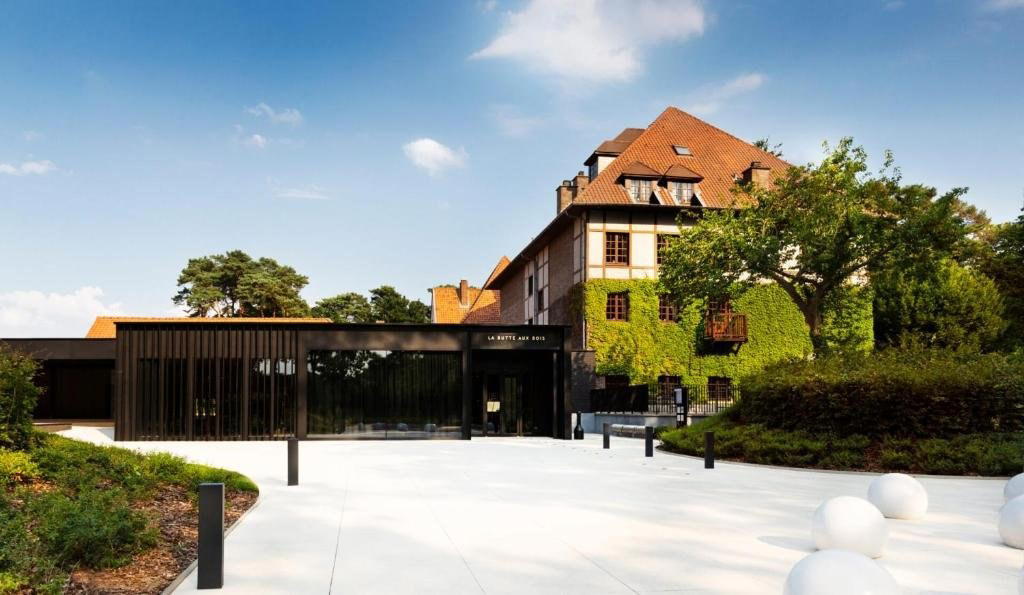
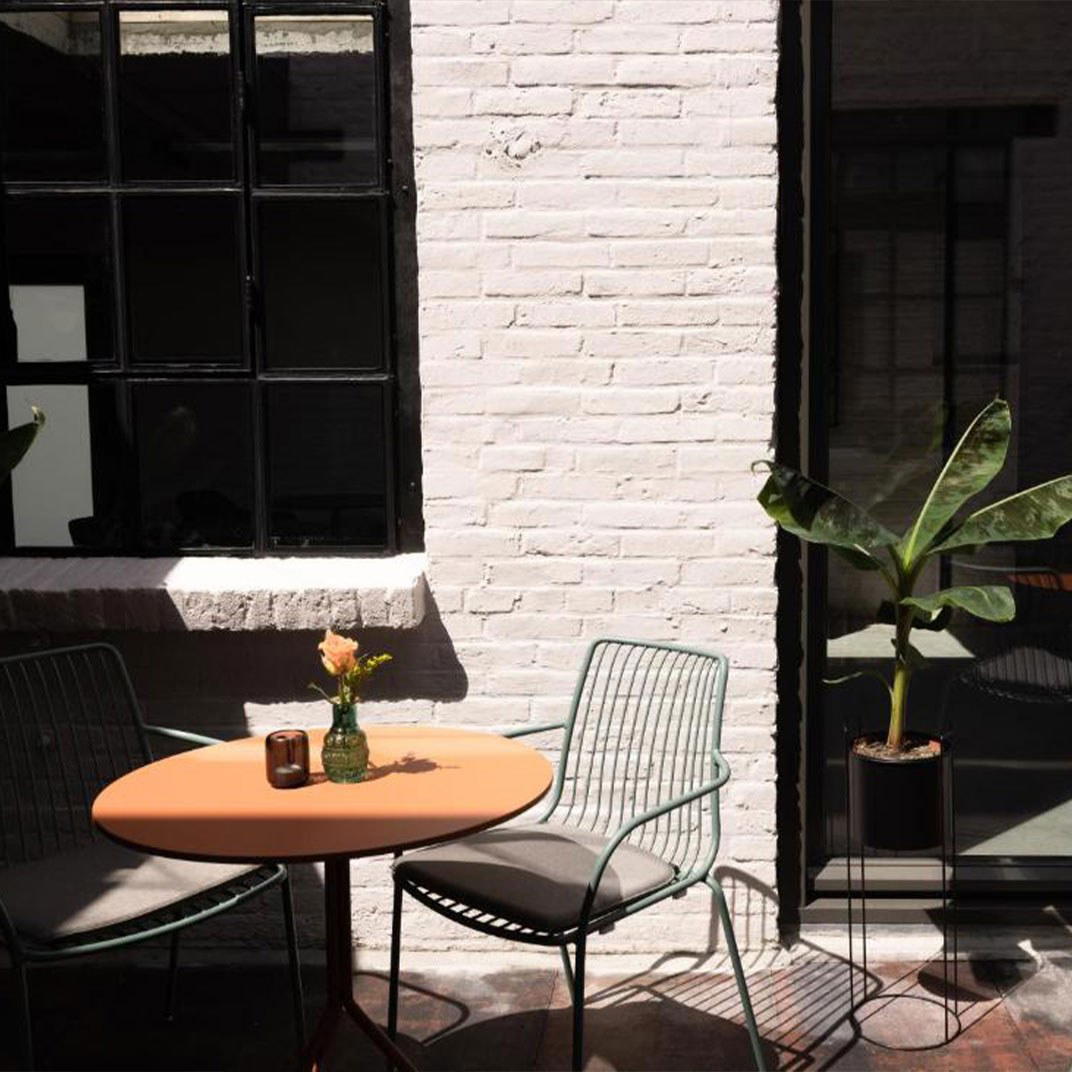
Classic, comfortable and cozy interior with original mill elements, high ceilings, large windows overlooking dramatic countryside greenery, and a peaceful terrace.