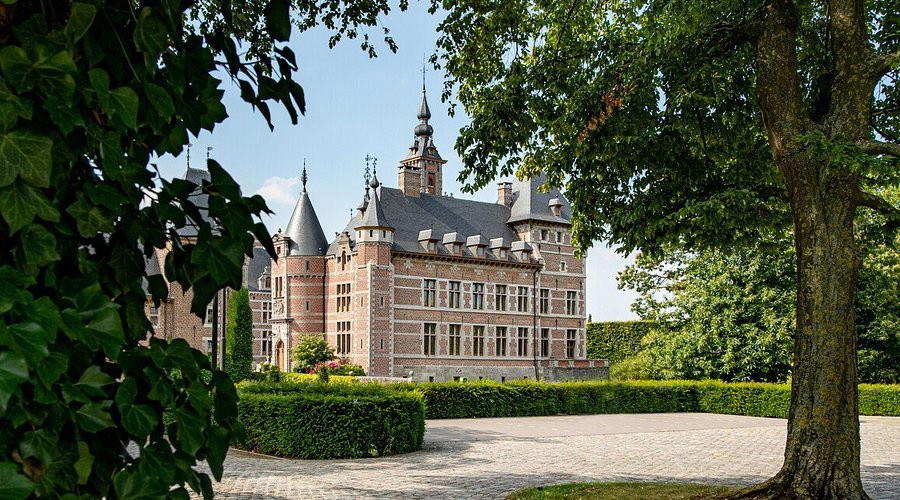
La Ghironda sits on Molenberg in Meerhout, a small Campine commune in the Antwerp province where restaurant culture tends toward the personal and rooted rather than the metropolitan.
Pearl is the En Primeur Club membership app — saves, bookings, and concierge access live there. Same editors, same standards.
- Address
- Molenberg 27, 2450 Meerhout, Belgium
- Phone
- +3214368740
- Website
- laghironda.be
- Directions
- Get directions
 Saves & bookings on Pearl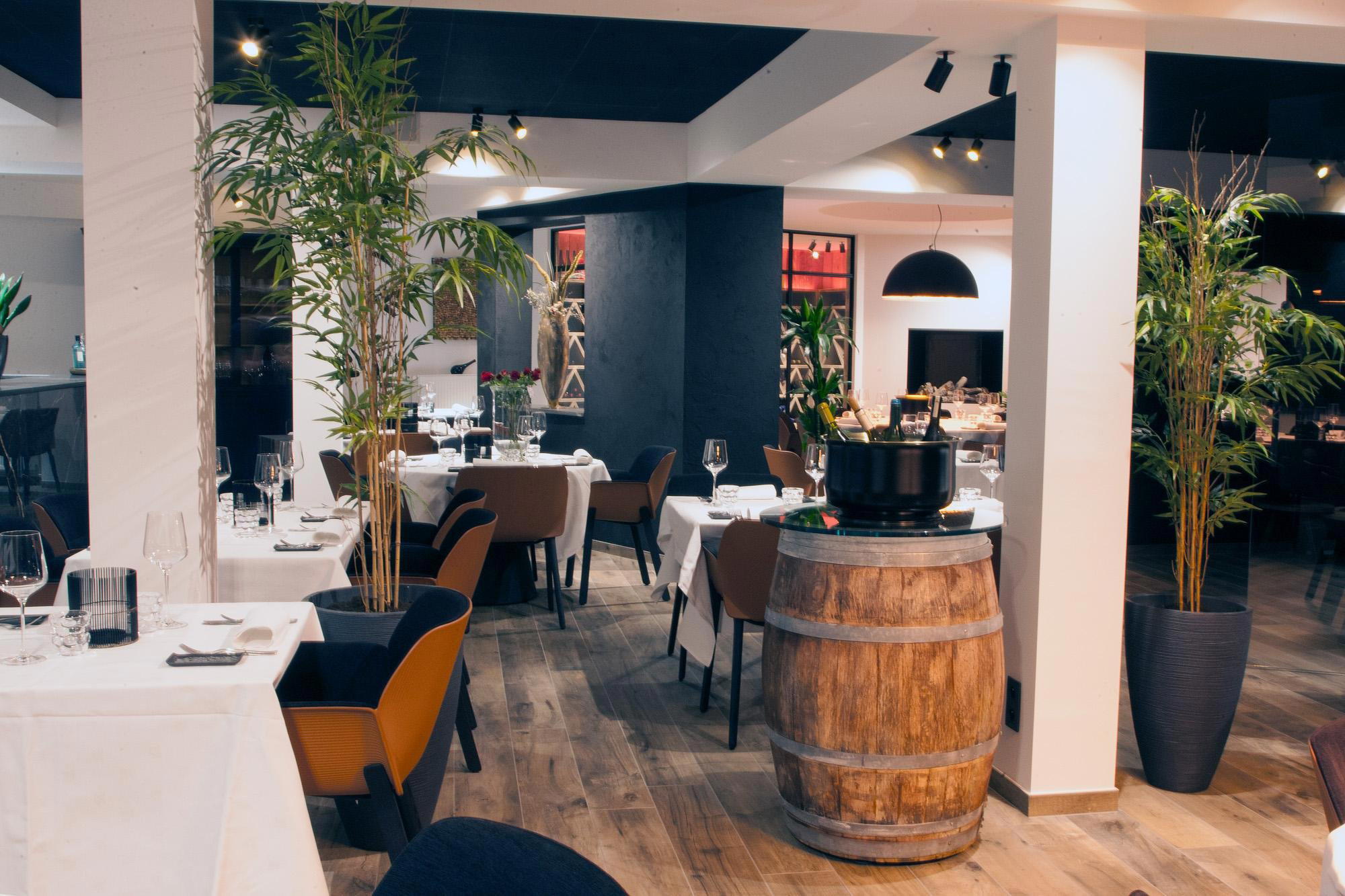
Meerhout and the Campine Dining Context
The Campine region of Antwerp province is not where most Belgian food itineraries begin. That is partly the point. While Flemish dining at the summit tier congregates around Ghent, Bruges, and the Antwerp ring, a quieter current of serious cooking runs through smaller communes like Meerhout, where the audience is local, the competition is thin, and restaurants tend to earn their standing through consistency rather than press coverage. This is the context in which La Ghironda, located at Molenberg 27, operates, a residential address in a town of roughly 12,000 people, at Molenberg 27, Meerhout, Belgium.
That distance from the centre has consequences. Restaurants in this tier of the Flemish interior often develop relationships with their supply networks that city kitchens cannot replicate at scale. A kitchen serving a defined local community, with limited covers and no walk-in trade to speak of, can build the kind of supplier continuity that makes ingredient sourcing a genuine editorial statement rather than a marketing footnote. The geography is consistent with that model, and it is the frame through which Belgian restaurants in similar positions are most usefully read.
Where Meerhout Sits in the Broader Belgian Restaurant Picture
Belgium's restaurant culture has a structural peculiarity that rewards attention: some of the country's most serious cooking happens outside its major cities, often in towns that function more as destinations than as urban dining ecosystems. Hof van Cleve - Floris Van Der Veken in Kruishoutem is the canonical example, a three-Michelin-star property in a village that would otherwise attract little outside attention. Willem Hiele in Oudenburg made a similar case for coastal Flemish sourcing from a position of deliberate remoteness. Bartholomeus in Heist built its reputation on hyper-local North Sea ingredients rather than urban proximity.
Meerhout is not in that documented conversation yet, at least not in any public record accessible here. But the pattern matters: in Belgium, a restaurant's postcode has historically been a poor predictor of its ambition. La Ghironda's address on Molenberg puts it within a drive of several Antwerp-province dining towns, and it sits closer to the Limburg border than to the city, in a corridor where the food culture is Flemish in character but less touristic in orientation than the coast or the Ghent ring. That is not a disadvantage, it is a different kind of operating condition, one that tends to produce kitchens that are less performative and more direct.
Ingredient Sourcing and the Campine Tradition
The Campine's agricultural character, heathland, sandy soils, and the Nete river basin running through Mol and Geel, has historically supported game, freshwater fish, and a lamb tradition tied to the heather. Restaurants working in this geography, when they lean into it, draw on a larder that is genuinely distinct from the coastal or Ardennes-focused sourcing that dominates Belgian fine-dining narratives. The heathland lamb of the Kempen is a known regional product; the river systems support eel and pike in a way that coastal menus rarely feature.
For comparison, L'air du temps in Liernu built a significant part of its identity around foraging and hyper-local Walloon sourcing, a model that demonstrated how regional specificity, when handled with discipline, can generate recognition that transcends geography. De Jonkman in Sint-Kruis has made a comparable case for West Flemish terroir. These are not the same kitchens, but they share a structural approach: the region as larder, the locality as editorial statement.
The Name and Its Register
La Ghironda, the Italian word for a hurdy-gurdy, a medieval string instrument, is an unusual choice for a restaurant in a Flemish Campine village. It signals something about register without confirming it: an Italian or Mediterranean sensibility, or simply a name chosen for its sound and association rather than its literal meaning. In the Belgian context, Italian-inflected names appear across a wide range of dining formats, from informal pasta kitchens to more considered cooking that uses Italian technique as a point of departure. The name alone resolves nothing, but it is worth noting as a framing signal, it is not a Flemish name or a French one either. That positioning, if deliberate, suggests a kitchen operating outside the dominant Belgian fine-dining idiom of French-Flemish hybrids like Boury in Roeselare or Castor in Beveren.
For readers oriented toward the urban Belgian scene, Zilte in Antwerp, Bozar Restaurant in Brussels, or Le Chalet de la Forêt in Uccle, the restaurant represents the opposite pole: a quiet address in a small commune, operating without the institutional scaffolding of city dining. That is a reason to pay attention, not to discount it.
Planning a Visit
Meerhout is accessible by road from Antwerp in under an hour via the E313; from Brussels, the drive runs closer to 90 minutes. The town has no significant public transport link to major cities, so a visit is leading planned as a deliberate excursion rather than a spontaneous evening out. Nearby Meerhout restaurants like Martino give a sense of the local dining character for those building a longer stay in the area. For a broader picture of what the town offers, a Meerhout restaurants guide covers the field. Booking is recommended, and the restaurant's hours are Thursday through Saturday 6 to 10 PM, and Sunday 6 to 9 PM. Given the size of the town and the limited dining options at this level, advance planning is advisable.
Readers who prefer to anchor their Belgium itinerary around documented, award-tracked kitchens before venturing further into the Campine might also consider Maison Colette in Tongerlo, La Durée in Izegem, La Table de Maxime in Our, or d'Eugénie à Emilie in Baudour as reference points for what serious Belgian cooking outside the major cities can look like at its most considered. Le Bernardin in New York City and Atomix in New York City represent the kind of institutional validation that Campine restaurants are explicitly not chasing, which, depending on your priorities, is either a limitation or the whole point.
Comparable Spots, Quickly
Comparable venues nearby, for context on price, style, and recognition.
| Venue | Cuisine | Price | Notes |
|---|---|---|---|
| La GhirondaThis venue — the venue you are viewing | Modern Italian with Luxury Touches | $$$ | Not listed |
| Martino | Belgian Brasserie | $$$ | Meerhout |
| Rossi | Traditional Italian Trattoria | $$$ | historical center |
| Chez Silvano | Refined Italian Fine Dining | $$$ | Le Carré |
| Vin'Osteria 55 | Refined Italian Osteria | $$$ | Glabbeek |
| Made in Italy | Authentic Italian Trattoria | $$$ | Markt |
At a Glance
- Elegant
- Cozy
- Modern
- Sophisticated
- Date Night
- Business Dinner
- Group Dining
- Special Occasion
- Open Kitchen
- Private Dining
- Extensive Wine List
- Local Sourcing
Current opening hours
- Monday
- Closed
- Tuesday
- Closed
- Wednesday
- Closed
- Thursday
- 6–10 PM
- Friday
- 6–10 PM
- Saturday
- 6–10 PM
- Sunday
- 6–9 PM
Hours can change for holidays and private events. Last verified .
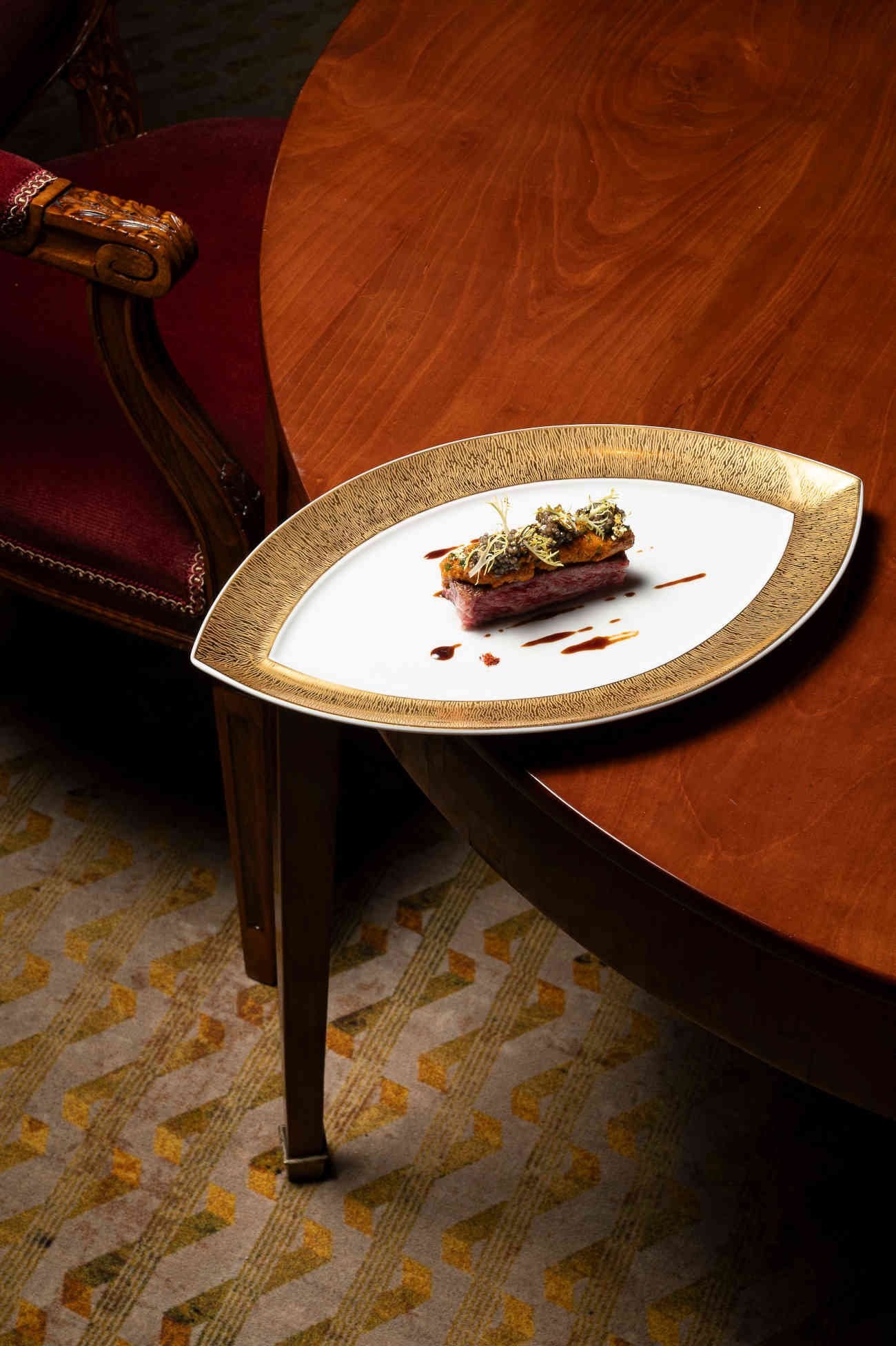
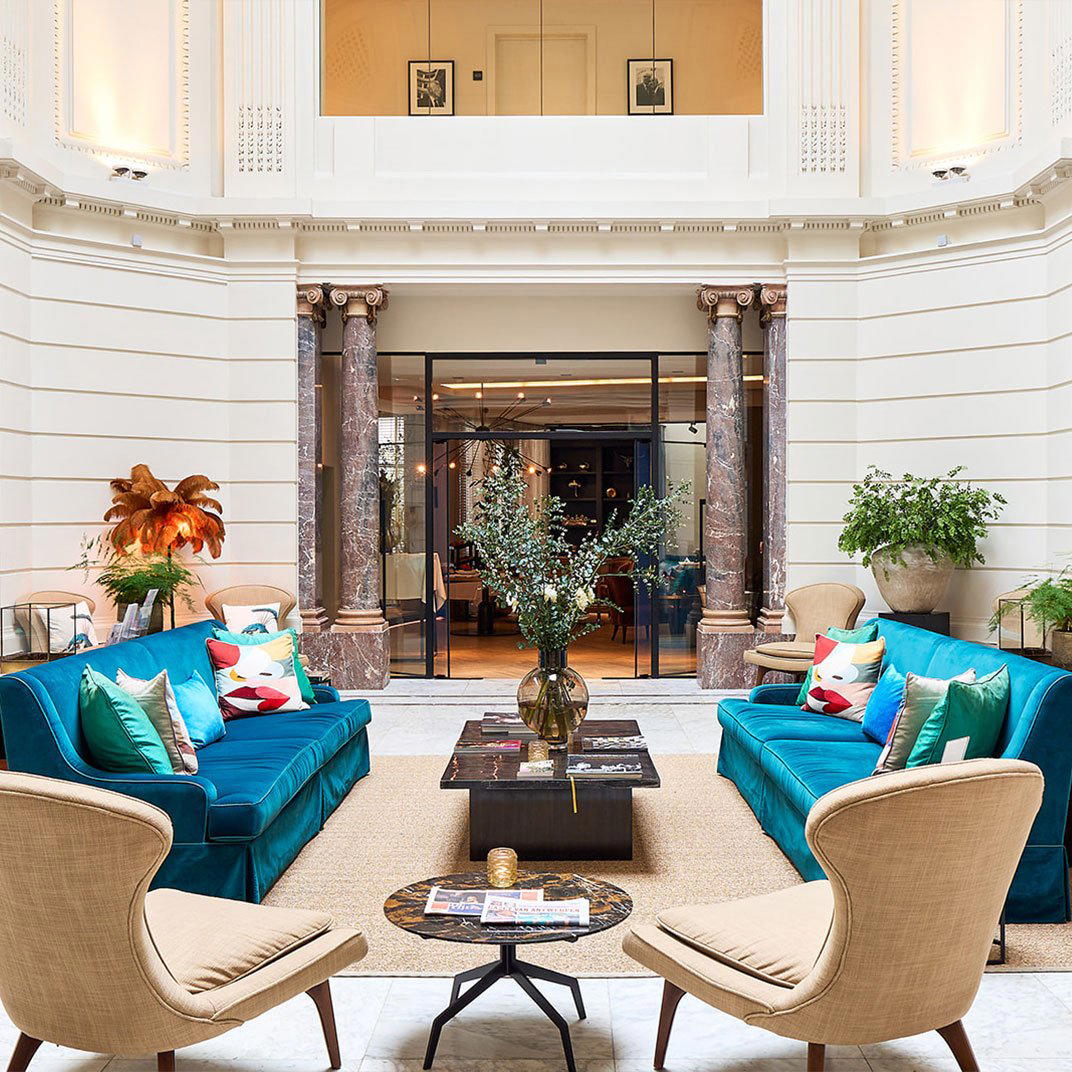
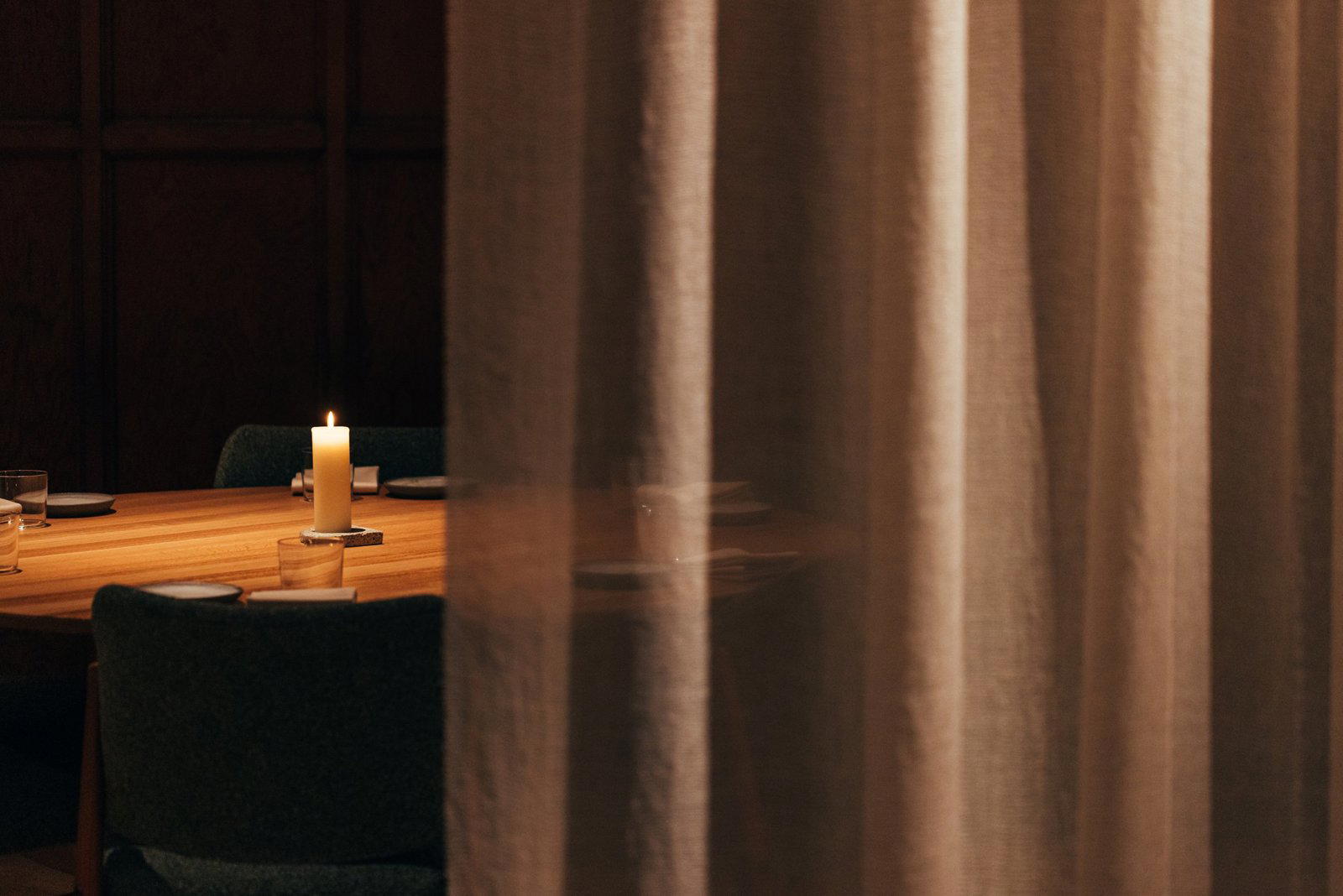
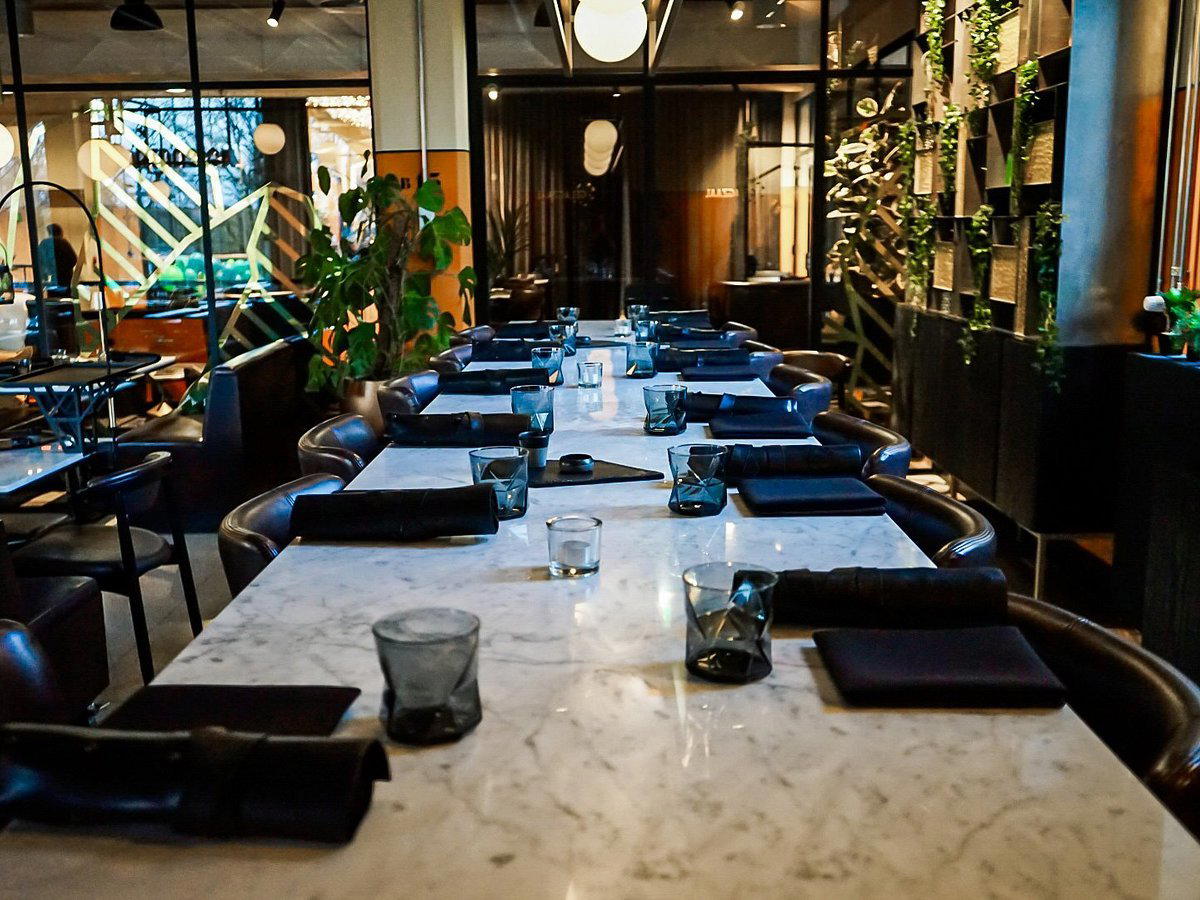
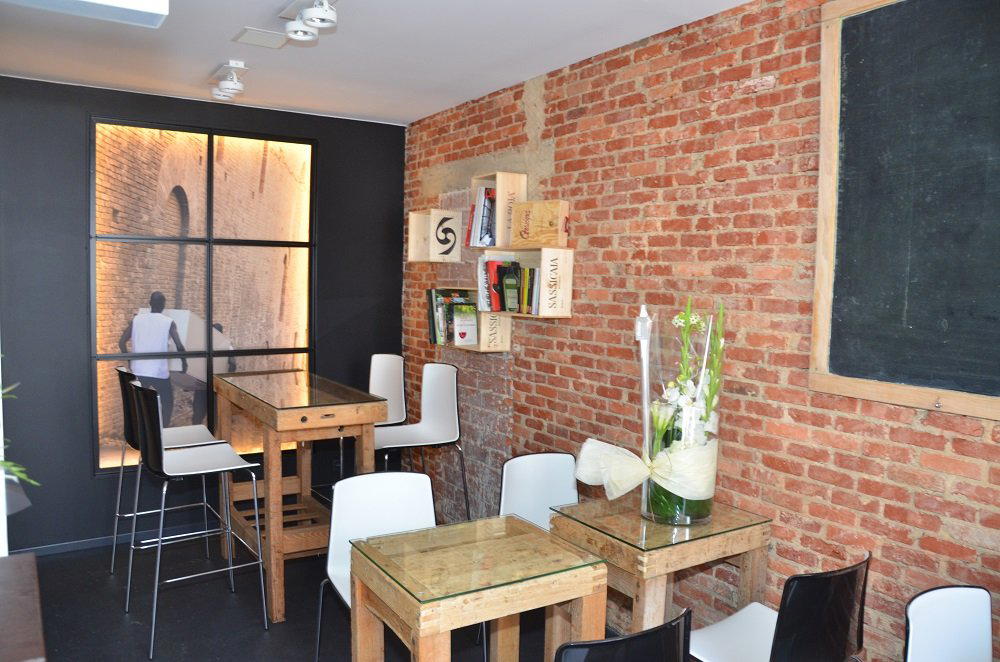
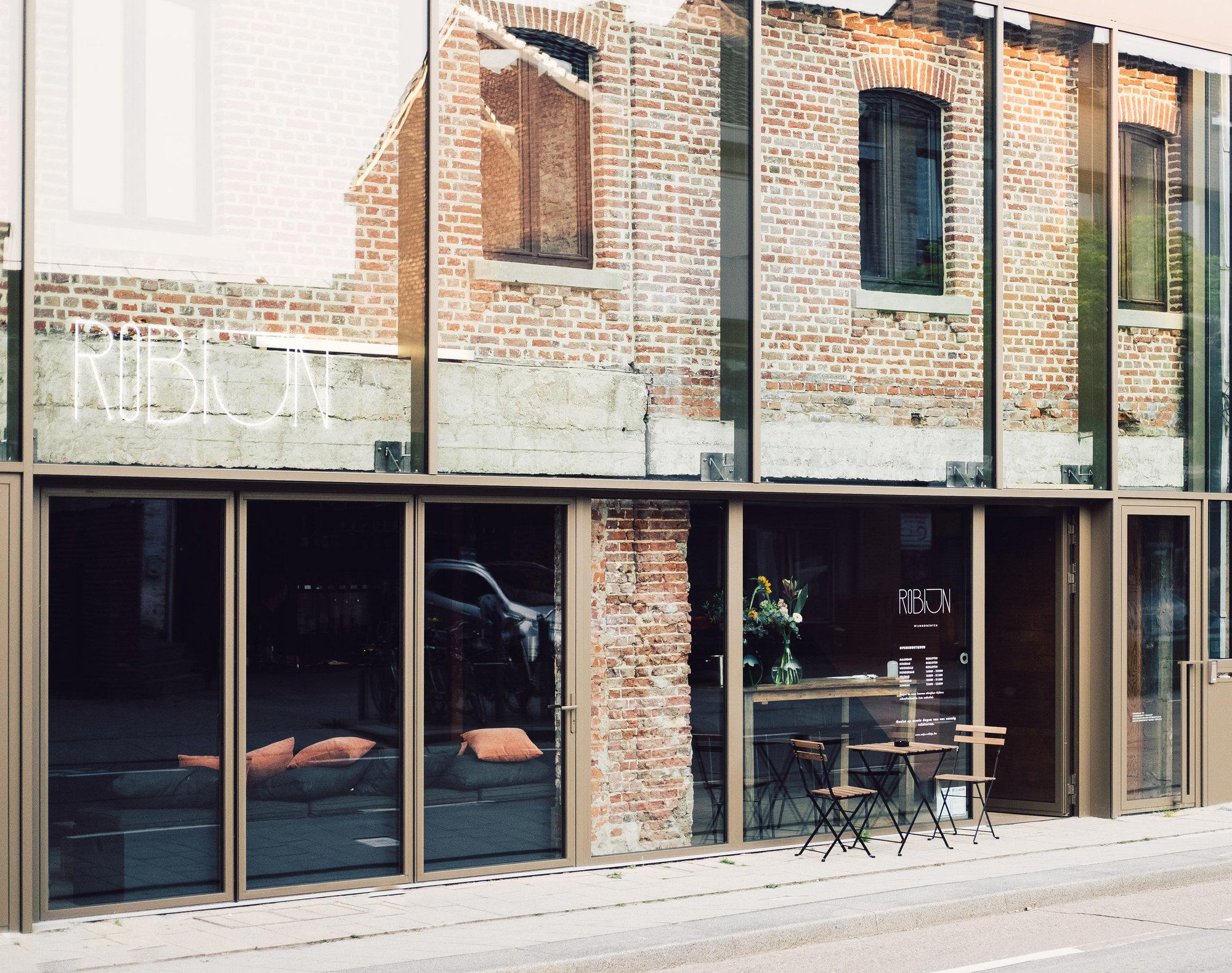
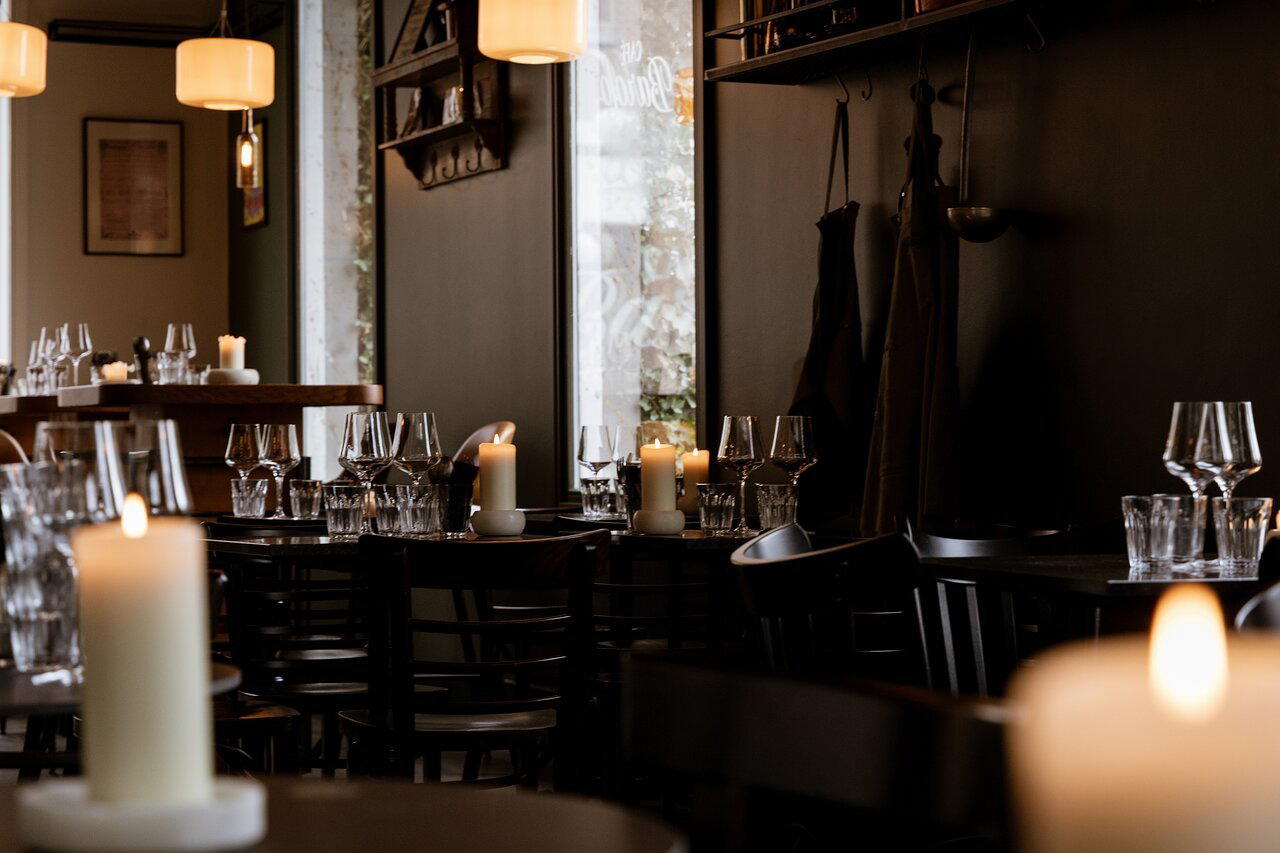
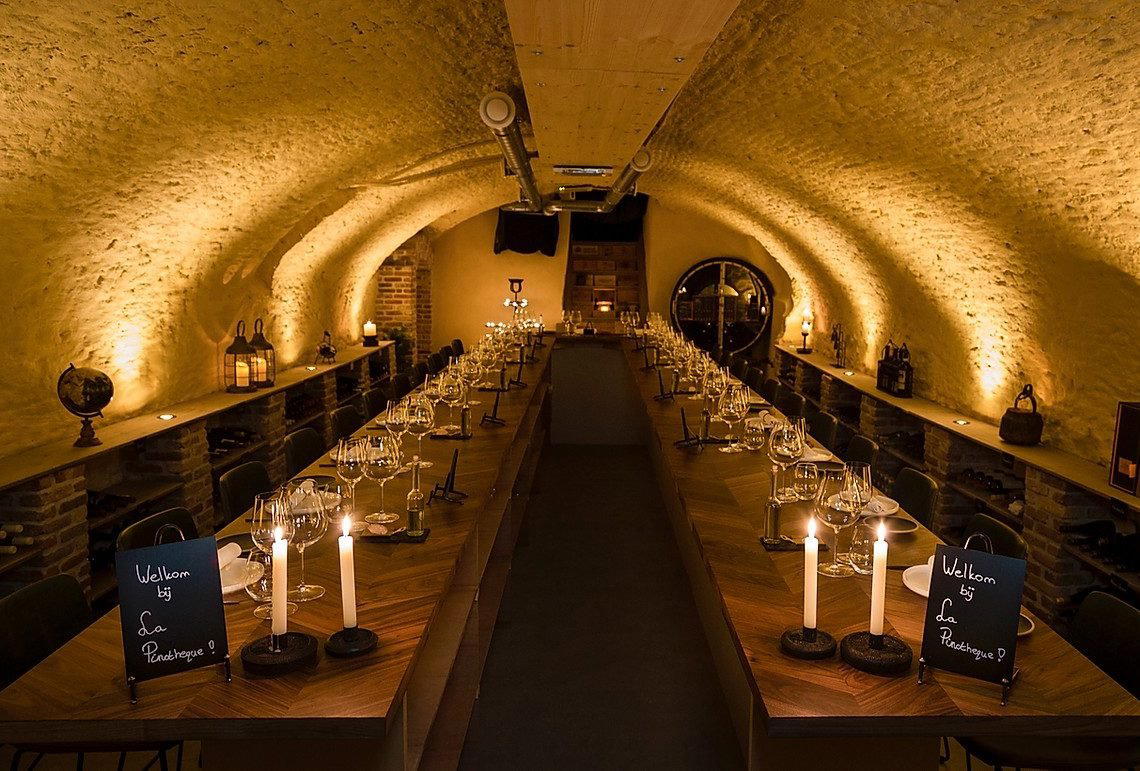
Modern baroque interior with contemporary styling; warm and welcoming atmosphere with carefully laid tables creating an intimate dining environment.