
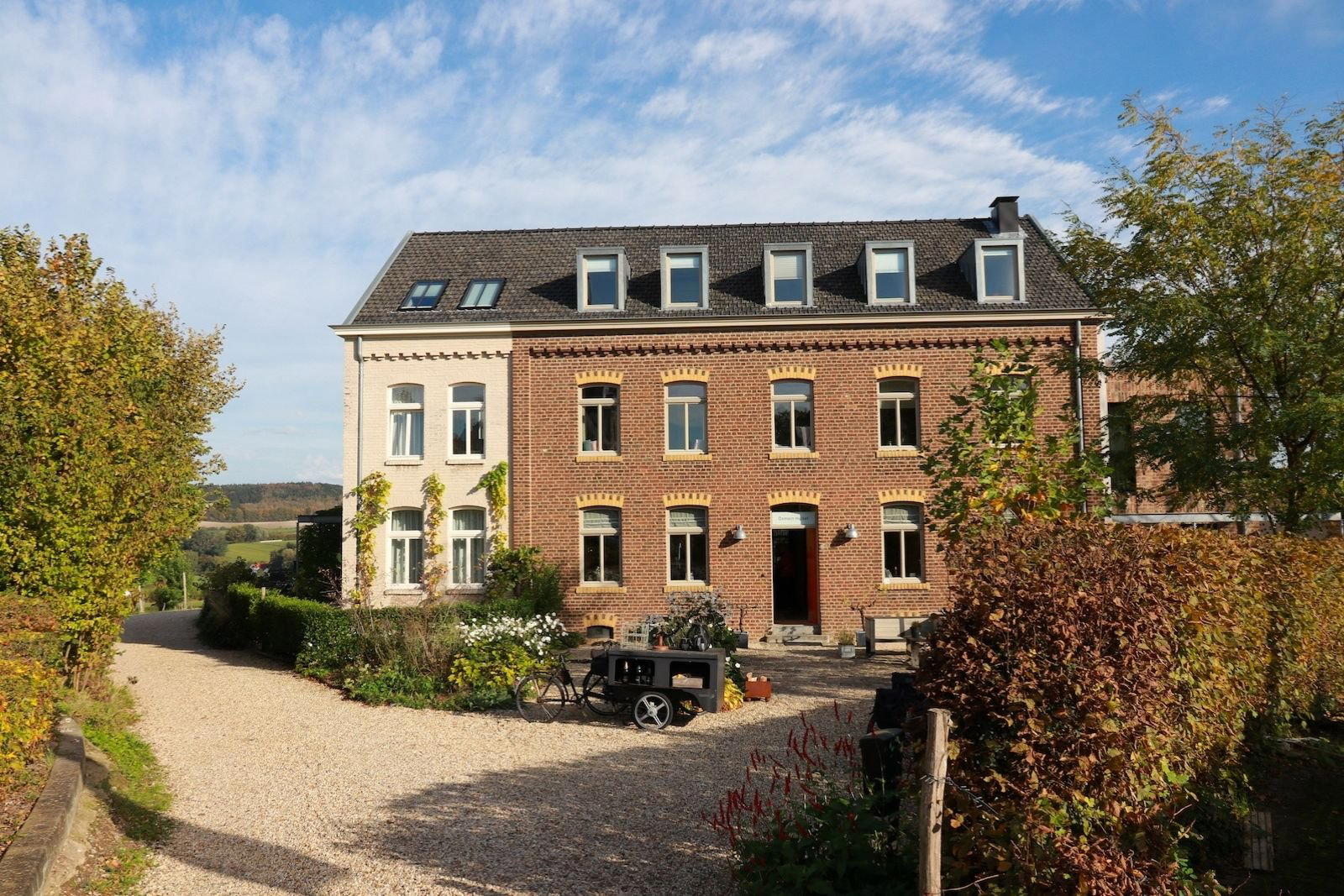
Robijn occupies a quiet address on Vennestraat in Genk, a city whose restaurant scene has grown more considered and varied over the past decade. With limited information publicly available, the restaurant operates with a degree of discretion that suits the broader Flemish tradition of letting the plate do the talking. Worth investigating directly for current format and availability.
Pearl is the En Primeur Club membership app — saves, bookings, and concierge access live there. Same editors, same standards.
- Address
- Vennestraat 199, 3600 Genk, Belgium
- Phone
- +32469625484
- Website
- wijn-robijn.be
- Directions
- Get directions
 Saves & bookings on Pearl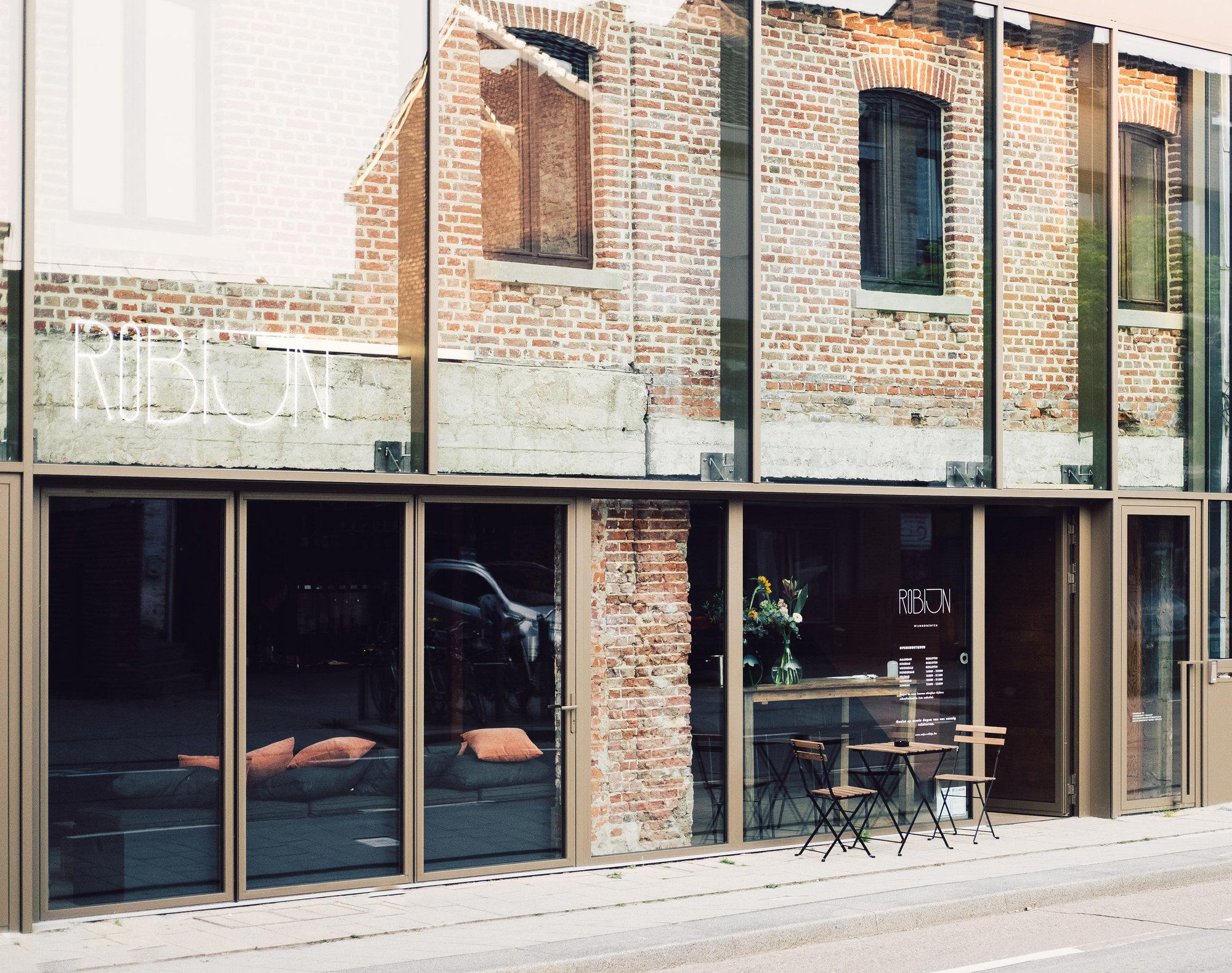
Genk at the Table: What the City's Restaurant Scene Reveals
Genk is not a city that announces itself. Limburg's largest municipality spent decades defined by its industrial past, the coal mines that shaped its demographics and its skyline, before a slower, quieter reinvention began to take hold. That reinvention is visible in the cultural institutions that replaced the collieries, and it is increasingly visible at the table. The dining scene here does not operate at Brussels or Antwerp volume, but it runs with genuine range: from the Modern European precision of De Kristalijn to the Italian seafood focus at La Botte, the city has developed a set of restaurants that reward attention. Robijn is a restaurant at Vennestraat 199 in Genk, Belgium.
The Vennestraat address places Robijn in a residential stretch of the city, away from the commercial centre. In Belgium, this kind of positioning is rarely accidental. Some of the country's most serious kitchens have historically favoured peripheral addresses, where low footfall does not indicate low ambition, it simply filters the clientele. Comparable logic applies to operations like Hof van Cleve in Kruishoutem and Willem Hiele in Oudenburg, both of which operate from addresses that require deliberate navigation. The destination-dining model is well established in Flanders, and Genk's geography makes it plausible territory for that format.
Menu Architecture and What It Signals
In Flemish fine dining, the structure of a menu communicates as much as the dishes themselves. Whether a kitchen opts for a single tasting format or builds its offering around à la carte choice tells you something about its relationship with the guest, how much it wants to control the arc of the meal versus how much it invites improvisation. The shift across Belgium over the past fifteen years has generally moved toward more structured formats: set menus, sometimes with limited supplementary choices, that allow the kitchen to pace service and source ingredients with greater precision.
What that context does suggest is that a restaurant at this address, in this city, operating with this degree of discretion, likely runs a focused format rather than an expansive one. Belgian kitchens at the considered end of the market have generally moved away from sprawling menus toward tighter, more seasonal structures, a direction consistent with how the country's better-known names, from Boury in Roeselare to Zilte in Antwerp, have shaped their offerings.
That seasonal discipline, when applied rigorously, often produces menus where the number of dishes is small and the sourcing is specific, Limburg's agricultural hinterland offers good raw material, with local producers supplying a variety of kitchens across the province. Asparagus from the Kempen region, freshwater fish from the nearby Maas river system, and Limburg's own fruit production have all found their way into regional menus. A kitchen that pays attention to this geography has considerable material to work with.
Placing Robijn in Genk's Current Tier Structure
Genk's restaurant offering now divides into recognisable tiers. At the upper end sit addresses like De Kristalijn and La Botte, both priced at the €€€€ level and operating with the kind of kitchen seriousness that warrants advance booking and a degree of occasion-dressing. A middle tier runs through addresses like Balena and Casa Paglia, with Corneille occupying its own distinct position. Robijn is a wine bar with sharing plates at a moderate price tier, so it sits in the approachable end of Genk's dining scene.
For comparison across Belgium's broader dining geography, the contrast is instructive: operations like Bartholomeus in Heist or Castor in Beveren demonstrate how provincial addresses can sustain serious kitchens without the infrastructure of a major city. d'Eugénie à Emilie in Baudour and De Jonkman in Sint-Kruis follow a similar pattern: deliberate addresses that function as destinations in themselves. Belgium has produced this model consistently enough that encountering it in Genk is not surprising.
At the international reference level, kitchens like Le Bernardin in New York or Atomix, also in New York, illustrate how menu architecture can become the primary editorial statement of a restaurant's identity, structures where every course placement is a deliberate argument about flavour sequence and ingredient logic. That discipline, applied at different price points and scales, is the underlying logic that distinguishes a considered kitchen from a casual one. Whether Robijn operates at that level of architectural intentionality is not something the available record confirms, but the question is the right one to bring to the table.
Planning a Visit
Vennestraat 199 is a specific address in Genk's residential fabric, reachable by car from the city centre in under ten minutes. Reservations are recommended. Travellers coming from further afield should treat the visit as part of a broader Limburg itinerary, the province offers enough to justify a night or two, and the regional dining scene, combined with the cultural draw of venues like the C-Mine complex, makes the logistics worthwhile. Bozar Restaurant in Brussels and L'air du Temps in Liernu are both worth considering as companion stops for travellers building a Belgian dining circuit.
Recognition Snapshot
Comparable venues nearby, for context on price, style, and recognition.
| Venue | Cuisine | Price | Notes |
|---|---|---|---|
| RobijnThis venue — the venue you are viewing | Wine Bar with Sharing Plates | $$ | Not listed |
| Casa Paglia | Authentic Italian Pizza and Pasta | $$ | Vennestraat |
| Gusto | Contemporary French-Belgian Fine Dining | $$ | Carbon Hotel area |
| NoRes | Modern French with Worldly Twists | $$$ | Not listed |
| Peppe's | Authentic Italian Bistro | $$ | Genk center |
| Foglia | Vegan Italian Fine Dining | $$$ | Vennestraat |
Recognition history
Dated appearances from independent guides and award organizations, with the underlying list record or original source where available.
Star Wine List
Star Wine List
Continue exploring
More in Genk
Restaurants in Genk
Browse all →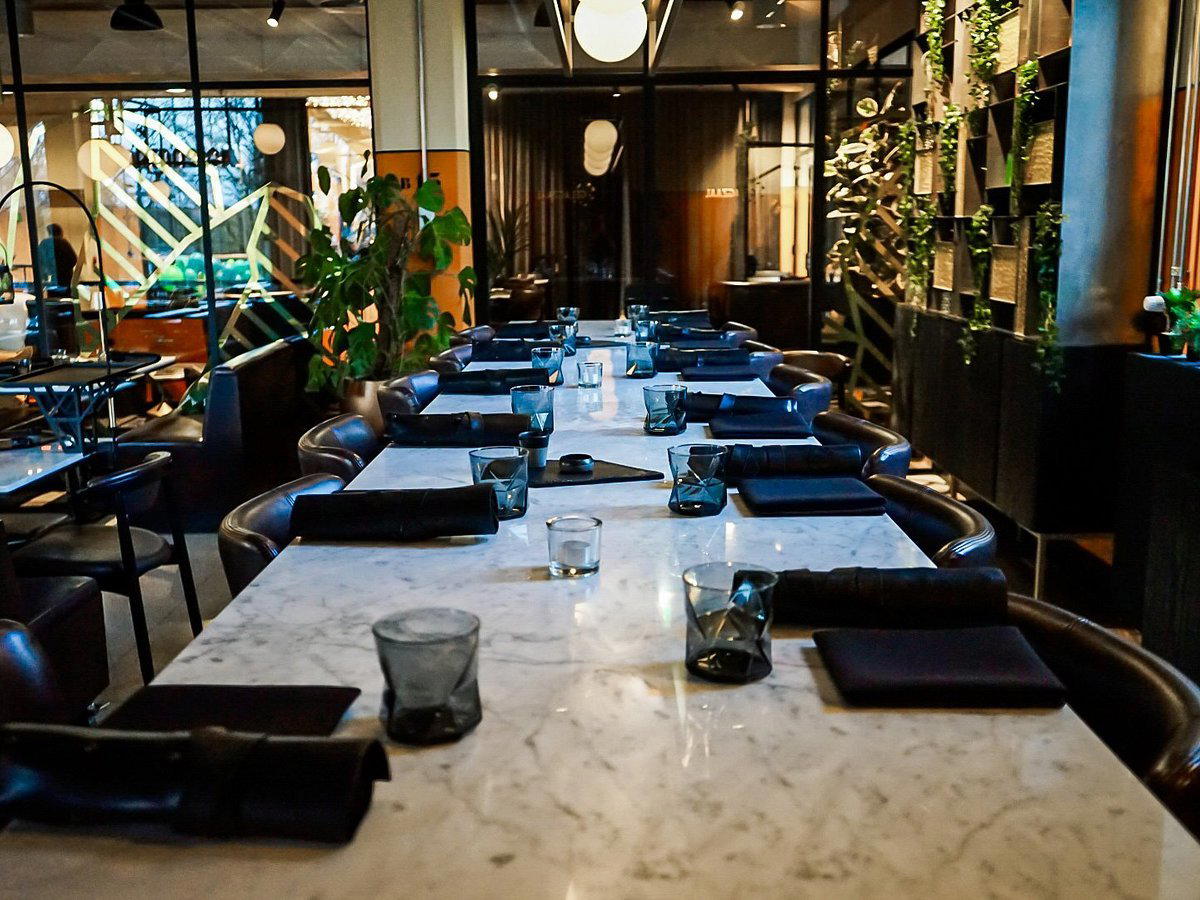
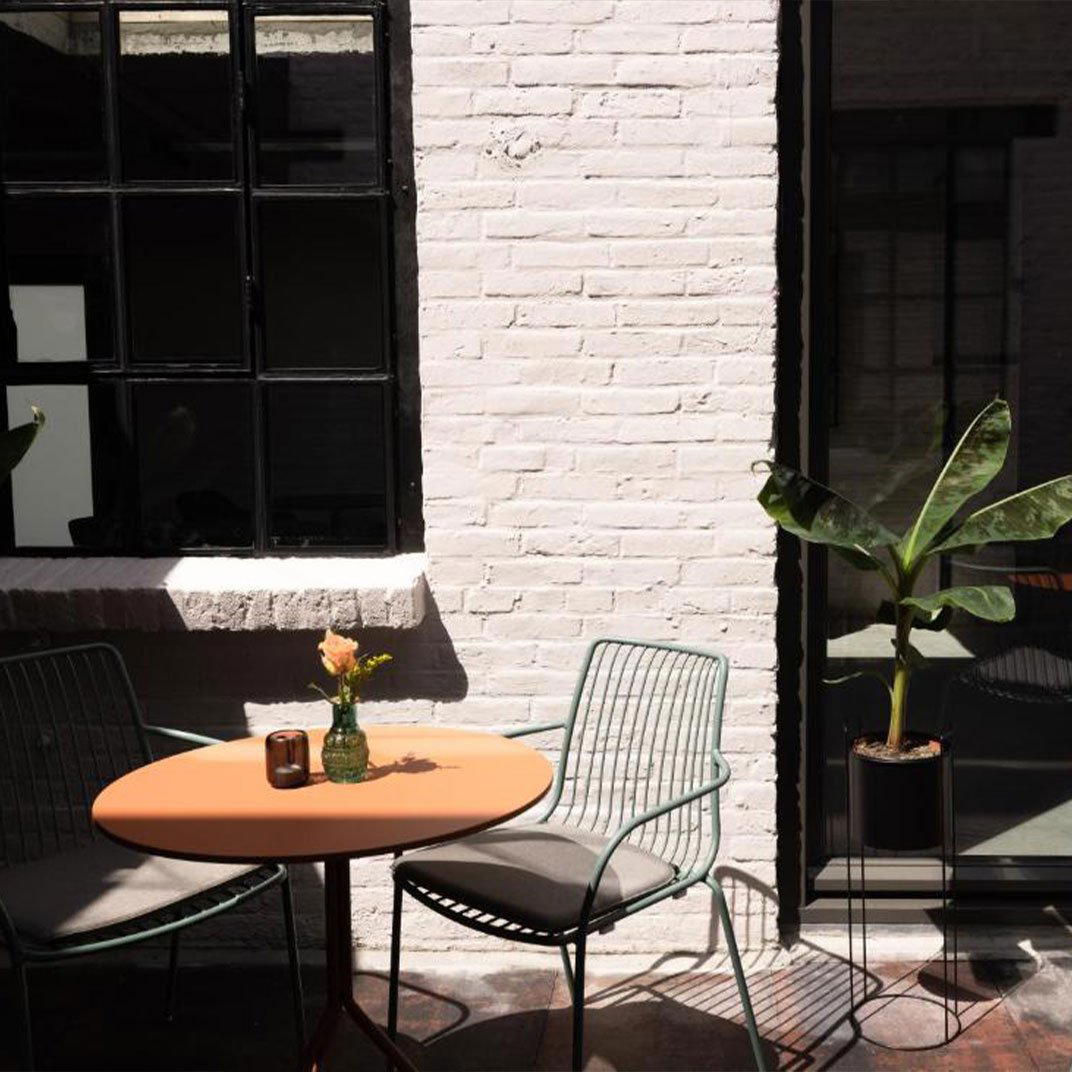
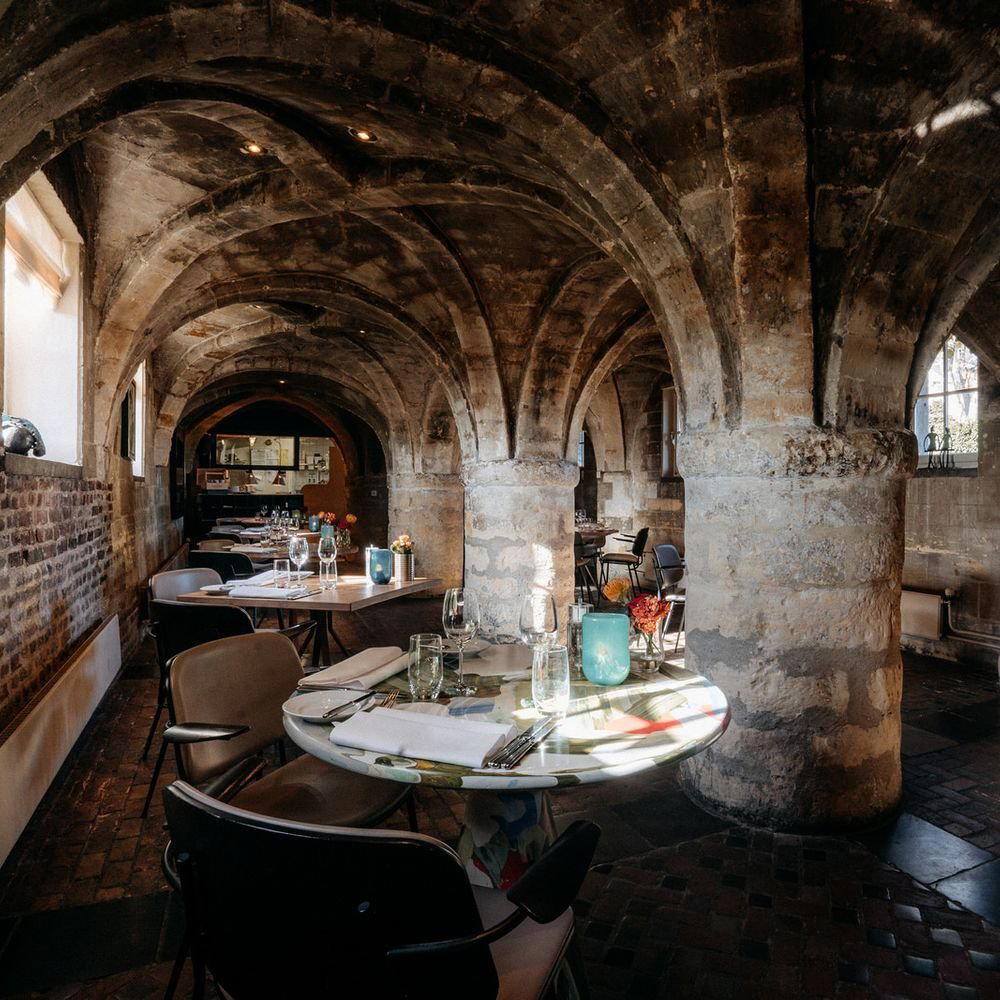
Bars in Genk
Browse all →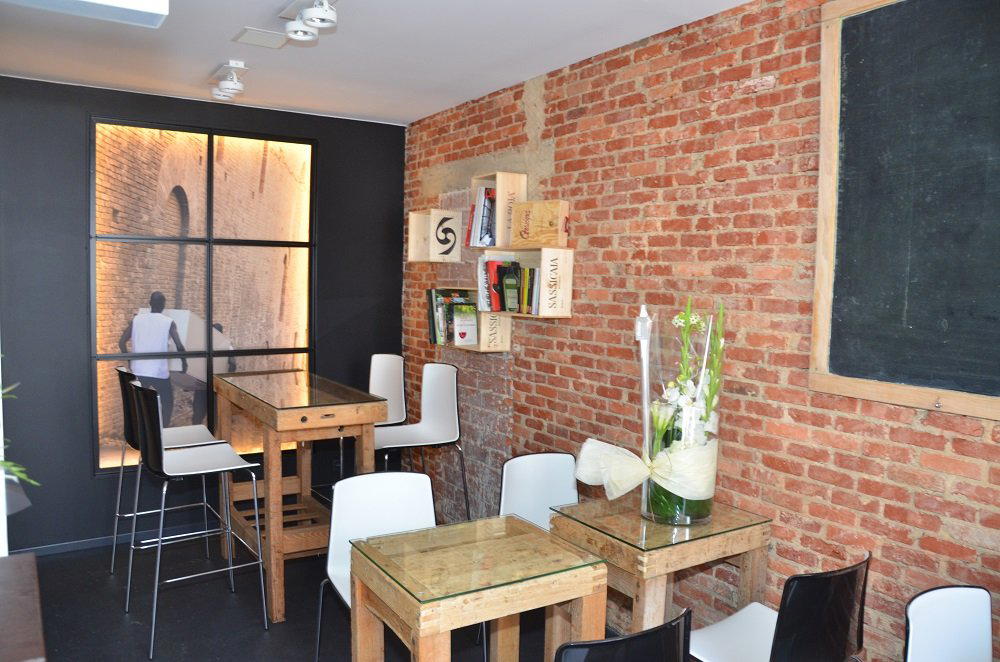
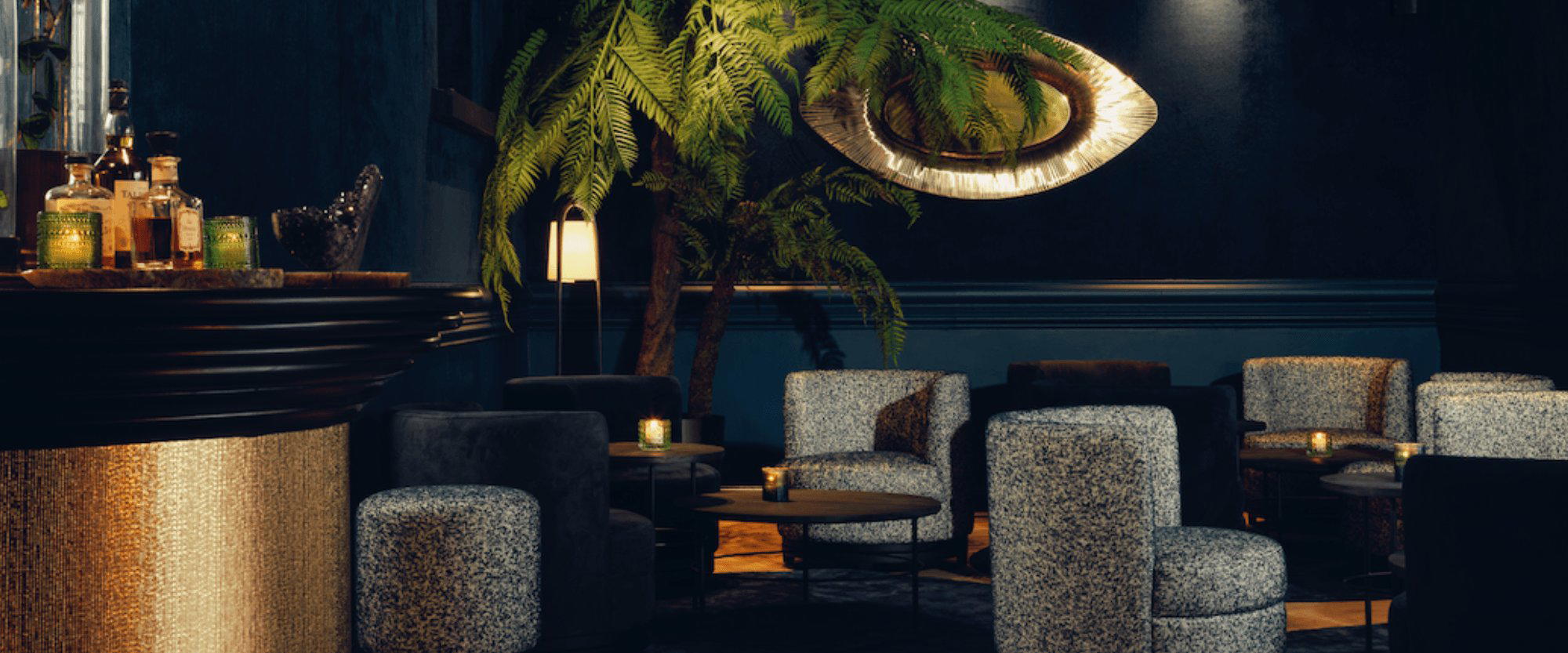
Hotels in Genk
Browse all →

At a Glance
- Cozy
- Intimate
- Elegant
- Modern
- Date Night
- Casual Hangout
- Terrace
- Garden
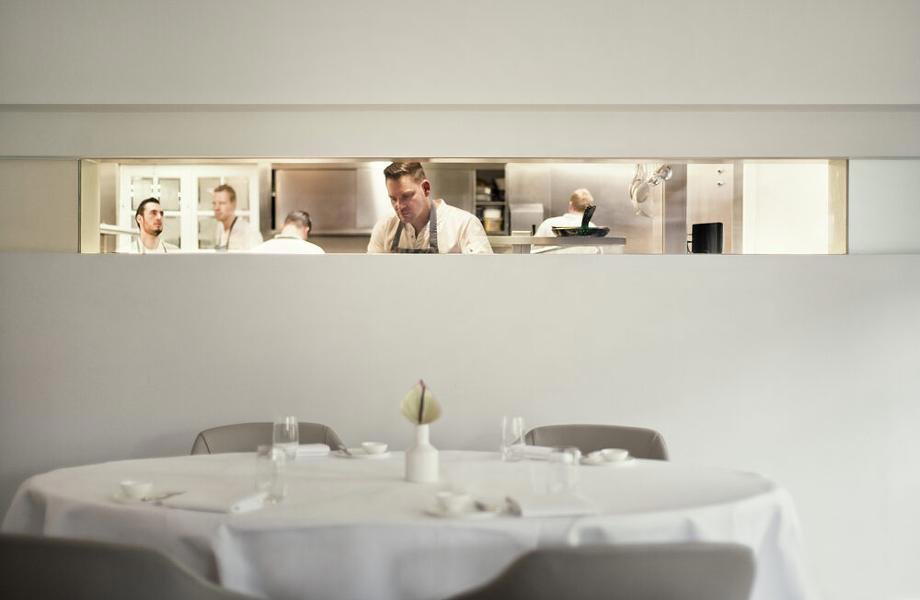
- Open Kitchen
- Extensive Wine List
- Natural Wine
- Local Sourcing
- Organic
- Garden
Current opening hours
- Monday
- 12–3 PM, 6–11 PM
- Tuesday
- Closed
- Wednesday
- Closed
- Thursday
- 6–11 PM
- Friday
- 12–3 PM, 5:30 PM–12 AM
- Saturday
- 5 PM–12 AM
- Sunday
- 5–11 PM
Hours can change for holidays and private events. Last verified .
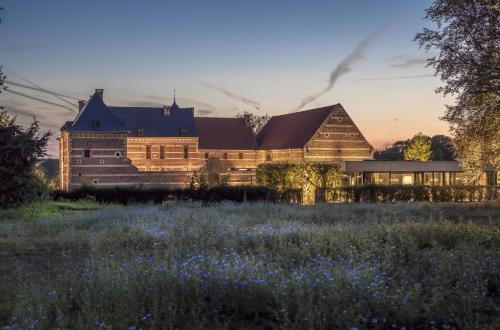
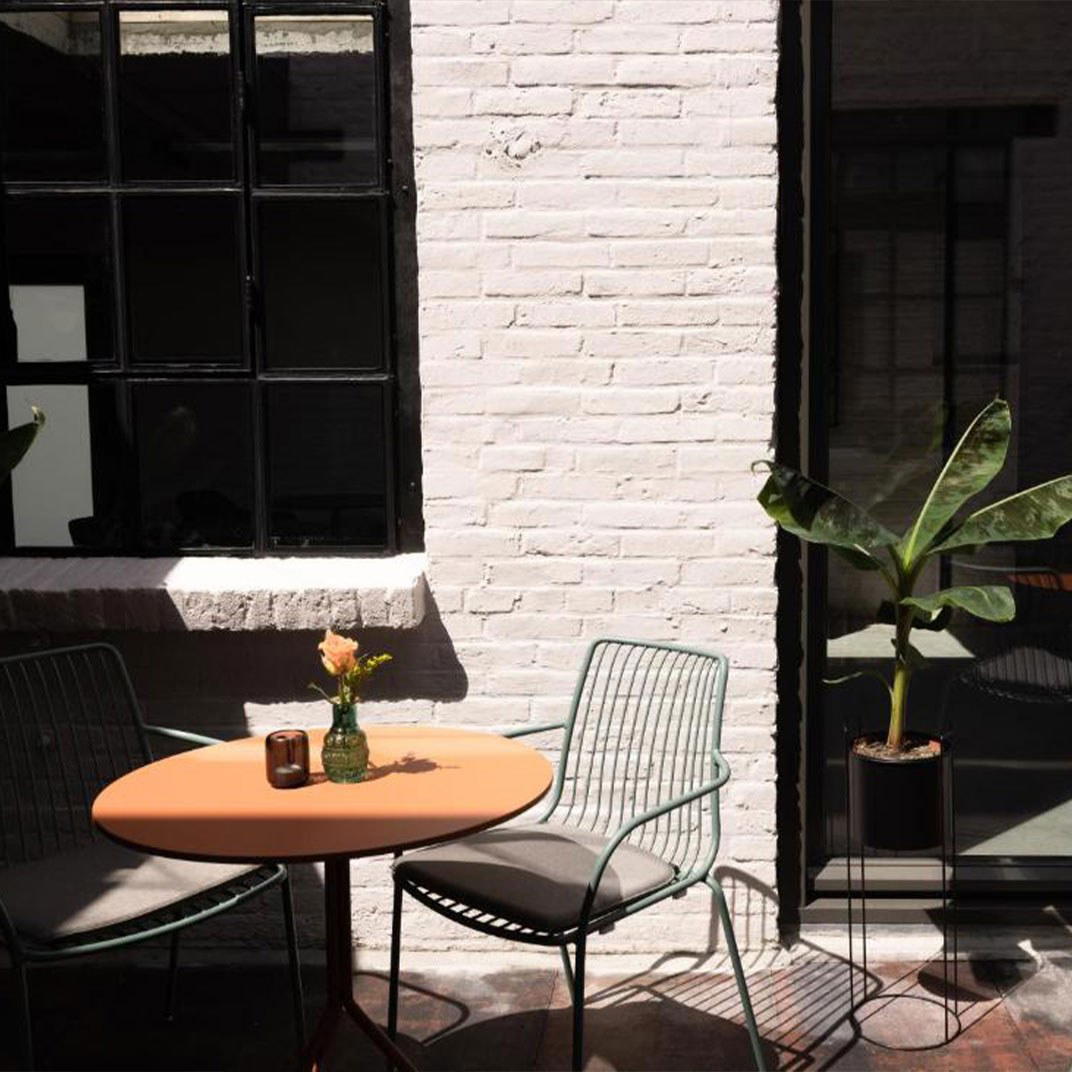
Candlelit evening atmosphere with cozy backyard terrace during the day.