Gran Gusto Brasschaat
Gran Gusto Brasschaat occupies a clear position in the northern Antwerp suburb's dining scene, where Italian and European cooking traditions sit alongside French-leaning contemporary kitchens. Located on Augustijnslei in the residential heart of Brasschaat, the restaurant draws a local clientele for whom proximity to serious cooking matters. For a fuller picture of where it sits among the area's options, the EP Club Brasschaat guide covers the broader field.
Pearl is the En Primeur Club membership app — saves, bookings, and concierge access live there. Same editors, same standards.
- Address
- Augustijnslei 41, 2930 Brasschaat, Belgium
- Phone
- +32476271399
- Website
- grangusto.be
- Directions
- Get directions
 Saves & bookings on Pearl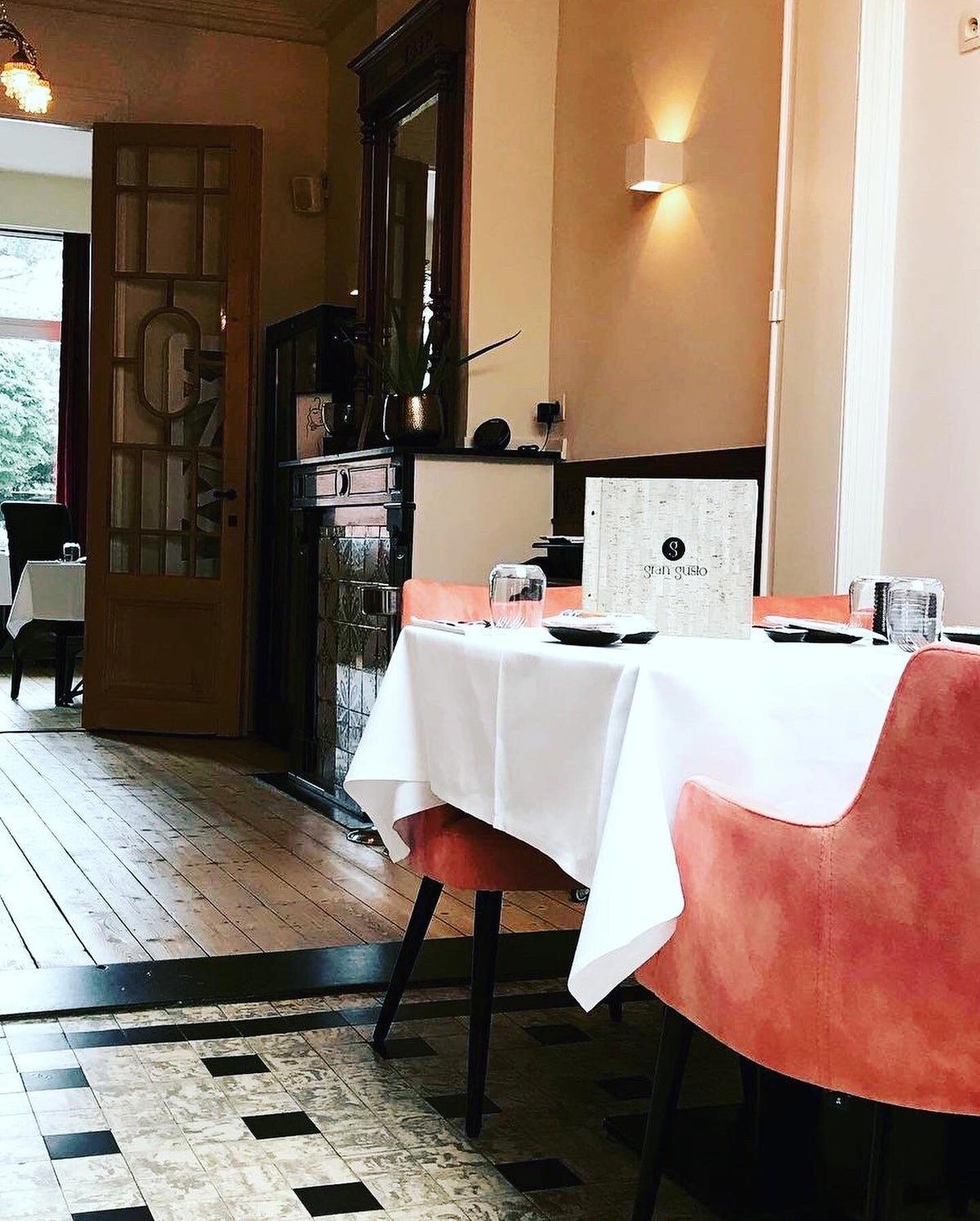
Where Brasschaat Eats Italian
Brasschaat is not a city that announces itself loudly. The affluent suburb north of Antwerp, separated from the urban centre by the Rivierenhof and stretching toward the Dutch border, has long supported a quiet concentration of serious restaurants serving a residential population that eats out regularly and demands quality without spectacle. The cooking here tends to be precise and ingredient-led rather than conceptually ambitious, and the dining rooms are more likely to feature well-sourced produce than avant-garde plating. Gran Gusto Brasschaat on Augustijnslei sits inside that pattern, occupying a position in the suburb's Italian register that sits alongside French-leaning neighbours like L'Excelsior and the bakery-forward contemporary kitchen at Maurice.
Italian restaurants in Belgian suburbs occupy a specific niche. They are rarely the experimental, hyper-regional affairs you might find in Antwerp's city centre or Brussels. Instead, they function as anchors: places where sourcing transparency, pasta technique, and a coherent wine list carry more weight than tasting-menu architecture. The question worth asking of any restaurant in this category is not whether it serves Italian food, but whether the ingredients that arrive on the plate justify the journey from wherever they came.
The Sourcing Logic Behind Italian Cooking in Belgium
Ingredient provenance is the sharpest lens through which to assess Italian restaurants operating outside Italy. The category divides sharply between kitchens that import dried pasta and tinned tomatoes and call it Italian, and those that maintain supply chains reaching into specific Italian regions: particular flour mills for fresh pasta, DOP-certified olive oils, aged cheeses tracked to named producers. Belgium has a surprisingly deep network of Italian import specialists, partly because of its position as a logistics hub and partly because the Belgian restaurant industry has, since the 1990s, developed a serious relationship with Italian product culture.
That relationship is visible at the top end of the Belgian dining spectrum. Restaurants like Zilte in Antwerp and Boury in Roeselare demonstrate what happens when Belgian technique meets rigorous sourcing discipline across all categories. Further afield, Hof van Cleve in Kruishoutem has long set a benchmark for produce-led cooking that crosses national cuisine boundaries. The standard these kitchens have set filters down to the suburb-level restaurant in ways that matter: Brasschaat diners eating regularly at the city's better tables bring expectations shaped by that exposure.
For an Italian kitchen in this context, sourcing transparency is not optional — it is the argument the restaurant makes to justify its existence in a competitive field. Sardis, the other Italian option in the Brasschaat area, operates in a comparable register; see the Sardis profile for a direct comparison. Gran Gusto's position relative to that peer is the kind of distinction that repeat visitors tend to form strong opinions about.
The Augustijnslei Address and What It Signals
Augustijnslei is a residential artery running through one of Brasschaat's more established neighbourhoods. Restaurants on streets like this do not rely on foot traffic or tourist proximity. Their clientele is drawn by reputation and habit, which means the room tends to feel more local than transient, and the service register reflects that. Tables know each other. Staff know the regulars. The atmosphere that results is specific to this kind of suburban dining: unhurried, familiar, and oriented toward the meal rather than the occasion.
This format has its own discipline. A restaurant on Augustijnslei does not have the luxury of capturing curious visitors wandering through a historic centre. Every cover is earned through word of mouth, repeat business, and the kind of steady quality that neighbourhood restaurants live or die by. Compared to the high-concept destination format you find at places like Willem Hiele in Oudenburg or Bartholomeus in Heist, the Brasschaat suburban kitchen operates under a different set of pressures — and arguably a more demanding one, because the feedback loop from a regular local clientele is immediate and unforgiving.
Belgian Fine Dining as Regional Context
Understanding Gran Gusto requires understanding what Belgian dining culture expects from its restaurants. Belgium punches well above its size in European gastronomy: the density of Michelin-starred restaurants per capita is among the highest on the continent, and the culture of serious eating extends beyond destination dining into neighbourhood-level expectations. Restaurants like De Jonkman in Sint-Kruis, L'air du temps in Liernu, and Bozar Restaurant in Brussels sit at the formal end of that spectrum. But the culture that supports those restaurants, the appetite for quality, for producer-linked sourcing, for cooking that takes ingredients seriously, is the same culture that sustains a neighbourhood Italian in Brasschaat.
For comparison across the country's broader fine dining range, see also Castor in Beveren, La Durée in Izegem, La Table de Maxime in Our, and d'Eugénie à Emilie in Baudour. Internationally, the ingredient-driven Italian model finds its most rigorous expression in kitchens like Le Bernardin in New York City, not Italian, but a useful reference point for what sourcing discipline at the highest level looks like in practice, alongside contemporary Korean precision at Atomix, which similarly anchors its menu in provenance-first thinking.
Planning Your Visit
Gran Gusto Brasschaat is located at Augustijnslei 41, 2930 Brasschaat, a direct address for those arriving by car from Antwerp or from the E19 corridor. For the full picture of what else the suburb offers, across French, Italian, and contemporary formats, the EP Club Brasschaat restaurants guide provides a mapped overview of the dining options in the area.
How Gran Gusto Brasschaat compares with similar nearby venues.
| Venue | Cuisine | Price |
|---|---|---|
| D'Oude Pastorie | Modern Cuisine | €€€ |
| Maurice | Bakery, French Contemporary | €€€ |
Continue exploring
More in Brasschaat
Restaurants in Brasschaat
Browse all →
Bars in Brasschaat
Browse all →
At a Glance
- Cozy
- Intimate
- Classic
- Date Night
- Special Occasion
- Garden
- Garden
Current opening hours
- Monday
- Closed
- Tuesday
- Closed
- Wednesday
- Closed
- Thursday
- 6–11 PM
- Friday
- 6–11 PM
- Saturday
- 6–11 PM
- Sunday
- 6–11 PM
Hours can change for holidays and private events. Last verified .
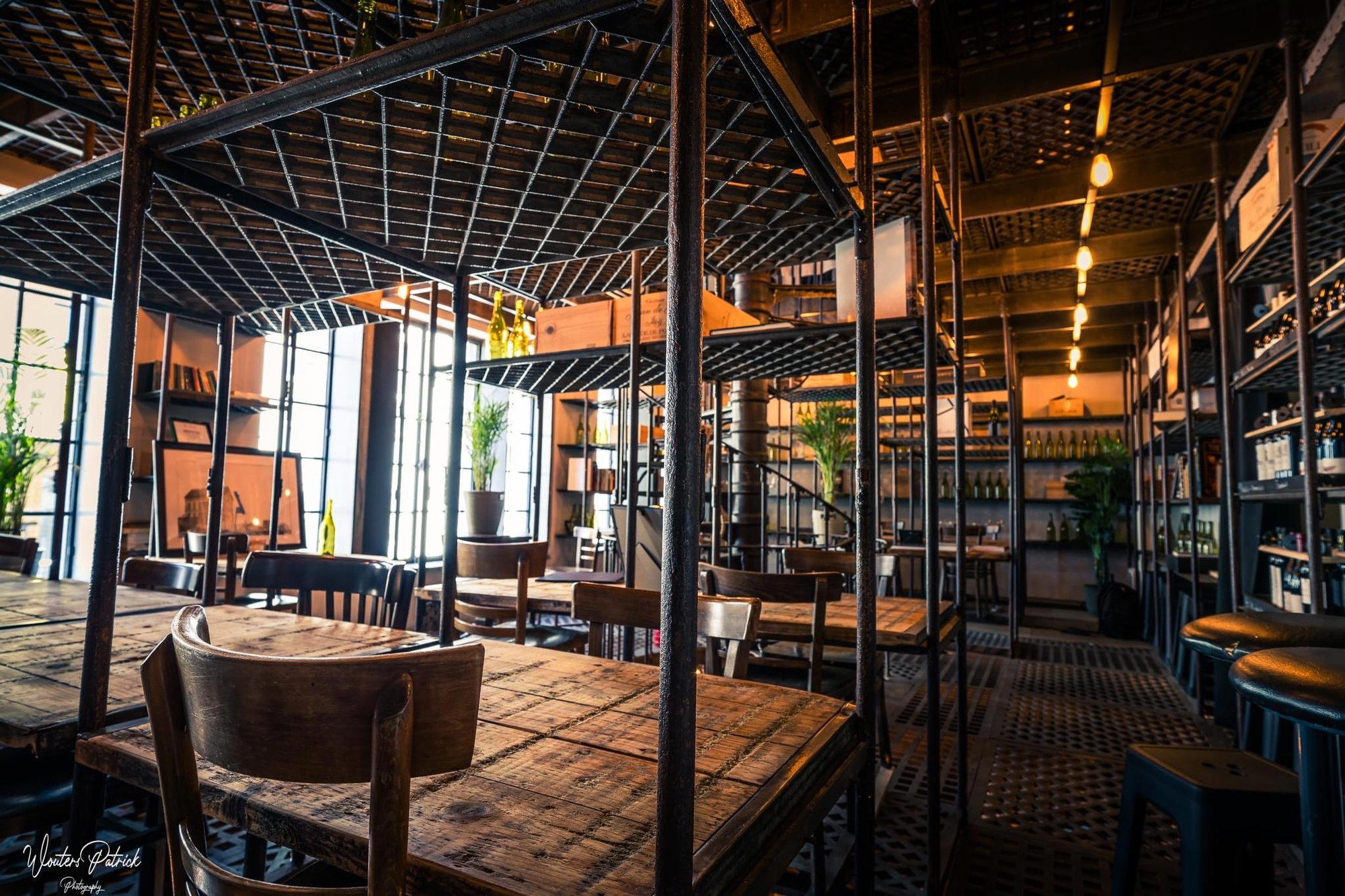
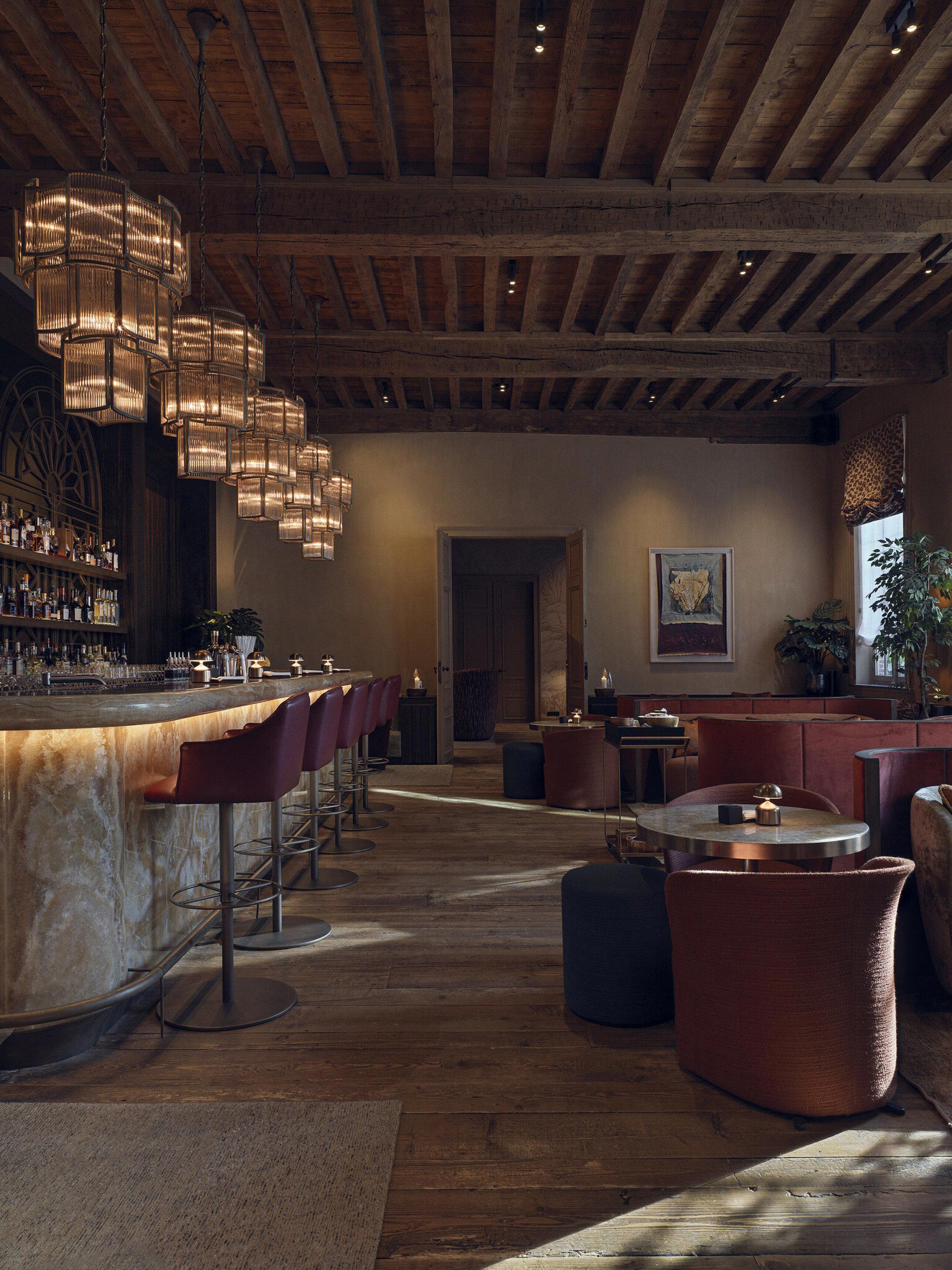
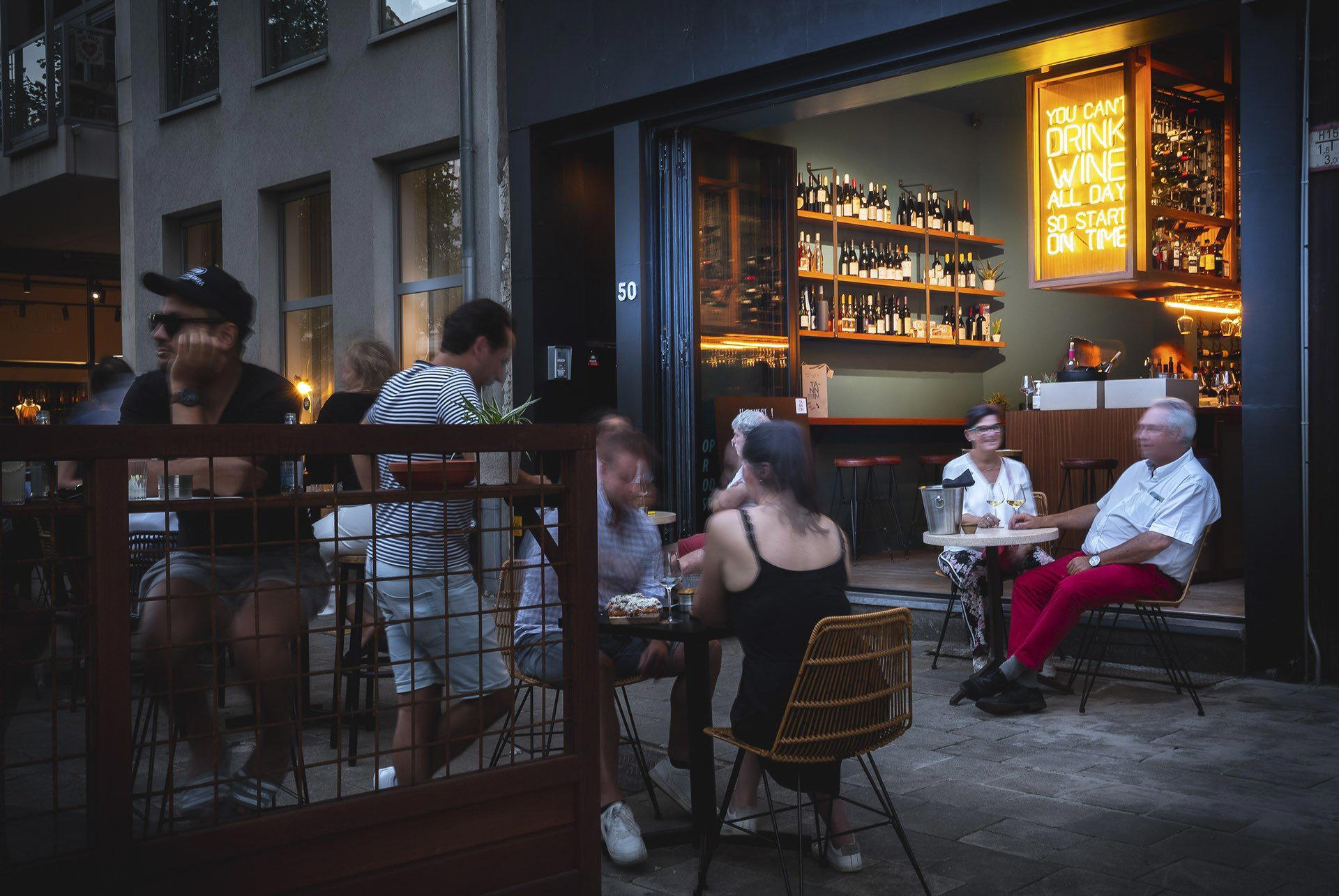
Warm and inviting like a friend's home, cozy garden seating.
Know Before You Go
- Getting there
- Augustijnslei 41, 2930 Brasschaat, Belgium