
Michelin Plate
Our verdict
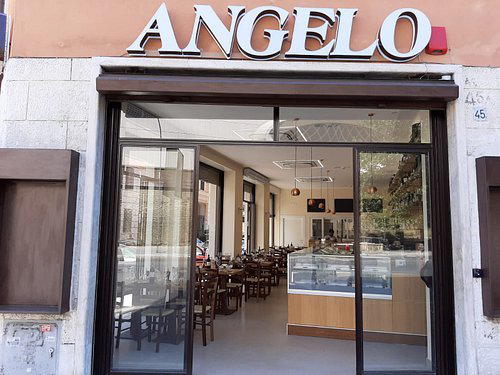
Aged sea bream from Akashi, pike conger from Awaji, and game from Tamba-Sasayama arrive on white porcelain in compositions that sit closer to modern art than casual dining. At ¥¥¥, the kitchen delivers a level of sourcing rigour that outpaces its price tier.

Pearl is the En Primeur Club membership app, where members save venues, book tables and use the concierge.
The menu
What to order
- Sea bream from Akashi
- Daggertooth pike conger fritters
- Venison and boar from Tamba-Sasayama
- Duck from Wakayama
Kansai Ingredients, Tokyo Plate: What Angelo Gets Right
Tokyo's Italian restaurant scene has fractured into at least three distinct tiers over the past decade. At the leading, addresses like Aroma Fresca and Gucci Osteria da Massimo Bottura Tokyo command ¥¥¥¥ pricing and operate with the international press attention to match. In the middle tier, a smaller cohort of technically serious kitchens hold Michelin recognition at ¥¥¥ price points, delivering ingredient-driven cooking without the full theatre of the leading bracket. Its 2025 Michelin Plate confirms a kitchen that meets the guide's baseline for quality, and the sourcing framework it operates within is more considered than that recognition alone suggests.
The name translates from Italian as 'angel', and the restaurant traces its conceptual roots to an Osaka eatery whose approach the chef draws on daily. That Kansai orientation is not incidental to what arrives on the table. It is the architecture of the menu. Where many Italian restaurants in Tokyo source from the standard Tsukiji-adjacent supply chains, Angelo works within a Kansai geography: the Akashi Strait for fish, Awaji Island for pike conger, the inland areas of Tamba-Sasayama for venison and boar, and Wakayama for duck. These are not casual sourcing choices. Italian cooking, at its disciplined core, asks the ingredient to carry the dish. Where those two traditions converge, the results can be quietly compelling. Sea bream from Akashi is aged before service, a technique more associated with premium omakase counters than Italian kitchens; the fish gains textural density and a depth of flavour that raw-served bream rarely achieves. Daggertooth pike conger from Awaji, a species with particular seasonal significance in Osaka cuisine, is served here as fritters: a preparation that bridges the two culinary traditions without forcing the join.
Game features on the menu in a way that few Italian restaurants at this price tier in Tokyo attempt. Venison and boar from Tamba-Sasayama, a mountainous area northwest of Kyoto with an established game culture, sit alongside duck from Wakayama. For a room operating at ¥¥¥, that specificity is the value proposition in concrete form. Compare this to peer addresses such as Principio or AlCeppo, and the Kansai sourcing framework represents a clear editorial differentiator within the mid-tier Italian category in Tokyo.
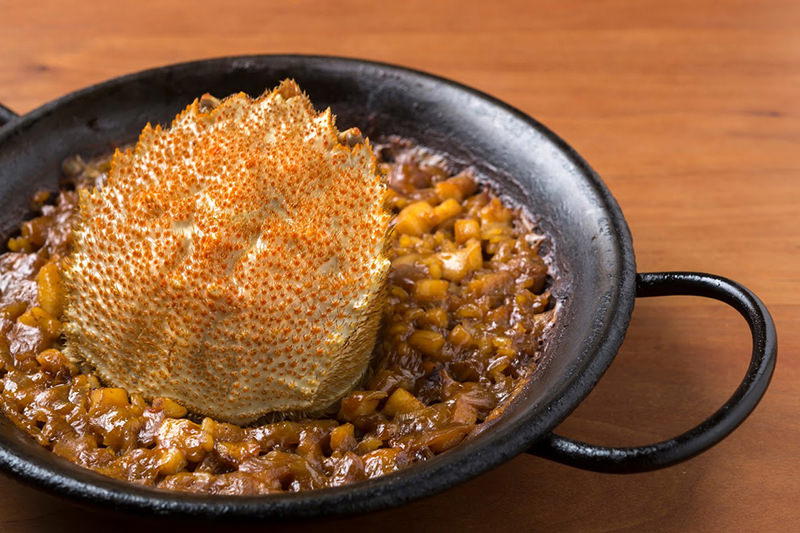
The plating approach reinforces the seriousness of the kitchen's intentions. White porcelain dinnerware is used throughout, providing neutral ground for compositions the Michelin inspectors describe as at times impressive enough to read as art. That kind of language from a guide known for its restraint is worth registering. The visual ambition of the presentation is not decoration; it signals a kitchen thinking about how each element on the plate relates to the others, which is the same discipline that informs good sourcing decisions.
Where Angelo Sits in the Broader Italian Tokyo Conversation
Tokyo has developed one of the most serious Italian dining cultures outside Italy, with Michelin-starred addresses and a range of regional Italian interpretations across the city. Addresses like HAJIME in Osaka and cenci in Kyoto represent the upper registers of ingredient-driven, European-influenced cooking in the Kansai region from which Angelo draws its produce. Angelo does not position itself in that tier, but understanding those addresses clarifies the sourcing infrastructure the kitchen is tapping into.enprimeurclub.com/restaurants/8-12-otto-e-mezzo-bombana-hong-kong-restaurant">8½ Otto e Mezzo Bombana in Hong Kong as a regional reference point for the broader conversation. That geography partly explains why Angelo holds a Michelin Plate rather than a star: the guide's attention does not fall with equal density across every Tokyo neighbourhood. It does not diminish what the kitchen is doing. For broader Tokyo context, see our full Tokyo restaurants guide, as well as our guides to hotels, bars, wineries, and experiences across the city.enprimeurclub.com/restaurants/gion-sasaki-kyoto-restaurant">Gion Sasaki in Kyoto, akordu in Nara, Goh in Fukuoka, 1000 in Yokohama, and 6 in Okinawa represent the range of serious cooking available across the country.
Planning Your Visit
Budget: ¥¥¥, placing it meaningfully below the ¥¥¥¥ tier occupied by addresses like Aroma Fresca or Gucci Osteria da Massimo Bottura Tokyo while maintaining the sourcing discipline those rooms are recognised for. Reservations: Contact details are not publicly listed at time of writing; approach via the building address directly or through local concierge services. Dress: No published dress code, but the plating philosophy suggests the kitchen takes its presentation seriously, and guests dressing accordingly will feel in register.
Frequently asked questions
What distinctions does Ristorante Angelo have?
Ristorante Angelo has received recognition including: The restaurant's name, meaning ‘angel’, was inspired by an Osaka eatery whose influence guides the chef each day. He sources his ingredients from within the Kansai area with which he is familiar. Sea bream from Akashi is aged, daggertooth p….
What's the best thing to order at Ristorante Angelo?
The kitchen's sourcing logic offers a clear answer: the aged sea bream from Akashi and the daggertooth pike conger fritters from Awaji are the dishes that most directly express what Angelo is doing, Kansai provenance filtered through Italian technique. Game dishes featuring venison and boar from Tamba-Sasayama and duck from Wakayama are worth ordering when available, as they represent a sourcing specificity rare in Tokyo's Italian scene at any price point.
What should I budget for a meal at Ristorante Angelo?
Pricing at Ristorante Angelo is listed as ¥¥¥.
Do they take walk-ins at Ristorante Angelo?
Angelo operates at the ¥¥¥ price tier with Michelin Plate recognition, which typically means a compact dining room and regular demand from repeat local diners. Without confirmed seat count or published hours, walk-in availability cannot be guaranteed, a reservation made in advance is the practical route for a meal where the sourcing of Kansai ingredients depends on daily preparation.
At-a-Glance Comparison
| Venue | Cuisine | Price | Awards | Notes |
|---|---|---|---|---|
| Ristorante AngeloThis venue (the venue you are viewing) | Seasonal Italian Omakase | $50–100 | Michelin Plate | Not listed |
| Harutaka | Edo-Style Omakase Sushi | $200–300 | 3 Michelin Stars · World's 50 Best #76 | Sushi |
| RyuGin | Modern Kaiseki | $500+ | 3 Michelin Stars · World's 50 Best #41 | Kaiseki, Japanese |
| L'Effervescence | Modern French with Japanese Influences | $200–300 | 3 Michelin Stars · World's 50 Best #69 | French |
| HOMMAGE | Modern French with Japanese Influences | $150–200 | 2 Michelin Stars · World's 50 Best #78 | Innovtive French, French |
| MAZ | Innovative Peruvian-Japanese Fusion | $150–200 | 2 Michelin Stars · World's 50 Best #28 | Innovative |
Recognition history
Dated appearances from independent guides and award organizations, with the underlying list record or original source where available.
Michelin Plate
Michelin
Full recognition history (2 entries)
Michelin Plate
Michelin
Continue exploring
More in Tokyo
Restaurants in Tokyo
All restaurants in Tokyo →

Bars in Tokyo
All bars in Tokyo →




Details
- Elegant
- Intimate
- Quiet
- Sophisticated
- Date Night
- Special Occasion
- Business Dinner
- Chefs Counter
- Open Kitchen
- Private Dining
- Standalone
- Extensive Wine List
- Sommelier Led
- Local Sourcing
- Farm To Table
- Tasting Menu
- Omakase
Current opening hours
- Monday
- 12–2:30 PM, 6–10 PM
- Tuesday
- 12–2:30 PM, 6–10 PM
- Wednesday
- 12–2:30 PM, 6–10 PM
- Thursday
- 12–2:30 PM, 6–10 PM
- Friday
- 12–2:30 PM, 6–10 PM
- Saturday
- 12–2:30 PM, 6–10 PM
- Sunday
- 12–2:30 PM, 6–10 PM
Hours can change for holidays and private events. Hours as of .
Tranquil and refined with white porcelain dinnerware providing a canvas for modern, artistic arrangements; located in a quiet residential setting at the foot of Shimazu-yama.