At Marienplatz 18, Rischart Café occupies one of Munich's most-trafficked corners, where the rhythm of the Viktualienmarkt and the Old Town's daily life converge. The café operates as a fixture of Munich's Kaffee-und-Kuchen tradition, drawing locals and visitors alike into the unhurried ritual of mid-morning pastries and afternoon coffee that defines the city's café culture at its most grounded.
 Discover on Pearl
Pearl is the En Primeur Club membership app — saves, bookings, and concierge access live there. Same editors, same standards.
- Address
- Marienplatz 18, 80331 München, Germany
- Phone
- +49 89 2317003320
- Website
- rischart.de
A Corner of Munich That Sets Its Own Pace
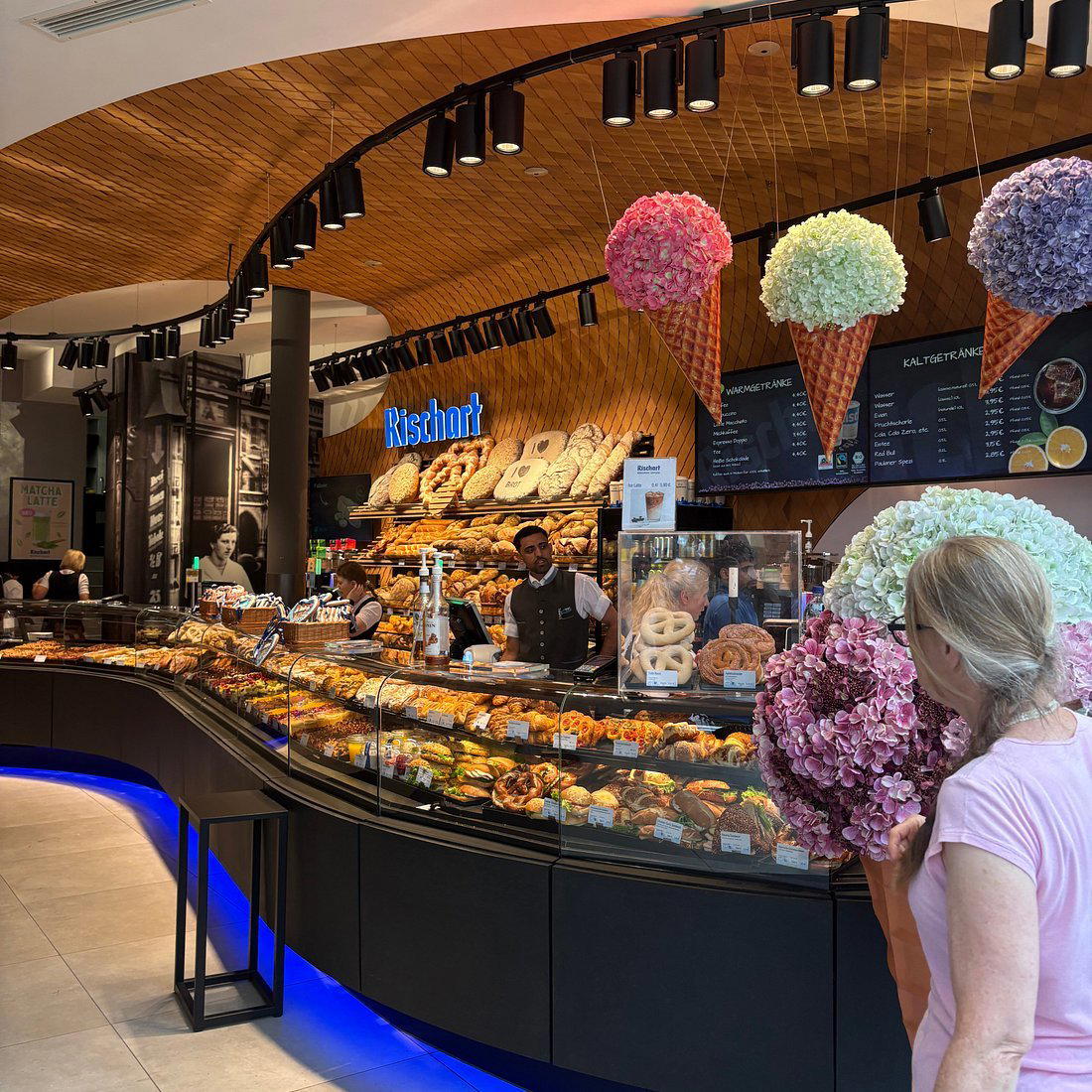
Marienplatz does not slow down. The square's carousel of trams, tour groups, and market traffic moves at a pace that can feel relentless in high season. Rischart Café am Marienplatz, at number 18, is a traditional Bavarian bakery café in Munich and sits directly in that current while operating at a register entirely its own. The café belongs to a category of Munich institution that the city has refined over generations: the bakery-café hybrid, where the glass cases of Bavarian pastry are as central as the seating, and where the act of choosing what to eat is itself part of the ritual.
Munich's café tradition differs from Vienna's in ways that matter. Where Viennese coffeehouse culture is built around long, uninterrupted occupancy and the implicit right to nurse a single Melange for hours, Munich's version is more pragmatic and more tied to the bakery. The Kaffee-und-Kuchen hour here is a structured pause rather than an extended residency. You select, you sit, you observe, and you move on. Rischart at Marienplatz enacts this custom faithfully, with a format shaped around the morning rush, the mid-morning lull, and the early-afternoon dessert window that the city's working population has followed for well over a century.
The Ritual Before the Table
The experience at a Munich bakery-café like this one begins before you sit. The counter is the first act. Bavarian bakery tradition places enormous weight on the display: Brezn in their salted, still-warm form, Hefezopf in braided loaves, Butterkipferl, and the seasonal rotation of Streuselkuchen and cream-filled Schnitten that shifts with the calendar. For visitors arriving from a fine-dining tradition where the menu is the primary text, the glass case is the equivalent here. Reading it, pointing, and making a decision in real time is how the meal begins.
This counter-first dynamic places Rischart in a longer lineage of Munich café culture that predates the city's current position on Germany's high-end dining circuit. That circuit, which includes multi-Michelin-starred rooms such as Tantris, JAN, Atelier, Tohru in der Schreiberei, and Alois at Dallmayr, represents one pole of the city's food culture. Rischart represents the other: the everyday, the habitual, the place where a Munich office worker stops before heading to the Rathaus and a tourist arrives with a city map still folded in their pocket.
Seasonal Weight and the Bakery Calendar
In autumn and winter, the Bavarian bakery calendar shifts in ways that make the café visit feel distinctly different from a summer stop. The Christstollen arrives in late November, the Lebkuchen appear in October, and the shorter days give the interior a particular quality of warmth that the open-terrace season cannot replicate. At Marienplatz, this seasonal dimension is amplified by the square itself: the Christmas market that occupies the space from late November through December turns the area directly outside into a kind of extended living room, and the café becomes a natural warm retreat between stalls.
Spring brings its own cadence. The Starkbierzeit in March, followed by the pre-Oktoberfest summer stretch, shifts the foot traffic and the mood around Marienplatz in ways that a café at this address absorbs and reflects. The Rischart name has operated in Munich long enough to have moved through many iterations of the city's public life at this square, making it less a snapshot of any particular moment and more a longitudinal record of how Munich takes its coffee and pastry through the decades.
Where This Fits in the City's Eating Map
Munich's premium dining scene has expanded significantly in the past decade, with Michelin-starred destinations now reaching beyond the city into the surrounding region. Germany's fine-dining footprint more broadly runs from Aqua in Wolfsburg to Schwarzwaldstube in Baiersbronn, from Vendôme in Bergisch Gladbach to ES:SENZ in Grassau and Victor's Fine Dining in Perl. In that context, the café-bakery sits at a completely different point on the spectrum, and makes no pretension otherwise. Its comparable set is not Waldhotel Sonnora or Restaurant Haerlin, and it does not need to be. The value it offers is legibility: a format that Munich residents have internalised so completely that it requires no explanation, and that visitors can read in about thirty seconds.
That legibility is something the city's Michelin tier, from Schanz to Bagatelle to tasting-menu rooms in Berlin like CODA Dessert Dining, explicitly rejects in favour of craft and ceremony. Both models are valid expressions of how a city eats.
The Pacing Question
One of the more telling aspects of any café culture is how it handles the transition between arrival and departure. At destination restaurants in this or any other city, from Le Bernardin in New York to Atomix, that transition is managed through a choreographed sequence of courses, each with its own timing logic. At a bakery-café, the pacing is entirely self-directed. You arrive with a purpose, the counter answers it, and the length of your stay is your own calculation. For regulars, this is second nature. For visitors calibrated to the tasting-menu format, it can feel abrupt, and that adjustment is itself informative about how Munich, at its most everyday, relates to time and food.
Practical Information
Address: Marienplatz 18, 80331 München, Germany. Getting there: The U-Bahn and S-Bahn both stop directly at Marienplatz, making this one of the city's most accessible addresses. Reservations: The café operates on a walk-in basis. Timing: Mornings and the post-lunch hour attract the highest foot traffic; mid-morning on weekdays tends to be calmer. Budget: Pastry and coffee pricing is around $10 per person. Seasonal note: The pre-Christmas period, when the Marienplatz Christmas market is active, significantly increases the density of the surrounding area; factor that into timing if you prefer a quieter visit.
Comparable Venues
Comparable venues nearby, for context on price, style, and recognition.
| Venue | Cuisine | Price | Notes |
|---|---|---|---|
| Rischart Café am MarienplatzThis venue — the venue you are viewing | Traditional Bavarian Bakery Cafe | $$ | |
| Zunfthaus | Traditional Bavarian & Austrian | $$ | Theresienwiese |
| Wirtshaus Papa Benz | Modern Bavarian Gastropub | $$ | Schwabing |
| malzraum | Bavarian Home-Style | $$ | Neuhausen |
| Deutsche Eiche | Modern Bavarian | $$ | Isarvorstadt |
| Hofbräuhaus München | Traditional Bavarian Beer Hall | $$ | Altstadt |
At a Glance
- Classic
- Cozy
- Iconic
- Brunch
- Casual Hangout
- Terrace
- Historic Building
- Street Scene
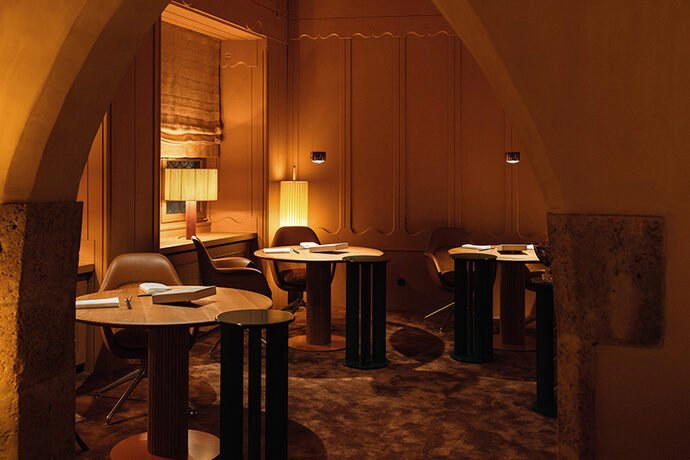
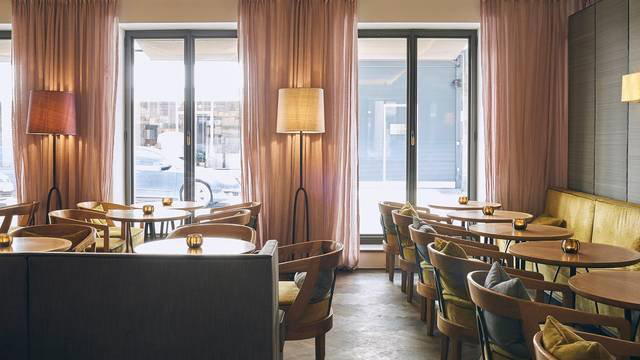
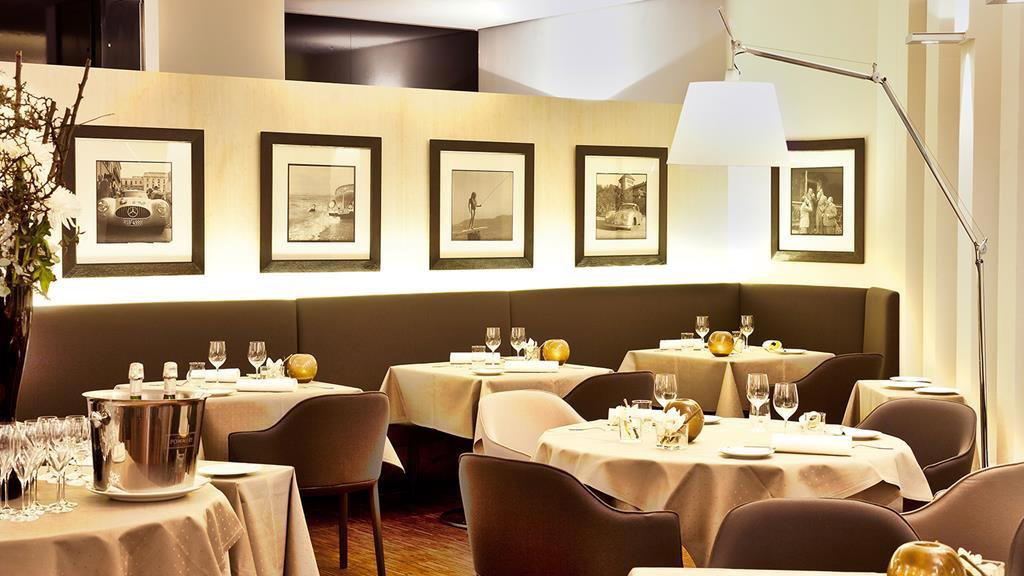
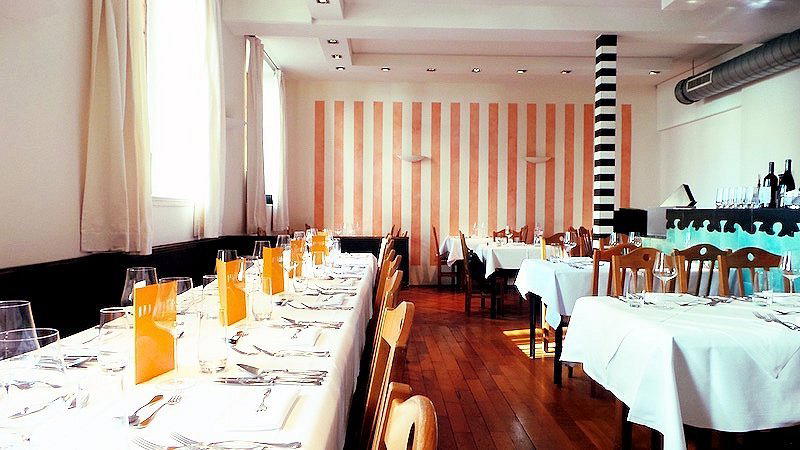
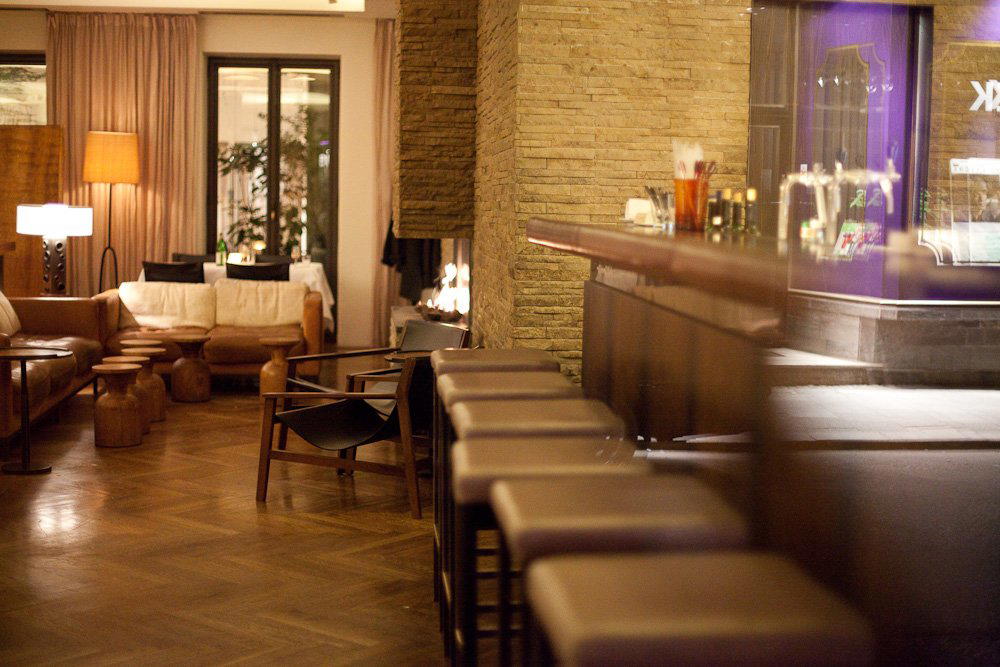
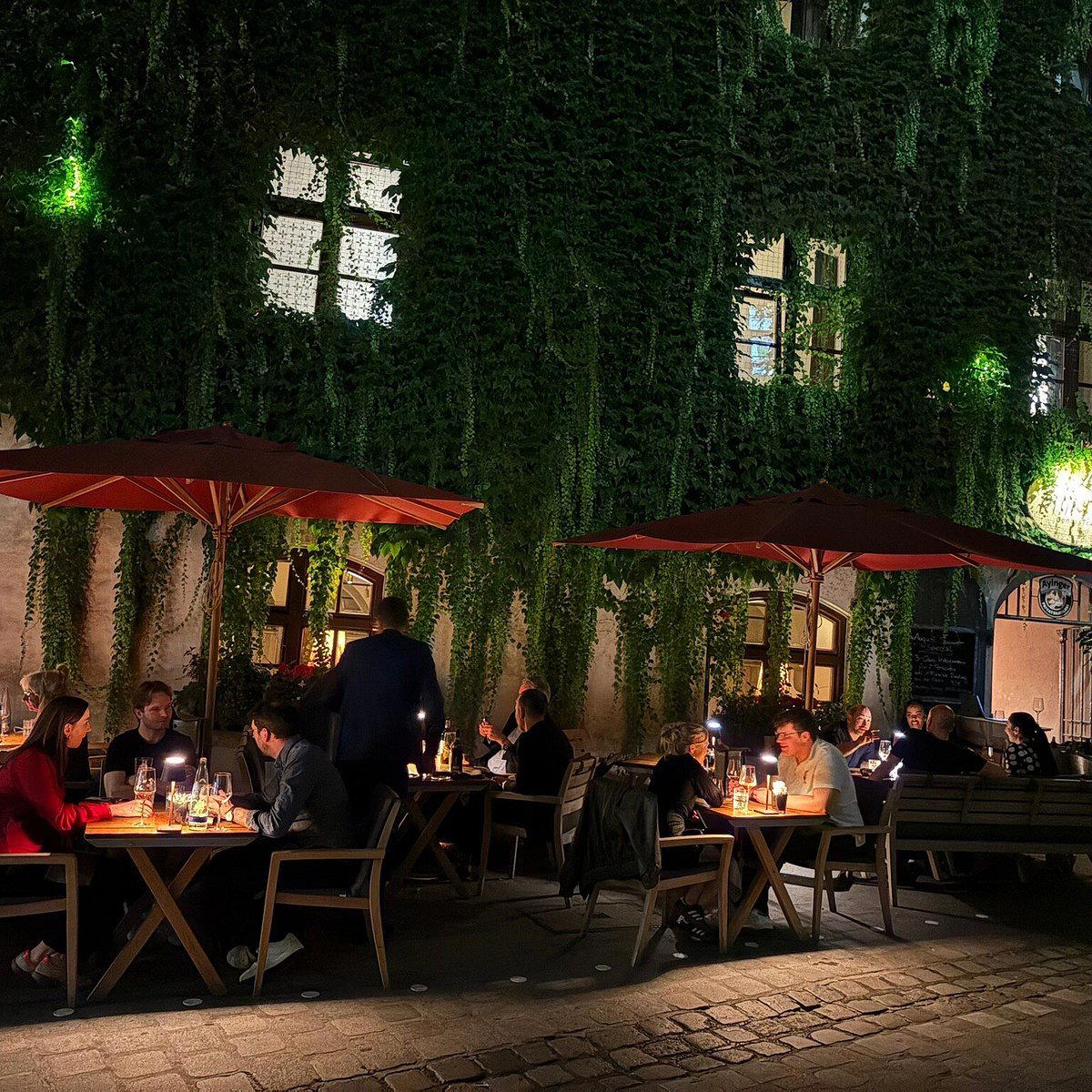
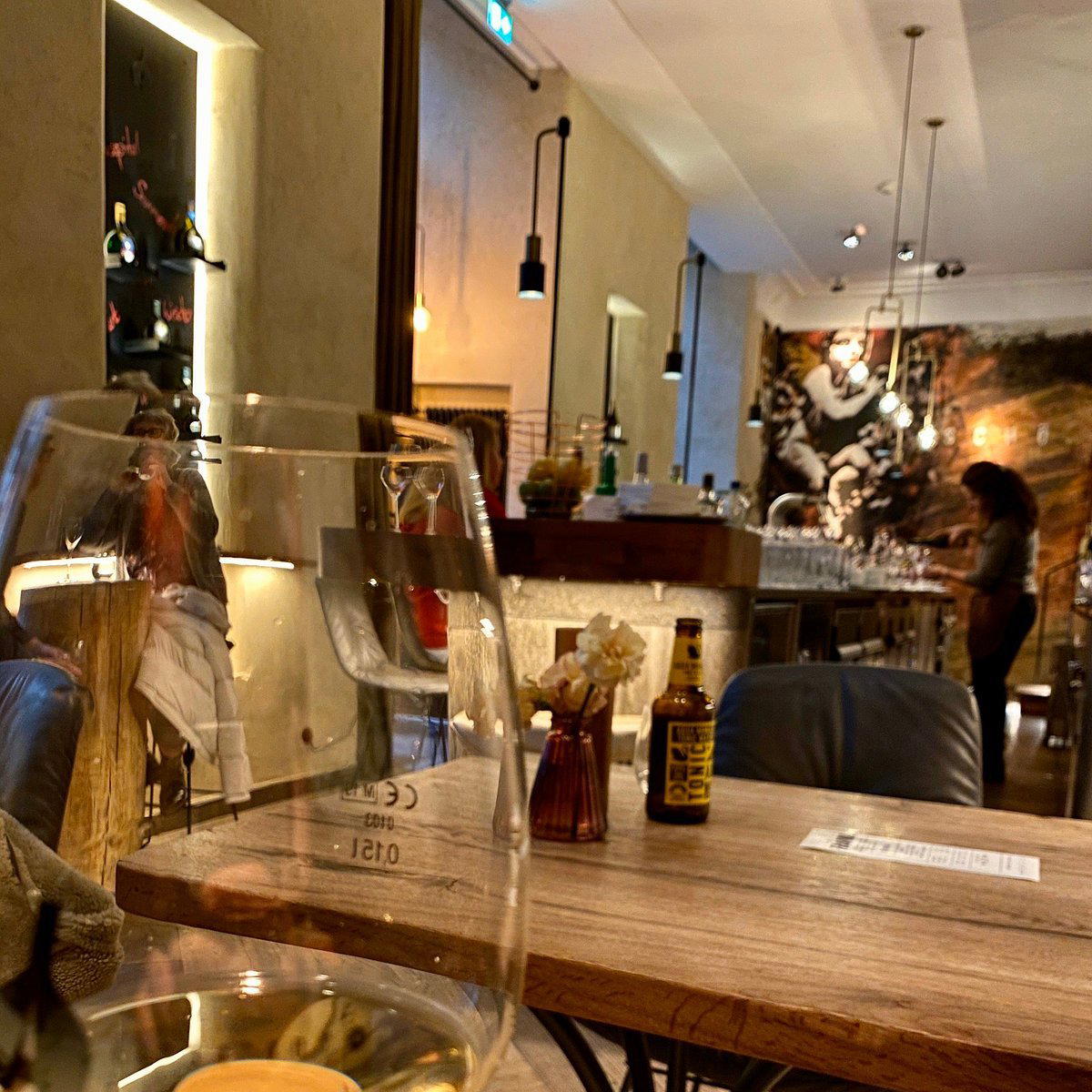
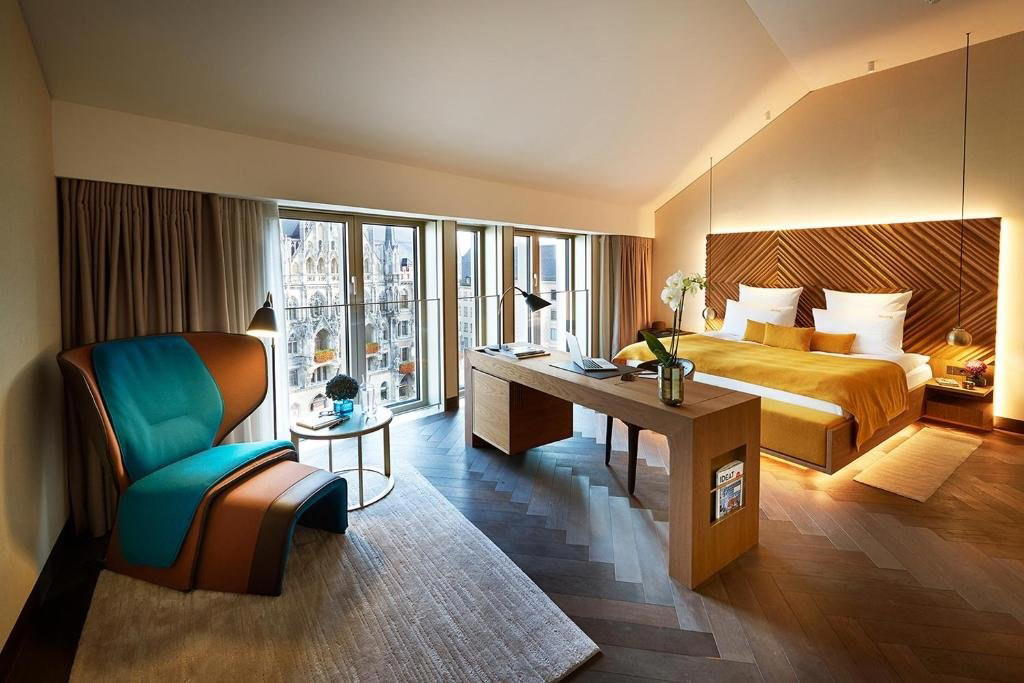
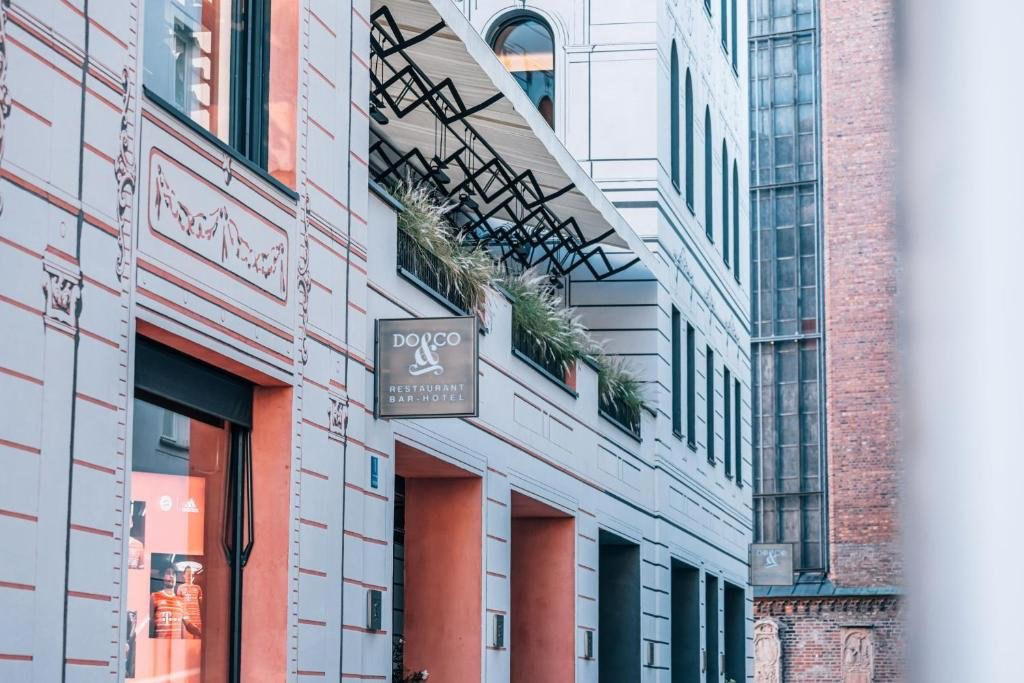
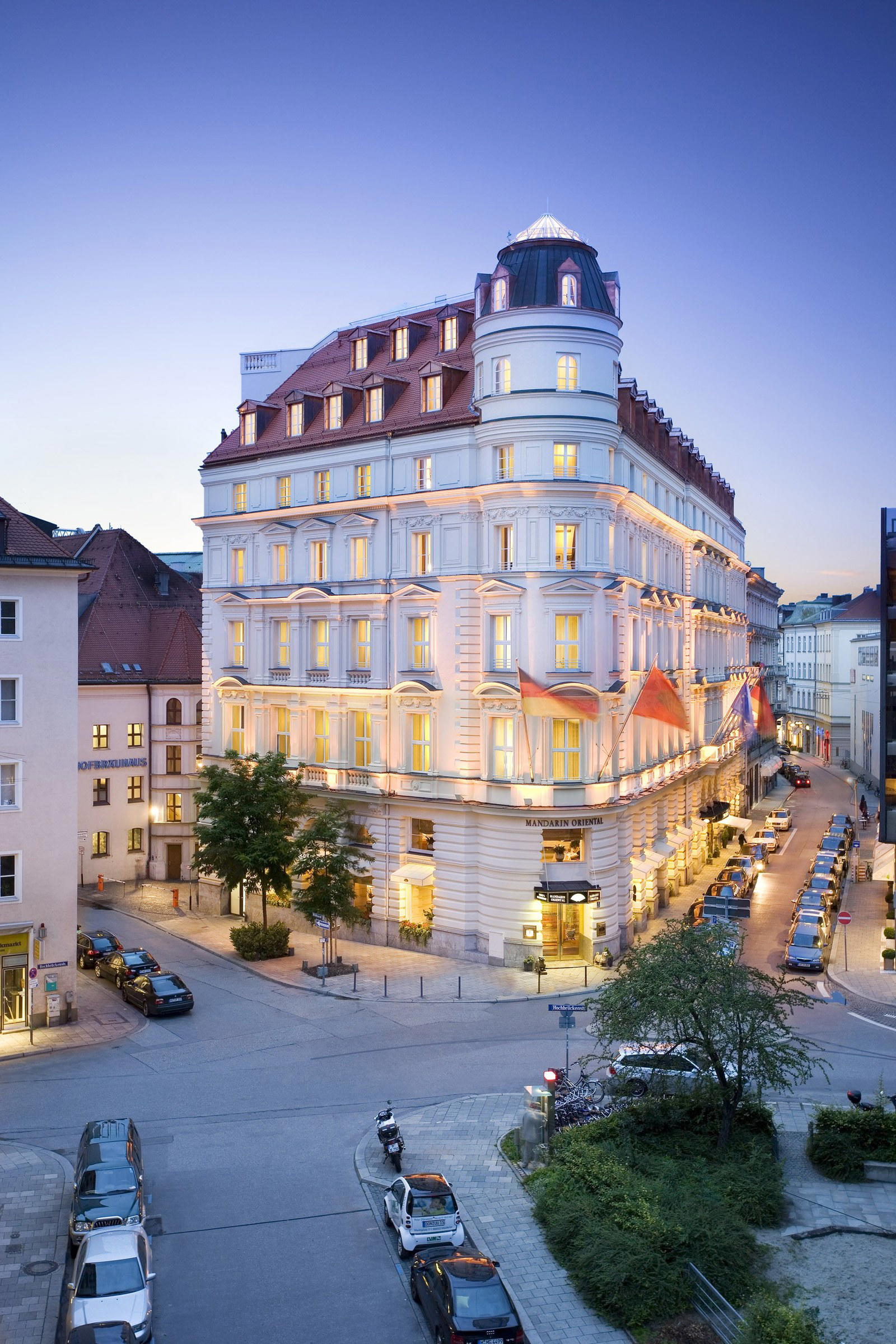
Pleasant terrace seating and indoor upstairs area with views of the bustling plaza, creating a lively yet cozy atmosphere.