A long-standing institution on Reichenbachstraße in Munich's Glockenbachviertel, Deutsche Eiche occupies a distinct position in the city's hospitality scene as both a traditional Bavarian gasthaus and a culturally significant gathering space. The building's history and its neighbourhood roots give it a character that places it well outside the fine-dining bracket occupied by Munich's Michelin-starred tier, making it a useful reference point for understanding the city's range.
Pearl is the En Primeur Club membership app — saves, bookings, and concierge access live there. Same editors, same standards.
- Address
- Reichenbachstraße 13, 80469 München, Germany
- Phone
- +498923116661
- Website
- deutsche-eiche.de
- Directions
- Get directions
 Saves & bookings on Pearl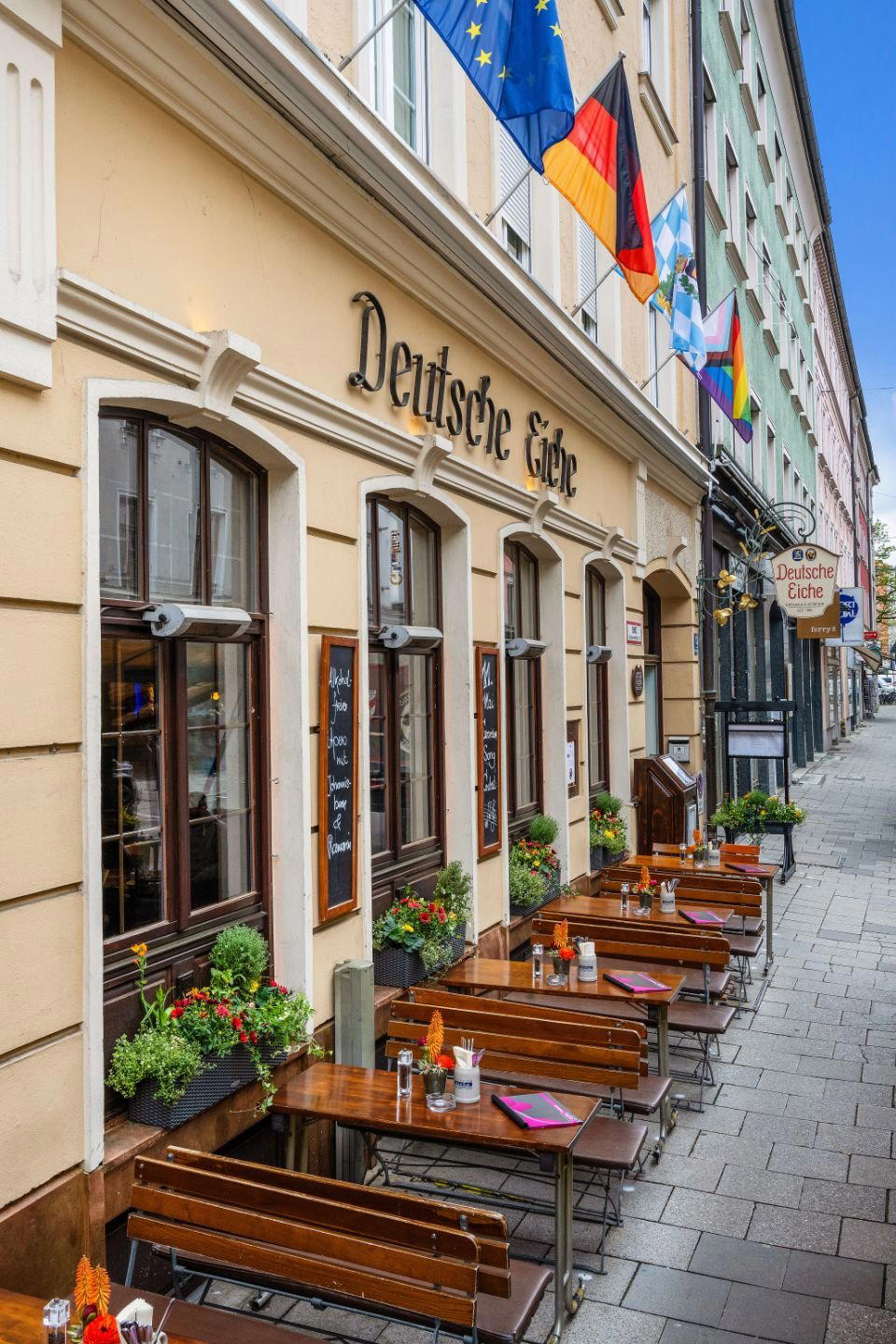
A Gasthaus Rooted in the Glockenbachviertel
Deutsche Eiche is a restaurant in Munich, serving Modern Bavarian cuisine on Reichenbachstraße 13 in the Glockenbachviertel. Deutsche Eiche on Reichenbachstraße 13 operates in an entirely different register. It is a gasthaus in the older Bavarian sense: a place with accumulated social weight, a building that has absorbed the character of its neighbourhood over decades, and a function that extends beyond food service into cultural gathering. Deutsche Eiche sits at the end of the spectrum furthest from tasting-menu formality, and that distance is precisely what makes it distinct.
The Glockenbachviertel, the district surrounding Reichenbachstraße, is one of Munich's more socially layered quarters. It runs south from the Gärtnerplatz square toward the Isar and has developed over the past three decades into a neighbourhood with a density of independent bars, smaller restaurants, and a community that skews younger and more culturally mixed than Schwabing or the historic centre. A gasthaus of Deutsche Eiche's age and address has absorbed that evolution, which means the clientele on any given evening will reflect the neighbourhood rather than a single demographic pulled in by a specific dining concept.
The Lunch-to-Dinner Shift: Two Different Houses
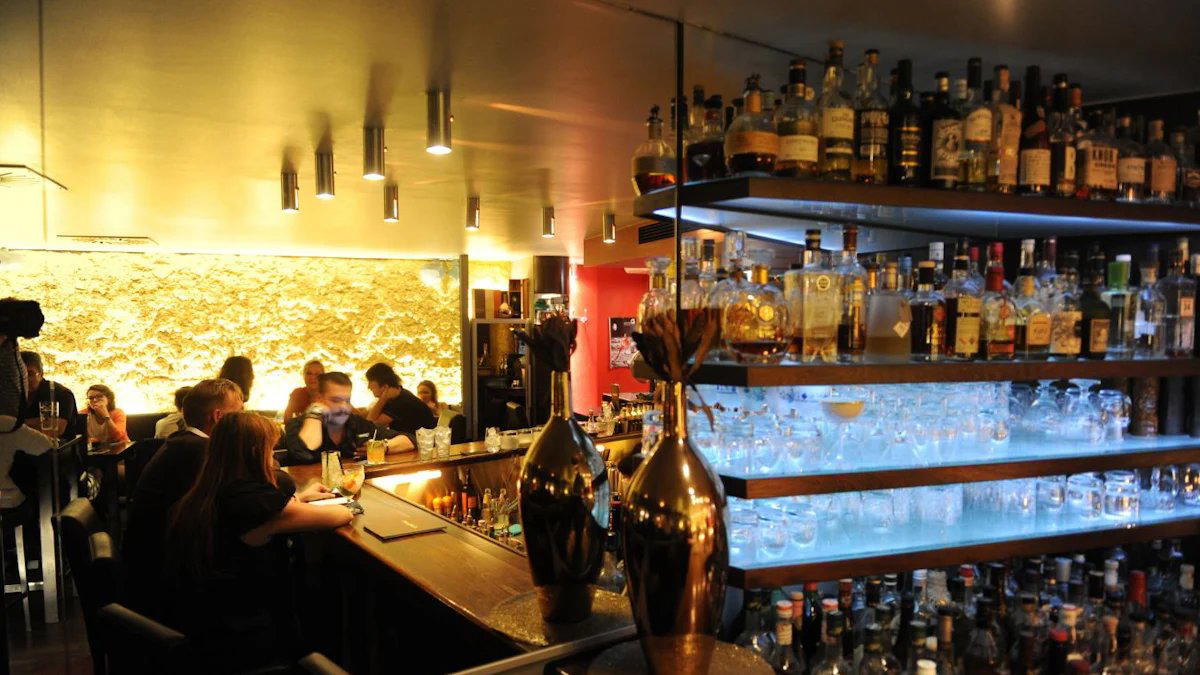
In traditional Bavarian gastropubs, the distinction between daytime and evening service is more pronounced than in almost any other European hospitality format. Lunch at a gasthaus of this type is functionally democratic: the room fills with a cross-section of the city, the menu leans toward set-price midday offers and regional staples, and the pace is faster. Dinner recalibrates the environment. The room empties of its lunch regulars, fills more slowly, and takes on a different weight. For the restaurant specifically, this shift is amplified by its dual role as a restaurant and a hotel with a longer history as a social venue for Munich's LGBTQ+ community. The evening crowd tends to be more deliberate in its presence, the tables turn more slowly, and the bar component of the operation becomes more visible.
This lunch-versus-dinner structure also tends to reflect value differently. In the Bavarian gasthaus tradition, the midday menu is where the kitchen puts its most price-efficient cooking: dishes that hold well, that use the whole animal or seasonal produce without architectural presentation. The evening menu at a traditional house leans on similar foundations but with more time built into the service. For visitors calibrating their schedule, lunch at the restaurant offers the more compressed, accessible version of the experience; dinner is where the venue's social character becomes the defining feature of the evening rather than the food alone.
Where Deutsche Eiche Sits in the Broader German Scene
Germany's dining spectrum is wide and often poorly mapped by visitors who arrive expecting either bierkeller traditionalism or the technical ambition found at addresses like Schwarzwaldstube in Baiersbronn, Aqua in Wolfsburg, or Vendôme in Bergisch Gladbach. The gasthaus format sits between those poles, and within the gasthaus category there is its own internal range, from purely functional canteen-style rooms to places like Deutsche Eiche that carry significant cultural history alongside their food offering.
Compared to the dessert-led experimentation at CODA Dessert Dining in Berlin, the classical French discipline at Restaurant Haerlin in Hamburg, or the precision of Victor's Fine Dining by Christian Bau in Perl, the restaurant operates without the ambition or the infrastructure of a formal dining destination. That is not a criticism. The gasthaus as a format has its own demands: consistency, hospitality at volume, and a room that functions as a neighbourhood anchor across multiple generations of regulars. The restaurant belongs with the handful of other Munich gasthauses that have held their character across decades. For a sense of what Bavarian cooking looks like when applied at the highest technical level in a different region, ES:SENZ in Grassau and Schanz in Piesport offer useful contrast, as does Waldhotel Sonnora in Dreis for German classical cooking in a different register entirely.
Neighbourhood Context and How to Use It
The Glockenbachviertel rewards walking. The area between Gärtnerplatz and the Isar has a concentration of smaller bars and cafés that make a restaurant lunch or dinner easy to extend into a longer afternoon or evening. Arriving from the north, the walk down Reichenbachstraße from the U-Bahn at Fraunhoferstraße or south from Marienplatz takes under twenty minutes and passes through some of the neighbourhood's more characterful sections. The area is a reasonable distance from the concentration of formal fine dining in Schwabing and the hotel district around the Maximiliansstraße, which means a visit here feels like a deliberate step into a different part of Munich's character rather than a continuation of the same itinerary.
For international reference, the combination of food service, bar culture, and cultural identity that restaurant represents has parallels in venues like Lazy Bear in San Francisco or, at the far end of the formality spectrum, Le Bernardin in New York City, which similarly carry a social function that extends beyond the plate. The comparison is not about cooking level but about the way certain venues accumulate a role in a city's cultural life that food alone does not account for. The restaurant's position in Munich is closer to institution than restaurant, and understanding that distinction is one useful frame for deciding when and how to visit.
For visitors working through Munich's broader dining range, the contrast with JAN or the Bavarian-Japanese synthesis at Tohru in der Schreiberei illustrates how wide the city's register actually runs. The restaurant anchors one end of that range with its accumulated history and its function as a neighbourhood constant rather than a destination constructed around a single concept and Bagatelle in Trier offers another useful data point for how German dining can swing between regional tradition and French-influenced formality.
Know Before You Go
- Address: Reichenbachstraße 13, 80469 München, Germany
- Neighbourhood: Glockenbachviertel, south of Gärtnerplatz
- Getting There: U-Bahn to Fraunhoferstraße (U1/U2) or tram to Müllerstraße
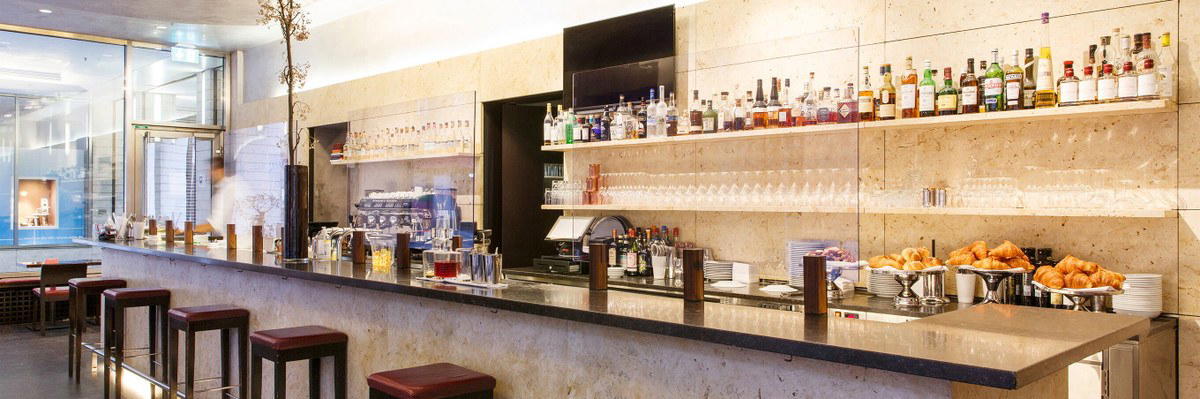
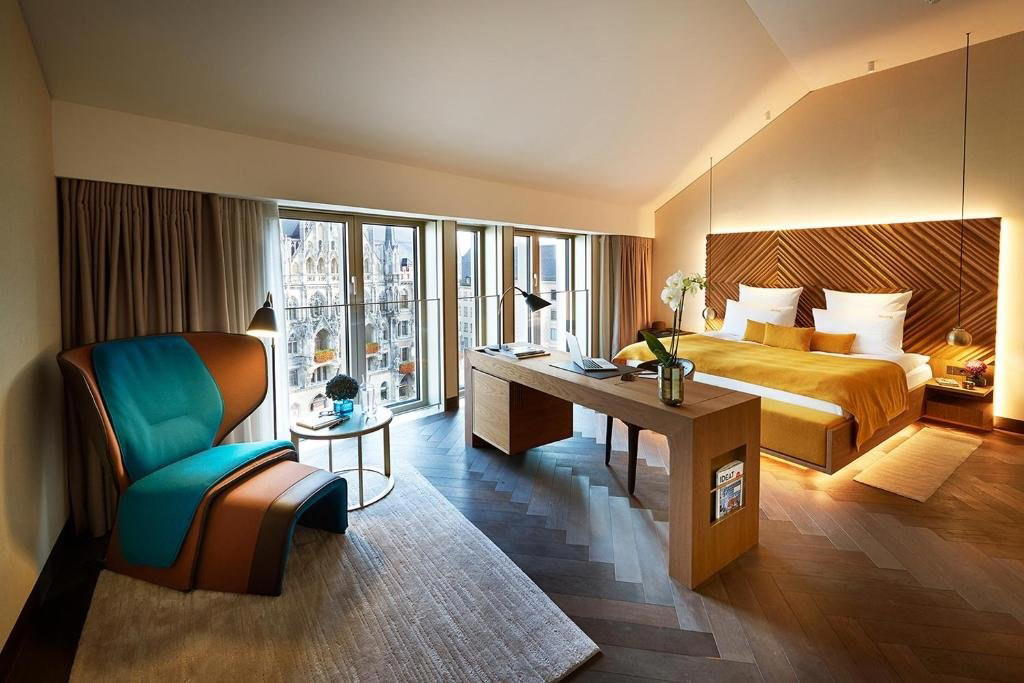
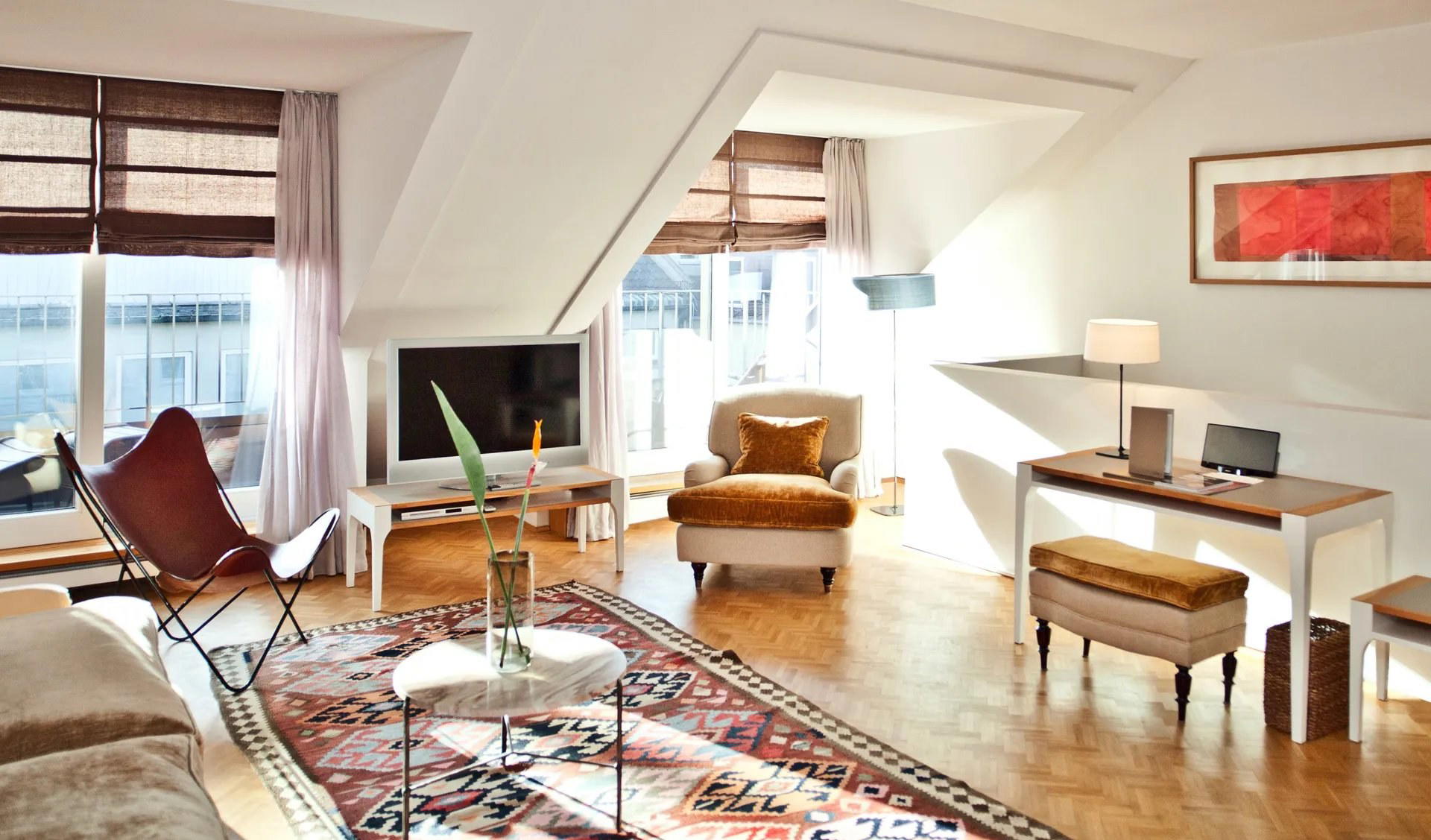
- Format: Traditional Bavarian gasthaus with hotel accommodation and bar service
- Booking: Reservation recommended
- When to Visit: Lunch or dinner, with daily service from 7 AM to 12 AM
- Price Context: About $25 per person
Awards and Standing
Comparable venues nearby, for context on price, style, and recognition.
| Venue | Cuisine | Price | Notes |
|---|---|---|---|
| Deutsche EicheThis venue — the venue you are viewing | Modern Bavarian | $$ | Not listed |
| Kaminbar | Classic German Bar | $$ | Theresienwiese |
| Pretty Bun | Premium Hot Dogs | $$ | Neuhausen |
| Café Frischhut | Traditional Bavarian Pastry Café | $$ | Isarvorstadt |
| bodhi | Vegan Bavarian Comfort Food | $$ | Neuhausen |
| Augustiner-Keller | Traditional Bavarian Beer Garden | $$ | Neuhausen |
At a Glance
- Cozy
- Classic
- Well Known
- Brunch
- Late Night
- Casual Hangout
- Rooftop
- Historic Building
- Extensive Wine List
- Skyline
Current opening hours
- Monday
- 7 AM–12 AM
- Tuesday
- 7 AM–12 AM
- Wednesday
- 7 AM–12 AM
- Thursday
- 7 AM–12 AM
- Friday
- 7 AM–12 AM
- Saturday
- 7 AM–12 AM
- Sunday
- 7 AM–12 AM
Hours can change for holidays and private events. Last verified .
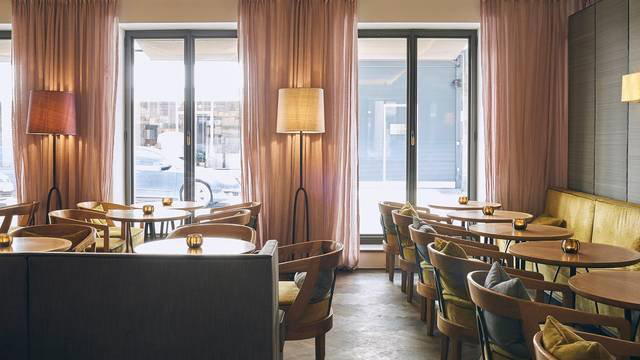
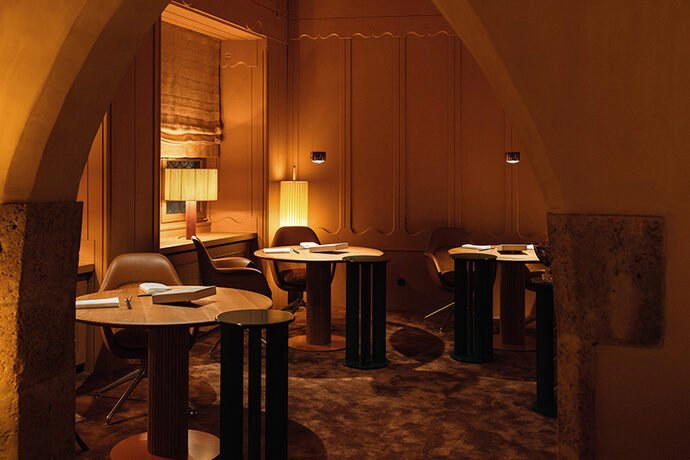
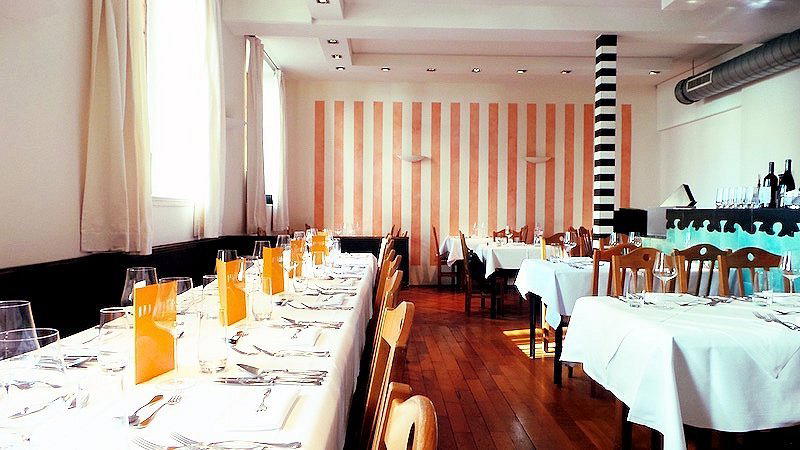
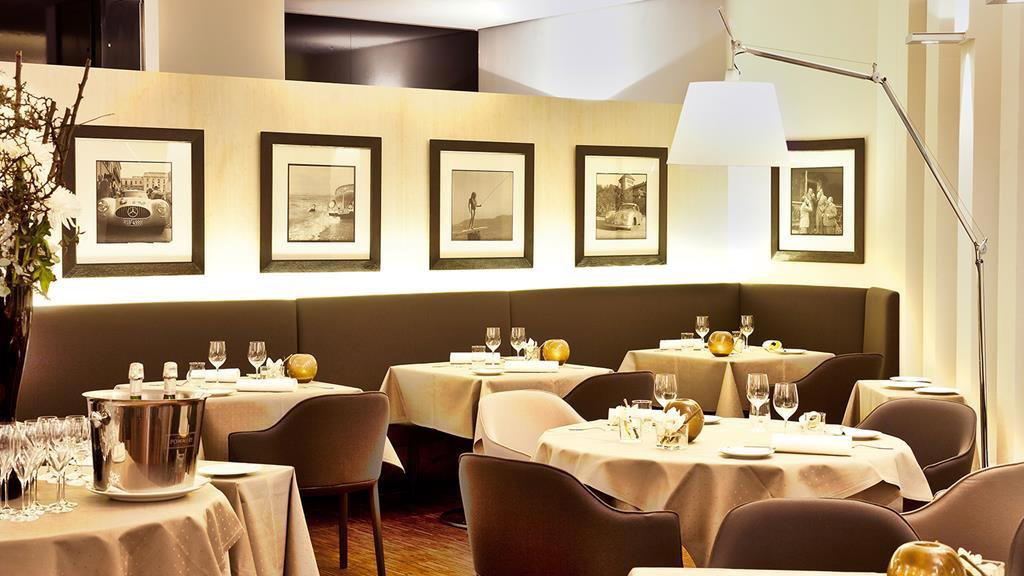
Cozy Bavarian atmosphere with warm hospitality, candlelight dinners, and sunny window tables.