Our verdict
Malzraum occupies a quietly compelling address on Artilleriestraße in Munich's Maxvorstadt district, where the city's appetite for serious, atmosphere-driven dining has found a considered home. The space draws from a tradition of sensory-led hospitality that positions it alongside Munich's broader shift toward intimate, concept-focused venues. Booking ahead is advised.

Pearl is the En Primeur Club membership app, where members save venues, book tables and use the concierge.

A Room Built for the Senses
Artilleriestraße sits in the western edge of Maxvorstadt, a Munich neighbourhood better known for its museums and university buildings than for its restaurant scene. That address is part of the point. Venues that set up in quieter residential-commercial pockets of Munich tend to operate on a different register than those clustered around Marienplatz or the Glockenbachviertel: the foot traffic is lower, the intention more deliberate, the atmosphere shaped by the room itself rather than the street outside. Malzraum at number 5 belongs to that pattern.
The name, roughly translating to "malt space" or "malt room", signals something before you arrive. Malt carries associations with fermentation, craft, and the slow transformation of raw material into something with depth and character. As a spatial concept, it implies an industrial or repurposed quality, the kind of bare material honesty that has defined a generation of European dining rooms that want to be taken seriously without performing excess. Whether the room delivers on that register is, in Munich's current dining climate, almost a category-level expectation.
Where Malzraum Sits in Munich's Dining Structure
Munich's fine-dining tier is well-documented. Tantris holds its position as the city's most historically significant modern French address, while Atelier and Alois - Dallmayr Fine Dining anchor the creative French and creative ends of the upper tier respectively. Tohru in der Schreiberei maps Munich's engagement with German-Japanese hybridity, and JAN sits at the creative end with its own earned recognition. These are known quantities, with award histories, critic trails, and price points that place them clearly in the market.
For the full picture of how Munich's restaurant scene is currently structured, the EP Club Munich restaurants guide maps the city's dining across formats and price points.
The Atmosphere as the Argument
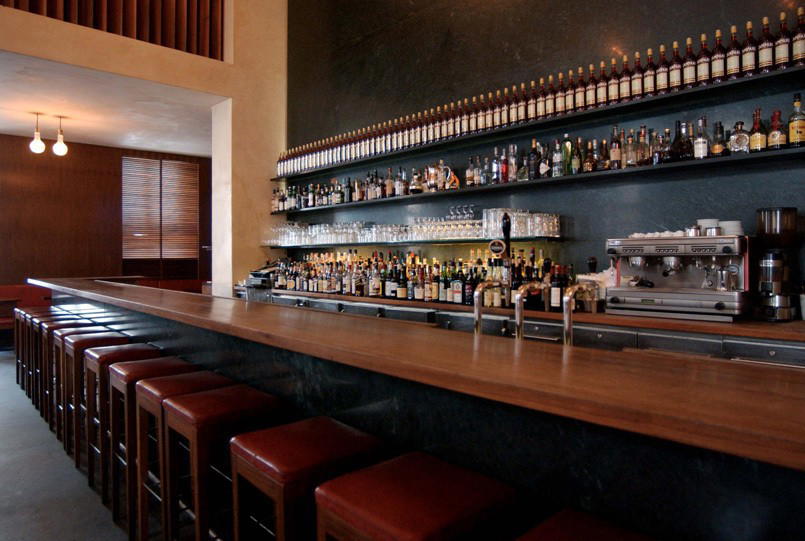
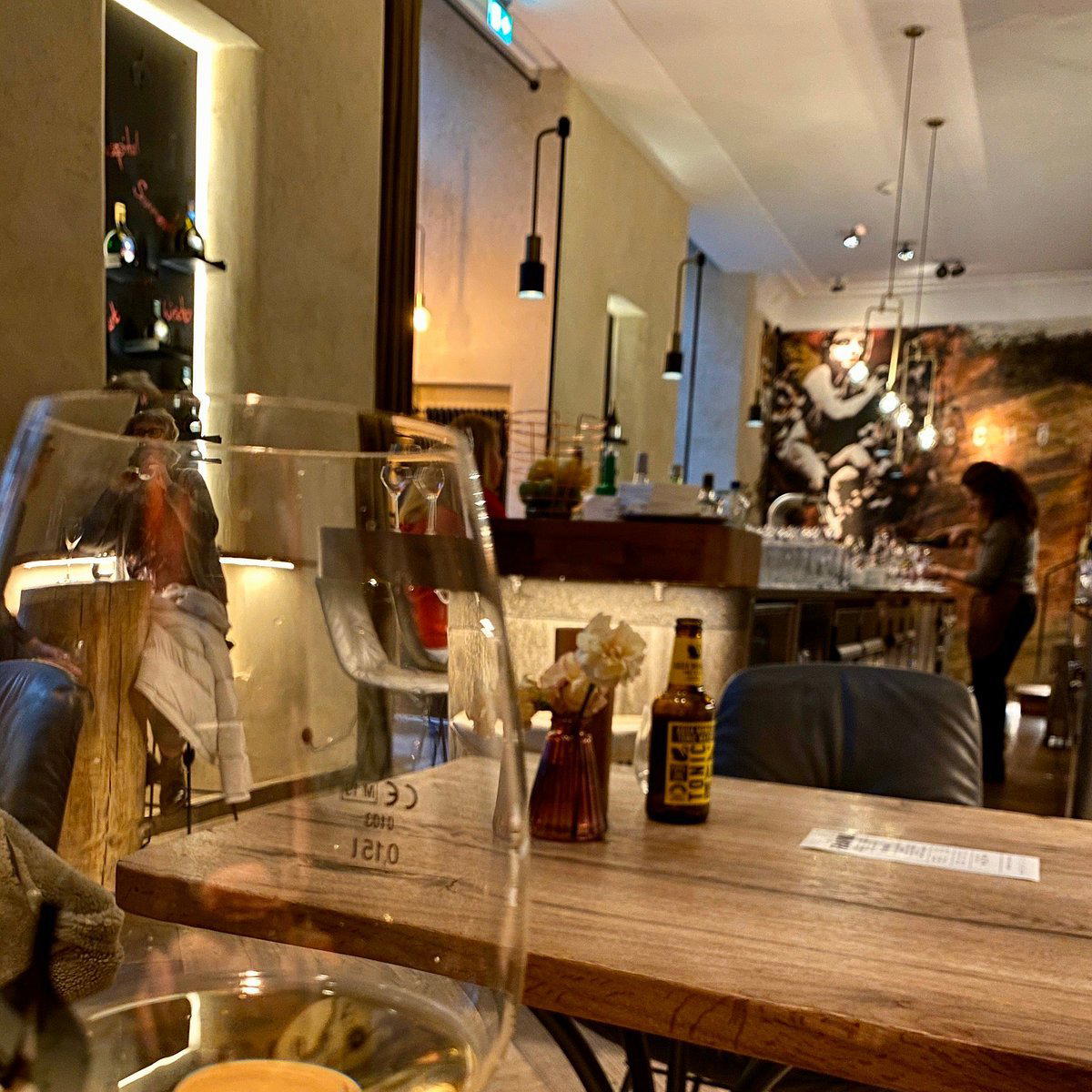
This is not a limitation, it is, for a certain kind of dining room, the entire editorial position. Restaurants that invest heavily in spatial character, acoustic treatment, material choices, the quality of light at different hours, the rhythm of service, are making a claim about what the experience is for. They are arguing that the room is the product, as much as the plate.
The Maxvorstadt setting reinforces this reading. A venue at this address is not competing for tourist spillover. It draws a Munich audience with specific habits: gallery visitors, academics, professionals with a preference for substance over spectacle. That audience tends to reward rooms that take atmosphere seriously, where the sound level allows conversation at a normal register, where the materials age honestly rather than performing newness, where the pacing of an evening is treated as part of the offering rather than a logistical problem.
Germany's broader dining scene has produced a number of venues that operate in this register with significant critical recognition. CODA Dessert Dining in Berlin has built a reputation entirely around a format that would be commercially marginal anywhere else. ES:SENZ in Grassau and Schanz in Piesport have each found audiences in non-metropolitan settings by making the room and the surrounding environment do serious work. At the upper end of German recognition, addresses like Aqua in Wolfsburg, Schwarzwaldstube in Baiersbronn, Vendôme in Bergisch Gladbach, Victor's Fine Dining by Christian Bau in Perl, and Waldhotel Sonnora in Dreis demonstrate what the category looks like at its most decorated. Malzraum sits in a different tier, but the atmospheric logic connects across that range.
Internationally, the pattern of letting space carry meaning is not exclusively German. Le Bernardin in New York City has maintained a restrained room for decades as a deliberate counter-signal to the louder aesthetic of contemporary dining. Atomix in New York City treats the physical environment as an extension of its tasting menu's conceptual frame. Restaurant Haerlin in Hamburg and Bagatelle in Trier each take distinct spatial approaches within German fine dining's regional spread. These comparisons are not claims of equivalence, they are evidence that the decision to lead with atmosphere rather than award recognition is a coherent one across markets and formats.
Know Before You Go
Address: Artilleriestraße 5, 80636 München, Germany
Neighbourhood: Maxvorstadt, western Munich
Reservations: Contact details not publicly listed, local restaurant booking platforms and direct enquiry are recommended
Price range:, budget accordingly for an atmosphere-led concept venue in central Munich
Getting there: Maxvorstadt is well served by U-Bahn lines U2 and U8 (Theresienstraße and Stiglmaierplatz stops provide the closest access to Artilleriestraße)
Frequently asked questions
Would malzraum be comfortable with kids?
Probably not the right call for younger children. Venues in Munich's concept-driven, atmosphere-led tier, particularly those on quieter residential streets like Artilleriestraße in Maxvorstadt, tend to draw an adult crowd focused on the experience of the space itself. Without a confirmed family menu or casual pricing structure in the public record, this reads as an evening destination for adults.
What's the vibe at malzraum?
The address on Artilleriestraße, combined with the name, malt room, in direct translation, points toward a deliberate, material-conscious interior rather than a high-turnover dining room. Maxvorstadt as a neighbourhood runs quieter and more considered than the city-centre buzz around Marienplatz. Expect an intimate setting where atmosphere carries as much weight as the plate.
Is malzraum connected to Munich's brewing or malt culture?
The name translates directly from German as 'malt room' or 'malt space,' which places it in immediate etymological conversation with Munich's centuries-old brewing tradition. Either way, the naming choice in a city where malt carries this much cultural weight is not accidental.
What dish is malzraum famous for?
In Munich's concept-led venues, identity tends to be built around a format or a defined atmosphere rather than a single headline preparation. The name itself, referencing malt, suggests the ethos may extend to fermentation or grain-forward thinking, though this has not been publicly confirmed.
What It’s Closest To
Comparable venues nearby, for context on price, style, and recognition.
| Venue | Cuisine | Price | Notes |
|---|---|---|---|
| malzraumThis venue (the venue you are viewing) | Bavarian Home-Style | $20–30 | Not listed |
| Hofbräukeller | Traditional Bavarian Beer Garden | $20–30 | Haidhausen |
| Wirtshaus Eder | Traditional Bavarian Gastropub | $20–30 | Neuhausen |
| Wildmosers Restaurant-Cafe am Marienplatz - München | Traditional Bavarian | $20–30 | Altstadt |
| Wirtshaus Papa Benz | Modern Bavarian Gastropub | $20–30 | Schwabing |
| Die Küche im Kraftwerk | Modern Alpine German | $20–30 | Obersendling |
Continue exploring
More in Munich
Restaurants in Munich
All restaurants in Munich →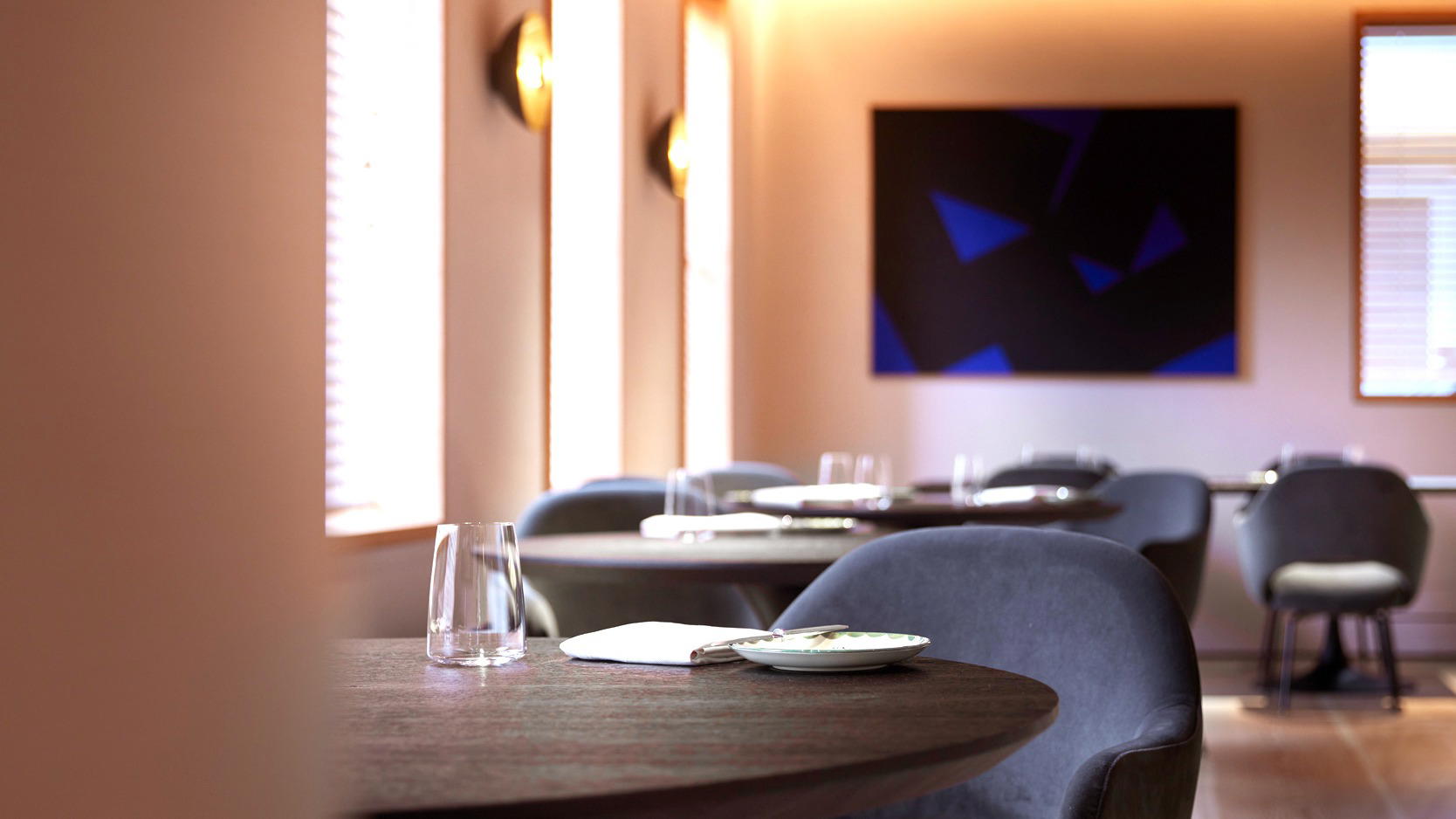
Bars in Munich
All bars in Munich →
Details
- Cozy
- Trendy
- Casual Hangout
- Date Night
- Group Dining
- Standalone
- Beer Program
- A La Carte
- Vegetarian Friendly
Dimly lit, warm and relaxed with a comfy, unfussy local feel.