Konoba kod Goce i Renata is a Rustic Danube Fish Tavern at Pančevački put 2r with waterfront, garden, and terrace seating; local sourcing and fish soup, perch, catfish, and sturgeon frame lunch or dinner.
Pearl is the En Primeur Club membership app — saves, bookings, and concierge access live there. Same editors, same standards.
- Address
- Pančevački put 2r, Beograd 11210, Serbia
- Phone
- +381637747791
- Website
- konobakodgoceirenata.co.rs
- Directions
- Get directions
 Saves & bookings on Pearl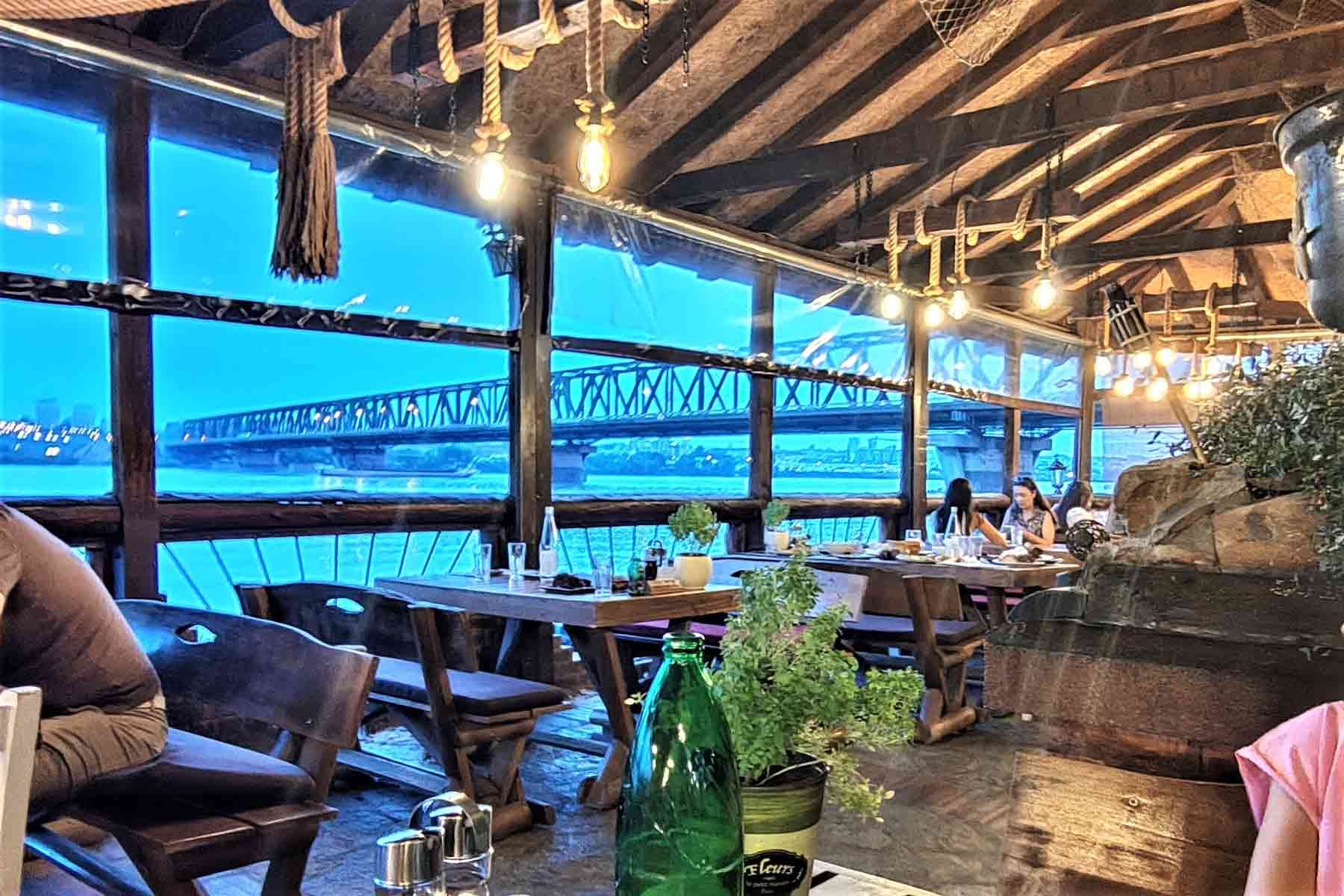
Where the Road to Pančevo Meets Old-School Serbian Hospitality
Pančevački put, the arterial road that pushes northeast out of Belgrade toward the Danube flatlands, is not the address you associate with destination dining. It is a corridor of logistics depots, car dealerships, and weekend traffic heading to the river. Konoba kod Goce i Renata sits on that road at number 2r, in Belgrade, Serbia, and is a rustic Danube fish tavern. Konoba, the word itself borrowed from Adriatic vernacular for a tavern or informal dining room, signals a particular register before you step inside. It promises informality over ceremony, quantity over refinement, and a menu organized around the logic of the kitchen rather than the preferences of a marketing team.
The Grammar of a Konoba Menu
In Serbian dining, the konoba format carries specific architectural implications. The menu is rarely long, but it is rarely short in the wrong directions. Grilled meats anchor the center, typically organized by cut and preparation rather than by occasion. Starters lean on salads assembled to order, cold-cut plates that arrive quickly, and bread that precedes everything. The structure communicates a kitchen confident in repetition: these dishes are made daily, sourced from a narrow supplier base, and executed without the pressure of novelty. The editorial proposition of a konoba is conservative by design, and that conservatism is its credibility. When a restaurant in this format tries to extend its menu into territory it cannot support, the stretch shows immediately. When it stays within its lane, the lane tends to be well paved.
This approach sits at some distance from the direction Belgrade's central dining scene has moved. Venues like Langouste and The Square operate at the contemporary and French-inflected end of the capital's restaurant range, where tasting-menu logic and wine program depth define the offer. Ambar positions Balkan cooking within a more polished, higher-volume setting. Konoba kod Goce i Renata is not competing with any of those formats. It is operating in the older, lower-key tier of Belgrade's eating culture, the one that predates the city's post-2000s restaurant renovation and has continued largely undisturbed by it.
The Peri-Urban Dining Tradition and Why It Persists
The peri-urban konoba has been a fixture of Serbian eating culture for generations, particularly around Belgrade. The logic was originally practical: land on the city's edge was cheaper, parking was available, and the regulatory environment was easier to manage than in the centre. Over time, these locations developed their own identity. Regulars came not despite the inconvenience of the address but partly because of it. The distance from the city center functioned as a filter, ensuring the room was filled with people who had made a deliberate choice rather than tourists following a recommendation list. This pattern is recognizable across Serbia. Kod Brana in Cacak, Lovački dom in Valjevo, and Etno Kuća Dinar in Vrsac each occupy a similar position in their respective cities: anchor restaurants that serve a consistent local clientele with a menu that has not needed reinvention because the demand for reinvention was never there.
Proximity to Pančevo, a separate municipality across the Danube that has its own dining infrastructure, also shapes the competitive context for venues on this corridor. Windmill in Pancevo operates nearby within that separate municipal frame. The strip between Belgrade's northeastern edge and Pančevo has enough traffic to support several restaurants at this register, which means Konoba kod Goce i Renata earns its repeat trade through consistency rather than monopoly.
Serbian Regional Cooking and What It Looks Like in Practice
The konoba tradition in Serbia draws from a cooking grammar that is Central European in its reliance on pork, Ottoman in its use of ground meat preparations, and Mediterranean-adjacent in its vegetable and legume cooking during warmer months. Sarma, the cabbage roll braised slowly with a meat filling, is the canonical winter dish in this tradition. Roštilj, the catch-all term for charcoal-grilled meats, dominates the warm-weather menu at most konobas and functions as a year-round anchor at the better-known ones. Beans cooked as a thick stew, pasulj, appear in various registers from the everyday to the ceremonially slow-cooked. These are not dishes that require explanation to their primary audience. They are the reference points that Serb diners use to judge a kitchen's seriousness.
The same framework informs eating culture across the country's smaller cities and rural restaurants. KAFANA DUKAT in Pirot, Aleksandar Gold in Uzice, and ČARDA ZLATNA KRUNA in Apatin each operate within variations of this tradition, adapted by region and by proximity to different agricultural and river-based supply lines. Kafe Restoran Maša in Novi Sad and Kod poštara in Aran Elovac show how the kafana-konoba format extends through the Vojvodina region with its own particular emphasis. The common thread is a menu that treats familiarity as a value rather than a limitation.
For a frame of reference outside the region: the konoba's relationship to its cuisine is roughly analogous to what a proper trattoria represents in Italian regional cooking. The format is not aspirational; it is documentary. It records what a community has been eating and continues to eat, rather than proposing what it should eat next. This is why venues like Avala and Barrel House in Belgrade occupy different positions in the city's dining range: they are making more deliberate stylistic choices about format and atmosphere, whereas the konoba format defers to convention as a matter of identity.
Getting There and Planning Your Visit
Pančevački put 2r sits on a transit road that is served by public buses but is easier to reach by car or taxi, particularly in the evening when bus frequency drops. The address places it a meaningful distance from the city center, which means a visit here is a deliberate trip rather than a post-walk detour. Reservations are recommended. Visitors coming from central Belgrade might also consider other institutions in the broader Serbian dining network, including Grand in Kopaonik if they are planning travel beyond the capital.
Awards and Standing
Comparable venues nearby, for context on price, style, and recognition.
| Venue | Cuisine | Price | Notes |
|---|---|---|---|
| Konoba kod Goce i RenataThis venue — the venue you are viewing | Rustic Danube Fish Tavern | $$ | Not listed |
| Restoran Paša | Freshwater Fish by the Danube | $$ | Zemun |
| Шаран | Traditional Serbian Seafood & River Fish | $$$ | Zemun |
| Bloom | Mediterranean Brunch Cafe | $$ | Dorćol |
| SPICE CAFE&RESTAURANT | Authentic Indian | $$ | Banovo Brdo |
| Znak pitanja (?) | Traditional Serbian Kafana | $$ | Stari Grad |
At a Glance
- Rustic
- Cozy
- Scenic
- Family
- Casual Hangout
- Waterfront
- Garden
- Terrace
- Local Sourcing
- Waterfront
Current opening hours
- Monday
- 10 AM–12 AM
- Tuesday
- 10 AM–12 AM
- Wednesday
- 10 AM–12 AM
- Thursday
- 10 AM–12 AM
- Friday
- 10 AM–12 AM
- Saturday
- 10 AM–12 AM
- Sunday
- 10 AM–12 AM
Hours can change for holidays and private events. Last verified .
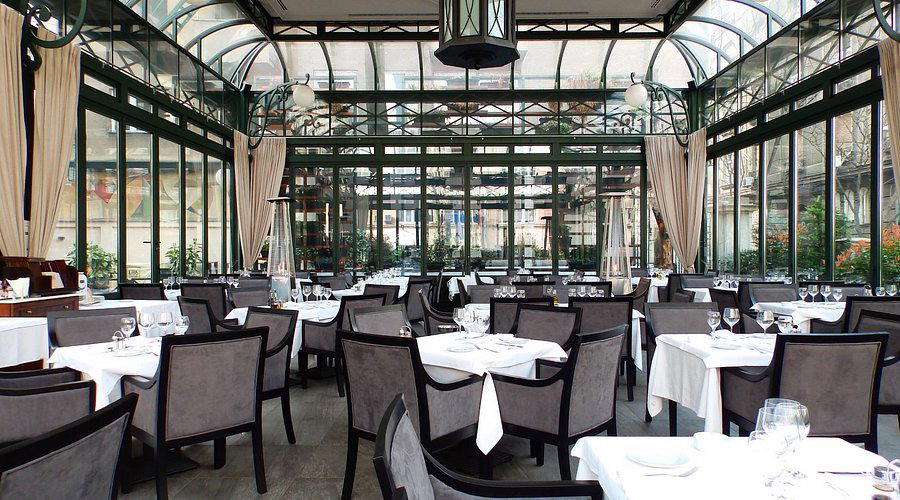
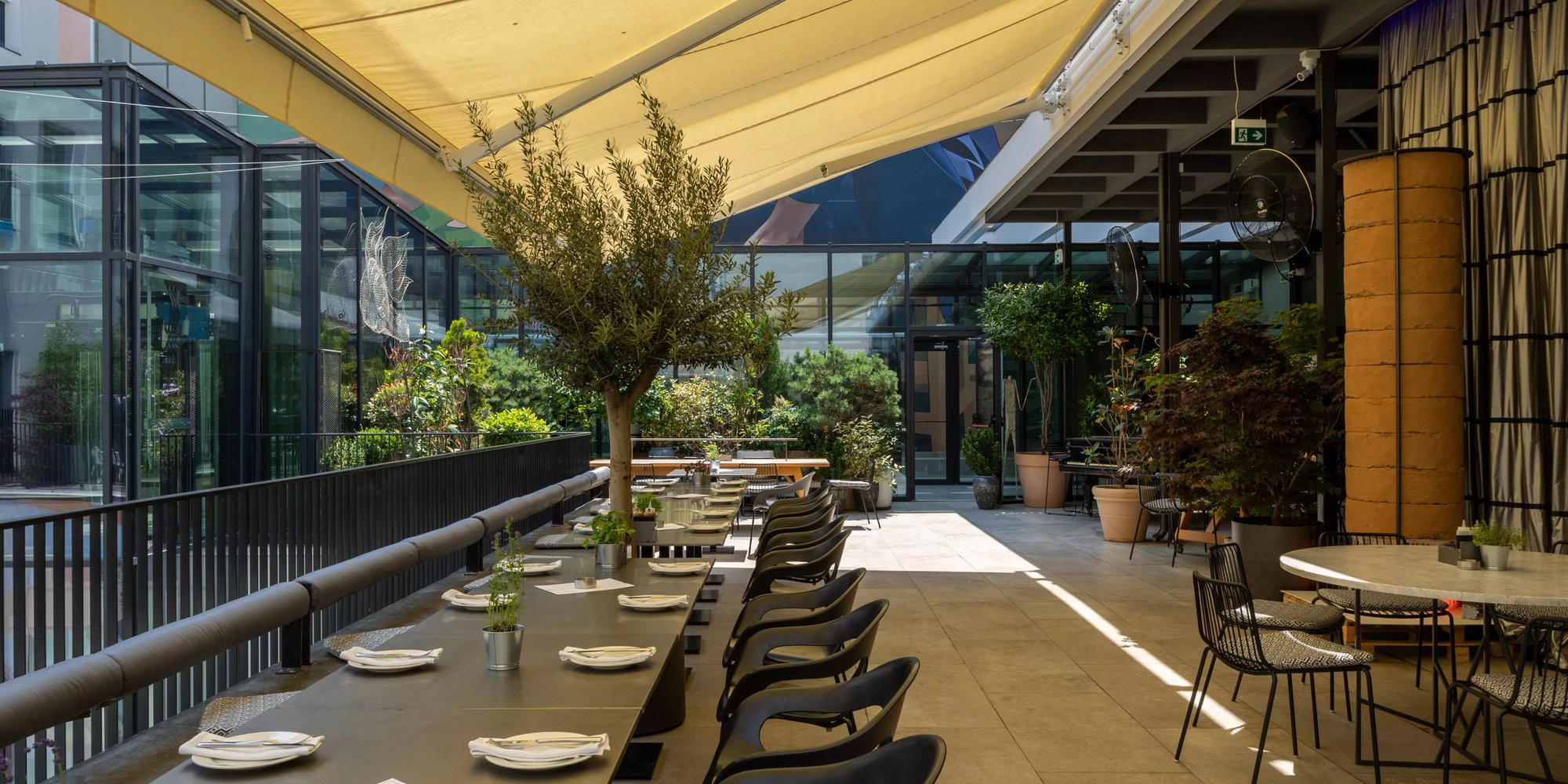
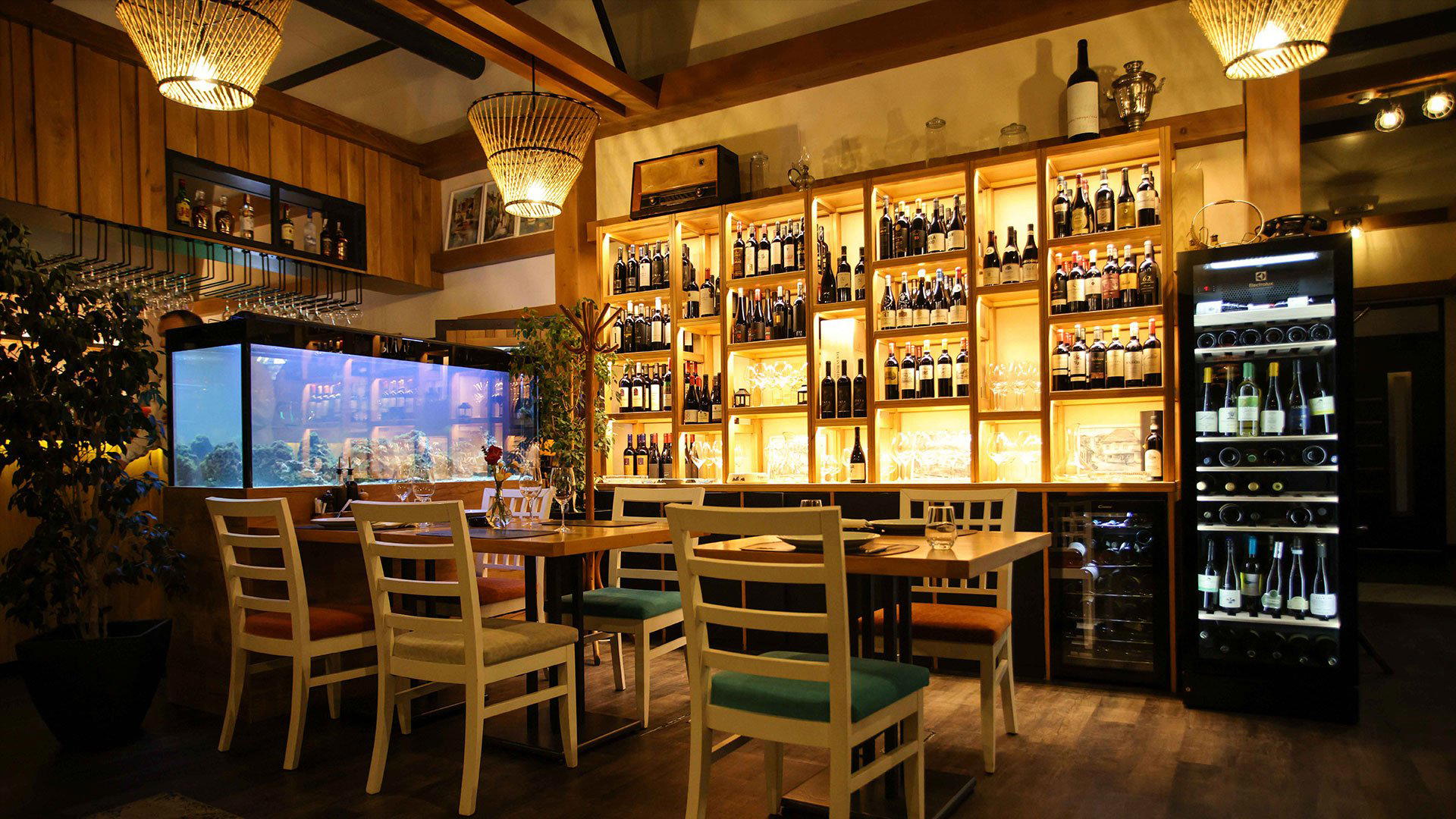
Rustic ethnic interior with fishing nets, lanterns, and natural wood, creating a warm fisherman's atmosphere enhanced by acoustic music and river views.