On a quiet residential stretch of Rauðarárstígur, Reykjavík Kitchen sits at a remove from the concentrated tourist circuit around Laugavegur. In a city where dining has split between Michelin-level tasting menus and fast-casual Nordic fare, this address occupies a more grounded register — the kind of neighbourhood restaurant that Reykjavík's own residents return to, rather than one built around visitor traffic.
Pearl is the En Primeur Club membership app — saves, bookings, and concierge access live there. Same editors, same standards.
- Address
- Rauðarárstígur 8, 105 Reykjavík, Iceland
- Phone
- +3545620020
- Website
- reykjavikkitchen.is
- Directions
- Get directions
 Saves & bookings on Pearl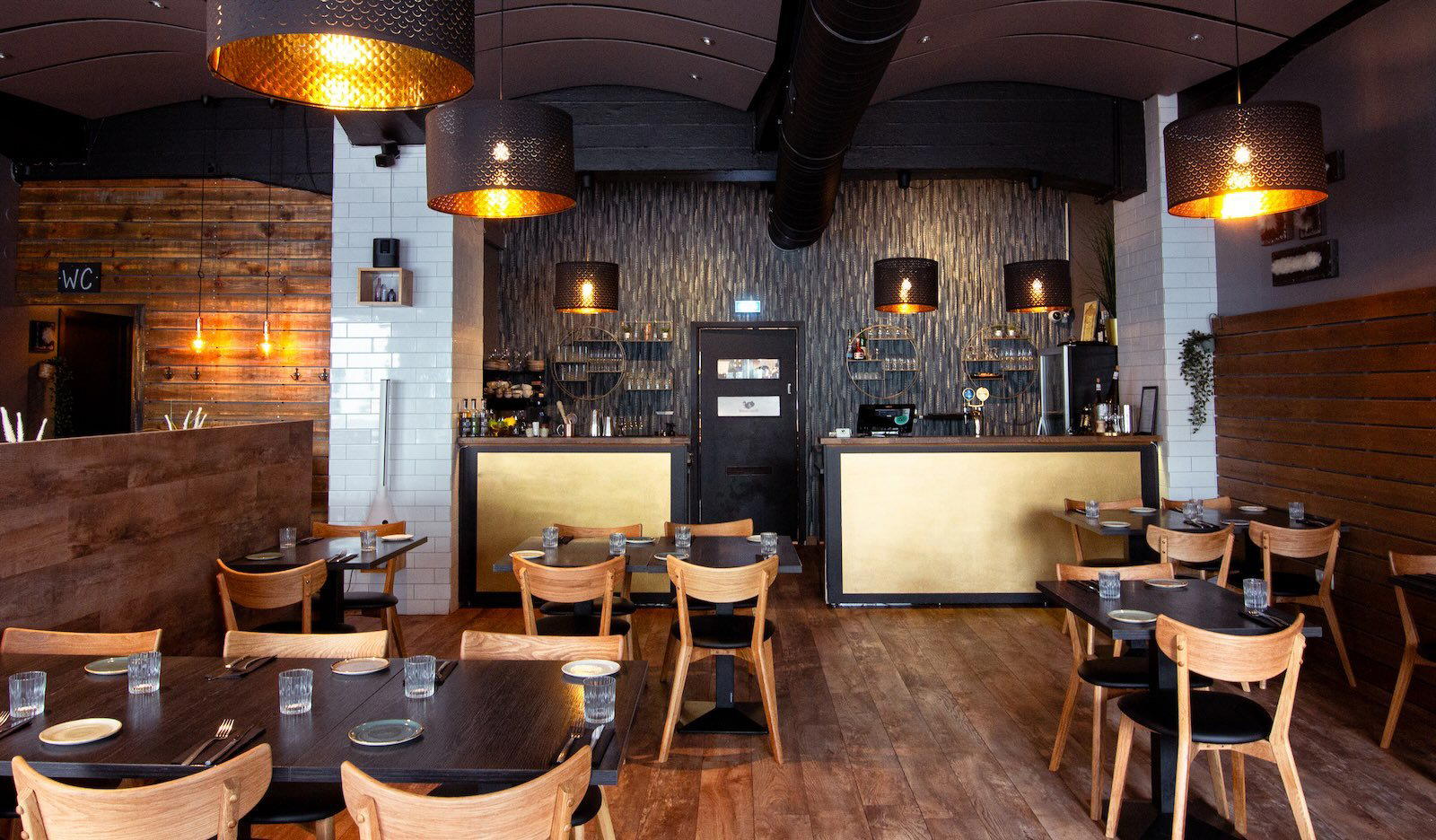
A Street That Earns Its Own Attention
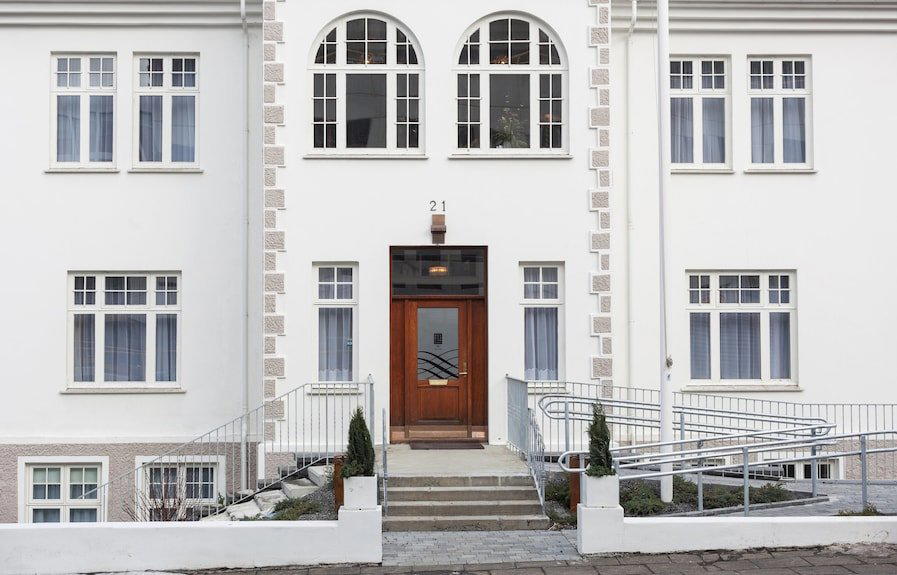
Rauðarárstígur runs northeast from the city centre at an angle that most visitors never quite get around to walking. The street belongs to the 105 postal district, a zone of mixed residential and light commercial buildings that sits between the tourist-dense stretch of Laugavegur and the quieter eastern residential neighbourhoods. In Reykjavík, where the entire walkable core covers barely two kilometres in any direction, this distance is more psychological than physical. Streets like Rauðarárstígur tend to attract the places that don't need foot traffic from arriving cruise passengers to stay full. Reykjavík Kitchen, at number 8, is on that kind of street.
That neighbourhood positioning shapes the experience before you walk through the door. The concentration of Reykjavík's most internationally recognised dining — DILL in Reykjavík, which holds the country's first Michelin star, and the extended ambitions of Bon Restaurant — clusters around the old town and its immediate periphery. Moving even slightly east of that zone changes the room's composition: fewer people in transit, more people with a destination already decided.
Where Reykjavík Dining Is Splitting
Iceland's capital now sustains at least three recognisable dining tiers. At the high end, tasting-menu formats with Nordic technique and local sourcing have built serious international reputations. Moss in Grindavík and the Chef's Table at Moss Restaurant in Iceland extend that conversation beyond the capital. At the other end, the city's most durable casual institutions, from the lamb soup counters to a stand like Bæjarins Beztu Pylsur with its decades-long queue culture, operate on pure local habit. The middle tier is where Reykjavík's neighbourhood restaurants compete: places oriented around regulars, seasonal menus that shift without ceremony, and pricing that reflects the city's high cost base without reaching into tasting-menu territory.
Reykjavík Kitchen sits in that middle register. The address on Rauðarárstígur is consistent with how this tier typically positions itself in the city: off the main commercial spine, accessible enough for residents across the 105 district, and not relying on the kind of international press recognition that pulls visitors from across town. Comparable in their neighbourhood orientation, if different in their specific formats, are addresses like Bergsson Mathús, which has built a sustained following in its own corner of the city, and Amma Don, which occupies a similarly local-first register.
What Icelandic Neighbourhood Cooking Looks Like
Across Reykjavík's mid-tier, a loose set of conventions has developed around what neighbourhood dining means in Iceland. The country's ingredient constraints, short growing seasons, heavy reliance on greenhouse cultivation, consistent access to lamb and fish, tend to push kitchens toward a small, rotating menu structure rather than the static year-round lists common in larger European capitals. Friðheimar in Reykholt illustrates the greenhouse dependency from the supply side; its tomato-centric menu exists precisely because indoor growing is how Iceland produces much of its own produce reliably. Lamb from highland farms, Arctic char, skyr preparations, and whatever the North Atlantic is reliably yielding form the backbone of what local kitchens have to work with.
In this context, a restaurant named Reykjavík Kitchen signals a deliberate orientation toward that local cooking tradition rather than toward imported formats. The name is specific without being pretentious: it positions the kitchen's reference point as the city itself, suggesting a mode of cooking more attuned to what Reykjavík residents actually eat than to international tasting-menu conventions.
For visitors orienting themselves against wider Icelandic dining, the regional spread offers useful contrast. Fjöruborðið in Stokkseyri, roughly an hour south of the capital, represents the coastal seafood tradition at its most direct: lobster cooked without complication in a setting that has been pulling visitors since the 1980s. Bautinn in Akureyri serves as the north's equivalent grounding point. Back in the capital, Von Mathús-Bar in Hafnarfjörður, just outside the city boundary, occupies a similarly local-first position in its own municipality.
The Rauðarárstígur Context
Number 8 Rauðarárstígur is not a destination address in the way that the area around Tjörnin or Laugavegur's peak blocks are destination addresses. That is, broadly, the point. Reykjavík's dining map rewards visitors willing to move a few blocks beyond the concentrated centre, where rent pressure is lower, rooms tend to be smaller and less designed for volume, and the operational focus can shift from turning tables to building repeat clientele.
The 105 district also has the advantage of being genuinely walkable from the central accommodation cluster, which concentrates around 101 Reykjavík. For a city where evening light in summer persists well past midnight and winter darkness arrives early, the walkability of the dining radius matters: Reykjavík operates as a walking city to a degree that most Northern European capitals of comparable size do not, and the distance from the centre to addresses like Rauðarárstígur 8 is comfortable on foot in any season.
Visitors planning a wider Reykjavík itinerary can reference our full Reykjavik restaurants guide for neighbourhood-by-neighbourhood context. Those plotting a day trip south will find the coastal and geothermal corridor covered in profiles of Nesjavallavirkjun in Selfoss and the broader south. For international reference points outside Iceland, the commitment to ingredient-driven cooking at the neighbourhood scale has parallels, at a different price and prestige level, in the kind of focused programme seen at Le Bernardin in New York City or the tightly curated format of Atomix in New York City, even if the ambitions and contexts are entirely different. Emeril's in New Orleans sits in that same conversation about what it means for a restaurant to embed itself in a city's own culinary identity rather than looking outward for its frame of reference.
For travellers landing at Keflavík and planning a meal before or after the flight, Malai-Thai in Keflavík covers that corridor. For those curious about the mid-market brasserie format that Reykjavík also sustains, the operation at Brút is worth including in any comparison of the city's neighbourhood-tier options.
Planning a Visit
Reykjavík Kitchen's address at Rauðarárstígur 8, 105 Reykjavík, places it in a direct walking zone from the city's main hotel concentration. No booking contact details or current hours are held in EP Club's database for this address, so confirming availability before arrival is advisable through local search or the venue directly. Iceland's high overall cost of living means that mid-tier dining here prices higher than its equivalent would in most Western European cities, a factor to account for when comparing the Reykjavík dining tier to international references.
Continue exploring
More in Reykjavík
Restaurants in Reykjavík
Browse all →
Bars in Reykjavík
Browse all →
At a Glance
- Cozy
- Casual Hangout
- Family
- Open Kitchen
- Local Sourcing
Current opening hours
- Monday
- 11:30 AM–3 PM, 5–10 PM
- Tuesday
- 5–10 PM
- Wednesday
- 11:30 AM–3 PM, 5–10 PM
- Thursday
- 11:30 AM–3 PM, 5–10 PM
- Friday
- 11:30 AM–3 PM, 5–10 PM
- Saturday
- 11:30 AM–3 PM, 5–10 PM
- Sunday
- 11:30 AM–3 PM, 5–10 PM
Hours can change for holidays and private events. Last verified .
Cosy and relaxed with personal service.
Know Before You Go
- Getting there
- Rauðarárstígur 8, 105 Reykjavík, Iceland