KEX Hostel and Hotel Reykjavik occupies a converted industrial building on Skúlagata, in a part of the 101 district where the harbour meets the older residential grid. The property sits at the intersection of Reykjavik's hostel and boutique hotel categories, drawing a mix of solo travellers and design-conscious visitors who want proximity to the city centre without paying full hotel rates. It is one of the more characterful addresses in this price tier.
Pearl is the En Primeur Club membership app — saves, bookings, and concierge access live there. Same editors, same standards.
- Address
- Skúlagata 28, 101 Reykjavík, Iceland
- Phone
- +354 561 6060
- Website
- kexrvk.is
 Saves & bookings on Pearl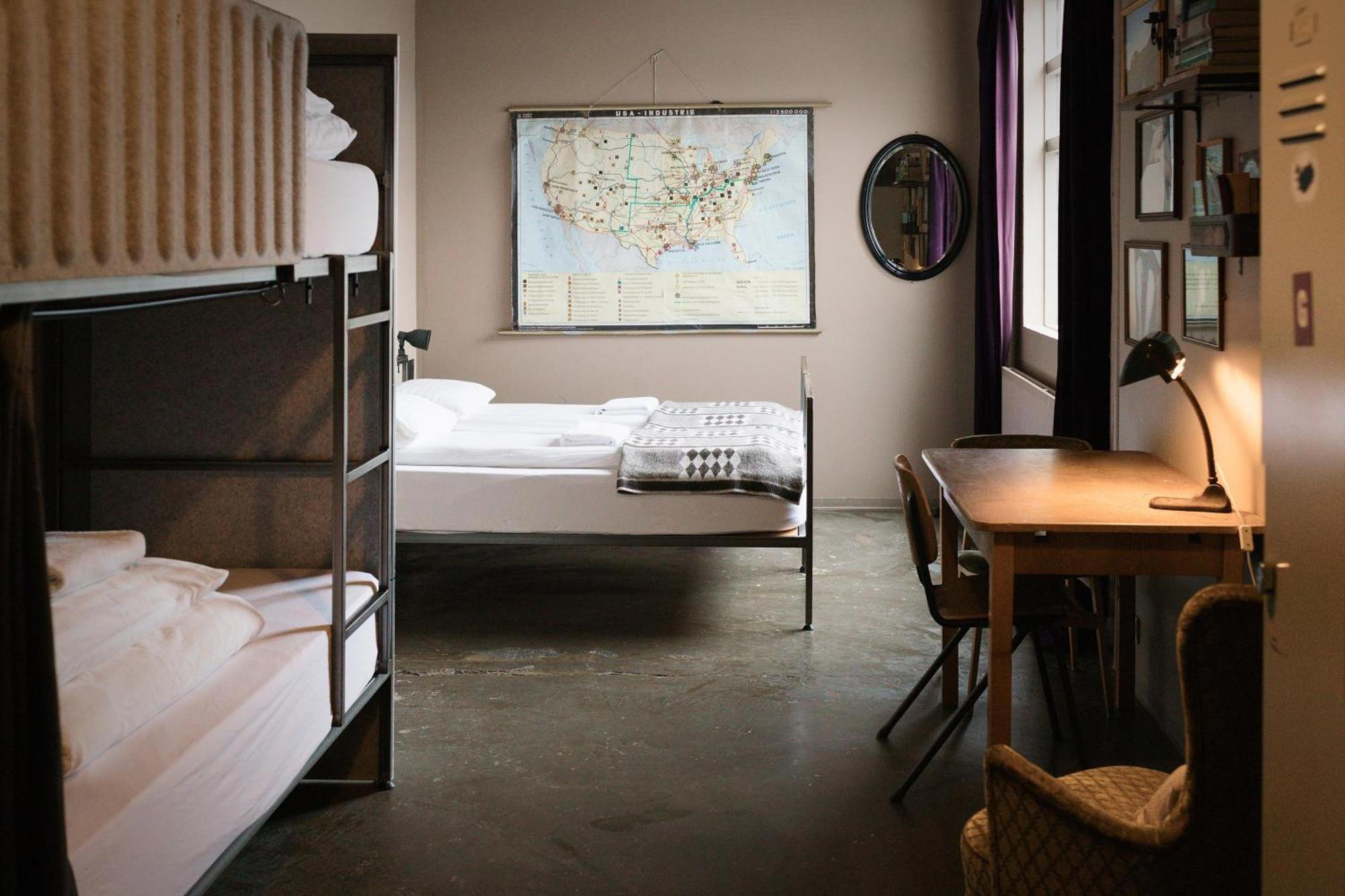
The Harbour Edge: Where Reykjavik's Industrial Past Meets Its Hostel Economy
Skúlagata runs parallel to the old harbour, and the stretch around number 28 retains the low-rise, slightly wind-scoured character that defined this part of Reykjavik before the downtown hotel boom reshaped the inner 101 district. Arriving at KEX, you register the building's industrial bones before you register anything else: the structure's former life as a biscuit factory (the name KEX means biscuit in Icelandic) is legible in the proportions of the space rather than in any self-conscious heritage signage. This is the kind of adaptive reuse that works because the building has actual mass rather than being retrofitted from a generic shell.
Reykjavik's accommodation options have split into distinct tiers over the past decade. At the leading, design-forward hotels like 101 Hotel Reykjavik and The Reykjavik EDITION compete on finish, food, and full-service positioning. At the mid-tier, properties like Hlemmur Square and Alda Hotel occupy a boutique-hotel-with-personality space. KEX operates in a different register entirely: it is one of the few Reykjavik addresses that genuinely bridges the hostel and hotel categories rather than simply badging itself as a hybrid for marketing purposes. That positioning matters for the reader deciding where to commit their nights.
Food, Drink, and the Icelandic Sourcing Argument
Iceland imports a significant portion of its food, but its flagship ingredients, lamb raised on open highland pasture, Arctic char from geothermal rivers, skyr in its uncultivated forms, and cod and haddock from the North Atlantic, are among the most traceable on any menu in the world. The lamb, in particular, arrives at Icelandic tables with a provenance that most European chefs would find difficult to replicate: animals grazed on wild Arctic herbs and grasses, collected in the autumn réttir roundups, and processed domestically.
This is a distinct approach from the dedicated restaurant operations at properties like Hotel Borg by Keahotels or Apotek Hotel by Keahotels, where dining carries formal weight and ingredient sourcing is presented with editorial detail. KEX's kitchen aligns more closely with the hostel bar tradition common in Northern European cities: accessible, unpretentious food that leans on the quality of local ingredients to do the work that technique might do in a more formal room.
When KEX's kitchen works with these ingredients, the quality floor is set by geography and season, not by premium purchasing.
Placing KEX in the Reykjavik Accommodation Picture
KEX represents the generation of Icelandic hostel properties that arrived when the island's tourism numbers began climbing steeply, and the early design ambition of that moment is visible in the common areas. Properties in this tier compete less on thread counts and more on social infrastructure: bar quality, programming, common space design, and proximity to the city's walkable core.
Geographically, Skúlagata 28 places guests within walking distance of the old harbour district, Laugavegur's retail and dining strip, and the Tjörnin lake area. For travellers using Reykjavik as a base for day trips to the Golden Circle, the South Coast, or the Snæfellsnes Peninsula, proximity to the city's main bus connections matters as much as the room itself. Those planning to extend into Iceland's wider accommodation network will find properties like ION Adventure Hotel near Selfoss, Hotel Ranga in Hella, or Vogafjós Farm Resort represent a very different set of priorities, oriented around landscape access and regional character rather than urban connectivity.
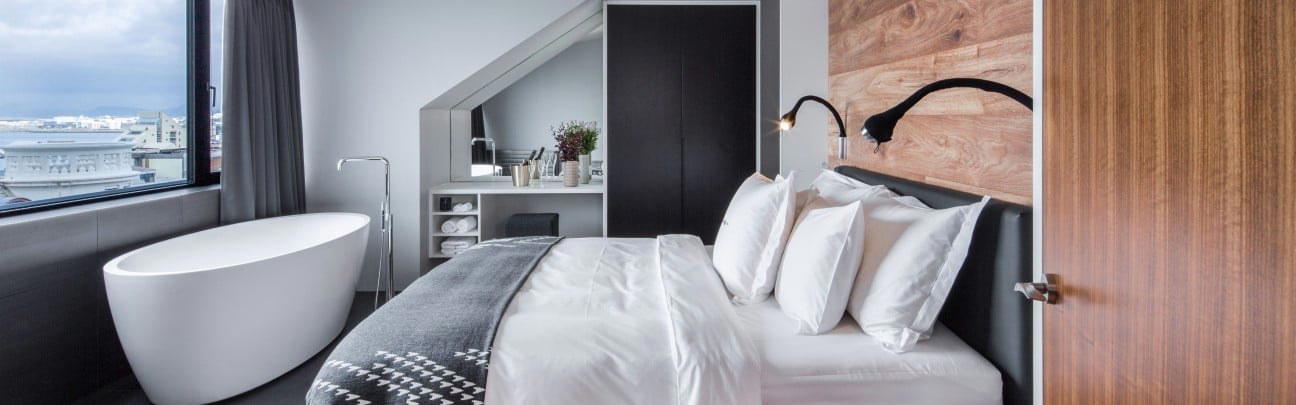
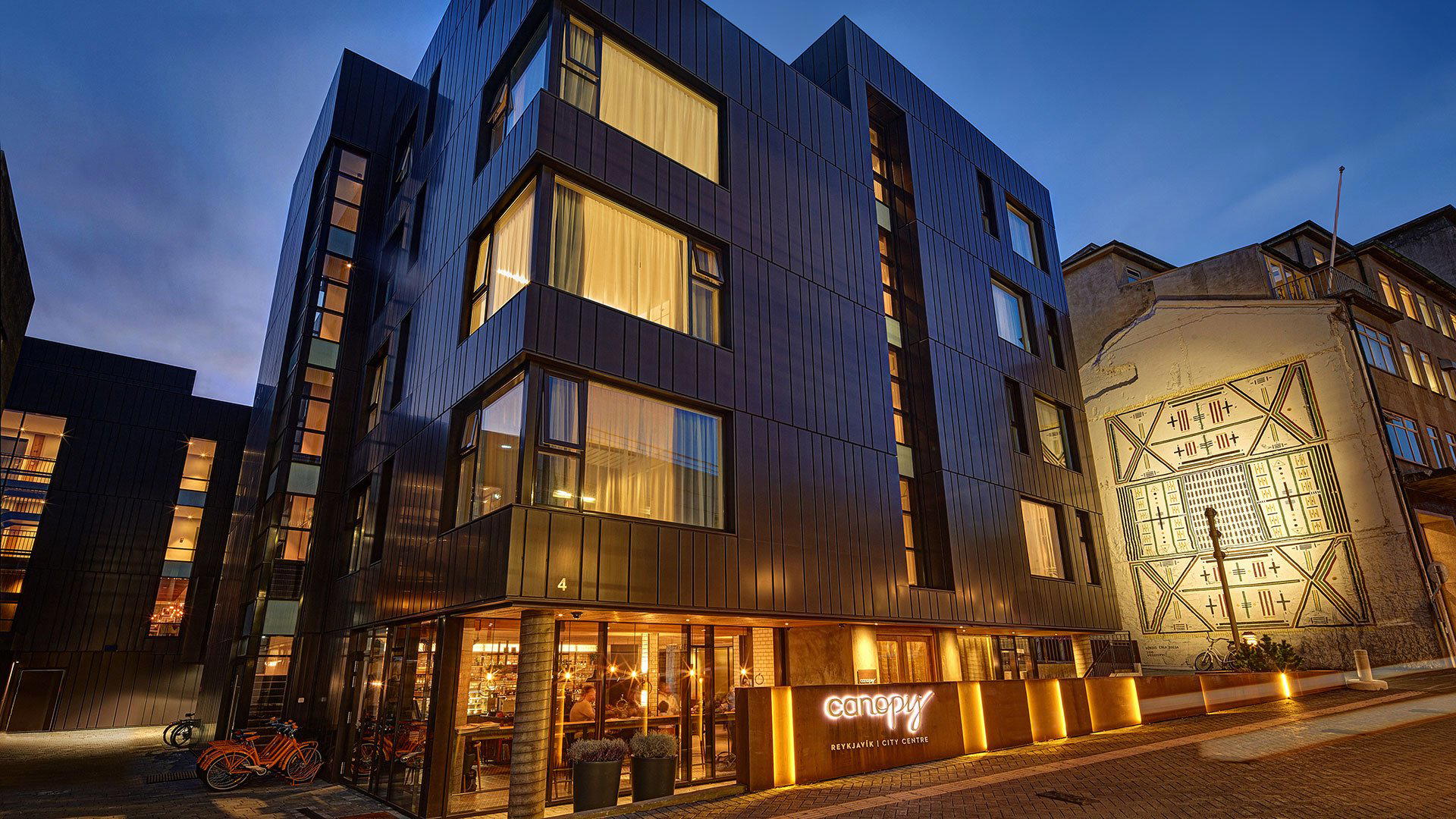
For comparison within Reykjavik's design-conscious mid-market, Canopy by Hilton Reykjavik City Centre and Black Pearl serve the traveller who wants a more standardised hotel experience with design intent. KEX's competitive advantage is different: it is for the traveller to whom the common room matters as much as the private one, and who reads the social energy of a building as part of the accommodation value. Those who need full-service amenities or a premium finish will look at Hilton Reykjavik Nordica or the city's smaller luxury properties.
Planning Your Stay: Practical Notes
KEX sits at Skúlagata 28 in the 101 postal district, which is Reykjavik's central area and walkable to most of the city's main points of interest. The 101 designation covers the inner-city grid, and Skúlagata's harbour-adjacent position puts the property slightly north of the main Laugavegur axis, in a residential-industrial stretch that has fewer tourists and more working-city character than the blocks immediately surrounding Hallgrímskirkja. For those arriving from Keflavík International Airport, the Flybus and its hotel-drop variants operate on a fixed schedule and serve the central Reykjavik area; the journey takes approximately 45 minutes under normal traffic conditions. Iceland's tourism peaks in summer (June through August) when daylight is effectively continuous, but the northern lights season running from late September through March draws a different cohort of visitors for whom darkness is the point. Booking ahead during both periods is advisable given the city's accommodation pressure.
Cuisine-First Comparison
Comparable venues nearby, for context on price, style, and recognition.
| Venue | Cuisine | Price | Awards | Notes |
|---|---|---|---|---|
| KEX Hostel and Hotel ReykjavikThis venue — the venue you are viewing | Vintage industrial hostel-hotel in a historic biscuit factory. | $ | 2-Star | |
| Hlemmur Square | Hybrid luxury hostel and boutique hotel in restored Art Deco building | $$ | 3-Star | Reykjavíkurborg |
| Thingholt by Center Hotels | Boutique design hotel blending modern comfort with Icelandic nature-inspired elements. | $$$ | 4-Star | Reykjavíkurborg |
| Hotel Holt- The Art Hotel | Art-focused boutique hotel blending history and contemporary Icelandic design | $$$ | 4-Star | Reykjavíkurborg |
| Reykjavik Residence Apartment Hotel | Contemporary apartment-hotel hybrid combining historic Icelandic architecture with modern luxury and self-catering independence. | $$$ | 4-Star | Reykjavíkurborg |
| Canopy by Hilton Reykjavik City Centre | Modern boutique urban retreat in historic buildings | $$$ | 4-Star | Reykjavíkurborg |
Continue exploring
More in Reykjavík
Hotels in Reykjavík
Browse all →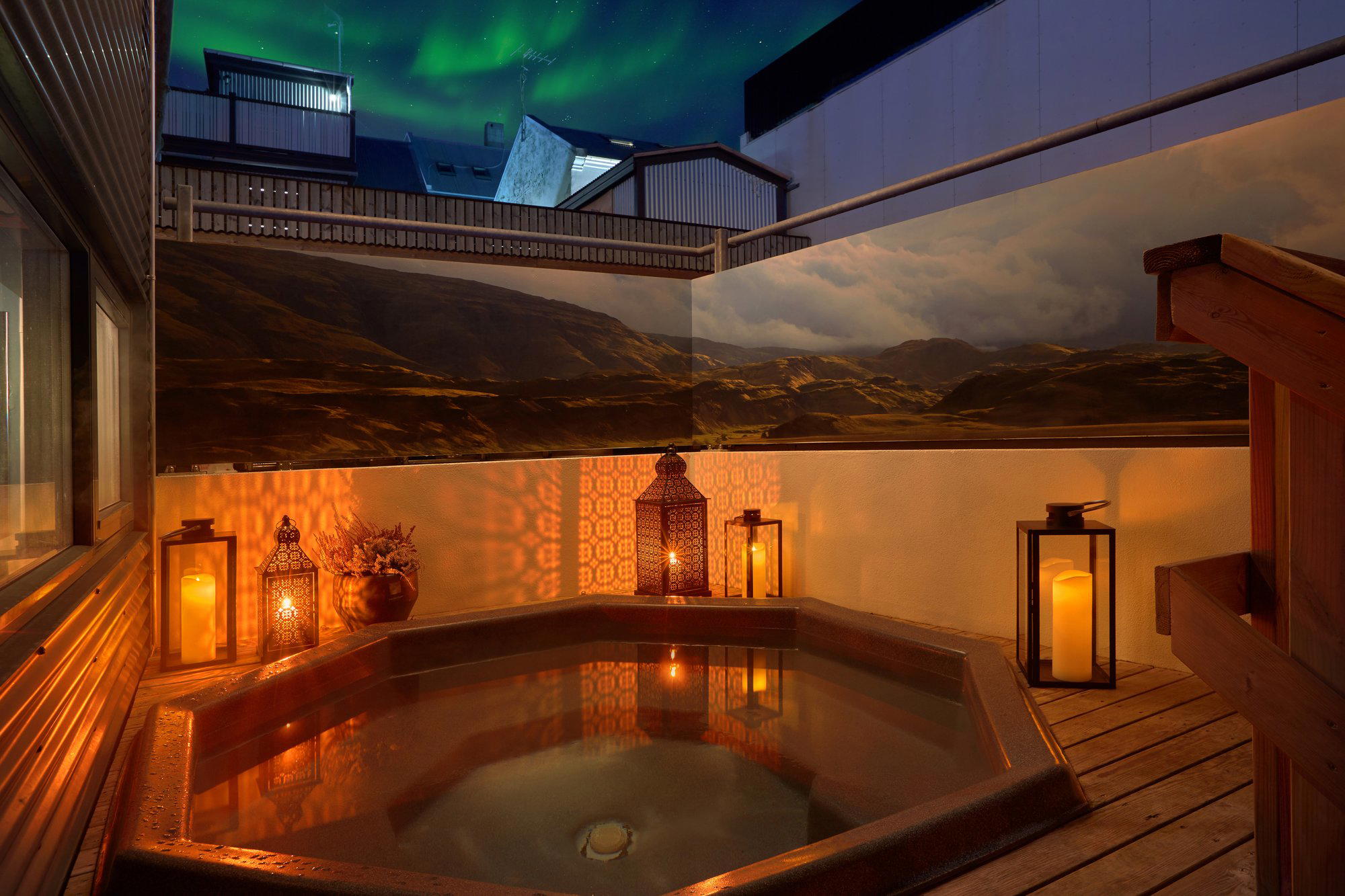
Bars in Reykjavík
Browse all →
Restaurants in Reykjavík
Browse all →
Wineries in Reykjavík
Browse all →
At a Glance
- Trendy
- Cozy
- Industrial
- Bohemian
- Weekend Escape
- Historic Building
- Terrace
- Wifi
- Bar
- Shared Kitchen
- Laundry
- Waterfront
- Mountain
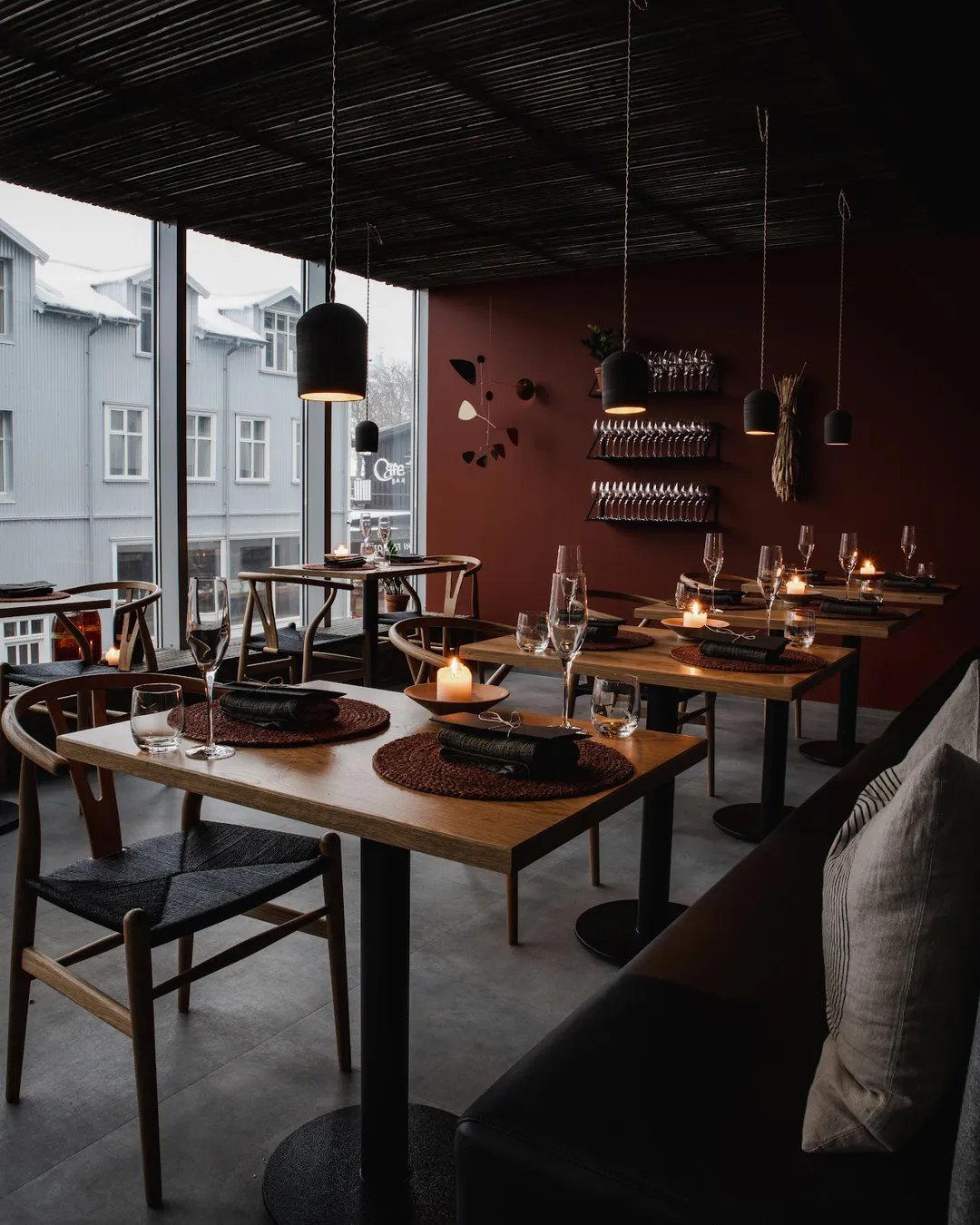
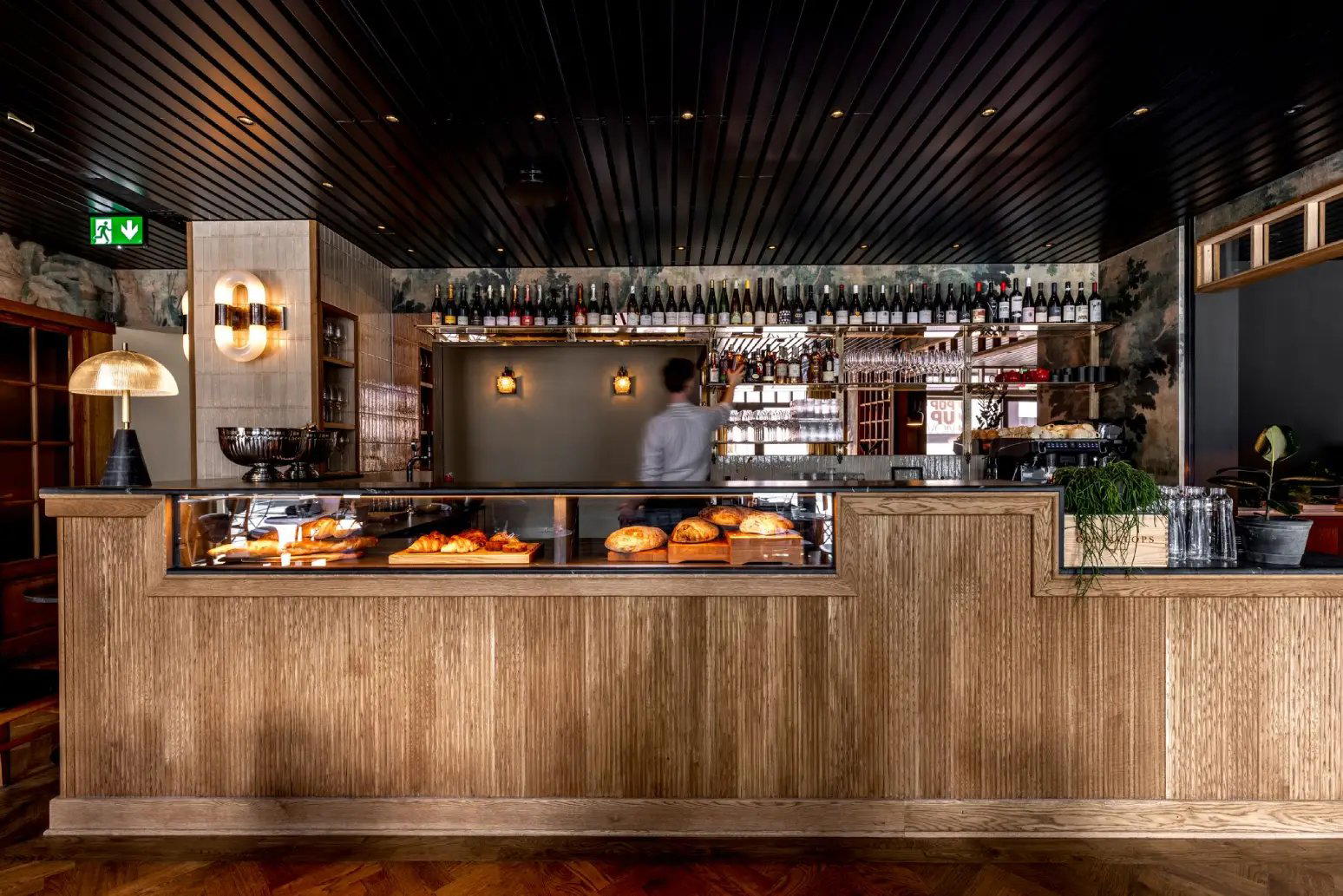
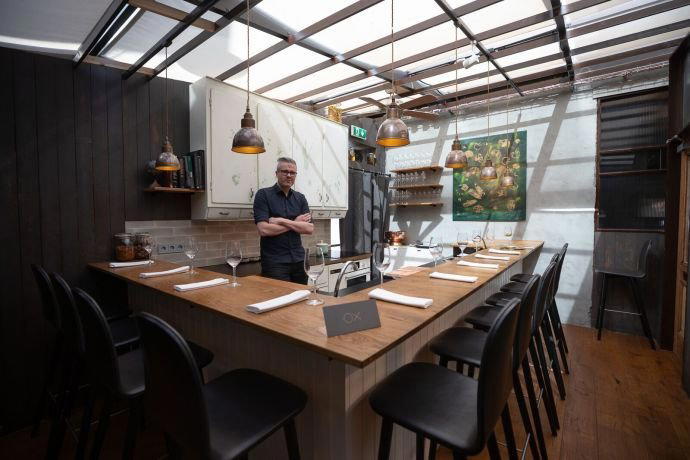
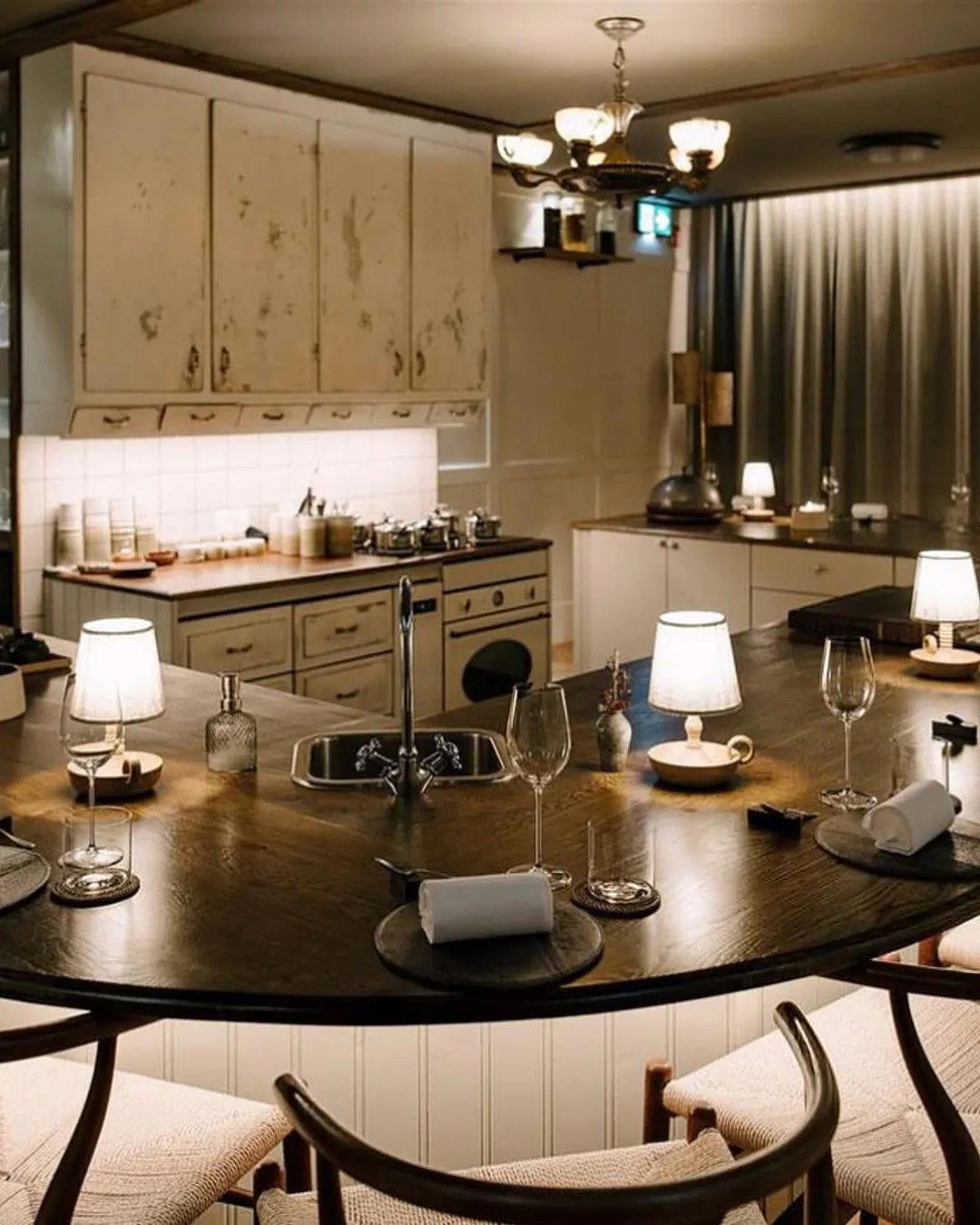
Raw industrial spaces with vintage furnishings, warm and cozy lounge areas, lively bar atmosphere.