Restavracija Gratia sits at Lipica 15c in Sežana, placing it within reach of one of Slovenia's most storied limestone plateaus. The restaurant occupies a corner of the Karst region where local produce, slow pacing, and the rituals of a proper Slovenian table define the experience more than any single dish.
Pearl is the En Primeur Club membership app — saves, bookings, and concierge access live there. Same editors, same standards.
- Address
- Lipica 15c, 6210 Sežana, Slovenia
- Phone
- +38657391919
- Website
- lipica.org
- Directions
- Get directions
 Saves & bookings on Pearl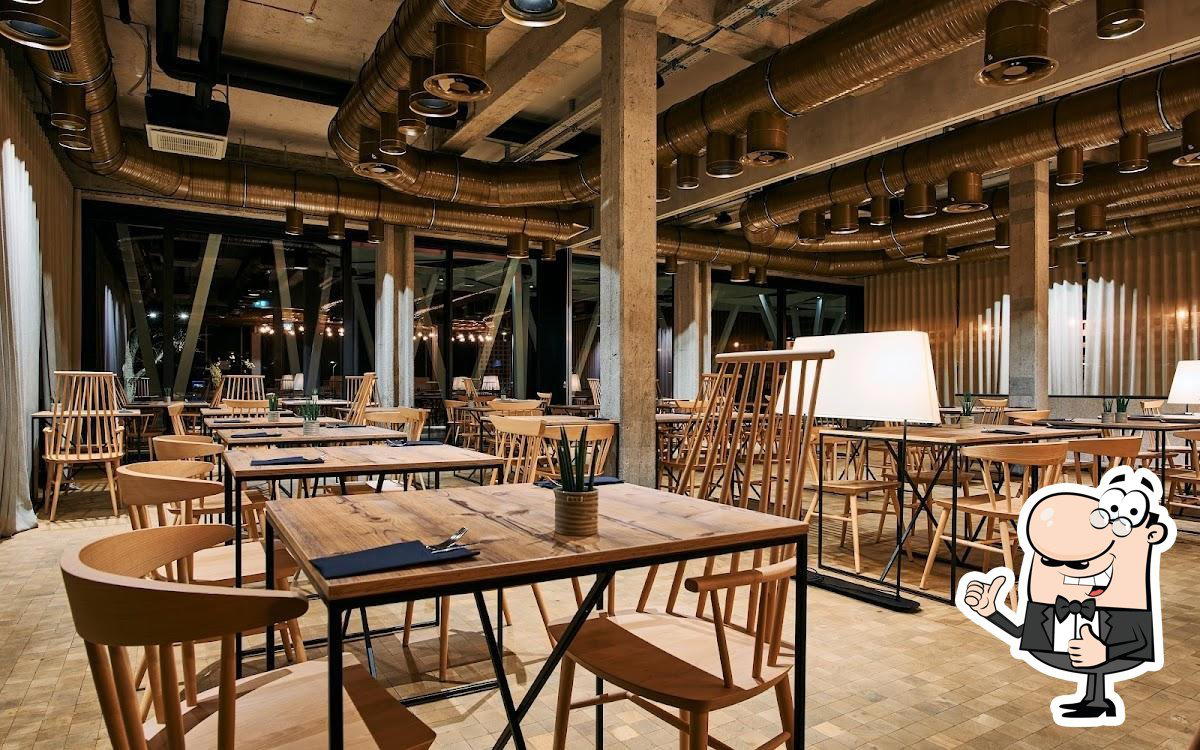
Dining on the Karst Plateau
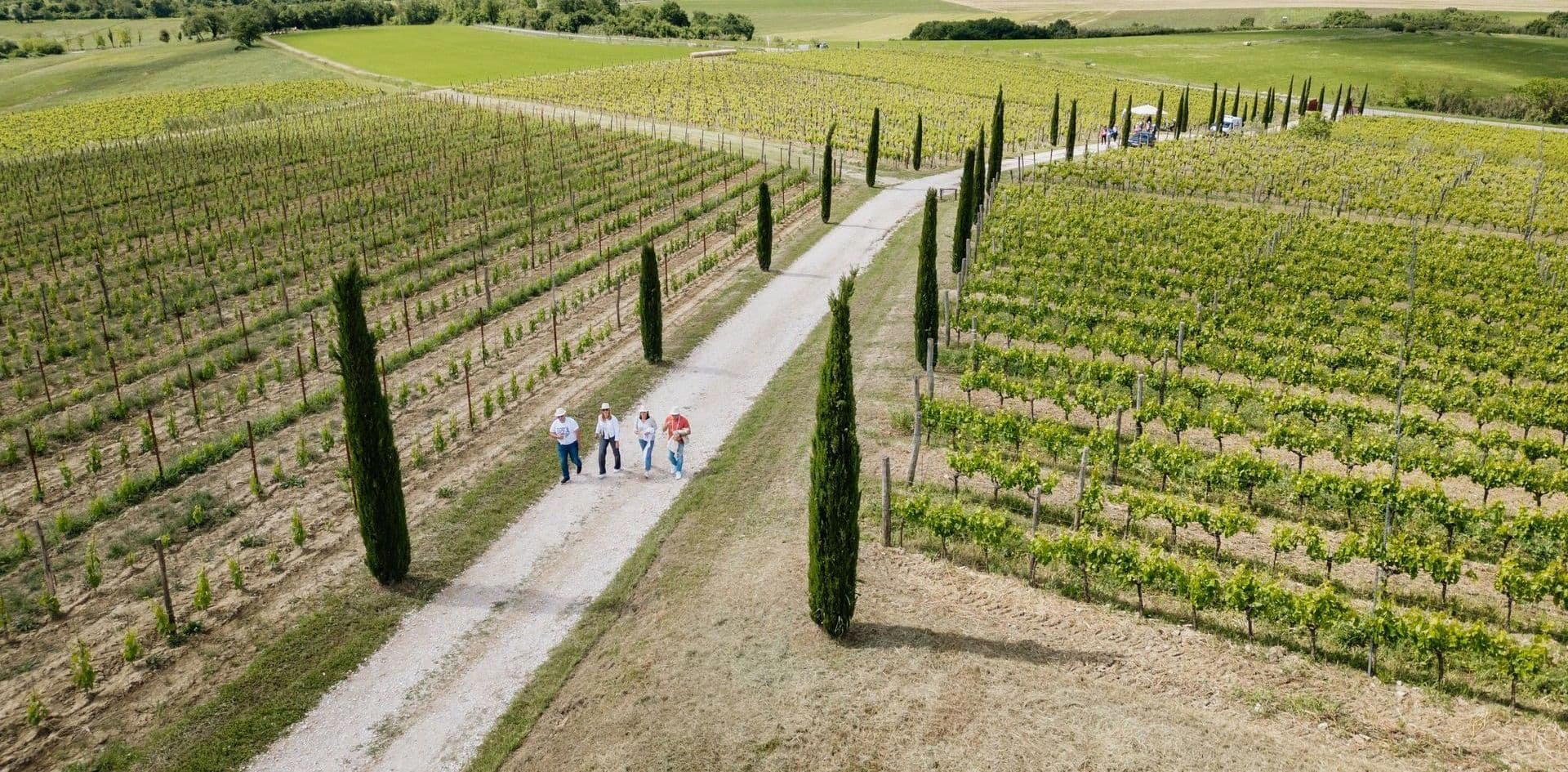
The Karst region of southwestern Slovenia has a particular quality at the table. Meals here are not rushed affairs calibrated for turnover; they follow a rhythm shaped by the land itself, where cured meats age in stone cellars, local wine pours without ceremony, and the space between courses is considered part of the meal. Restavracija Gratia, addressed at Lipica 15c in Sežana, sits inside that tradition. The address alone places it close to the Lipica stud farm, one of the oldest in Europe, and the surrounding plateau carries the geological character that defines Karst cooking: porous limestone, bora winds, and an agricultural identity built on persistence rather than abundance.
Sežana is not a city that accumulates restaurant hype. It is a compact town near the Italian border where the dining culture skews local and the reference points are regional rather than international. That context matters when reading any restaurant here. Tables fill with regulars who know the format, not with tourists cycling through a highlights reel. The dining ritual at a place like Gratia, as with its peers in the area, tends to unfold as a series of small decisions made unhurriedly, from the selection of a local Teran or Malvazija to the progression from cold antipasto through to a meat course rooted in what the Karst actually produces.
The Format of a Karst Meal
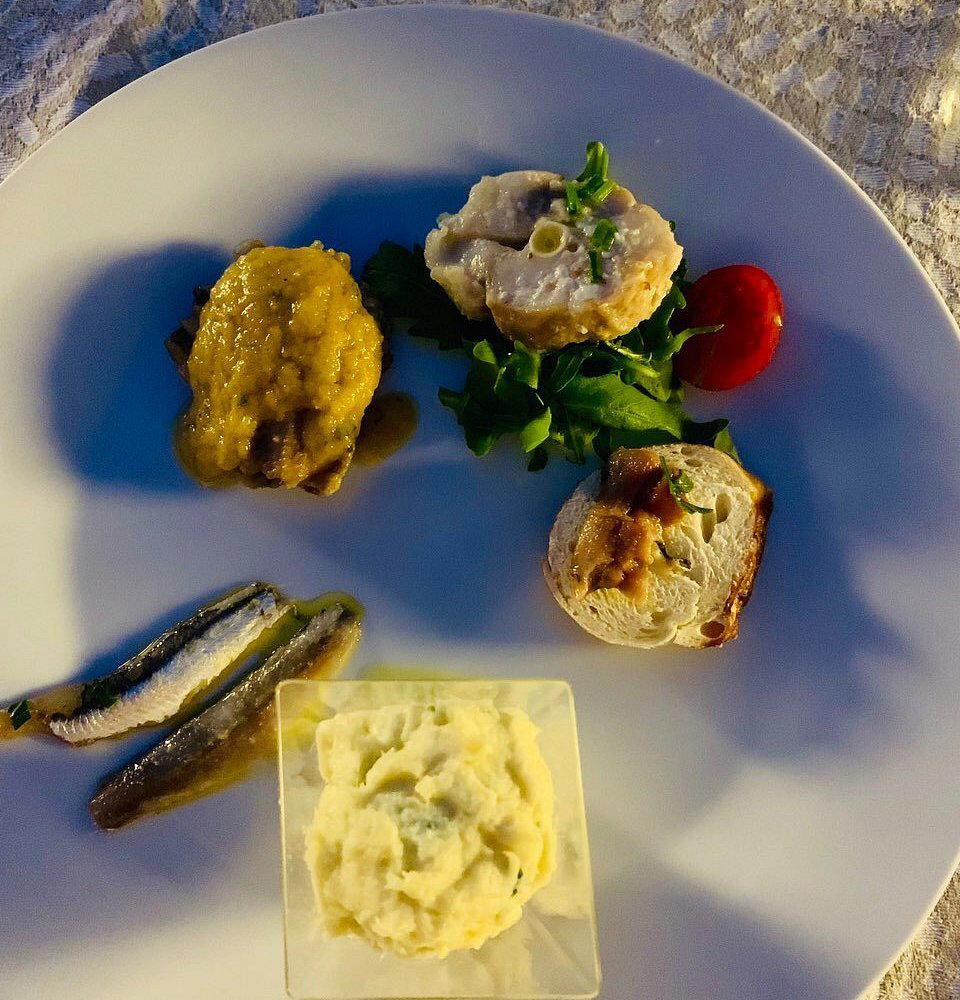
Karst cuisine follows a grammar that differs from both Adriatic seafood traditions and the Alpine cooking found further north. The cold cut board, built around pršut (air-dried ham cured in the bora wind), is customarily the opening statement rather than an afterthought. It establishes the register: preserved, mineral, deliberately unadorned. What follows typically moves through a pasta or soup course before arriving at game, lamb, or beef, often prepared simply enough that the quality of the ingredient, rather than technique, carries the plate. This is not the tasting-menu architecture of Hiša Franko in Kobarid or the Michelin-tracked refinement of Restavracija Strelec in Ljubljana. It is a different category entirely, one where the measure of quality is fidelity to a local table tradition rather than departure from it.
Among the Sežana restaurants that operate in this register, Hiša Krasna represents the clearest benchmark for regional cuisine at a mid-range price point. Gratia occupies adjacent territory. Where the Slovenian dining scene nationally has split between destination tasting-menu houses and everyday gostilna formats, restaurants in Sežana like Camut, Gostilna Muha, and Pescador each stake out a slightly different position along that range. Gratia's specific positioning within that local set is best understood in person.
Pacing, Etiquette, and What to Expect
The etiquette of a Karst table is worth understanding before you sit down. Service in the region tends toward attentive but unhurried, with the expectation that guests are there for the duration of a proper meal rather than a quick plate. Arriving at the expected mealtime, which in Slovenia typically means lunch between noon and 2pm and dinner from 7pm onward, matters more than it might in cities with more elastic kitchen hours. The meal pace is set by the kitchen and the conversation, not by a reservation clock.
Wine selection follows regional logic. The Karst has its own DOC-equivalent designation for Teran, the indigenous red grape grown on terra rossa soils, and for Karst Malvazija, a fuller, structured white. At restaurants in this tradition, the wine list tends to prioritize local producers over imported labels, and the correct move is to ask what is being poured locally rather than defaulting to a recognizable name. This is a habit worth carrying across the broader Slovenian dining scene: at Gostilna Pri Lojzetu in Vipava or Dam in Nova Gorica, the same principle applies, with local terroir doing the explanatory work that a sommelier might otherwise provide.
Sežana as a Dining Location
Sežana sits roughly six kilometers from the Italian border crossing at Fernetti, which makes it an easy day-trip anchor from Trieste or an en-route stop on a longer Slovenian itinerary. The town is served by rail connections from Ljubljana (approximately two hours), and its proximity to the Lipica stud farm and Škocjan Caves means that food-focused travelers can pair a meal with substantive cultural programming without venturing far. The dining geography of Slovenia's southwest rewards deliberate planning: the leading tables in the country are rarely in the largest cities. Hiša Denk in Zgornja Kungota, Milka in Kranjska Gora, and Grič in Šentjošt nad Horjulom all make the same argument: that the country's most interesting cooking happens at a remove from Ljubljana's density.
For visitors building a Slovenian itinerary around food, our full Sežana restaurants guide maps the local options in more detail. Further afield, Hiša Linhart in Radovljica, Pavus in Lasko, and Gostilna Mlinar in Idrija each represent a distinct regional tradition worth building travel around. And for a reference point outside the Slovenian context entirely, the kind of rigorous local-product focus that defines Karst cooking has a loose philosophical parallel in the ingredient-forward discipline of Le Bernardin in New York City or the precision tasting structures at Atomix in New York City, though the register and price point are entirely different categories. Also worth noting in any wider sweep of Slovenian dining is Gostišče Karavla 297 in Trzic, which follows a similarly regionally rooted approach.
Planning a Visit
Restavracija Gratia is open daily from 9am to 10pm, and reservations are recommended. Given the local dining culture in Sežana, calling ahead is the more reliable approach than assuming walk-in availability, particularly for dinner. The Lipica road corridor is accessible by car from central Sežana in under ten minutes, and the surrounding area merits a longer half-day if the Lipica stud farm visit is on the itinerary. As with most Karst restaurants, arriving with time to spare and leaving without a rushed exit is the correct posture for the meal.
Cuisine Lens
Comparable venues nearby, for context on price, style, and recognition.
| Venue | Cuisine | Price | Awards | Notes |
|---|---|---|---|---|
| Restavracija GratiaThis venue — the venue you are viewing | Modern Karst Cuisine | $$$ | Not listed | Not listed |
| Gostilna Muha | Traditional Slovenian Karst Cuisine | $$ | Not listed | Lokev |
| Camut | Japanese Omakase | $$$ | Not listed | Kazlje |
| Pescador | Mediterranean Seafood | $$ | Not listed | Lokev |
| Hiša Krasna | Modern Slovenian with Karst-Istrian influences | $$$ | Michelin Plate | Lokev |
| Capra | Mediterranean Seafood | $$$ | Not listed | Koper |
Continue exploring
More in Sezana
Restaurants in Sezana
Browse all →
Bars in Sezana
Browse all →
Hotels in Sezana
Browse all →
At a Glance
- Elegant
- Modern
- Scenic
- Sophisticated
- Business Dinner
- Group Dining
- Family
- Special Occasion
- Hotel Restaurant
- Private Dining
- Local Sourcing
- Farm To Table
Current opening hours
- Monday
- 9 AM–10 PM
- Tuesday
- 9 AM–10 PM
- Wednesday
- 9 AM–10 PM
- Thursday
- 9 AM–10 PM
- Friday
- 9 AM–10 PM
- Saturday
- 9 AM–10 PM
- Sunday
- 9 AM–10 PM
Hours can change for holidays and private events. Last verified .
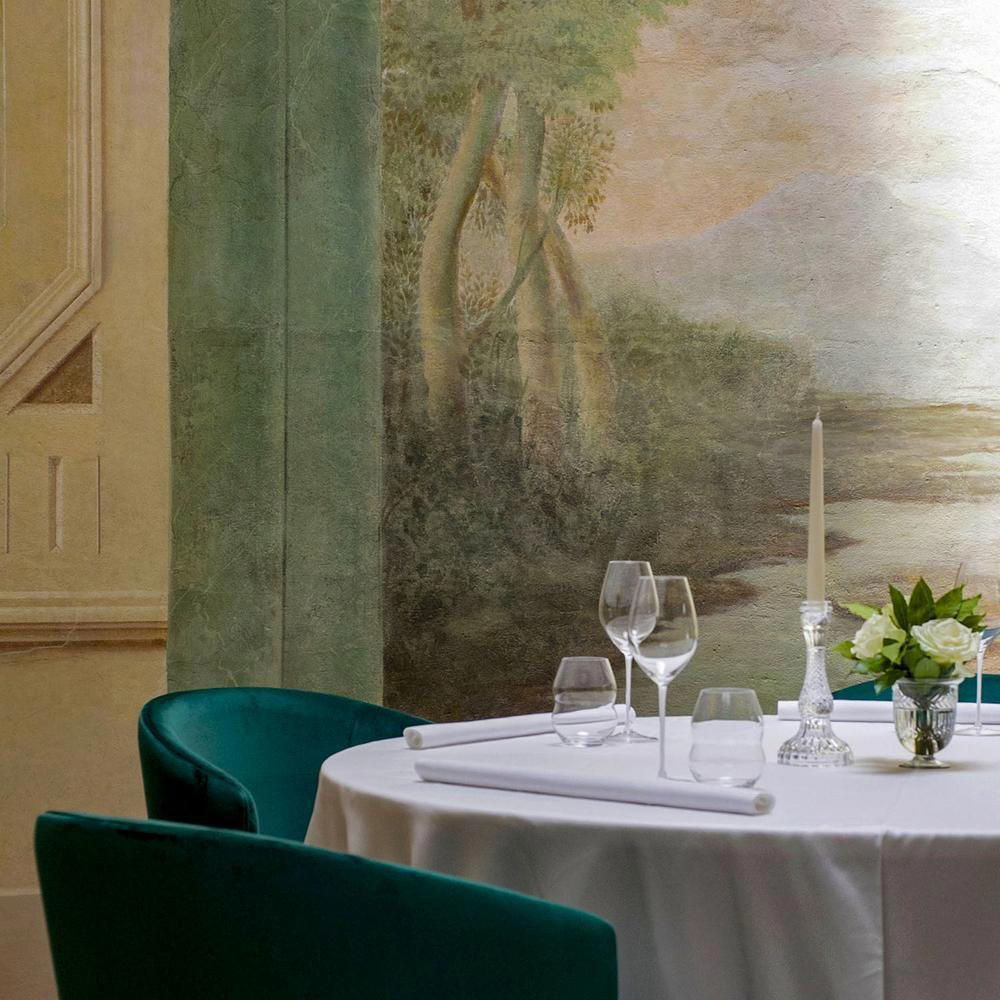
Spacious, modern dining room with refined design reflecting the Lipica estate; tables well-spaced with pleasant ambience, though service consistency varies.