Pescador sits in Lokev, a quiet karst village on the edge of the Slovenian–Italian border zone, where the regional tradition of inland fish cookery has deep roots in Adriatic trade routes. The address places it within the broader Sežana dining circuit, where several kitchens are drawing serious attention to a part of Slovenia that most international visitors pass through without stopping.
Pearl is the En Primeur Club membership app — saves, bookings, and concierge access live there. Same editors, same standards.
- Address
- Lokev 215, 6219 Lokev, Slovenia
- Phone
- +38651244300
- Website
- pescador.si
- Directions
- Get directions
 Saves & bookings on Pearl
Fish Cookery on the Karst Plateau
The karst plateau between Trieste and the Slovenian interior has never been obvious seafood territory. The terrain is limestone, the villages are stone-built and wind-scoured by the bora, and the nearest coast is Trieste, roughly thirty kilometres west. Yet the region's relationship with Adriatic fish runs centuries deep, shaped by the trade routes that connected the port of Trieste to the Slovenian and Central European hinterland. Inland fish restaurants on this plateau are not an anomaly, they are a continuation of that logistical and culinary history, where proximity to a major port made fish a viable and eventually habitual kitchen ingredient.
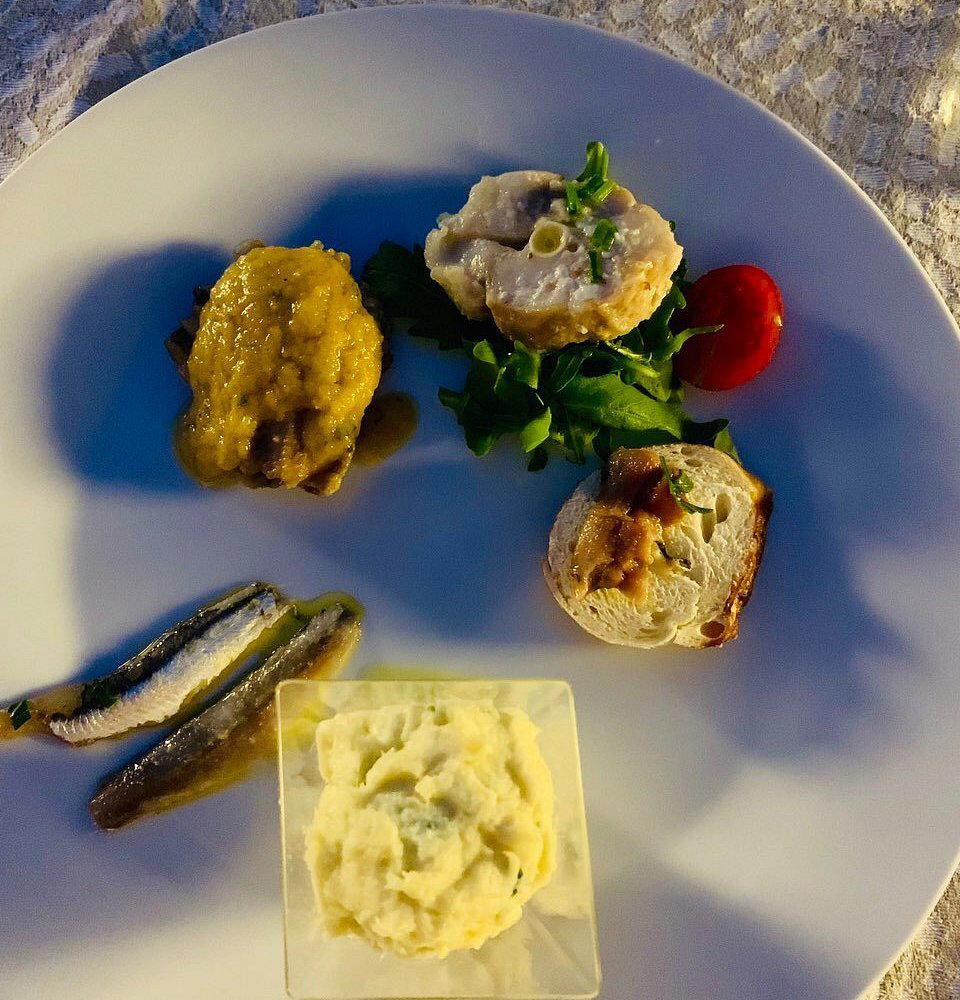
Pescador is a restaurant in Lokev, Slovenia, at Lokev 215, 6219 Lokev. The name itself signals the kitchen's orientation: pescador is the word for fisherman in several Mediterranean languages, a deliberate positioning within the Adriatic coastal tradition rather than the meat-and-game register that dominates most Slovenian country cooking. In a regional dining scene where venues like Hiša Krasna lead with regional cuisine rooted in karst ingredients and Gostilna Muha and Camut hold their own corners of the local circuit, a fish-forward kitchen is a distinct position.
What the Karst Setting Means for Seafood
The karst plateau is not an obvious frame for understanding Adriatic seafood, but the two are historically inseparable. Before refrigeration, salted and dried fish, baccalà in the Venetian tradition, stockfish from the north, moved through this region as stable cargo. Fresh fish followed the same routes as soon as transport allowed. The result is a layered culinary inheritance: preparations that combine the preservation techniques of an inland kitchen with the raw material ambitions of a coastal one.
Across the wider Slovenian fine dining circuit, particularly awarded kitchens have drawn heavily on this kind of layered regional identity. Hiša Franko in Kobarid is the clearest example, a venue that turned a remote river valley into an internationally recognised address by anchoring its cooking in the specific ecology and food culture of the Soča region. Gostilna Pri Lojzetu in Vipava does something similar for the Vipava wine valley, where local ingredients and wine production create a self-contained culinary logic. What these addresses share is a commitment to place as the editorial frame for the menu, not place as decoration, but place as the actual determinant of what ends up on the plate.
A fish kitchen on the karst fits that same logic. The proximity to Trieste, the bora wind, the limestone terrain that shapes what grows and what survives here, these are not incidental details but the structural conditions of the cooking.
Sežana as a Dining Destination
Sežana sits at the western edge of Slovenia, a border town that has historically been a transit point rather than a destination. That is shifting. The cluster of kitchens operating in and around the town, including Restavracija Gratia alongside Pescador and the other venues in the local circuit, reflects a broader pattern visible across rural Slovenia, where food-led tourism is beginning to reach towns that lie outside the obvious Ljubljana-to-Bled axis.
Lokev specifically sits within easy reach of Trieste (under thirty minutes by car), making Pescador accessible to a cross-border Italian audience as well as travellers moving between Ljubljana and the Italian coast. That geographical position matters: kitchens in this zone operate in a competitive conversation with northeastern Italian fish restaurants as much as with the Slovenian interior, a dynamic that tends to sharpen technical standards.
Where Pescador Sits in the Wider Slovenian Scene
Slovenia's restaurant scene has attracted growing international attention over the past decade, driven largely by the Michelin Guide's expansion into the country and the global profile of a small number of highly awarded kitchens. Restavracija Strelec in Ljubljana, Hiša Linhart in Radovljica, Pavus in Laško, and Dam in Nova Gorica all represent different facets of what the country's serious kitchens are doing. The thread connecting many of them is a commitment to Slovenian ingredients and culinary identity as the starting point, with technique and formal training as the applied layer.
A fish-focused venue in Lokev participates in that broader national conversation while occupying a specific local niche. The Sežana area has not yet achieved the profile of the Soča Valley or the Vipava wine region as a food destination, which means kitchens operating here are still in the early stages of defining what the area's culinary identity actually is. Compare also the broader Slovenian dining circuit as covered in venues like Gostilna Mlinar in Idrija and Gostišče Karavla 297 in Trzič, both of which illustrate how tightly Slovenian regional kitchens tend to map their menus to local food culture.
Pescador is worth considering as part of a wider karst itinerary rather than a standalone trip. Combine it with a visit to the Lipica stud farm, a drive through the Škocjan Caves UNESCO site, or a crossing into Trieste for the afternoon. The border zone is genuinely worth time, and a fish kitchen anchored in the region's Adriatic trade history is an appropriate way to eat while you are in it. In the context of ambitious Korean-influenced tasting menus that define places like Atomix in New York City, what the karst offers is the opposite register: cooking that draws its authority from a specific landscape and a long, slow accumulation of local knowledge rather than from technical novelty.
Planning a Visit
Pescador is located at Lokev 215, 6219 Lokev, Slovenia, a village address that requires a car or taxi from Sežana town, roughly five kilometres away. Pescador is open Thursday through Saturday from 12 to 10 PM and Sunday from 12 to 6 PM, and it is closed Monday through Wednesday. Reservations are recommended.
Budget Reality Check
Comparable venues nearby, for context on price, style, and recognition.
| Venue | Cuisine | Price | Awards | Notes |
|---|---|---|---|---|
| PescadorThis venue — the venue you are viewing | Lokev, Mediterranean Seafood | $$ | Not listed | Not listed |
| Gostilna Muha | Not listed | $$ | Not listed | Lokev, Traditional Slovenian Karst Cuisine |
| Camut | Kazlje, Japanese Omakase | $$$ | Not listed | Not listed |
| Restavracija Gratia | Lipica, Modern Karst Cuisine | $$$ | Not listed | Not listed |
| Hiša Krasna | Not listed | $$$ | Michelin Plate | Lokev, Modern Slovenian with Karst-Istrian influences |
| Fritolin – Ribja Kantina | Piran, Slovenian Seafood Canteen | $$ | Not listed | Not listed |
At a Glance
- Rustic
- Cozy
- Intimate
- Family
- Casual Hangout
- Standalone
- Local Sourcing
Current opening hours
- Monday
- Closed
- Tuesday
- Closed
- Wednesday
- Closed
- Thursday
- 12–10 PM
- Friday
- 12–10 PM
- Saturday
- 12–10 PM
- Sunday
- 12–6 PM
Hours can change for holidays and private events. Last verified .
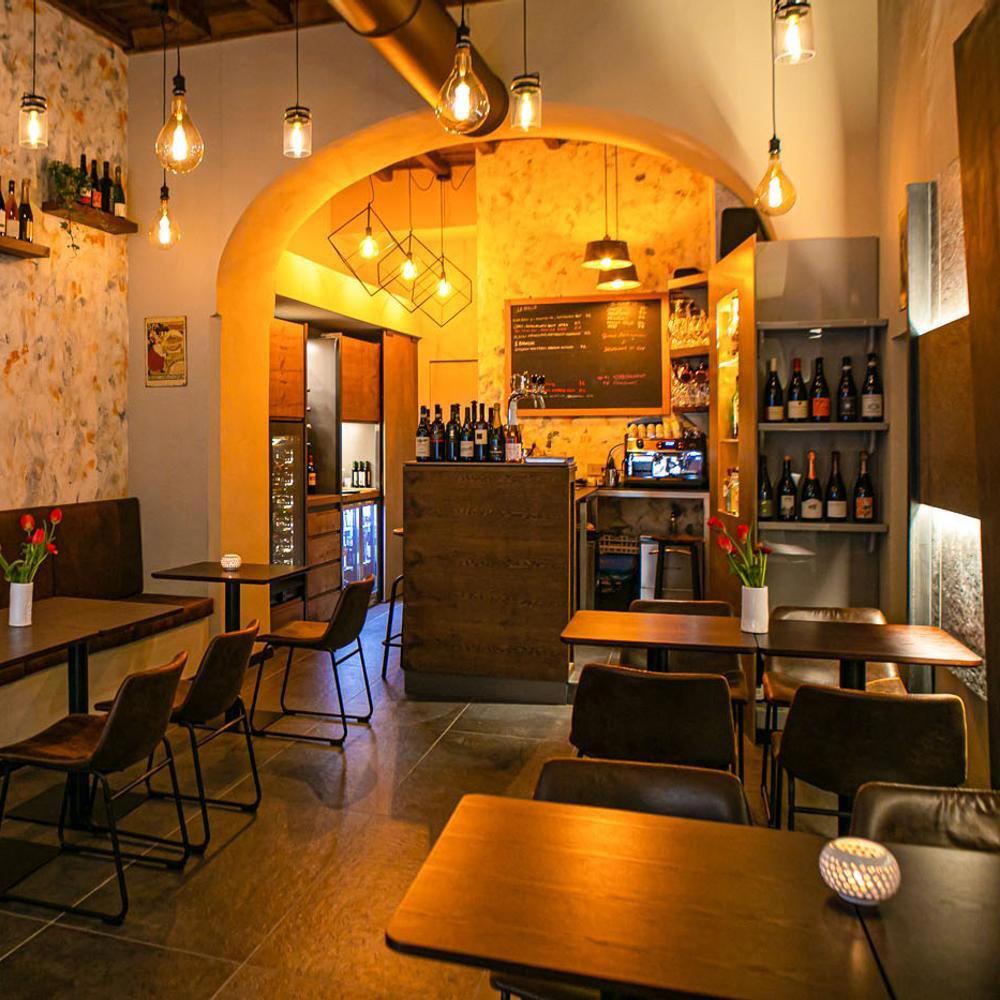
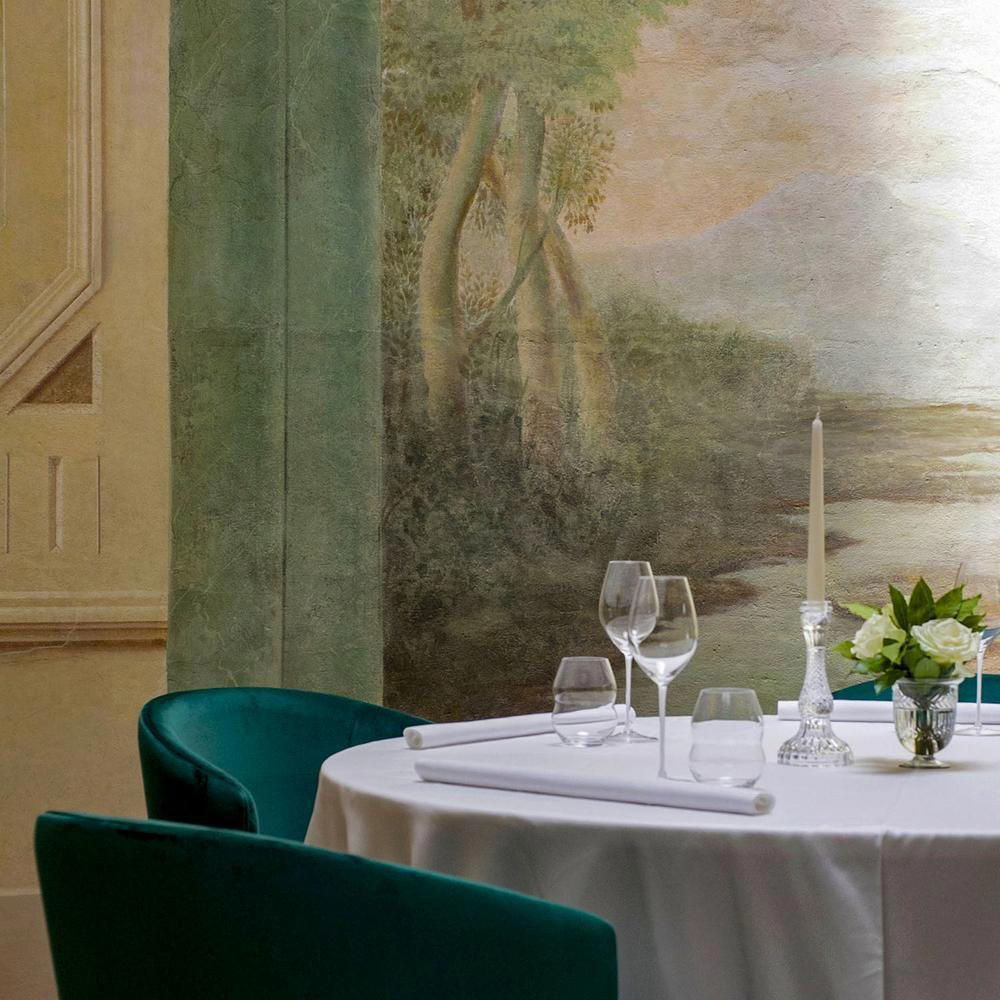
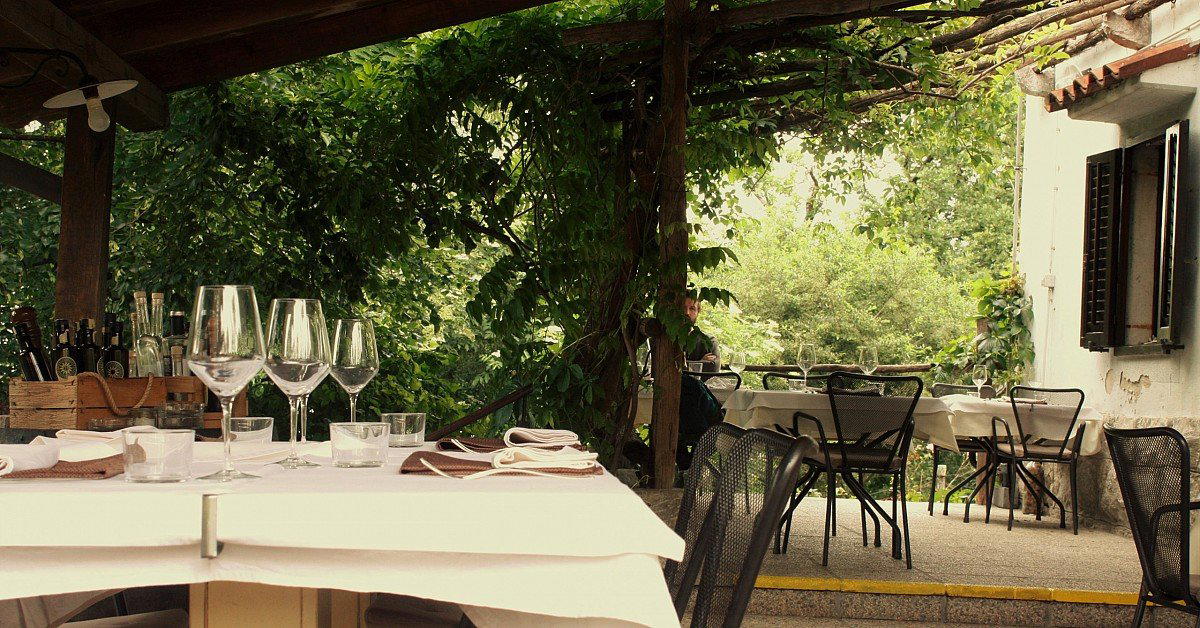
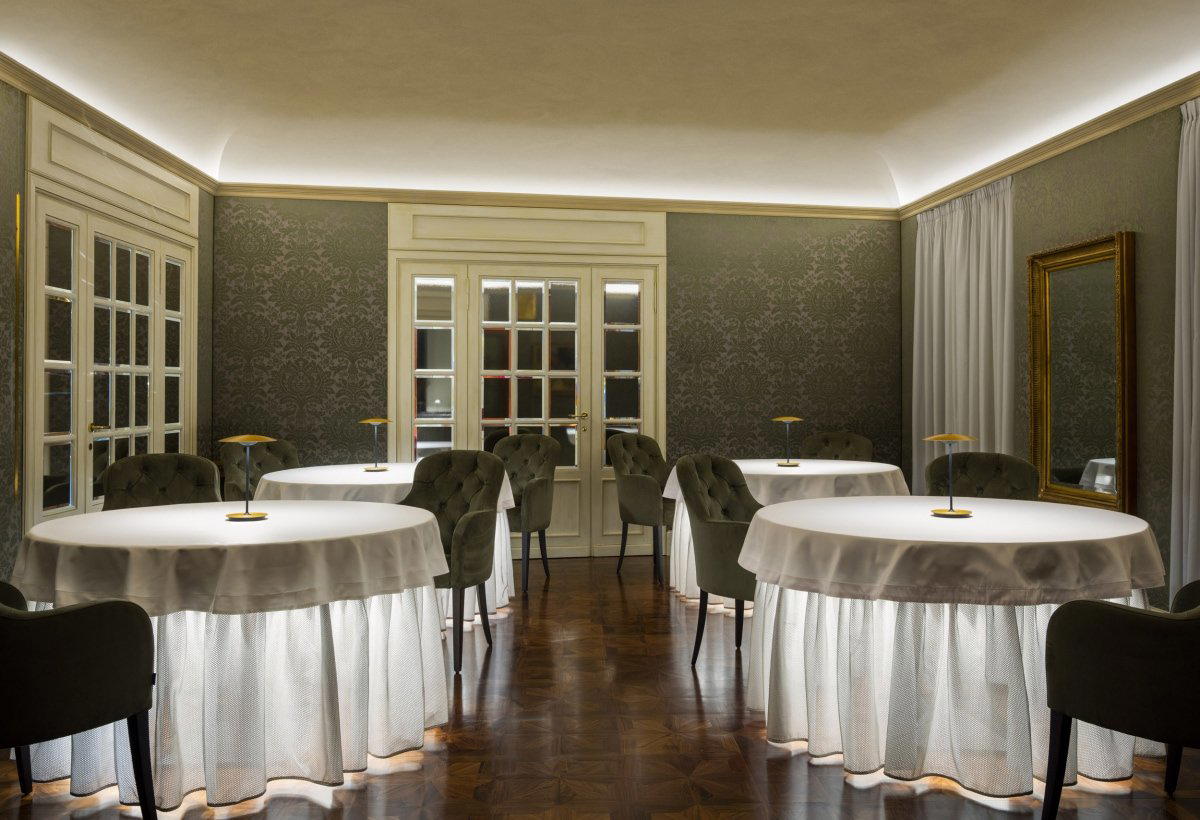
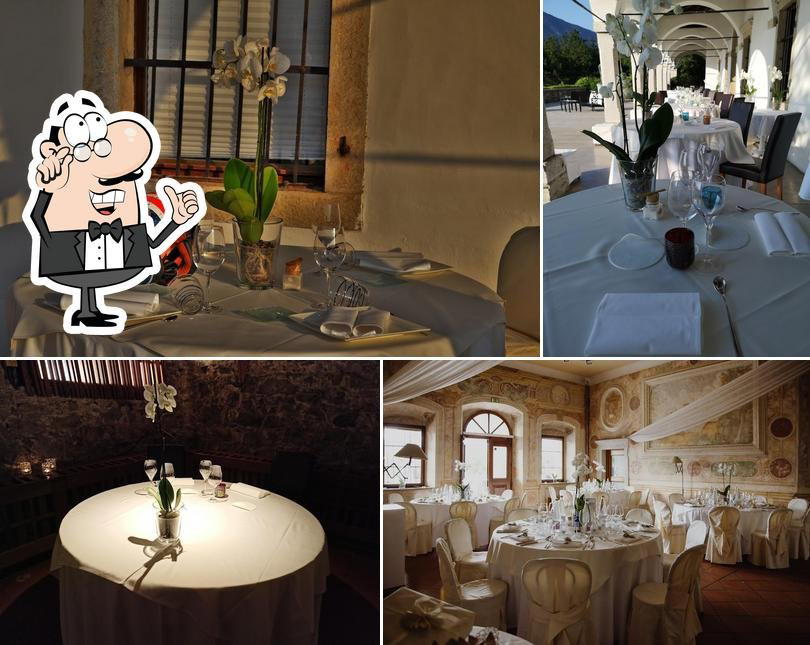
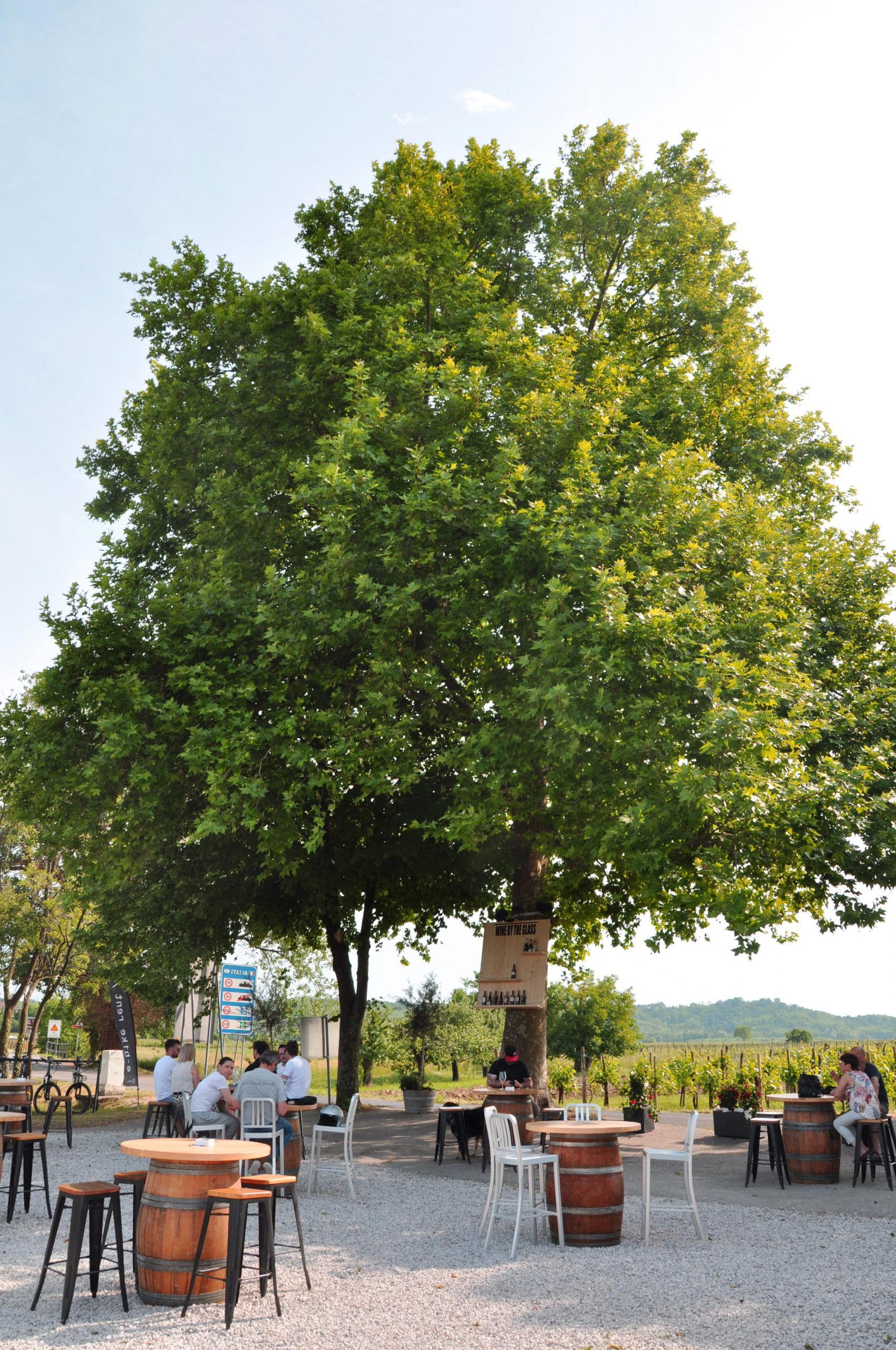
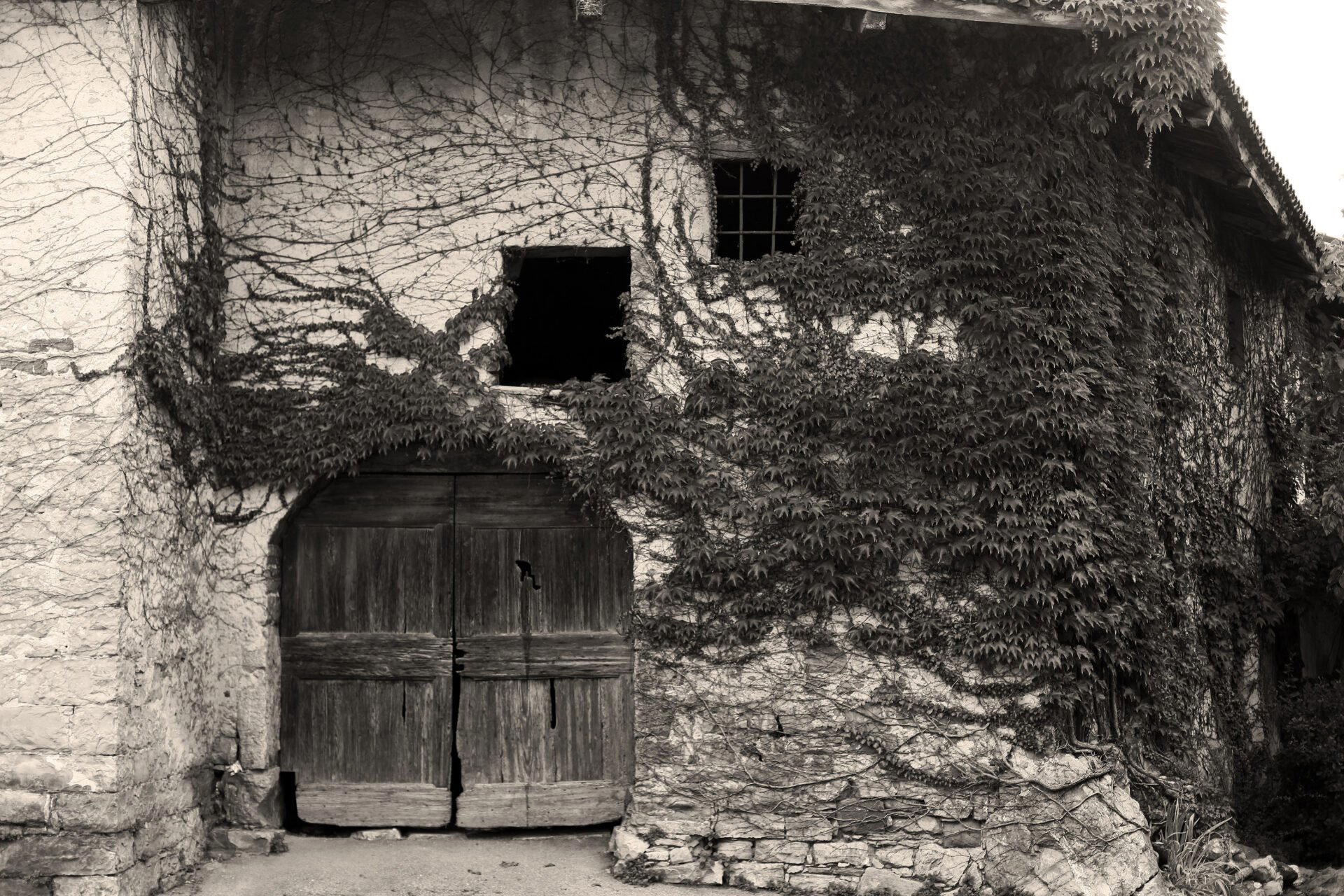
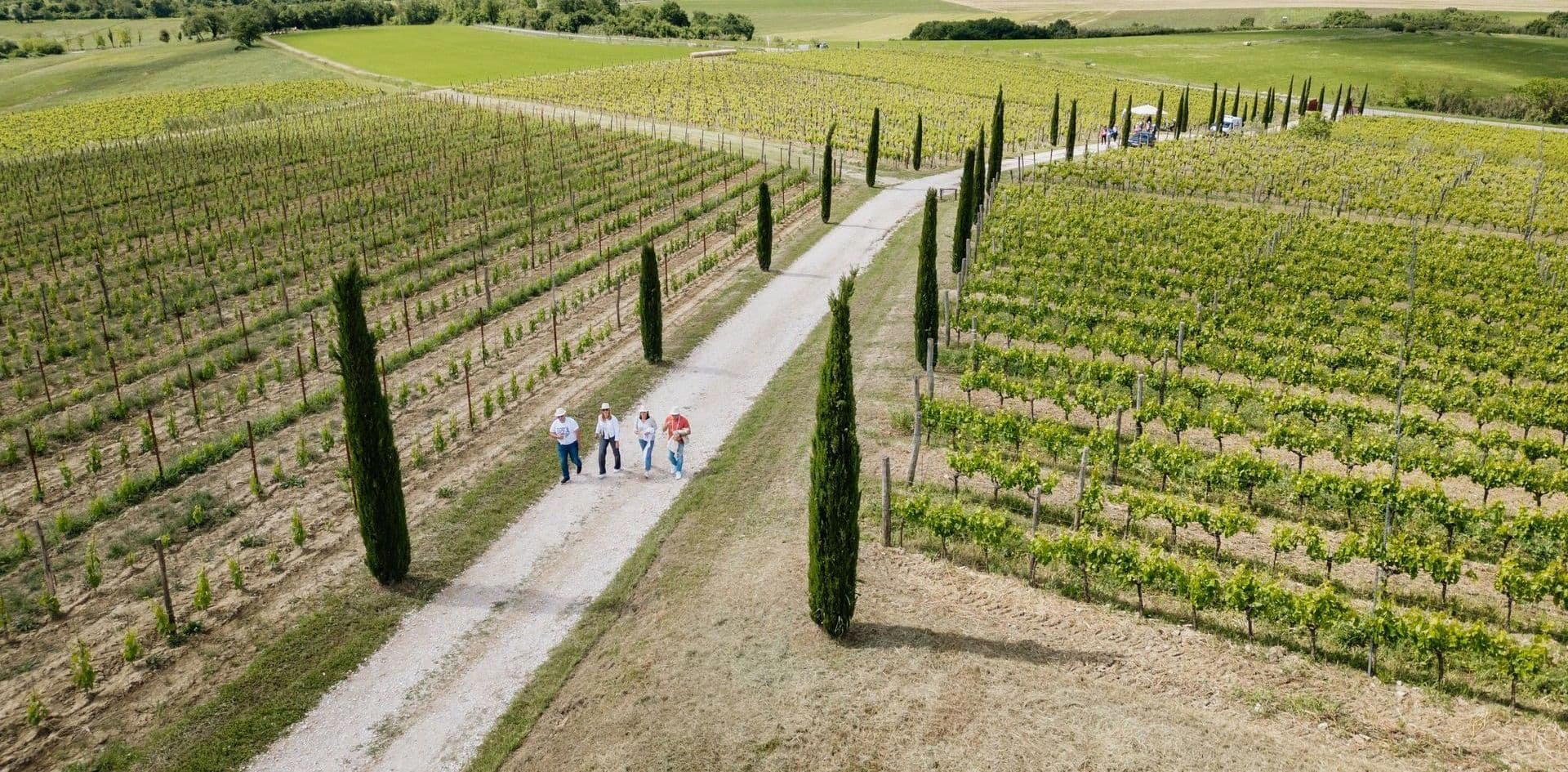
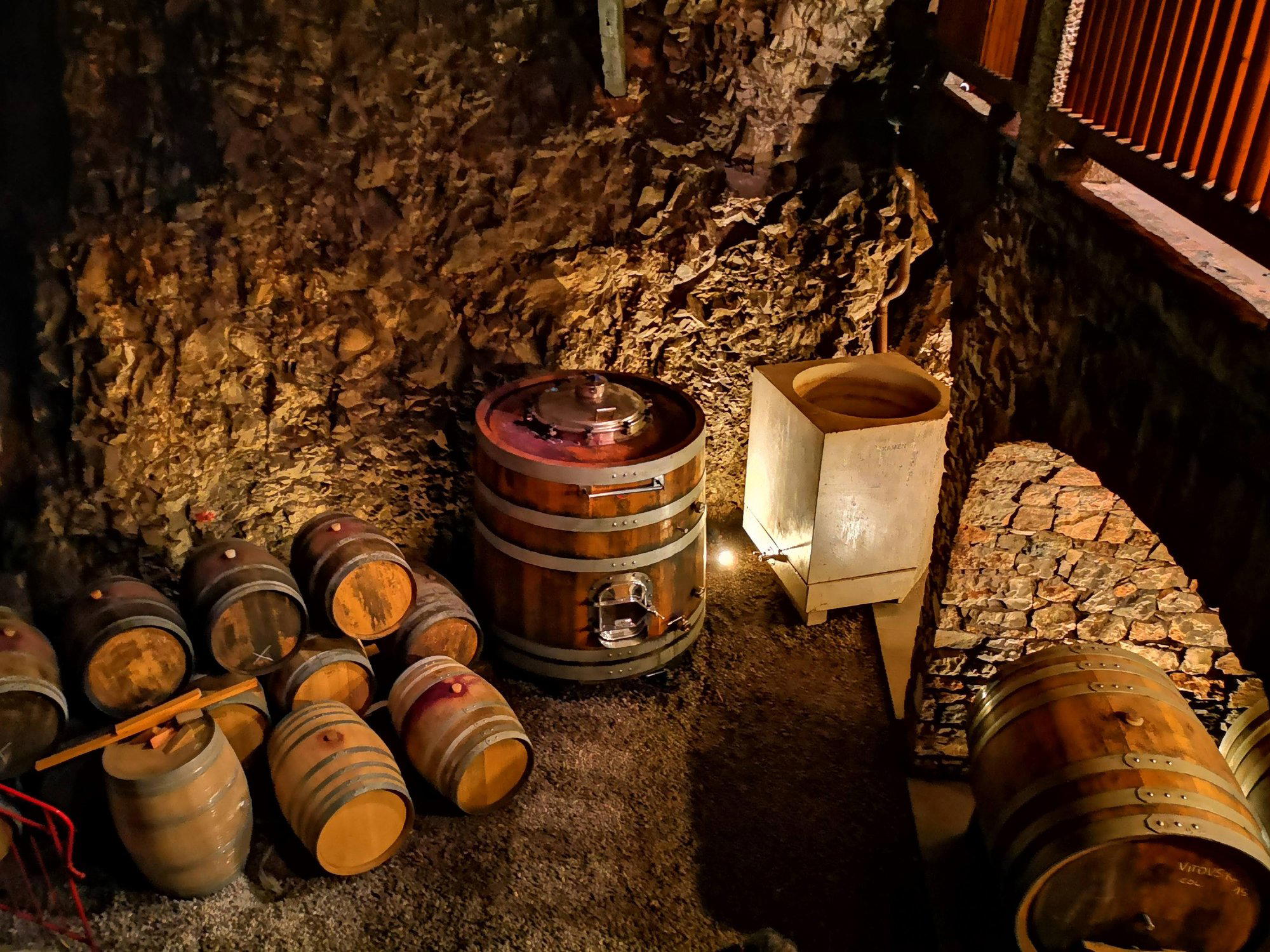
Homely and authentic atmosphere surrounded by Karst nature and cultural heritage.