Camut operates from a rural address at Kazlje 5 on the Karst plateau, a region where limestone terrain, salt winds from the nearby Adriatic, and centuries of pastoral tradition shape what ends up on the plate. The restaurant sits within a part of Slovenia where sourcing is inseparable from geography, placing it alongside Sežana's small cluster of kitchens committed to cooking that reflects the land around them.
Pearl is the En Primeur Club membership app — saves, bookings, and concierge access live there. Same editors, same standards.
- Address
- Kazlje 5, 6210 Sežana, Slovenia
- Phone
- +38631768079
- Website
- japonska-hrana.si
- Directions
- Get directions
 Saves & bookings on Pearl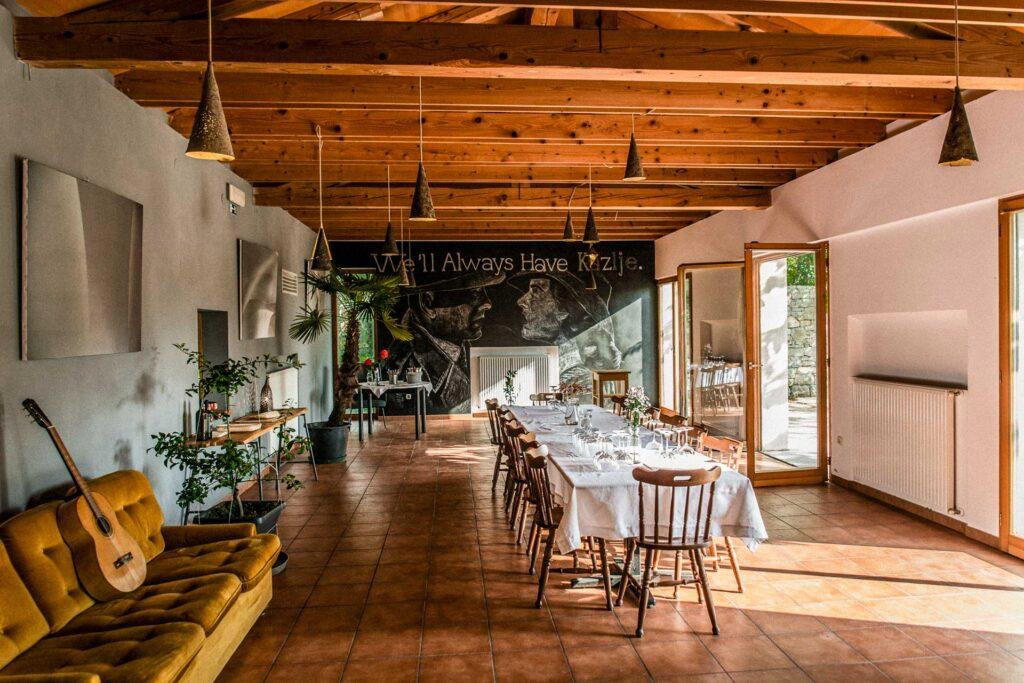
Where the Karst Plateau Sets the Agenda
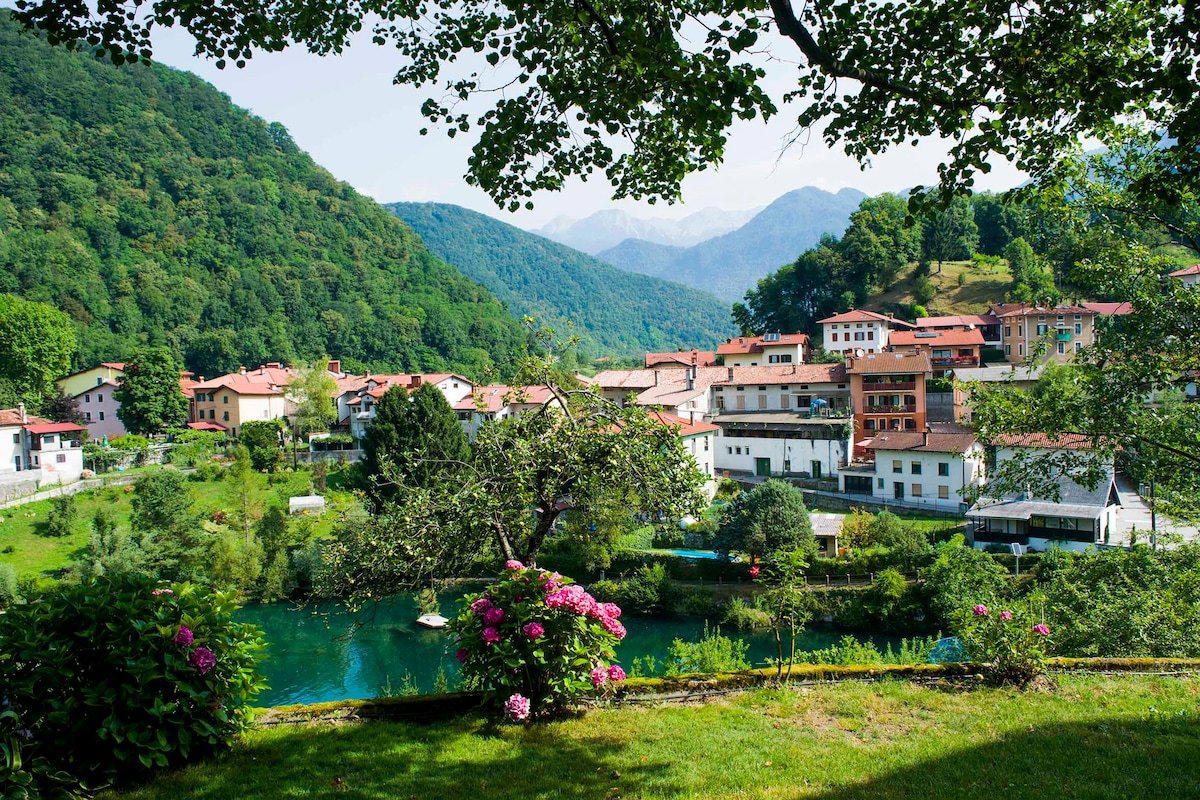
The Karst region of southwestern Slovenia is one of those places where the land makes the decisions. The plateau's porous limestone, thin soils, and exposure to the bora wind from the Adriatic have produced a distinct agricultural identity over centuries: air-dried prosciutto from Kras, Teran wine drawn from iron-rich red soil, and forage traditions tied closely to the rhythms of a sparse but productive terrain. Restaurants that operate here, in and around Sežana, are working in a context that offers both constraint and specificity. Camut is a Japanese Omakase restaurant at Kazlje 5 in the countryside outside Sežana, where a meal is priced at about $70 per person.
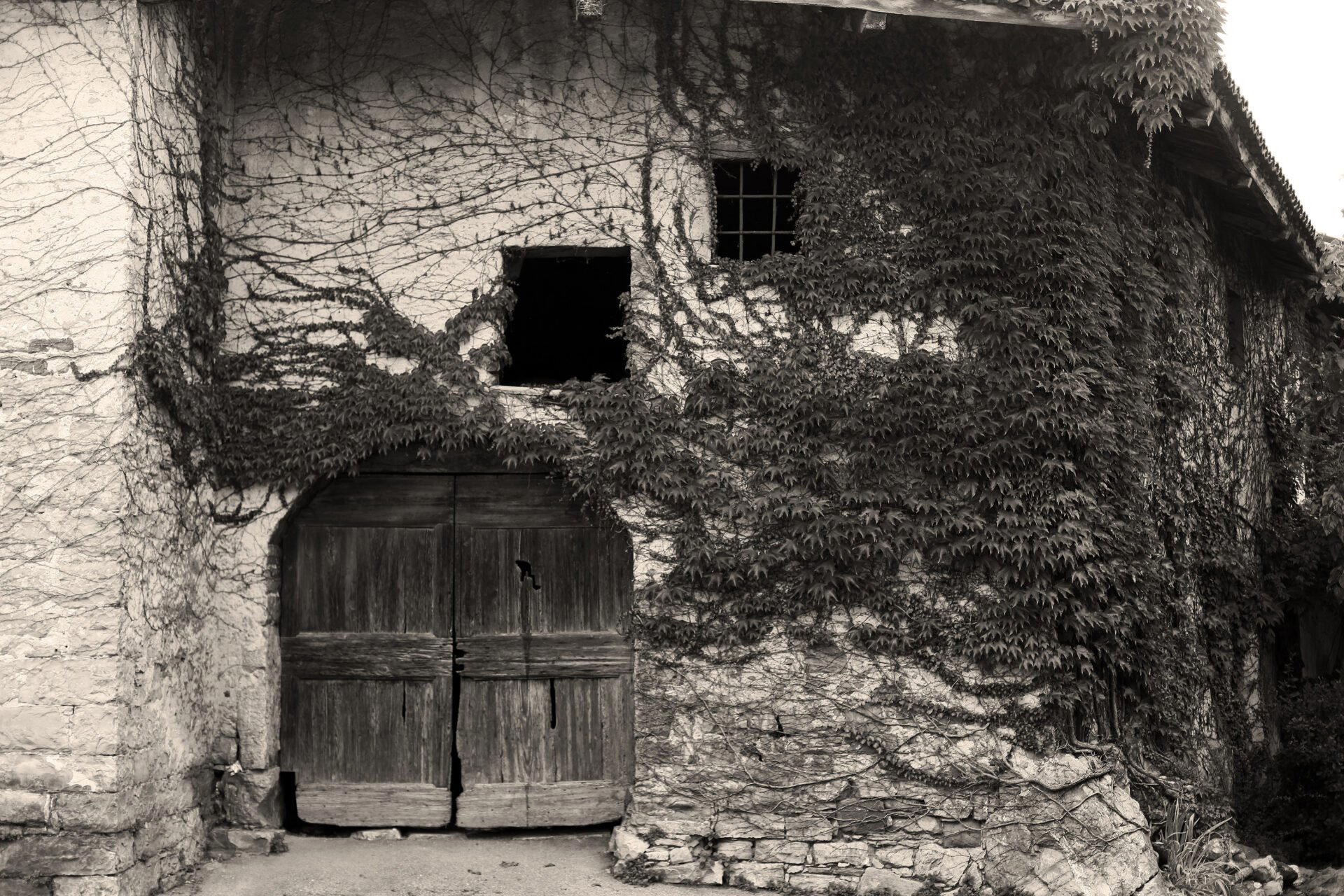
The address itself signals something. Kazlje is not a main road stop or a town-centre dining room. The drive out of Sežana into the surrounding Karst landscape is part of the experience: stone walls, scrub oak, the occasional village cluster. Arriving at a rural address in this part of Slovenia carries a particular expectation, one shaped by a regional gostilna tradition that places sourcing, locality, and seasonal availability above cosmopolitan range. Well-regarded kitchens on the Karst have always operated on this logic.
Ingredient Geography on the Karst
Slovenia's serious rural restaurants have increasingly been understood through the lens of what they source rather than how they plate. The model is visible across the country's countryside dining scene, from Hiša Franko in Kobarid, which built its international reputation on hyper-local Soča Valley produce, to Gostilna Pri Lojzetu in Vipava, which frames its menu through the Vipava Valley's wine and vegetable traditions. In each case, the sourcing geography is not incidental. It is the editorial premise of the kitchen.
On the Karst, that sourcing geography has specific characteristics. The plateau's most celebrated products, Kraški pršut (the region's protected dry-cured ham), Teran wine, and wild herbs gathered from the limestone scrubland, are not simply local ingredients. They are the output of a particular ecosystem that takes decades to understand and centuries to cultivate. Kitchens working here that engage seriously with this provenance are operating in a tradition with real depth. Camut's location in the Kazlje area places it within reach of these materials.
The broader Sežana dining scene is small but coherent. Gostilna Muha, Pescador, and Restavracija Gratia each occupy a position in the town's dining offer. Camut's rural placement puts it in a different register, closer to the agricultural source than any town-centre address can be. For the reader considering which Sežana area table to book, that distinction in positioning matters.
The Gostilna Tradition and What It Demands of a Kitchen
Slovenia's gostilna format, the rural inn-restaurant with deep local roots, carries obligations that a purely urban restaurant does not. The expectation is not fine-dining remove or international reference points. It is honest seasonal cooking, a wine list that reflects the surrounding region, and a relationship with the land that guests can feel in the plate. The format rewards kitchens that know their suppliers personally and punishes those that treat locality as marketing language rather than operating principle.
This is the frame in which Slovenia's most discussed rural restaurants operate. Hiša Linhart in Radovljica, Hiša Denk in Zgornja Kungota, and Gostilna Skaručna in Vodice have each received critical attention for the seriousness with which they engage with their respective regional ingredients. Grič in Šentjošt nad Horjulom and Grič in Dobrova Polhov Gradec represent a similar commitment in the Ljubljana hinterland. The pattern holds: Slovenia's rural dining credibility is built on provenance rather than technique alone.
Urban counterparts like Restavracija Strelec in Ljubljana translate some of these themes into a city-centre format, and restaurants such as Milka in Kranjska Gora, Dam in Nova Gorica, and Pavus in Lasko show how different Slovenian regions approach the same tension between local identity and contemporary cooking. Gostilna Francl in Celje rounds out the picture in the east. The Karst, however, remains distinctive for the intensity of its agricultural character.
Planning a Visit
Camut is located at Kazlje 5, 6210 Sežana, in the Karst countryside outside the town centre. The address is best reached by car; the surrounding rural roads require navigation rather than a walkable approach. Sežana itself sits close to the Italian and Croatian borders, making it accessible from Trieste in roughly 20 minutes by road, and from Ljubljana in under an hour. For travellers arriving from abroad, the proximity to Trieste airport or the Slovenian motorway network makes the area direct to reach. Given the limited public transport options in the Kazlje area, a rental car or private transfer is the practical choice for most visitors.
The restaurant is closed Monday through Friday and open Saturday and Sunday from 12 to 10 PM. Reservations are recommended.
A Quick Peer Check
Comparable venues nearby, for context on price, style, and recognition.
| Venue | Cuisine | Price | Awards | Notes |
|---|---|---|---|---|
| CamutThis venue — the venue you are viewing | Japanese Omakase | $$$ | Not listed | Not listed |
| Restavracija Gratia | Modern Karst Cuisine | $$$ | Not listed | Lipica |
| Pescador | Mediterranean Seafood | $$ | Not listed | Lokev |
| Hiša Krasna | Modern Slovenian with Karst-Istrian influences | $$$ | Michelin Plate | Lokev |
| Gostilna Muha | Traditional Slovenian Karst Cuisine | $$ | Not listed | Lokev |
| Sushimama | Authentic Japanese Sushi & Kaiseki | $$$ | Michelin Plate | Old Town / City Center |
Continue exploring
More in Sezana
Restaurants in Sezana
Browse all →
Bars in Sezana
Browse all →
Hotels in Sezana
Browse all →
At a Glance
- Intimate
- Rustic
- Special Occasion
- Date Night
- Open Kitchen
- Natural Wine
- Local Sourcing
Current opening hours
- Monday
- Closed
- Tuesday
- Closed
- Wednesday
- Closed
- Thursday
- Closed
- Friday
- Closed
- Saturday
- 12–10 PM
- Sunday
- 12–10 PM
Hours can change for holidays and private events. Last verified .
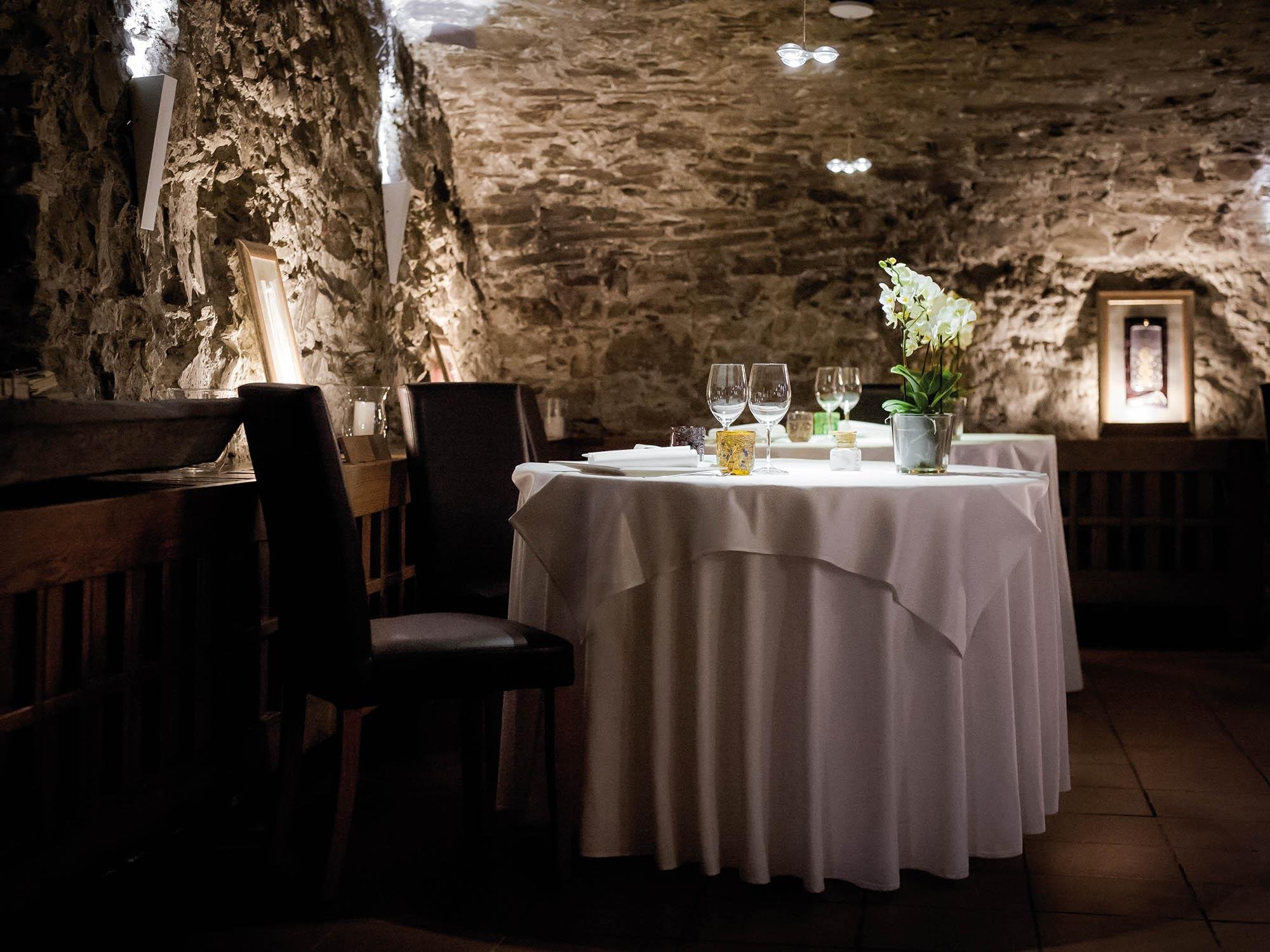
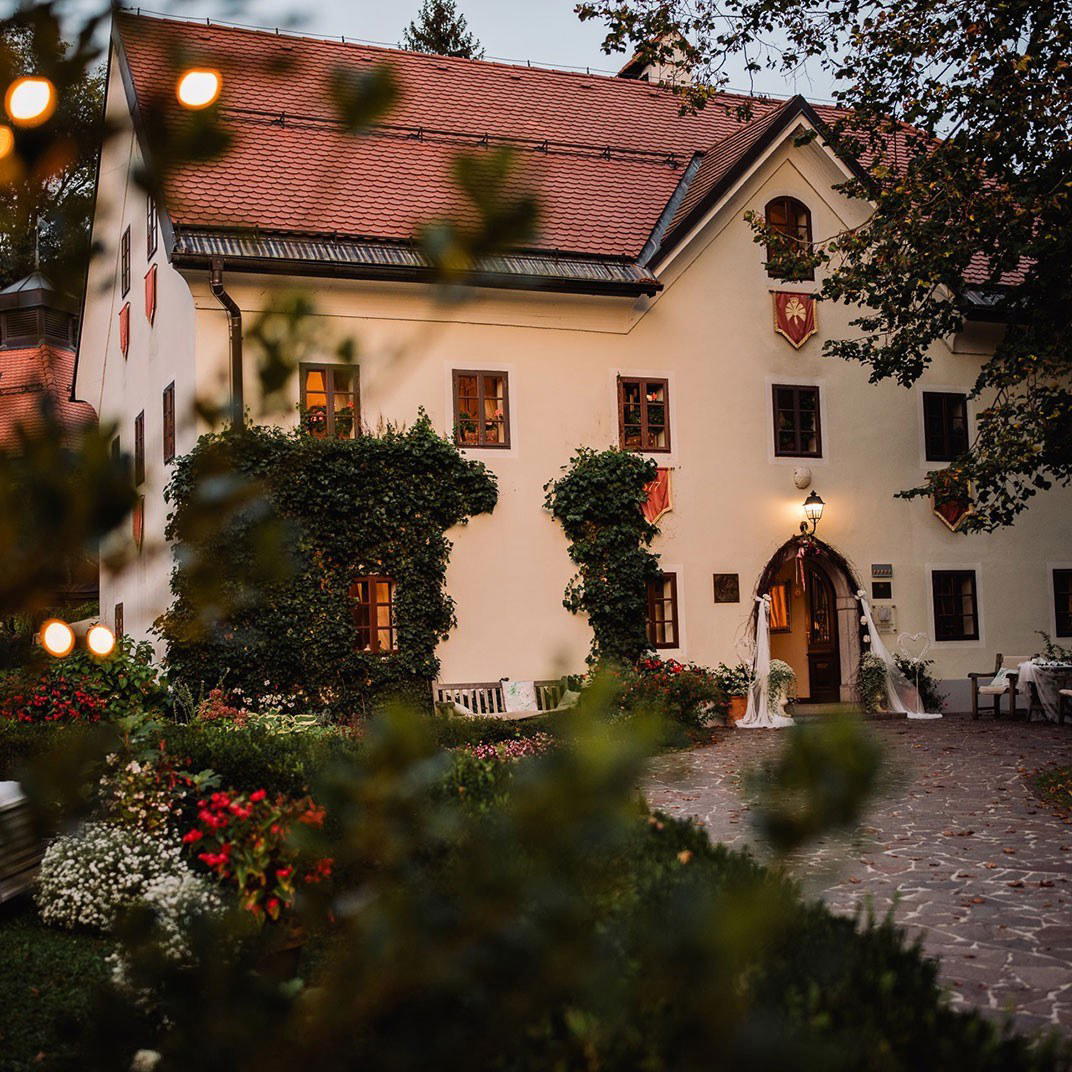
Village hall setting with armchairs for children, chopsticks for adults, and view of chef passing plates through a small window.