Gostilna Muha sits in the village of Lokev on the Karst plateau, a few kilometres from Sežana, in the tradition of the Slovenian gostilna: a place where the kitchen and the land around it are in direct conversation. The Karst's limestone terrain, its cured meats, foraged herbs, and proximity to both the Adriatic and the Julian Alps give kitchens here a sourcing story that few European microclimates can match.
Pearl is the En Primeur Club membership app — saves, bookings, and concierge access live there. Same editors, same standards.
- Address
- Lokev 138a, 6219 Lokev, Slovenia
- Phone
- +38631231251
- Website
- gostilna-muha.com
- Directions
- Get directions
 Saves & bookings on Pearl
Where the Karst Plateau Sets the Terms
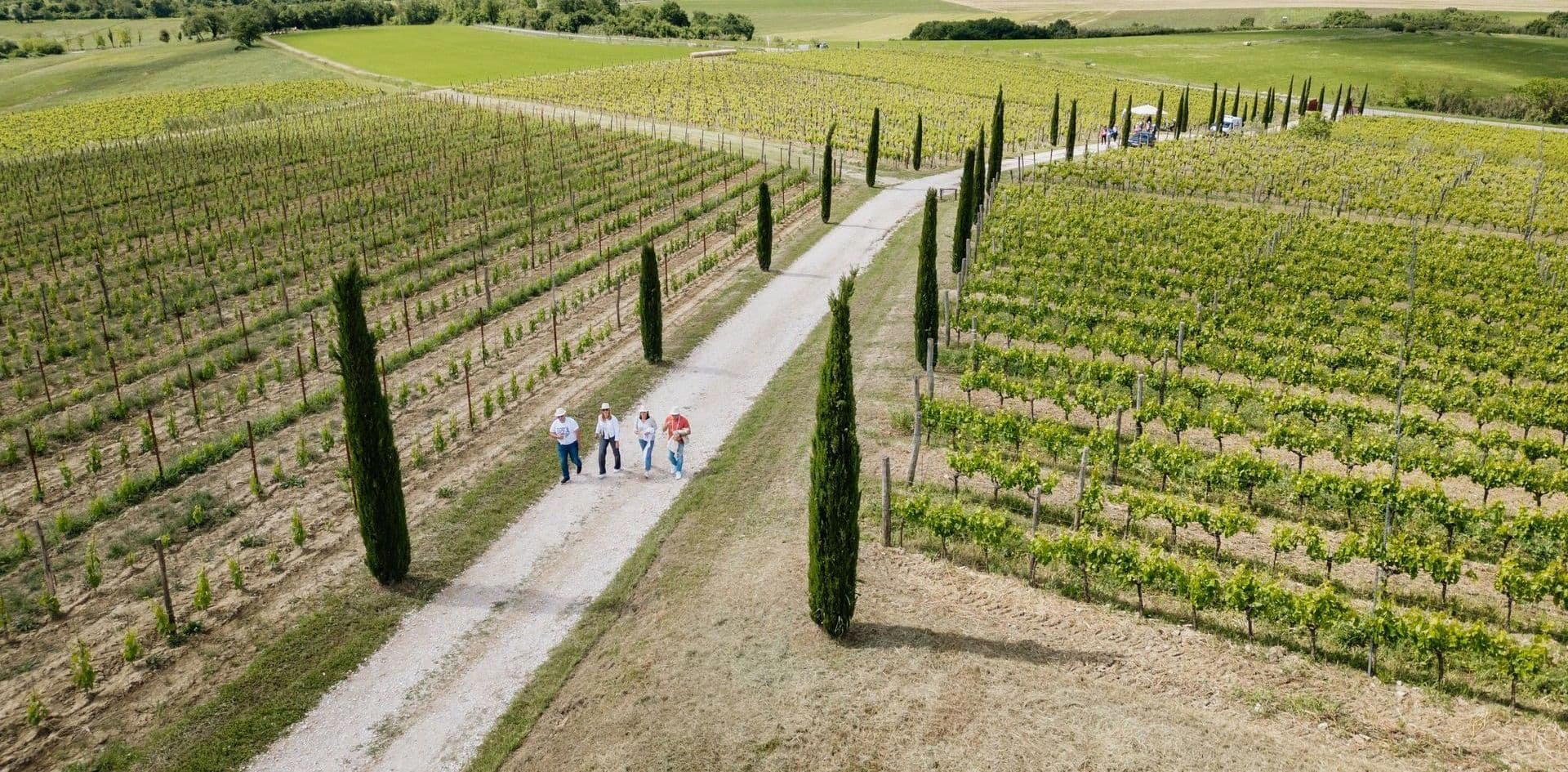
The village of Lokev sits on the edge of the Karst, the rocky limestone plateau that stretches between the Slovenian interior and the Adriatic coast. Stone walls, thin topsoil, and a bora wind that scours the plateau in winter: this is not soft agricultural country. What grows and what is raised here is shaped by those conditions, and kitchens that take the terrain seriously end up with a sourcing logic that is almost geological in its specificity. Gostilna Muha, at address 138a in Lokev, operates inside that logic. Its setting alone frames the kind of cooking you should expect: grounded, ingredient-led, attentive to what the Karst produces rather than what a broader European menu template might suggest.
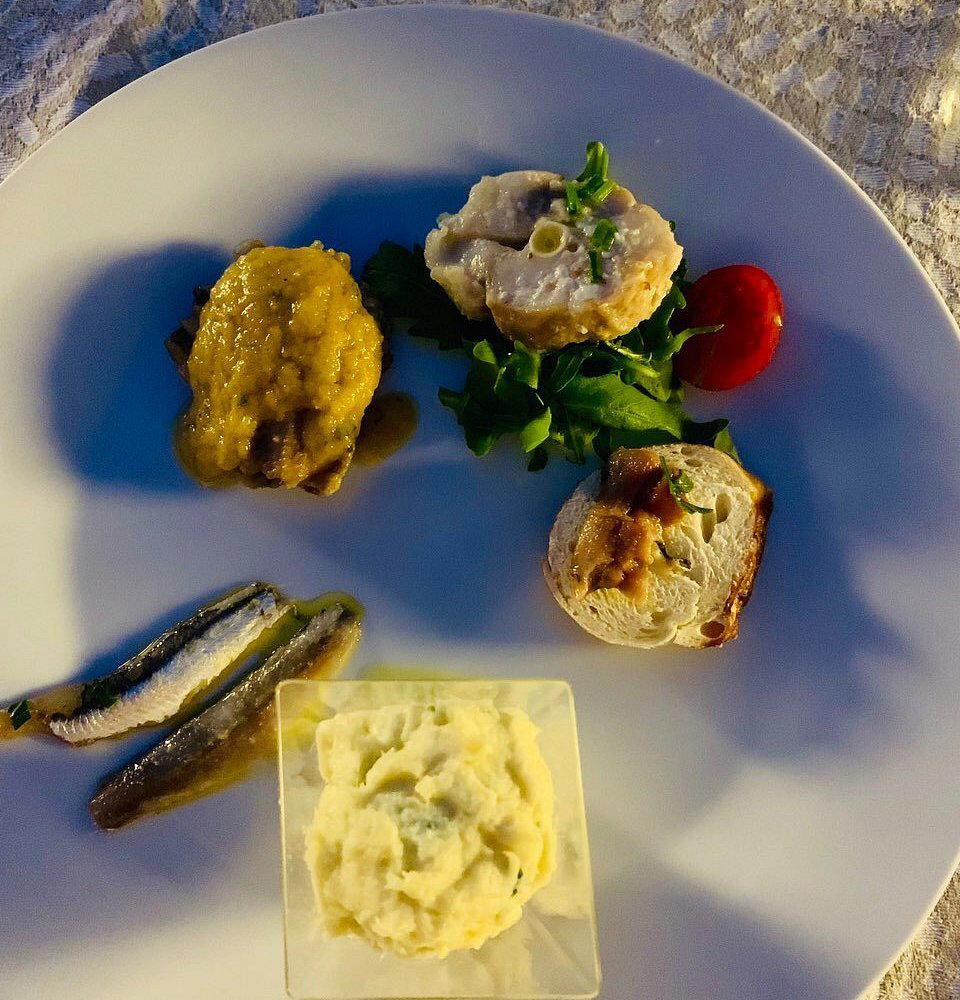
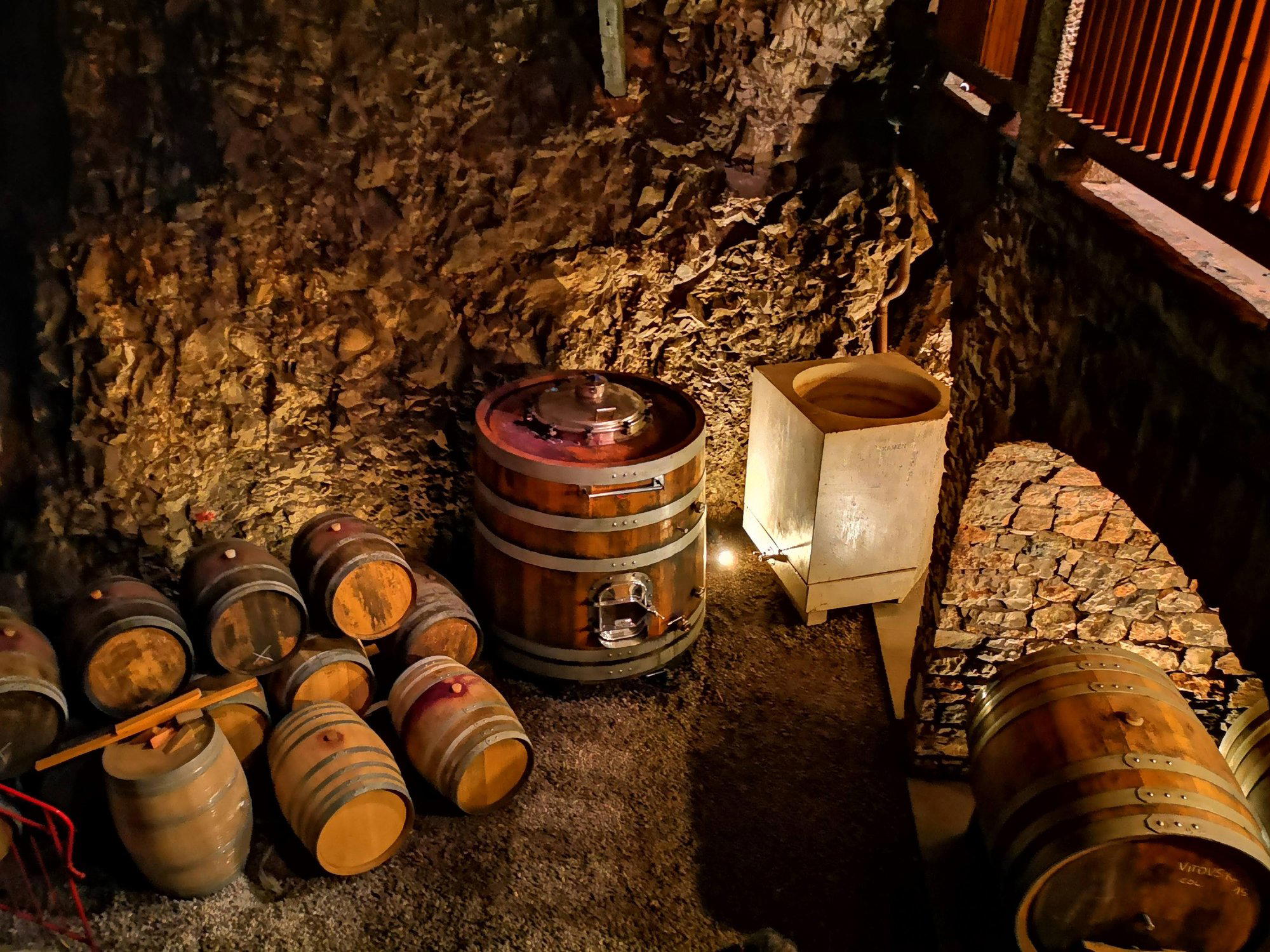
The Slovenian gostilna is a format with a clear identity. It sits between a rural tavern and a serious restaurant, with a loyalty to local suppliers and seasonal rhythms that pre-dates the farm-to-table language borrowed from elsewhere. In the Karst, that means pršut (the region's dry-cured ham, air-dried in the bora), wild mushrooms from the surrounding forests, game from the plateau, and wines from producers a short drive away in the Kras appellation. The gostilna tradition in this part of Slovenia is not nostalgic performance; it is a practical relationship between kitchen and geography that has persisted because the ingredients justify it.
The Karst Sourcing Story
Karst's identity as a food-producing region rests on a handful of products that the terrain makes possible and almost nothing else. Kraški pršut carries a protected designation of origin and is produced in a specific zone that includes the area around Lokev; the bora wind, which can exceed 150 kilometres per hour in strong episodes, is credited with the curing quality that distinguishes it from other regional hams. Wild asparagus appears in spring on the rocky slopes. Truffles are harvested in the forests to the south and west, with the Istrian border close enough that Karst kitchens draw from both sides of the boundary. Lamb grazed on the thin, herb-scented pastures carries a flavour profile that reflects the scrubby vegetation rather than lush lowland grass.
For a kitchen positioned in Lokev, these are not imported luxuries or narrative additions to a menu; they are the default starting point. Kitchens that take the Karst seriously at the sourcing level produce food that reads differently from what you find in Ljubljana or in tourist-facing restaurants on the coast. The ingredients are older, more specific, and less negotiable. That specificity is the value proposition for any serious gostilna on the plateau, and it is the context in which Gostilna Muha operates.
The broader Sežana area has a small but considered dining scene. Hiša Krasna works in the regional cuisine register at the €€ tier. Camut, Pescador, and Restavracija Gratia round out the local options. Gostilna Muha in Lokev sits slightly apart from the town itself, which gives it a more rural character than most of its peers.
Slovenia's Broader Fine Dining Context
To understand what a Karst gostilna represents within Slovenia's wider restaurant story, it helps to look at where the country's most discussed kitchens have been built. Hiša Franko in Kobarid established the model of a destination restaurant built around a specific river valley and its surrounding forage. Gostilna Pri Lojzetu in Vipava operates at the intersection of the gostilna tradition and tasting-menu ambition. Hiša Linhart in Radovljica, Hiša Denk in Zgornja Kungota, and Restavracija Strelec in Ljubljana each anchor their menus in a specific regional identity. Milka in Kranjska Gora, Dam in Nova Gorica, Grič in Šentjošt nad Horjulom, Pavus in Lasko, Gostilna Mlinar in Idrija, and Gostišče Karavla 297 in Trzic extend the pattern across the country's diverse microclimates.
What connects these kitchens is a confidence in Slovenian ingredients as the primary material rather than a starting point to be refined away. The gostilna in Lokev belongs to that lineage, though at a different scale and register than a tasting-menu destination. For international reference, the gap between a Karst gostilna and a destination restaurant like Le Bernardin in New York City or Atomix in New York City is not just about price or formality; it is about what role the kitchen assigns itself in relation to its landscape.
Planning Your Visit
Lokev is accessible by car from Sežana in under ten minutes, and from Trieste across the Italian border in approximately 30 to 40 minutes depending on border crossing times. The Karst is a logical stop on the route between Ljubljana and the Adriatic coast, which makes the restaurant a natural waypoint for travellers moving between the two. Village gostilnas in this part of Slovenia often keep hours tied to local rhythms rather than tourist-facing schedules, so confirming opening times before arrival is advisable. Given the rural character of the location and the gostilna format, visits with children are generally comfortable in this type of setting, though atmosphere and menu formality will depend on the day and season.
- jota
- gnocchi
- Karst prosciutto
- veal shank
- venison
- Florentine steak
- Teran liqueur sorbet
In Context: Similar Options
Comparable venues nearby, for context on price, style, and recognition.
| Venue | Cuisine | Price | Awards | Notes |
|---|---|---|---|---|
| Gostilna MuhaThis venue — the venue you are viewing | Traditional Slovenian Karst Cuisine | $$ | Not listed | Not listed |
| Pescador | Mediterranean Seafood | $$ | Not listed | Lokev |
| Restavracija Gratia | Modern Karst Cuisine | $$$ | Not listed | Lipica |
| Camut | Japanese Omakase | $$$ | Not listed | Kazlje |
| Hiša Krasna | Modern Slovenian with Karst-Istrian influences | $$$ | Michelin Plate | Lokev |
| Gostilna Termika | Slovenian Regional with Goriška Gnocchi | $$ | Not listed | Sempas |
Continue exploring
More in Sezana
Restaurants in Sezana
Browse all →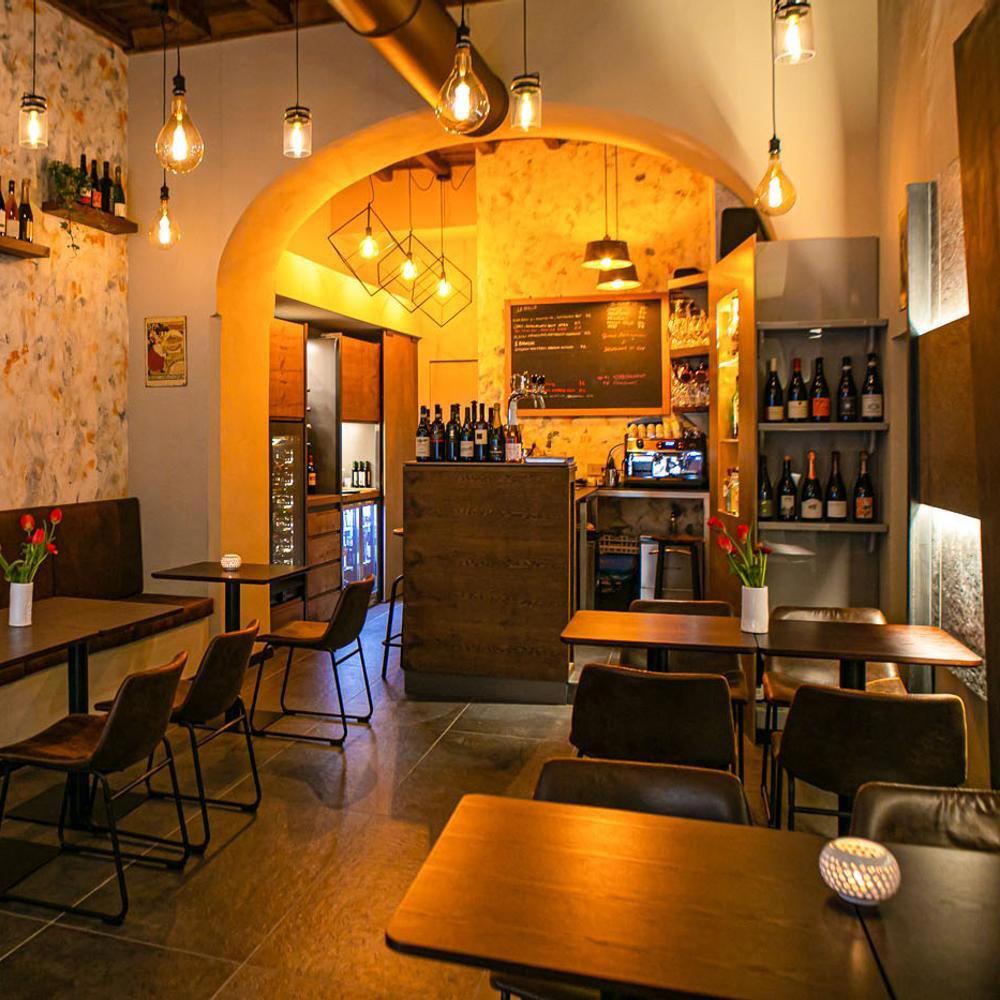
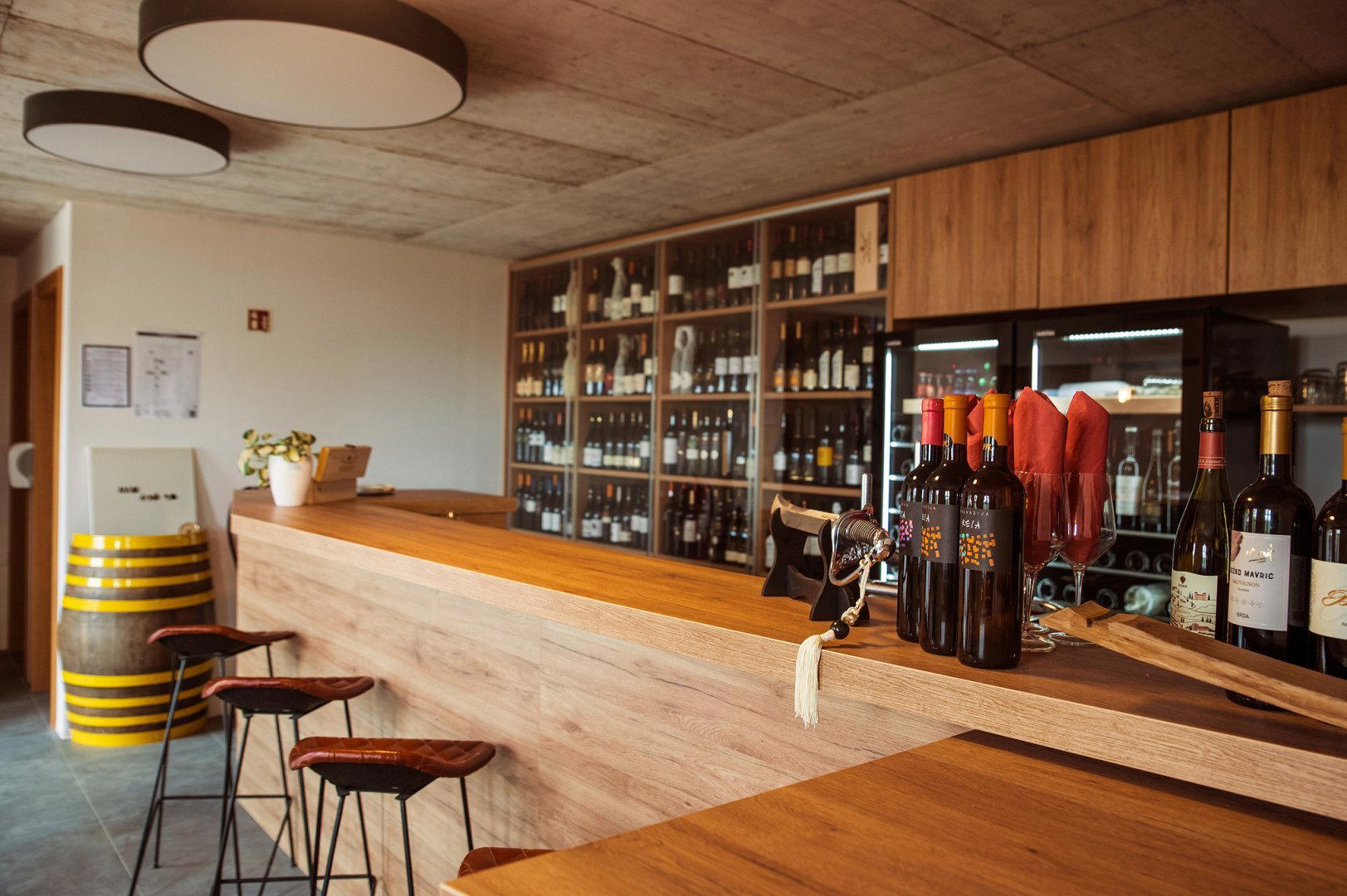
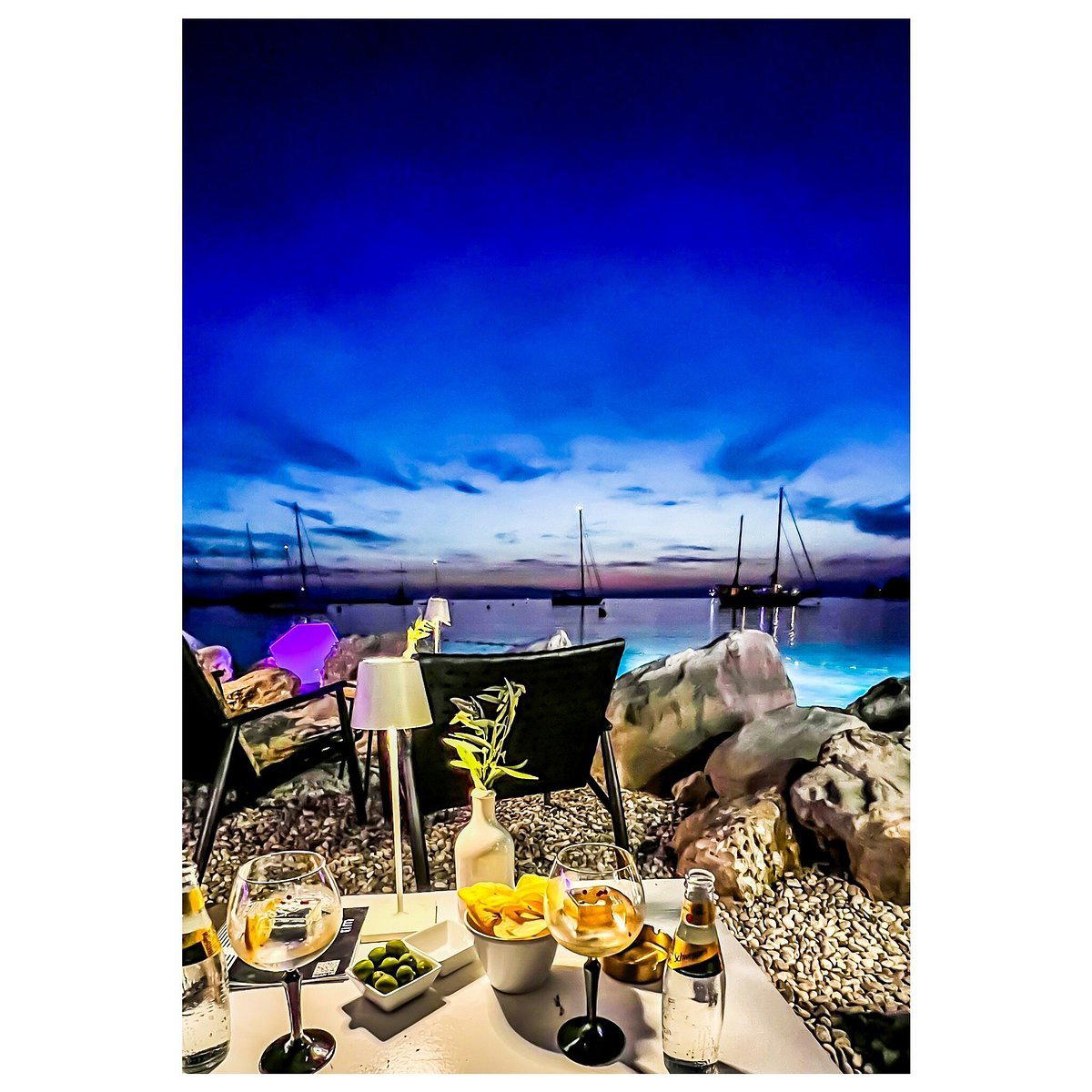
Bars in Sezana
Browse all →
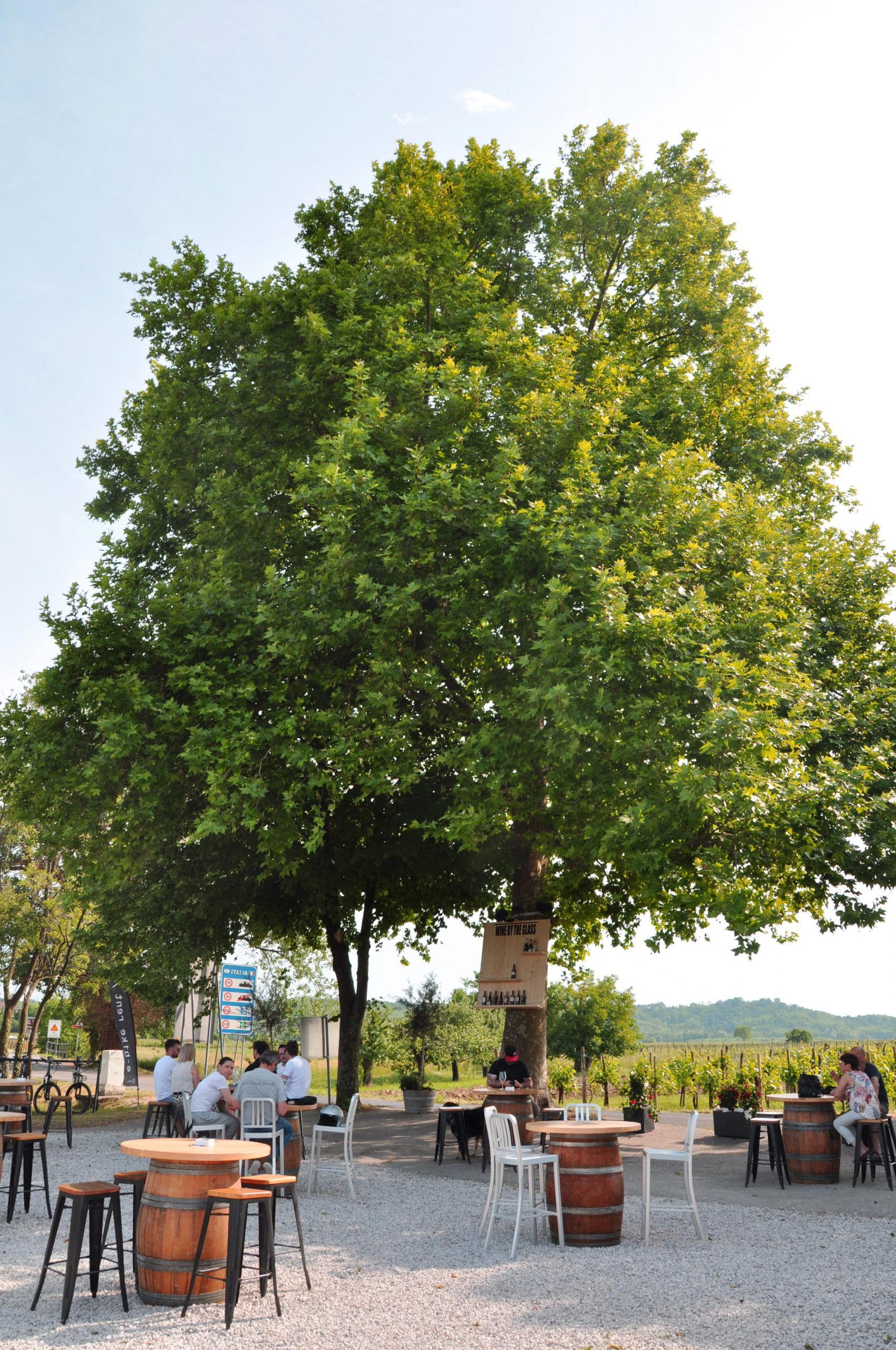
Hotels in Sezana
Browse all →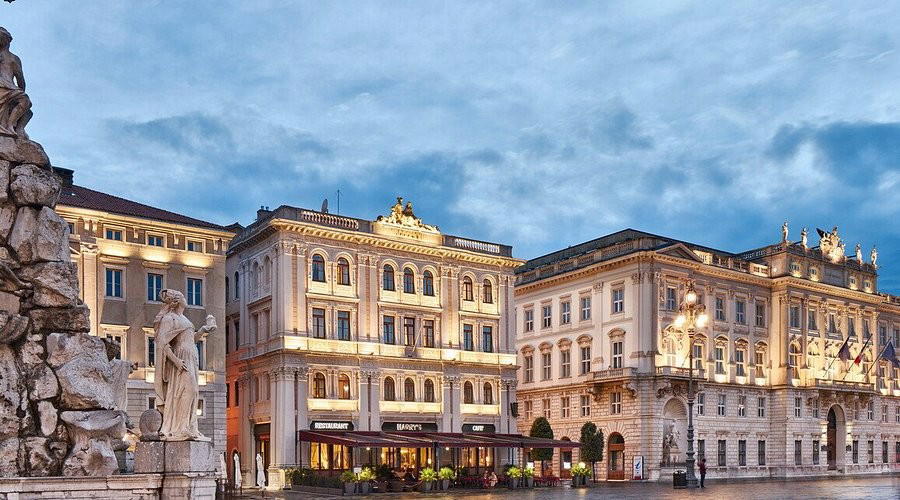
At a Glance
- Rustic
- Cozy
- Classic
- Intimate
- Family
- Group Dining
- Casual Hangout
- Special Occasion
- Courtyard
- Garden
- Historic Building
- Standalone
- Local Sourcing
- Farm To Table
- Garden
Current opening hours
- Monday
- 12–10 PM
- Tuesday
- 12–10 PM
- Wednesday
- 12–10 PM
- Thursday
- Closed
- Friday
- Closed
- Saturday
- 12–10 PM
- Sunday
- 12–10 PM
Hours can change for holidays and private events. Last verified .
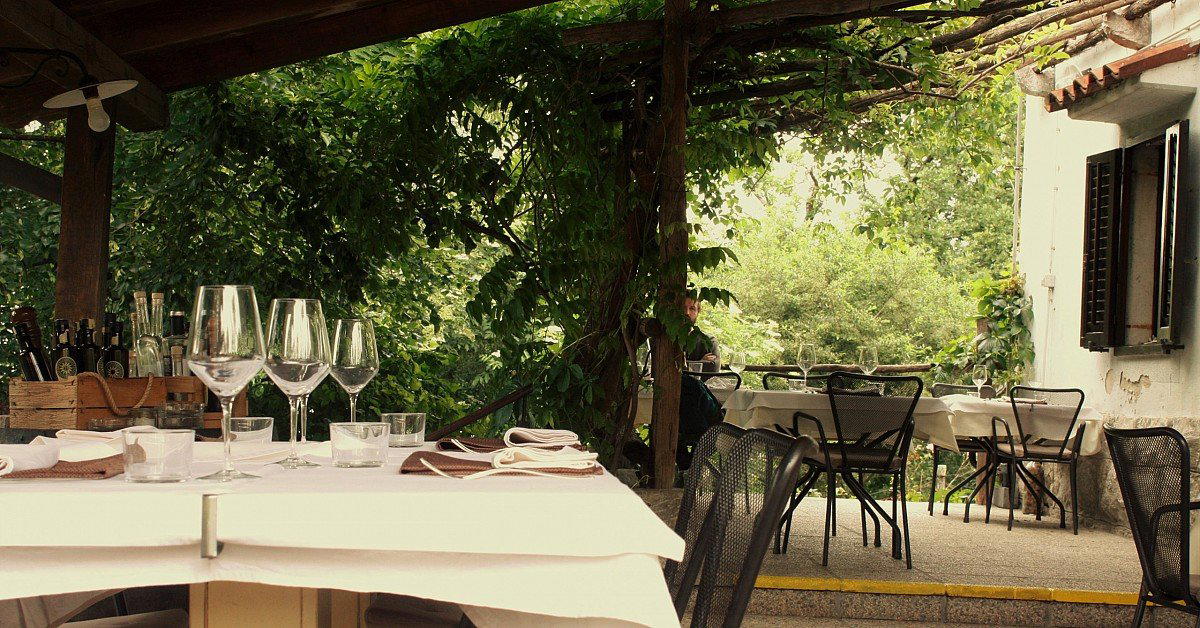
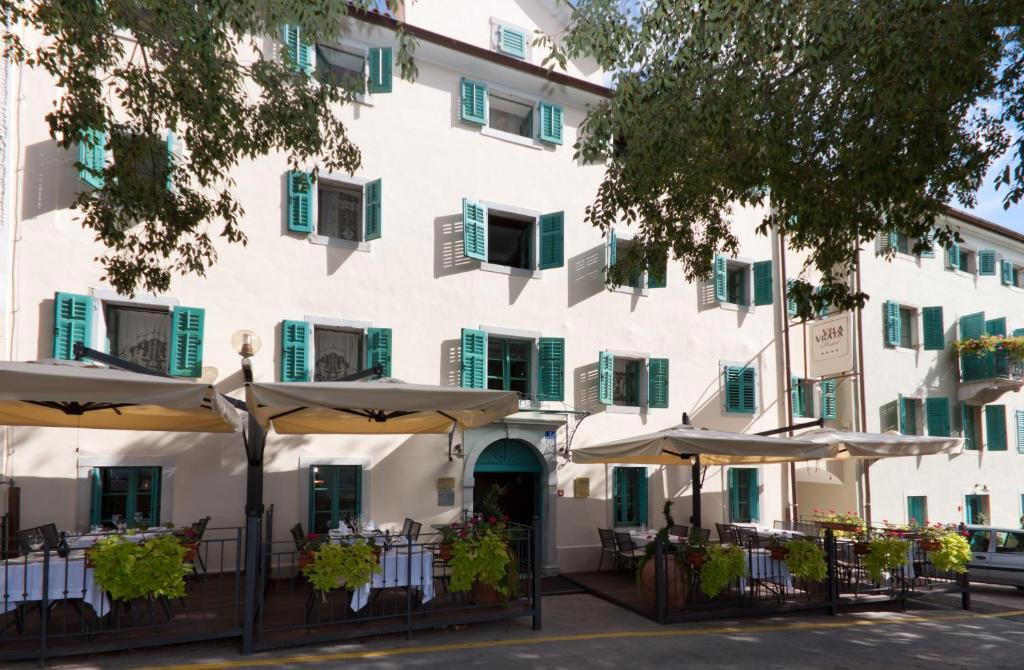
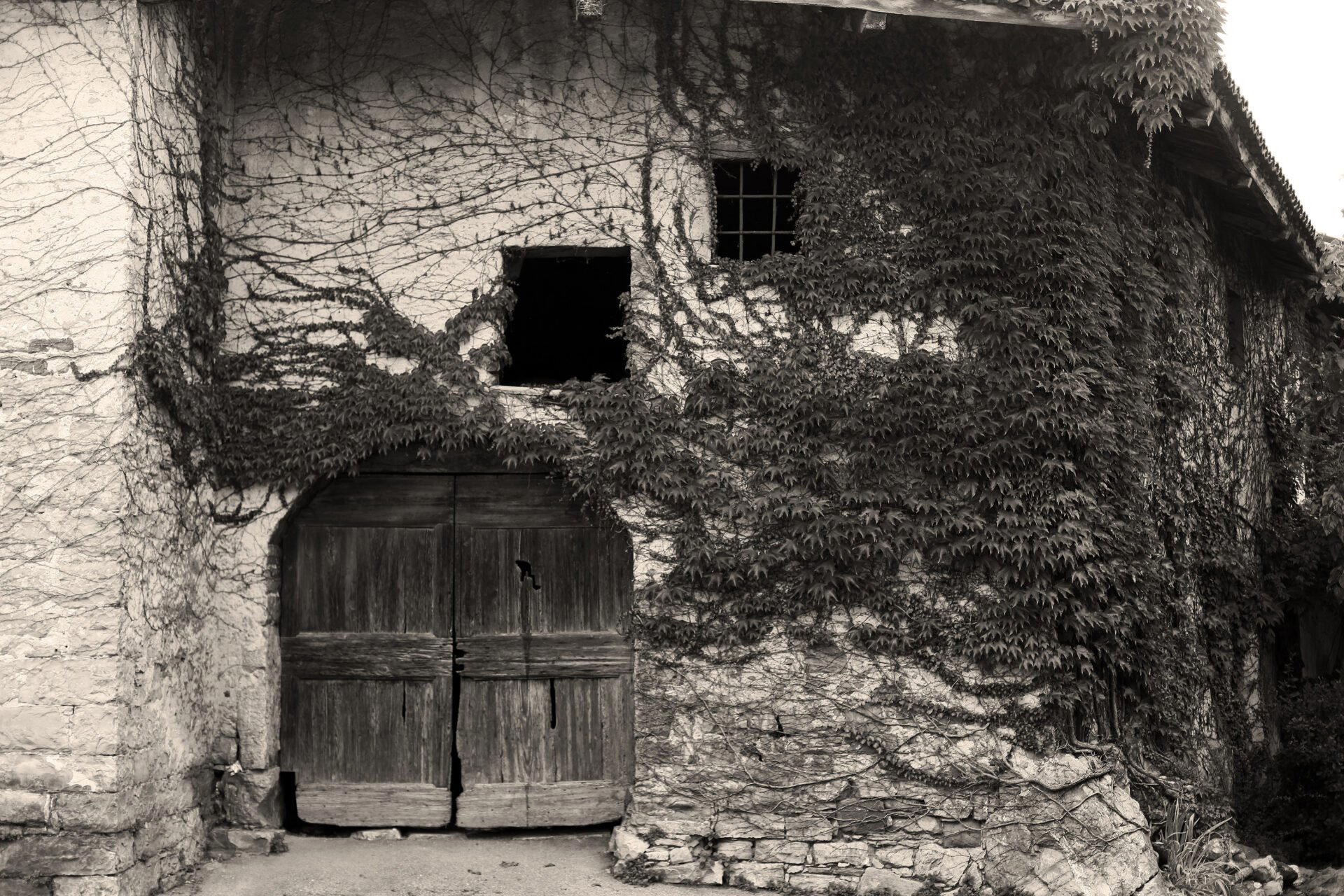
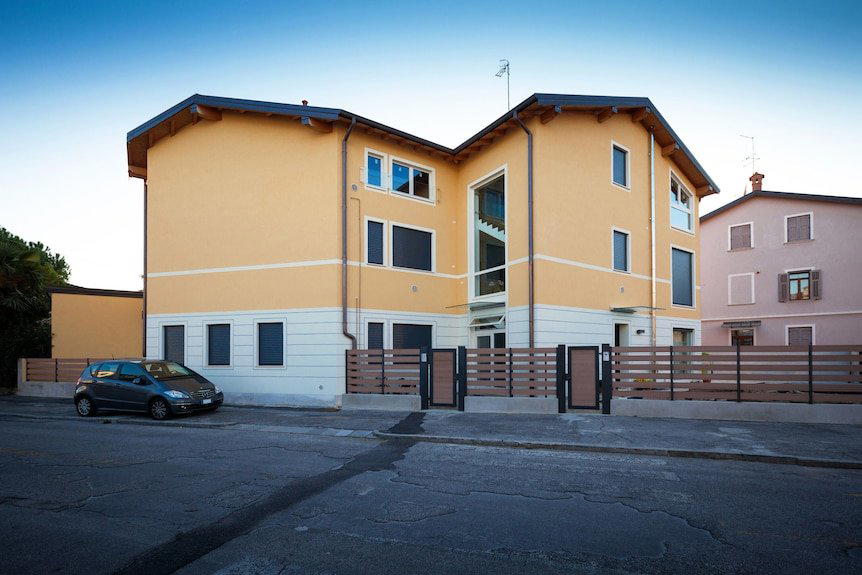
Warm and inviting rustic atmosphere with traditional decor, enhanced by an outer courtyard that creates an idyllic natural dining setting.