Restaurante El Ducado occupies a quiet stretch of Arganzuela, one of Madrid's more residential southern districts, at a remove from the tourist circuits of Lavapiés and La Latina. The address places it in a neighbourhood where dining rooms earn their regulars through consistency rather than foot traffic, situating El Ducado within a broader tradition of Madrid cooking that rewards those willing to leave the main drag.
Pearl is the En Primeur Club membership app — saves, bookings, and concierge access live there. Same editors, same standards.
- Address
- C. de Juan Duque, 10, Arganzuela, 28005 Madrid, Spain
- Phone
- +34913655028
- Website
- elducadorestaurante.com
- Directions
- Get directions
 Saves & bookings on Pearl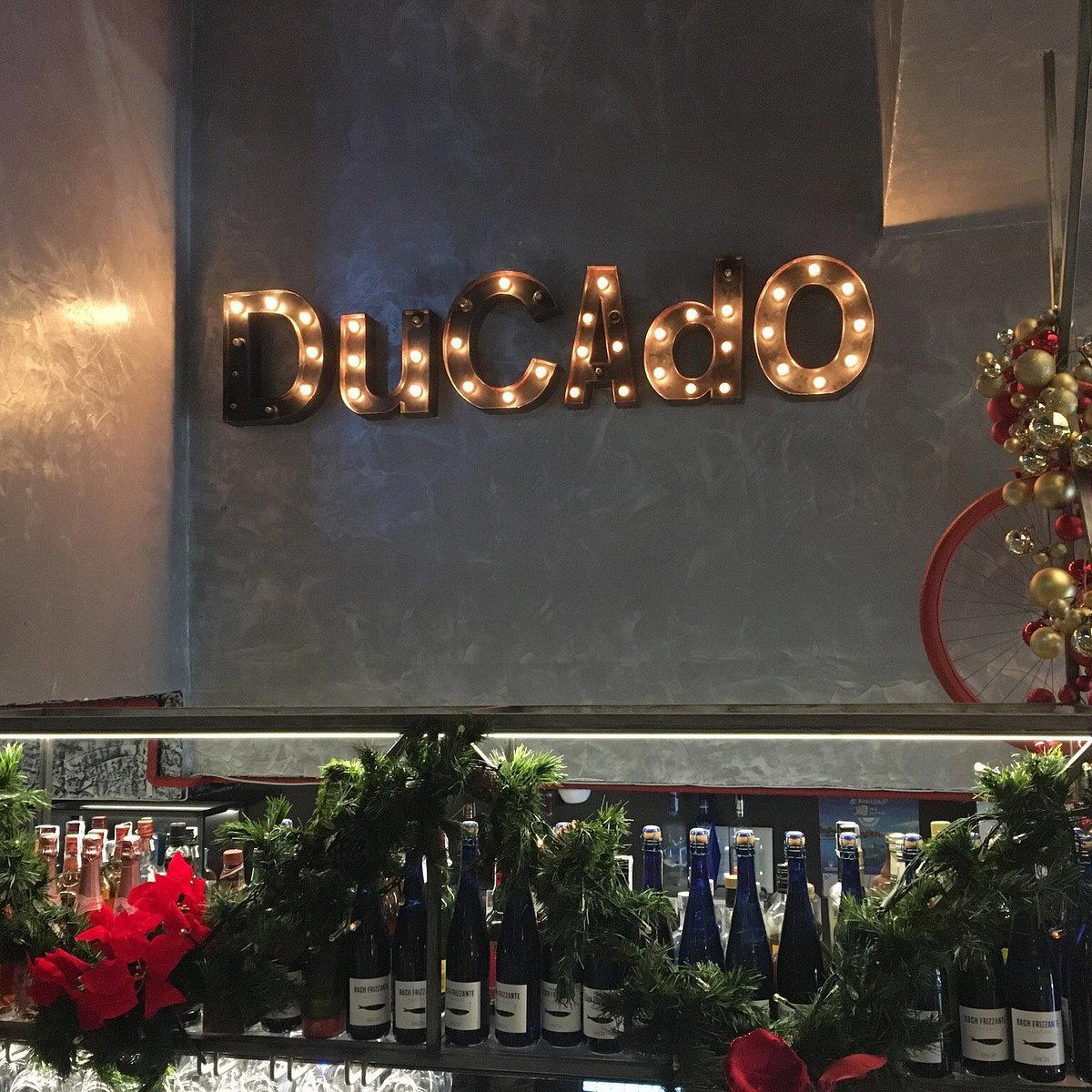
Arganzuela and the Case for Eating Off-Circuit
Madrid's dining geography has long been misread by visitors who treat the city as a series of postcard squares connected by tapas bars. The real action, for anyone tracking where serious neighbourhood cooking happens, often sits in the residential districts that wrap around the centre. Arganzuela, a largely working-class area bordering La Latina to the west and Lavapiés to the north, belongs to that tier. It is not a dining destination in the way that Chueca or Salamanca are, which means the restaurants operating there are building their clientele on merit rather than location premium.
Restaurante El Ducado sits on Calle de Juan Duque, a modest street that gives little away from the outside. That address, in the 28005 postcode, places it inside the kind of Madrid that does not appear in most international guides: functional, local, and shaped by the habits of people who eat in the same room multiple times a month rather than once a year. That context matters when reading any meal served there, because the kitchen is calibrating for a returning audience, not a transient one.
The Tradition El Ducado Is Cooking Inside
Spanish restaurant culture has always maintained a distinction between the high-concept tasting room and the neighbourhood dining house, and Madrid is where that distinction is most visible. At the summit end of the Madrid market, venues like DiverXO, Coque, Deessa, DSTAgE, and Paco Roncero compete for Michelin attention and international press at price points that put them in a different conversation from the daily-use restaurant. El Ducado occupies a different position in that structure: a neighbourhood address where the cooking is accountable not to critics on expense accounts but to residents who know what a dish should cost and how it should taste.
That accountability produces a particular kind of restaurant. Spanish neighbourhood cooking at its most coherent draws on a short roster of well-executed techniques, seasonal produce, and the kind of portion logic that assumes the customer will be back next week. The tasting progression at a room like this is less about a theatrical arc from amuse-bouche to petit four and more about how the meal builds across shared dishes, or how a single main course lands after a lighter opener. The sequencing is intuitive, shaped by how Madrileños actually eat rather than how a tasting menu convention dictates the meal should move.
How the Meal Reads
Neighbourhood restaurants in Madrid's southern districts tend to organise their menus around the logic of the menú del día at lunch and a slightly longer à la carte format in the evening. The arc of eating at a room like El Ducado is different from the multi-act structure of the city's high-end tasting rooms. Rather than a dozen courses paced by a kitchen brigade communicating through headsets, the progression is quieter: a cold opener that might reference the season, a pulse or rice course that acts as the structural centre of the meal, and a meat or fish course that carries most of the kitchen's technical weight.
That structure mirrors a broader Spanish culinary logic visible across the country's most coherent regional kitchens. At Arzak in San Sebastián or El Celler de Can Roca in Girona, the tasting progression has been codified into a formal artistic statement. At a neighbourhood level, the same instincts operate without the scaffolding: the sequence exists, it is just worn lightly. Understanding that difference is what separates a reader who can evaluate a meal at El Ducado from one who arrives expecting a format it was never designed to deliver.
Spain's dining culture also places enormous weight on the quality of raw material relative to transformation. This is visible across the country's most awarded kitchens, from Aponiente in El Puerto de Santa María to Azurmendi in Larrabetzu and Mugaritz in Errenteria. At the neighbourhood level, the same philosophy applies in a less theorised way: a good piece of fish handled cleanly will always outperform a technically elaborate preparation of a mediocre one. That is the operating principle of the better Arganzuela dining rooms, and it sets the standard against which El Ducado's kitchen should be read.
Where El Ducado Sits in Madrid's Broader Picture
Any honest account of Madrid dining in 2024 has to acknowledge that the city's restaurant scene has developed two largely separate tracks. One runs through the press-covered high-end rooms and intersects with the broader Spanish fine dining circuit that connects Madrid to Martin Berasategui in Lasarte-Oria, Quique Dacosta in Dénia, Ricard Camarena in València, Cocina Hermanos Torres in Barcelona, and Atrio in Cáceres. The other runs through the neighbourhood dining rooms that serve the city's actual population six nights a week.
El Ducado belongs to the second track, and that is not a diminution. Particularly instructive meals in any city happen at this level, precisely because the cooking is not performing for an external audience. The room on Calle de Juan Duque is accountable to its neighbourhood, and that accountability produces a different kind of cooking intelligence from the kind on display at a three-Michelin-star table. If you are building a Madrid itinerary that mixes both registers, the contrast between a meal here and one at the summit tier is part of the point. For a full picture of the options across both tracks, see our full Madrid restaurants guide.
For context on how neighbourhood-anchored cooking compares to the technically ambitious end of the market internationally, the contrast with rooms like Le Bernardin in New York City or Atomix in New York City is useful: both represent the codified, high-investment tasting progression at its most developed, which makes the deliberate simplicity of a room like El Ducado read differently rather than lesser.
Planning Your Visit
Restaurante El Ducado is located at Calle de Juan Duque 10, Arganzuela, 28005 Madrid. The nearest metro access is via the Puerta de Toledo stop on Line 5, which places the restaurant within a short walk of the southern edge of La Latina. Reservations: No booking data is currently available in our system; given its residential location and likely local-regular clientele, arriving at lunch for the menú del día is often one reliable access point at this category of Madrid restaurant. Dress: No dress code is documented; Arganzuela neighbourhood rooms typically skew casual.
Cost and Credentials
Comparable venues nearby, for context on price, style, and recognition.
| Venue | Cuisine | Price | Notes |
|---|---|---|---|
| Restaurante El DucadoThis venue — the venue you are viewing | Palacio, Traditional Spanish Tapas | $$ | Not listed |
| TASCA SUPREMA | Chueca, Traditional Madrid Tavern | $$ | Not listed |
| Paellitas Tradición | Almagro, Traditional Spanish Paella | $$ | Not listed |
| Agarimo | Rios Rosas, Modern Galician Taberna | $$ | Not listed |
| Casa Parrondo | Not listed | $$ | Sol, Traditional Asturian Tapas & Seafood |
| La Burlona | Lavapies, Modern Spanish Tapas | $$ | Not listed |
Continue exploring
More in Madrid
Restaurants in Madrid
Browse all →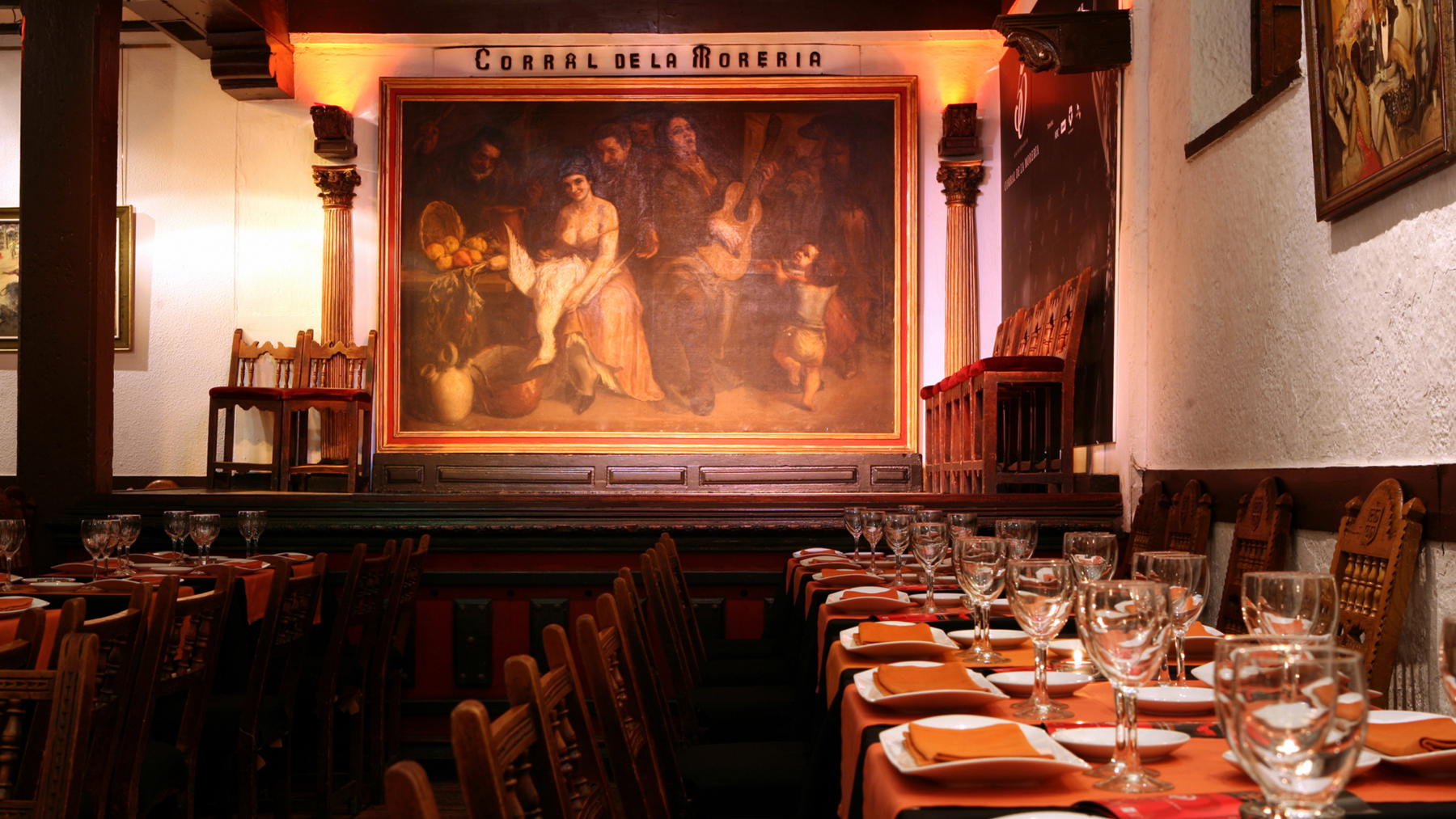
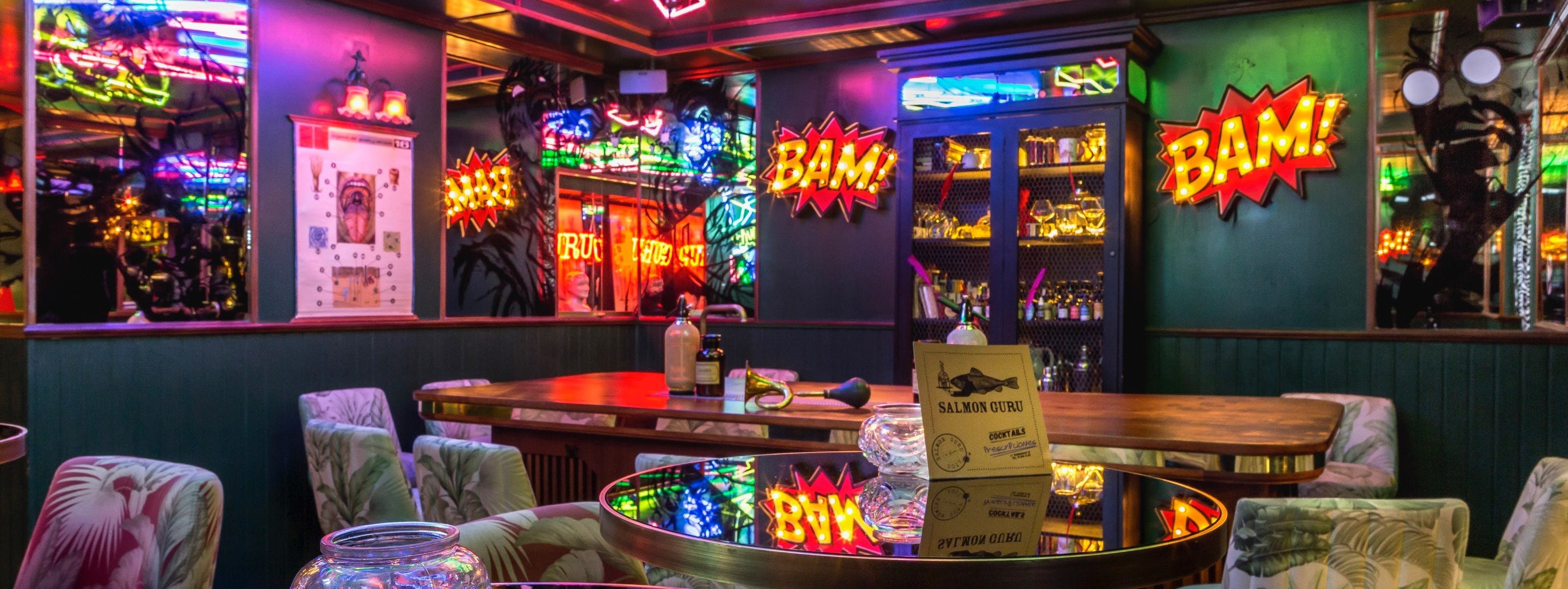
Bars in Madrid
Browse all →
Hotels in Madrid
Browse all →

At a Glance
- Cozy
- Classic
- Casual Hangout
- After Work
- Standalone
Current opening hours
- Monday
- 8 AM–2 AM
- Tuesday
- 8 AM–2 AM
- Wednesday
- 8 AM–2 AM
- Thursday
- 8 AM–2 AM
- Friday
- 8 AM–2:30 AM
- Saturday
- 8 AM–2:30 AM
- Sunday
- 8 AM–2 AM
Hours can change for holidays and private events. Last verified .
Cozy and welcoming neighborhood bar atmosphere with attentive service.