


On a quiet Chamberí street, Agarimo occupies the kind of address that Madrid's more considered diners tend to find through word of mouth rather than awards columns. The cooking draws on Galician roots filtered through a Madrid sensibility, making it a natural choice when the occasion demands something that feels personal rather than performative. Reserve well ahead.
Pearl is the En Primeur Club membership app — saves, bookings, and concierge access live there. Same editors, same standards.
- Address
- Calle de Bretón de los Herreros, 27, Chamberí, 28003 Madrid, Spain
- Phone
- +34917025209
- Website
- agarimomadrid.com
- Directions
- Get directions
 Saves & bookings on Pearl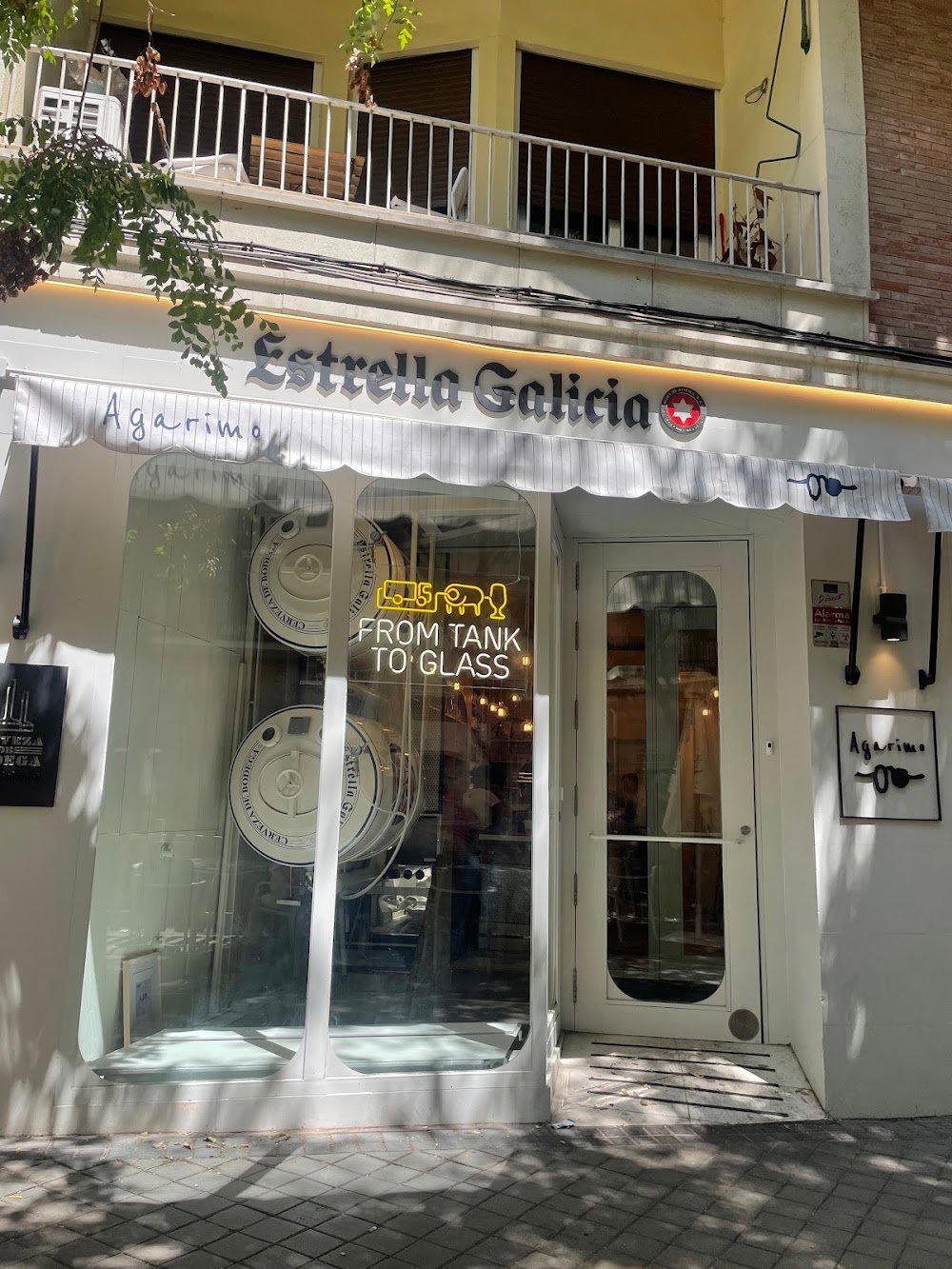
Chamberí and the Case for Quieter Occasions
Madrid's high-end dining conversation tends to cluster around a handful of loudly decorated addresses: DiverXO for maximalist spectacle, Coque for theatrical tasting menus, Deessa and DSTAgE for modern Spanish ambition in a contemporary frame. These are rooms where the occasion announces itself loudly from the moment you walk in. Chamberí operates by different rules. The neighbourhood north of Alonso Martínez is residential in character, lined with early-twentieth-century facades and local bars that still serve vermouth at noon on a Saturday. Restaurants here earn loyalty through consistency and a certain quality of attention rather than through column inches. Agarimo, on Calle de Bretón de los Herreros, belongs to that tradition.
The name itself signals something about the cooking's orientation. Agarimo is a Galician word with no clean Spanish equivalent, approximating a tender affection or warmth, the feeling of being made comfortable by someone who genuinely means it. In the context of Madrid dining, where Galician restaurants occupy a specific and respected niche, the name functions as a regional declaration before the menu even arrives. Galicia's food culture, built around seafood from the Atlantic coast, slow-cooked meats, and a kitchen tradition that prizes ingredient quality over transformation, has long found a receptive audience in the capital.
When the Meal Is the Event
There is a particular category of occasion that Madrid's most theatrical restaurants handle poorly: the dinner where the conversation is the point, where two or three people need a room that supports intimacy rather than competes with it. The city's €€€€ bracket, which includes Paco Roncero alongside the addresses above, is designed to be experienced and discussed, sometimes at the expense of ease. Agarimo's register is different. The address on Bretón de los Herreros puts it in a genuinely residential pocket of Chamberí, the kind of street where you arrive feeling like you have found something rather than been directed somewhere.
For milestone dinners, anniversaries, or the sort of meal that needs to feel personal rather than institutional, the calculus around a room's atmosphere matters as much as what arrives on the plate. Spanish kitchens rooted in Galician tradition tend to produce food that is grounding rather than disorienting: preparations that honour the ingredient's origin rather than obscure it. That quality, common to the leading Galician-influenced houses in Madrid, makes a meal here feel like a considered act of generosity rather than a performance.
Across Spain's broader fine dining tier, the venues that handle occasion dining with most authority tend to be those where the kitchen and the room are in dialogue. El Celler de Can Roca in Girona and Mugaritz in Errenteria are the obvious benchmarks for this quality at stronger examples from the country's creative range. Arzak in San Sebastián and Martin Berasategui in Lasarte-Oria operate with a similar sense that the meal exists to serve the guest rather than the other way around. Within Madrid's own map, Agarimo occupies a different altitude from those three-star addresses, but it draws from the same instinct: that occasion dining works well when the room creates ease rather than demands attention.
Galician Cooking in a Madrid Frame
The broader context for understanding Agarimo is the place of Galician cuisine in Spain's culinary geography. The region produces some of the country's most prized seafood, including percebes, navajas, and the octopus preparations that have become shorthand for the tradition, alongside vegetables and cattle breeds that carry denominación de origen protections. Madrid has historically been the city where Galician chefs and restaurateurs arrived to build their second chapter, and the capital's Galician restaurant scene reflects decades of that migration. At its leading, the result is food with strong regional identity adapted to an urban audience that values both provenance and execution.
That regional grounding places Agarimo in a different conversation from the more internationally oriented tasting-menu format that defines Spain's highest-profile fine dining exports. Quique Dacosta in Dénia, Aponiente in El Puerto de Santa María, and Ricard Camarena in València are all working within a model where the cuisine's regional origin is a starting point for creative transformation. Galician-rooted cooking in Madrid tends to operate closer to the source, with less imposed complexity and more reliance on the inherent quality of what Galicia produces.
For visitors using a Madrid trip to calibrate against Spain's wider dining offer, it is worth understanding that the country's most discussed restaurants are concentrated outside the capital: in the Basque Country, Catalonia, and along the Mediterranean coast. Azurmendi in Larrabetzu, Cocina Hermanos Torres in Barcelona, and the addresses in Girona and Errenteria represent a different pole of ambition from what Madrid's Galician houses offer. That is not a criticism of the capital's scene; it reflects a genuine difference in what each city's leading restaurants are trying to do.
Planning a Meal at Agarimo
Chamberí is easily reached from central Madrid: the neighbourhood sits inside the M-30 ring, with metro access via Alonso Martínez and Iglesia stations on lines 4, 5, 7, and 10. Calle de Bretón de los Herreros is a short walk from either stop, through streets that reward arriving ten minutes early rather than rushing. For occasion dining, the neighbourhood's unhurried character is an asset: there is no sense of being processed through a high-turnover block.
A table is recommended, and the restaurant's regular opening hours are Monday and Sunday closed; Tuesday 8:30 PM to 12 AM; Wednesday 1:30 PM to 5 PM and 8:30 PM to 12 AM; Thursday 1:30 PM to 5 PM and 8:30 PM to 12:30 AM; Friday and Saturday 2 PM to 5 PM and 8:30 PM to 12:30 AM. For a broader orientation to Madrid's dining options across price points and formats, our full Madrid restaurants guide maps the city's scene with comparable detail. International benchmarks in the occasion-dining category worth considering alongside Spain's options include Le Bernardin in New York City and Lazy Bear in San Francisco, both of which have built sustained reputations around meals that feel personal rather than transactional.
How It Stacks Up
Comparable venues nearby, for context on price, style, and recognition.
| Venue | Cuisine | Price | Notes |
|---|---|---|---|
| AgarimoThis venue — the venue you are viewing | Modern Galician Taberna | $$ | Not listed |
| LA ZAHURDA | Traditional Spanish Tapas | $$ | Almagro |
| La Vaquería Montañesa | Traditional Spanish Mediterranean Market Cuisine | $$ | Almagro |
| Abacería Macarena | Modern Traditional Spanish | $$ | El Viso |
| Infame Restaurant | Modern Basque Fusion | $$ | La Latina |
| Taberna Antonio Sanchez | Traditional Madrilenian Tavern | $$ | Lavapies |
Recognition history
Dated appearances from independent guides and award organizations, with the underlying list record or original source where available.
Macarfi 7.5 Food Rating
Macarfi
Michelin Plate
Michelin · 2026 Michelin Plate
Opinionated About Dining Newly Added European Restaurants
Opinionated About Dining
Opinionated About Dining Casual in Europe Recommended
Opinionated About Dining
Continue exploring
More in Madrid
Restaurants in Madrid
Browse all →
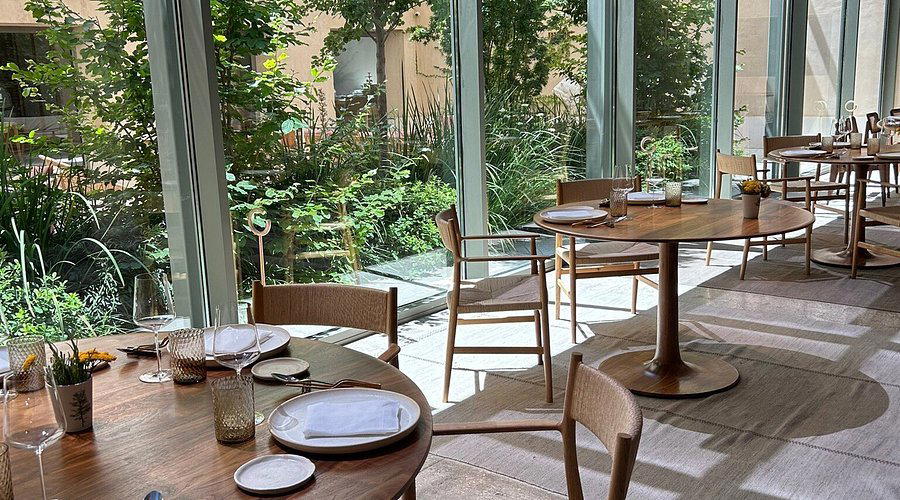
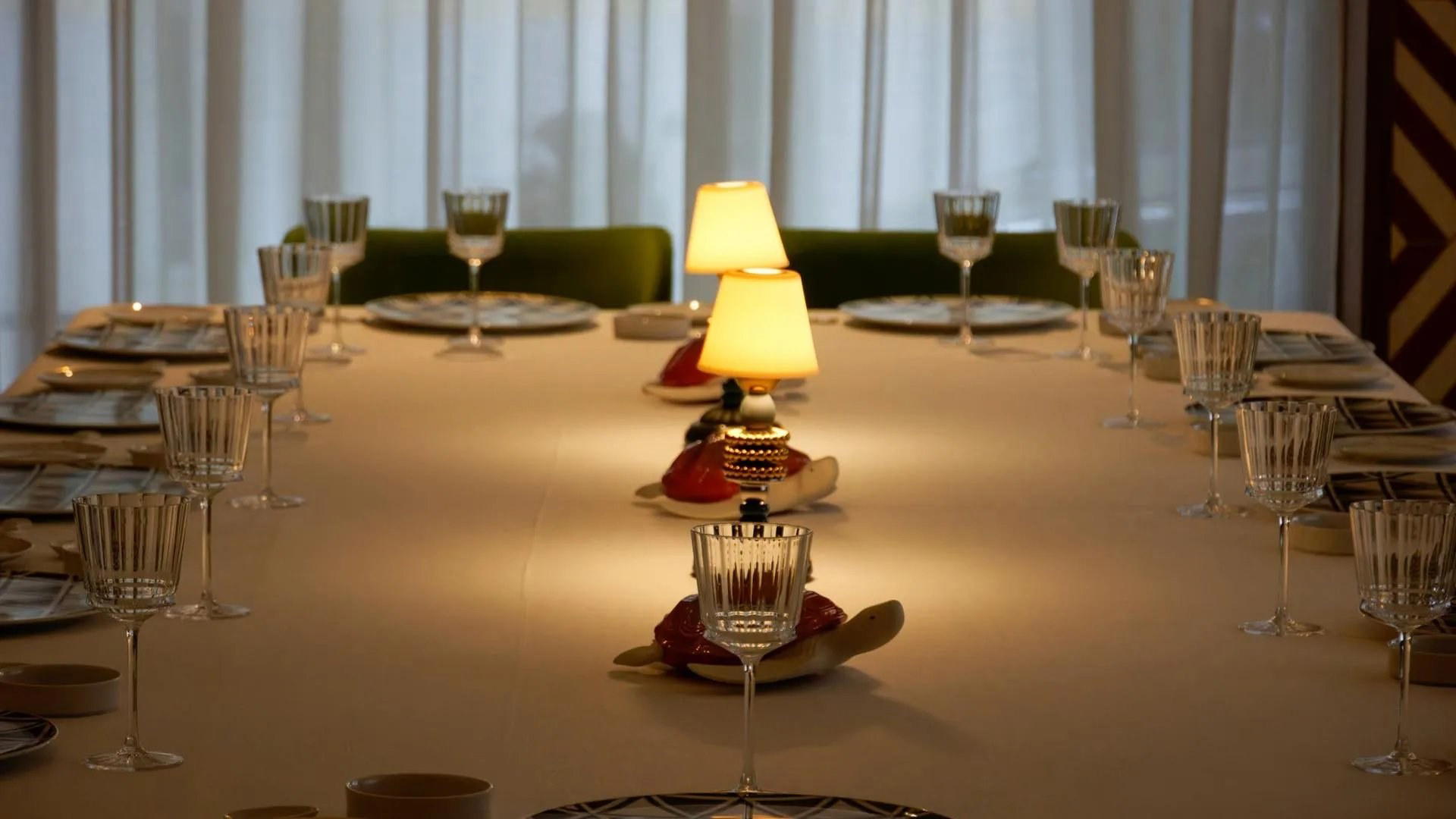
Bars in Madrid
Browse all →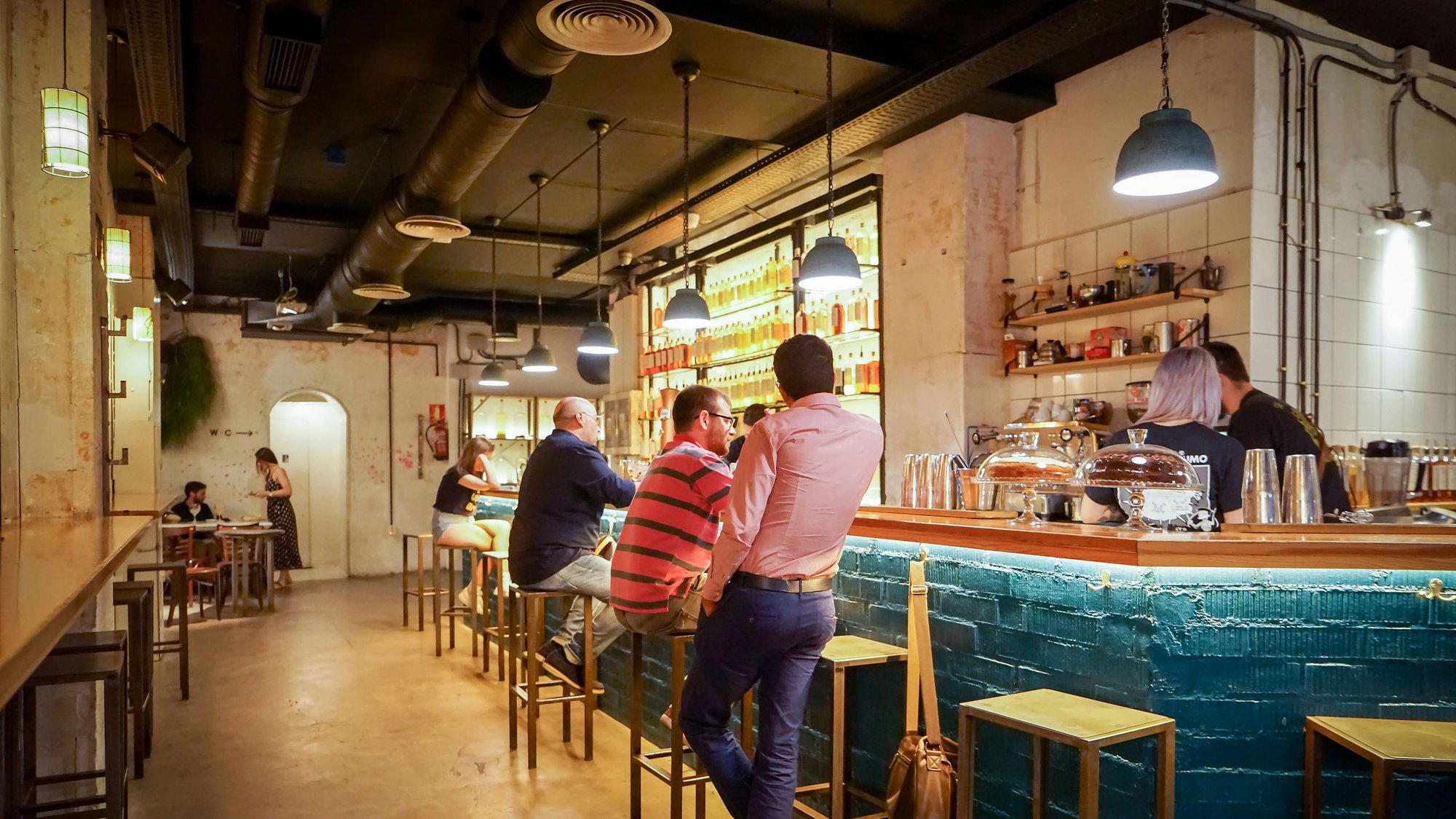
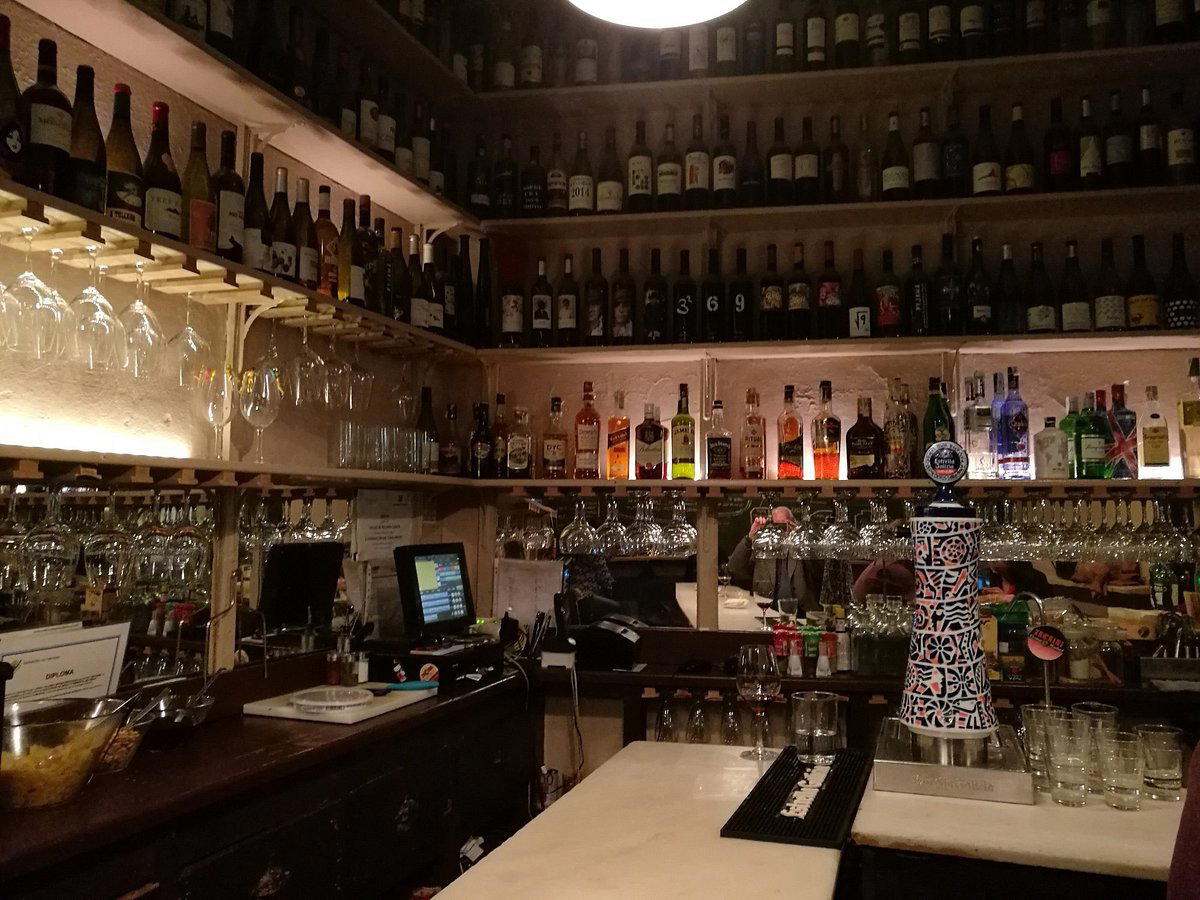
Hotels in Madrid
Browse all →


At a Glance
- Cozy
- Trendy
- Rustic
- Date Night
- Casual Hangout
- Open Kitchen
- Local Sourcing
- Zero Waste
Current opening hours
- Monday
- Closed
- Tuesday
- 8:30 PM–12 AM
- Wednesday
- 1:30–5 PM, 8:30 PM–12 AM
- Thursday
- 1:30–5 PM, 8:30 PM–12:30 AM
- Friday
- 2–5 PM, 8:30 PM–12:30 AM
- Saturday
- 2–5 PM, 8:30 PM–12:30 AM
- Sunday
- Closed
Hours can change for holidays and private events. Last verified .
Stark black and white interior that contrasts vividly with the colorful, flavorful Galician dishes.