
Restaurant Popelier sits in Gooik, in the agricultural heart of Pajottenland, and holds a White Star recognition from Star Wine List, a signal that its wine program carries serious weight. The Flemish Brabant countryside surrounding it shapes what ends up on the table, placing it in a small group of Belgian restaurants where the land outside the window directly informs the cooking. For visitors crossing into this quiet corner of Belgium, it merits the detour.
Pearl is the En Primeur Club membership app — saves, bookings, and concierge access live there. Same editors, same standards.
- Address
- Populierenstraat 8, 1755 Pajottegem, Belgium
- Phone
- +32 477 18 19 51
- Website
- restaurantpopelier.be
- Directions
- Get directions
 Saves & bookings on Pearl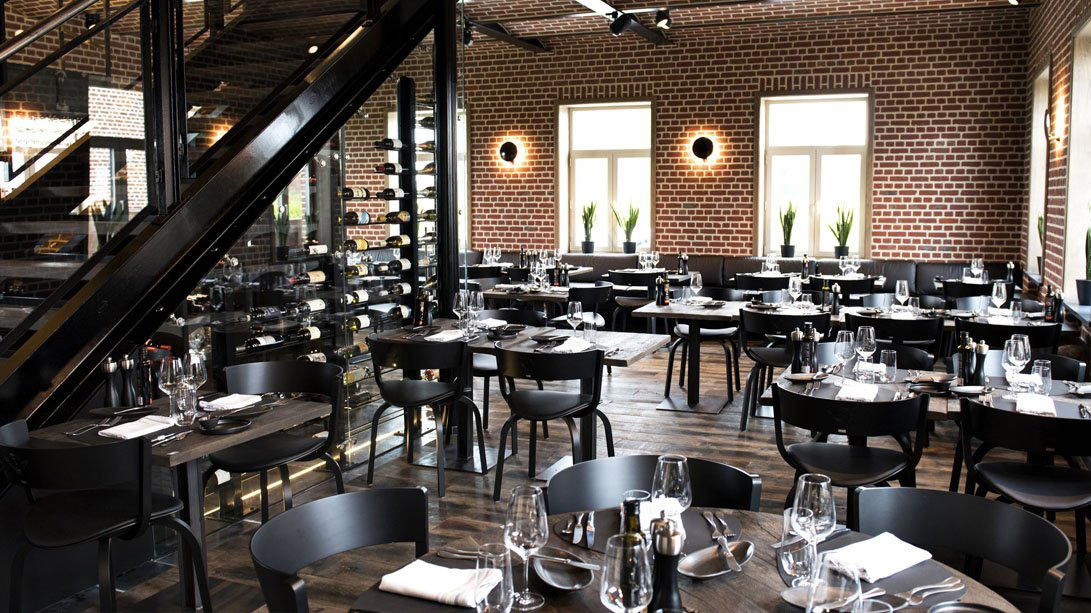
Pajottenland on the Plate: Dining in Belgium's Quiet Agricultural Interior
The road into Gooik runs through a particular kind of Belgian countryside: flat-to-rolling farmland, hedgerow apple orchards, and the low-horizon views that have defined Pajottenland for centuries. This is gueuze country, the natural catchment for the wild yeasts that make lambic fermentation possible, and the same agricultural logic that produces those beers, proximity to raw materials, seasonal discipline, respect for terroir, tends to filter into the kitchens that take their surroundings seriously. Restaurant Popelier is a French Steakhouse with Belgian Influences in Pajottegem, Belgium, at Populierenstraat 8. It sits squarely inside that tradition. Approaching from the village, the setting announces itself before the menu does.
Belgium's fine dining geography has long been concentrated in Antwerp, Brussels, and the coastal strip running through West Flanders. Places like Zilte in Antwerp and Boury in Roeselare anchor that urban and semi-urban fine dining tier. The Flemish Brabant interior operates differently. Distance from the city removes the competitive pressure to be fashionable, and what often replaces it is a closer relationship to local producers, farmers, orchardists, and small-scale growers who supply kitchens within a tight radius. That relationship is the editorial context for understanding Restaurant Popelier. It is not a city restaurant that happens to be in the countryside. It is a countryside restaurant in the fullest sense, shaped by what Pajottenland actually produces.
The Wine Signal and What It Tells You
The recognition that first placed Restaurant Popelier on the wider map is its White Star from Star Wine List, published in November 2024. Star Wine List's methodology focuses specifically on wine programs, not food alone, and a White Star designation indicates a list that has been assessed as genuinely curated, structured with intention rather than assembled from a distributor's standard offer. In Belgian restaurant terms, this places Popelier in a specific peer group: kitchens where the wine program is treated as a parallel discipline to the cooking.
That framing matters for ingredient sourcing too. Restaurants that invest in serious wine curation tend, in the author's observation, to apply the same sourcing discipline to produce. The two instincts are related: both require building supplier relationships, understanding provenance, and committing to quality at a cost that the menu price has to support. Belgium's stronger wine-focused restaurants, from Willem Hiele in Oudenburg to Castor in Beveren, tend to reinforce that pattern. Popelier's Star Wine List recognition positions it in that company, at least on the wine axis.
Sourcing in Pajottenland: What the Region Offers
Pajottenland is one of the more agriculturally coherent subregions of Flemish Brabant. The landscape supports mixed farming: grain, root vegetables, cattle, and the heritage apple and pear varieties that feed both the lambic breweries in Lembeek and Beersel and the farm kitchens that have used them for centuries. Proximity to these materials gives a restaurant the option, if it chooses to take it, of building menus around what the surrounding five to fifteen kilometres actually produce rather than what a national wholesaler can deliver overnight.
This is the sourcing tradition that distinguishes the more serious examples of Belgian countryside cooking from urban restaurants that gesture at regionality without practicing it. Comparative restaurants in the Flemish interior, such as De Jonkman in Sint-Kruis and Hof van Cleve in Kruishoutem, have built their reputations in part on this kind of embedded regional sourcing. The geography around Gooik positions Popelier to do the same.
The Broader Belgian Fine Dining Context
Belgium has a strong fine dining tradition, and the Flemish approach to craft-led, produce-driven cooking is precise, relatively restrained, and closely connected to local agricultural supply chains. That school runs from high-profile city addresses like Bozar Restaurant in Brussels through to smaller regional tables across Flanders and Wallonia.
For comparison, d'Eugénie à Emilie in Baudour and L'Eau Vive in Arbre represent the Walloon strand of that same countryside fine dining tradition, where French classical structure meets hyper-local Ardennes or Hainaut produce. Internationally, the template has parallels: Le Bernardin in New York City demonstrates what sustained sourcing discipline looks like at the summit of a category, while Emeril's in New Orleans represents a different model of regional rootedness in an American context. The Flemish countryside version tends to be quieter, less decorated, and often more technically consistent because the room is smaller and the cooking less theatrical.
Planning a Visit to Gooik
Gooik sits roughly thirty kilometres southwest of Brussels, accessible by car in under forty minutes from the city centre. The village is not served by direct rail, which makes this a destination for drivers or those willing to arrange private transport from the Belgian capital. For visitors combining the restaurant with broader Pajottenland exploration, the regional lambic producers and the rolling cycling routes through the Zennevallei offer context for a half-day trip. Booking ahead is advisable. Bartholomeus in Heist and Cuchara in Lommel, both of which operate at a comparable level of seriousness in their respective corners of Flanders.
Side-by-Side Snapshot
Comparable venues nearby, for context on price, style, and recognition.
| Venue | Cuisine | Price | Notes |
|---|---|---|---|
| Restaurant PopelierThis venue — the venue you are viewing | French Steakhouse with Belgian Influences | $$ | Not listed |
| De Verleiding | Classic French-Belgian Fine Dining | $$$ | Pajottenland |
| Den Dorsvlegel | Belgian Steakhouse | $$ | Sint-Niklaas |
| M-EATERY | Modern European Steakhouse | $$$ | Arsenaal Wijk |
| Meat & Eat | French-Belgian Steakhouse | $$ | 't Zuid |
| Som Tam | Modern Lao-Thai Fusion | $$ | Sint-Agatha-Berchem |
Recognition history
Dated appearances from independent guides and award organizations, with the underlying list record or original source where available.
Star Wine List
Star Wine List
At a Glance
- Cozy
- Rustic
- Intimate
- Date Night
- Special Occasion
- Terrace
- Open Kitchen
- Extensive Wine List
- Garden
Current opening hours
- Monday
- 6–9:30 PM
- Tuesday
- Closed
- Wednesday
- Closed
- Thursday
- 6–9:30 PM
- Friday
- 12–2 PM, 6–9:30 PM
- Saturday
- 6–9:30 PM
- Sunday
- 12–2 PM, 6–9:30 PM
Hours can change for holidays and private events. Last verified .
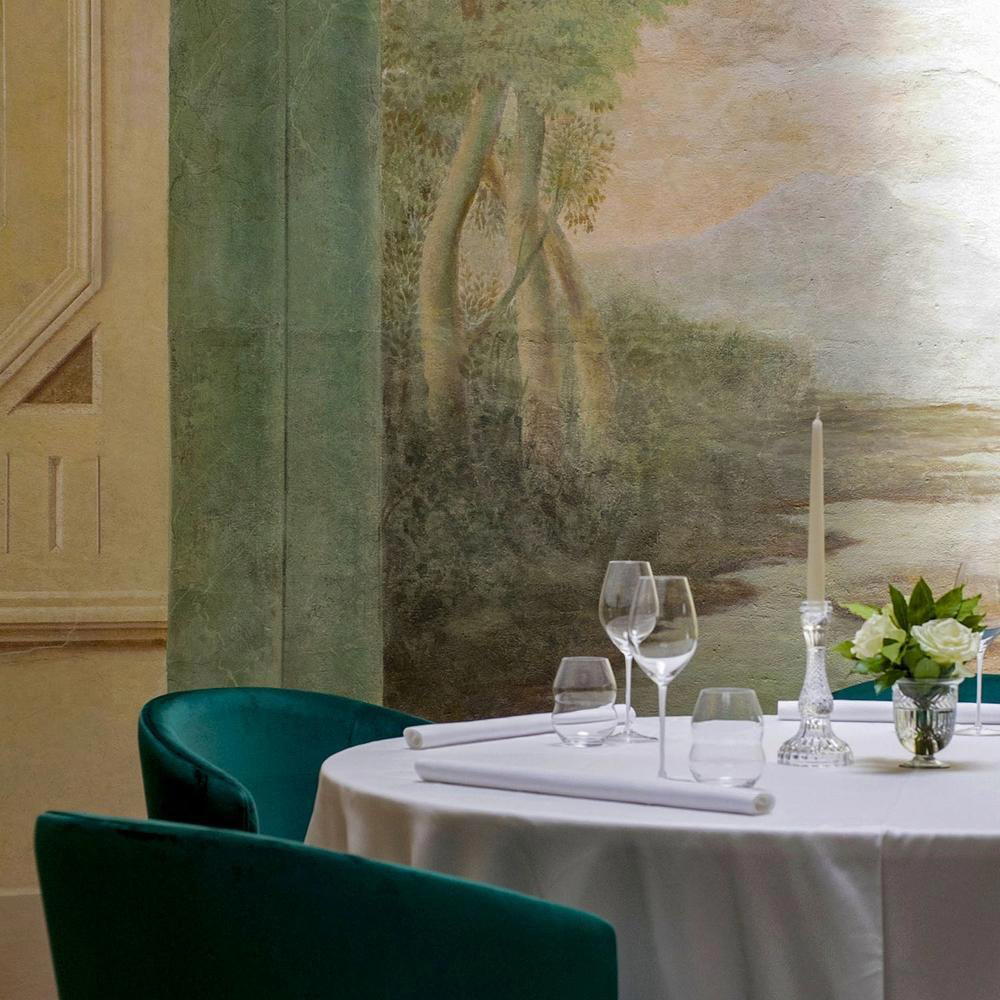
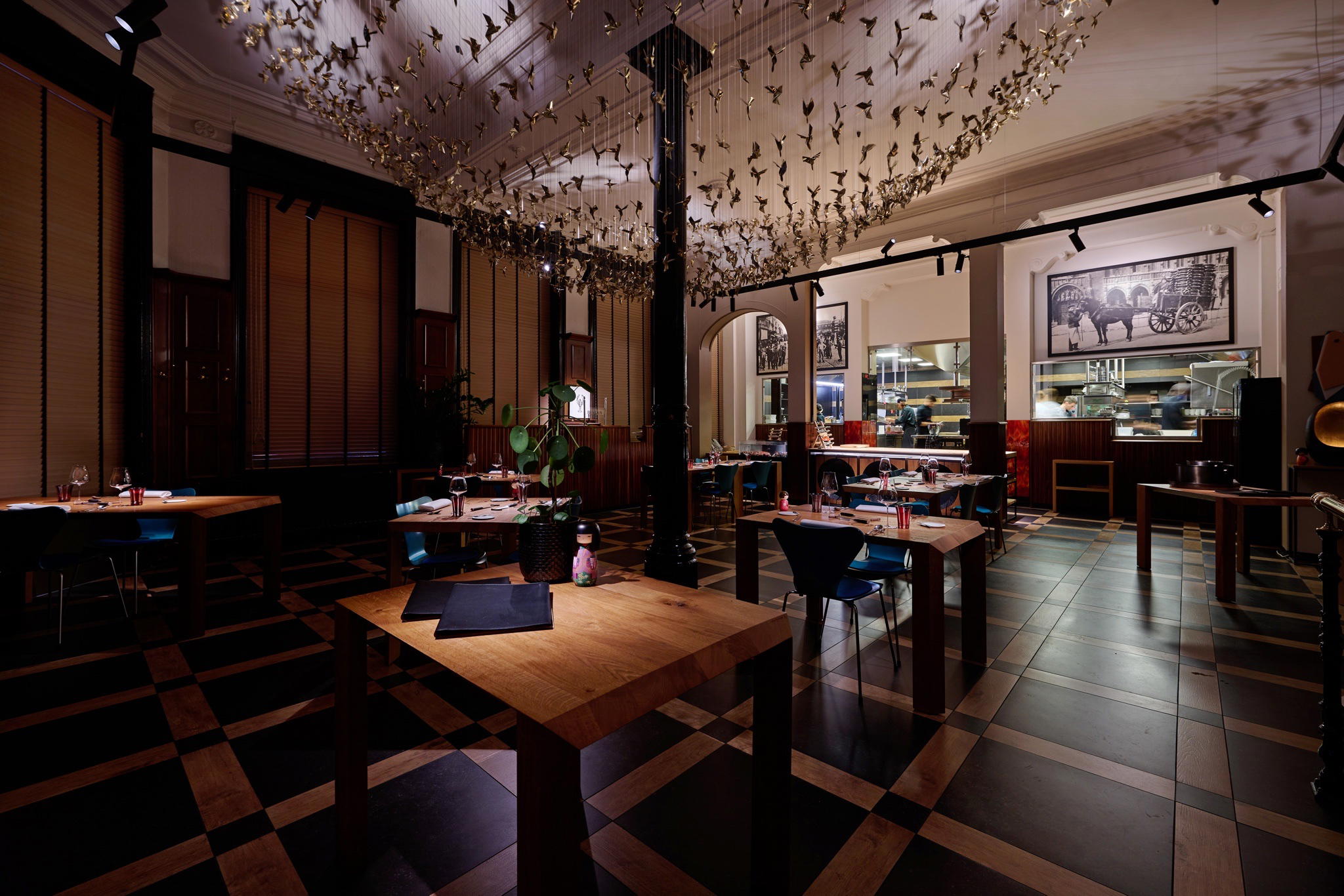
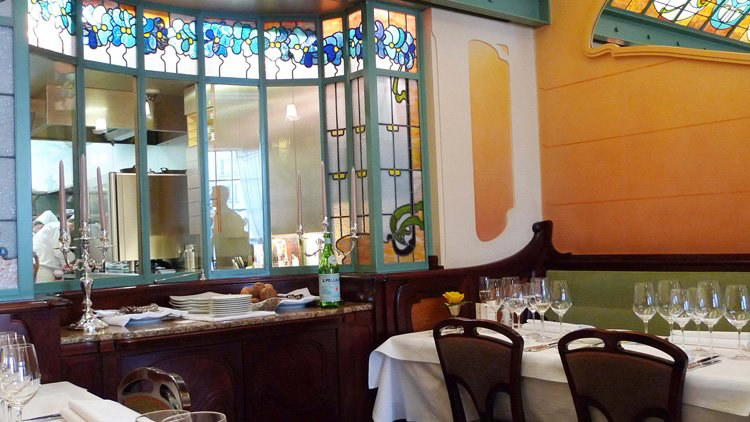
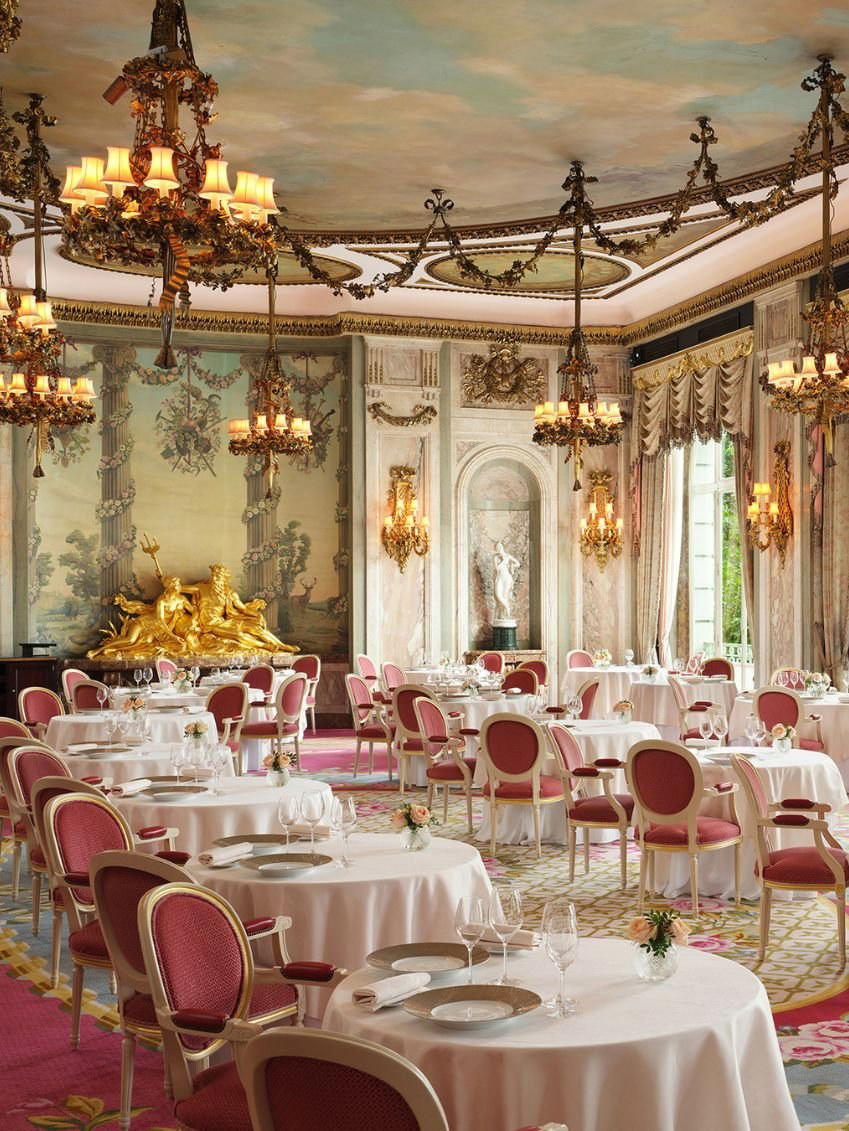
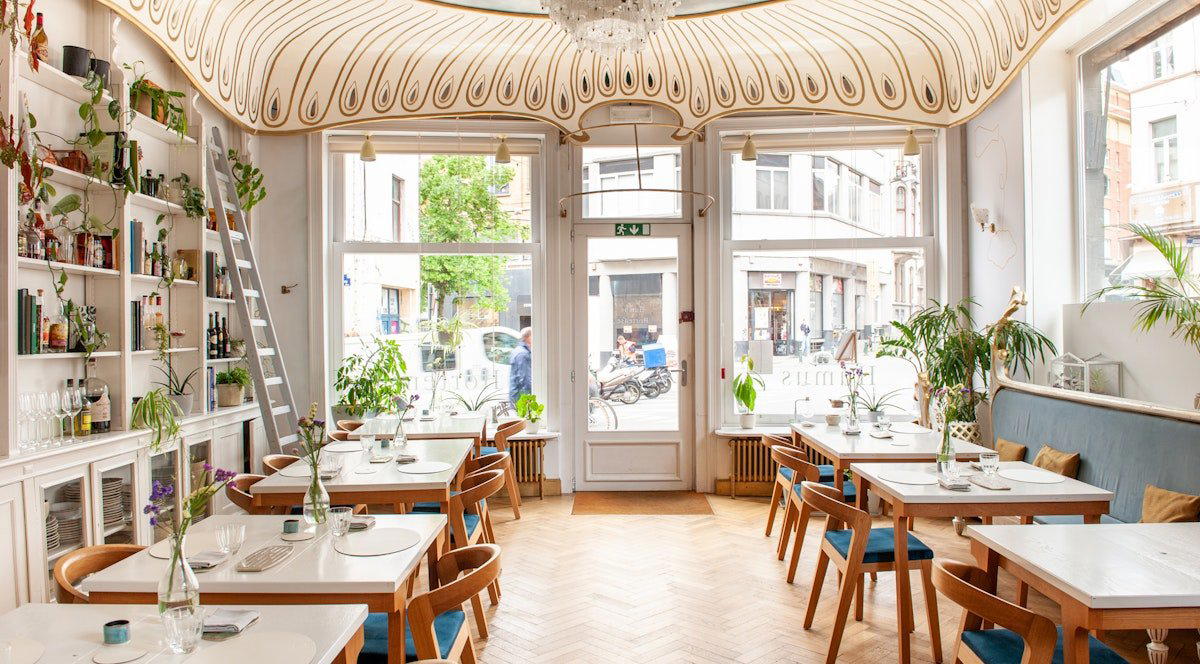
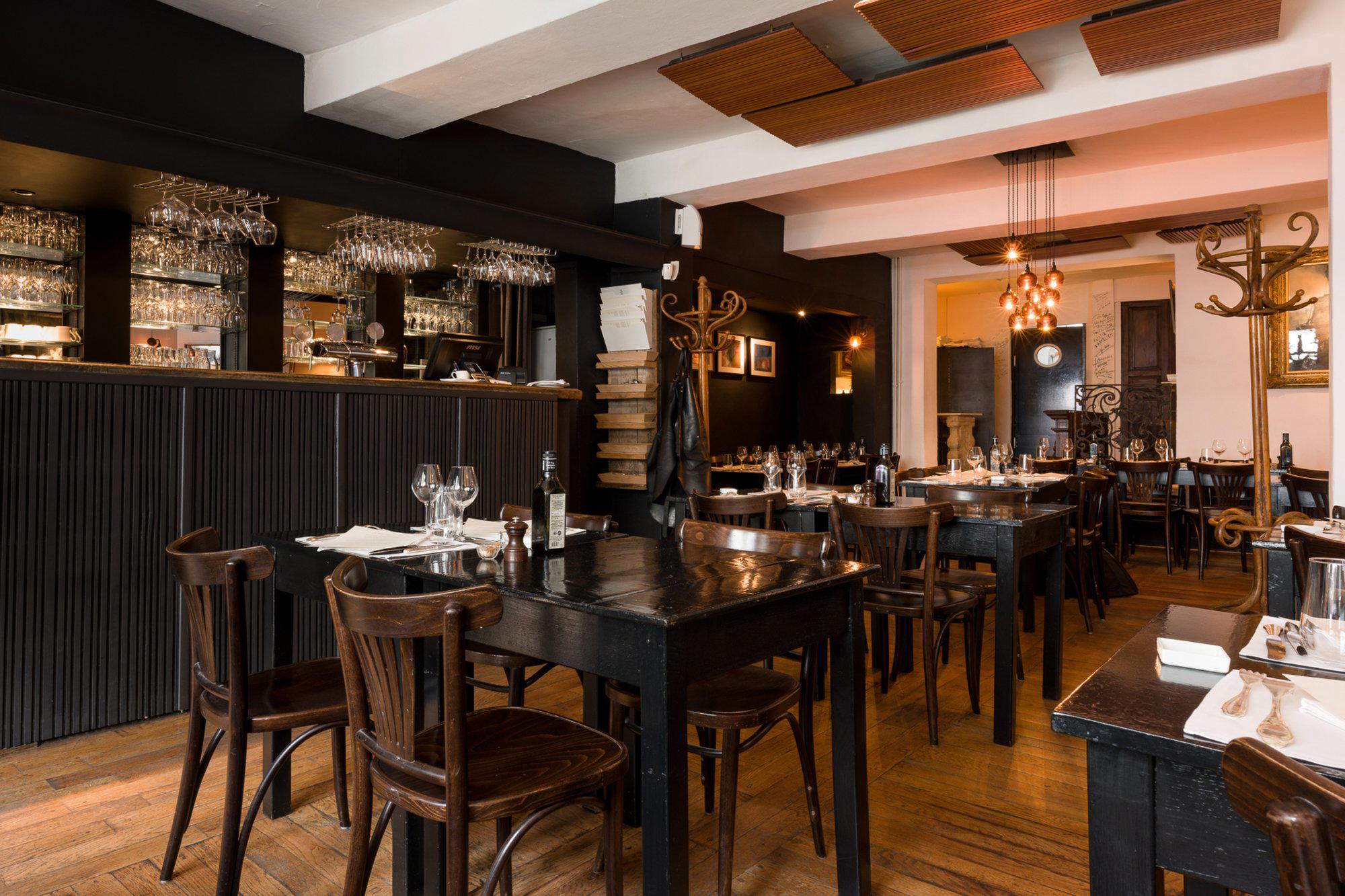
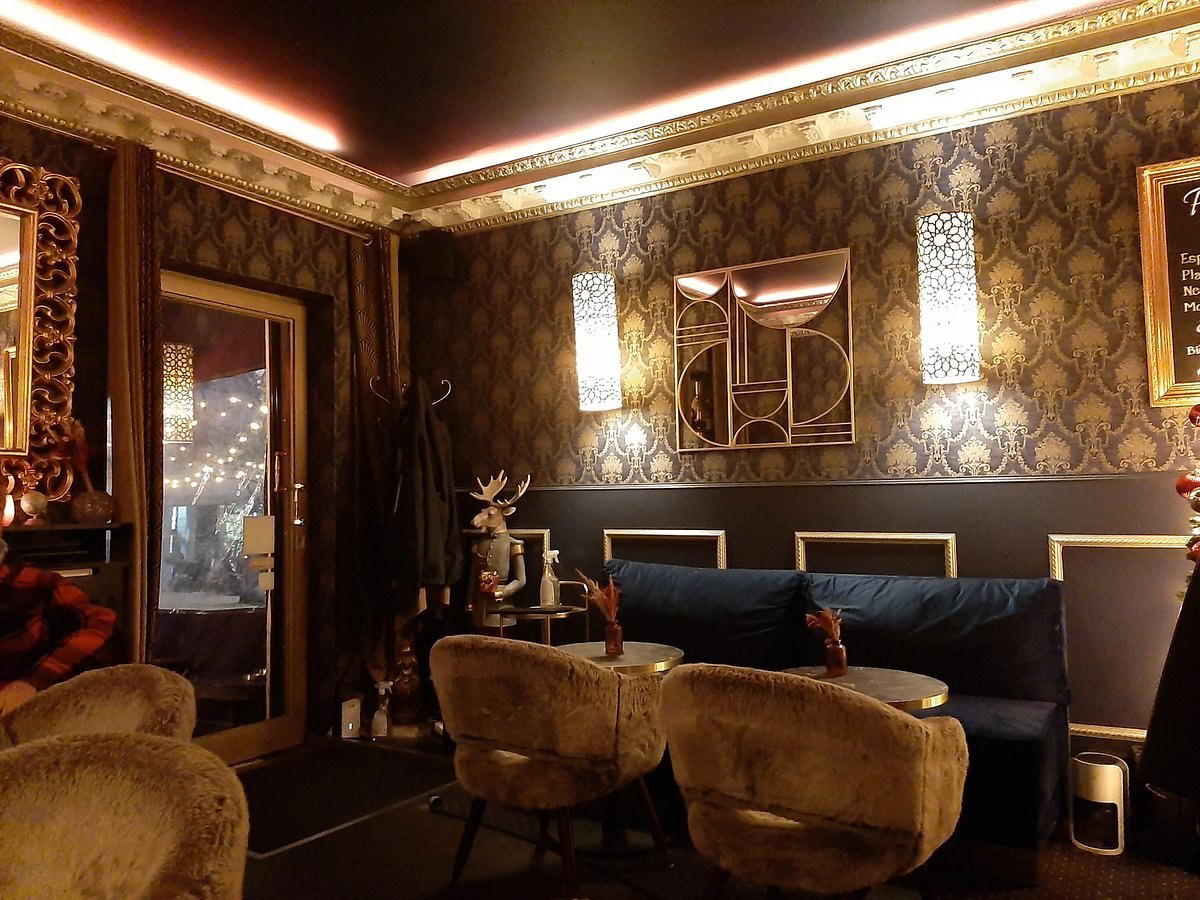
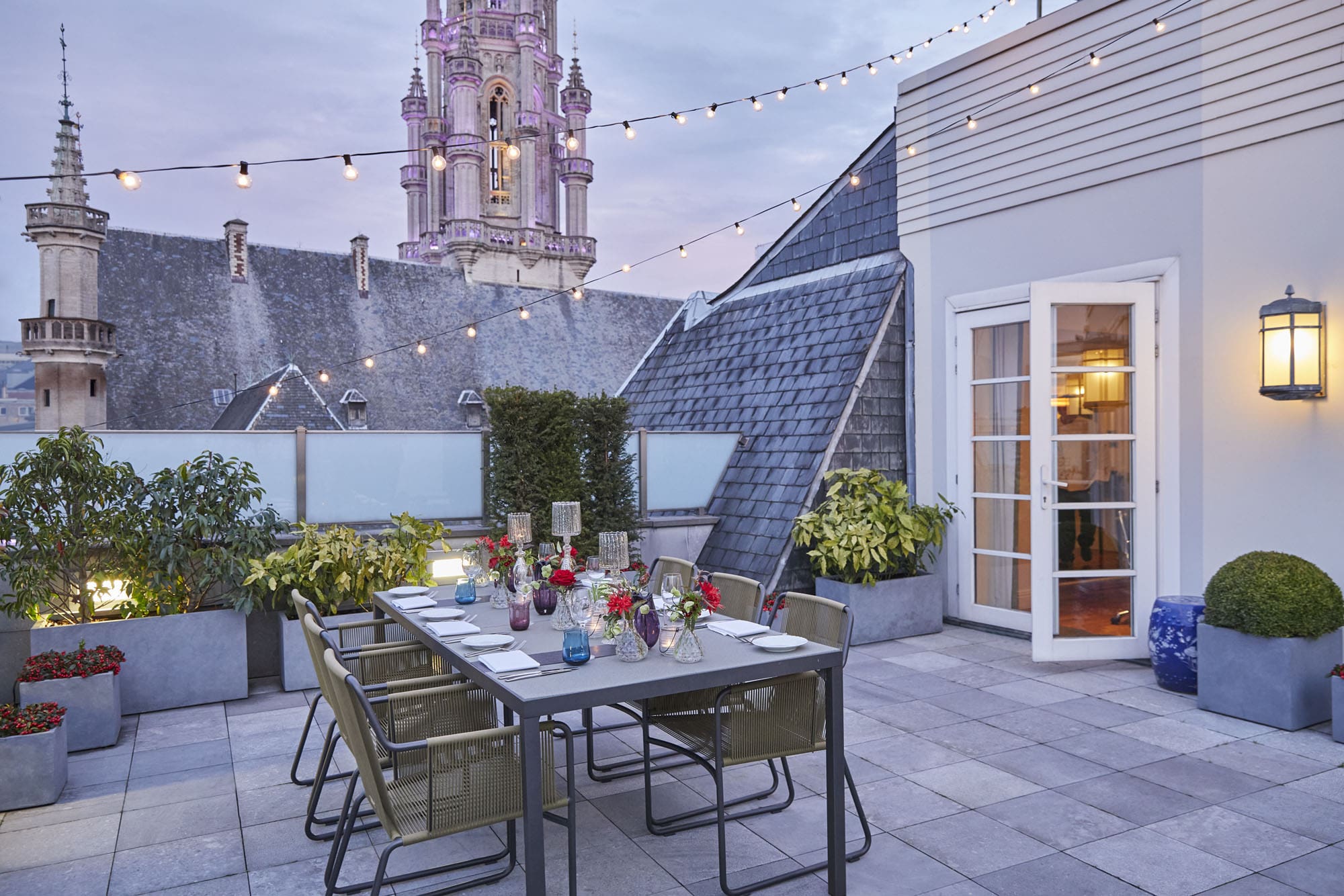
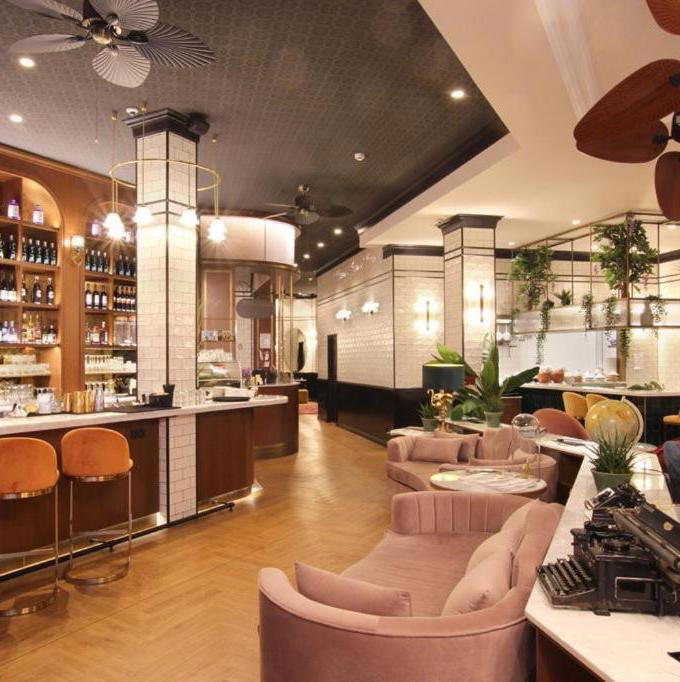
Cozy interior with comfortable seating, warm vibe, and beautiful terrace overlooking bucolic surroundings.