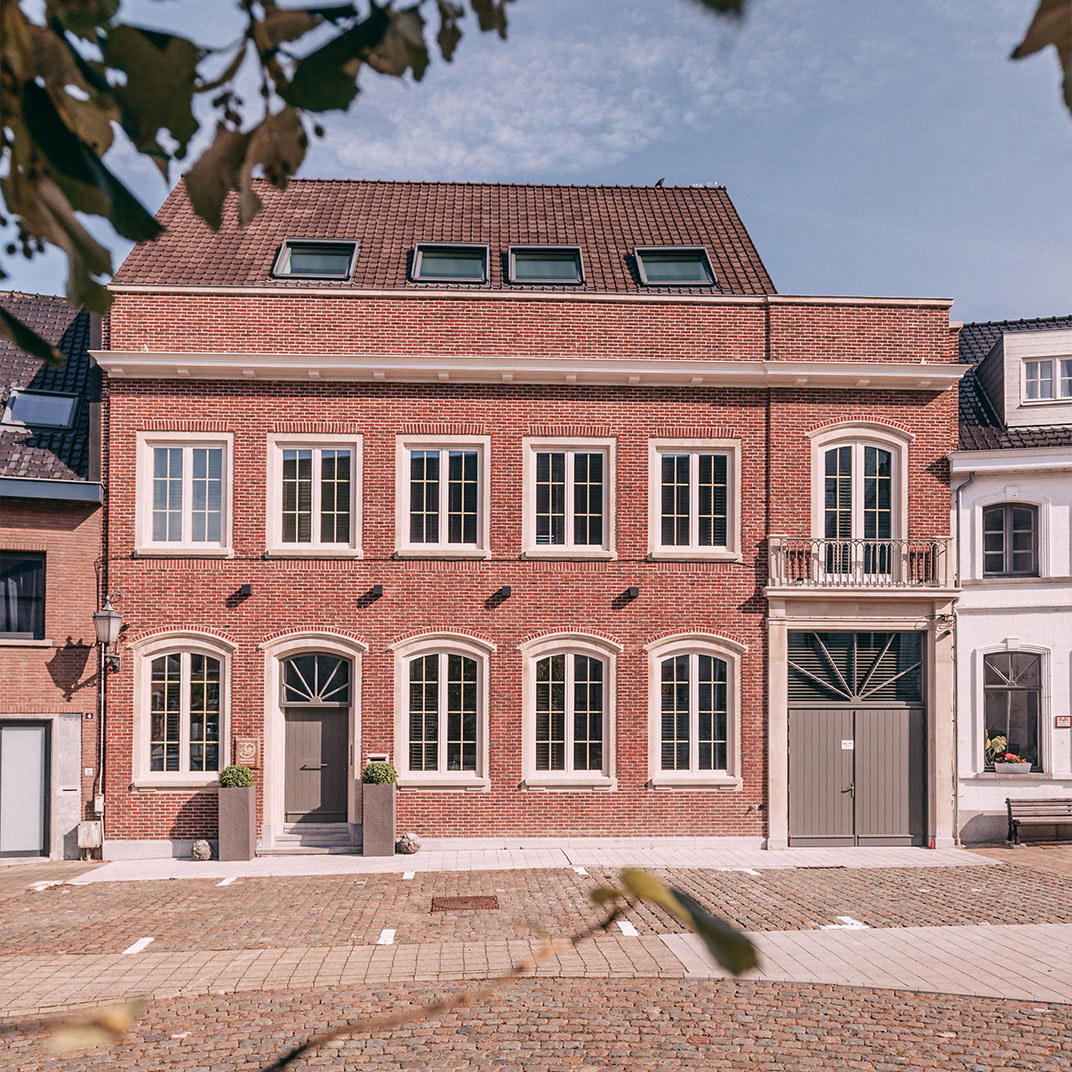
On Mechelen's Koning Albertplein, M-EATERY positions itself within a city that has quietly developed one of Belgium's more coherent mid-to-premium dining scenes. The address places it at street level with the city's civic pulse, making it a natural reference point for visitors orienting themselves around Mechelen's restaurant circuit before branching into the wider Flemish table.
- Address
- Koning Albertplein 8, 2800 Mechelen, Belgium
- Phone
- +3215630638
- Website
- m-eatery.be
- Directions
- Get directions
Mechelen at the Table: What the City's Dining Scene Now Looks Like
Belgium's mid-sized cities have spent the past decade building dining identities that no longer read as provincial compromises. Mechelen, positioned between Brussels and Antwerp along the rail corridor, has accumulated a restaurant scene with genuine range: farm-driven formats like 't Gasthuis by InstroomArt, French contemporary kitchens like Tinèlle, and lower-commitment sharing formats like Cosma. Into that picture, M-EATERY at Koning Albertplein 8 reads as a meat-focused address staking out space on one of the city's more trafficked civic squares.
The name is not oblique. Meat-focused restaurants have proliferated across Flemish cities as a distinct category, separate from both brasserie tradition and the tasting-menu format. They occupy a particular niche: high-quality protein as the editorial spine of a menu, with supporting elements built around it rather than the other way around. In that sense, M-EATERY belongs to a recognisable European restaurant type — one where the sourcing story, the cut selection, and the cooking method carry the narrative weight that technique and invention carry in a contemporary fine dining room.
Koning Albertplein: What the Address Signals
Location on Koning Albertplein places M-EATERY at one of Mechelen's more visible intersections. The square connects the city's pedestrianised core to the streets that run toward the Grote Markt and the Sint-Romboutskathedraal, making it a natural waypoint for visitors arriving from the train station and moving into the old city. Restaurants here operate with higher footfall and more first-time visitors than those tucked into the quieter residential quarters to the east.
That positioning matters for how a restaurant builds its audience. Square-facing addresses in Flemish cities tend to attract a mix of local regulars and travelling diners; the challenge for kitchens in those positions is maintaining quality standards across both cohorts. Addresses like De Fortuyne and 't Witte Goud operate within similar civic-core dynamics, where visibility is an asset that also demands consistency. M-EATERY's decision to anchor on this square rather than in a side-street slot suggests an appetite for volume alongside quality, a positioning choice that shapes the entire experience.
The Broader Context: Meat-Focused Dining in Belgium
Belgium's relationship with meat at the table is long and specific. The country's brasserie tradition — built around steak-frites, côte à l'os, and the cultured appreciation of Belgian Blue cattle, has always made meat a serious subject rather than a casual one. Contemporary meat-focused restaurants across Belgium operate against that tradition, and the more credible ones distinguish themselves through sourcing transparency, dry-aging programs, and cut variety that goes beyond the standard grill house menu.
At the Michelin-recognised end of the Belgian dining spectrum, kitchens like Hof van Cleve in Kruishoutem and Boury in Roeselare treat protein as one component inside a broader creative framework. Meat-centric restaurants like M-EATERY work from a different premise: the cut is the point, and everything else, the sauce work, the sides, the wine list, serves to amplify it. When that premise holds, it produces a different kind of focused pleasure. When it doesn't, the format can feel narrow. Mechelen's dining circuit, which also includes more technique-driven kitchens, gives visitors the option to calibrate expectations accordingly.
For context on what separates serious meat-focused addresses from casual grill operations, it helps to look at how Belgian restaurants at the premium tier, Zilte in Antwerp, Willem Hiele in Oudenburg, build menus around specific sourcing relationships with producers. That approach, whether applied to seafood or to beef, is what separates a restaurant from a steakhouse in the contemporary Belgian context.
Planning a Visit: What to Factor In
M-EATERY's address on Koning Albertplein makes it direct to reach by foot from Mechelen station, which sits on the Brussels-Antwerp main line with trains running frequently throughout the day, typically every fifteen to thirty minutes depending on the service. That rail connectivity means M-EATERY is as accessible to a Brussels or Antwerp visitor as it is to a Mechelen local, which expands the practical audience considerably.
For a broader orientation to eating and drinking in the city, our full Mechelen restaurants guide covers the range of formats and price tiers operating across the centre. Those planning a more ambitious Belgian dining trip can use Mechelen as a base and supplement it with excursions to venues like Castor in Beveren, De Jonkman in Sint-Kruis, or L'air du temps in Liernu, all within reasonable driving distance.
For those arriving from further afield and using Belgium as a destination in its own right, the country's fine dining circuit extends to kitchens like Bozar Restaurant in Brussels, Bartholomeus in Heist, and d'Eugénie à Emilie in Baudour. International visitors who benchmark against reference-point restaurants will find useful comparisons in the precision-driven tasting format of Atomix in New York City or the product-first philosophy that drives kitchens like Le Bernardin, even if the Belgian context and price points differ considerably.
A Lean Comparison
| Venue | Cuisine | Price |
|---|---|---|
| M-EATERYThis venue — the venue you are viewing | Not listed | Not listed |
| Tinèlle | French Contemporary | €€€ |
| Ember | Seasonal Cuisine | €€€ |
| Graspoort | Creative French | €€€ |
| 't Gasthuis by InstroomArt | Farm to table | €€€€ |
| Cosma | Sharing | €€ |
At a Glance
- Modern
- Cozy
- Date Night
- Business Dinner
- Group Dining
- Casual Hangout
- Terrace
- Standalone
- Extensive Wine List
- Craft Cocktails
- Sustainable Seafood
- Local Sourcing
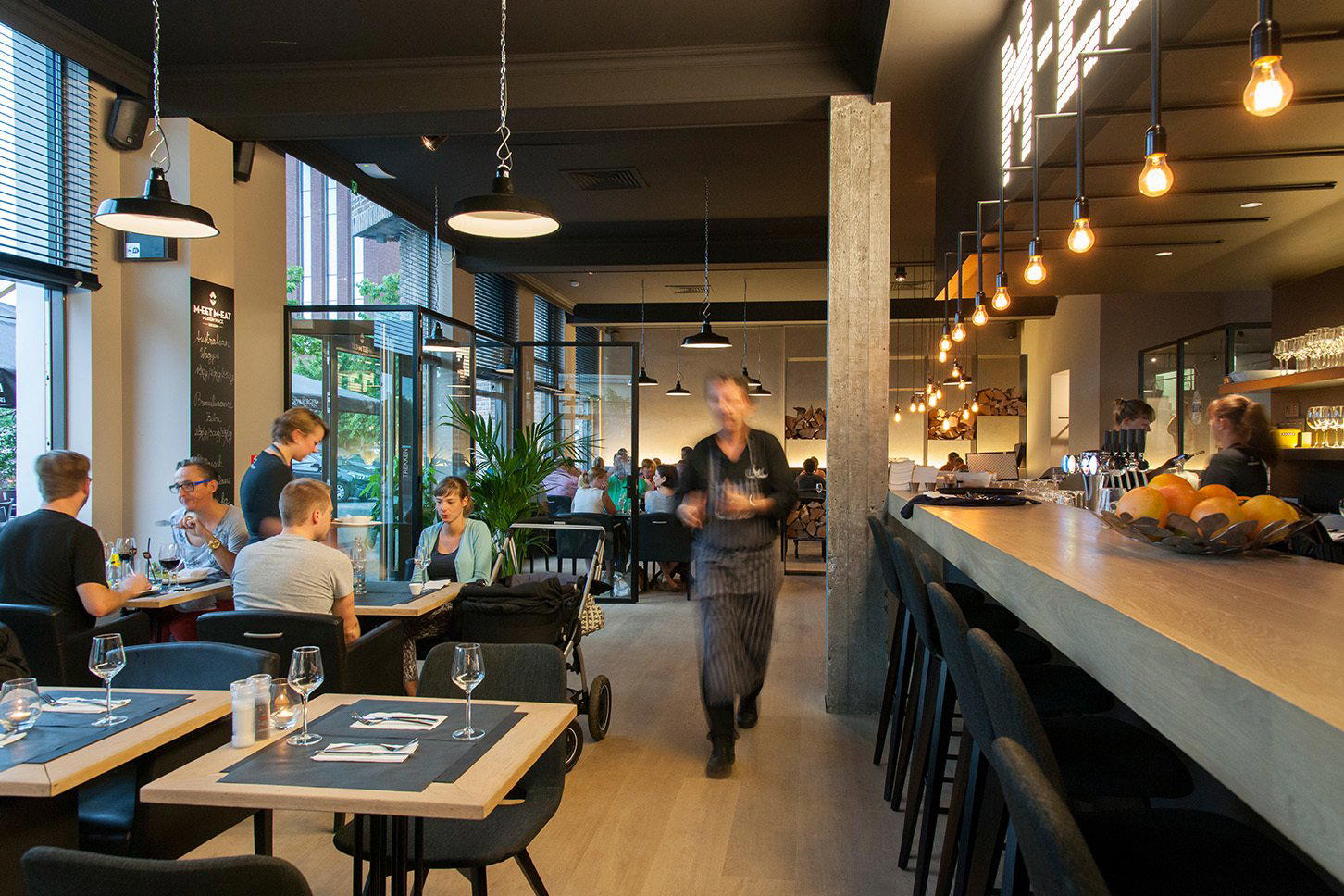
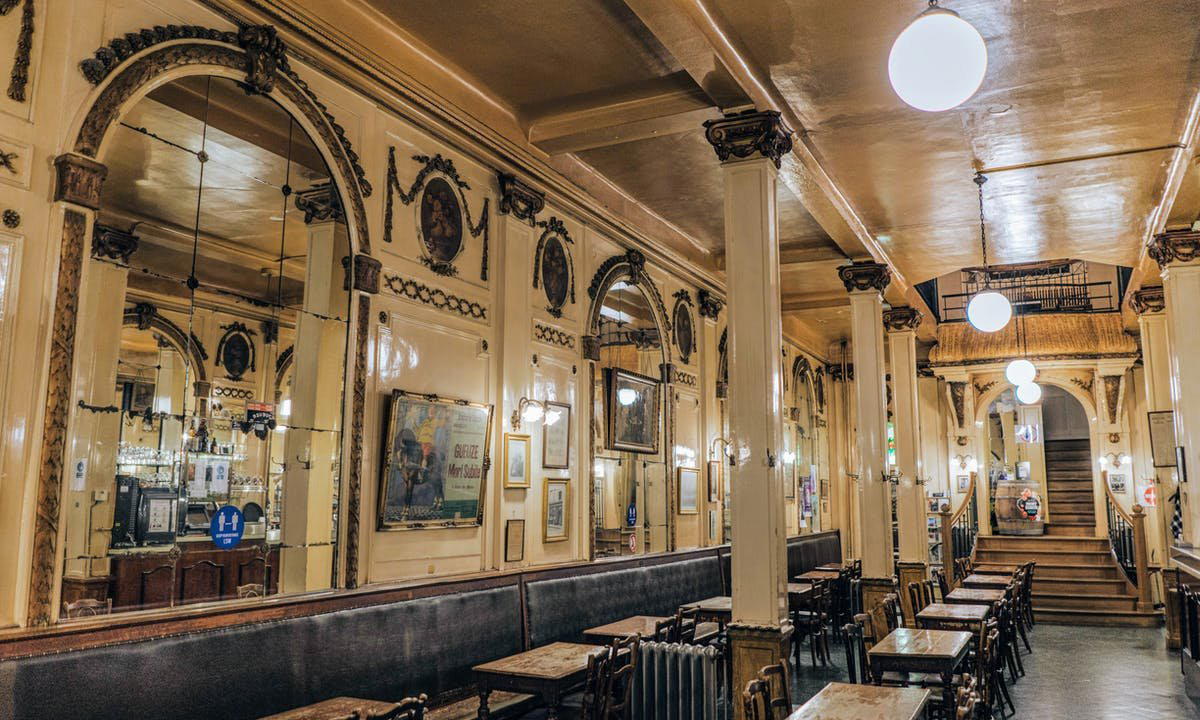
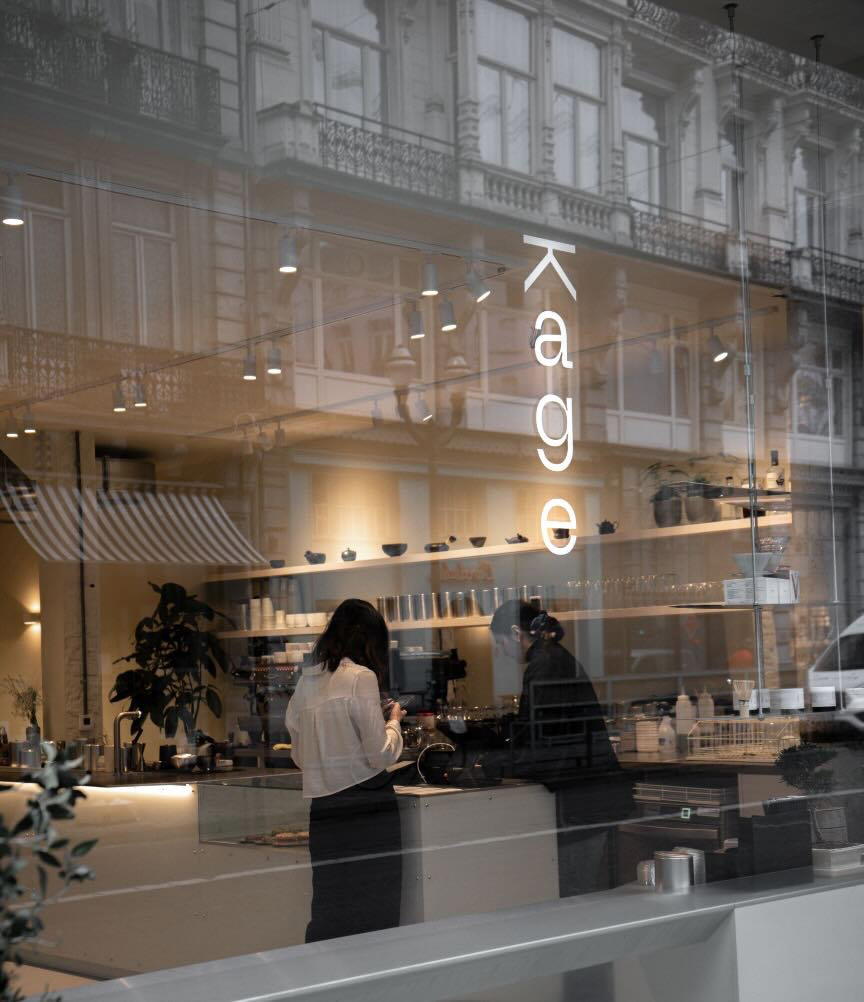
Streamlined, modern interior inspired by Scandinavia and New York with a metropolitan feel; calm and comfortable with leather seats and wooden decorations.
Know Before You Go
- Getting there
- Koning Albertplein 8, 2800 Mechelen, Belgium