Den Dorsvlegel
Den Dorsvlegel occupies a residential address on Heihoekstraat in Sint-Niklaas, placing it outside the city's central dining corridor and among the quieter neighbourhood tables that define Flemish provincial dining at its most considered. The address alone signals something about expectations: this is not a venue that courts passing trade. For those tracing Sint-Niklaas's dining scene beyond the obvious stops, it belongs on the shortlist alongside neighbours like Maison Pironne and Saveur.
Pearl is the En Primeur Club membership app — saves, bookings, and concierge access live there. Same editors, same standards.
- Address
- Heihoekstraat 155, 9100 Sint-Niklaas, Belgium
- Phone
- +3237662935
- Website
- dendorsvlegel.be
- Directions
- Get directions
 Saves & bookings on Pearl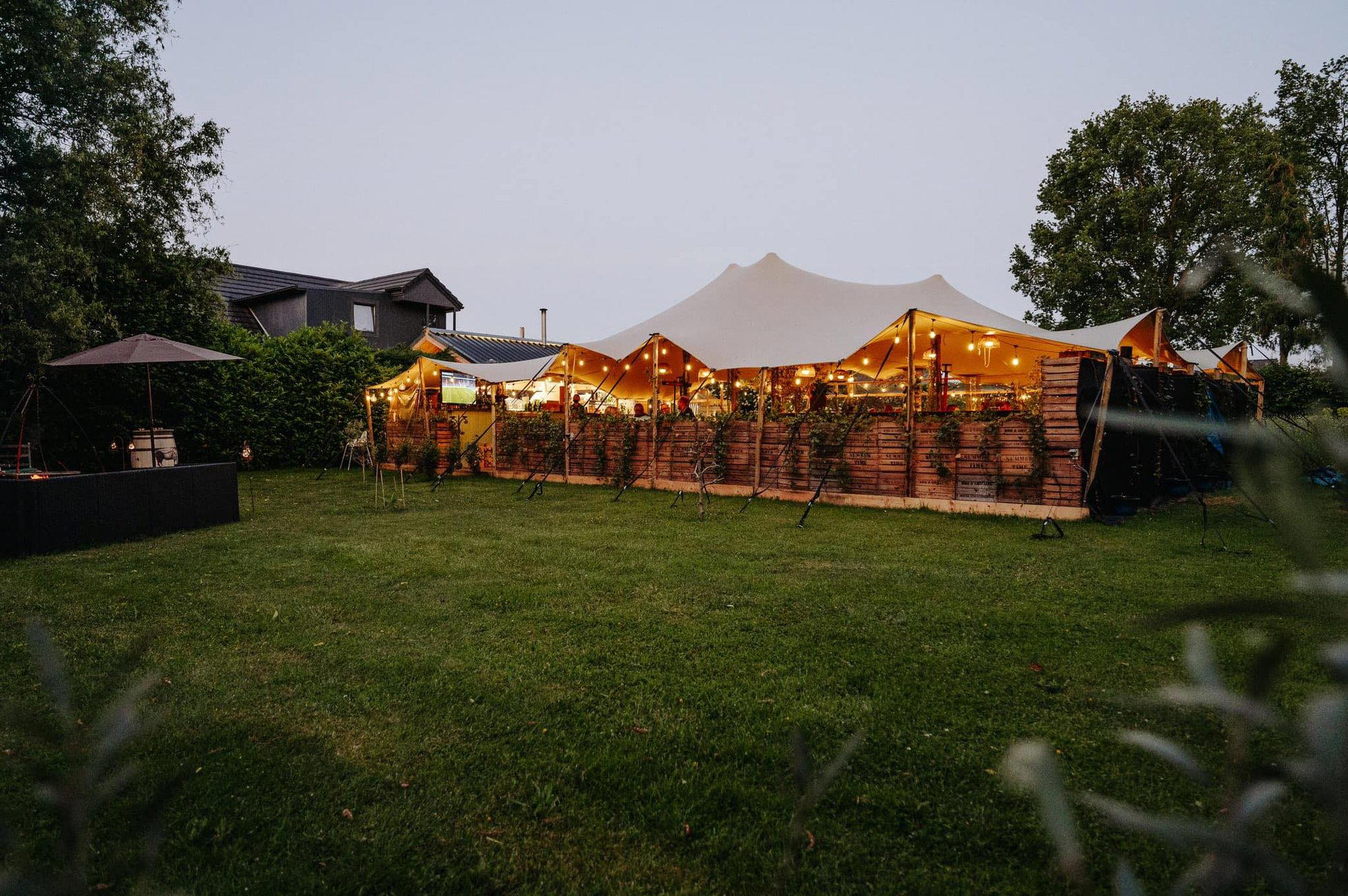
A Flemish Dining Ritual, Off the Main Road
Sint-Niklaas sits between Ghent and Antwerp in the Waasland region, a provincial city with a market square large enough to host a small festival and a dining scene that rewards those who look past the centre. The restaurants that define the city's better eating are rarely on the main square itself. They occupy residential streets, converted farmhouses, and addresses that require a deliberate decision to visit. Den Dorsvlegel, at Heihoekstraat 155 on the eastern edge of the city, fits this pattern precisely. Arriving here is not accidental: the neighbourhood is quiet, the street is residential, and the building's placement on the road tells you immediately that the room inside is meant for people who planned to be there.
That quality of intentionality is, in many ways, the defining ritual of provincial Flemish dining. Unlike Brussels or Antwerp, where a spontaneous evening can lead you into something worth remembering, Sint-Niklaas rewards forward planning. The city's better tables, from Maison Pironne to Saveur, operate as destination decisions rather than impulse stops. Den Dorsvlegel follows the same logic: you come because you chose to.
The Rhythm of the Meal
Belgian provincial dining has a specific pacing that distinguishes it from the faster-turnover restaurants of the major cities. Tables in towns like Sint-Niklaas tend to be held for the evening rather than turned twice. The meal moves through courses with deliberation, not urgency. Conversation fills the room between dishes. This is, in the broader European sense, a conservative dining culture, and it is not a criticism: it is a preservation of something that high-volume city restaurants have largely abandoned.
At an address like Den Dorsvlegel, that pacing is the point. The Flemish table ritual, with its emphasis on unhurried progression, seasonal product, and a wine list that encourages lingering, remains intact in restaurants at this tier and location. Compare this with the compressed tasting formats that now define Belgian dining at the highest level. Tables at Hof van Cleve in Kruishoutem or Boury in Roeselare operate within structured tasting sequences, often with matched wine pairings and a defined theatrical arc. Sint-Niklaas tables at the neighbourhood level tend toward something more informal: a menu of choices rather than a single imposed progression, and a room where the guest sets the pace rather than the kitchen.
For visitors arriving from Antwerp, the contrast is worth noting. A table at Zilte in Antwerp operates at a different register entirely, with panoramic harbour views and a formal multi-course architecture. The Sint-Niklaas equivalent, represented by places like Den Dorsvlegel, asks for less ceremony on arrival and rewards the guest with something closer to a private dinner than a performance.
Sint-Niklaas's Neighbourhood Dining Tier
The concentration of Michelin-recognised tables in Flanders is among the highest per capita in Europe, and a significant portion of those tables are in towns and villages rather than major cities. Sint-Niklaas participates in this pattern: its dining scene spans from casual brasseries on the Grote Markt through to address-specific neighbourhood restaurants that operate with genuine culinary ambition.
The restaurant's placement on Heihoekstraat positions it in the neighbourhood tier of that hierarchy. This is not a criticism of scale or ambition: some of Belgium's most genuinely pleasurable meals happen in exactly this format. The absence of hotel-restaurant infrastructure, the residential setting, and the deliberate address all suggest a room built for regulars and for visitors who do their research. This mirrors the format of tables like Ralf Berendsen in Neerharen or La Durée in Izegem, where location is a deliberate signal about the kind of experience on offer.
For those mapping Sint-Niklaas's dining options more broadly, the city also offers strong speciality alternatives. Chocolade-Atelier Vyverman and Chocolatier Wauters represent the city's craft chocolate tradition, while Resto B'Art anchors the more contemporary bistro format.
Flemish Restaurants in European Context
The format the restaurant represents has parallels across European provincial dining, but Belgium's version carries particular weight because of the national relationship with eating as a serious civic activity. Belgian diners at this level expect product quality over spectacle, a wine list with genuine depth in Belgian and French selections, and service that treats the meal as an adult transaction rather than an entertainment. This contrasts with the more theatrical formats that have defined international attention on dining in recent years.
Compare the format to a restaurant like Lazy Bear in San Francisco, where the entire architecture is built around a communal, performative experience, or Le Bernardin in New York City, where precision and formal ceremony are inseparable from the product itself. The Flemish provincial table occupies different territory: the meal is the centre of social life for the evening, not a compressed event designed to be photographed and shared. It is a slower, quieter, and in many ways more demanding form of hospitality, because the cooking has to carry the room without theatrical scaffolding.
Other Belgian examples operating with this kind of considered restraint include Vrijmoed in Ghent, Willem Hiele in Oudenburg, and d'Eugénie à Emilie in Baudour, each operating in regional contexts where the address itself communicates something about the kitchen's priorities. Cuchara in Lommel and Bozar Restaurant in Brussels represent the broader Belgian range, from provincial to metropolitan, across which the restaurant finds its place.
What It’s Closest To
Comparable venues nearby, for context on price, style, and recognition.
| Venue | Cuisine | Price | Awards | Notes |
|---|---|---|---|---|
| Den DorsvlegelThis venue — the venue you are viewing | Belgian Steakhouse | $$ | Not listed | Not listed |
| Saveur | Modern European Brasserie | $$ | Not listed | Belsele |
| Resto B'Art | French-Belgian Bistro | $$ | Not listed | Sint-Niklaas |
| Portobelfino | French with Belgian and Asian Fusion | $$$ | Not listed | Sint-Niklaas |
| Chocolade-Atelier Vyverman | Belgian Chocolatier | $ | Not listed | just outside centrum |
| Den Silveren Harynck | Classic French Fine Dining | $$$ | Michelin Plate | Sint-Niklaas |
Continue exploring
More in Sint Niklaas
Restaurants in Sint Niklaas
Browse all →
Bars in Sint Niklaas
Browse all →
At a Glance
- Cozy
- Classic
- Intimate
- Special Occasion
Current opening hours
- Monday
- 6:30–9:30 PM
- Tuesday
- Closed
- Wednesday
- Closed
- Thursday
- 6:30–9:30 PM
- Friday
- 6:30–9:30 PM
- Saturday
- 6:30–9:30 PM
- Sunday
- 6:30–9:30 PM
Hours can change for holidays and private events. Last verified .
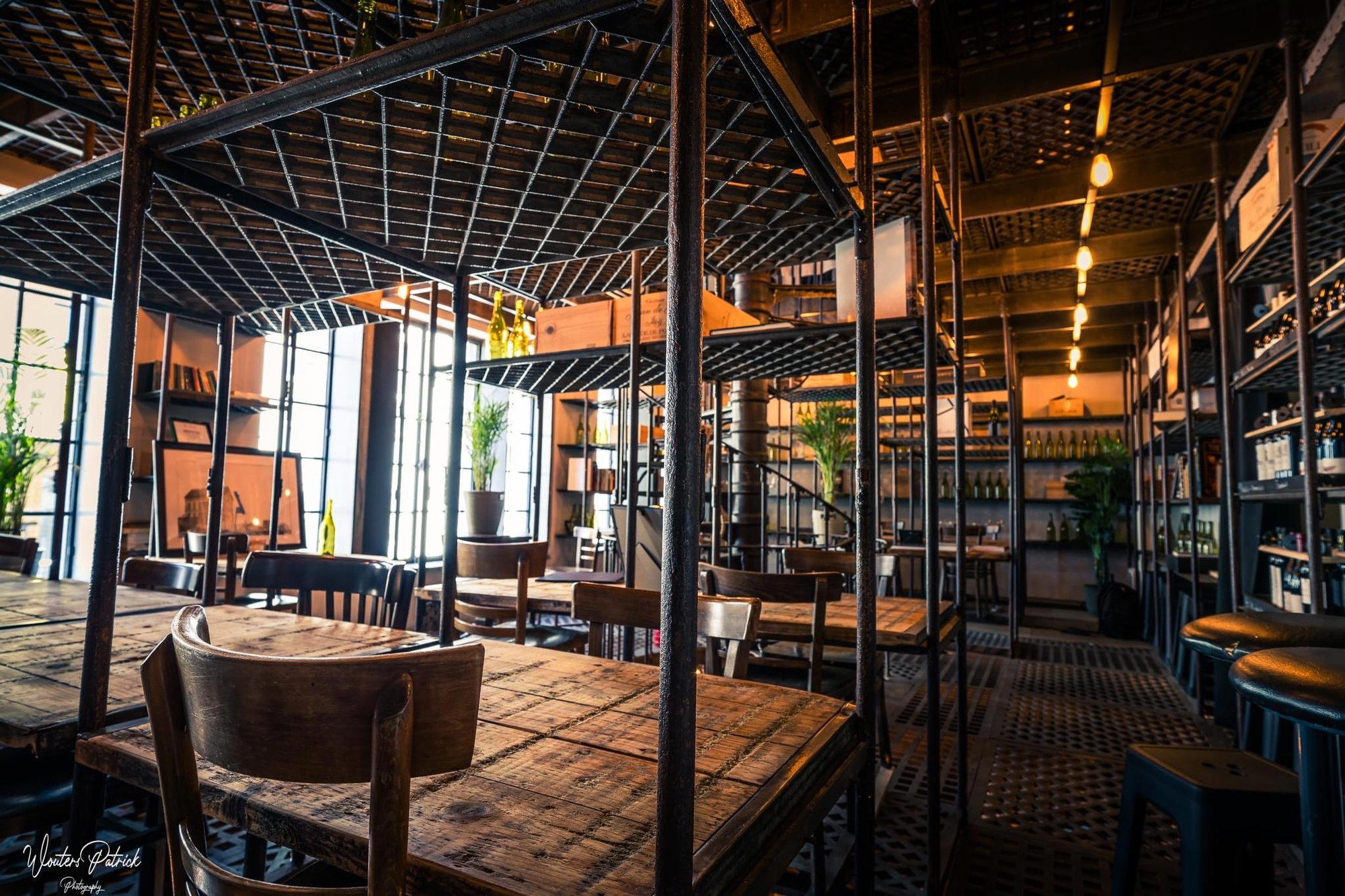
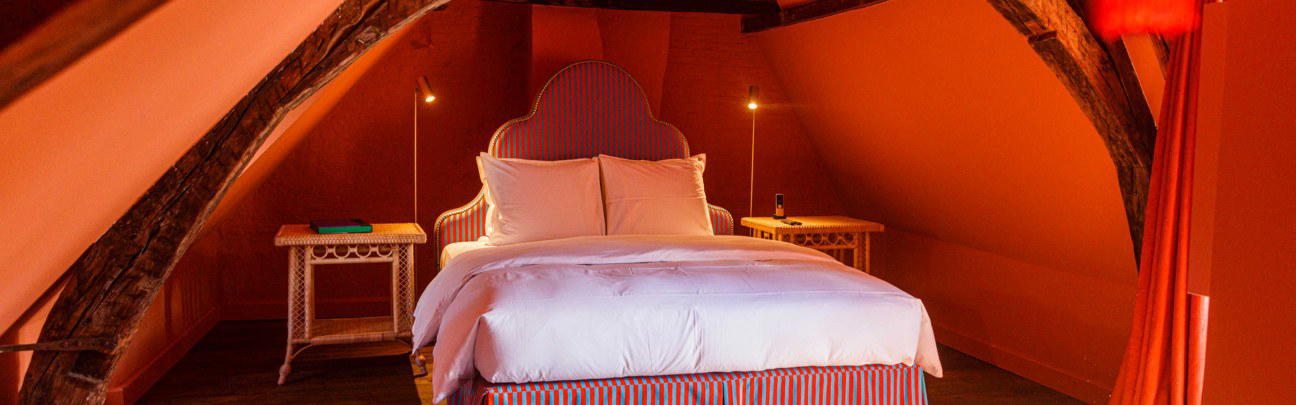
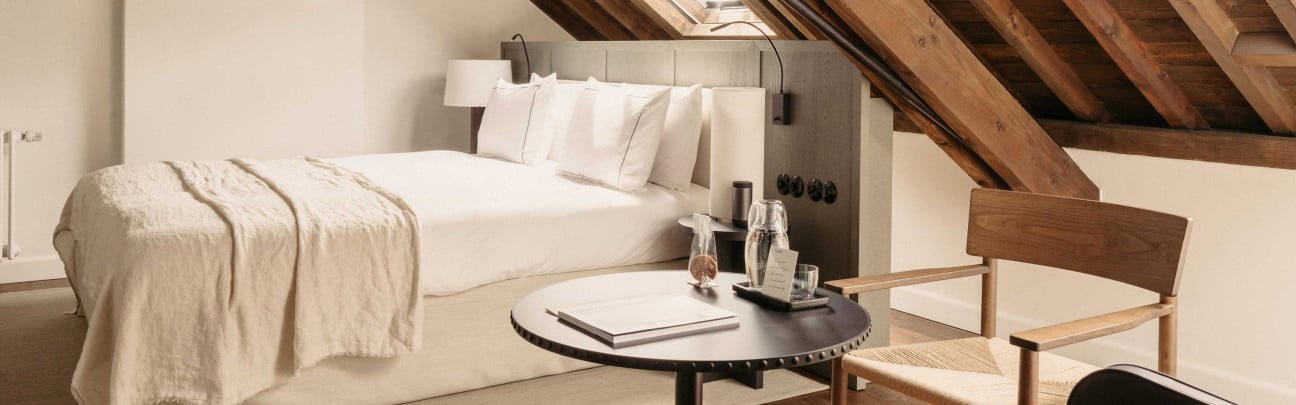
Homely and personal atmosphere in a huiselijke setting.