De Verleiding sits in the Pajottenland countryside outside Gooik, a region where locally rooted cooking has long drawn visitors away from Brussels. The restaurant's name, Dutch for 'the temptation', signals an approach that takes seasonal, sourced ingredients seriously. For a small Belgian commune, it represents the kind of quietly committed kitchen that rewards the detour.
Pearl is the En Primeur Club membership app — saves, bookings, and concierge access live there. Same editors, same standards.
- Address
- Ninoofsesteenweg 181, 1755 Pajottegem, Belgium
- Phone
- +3225322624
- Website
- de-verleiding.be
- Directions
- Get directions
 Saves & bookings on Pearl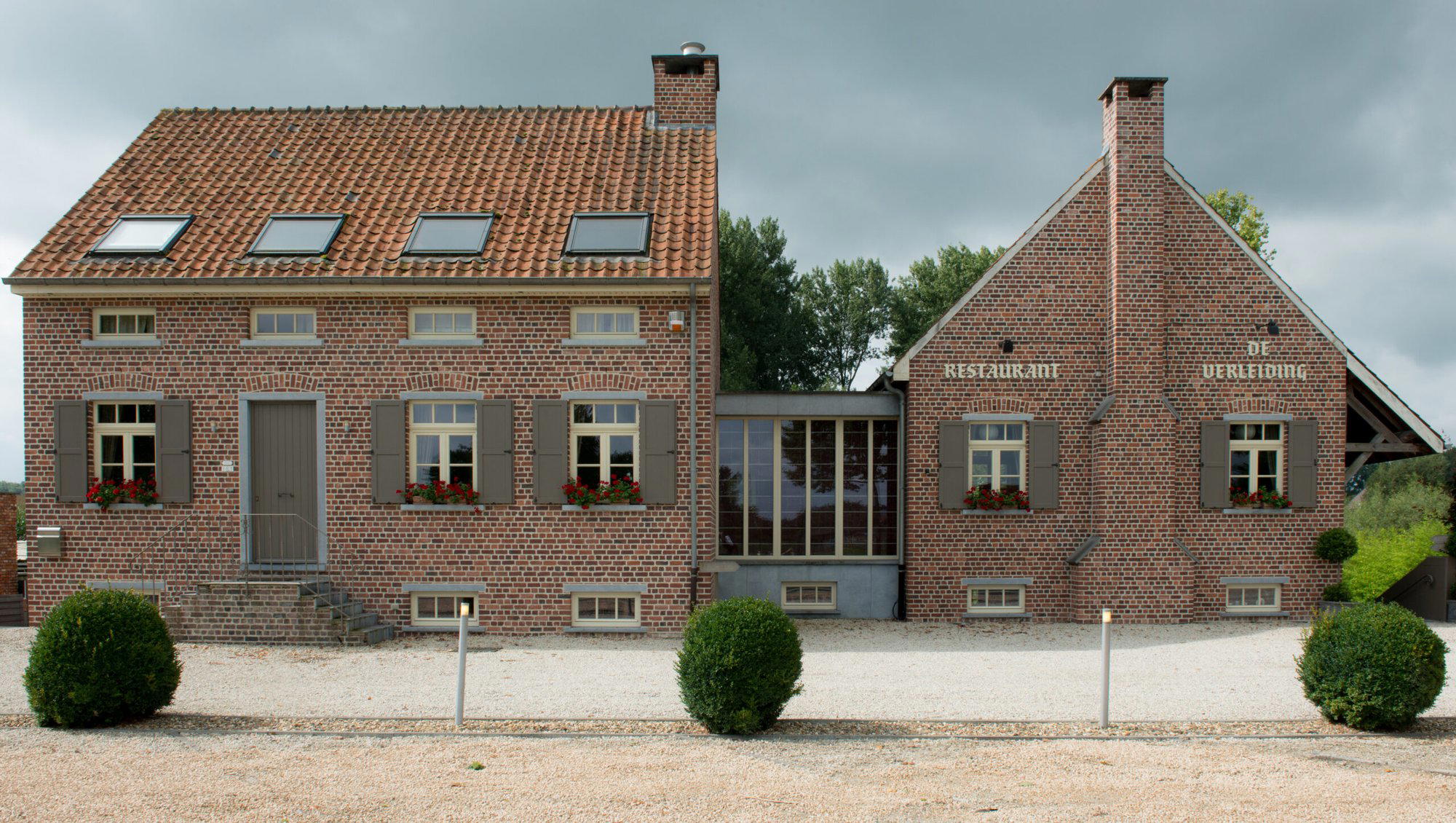
Pajottenland on the Plate
Belgium's Pajottenland sits southwest of Brussels in a corridor of low hills, hop fields, and lambic-brewing villages that has historically fed the capital without receiving much culinary attention in return. That dynamic has been shifting. Over the past decade, a tier of serious kitchens has opened or consolidated in Flemish Brabant's smaller communes, drawing on the region's produce heritage rather than orbiting the Brussels fine-dining circuit. De Verleiding, addressed on the Ninoofsesteenweg in Pajottegem near Gooik, belongs to that movement. Its name, Dutch for 'the temptation', frames the offer plainly: this is a place that wants to convince you the countryside merits the drive.
The road out from Brussels passes through productive agricultural land. Pajottenland is grain country, orchard country, and the historic home of spontaneous-fermentation brewing, a landscape shaped by what grows here rather than by what gets imported. Kitchens that take that provenance seriously, working with local growers and seasonal rhythms, occupy a different register from the city restaurants making global technique the centerpiece. maps more of that regional picture for visitors planning an extended stay.
Where the Ingredients Come From, and Why That Matters
Belgian cooking at its most considered is rooted in terroir in a way that rarely gets the international attention it deserves. The country's northern Flemish tradition draws on centuries of market-garden culture, river fishing, and livestock farming within short distances of the kitchen. Regions like Pajottenland were supplying Brussels tables long before farm-to-table became a marketing category. A kitchen that operates here with genuine sourcing discipline is not performing a trend, it is reconnecting with how this region cooked before supply chains made geography irrelevant.
That context matters when reading De Verleiding's position among Belgian destination restaurants. The country's decorated tier, places like Hof van Cleve - Floris Van Der Veken in Kruishoutem or Zilte in Antwerp, operates with international sourcing networks and Michelin-star pressure. A smaller countryside kitchen in Flemish Brabant works in a different mode: closer supply chains, more direct relationships with growers, and menus that shift with what the surrounding land is actually producing. Neither approach is superior in absolute terms, but they represent genuinely different dining propositions for the traveller choosing between them.
Comparable kitchens in Belgium's smaller communes have built strong reputations on exactly this model. Willem Hiele in Oudenburg draws its coastal identity from hyper-local West Flemish sourcing, while Ralf Berendsen in Neerharen anchors its menu in the Limburg countryside. The pattern holds: Belgium's most interesting non-urban kitchens tend to treat geography as the organizing principle of what appears on the plate.
The Gooik Context
Gooik is a small Flemish municipality with a combined population across its constituent villages of under fifteen thousand. It is not a dining destination in the way that Ghent or Antwerp are, there is no strip of restaurants, no evening foot traffic, no hotel cluster. What it has is a productive agricultural hinterland, relative quiet, and the kind of low-overhead environment that allows a kitchen to focus on the cooking rather than on managing a high-volume urban operation. Restaurant Popelier is the other notable address in the immediate area, giving the commune a small but credible dining cluster for a municipality of its size.
The Belgian countryside restaurant model involves a trade-off that visiting diners should weigh consciously. That inconvenience filters the audience, which in practice means a room of committed diners rather than passing trade. Restaurants in this position, also true of La Table de Maxime in Our or d'Eugénie à Emilie in Baudour, tend to earn loyalty rather than novelty visits, which shapes both the atmosphere and the kitchen's relationship with returning guests.
Belgian Fine Dining Beyond the Capital
Brussels anchors Belgium's restaurant reputation internationally, with addresses like Bozar Restaurant and Le Chalet de la Forêt in Uccle drawing international coverage. But the country's real dining breadth lives outside the capital. Flanders in particular has built a dense network of serious kitchens across its smaller cities and countryside addresses. Boury in Roeselare, Vrijmoed in Gent, and La Durée in Izegem each represent a distinct strand of modern Flemish cooking, creative French technique meeting local produce, that has made the region among the more consistently interesting in Western Europe for serious diners.
Against that backdrop, a Pajottenland address like De Verleiding occupies a specific role: not competing on scale or decoration with the urban tier, but offering something those kitchens structurally cannot, genuine proximity to source. For diners who have covered the Flemish city circuit and want to understand what the region's cooking looks like when the field is twenty minutes from the kitchen rather than a supplier catalogue, the countryside detour makes sense.
International visitors who have already absorbed the Brussels fine-dining register, or those arriving from ambitious coastal programs like Castor in Beveren or De Jonkman in Sint-Kruis, will find the restaurant's Pajottenland setting offers a different calibration. It is useful to arrive with that frame rather than expecting the production values of a city restaurant.
Planning the Visit
Reaching the restaurant at Ninoofsesteenweg 181, 1755 Pajottegem requires a car in practice; the address sits on a regional road between Gooik and Ninove, accessible from Brussels via the N8. Visitors combining the meal with broader Flemish Brabant exploration can pair it with the Pajottenland's lambic breweries and orchard villages, which share the same agricultural calendar the kitchen works with. For wider context on the regional dining scene, the Gooik guide covers the surrounding area in full.
For those calibrating the restaurant against other destination formats internationally, the closest structural parallel may be the committed rural European kitchen model, closer in spirit to what Lazy Bear in San Francisco or Le Bernardin in New York City do with urban sourcing networks, but working with the specific logic of the Belgian countryside: short chains, seasonal discipline, and a regional identity that predates modern fine dining's vocabulary for describing it.
Fast Comparison
Comparable venues nearby, for context on price, style, and recognition.
| Venue | Cuisine | Price | Notes |
|---|---|---|---|
| De VerleidingThis venue — the venue you are viewing | Classic French-Belgian Fine Dining | $$$ | Not listed |
| Restaurant Popelier | French Steakhouse with Belgian Influences | $$ | Gooik |
| Au Bain Marie | French-Belgian Seasonal Bistro | $$$ | Astene |
| Maurice Le Limonadier | Modern French-Belgian Bistro | $$$ | central |
| SILO | Modern Belgian Brasserie | $$$ | Wijnegem |
| Bistro 20 | Franse bistronomische keuken | $$$ | centrum |
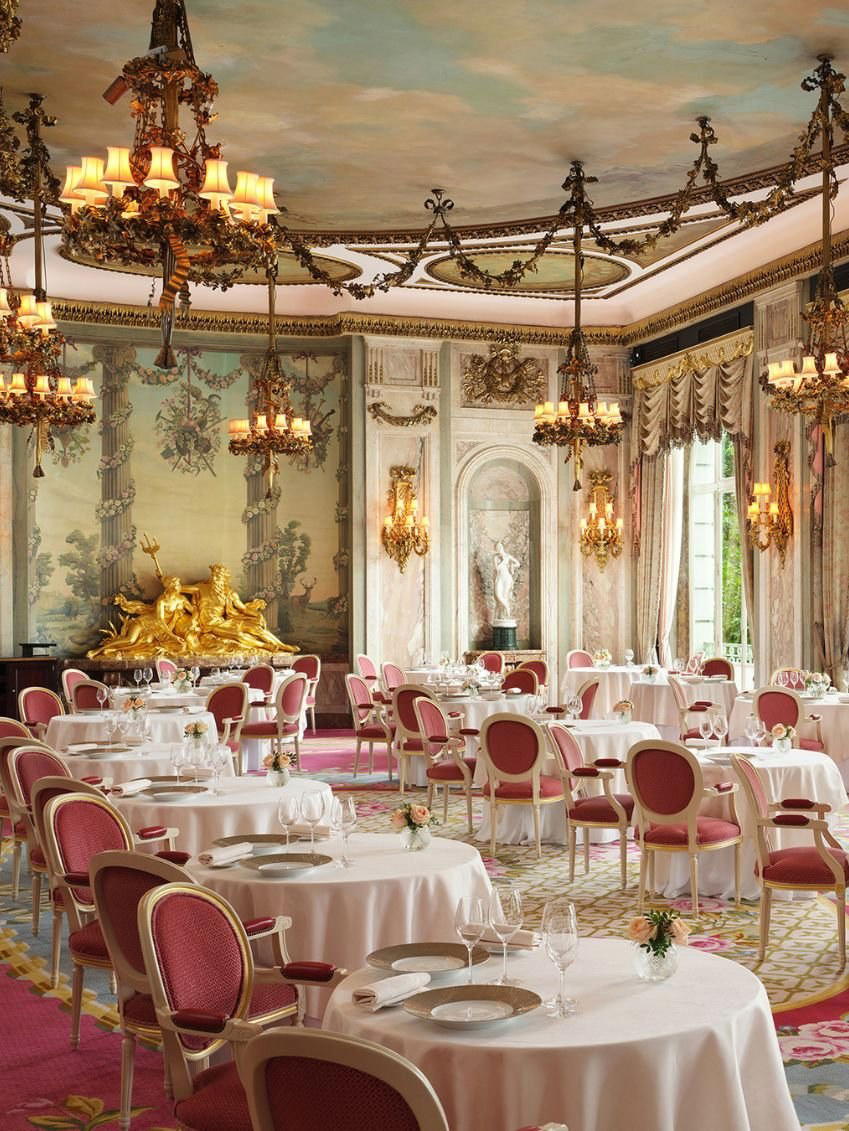
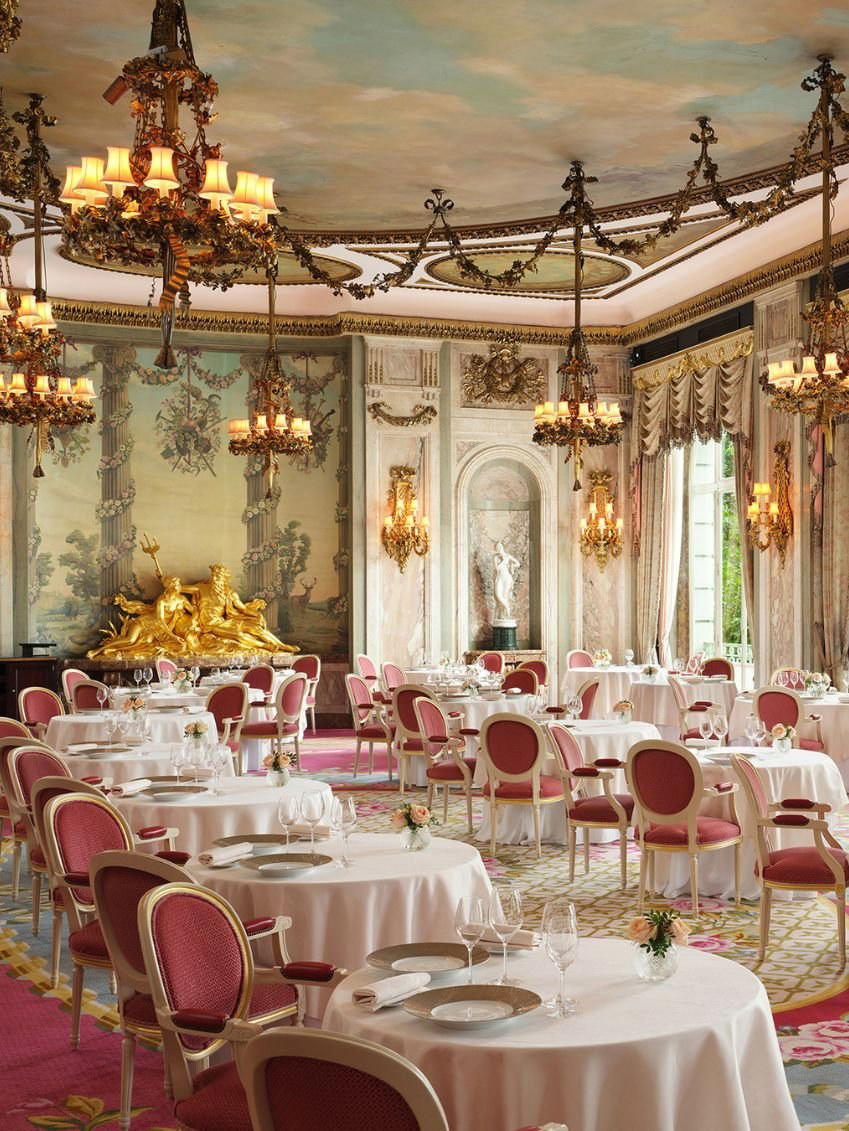
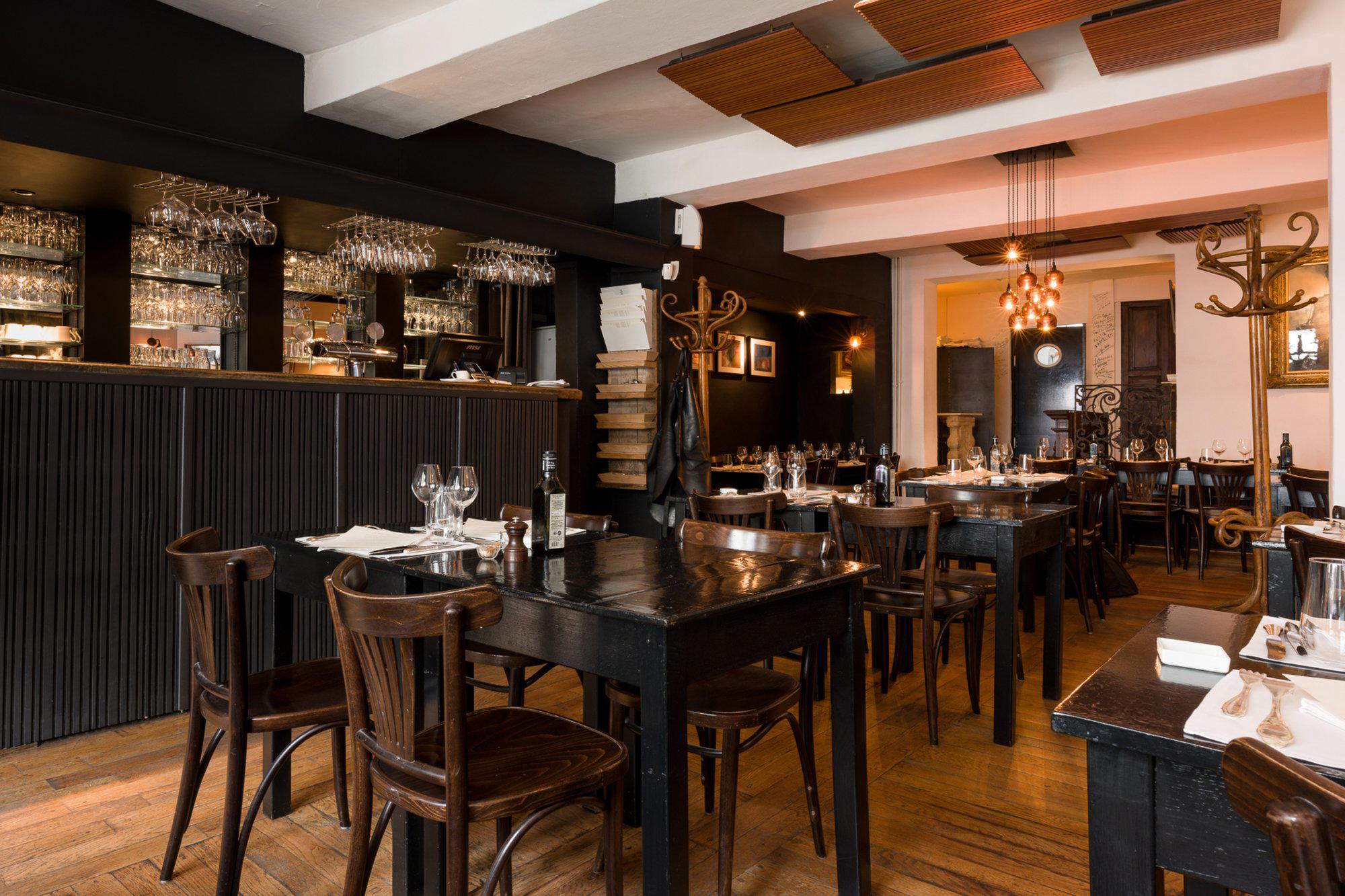
At a Glance
- Elegant
- Cozy
- Special Occasion
- Date Night
- Standalone
Current opening hours
- Monday
- Closed
- Tuesday
- Closed
- Wednesday
- 12–2 PM, 7–9:30 PM
- Thursday
- 12–2 PM, 7–9:30 PM
- Friday
- 12–2 PM, 7–9:30 PM
- Saturday
- 7–9:30 PM
- Sunday
- 12–2 PM
Hours can change for holidays and private events. Last verified .
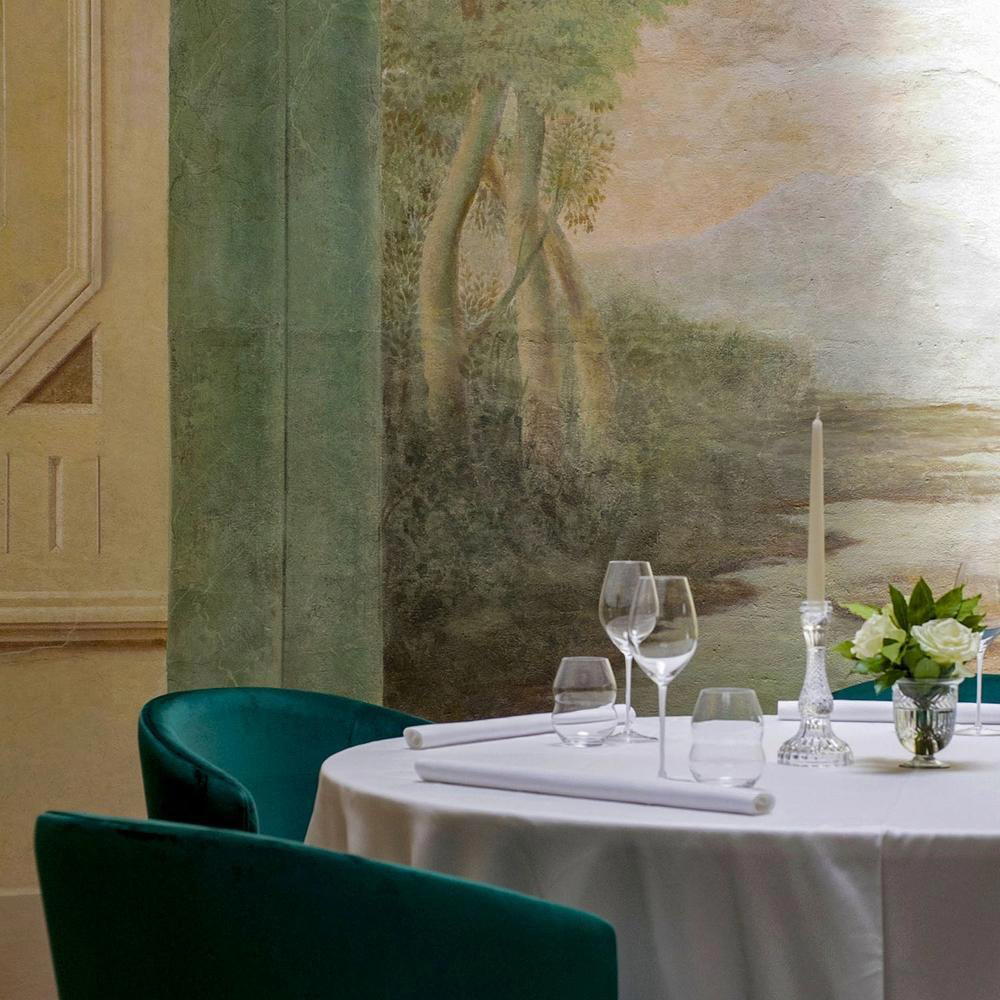
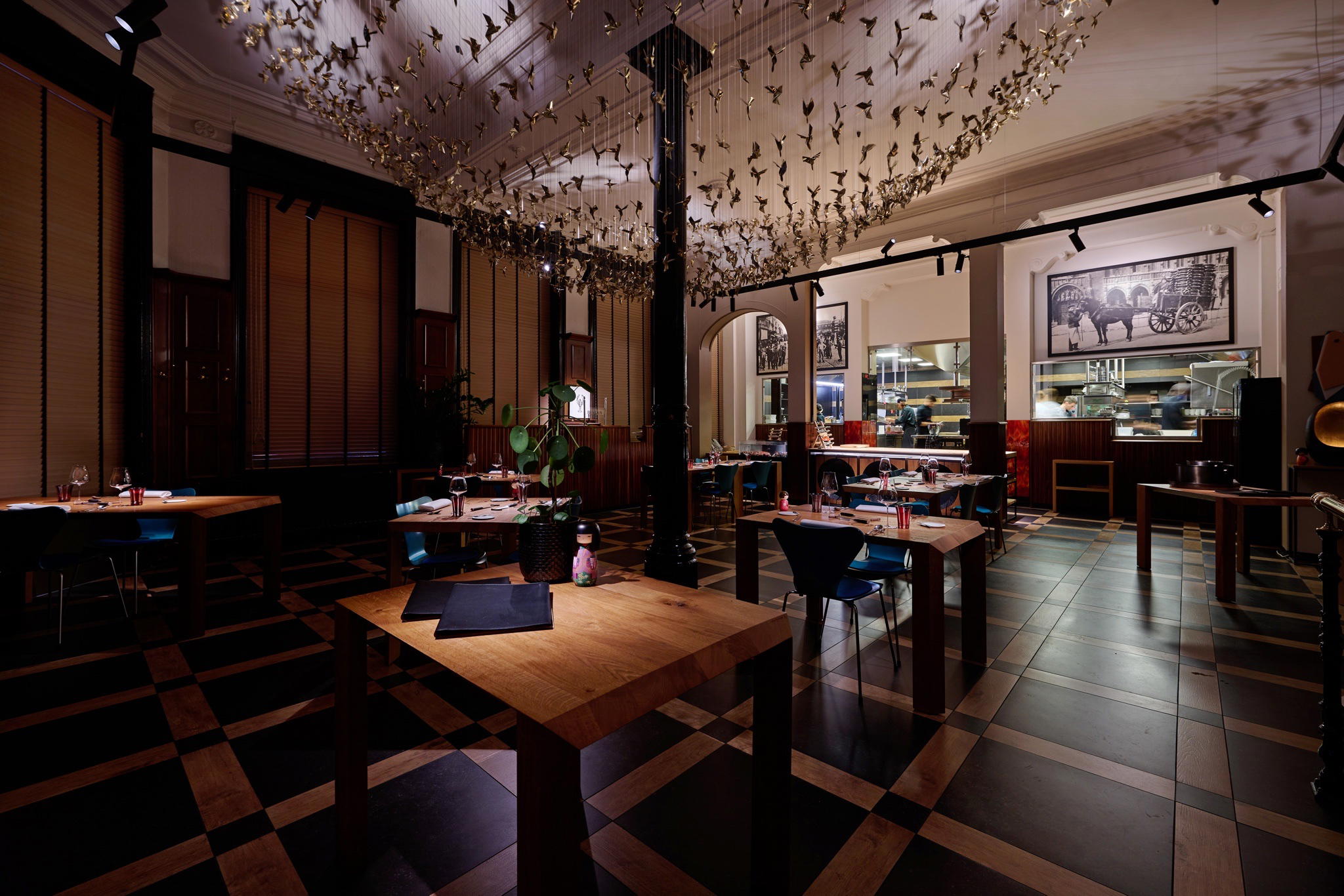
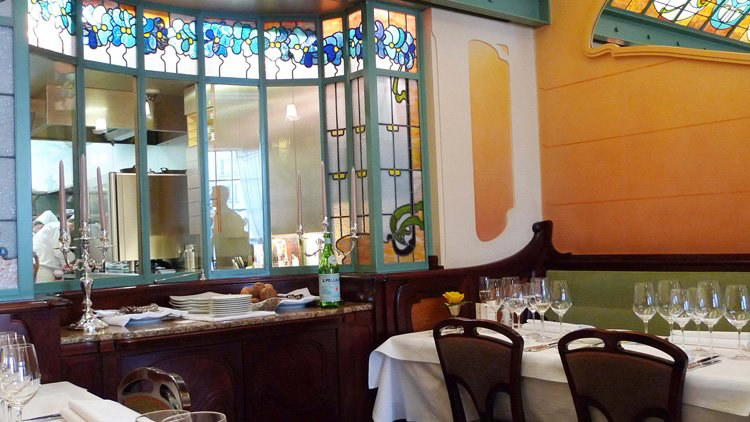
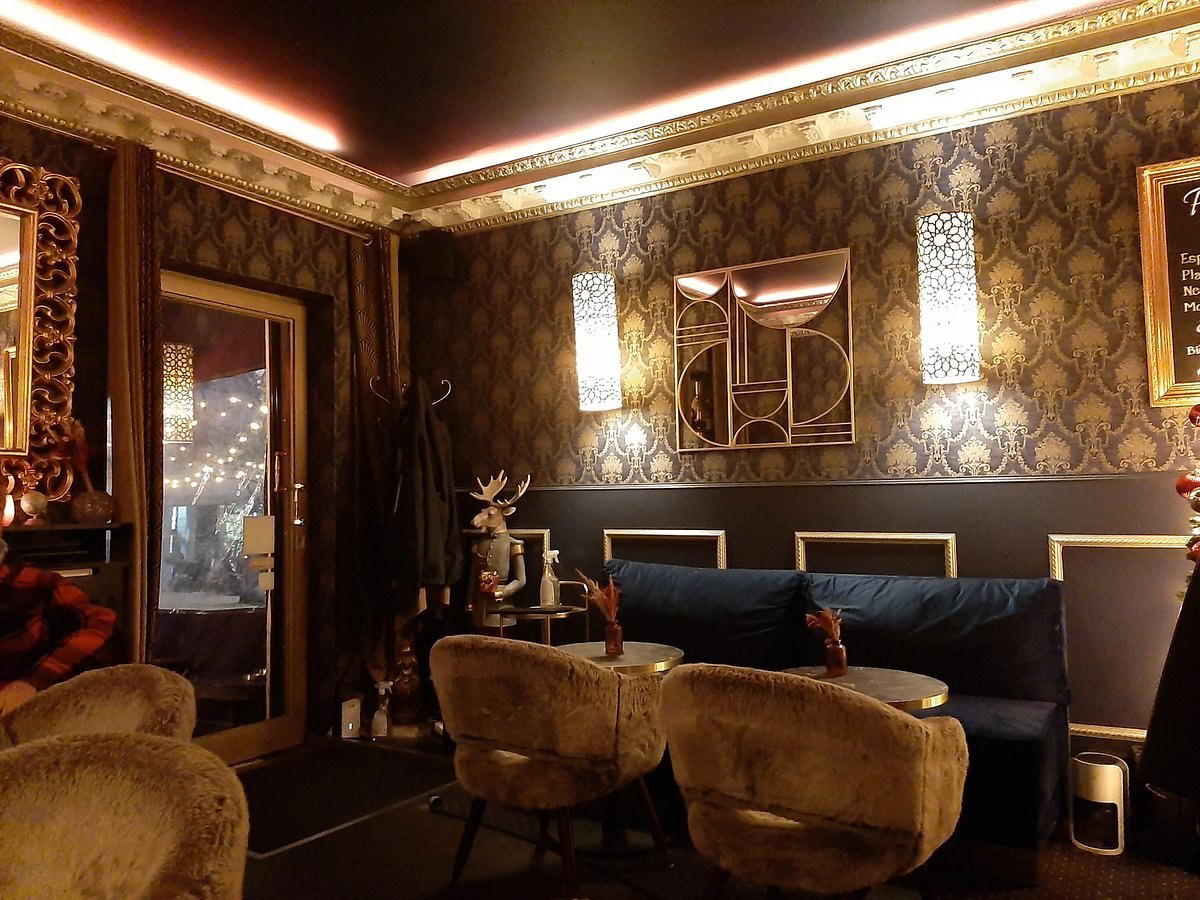
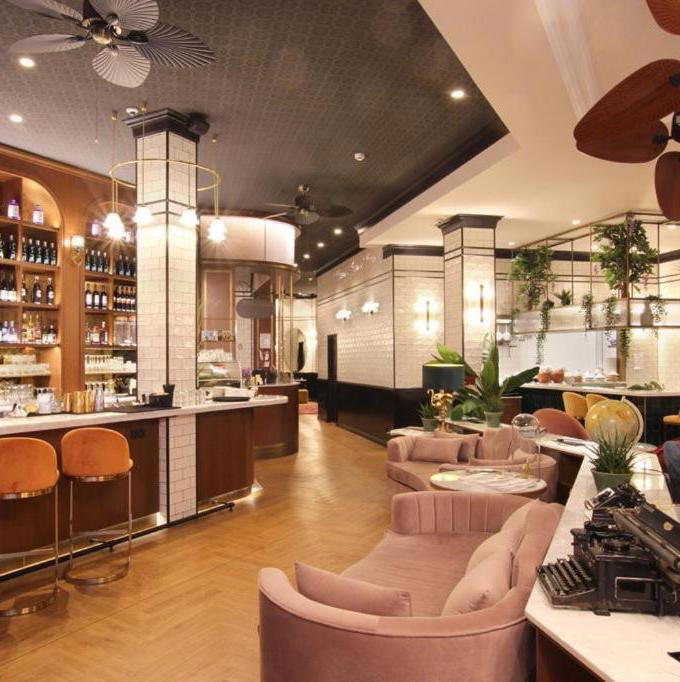
Classy and welcoming atmosphere with flair in a beautifully renovated space.