Som Tam
Som Tam brings Thai cooking to Avenue Charles-Quint in Sint Agatha Berchem, a Brussels commune where the restaurant offer skews heavily toward French-Belgian convention. The kitchen takes its name from the green papaya salad that anchors northeastern Thai cuisine, signalling an ingredient-led focus that sits apart from the neighbourhood norm. For Brussels diners tracking Southeast Asian cooking beyond the city centre, it represents a practical and geographically distinct option.
Pearl is the En Primeur Club membership app — saves, bookings, and concierge access live there. Same editors, same standards.
- Address
- Av. Charles-Quint 578, 1082 Bruxelles, Belgium
- Phone
- +3224789313
- Website
- somtam.be
- Directions
- Get directions
 Saves & bookings on Pearl
Thai Cooking on a Brussels Arterial Road
Avenue Charles-Quint is not a dining destination in the way that central Brussels streets attract food attention. It is a broad arterial road connecting the western communes to the inner ring, lined with neighbourhood shops, pharmacy chains, and the kind of modest restaurants that serve the immediate residential population rather than cross-city visitors. Som Tam is a restaurant in Sint Agatha Berchem, Brussels, serving Modern Lao-Thai Fusion at Avenue Charles-Quint 578. In a commune where the restaurant offer defaults to French-Belgian brasserie conventions, a Thai kitchen drawing on the ingredient logic of northeastern and central Thailand occupies a different register entirely.
The name itself is a positioning statement. Som tam, the shredded green papaya salad dressed with fish sauce, lime, palm sugar, chillis, and dried shrimp, is the defining dish of Isan cuisine, the northeastern region of Thailand that borders Laos. Using it as a restaurant name in Sint Agatha Berchem signals that the kitchen is not orienting around the adapted, sweetened Thai-European fusion that fills much of the market in Belgium. The salad requires unripe papaya at the right stage of firmness, a mortar technique that bruises rather than pulps the aromatics, and calibration between heat, acid, and salt that takes practice to execute consistently. Naming a restaurant after a dish that is difficult to get right in a European context is either confident or reckless, and both possibilities are more interesting than a restaurant named after a founder.
Where the Ingredients Come From and Why That Question Matters
Belgian diners have become accustomed, over the past decade, to hearing sourcing narratives attached to European fine dining. The Belgian dining circuit, from Hof van Cleve - Floris Van Der Veken in Kruishoutem in Kruishoutem through to Boury in Roeselare and Zilte in Antwerp, has built much of its identity around Belgian and regional produce, treated with French technique. That sourcing story is coherent because the ingredients are local. For a Thai kitchen in Brussels, the sourcing question is structurally different and in some ways more demanding.
Southeast Asian cooking depends on a specific set of aromatics, proteins, and fermented condiments that either need to be imported or substituted. Galangal, lemongrass, kaffir lime leaves, Thai basil, green papaya, fish sauce, shrimp paste, and bird's eye chillis all behave differently from their closest European equivalents, and in several cases have no real substitute at all. Brussels has a functional Asian wholesale and retail infrastructure, particularly around the Anneessens quarter and the larger Asian supermarkets accessible from the inner ring, which means a committed kitchen can source genuine materials. Whether Som Tam uses that infrastructure, or supplements it with produce grown closer to home, is the operative question that shapes everything else on the plate.
This is not a concern distinctive to the restaurant. It sits at the centre of how any serious Southeast Asian restaurant in a northern European city earns or loses credibility. The Thai restaurants that hold sustained local reputations in cities like Brussels, Amsterdam, and London typically share one characteristic: they do not substitute galangal with ginger, or dried shrimp paste with anchovy paste, because they have found reliable import channels. The ones that do substitute tend to produce food that tastes approximately Thai, which is a different thing from Thai cooking executed with the right materials.
Sint Agatha Berchem in the Brussels Restaurant Context
Sint Agatha Berchem is administratively separate from the City of Brussels but sits within the Brussels Capital Region, bordered by Jette, Ganshoren, and Molenbeek-Saint-Jean. Its restaurant density is lower than the communes closer to the centre, and its dining identity is shaped more by neighbourhood necessity than by destination ambition. The closest reference point on the EP Club platform for the immediate area is Brasserie de la Gare, which represents the French-Belgian brasserie default that defines much of the commune's offer.
For diners whose frame of reference is the Belgian fine dining circuit, the restaurant occupies a different tier and a different tradition entirely. The high-end Belgian table, represented in Brussels proper by addresses such as Bozar Restaurant in Brussels and Le Chalet de la Forêt in Uccle, and across the country by Willem Hiele in Oudenburg, Bartholomeus in Heist, De Jonkman in Sint-Kruis, L'air du temps in Liernu, La Durée in Izegem, La Table de Maxime in Our, Maison Colette in Tongerlo, d'Eugénie à Emilie in Baudour, and Castor in Beveren, operates within a French-technique framework that has little structural overlap with a northeastern Thai kitchen. That separation is not a hierarchy. It is a reminder that the useful comparison set for the restaurant is not Belgian fine dining but the broader Thai restaurant offer in the Brussels region, against which its ingredient standards and consistency should be measured.
For context beyond Belgium, the Thai cooking that has attracted sustained critical attention internationally, including from publications that cover restaurants such as Le Bernardin in New York City and Atomix in New York City, has consistently rewarded kitchens that resist adaptation and maintain sourcing discipline. That pattern holds across cities and is as relevant in Brussels as anywhere else.
Planning a Visit
The restaurant is located at Avenue Charles-Quint 578, 1082 Bruxelles, in Sint Agatha Berchem. The address is accessible by tram and bus connections that serve the Charles-Quint corridor from the Brussels centre, making it reachable without a car, though journey times from the inner city will add fifteen to twenty minutes compared with central dining destinations. The restaurant is open Tuesday to Friday from 12 to 2 PM and 6:30 to 10 PM, Saturday from 6:30 to 10:30 PM, and is closed Monday and Sunday. Reservations are recommended.
At-a-Glance Comparison
Comparable venues nearby, for context on price, style, and recognition.
| Venue | Cuisine | Price | Notes |
|---|---|---|---|
| Som TamThis venue — the venue you are viewing | Modern Lao-Thai Fusion | $$ | Not listed |
| Brasserie de la Gare | Classic Belgian Brasserie | $$ | Berchem-Sainte-Agathe |
| Tamo | Thai | $$ | t'Zuid |
| Meaw's Table | Authentic Thai | $$ | Tremelo |
| Petit Thai | Authentic Everyday Thai | $$ | Binnenstad |
| SAO Thai Cuisine | Authentic Thai Bistronomy | $$ | Châtelain |
Continue exploring
More in Sint Agatha Berchem
Restaurants in Sint Agatha Berchem
Browse all →
Bars in Sint Agatha Berchem
Browse all →
At a Glance
- Cozy
- Elegant
- Intimate
- Date Night
- Special Occasion
- Garden
- Private Dining
- Extensive Wine List
- Garden
Current opening hours
- Monday
- Closed
- Tuesday
- 12–2 PM, 6:30–10 PM
- Wednesday
- 12–2 PM, 6:30–10 PM
- Thursday
- 12–2 PM, 6:30–10 PM
- Friday
- 12–2 PM, 6:30–10 PM
- Saturday
- 6:30–10:30 PM
- Sunday
- Closed
Hours can change for holidays and private events. Last verified .
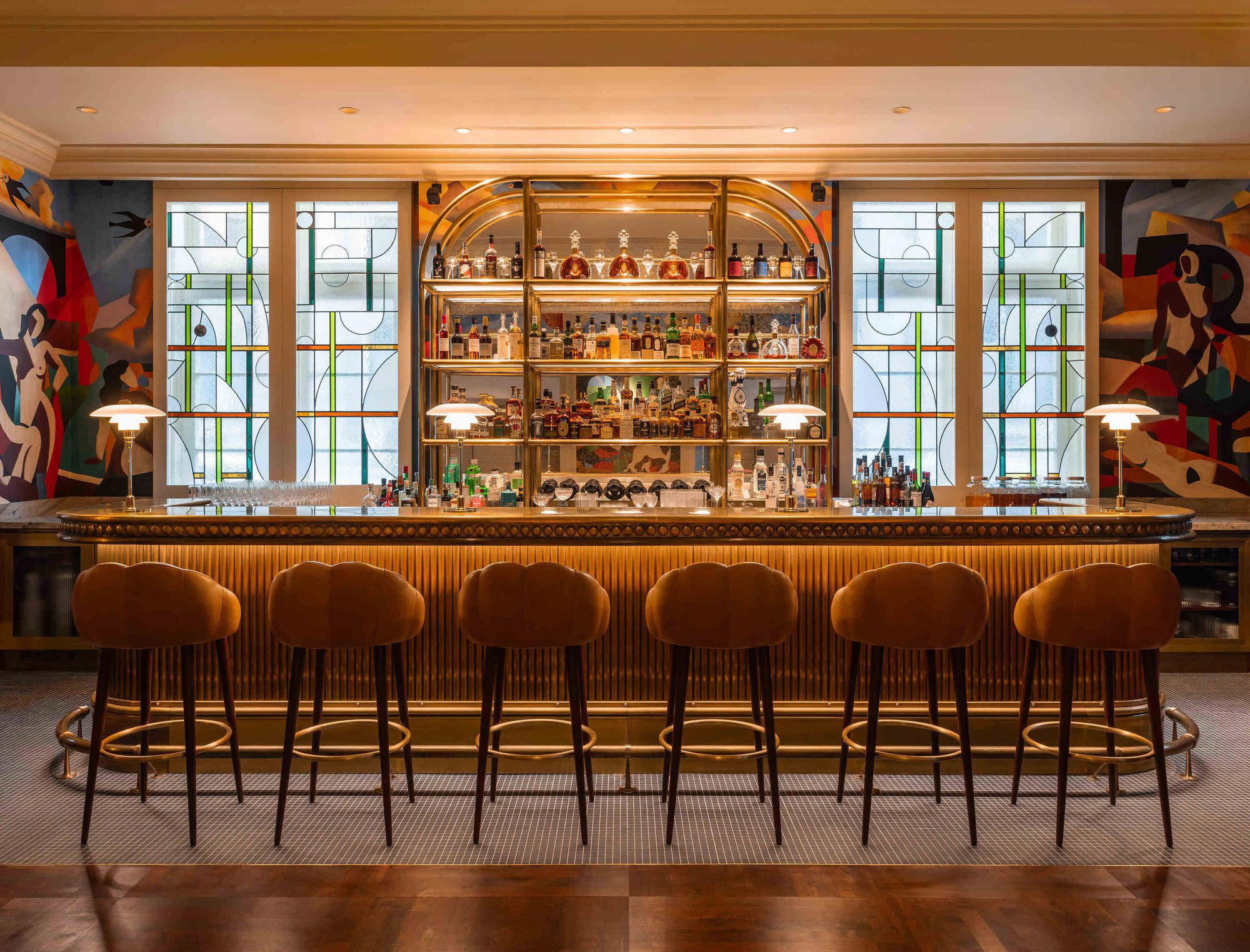
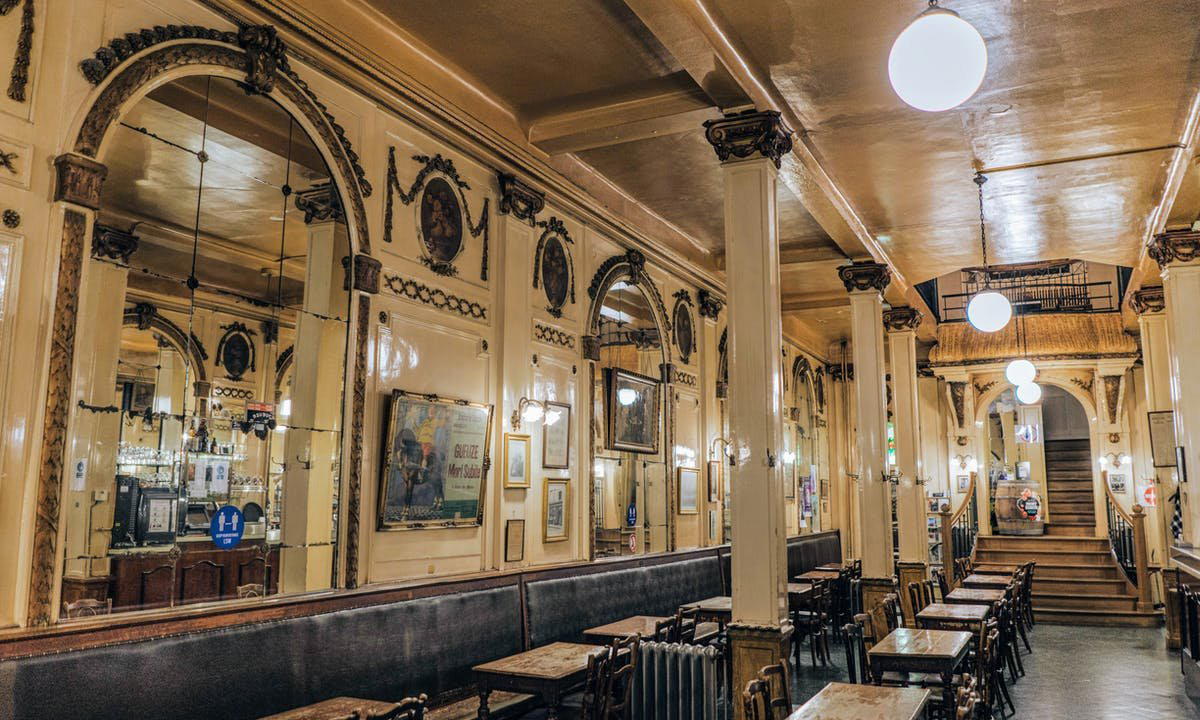
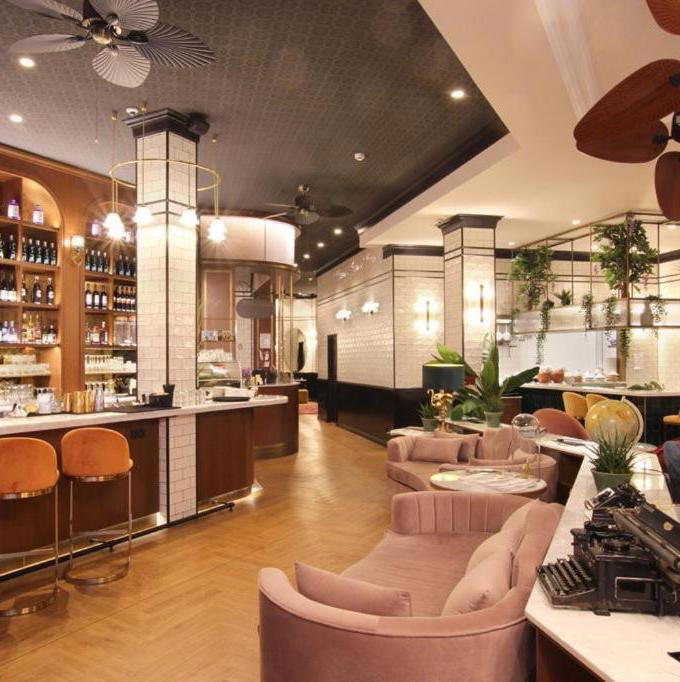
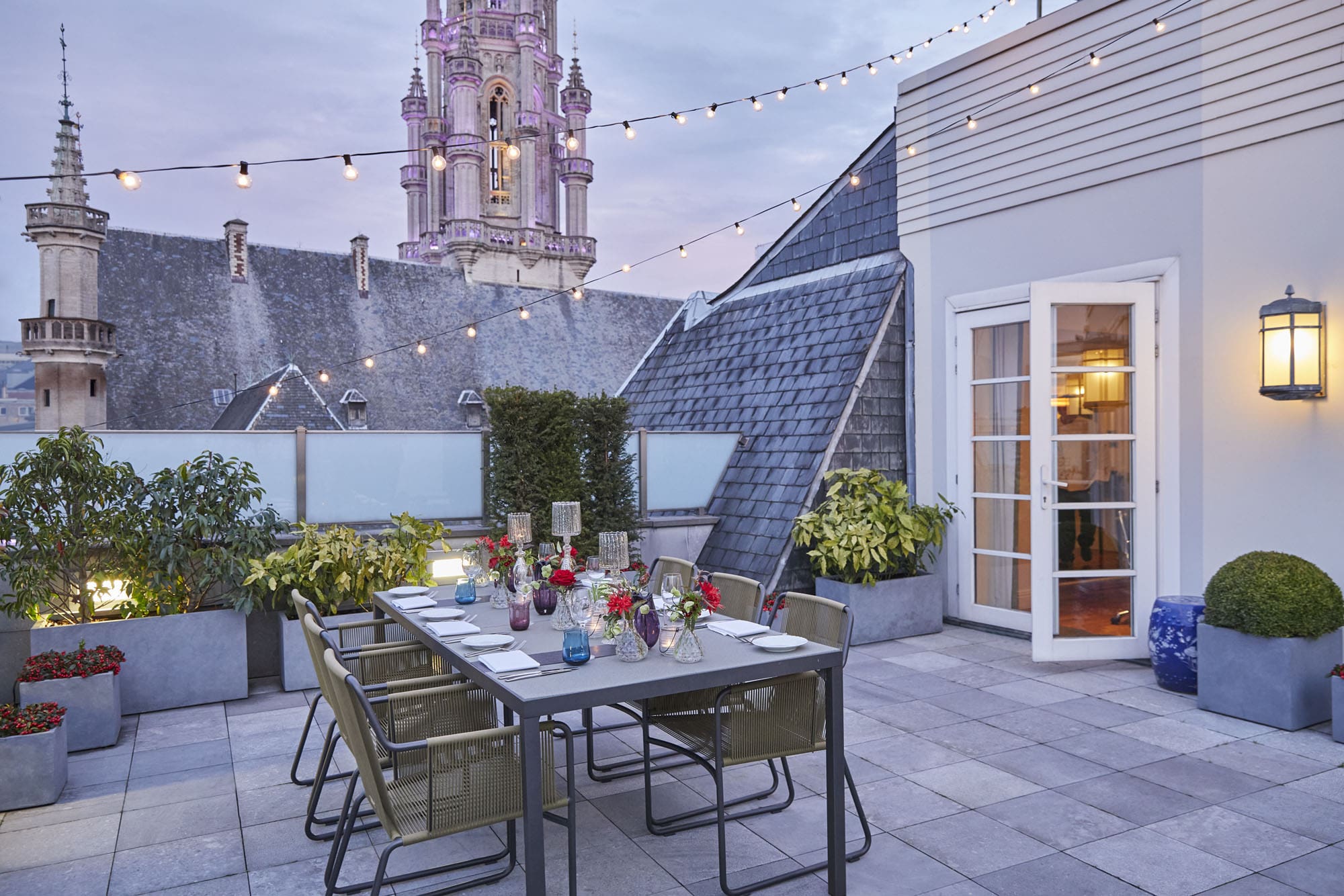
Refined decor in a timeless charming mansion with different atmospheres, cozy setting, and sensory journey.