BEES Restaurant


In a wine region better known for Riesling tourists than serious cooking, BEES Restaurant has carved out a distinct position at the farm-to-table tier, earning consecutive Opinionated About Dining rankings and back-to-back Michelin Plates since 2024. Chef Takayuki Honjo brings a Japanese precision to German seasonal produce at Am Rottland 6, making BEES one of the more quietly compelling dining arguments in the Rheingau.
Pearl is the En Primeur Club membership app — saves, bookings, and concierge access live there. Same editors, same standards.
- Address
- Am Rottland 6, 65385 Rüdesheim am Rhein, Germany
- Phone
- +49 6722 4191916
- Website
- beesrestaurant.de
- Directions
- Get directions
 Saves & bookings on Pearl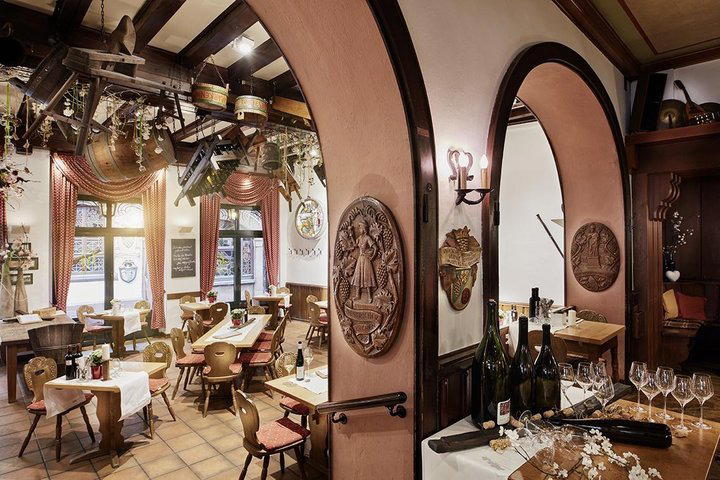
Where the Rheingau Grows Something Other Than Riesling
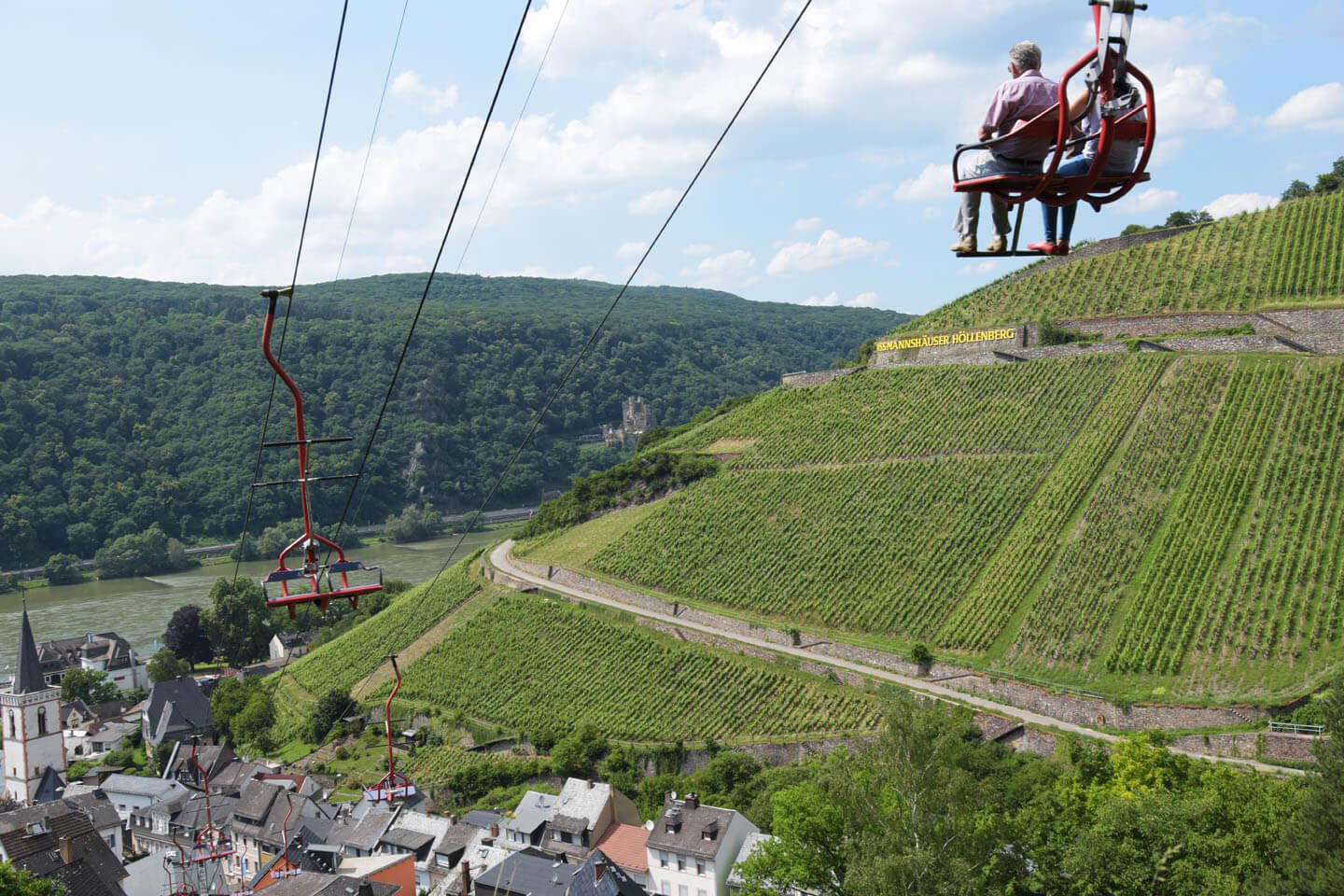
The town of Rüdesheim am Rhein draws most of its visitors through its wine credentials, the steep Rüdesheimer Berg vineyards dropping toward the Rhine and the Drosselgasse filling each afternoon with Riesling-curious tourists. The restaurant scene has historically followed that logic: wine-forward, traditionally German, and oriented toward the visitor trade rather than the serious diner. BEES Restaurant, at Am Rottland 6, sits at a deliberate remove from that pattern. The address alone suggests it: not the historic centre, not a hotel dining room attached to a vineyard estate, but a quieter setting where the focus shifts from the wine list to the plate.
Farm-to-table cooking in Germany operates across a wide spectrum, from casual producers' tables to tightly controlled tasting menus where sourcing is the editorial argument behind every course. BEES positions itself closer to the latter. The €€€ price tier places it above the region's casual tavern dining. That middle position, serious but not stratospheric in price, is where farm-to-table cooking tends to make its clearest case: the sourcing quality has to justify the spend, and the cooking has to justify the sourcing.
Takayuki Honjo and the Logic of Cross-Cultural Precision
The farm-to-table tradition in Europe has been shaped by multiple culinary inheritances, but one of its more interesting recent currents runs through Japanese-trained chefs working with European seasonal produce. Japanese culinary training builds a particular sensitivity to ingredient quality and preparation restraint: the instinct is to handle produce in ways that preserve rather than transform, to let the season speak rather than the technique. When that sensibility is applied to German farm produce within a European farm-to-table framework, the results tend to read as more focused, more spare, and more ingredient-honest than the European mainstream.
Chef Takayuki Honjo at BEES sits inside that current. The cross-cultural position is not a gimmick here; it is the method. The Rheingau's agricultural produce, read through a Japanese-inflected precision, produces cooking that is recognisably European in its sourcing logic but restrained in a way that separates it from the richer, sauce-forward traditions that still define much of German fine dining. For context on how Japanese training intersects with European fine dining further along the formality spectrum, JAN in Munich offers a comparable cross-reference point at the higher end of the price tier.
A Recognition Trajectory Worth Reading Carefully
The awards record at BEES tells a coherent story across three consecutive years. The 2024 rankings placed BEES at #226 among OAD's leading restaurants in Europe, alongside the first Michelin Plate. In 2025, the Michelin Plate was retained and the OAD ranking shifted to #257. OAD rankings are diner-survey driven and Europe-wide, which means #257 across the entire continent in 2025 represents a meaningful standing for a restaurant in a small Rhine wine town operating at the €€€ tier.
The Michelin Plate, held for two consecutive years, indicates consistent technical standard without any Michelin star. In Germany's Michelin geography, the Plate tier is competitive: the country has a dense concentration of recognised restaurants, and retention across two years at this level, in a location outside a major city, signals that the kitchen is not coasting. Comparable farm-to-table operations in Germany worth reading alongside BEES include BOK Restaurant Brust oder Keule in Münster and, for a broader European farm-to-table reference, Au Gré du Vent in Seneffe.
The Rheingau as a Dining Region: Context for the Visit
Rüdesheim sits within the Rheingau, one of Germany's most historically significant wine regions, and the broader area has seen more serious culinary investment in recent years. The Mosel and Ahr valleys to the west host restaurants with significantly higher Michelin accumulations, including Schanz in Piesport, Waldhotel Sonnora in Dreis, and Victor's Fine Dining by Christian Bau in Perl. In Trier, Bagatelle demonstrates what contemporary regional cooking looks like at a similar price tier. Against that regional backdrop, BEES occupies the position of Rüdesheim's most recognised serious restaurant, operating in a town whose culinary reputation has historically lagged well behind its viticultural one.
For visitors building a wider Rheingau or Hessen itinerary, BEES functions as the anchor dining reservation. It is not part of a cluster of comparable restaurants within Rüdesheim itself; the town does not yet have the density of serious cooking that would make a multi-day dining itinerary possible without travelling. That relative isolation in its local market is precisely why the OAD and Michelin recognition matters: it signals a kitchen performing well above the regional baseline.
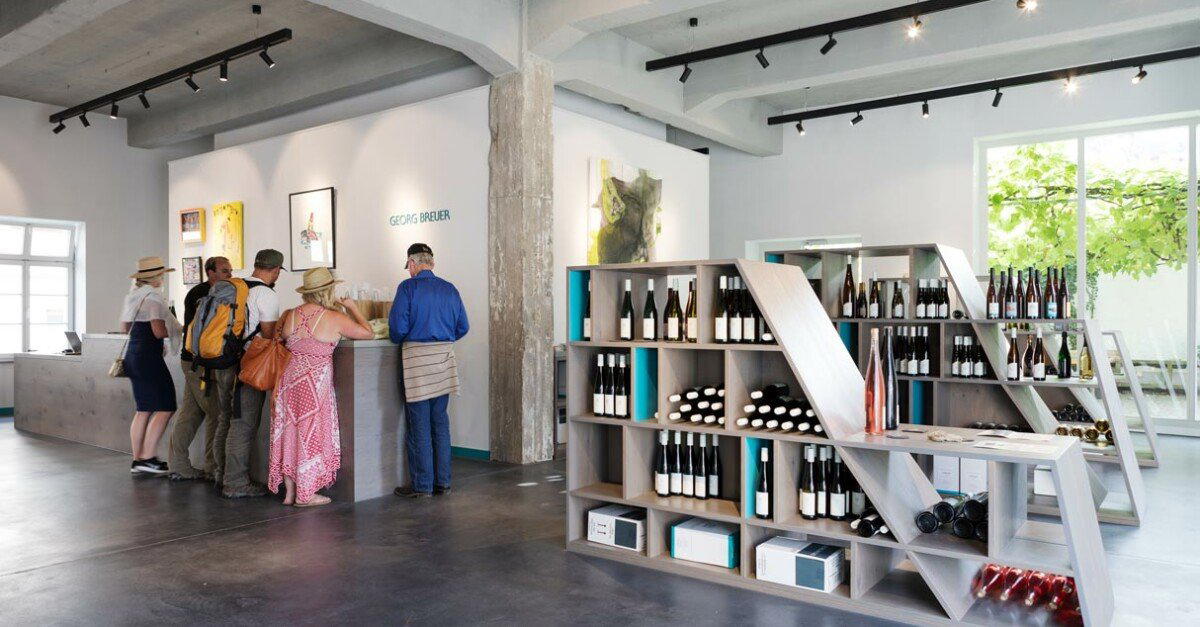
For a fuller picture of what Rüdesheim offers beyond the restaurant, our full Rüdesheim am Rhein restaurants guide covers the wider dining picture, and guides to hotels, bars, wineries, and experiences map the broader visit. The winery dimension is particularly relevant here: the Rheingau's Riesling producers are among the more serious in Germany, and a BEES dinner pairs naturally with a day among the region's wine estates.
Planning the Visit
BEES sits at Am Rottland 6, 65385 Rüdesheim am Rhein. At the €€€ price tier, it is accessible relative to Germany's starred tier, which clusters between €150 and €350 per person for tasting menus. Booking ahead is recommended. For travellers, the geographic proximity to Frankfurt makes BEES a viable evening from the city or an anchor for a Rhine Valley overnight stay.
Comparable Spots, Quickly
Comparable venues nearby, for context on price, style, and recognition.
| Venue | Cuisine | Price | Awards | Notes |
|---|---|---|---|---|
| BEES RestaurantThis venue — the venue you are viewing | Modern French Fusion Fine Dining | $$$$ | Michelin Plate | Not listed |
| Les Deux Dienstbach | Contemporary French Fine Dining | $$$$ | Michelin Plate | Hochheim am Main |
| Grande Étoile | French Brasserie with Italian Influences | $$$$ | Michelin Plate | Carlstadt |
| Mon Amie Maxi | Classic French Brasserie & Oyster Bar | $$$$ | Michelin Plate | Westend-Süd |
| Dröppelminna | Fine French Cuisine | $$$$ | Michelin Plate | Herrenstrunden |
| Jacobs Restaurant | Modern French Fine Dining | $$$$ | Michelin Plate | Muehlenberg |
Recognition history
Dated appearances from independent guides and award organizations, with the underlying list record or original source where available.
Michelin Plate
Michelin · 2026 Michelin Plate
Michelin Plate
Michelin
Opinionated About Dining Top Restaurants in Europe Ranked #257
Opinionated About Dining
Michelin Plate
Michelin
Opinionated About Dining Top Restaurants in Europe Ranked #226
Opinionated About Dining
Opinionated About Dining Top New Restaurants in Europe Highly Recommended
Opinionated About Dining
Continue exploring
More in Rüdesheim am Rhein
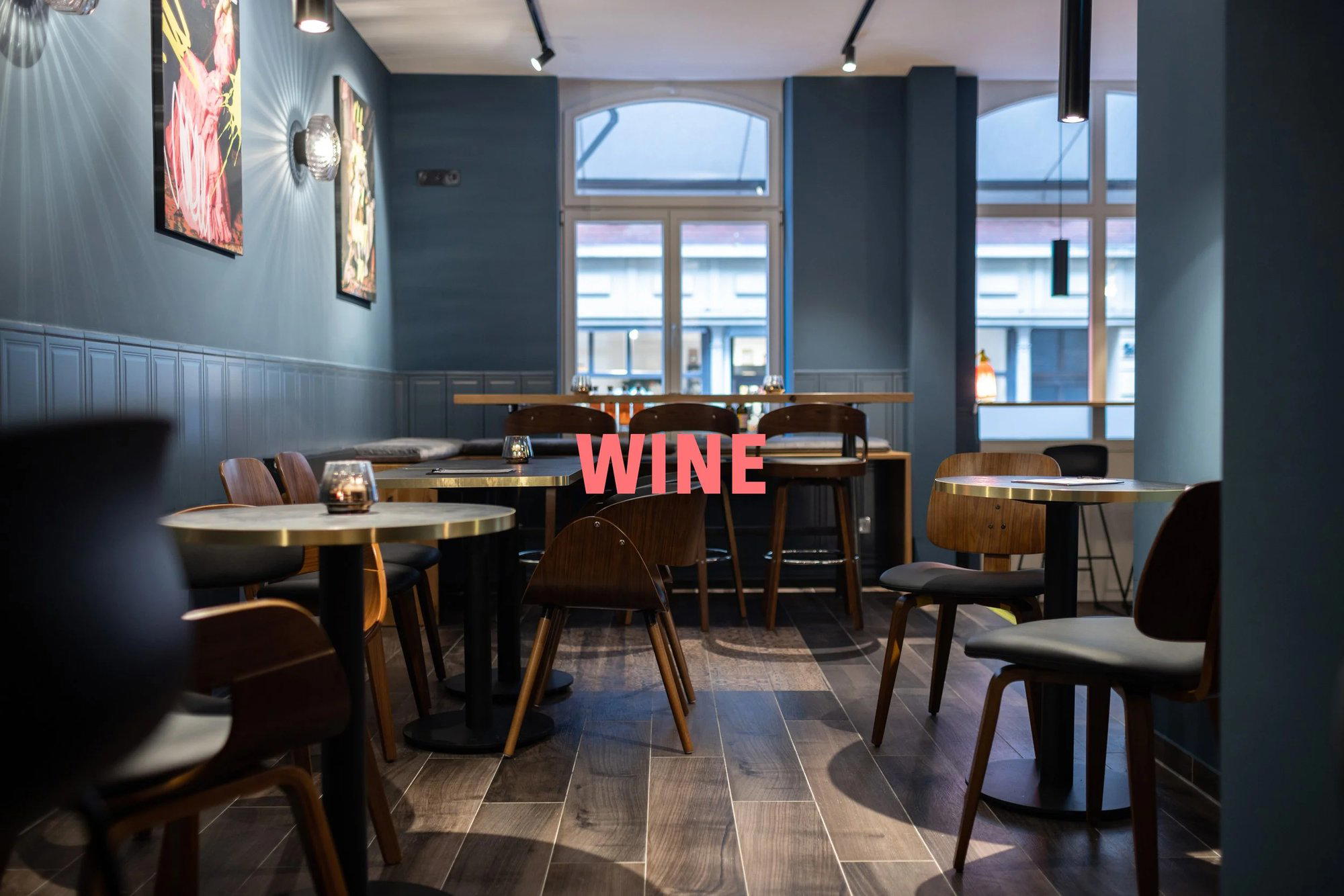
Restaurants in Rüdesheim am Rhein
Browse all →
Bars in Rüdesheim am Rhein
Browse all →


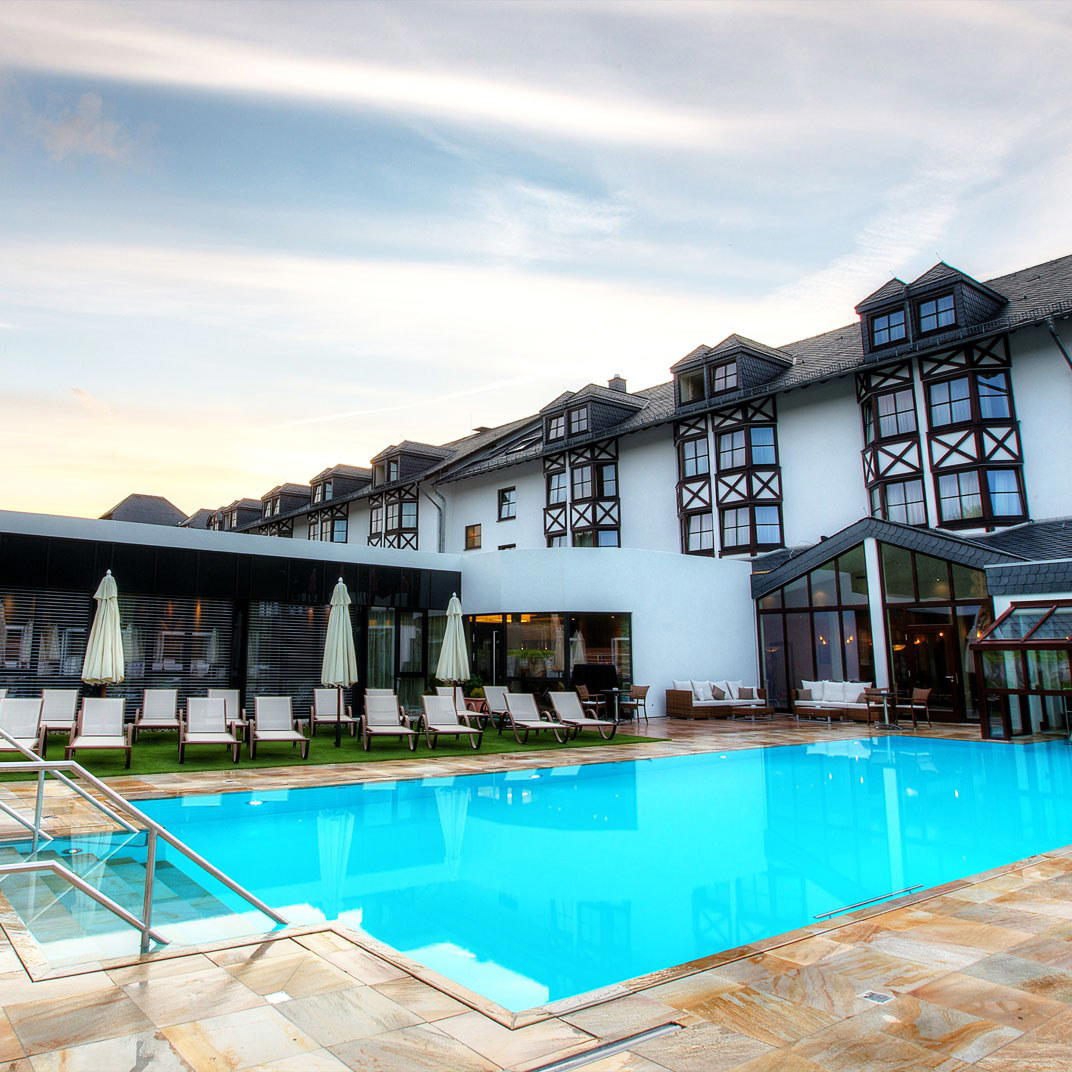
Hotels in Rüdesheim am Rhein
Browse all →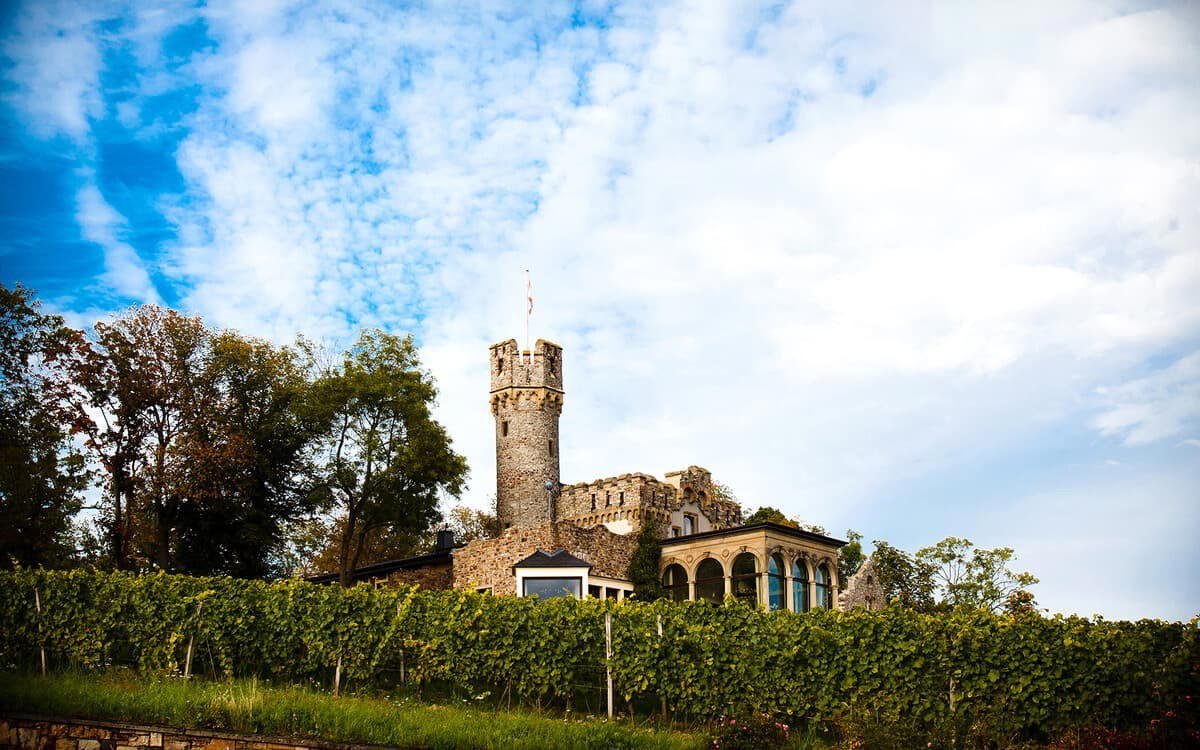
At a Glance
- Elegant
- Cozy
- Sophisticated
- Scenic
- Date Night
- Special Occasion
- Terrace
- Historic Building
- Open Kitchen
- Extensive Wine List
- Sommelier Led
- Farm To Table
- Local Sourcing
- Vineyard
Current opening hours
- Monday
- 5:30 PM–12 AM
- Tuesday
- Closed
- Wednesday
- Closed
- Thursday
- 5:30 PM–12 AM
- Friday
- 5:30 PM–12 AM
- Saturday
- 5:30 PM–12 AM
- Sunday
- 11 AM–3 PM
Hours can change for holidays and private events. Last verified .
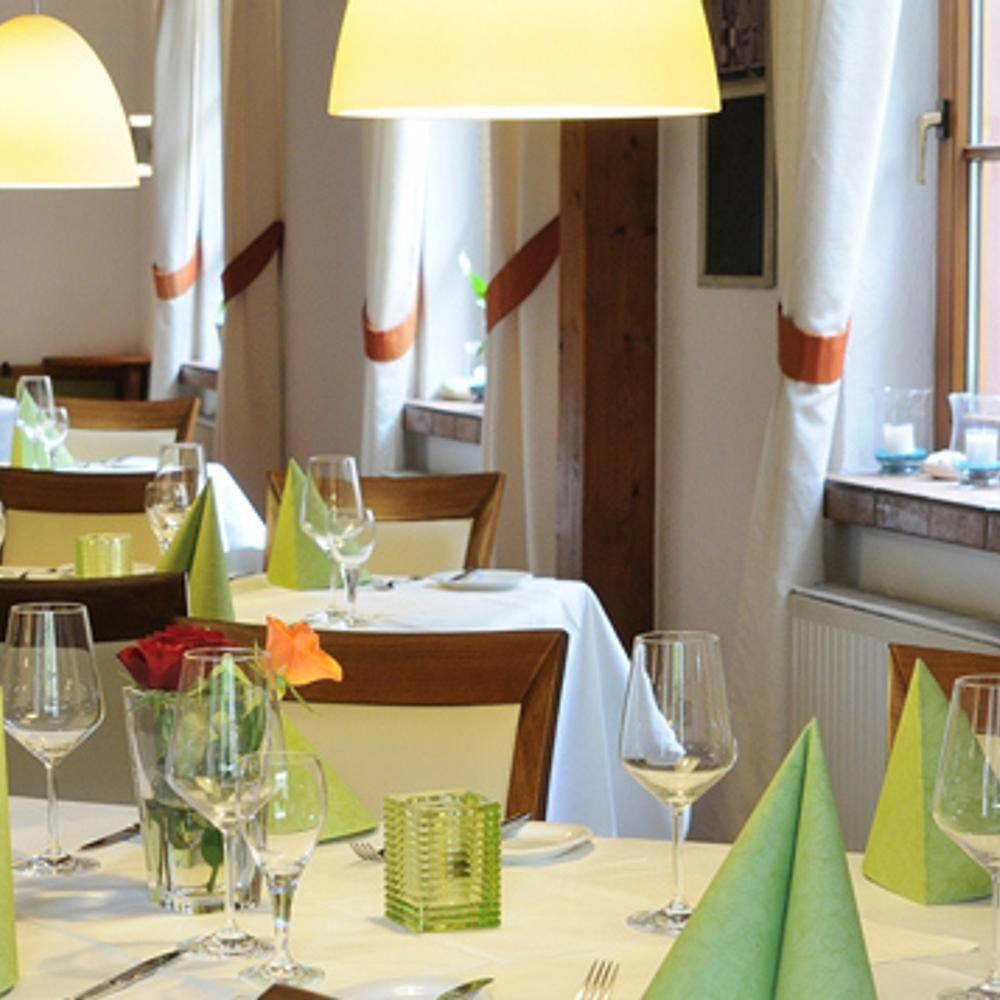
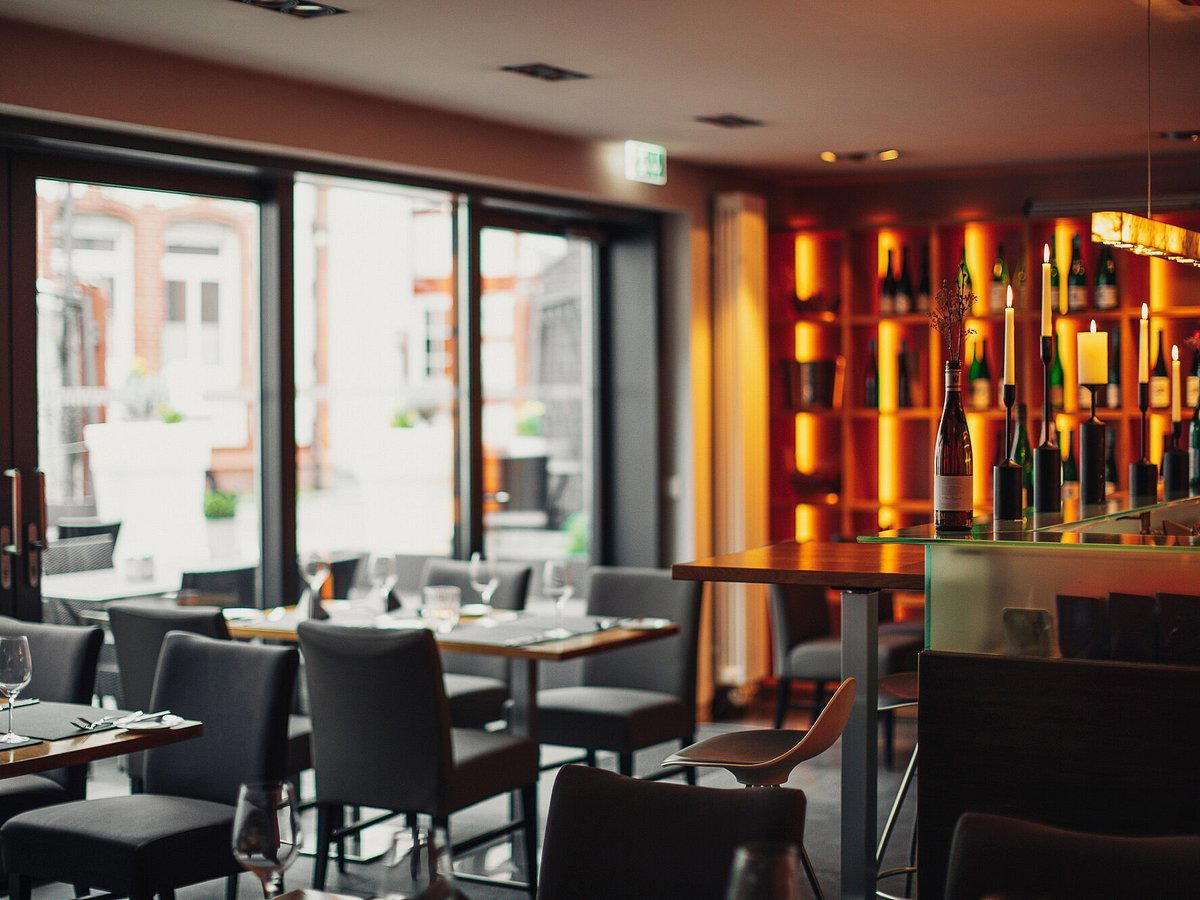
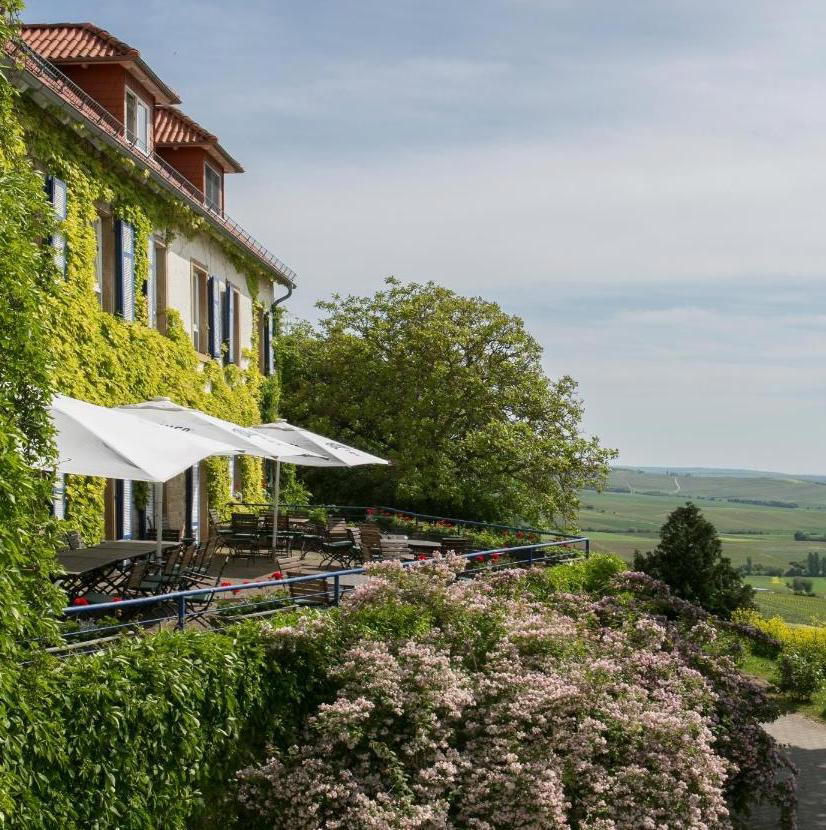
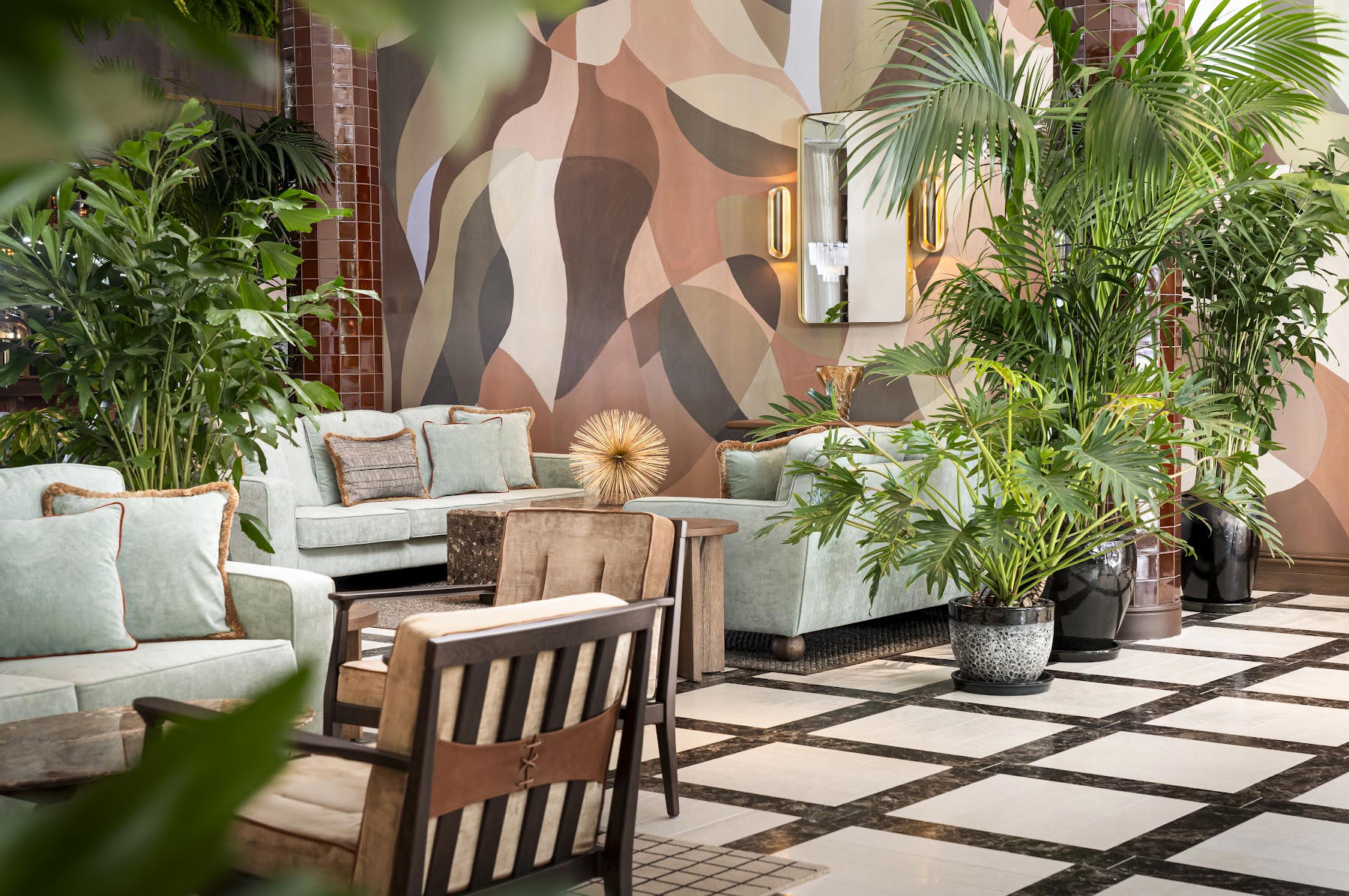
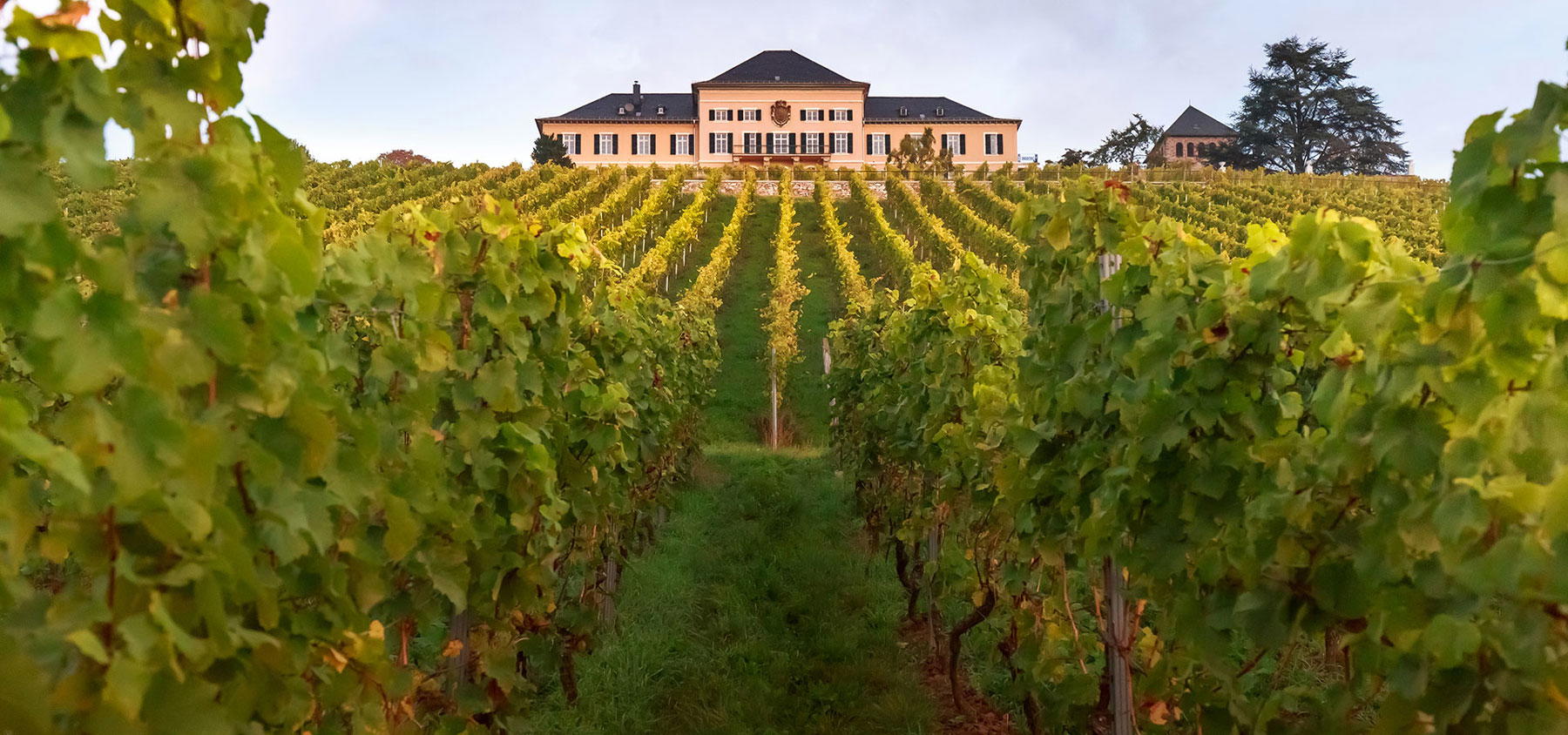
Warm, inviting, and chic with contemporary decor, low lighting, and a cozy atmosphere enhanced by a partially visible kitchen and summer terrace amid vineyards.