Our verdict
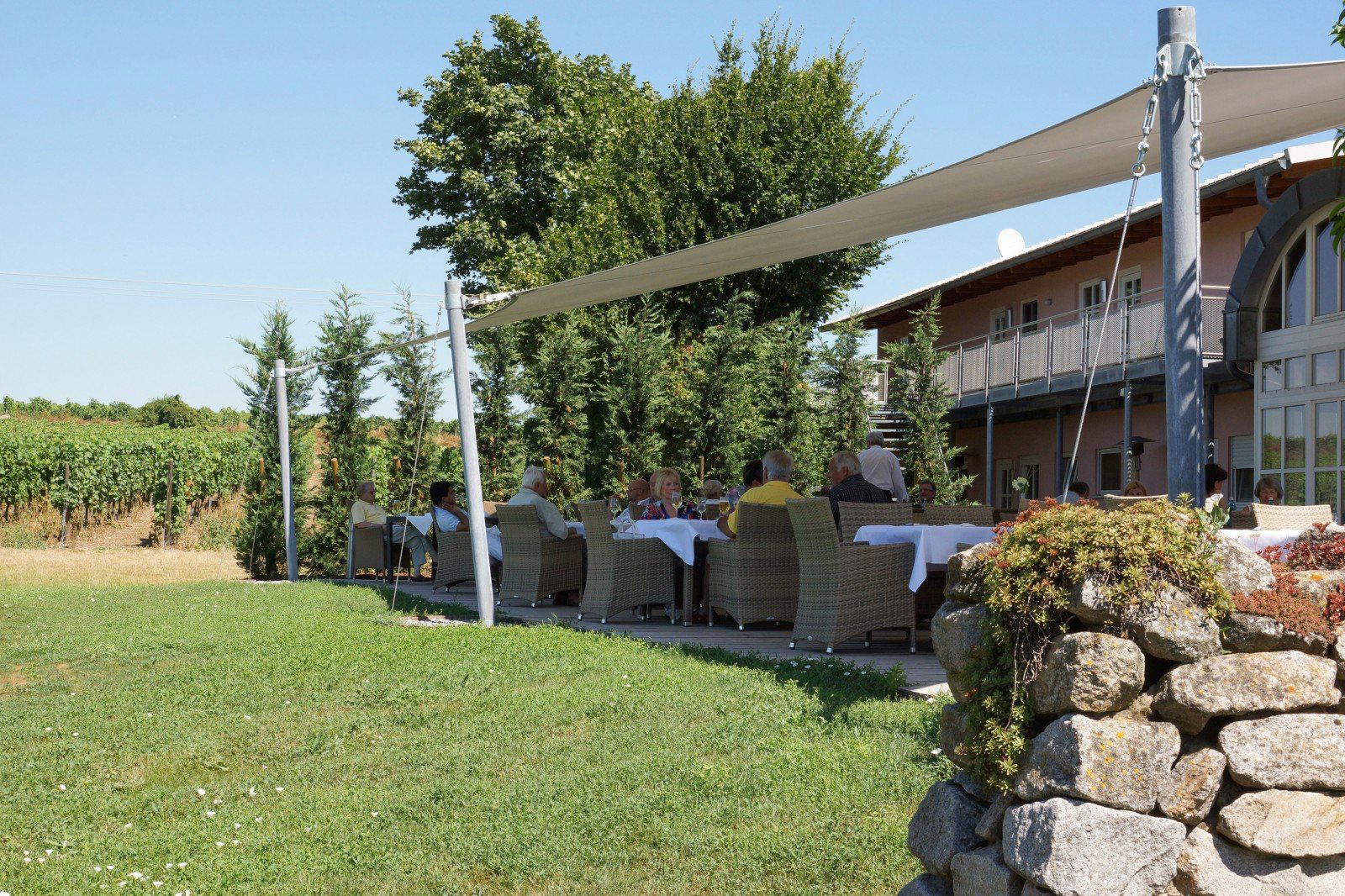
Landhaus Dubs sits in the quietly agricultural Rhine-Hesse wine country of Osthofen, where proximity to the region's vineyards and farms shapes the kitchen's orientation. The address, Am Mühlpfad 10, places it at the edge of town in a setting that signals destination dining rather than passing trade. For the broader context of Germany's fine-dining regional scene, see our full Osthofen restaurants guide.

Pearl is the En Primeur Club membership app, where members save venues, book tables and use the concierge.
Rhine-Hesse as a Culinary Address
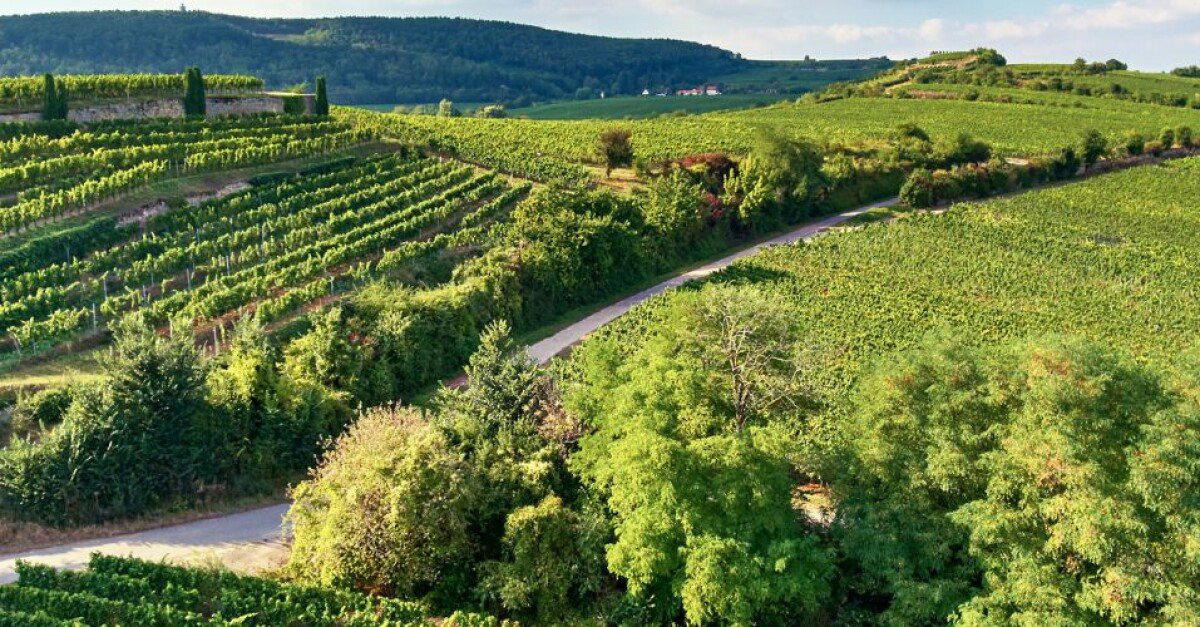
Germany's serious regional dining is rarely concentrated in its largest cities. The country's Michelin geography tells a different story: two- and three-star kitchens appear in small towns across Baden-Württemberg, the Rhineland, and Bavaria, where the relationship between kitchen and surrounding farmland is immediate rather than logistical. Osthofen, a town of roughly 9,000 in the Rhine-Hesse wine-growing zone between Worms and Mainz, belongs to this tradition of provincial precision. The vineyards here produce Riesling, Silvaner, and Pinot Noir on soils ranging from limestone to loess, and the market gardens and farms of the Rhine plain have supplied the region's kitchens long before farm-to-table became a marketing phrase. Landhaus Dubs, at Am Mühlpfad 10 on the quieter outskirts of town, is positioned to draw on this agricultural density directly.
For context on how German destination dining distributes itself across smaller addresses, the EP Club guides to Schwarzwaldstube in Baiersbronn, Waldhotel Sonnora in Dreis, and Schanz in Piesport each illustrate how kitchens in sub-10,000-person towns can anchor a regional dining reputation over decades. The pattern is consistent: proximity to a specific agricultural or viticultural zone, a destination-minded format, and a guest base that travels specifically rather than stumbles in.
What Rhine-Hesse Produces and Why It Matters at the Table
Rhine-Hesse is Germany's largest wine-growing region by area, and the agricultural variety that surrounds it extends well beyond the vine. Asparagus cultivation is serious here, the sandy soils of the Rhine plain produce white asparagus of the kind that commands premium pricing at Frankfurt and Mainz restaurants during the April-to-June season. Locally grown vegetables, river fish from the Rhine corridor, and game from the surrounding Palatinate forests have historically given kitchens in this part of Germany a larder depth that is easy to underestimate from the outside.
The ingredient-sourcing logic that governs serious regional German cooking is worth understanding before any visit to a kitchen operating in this zone. At the level of destination restaurants across Germany, from ES:SENZ in Grassau in Bavaria to Bagatelle in Trier in the Moselle region, the kitchen's relationship to its immediate suppliers is often the sharpest differentiator from urban fine dining, where produce arrives through centralised distribution. A rural address like Landhaus Dubs carries an implicit promise of that directness, one that guests arriving from Mannheim, Frankfurt, or further afield are generally making a conscious choice to seek out.
The Setting and What It Signals
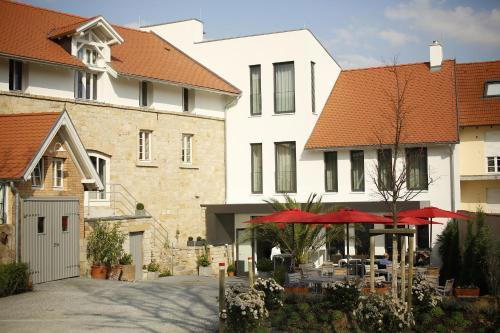
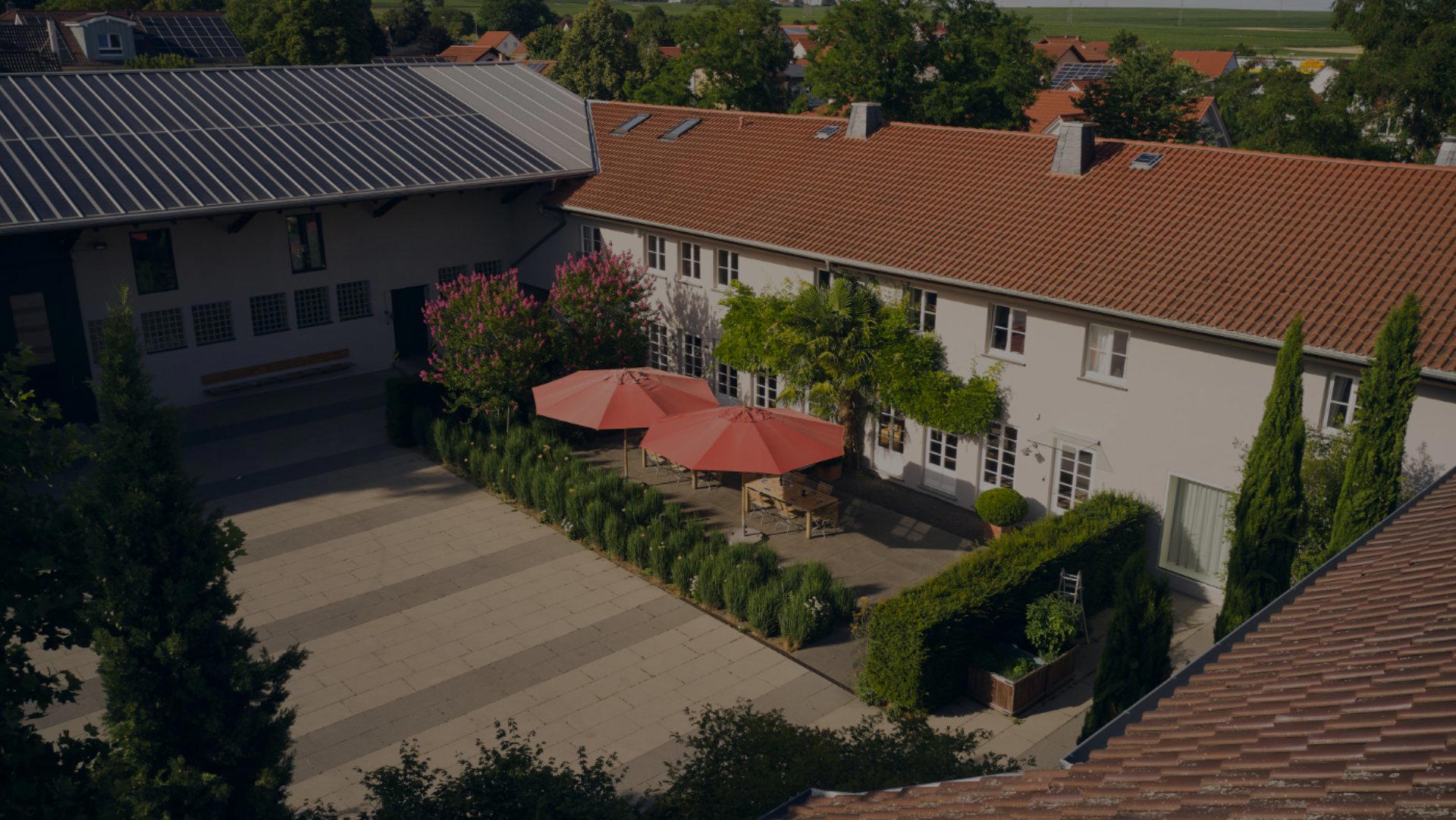
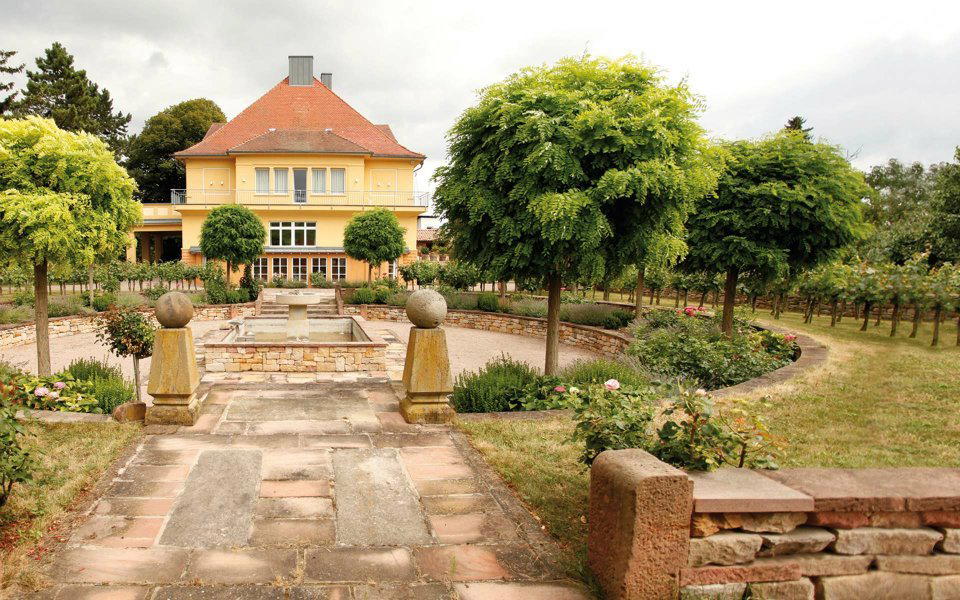
Approaching a restaurant on a path named Am Mühlpfad, the mill path, already communicates something about the register of the experience. These are not the glass-and-steel surrounds of urban fine dining. Germany's landhaus tradition (the country house or manor-house format) carries specific associations: rooms built for comfort over ceremony, a relationship to the surrounding land that is visible rather than abstracted, and a pace that suits longer meals. Compared to the architectural ambition of venues like Aqua in Wolfsburg or the urban density of CODA Dessert Dining in Berlin, the landhaus format prioritises grounded comfort. That is a deliberate positioning, not a default.
Destination restaurants in smaller German towns typically draw guests who are willing to plan the visit as the main event of a day or overnight stay. The drive from Frankfurt is under an hour; from Mannheim, roughly 30 minutes. That geography places Landhaus Dubs within reach of two substantial urban populations without competing directly with the restaurant scenes of either city.
How This Kitchen Fits Germany's Regional Fine-Dining Map
Germany's regional fine-dining tier is considerably more varied than its international profile suggests. The country holds more Michelin-starred restaurants than most visitors expect, and a significant proportion of them are outside the five major cities. The kitchen addresses that have earned sustained recognition in the south-west of Germany span a wide range of price points and formats. Vendôme in Bergisch Gladbach and Victor's Fine Dining by Christian Bau in Perl represent the upper tier of that distribution. ATAMA by Martin Stopp in Sankt Ingbert and ammolite in Rust illustrate how the south-western corridor supports kitchens with distinct identities at different price registers.
Landhaus Dubs operates in this broader context. Guests arriving with that frame set appropriately are better placed to assess the experience on its own terms rather than against urban benchmarks. For broader context across Germany's decorated kitchens, the guides to JAN in Munich, Restaurant Haerlin in Hamburg, and AUGUST in Augsburg map the spread. Internationally, Le Bernardin in New York City and Atomix represent what sustained ingredient-sourcing discipline produces at the highest level of recognition, a useful reference point for understanding what the leading regional German kitchens are working toward. AURA by Alexander Herrmann and Tobias Bätz in Wirsberg offers a comparable rural-format example with documented credentials.
Planning a Visit
Osthofen is accessible by road from Frankfurt (approximately 55 km south via the A67) and from Mannheim (roughly 30 km north). The town is also reachable by rail, with connections through Worms and Mainz; travel time from Frankfurt Hauptbahnhof via regional services runs under an hour with a change. The Am Mühlpfad address sits at the edge of the town rather than its centre, which is standard for landhaus-format restaurants that require space and a degree of separation from the street. Visitors combining the meal with Rhine-Hesse wine exploration will find the region's wine route (Rheinhessen Weinstraße) passes close enough to Osthofen to make a broader itinerary direct. For the full picture of what Osthofen's dining scene offers across formats and price points, see our full Osthofen restaurants guide.
Frequently asked questions
Is Landhaus Dubs child-friendly?
Landhaus settings in Germany's regional fine-dining tier typically run at a quieter register, which suits families with older children more naturally than younger ones. Am Mühlpfad 10 is a residential-adjacent address in Osthofen, not a city-centre venue with background noise to absorb a restless table. check the venue's official channels to confirm their current approach to younger guests before booking.
Is Landhaus Dubs better for a quiet night or a lively one?
The landhaus format, particularly one on a mill path in a town the size of Osthofen, skews toward quiet by design. Rhine-Hesse's regional dining rooms at this tier tend to prioritise focused cooking and table conversation over a social-scene atmosphere. If you are after a lively evening, a city venue in Frankfurt or Mannheim (both within an hour by road) is likely a better fit.
How does Landhaus Dubs's location in Osthofen compare to other regional fine-dining destinations in Rhine-Hesse?
Osthofen sits roughly mid-region in Rhine-Hesse, Germany's largest wine-growing area by land area, placing Landhaus Dubs within easy reach of both the vineyards south of Mainz and the agricultural flatlands that supply the area's serious kitchens. The address at Am Mühlpfad 10 is a deliberate departure from the main-street restaurant format, consistent with a category of destination dining that draws guests from Frankfurt (around 55 km north via the A67) and Mannheim rather than relying on passing trade. That geography puts it in the same orbit as other Rhine-Hesse restaurants that treat the region's produce as the point of the meal, not merely the supporting cast.
What's the signature dish at Landhaus Dubs?
Rhine-Hesse's agricultural output, particularly its asparagus season and proximity to some of Germany's most productive wine country, tends to shape menus at this address level. Reaching out to the restaurant before visiting is the most reliable way to understand the current kitchen focus.
Comparable Venues
Comparable venues nearby, for context on price, style, and recognition.
| Venue | Cuisine | Price | Notes |
|---|---|---|---|
| Landhaus DubsThis venue (the venue you are viewing) | Modern Regional German | $30–50 | Not listed |
| schuh's Restaurant | Regional German | Not listed | Eggenstein-Leopoldshafen |
| Restaurant Schlossschänke | Regional German Castle Cuisine | $30–50 | Schloss Johannisberg |
| Schönbuch Bräu | Swabian Brauhaus | $20–30 | Gablenberg |
| Weinstube Schnitzelbank | Traditional German Regional | $20–30 | Altstadt |
| Sattelei | Traditional Black Forest & Swabian Cuisine | $20–30 | Mitteltal |
Continue exploring
More in Osthofen
Restaurants in Osthofen
All restaurants in Osthofen →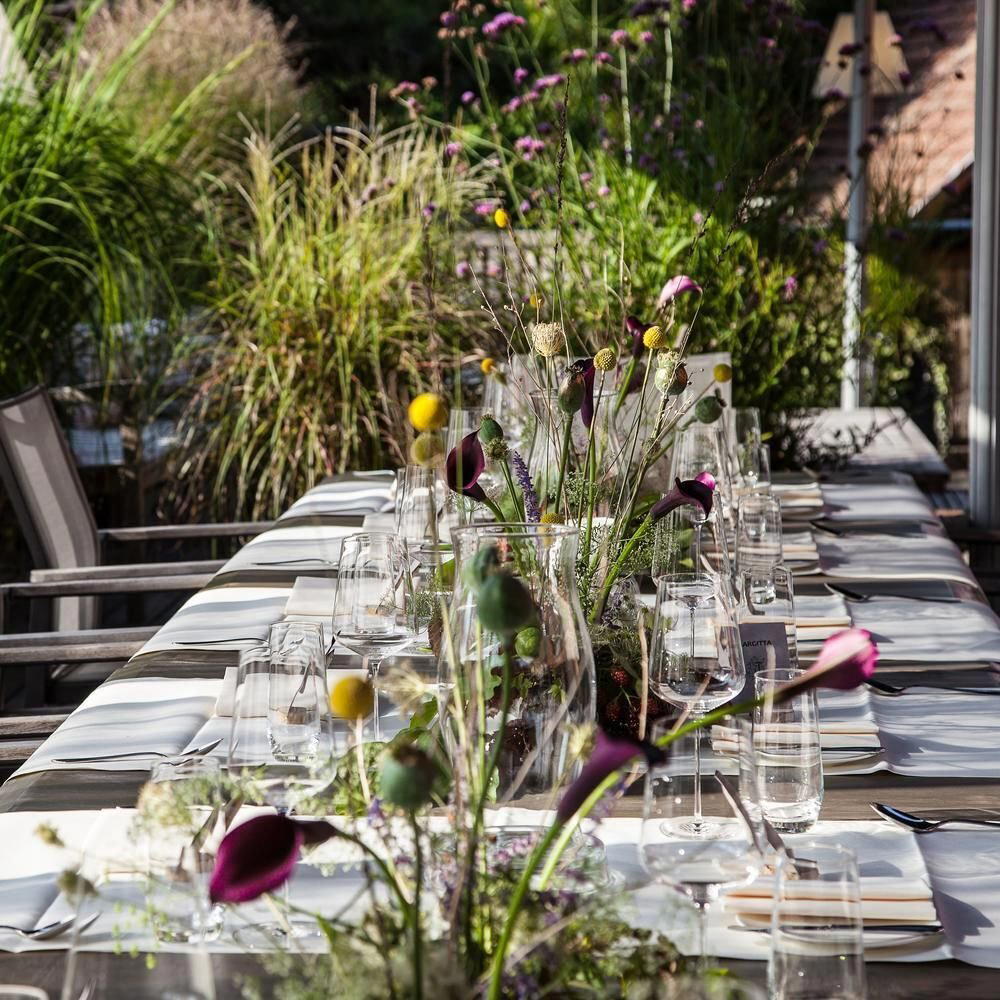
Bars in Osthofen
Browse all →
Hotels in Osthofen
Browse all →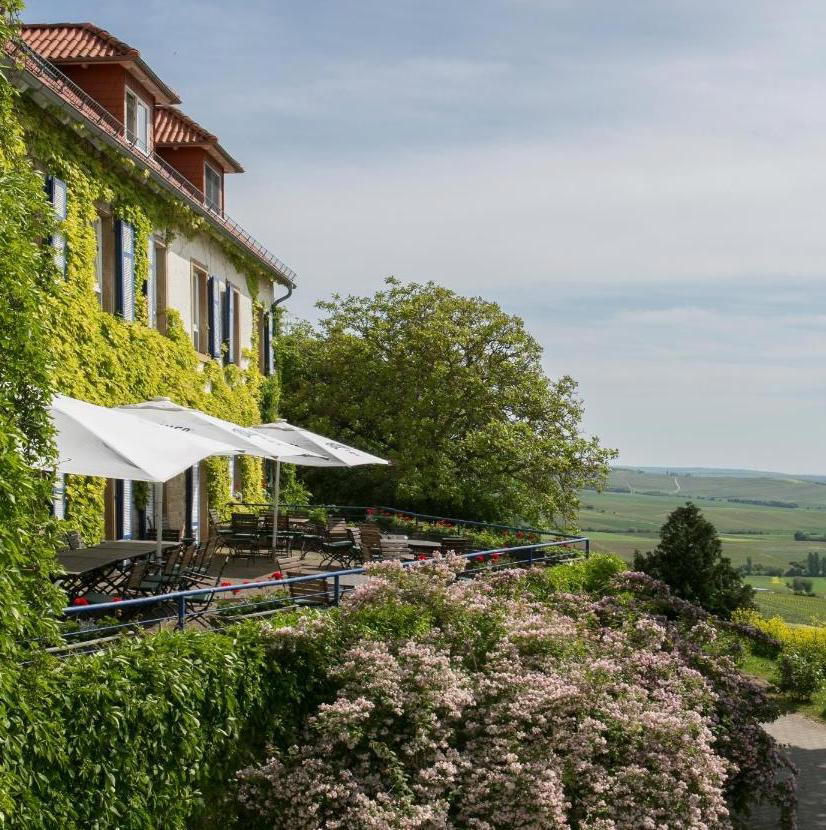
Details
- Rustic
- Cozy
- Elegant
- Special Occasion
- Extensive Wine List
- Local Sourcing
- Vineyard
- A La Carte
- Vegetarian Friendly
- Allergy Accommodating
Current opening hours
- Monday
- Closed
- Tuesday
- Closed
- Wednesday
- 12–2 PM
- Thursday
- 12–2 PM
- Friday
- 12–2 PM
- Saturday
- 7–10 PM
- Sunday
- 12–2 PM
Hours can change for holidays and private events. Hours as of .
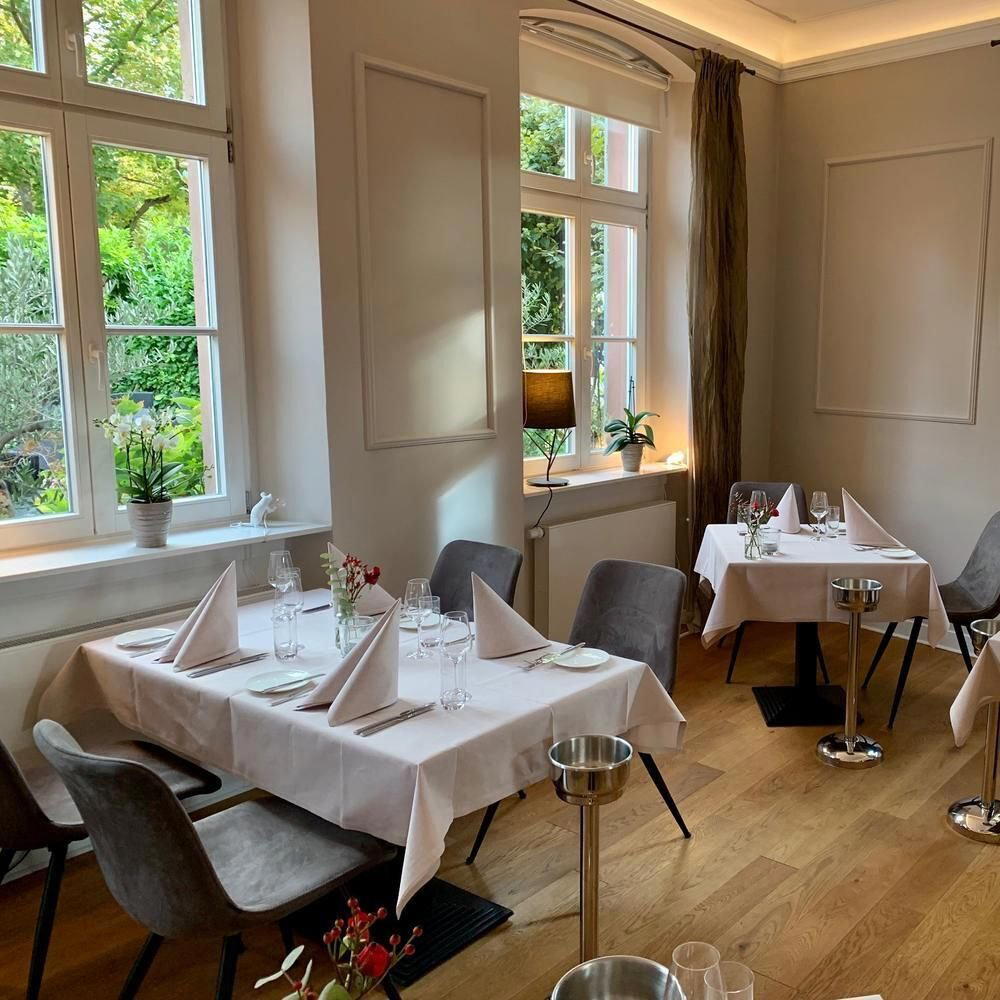
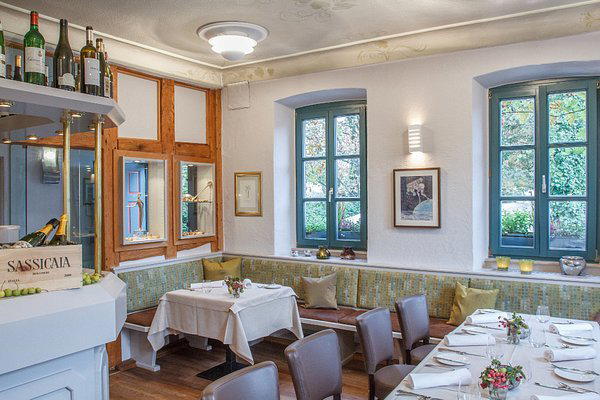
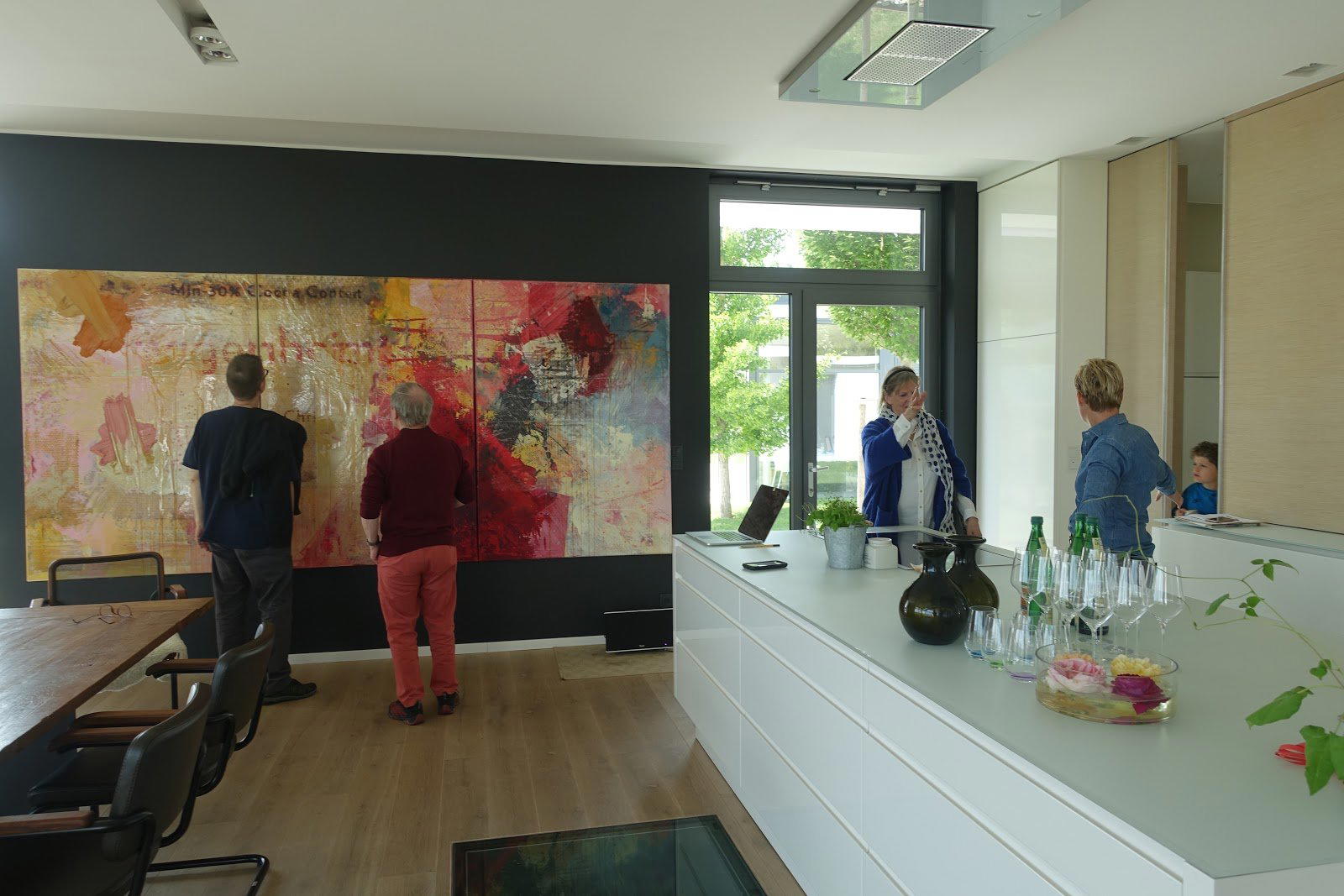
Comfortable modern premises offering a cozy and relaxed atmosphere.