Weinstube Altes Rathaus
Our verdict
Weinstube Altes Rathaus sits at Tanzstraße 9 in the village of Sankt Martin, within the Palatinate wine corridor where Riesling and Spätburgunder vineyards press close to the village edge. The format follows the regional Weinstube tradition: a setting oriented around local wine, seasonal produce, and communal eating. For visitors exploring southern Rhineland-Palatinate's food and wine culture, it represents the area's more grounded, producer-rooted end of the dining spectrum.

Pearl is the En Primeur Club membership app, where members save venues, book tables and use the concierge.
The menu
What to order
- Saumagen
- Schweinebäckchen
- Wiener Schnitzel
- Käsespätzle
Where the Palatinate Brings the Vineyard to the Table
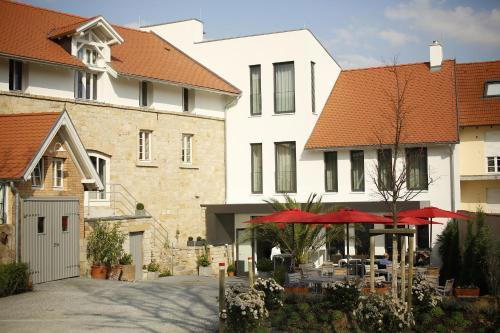
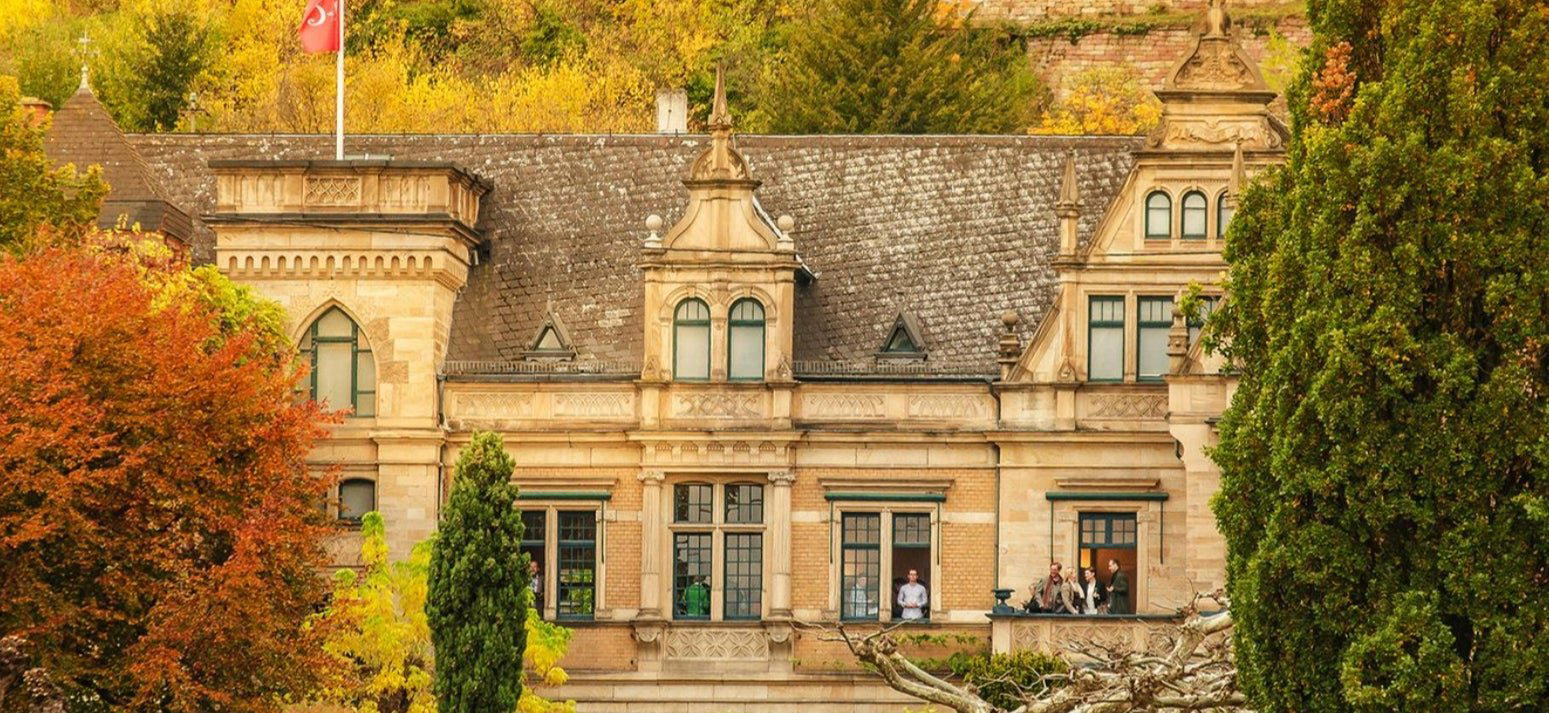
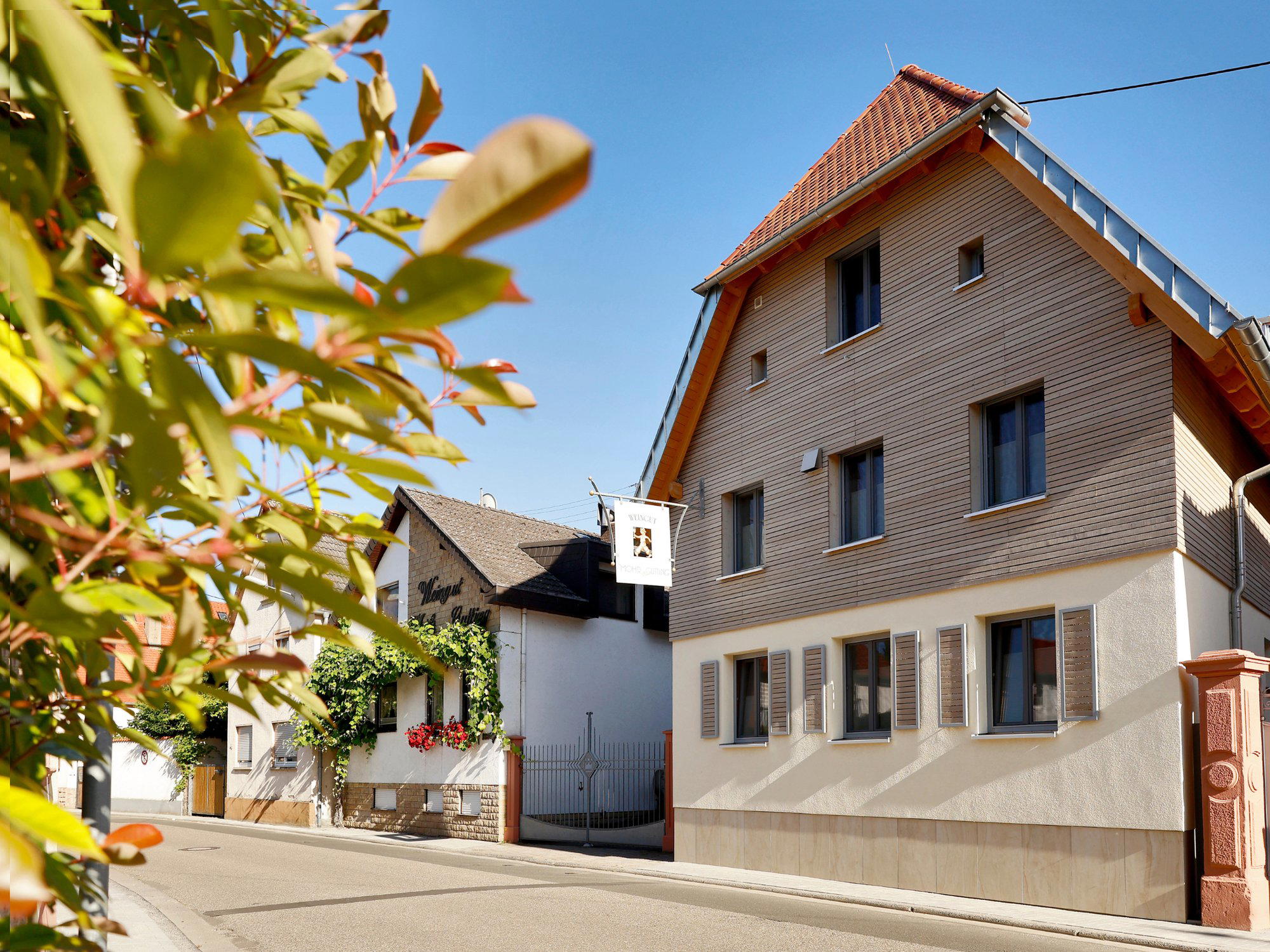
Sankt Martin occupies a narrow strip of the Haardt mountain range where the Palatinate Forest meets the Weinstraße, Germany's oldest wine route. The village itself sits at roughly 230 metres elevation, with Riesling and Spätburgunder vines climbing the slopes directly above it. Weinstube Altes Rathaus, at Tanzstraße 9, occupies the kind of position these villages reserve for their most settled institutions: a former civic building repurposed into the food-and-wine format that defines southern Rhineland-Palatinate's hospitality character. Before you consider what arrives on the plate, the architecture does its own contextual work.
The Weinstube format across this region is worth understanding as a distinct category. It sits between the casual wine-cooperative tasting room and the full-service restaurant, oriented primarily around regional wine production and the seasonal foods that have grown alongside it over centuries. In the Palatinate specifically, that means Riesling in its full range from bone-dry Trocken through to late-harvest styles, Spätburgunder from producers who have worked this volcanic sandstone and limestone terrain for generations, and food that reads more like a record of agricultural habit than a constructed menu. The leading examples of the format feel less like restaurants than like eating in a working wine region, which is precisely the point. Weinstube Altes Rathaus sits within that tradition on a street where the village's historic civic life once centred.
Sourcing as the Default Mode
The ingredient logic of Palatinate Weinstuben is not a marketing position, it is an operational necessity. The wine route corridor between Bockenheim and Schweigen-Rechtenbach sustains one of Germany's densest concentrations of small-scale wine estates, alongside market gardens, pig farms, and orchards that supply the area's kitchens with produce that rarely needs to travel more than a few kilometres. Asparagus season from April through June brings the white sparagus that Rhineland-Palatinate growers take seriously enough to command premium pricing even within Germany. Autumn shifts the emphasis toward game from the adjacent Palatinate Forest, mushrooms, and the new-vintage wines that Weinstube formats traditionally serve alongside the first weeks of harvest. The seasonal rhythm is legible and honest in this part of Germany in a way that broader restaurant markets sometimes imitate but rarely replicate with the same structural coherence.
Within this sourcing geography, Sankt Martin positions itself at the more refined end of the village wine-trail experience. The village has retained a concentration of small estates and food-oriented establishments that attract visitors from Neustadt an der Weinstraße, the nearest significant town roughly eight kilometres to the northeast, as well as from Mannheim and the Rhine corridor. For visitors arriving from outside Germany, the comparison point worth keeping in mind is less the Michelin-facing restaurants of the wider German dining circuit, where establishments like Schwarzwaldstube in Baiersbronn or Aqua in Wolfsburg operate at a fully different pitch, and more the producer-rooted wine-country eating that defines how this region actually feeds itself. The stakes are different, and intentionally so.
The Village Setting and What It Asks of Visitors
Sankt Martin is a place that rewards a slower pace than most wine-tourism itineraries allow. The village centre is compact and largely pedestrianised, with Tanzstraße running through the historic core. Arriving by car is practical given the rural location, the nearest train connection is Edenkoben, roughly four kilometres south, with services linking to Neustadt and the wider Rhineland-Palatinate rail network. The Deutsche Weinstraße cycling route passes through the village, which makes Sankt Martin a natural stop for the growing number of visitors who move through the wine road by bike in the warmer months, typically May through October. Weinstube dining in this context functions as much as a rest point oriented around regional wine as a destination meal, though the distinction matters less when the food and the setting are this coherent.
The timing question for any Weinstube visit in this region comes down to understanding seasonal closure patterns. Many establishments in the Palatinate wine villages observe extended closures in winter, particularly January and February, when the vineyard cycle goes quiet and tourist traffic drops significantly. Confirming current opening periods directly with Weinstube Altes Rathaus before travel is advisable, particularly outside the April-to-October wine tourism season.
Where Altes Rathaus Sits in the Wider German Dining Picture
Germany's restaurant spectrum runs from the three-Michelin-star concentration found at places like Vendôme in Bergisch Gladbach and Victor's Fine Dining by Christian Bau in Perl down through the regional Gasthof and Weinstube formats that represent the country's actual eating culture at its most grounded. The creative Berlin scene, typified by operations like CODA Dessert Dining, and the contemporary fine-dining ambitions of JAN in Munich occupy a different bracket entirely, both in format and in what they ask of a visitor's time and budget. Weinstube Altes Rathaus belongs to the category that most international visitors to Germany underuse: the honest, producer-linked regional format that connects a place's wine culture to its kitchen with minimum intervening abstraction.
For visitors building a Rhineland-Palatinate itinerary that combines wine-country eating with the higher end of German restaurant culture, the Moselle valley is within reasonable reach. Schanz in Piesport and Bagatelle in Trier represent the fine-dining reference points for that adjacent region. Further afield, Waldhotel Sonnora in Dreis occupies a long-established position at the serious end of Eifel and Moselle region cooking. Closer to the Palatinate, ATAMA by Martin Stopp in Sankt Ingbert and ammolite in Rust cover the more contemporary southern end of the regional spectrum. Our full Sankt Martin restaurants guide maps these relationships more specifically for visitors planning around the wine road.
For readers whose frame of reference runs to the international fine-dining circuit, venues like Le Bernardin in New York City or Atomix represent the kind of formal ambition that a Palatinate Weinstube is explicitly not trying to match. That is a distinction worth holding clearly, because it clarifies what a place like Weinstube Altes Rathaus is actually doing: anchoring the visitor to a specific agricultural and viticultural geography at a scale and a price that the high-end circuit deliberately leaves behind. The other German restaurants in the broader EP Club network, including AUGUST in Augsburg, ES:SENZ in Grassau, Restaurant Haerlin in Hamburg, and AURA by Alexander Herrmann and Tobias Bätz in Wirsberg, each represent a different facet of what German restaurant culture produces at serious levels of investment and ambition. Weinstube Altes Rathaus positions itself in the register that precedes all of that ambition, and does so on terrain that supplies the argument for its own existence.
Frequently asked questions
Is Weinstube Altes Rathaus suitable for children?
Weinstuben in the Palatinate tradition are generally family-oriented spaces, and Sankt Martin's village setting reinforces that. The largely pedestrianised centre around Tanzstraße 9 makes arrival with children straightforward. check the venue's official channels to confirm seating arrangements and any specific provisions.
What is the atmosphere like at Weinstube Altes Rathaus?
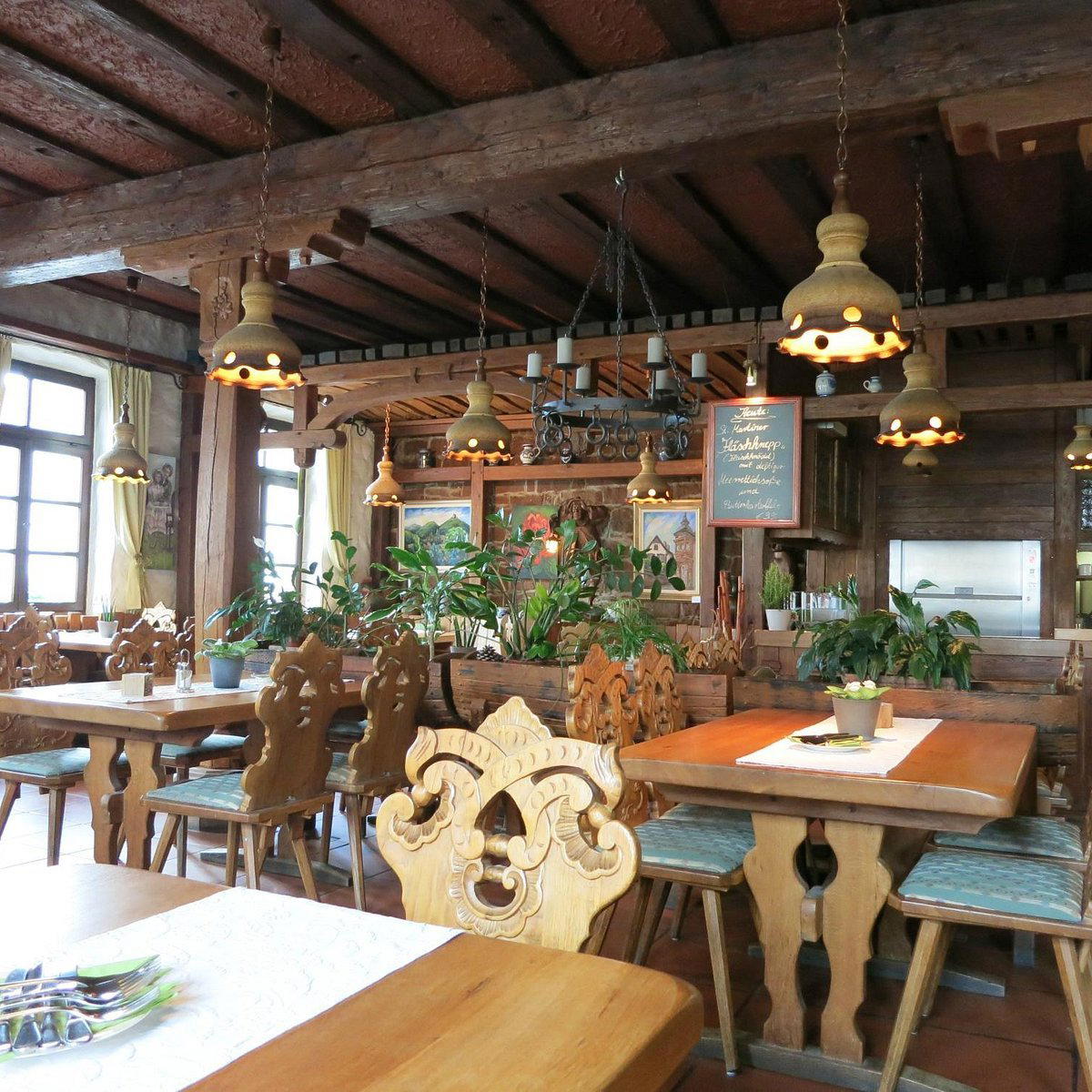
The Weinstube format is defined by its informality: timber interiors, shared tables, and a pace set by the wine rather than the clock. Sankt Martin is one of the Palatinate's quieter villages along the Weinstraße, which means the room runs closer to convivial local gathering than destination-restaurant spectacle. Expect conversation at volume and glasses refilled without ceremony.
Is Weinstube Altes Rathaus a good base for exploring the Deutsche Weinstraße wine route?
Sankt Martin sits at a well-regarded point on the Deutsche Weinstraße, Germany's oldest designated wine route, with vineyards running directly up the Haardt slope behind the village. Altes Rathaus at Tanzstraße 9 places you in the pedestrianised centre, within reach of producers on foot. The village works well as a slower stop between the larger wine towns of Neustadt an der Weinstraße to the north and Edenkoben to the south.
What should I order at Weinstube Altes Rathaus?
Palatinate Weinstuben typically anchor their menus in regional staples: Saumagen, Leberknödel, seasonal game from the Palatinate Forest, and charcuterie sourced along the wine route corridor. The food functions as a counterpart to the wine rather than the main event. Confirm the current menu directly with the venue, as seasonal availability drives what appears on the board.
How do I find Weinstube Altes Rathaus?
Weinstube Altes Rathaus is located at Tanzstraße 9, 67487 St. Martin, Germany, Sankt Martin.
What's the best way to book Weinstube Altes Rathaus?
The venue is located at Tanzstraße 9, 67487 St. Martin. No booking platform or phone number is currently listed in public records, so visiting in person or making contact through local tourism resources for the Sankt Martin area is the practical approach. Weekend evenings during the wine-harvest season, typically September through November, draw the highest demand along the Weinstraße.
What's Weinstube Altes Rathaus best at?
The core proposition is what the Palatinate Weinstube format has always been: a direct line between the surrounding vineyards and the table, with wine-route producers on the list and regional cooking that makes the case for drinking local. Sankt Martin's position on the Haardt slope, flanked by the Palatinate Forest, means the sourcing geography is narrow and consistent rather than broad and diffuse.
Comparable Spots, Quickly
Comparable venues nearby, for context on price, style, and recognition.
| Venue | Cuisine | Price | Notes |
|---|---|---|---|
| Weinstube Altes RathausThis venue (the venue you are viewing) | Traditional Palatinate German | $30–50 | Not listed |
| Sattelei | Traditional Black Forest & Swabian Cuisine | $20–30 | Mitteltal |
| I-Punkt | Modern German & European | $30–50 | Wilhelmstraße |
| Zum Grünen Baum Michelstadt | Regional German Landhausküche | $20–30 | Große Gasse |
| Zum Eichkatzerl | Traditional German / Hessian | $20–30 | Roemerberg |
| Restaurant Schlossschänke | Regional German Castle Cuisine | $30–50 | Schloss Johannisberg |
Continue exploring
More in Sankt Martin
Restaurants in Sankt Martin
All restaurants in Sankt Martin →
Bars in Sankt Martin
Browse all →
Hotels in Sankt Martin
Browse all →

Weinstube Altes Rathaus
The wine
- Wine program
- Deep wine list
- Extensive wine list
- Sommelier-led
Details
- Cozy
- Rustic
- Classic
- Romantic
- Date Night
- Group Dining
- Casual Hangout
- Special Occasion
- Terrace
- Historic Building
- Standalone
- Extensive Wine List
- Sommelier Led
- Local Sourcing
- Street Scene
- A La Carte
- Local Wine
- Regional Wine
- Beer
- Vegetarian Friendly
- Gluten Free Options
Current opening hours
- Monday
- 12–9 PM
- Tuesday
- 12–9 PM
- Wednesday
- 12–9 PM
- Thursday
- Closed
- Friday
- 12–10 PM
- Saturday
- 12–10 PM
- Sunday
- 12–9 PM
Hours can change for holidays and private events. Hours as of .
Warm and inviting with woody, rustic decor and historic charm; cozy indoor atmosphere with outdoor seating overlooking the town square and canal.