Kupferkanne
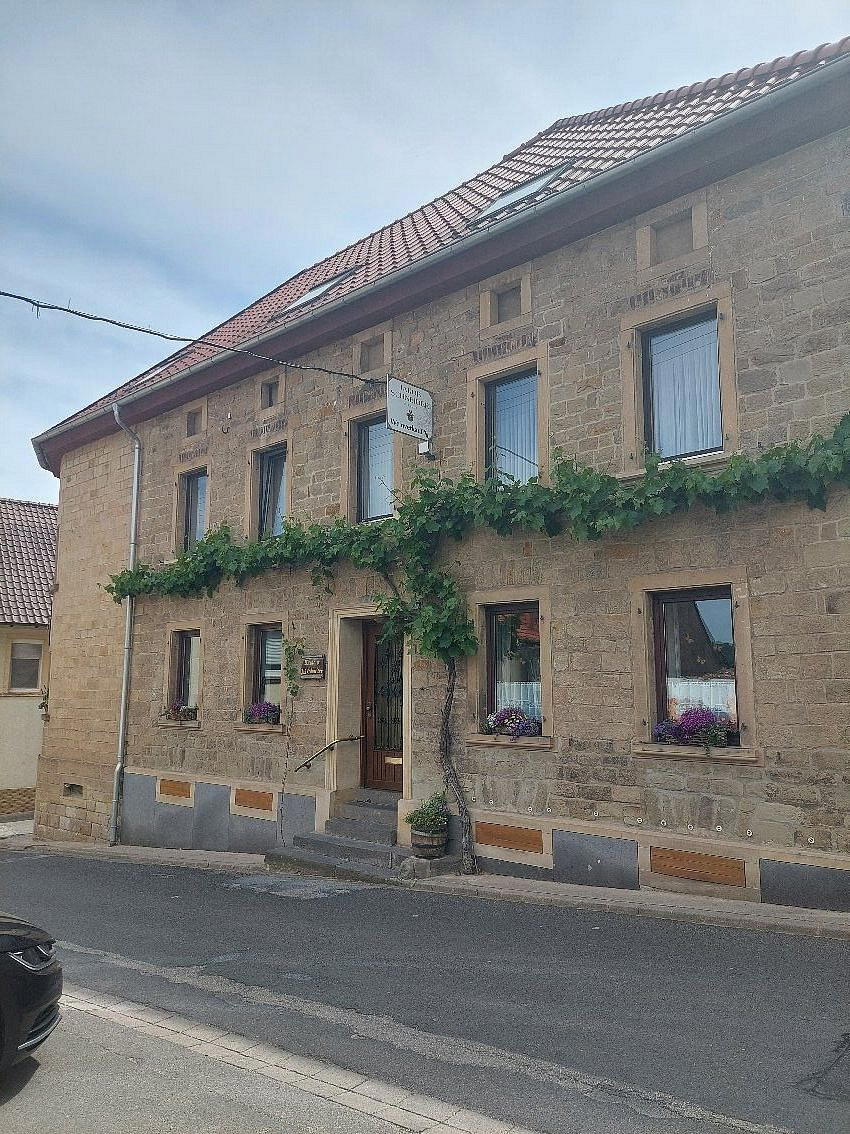
Kupferkanne sits on Berliner Strasse in the small Nahe Valley town of Bad Sobernheim, a spot where the rhythms of a wine-growing region shape what ends up on the plate. The address places it inside a food culture defined by proximity to Rhineland-Palatinate produce rather than urban fine-dining competition. For visitors already planning time at the town's spa facilities or Nahe wine estates, it represents a local anchor worth knowing.
Pearl is the En Primeur Club membership app — saves, bookings, and concierge access live there. Same editors, same standards.
- Address
- Berliner Str. 2, 55566 Bad Sobernheim, Germany
- Phone
- +494967512858
- Website
- restaurant-kupferkanne.de
- Directions
- Get directions
 Saves & bookings on Pearl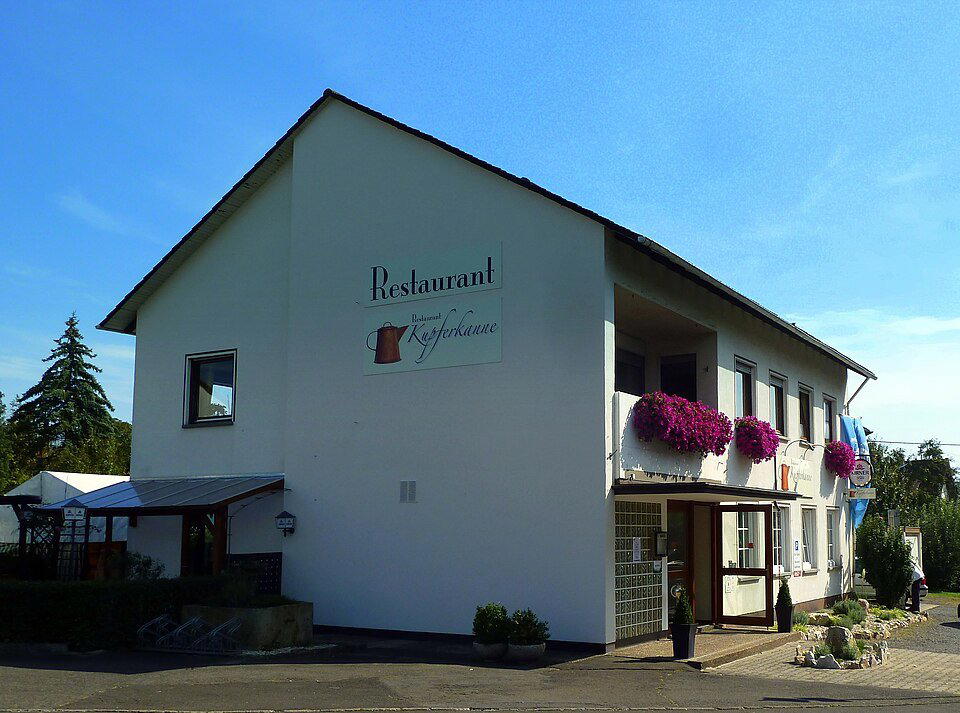
Bad Sobernheim and the Nahe Table
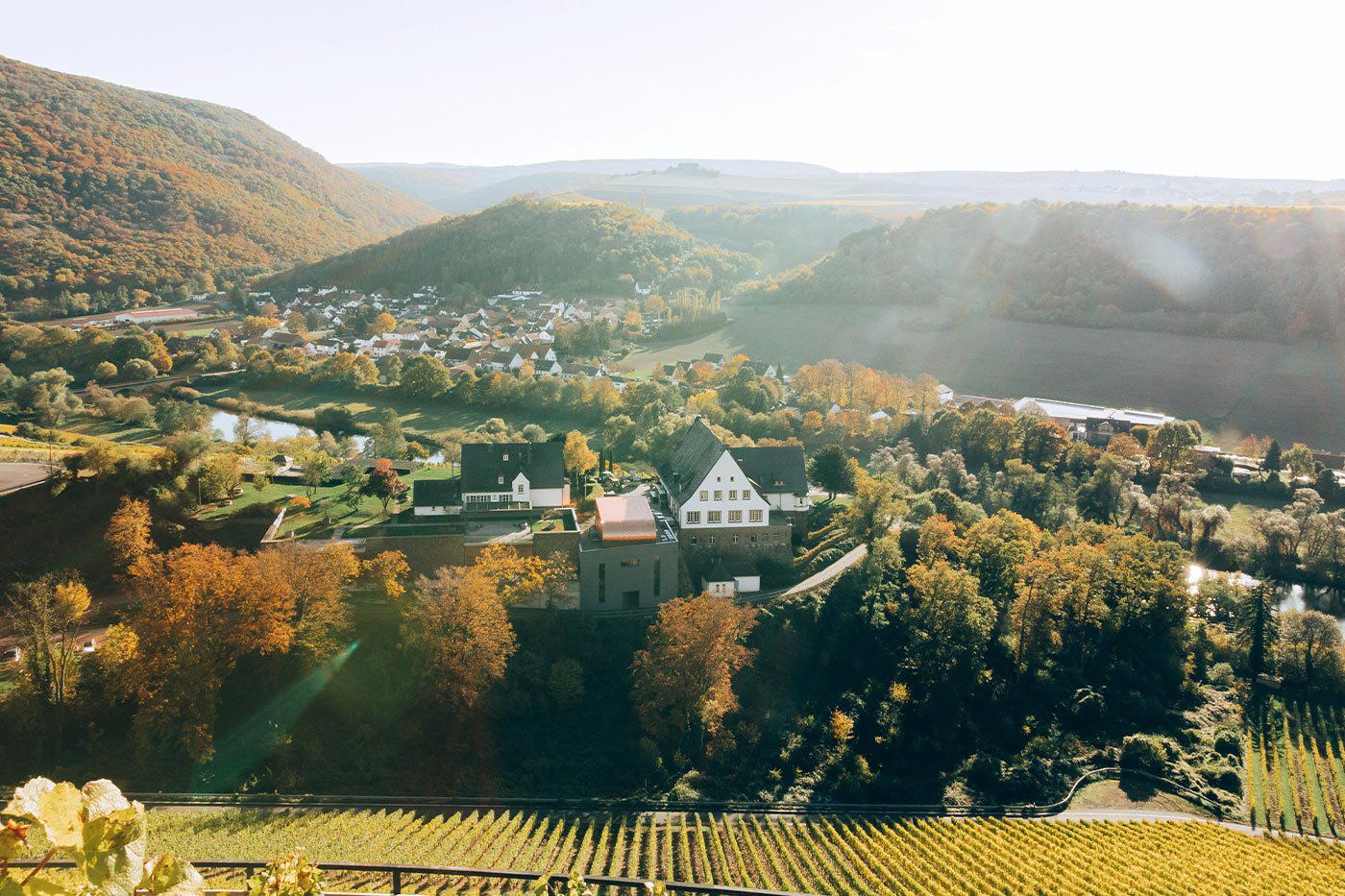
The Nahe Valley is one of Germany's quieter wine corridors, running between the Mosel's famous slate slopes and the Rheinhessen's volume production. Bad Sobernheim sits roughly mid-valley, a small spa town whose food culture has historically tracked the agricultural character of the region rather than the fine-dining circuits centred on Frankfurt or Cologne. Restaurants here tend to reflect what the surrounding countryside produces: Nahe Riesling from mineral-heavy soils, game from the Hunsrück hills to the west, and the kind of seasonal vegetable sourcing that happens when a town is small enough that supplier relationships are personal rather than contractual.
Kupferkanne is a Traditional German restaurant at Berliner Str. It operates within that context. The name itself, translating roughly to "copper pot" or "copper kettle," signals a domestic, hearth-oriented register that distinguishes it from the formal dining formats you find at properties like BollAnts Spa im Park, the spa-hotel complex that represents Bad Sobernheim's higher price tier. Where BollAnts competes on spa integration and polished service architecture, a place named for a copper pot is positioning itself in a different register entirely.
What the Address Tells You
Berliner Strasse is one of Bad Sobernheim's main through-roads, which means Kupferkanne is accessible on foot from the town centre rather than requiring a car or taxi. In a town of this size, that matters: Bad Sobernheim draws visitors who arrive by regional rail on the Nahe Valley line, and a walkable restaurant address on a central street is a practical advantage over destinations that require a drive into the surrounding countryside.
The broader pattern in small German spa towns is that restaurants on main commercial streets occupy a middle register between hotel dining and purely local Gaststätten. They tend to serve residents and visitors alike, which often produces menus that balance regional familiarity with enough variety to hold a tourist's attention across multiple visits. Compare this with the more specialised positioning of destination restaurants in the Rhineland-Palatinate region, such as Waldhotel Sonnora in Dreis or Schanz in Piesport, both of which draw guests from significant distances precisely because of Michelin recognition and a deliberate distance from everyday accessibility.
Ingredient Sourcing in a Wine-Growing Region
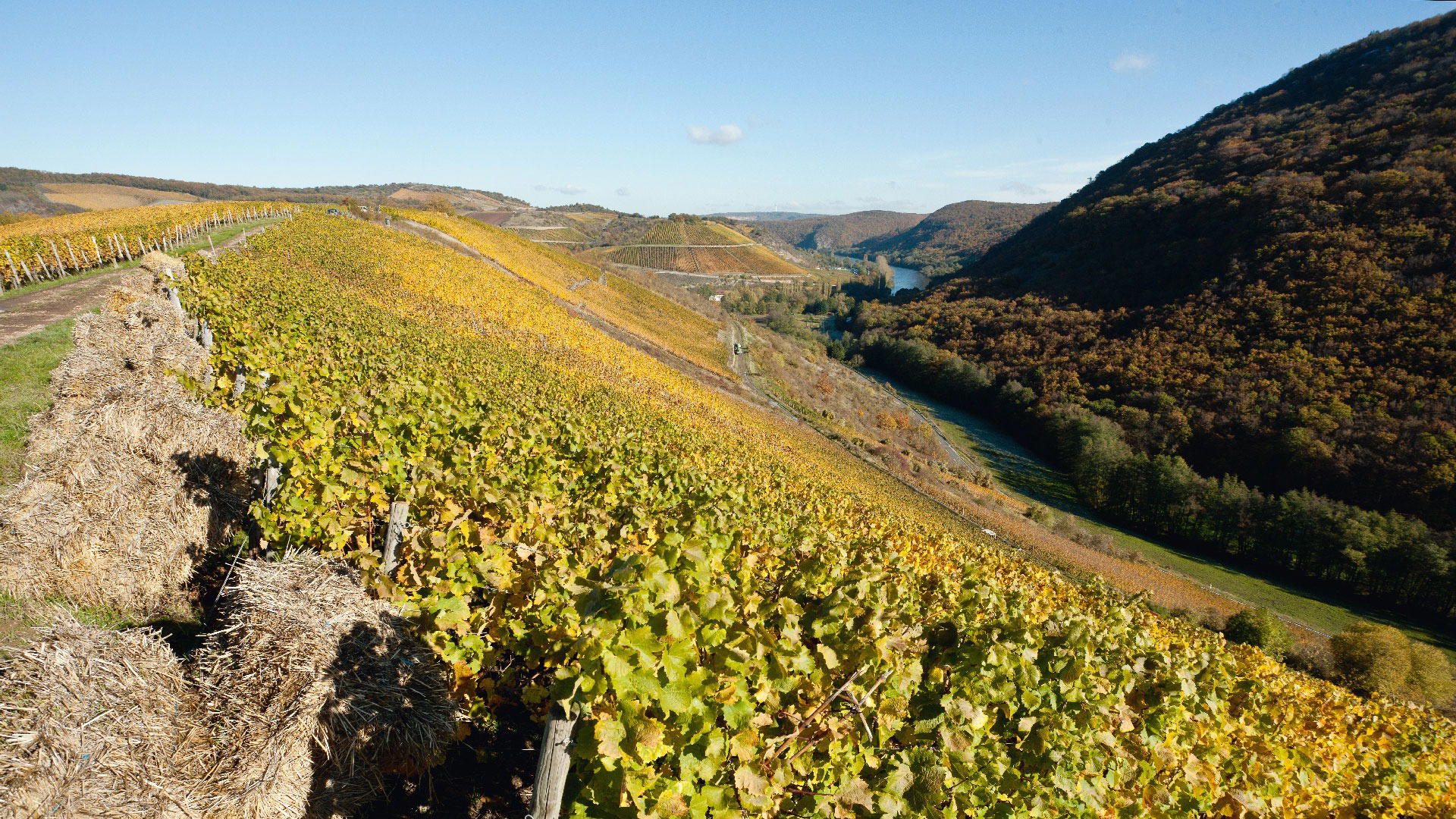
The Nahe's culinary identity is inseparable from its agricultural specificity. The valley produces Riesling, Silvaner, and Grauburgunder on soils that range from red sandstone near Bad Kreuznach to volcanic porphyry further upstream. That geological variety, which makes Nahe wine so interesting to collectors, also shapes what farmers grow alongside the vines: asparagus in spring, stone fruit through summer, root vegetables and game as the season turns. Restaurants in the valley that source well don't need to look far.
Ingredient provenance in small regional towns tends to be less loudly marketed than in urban fine-dining contexts, but often more structurally embedded. A restaurant in Bad Sobernheim has fewer layers of supply chain between itself and local producers than a restaurant in Düsseldorf or Hamburg sourcing "regional" products through a national distributor. That structural closeness is an argument for eating in towns like this, even when the restaurants lack the awards visibility of Germany's recognised fine-dining circuit, which runs through properties like Vendôme in Bergisch Gladbach, Aqua in Wolfsburg, and Victor's Fine Dining by Christian Bau in Perl.
The Nahe Valley line also places Bad Sobernheim within easy reach of the broader Rhineland-Palatinate food corridor. Bagatelle in Trier sits roughly 90 kilometres to the west; ATAMA by Martin Stopp in Sankt Ingbert operates further south toward the Saarland border. For visitors building a multi-day itinerary through this part of Germany, Bad Sobernheim functions as a logical overnight stop with its own dining logic rather than simply a transit point.
Situating Kupferkanne in the Local Scene
Bad Sobernheim's restaurant scene is compact. Hermannshof operates in the Mediterranean register, suggesting the town has at least some range across cuisine types rather than defaulting entirely to German regional cooking. The presence of both a Mediterranean option and a name like Kupferkanne, with its implied central European domesticity, indicates a small but differentiated local market.
For visitors calibrating expectations, it helps to understand what Bad Sobernheim is not. It is not a fine-dining destination in the sense that Schwarzwaldstube in Baiersbronn or ES:SENZ in Grassau are destination restaurants: towns where the restaurant itself is the reason for the journey. Bad Sobernheim draws visitors primarily through its spa infrastructure and its position in the Nahe wine region. Kupferkanne sits inside that visitor economy as a complement to those draws, not as the lead attraction.
That positioning is not a criticism. Particularly satisfying meals in Germany happen in exactly this register: a regional restaurant on a main street in a small town, sourcing from nearby farms and estates, with a menu that reflects what the landscape produces rather than what a tasting menu format requires. The comparison set for a meal at Kupferkanne is not CODA Dessert Dining in Berlin or JAN in Munich. It is the broader tradition of German regional cooking that uses proximity to its raw materials as its primary argument.
Planning a Visit
Bad Sobernheim is served by regional rail on the Nahe Valley line, making it reachable from Mainz and Saarbrücken without a car. Berliner Strasse is walkable from the station, which keeps arrival logistics simple. The town's spa facilities and the surrounding Nahe wine estates make it a practical base for a one or two night stay; visitors combining a spa day with Nahe wine tastings will find the restaurant scene sized appropriately for that format. Current hours are Mon: 6-10 PM; Tue: Closed; Wed: Closed; Thu: 6-10 PM; Fri: 6-10 PM; Sat: 6-10 PM; Sun: 12-2 PM, 6-10 PM. Reservations are recommended.
Visitors with an appetite for comparison across Germany's wider fine-dining geography might also consider Restaurant Haerlin in Hamburg or, further afield, ammolite in Rust for a sense of the range available across the country. For international benchmarks, Le Bernardin in New York City and Atomix in New York City represent how ingredient sourcing and regional identity translate at the highest tier of a different market entirely.
In Context: Similar Options
Comparable venues nearby, for context on price, style, and recognition.
| Venue | Cuisine | Price | Awards | Notes |
|---|---|---|---|---|
| KupferkanneThis venue — the venue you are viewing | Traditional German | $$ | Not listed | Not listed |
| BollAnts Spa im Park | Mediterranean with Regional Influences | $$$ | Not listed | Bad Sobernheim |
| Hermannshof | Mediterranean Fine Dining | $$$ | Michelin Plate | Bad Sobernheim |
| Jungborn | Dining | Not listed | Michelin 1 Star | Bad Sobernheim |
| I-Punkt | Modern German & European | $$ | Not listed | Wilhelmstraße |
| Hausmann's | Traditional German Brasserie | $$ | Not listed | Frankfurt Airport |
Continue exploring
More in Bad Sobernheim
Restaurants in Bad Sobernheim
Browse all →
Bars in Bad Sobernheim
Browse all →

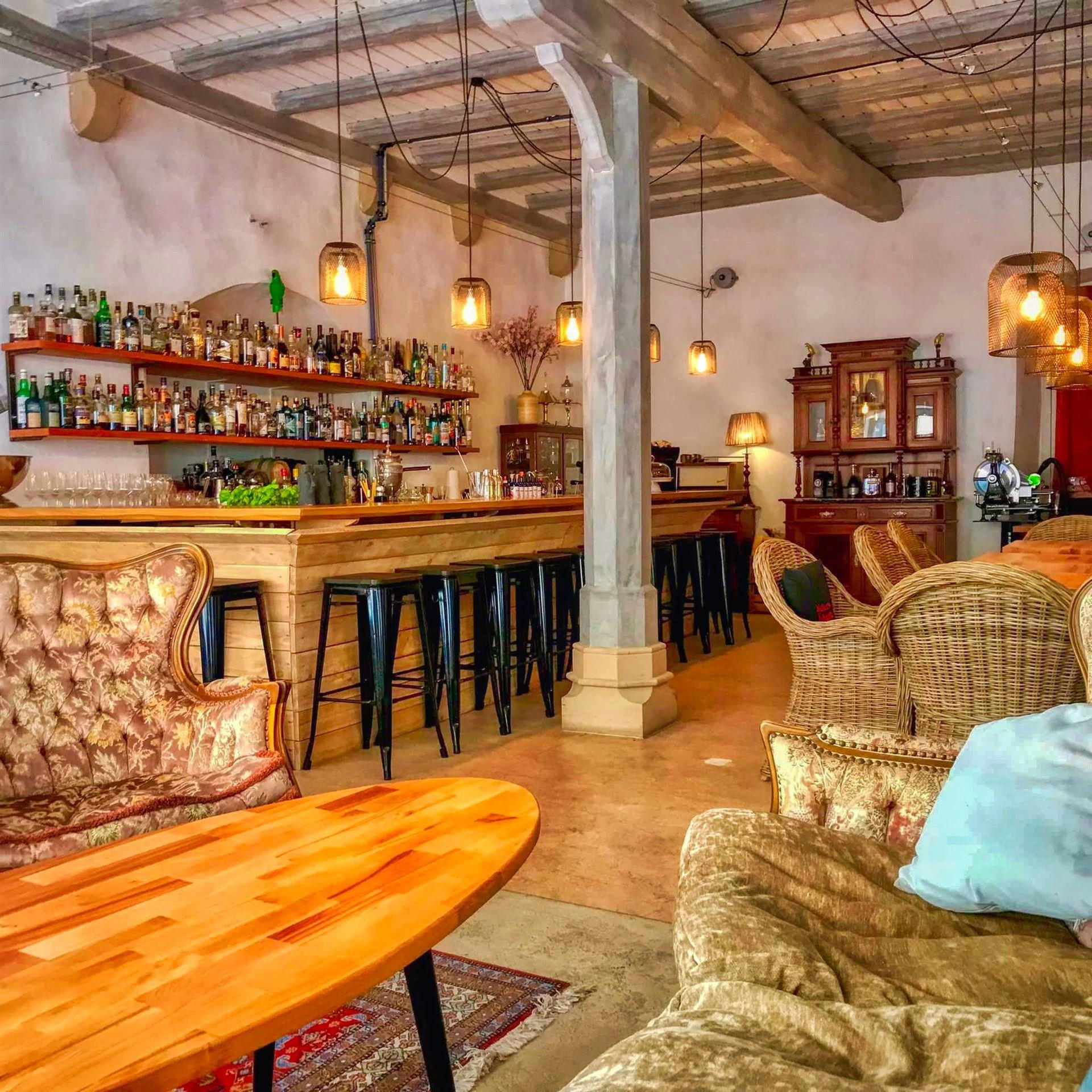
Hotels in Bad Sobernheim
Browse all →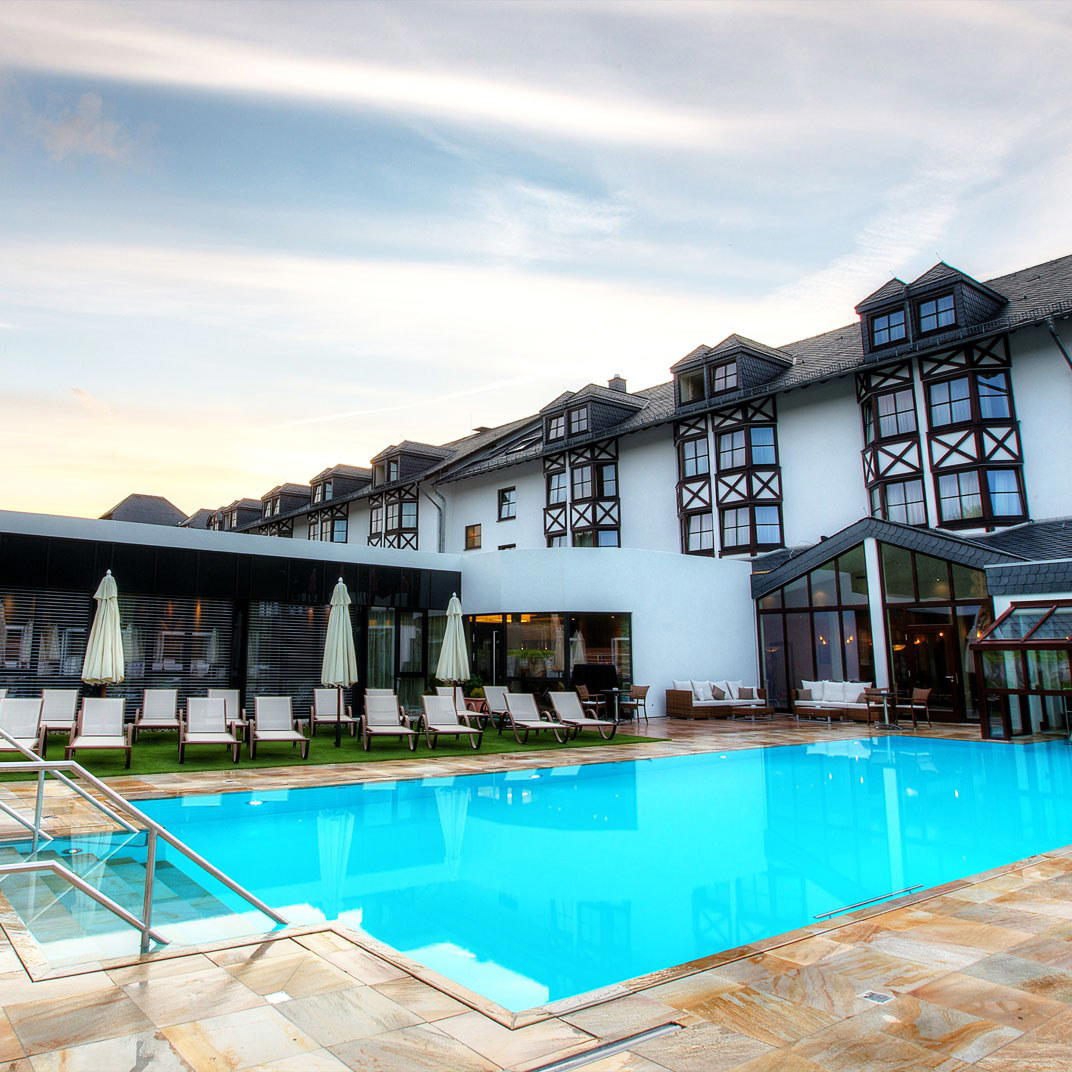
At a Glance
- Cozy
- Classic
- Casual Hangout
Current opening hours
- Monday
- 6–10 PM
- Tuesday
- Closed
- Wednesday
- Closed
- Thursday
- 6–10 PM
- Friday
- 6–10 PM
- Saturday
- 6–10 PM
- Sunday
- 12–2 PM, 6–10 PM
Hours can change for holidays and private events. Last verified .
Cozy and relaxing atmosphere with pleasant, not too noisy setting and attentive service.