Restaurant Dijana
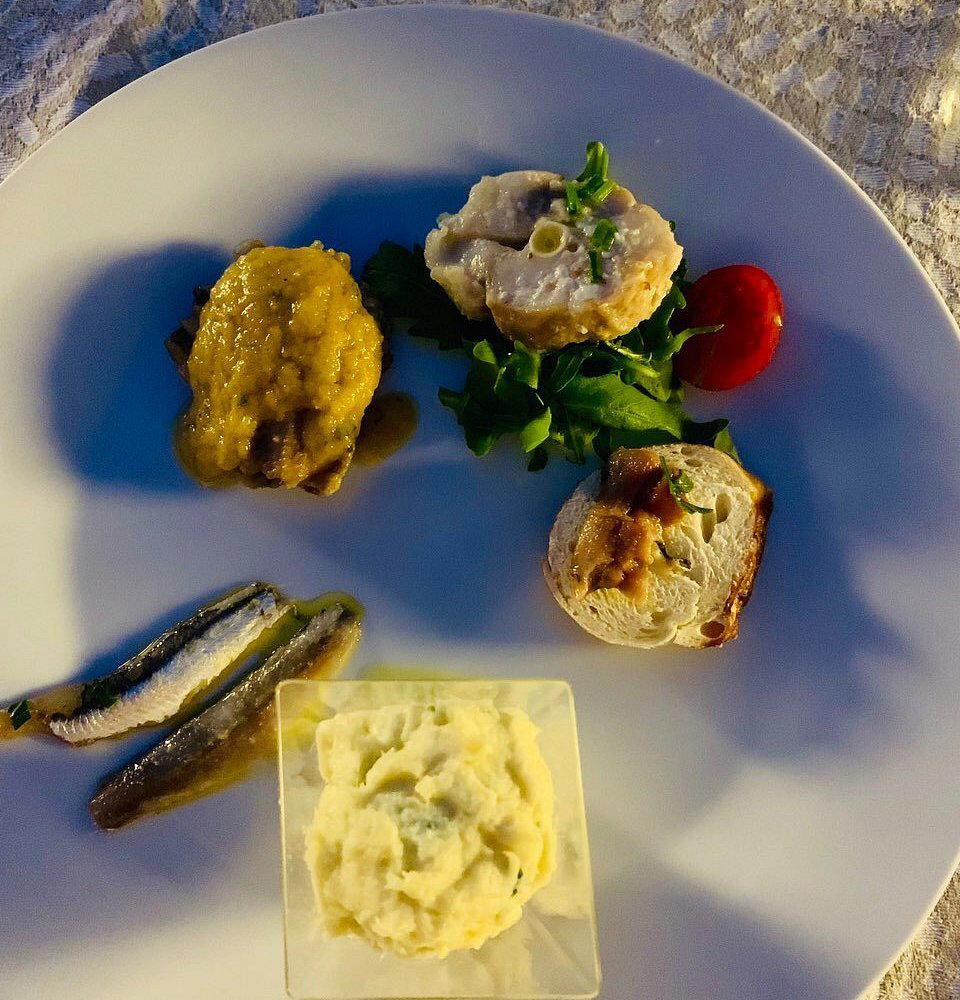
Restaurant Dijana sits in Savudrija, on the northwestern tip of the Istrian peninsula where the Adriatic meets the Slovenian border. The restaurant operates within a region defined by its proximity to the sea and its crossroads character, where Croatian, Italian, and Central European culinary traditions have historically overlapped. Practical details including hours and booking should be confirmed directly before visiting.
Pearl is the En Primeur Club membership app — saves, bookings, and concierge access live there. Same editors, same standards.
- Address
- Alberi 300 A, 52475, Savudrija, Croatia
- Phone
- +385 52 707 000
- Website
- kempinski.com
- Directions
- Get directions
 Saves & bookings on Pearl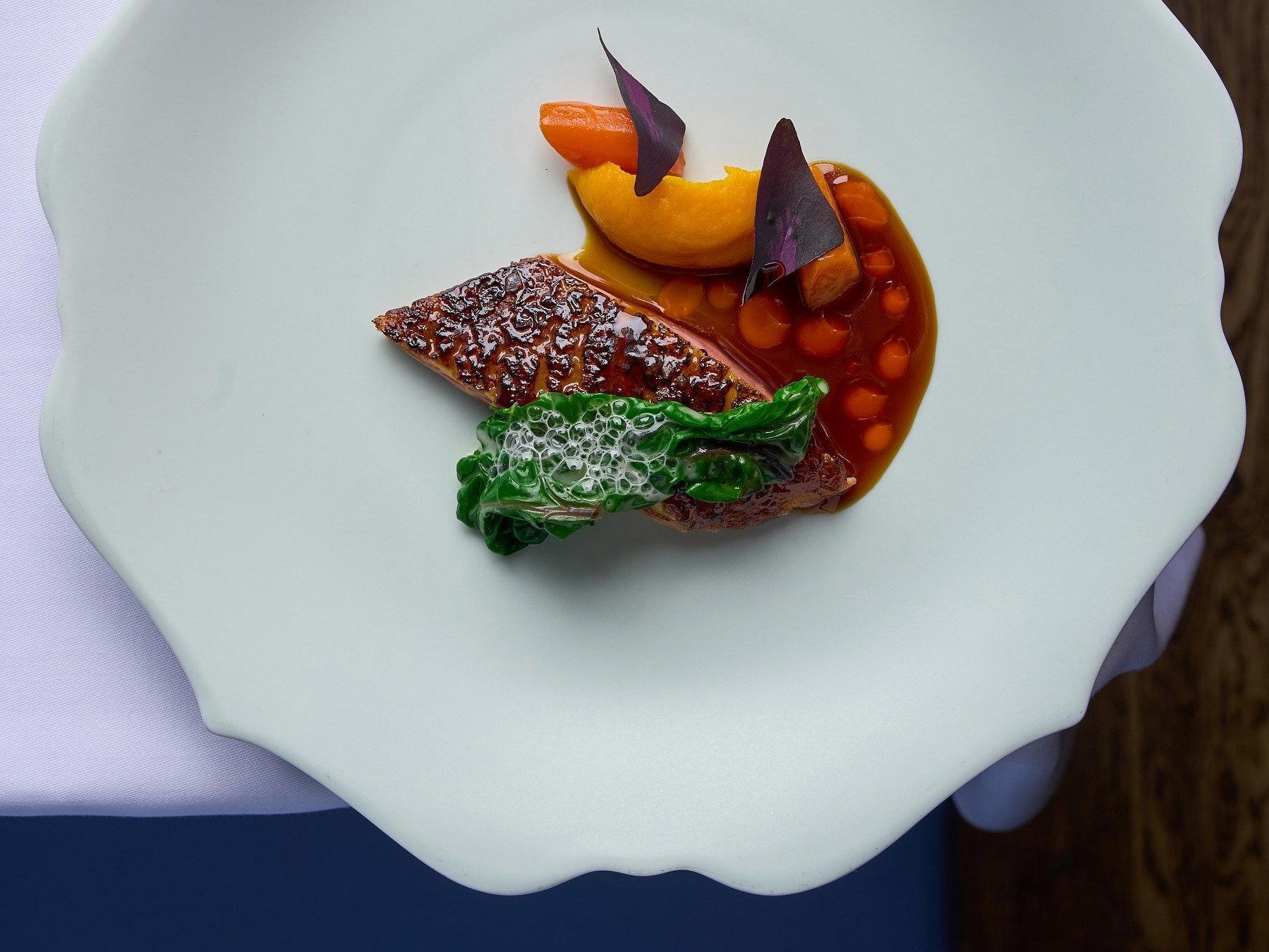
Where Istria Meets the Sea: The Northwestern Edge
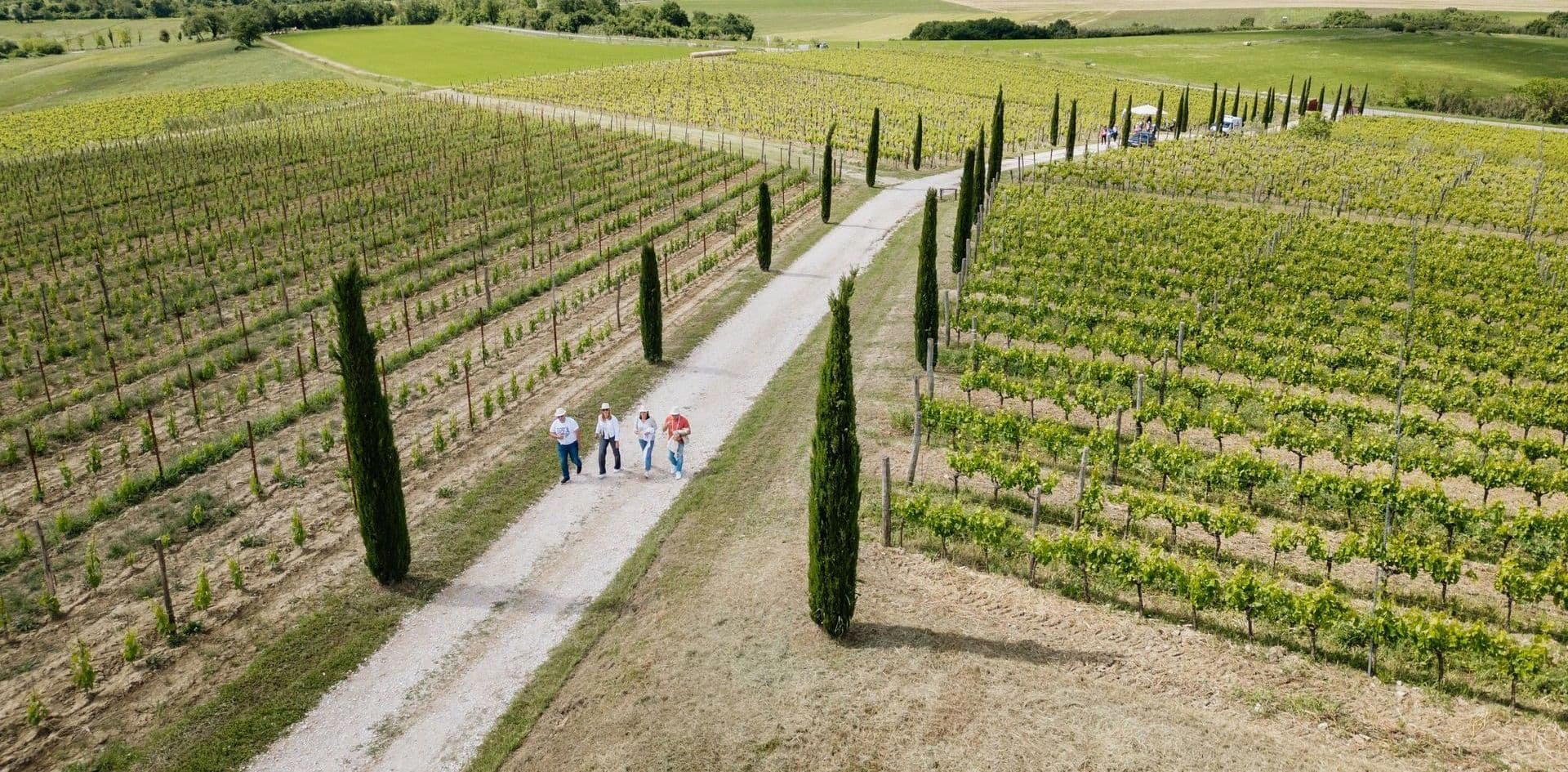
The road to Savudrija runs along one of Croatia's least-trafficked coastlines. This is the northernmost tip of the Istrian peninsula, a stretch of karst shore where the Adriatic narrows toward the Gulf of Trieste and where the culinary pull has always come from multiple directions at once. Italian dialect persists in local place names; Slovenian day-trippers cross the border a few kilometres north; and the Istrian interior, with its truffle grounds and olive groves, sits within reach. Restaurant Dijana, at Alberi 300 A in Savudrija, serves Mediterranean cooking in a smart casual setting, with reservations recommended.
Crveni Vrh itself is a small settlement on the cape, named for the reddish soil characteristic of Istrian terra rossa. The area sees far less tourism than Poreč to the south or Rovinj further down the coast, which means the dining here tends to serve a more local and regional clientele rather than seasonal peak crowds. For reference, nearby Kanova represents the broader picture of what the Crveni Vrh dining scene currently offers; together these venues sketch the outline of an area that rewards attention without demanding it.
The Culinary Tradition This Corner of Istria Carries
Istrian cuisine sits at one of Europe's more productive culinary crossroads. The peninsula spent centuries under Venetian rule, then Habsburg administration, before becoming part of Yugoslavia and eventually modern Croatia. Each layer left its mark. Pasta shapes common in Veneto appear alongside Central European preparations; the sea provides bream, sea bass, and shellfish that any Adriatic kitchen understands instinctively; and the interior contributes truffles from Motovun and Buzet, olive oil from Vodnjan, and wines from Malvazija and Teran grapes that have defined the region's table for generations.
What this means practically is that Istrian restaurants in the northwestern cape area operate within a tradition that is genuinely layered rather than simply marketed as such. The sea-to-table logic here is geographic necessity as much as culinary principle. Fishing communities along this coastline have structured their menus around daily catch for as long as the settlements have existed, and the proximity to the Italian northeast has kept technique and product standards in productive tension with Croatian approaches. Venues in this area compete in a regional context where Agli Amici Rovinj in Rovinj represents the Italian-inflected high end of Istrian dining, while the broader Croatian fine dining conversation includes addresses such as Pelegrini in Sibenik and Restaurant 360 in Dubrovnik further down the Adriatic.
Planning a Visit: What to Know Before You Go
Advance booking is recommended. Visitors coming from Poreč or Novigrad should account for the drive along the coastal road, which is scenic but not fast. The address at Alberi 300 A places the restaurant within the Savudrija settlement rather than in a main town centre, so GPS navigation is the practical approach;
The surrounding area rewards a longer stay rather than a single-meal detour. Savudrija's lighthouse, the oldest on the Adriatic, marks the cape itself and provides orientation. The border with Slovenia at Sečovlje is close enough that crossing for the salt pans or the Slovenian Karst wine region becomes a half-day option. For those building a wider Istrian itinerary,
Positioning Within Croatia's Wider Dining Scene
Croatia's restaurant scene has developed unevenly across its geography. The Dalmatian coast captures the majority of international attention, with Michelin recognition concentrated in Dubrovnik, Split, and Šibenik. Istria has built its own credibility through a different path: agricultural products of genuine quality, a wine culture that gained serious European recognition from the 1990s onward, and a tourism base that, in its northern reaches, tilts toward the Italian and Austrian markets rather than the British or American visitors who dominate further south.
Within that structure, the northwestern cape sits in a quieter register than the well-documented Rovinj or Poreč restaurant scenes. Addresses in this part of Istria tend to be found by word of mouth, through regional Croatian food coverage, or by visitors who have exhausted the more obvious options and are looking for what remains. That positioning is neither a criticism nor an endorsement of any specific venue; it is simply a description of how Croatian dining geography works at this edge of the peninsula. For context on how Croatia's restaurant scene reads at its most ambitious end, Nebo by Deni Srdoč in Rijeka, Alfred Keller in Mali Losinj, and Boskinac in Novalja each represent a different register of ambition across the Kvarner and island dining circuit. Inland, Dubravkin Put in Zagreb and Korak in Jastrebarsko complete the picture of how Croatian cuisine presents itself away from the coast. The Dalmatian end of that spectrum includes LD Restaurant in Korčula, Krug in Split, Bodulo in Pag, BioMania Bistro Bol in Bol, Burin in Crikvenica, and Cantilly Garden Restaurant in Samobor. For comparison, Le Bernardin in New York City and Atomix in New York City represent the standard against which coastal seafood-focused and modern tasting-menu formats globally compete.
Budget Reality Check
Comparable venues nearby, for context on price, style, and recognition.
| Venue | Cuisine | Price | Notes |
|---|---|---|---|
| Restaurant DijanaThis venue — the venue you are viewing | Crveni Vrh, Mediterranean | $$ | Not listed |
| Kanova | Crveni Vrh, Mediterranean Seafood | $$$ | Not listed |
| Hotel & Restoran Degenija | Not listed | $$ | Selište Drežničko, Rakovica, Traditional Croatian Regional Grill |
| Don Dino Restaurant | Not listed | $$ | Trogir Old Town, Modern Dalmatian Seafood |
| Anna's Garden | Not listed | $$ | Basanija, Northern Istrian Coastal Mediterranean |
| Mali Raj | old town, Mediterranean Seafood | $$ | Not listed |
Continue exploring
More in Crveni Vrh
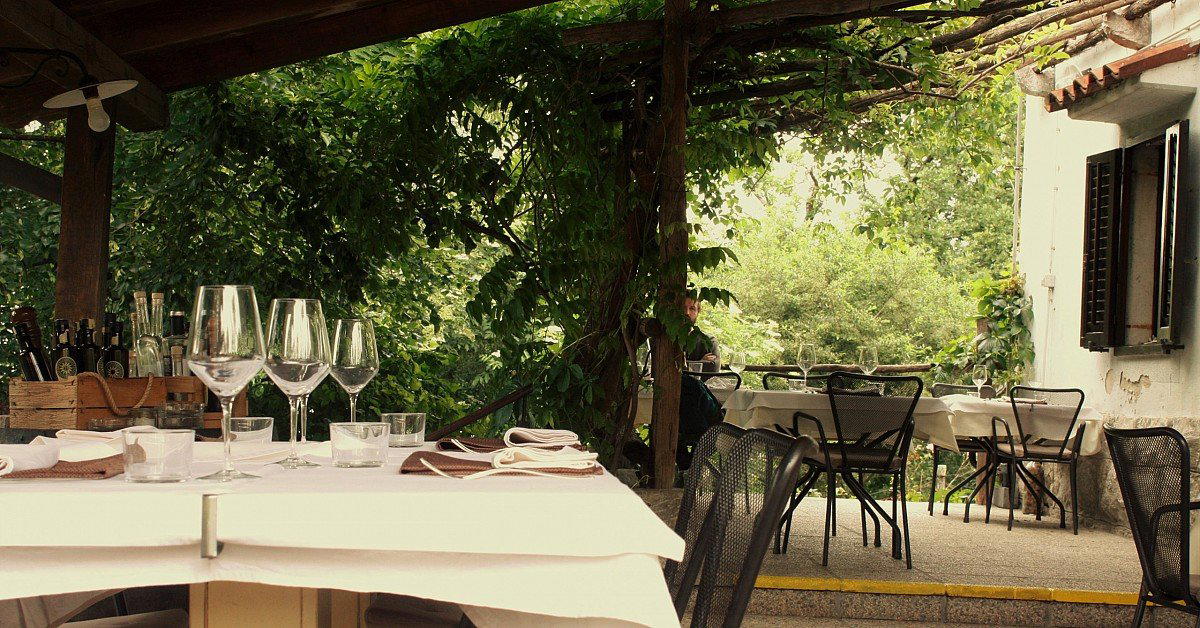
Restaurants in Crveni Vrh
Browse all →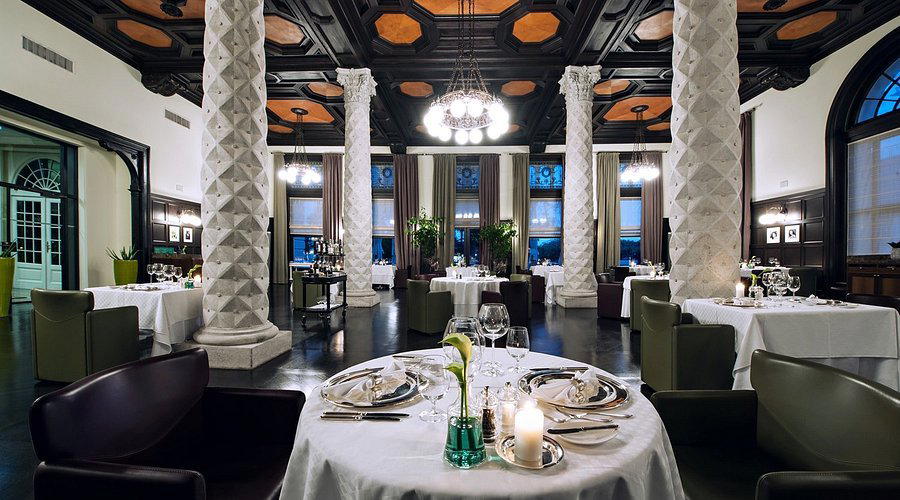
Bars in Crveni Vrh
Browse all →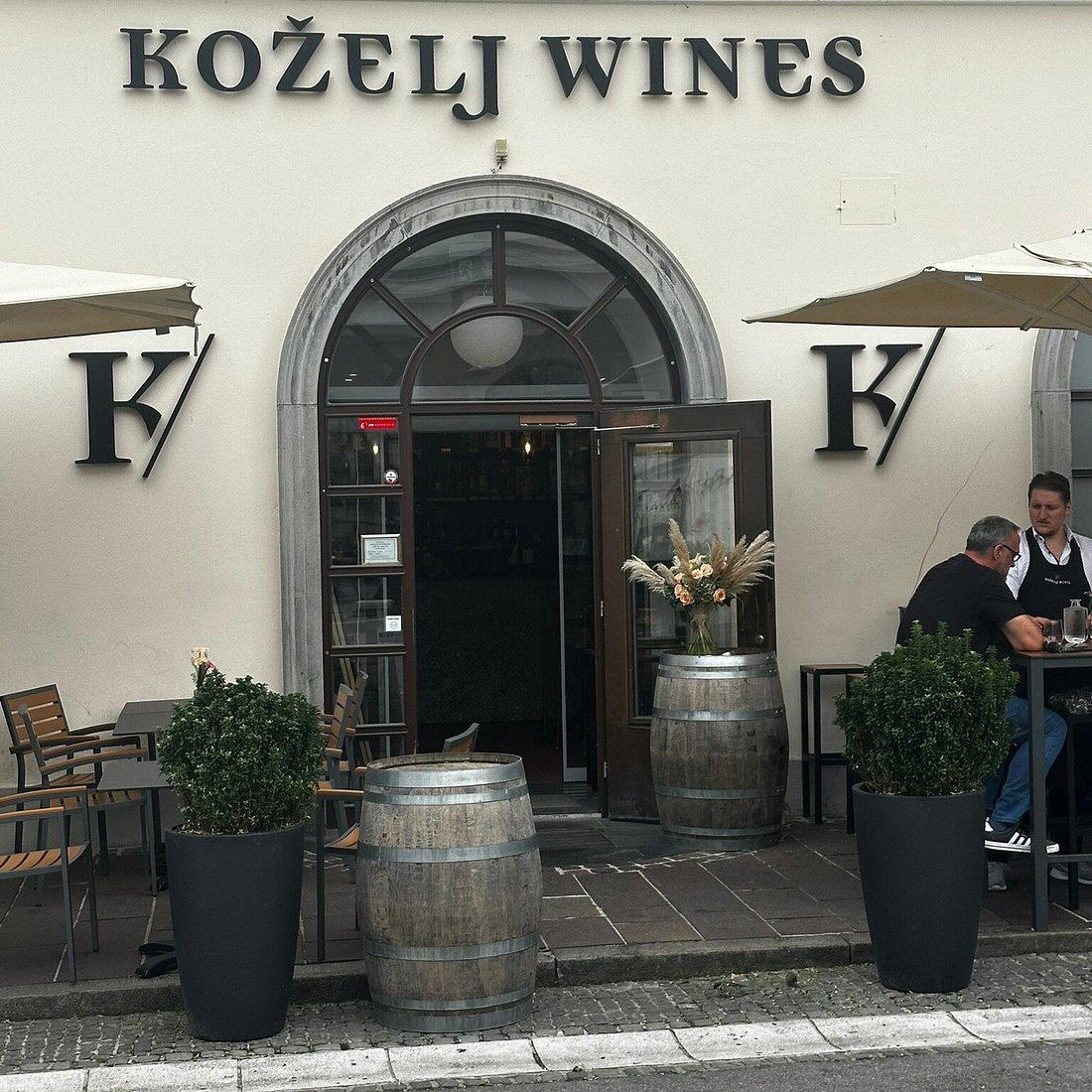
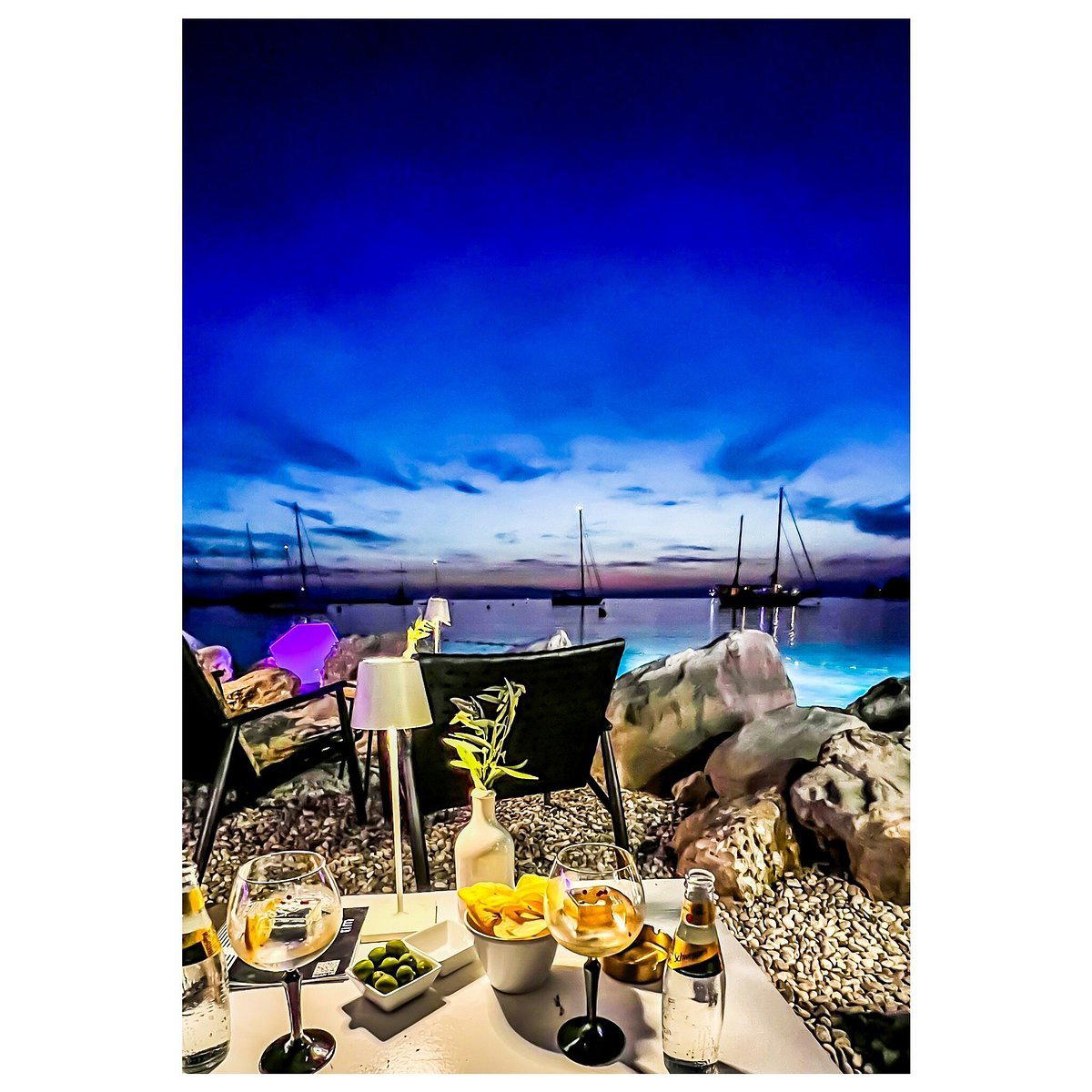
Hotels in Crveni Vrh
Browse all →
At a Glance
- Elegant
- Scenic
- Special Occasion
- Hotel Restaurant
Current opening hours
- Monday
- 7–11 AM, 12:30–3:30 PM, 6–10 PM
- Tuesday
- 7–11 AM, 12:30–3:30 PM, 6–10 PM
- Wednesday
- 7–11 AM, 12:30–3:30 PM, 6–10 PM
- Thursday
- 7–11 AM, 12:30–3:30 PM, 6–10 PM
- Friday
- 7–11 AM, 12:30–3:30 PM, 6–10 PM
- Saturday
- 7–11 AM, 12:30–3:30 PM, 6–10 PM
- Sunday
- 7–11 AM, 12:30–3:30 PM, 6–10 PM
Hours can change for holidays and private events. Last verified .
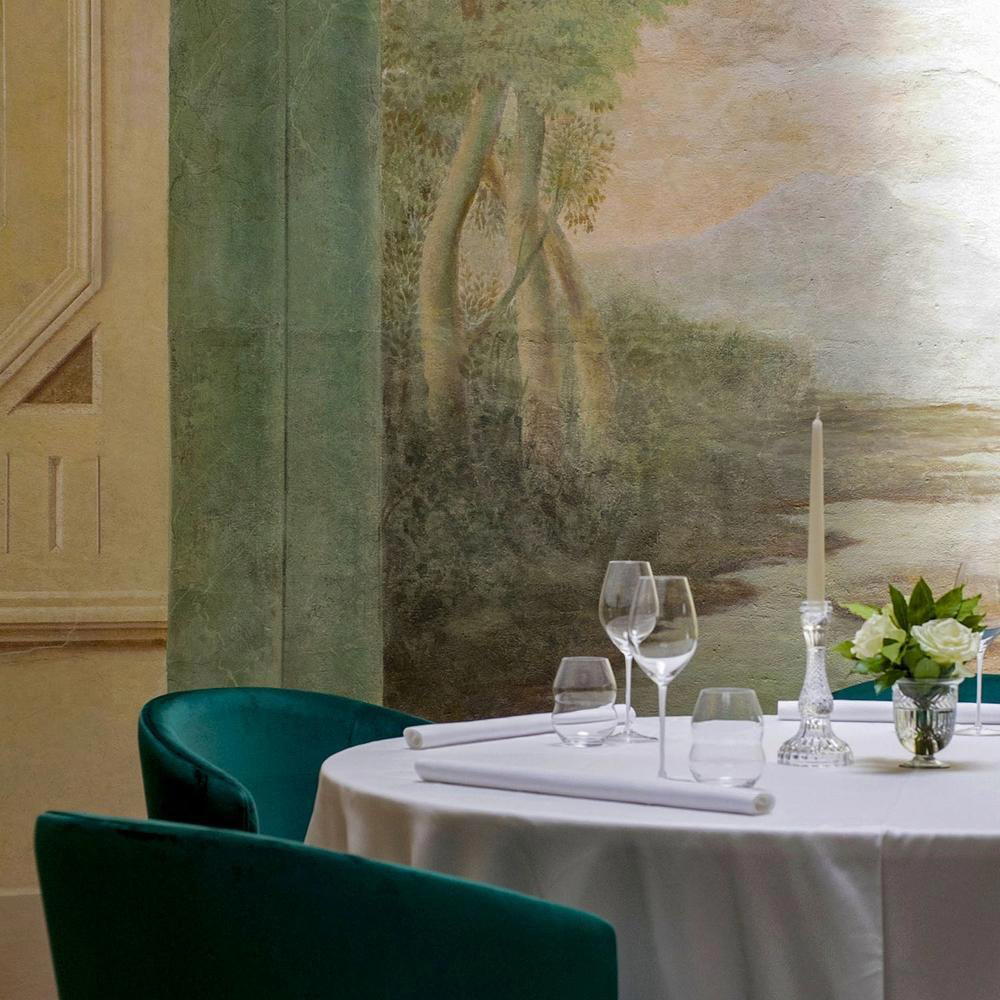
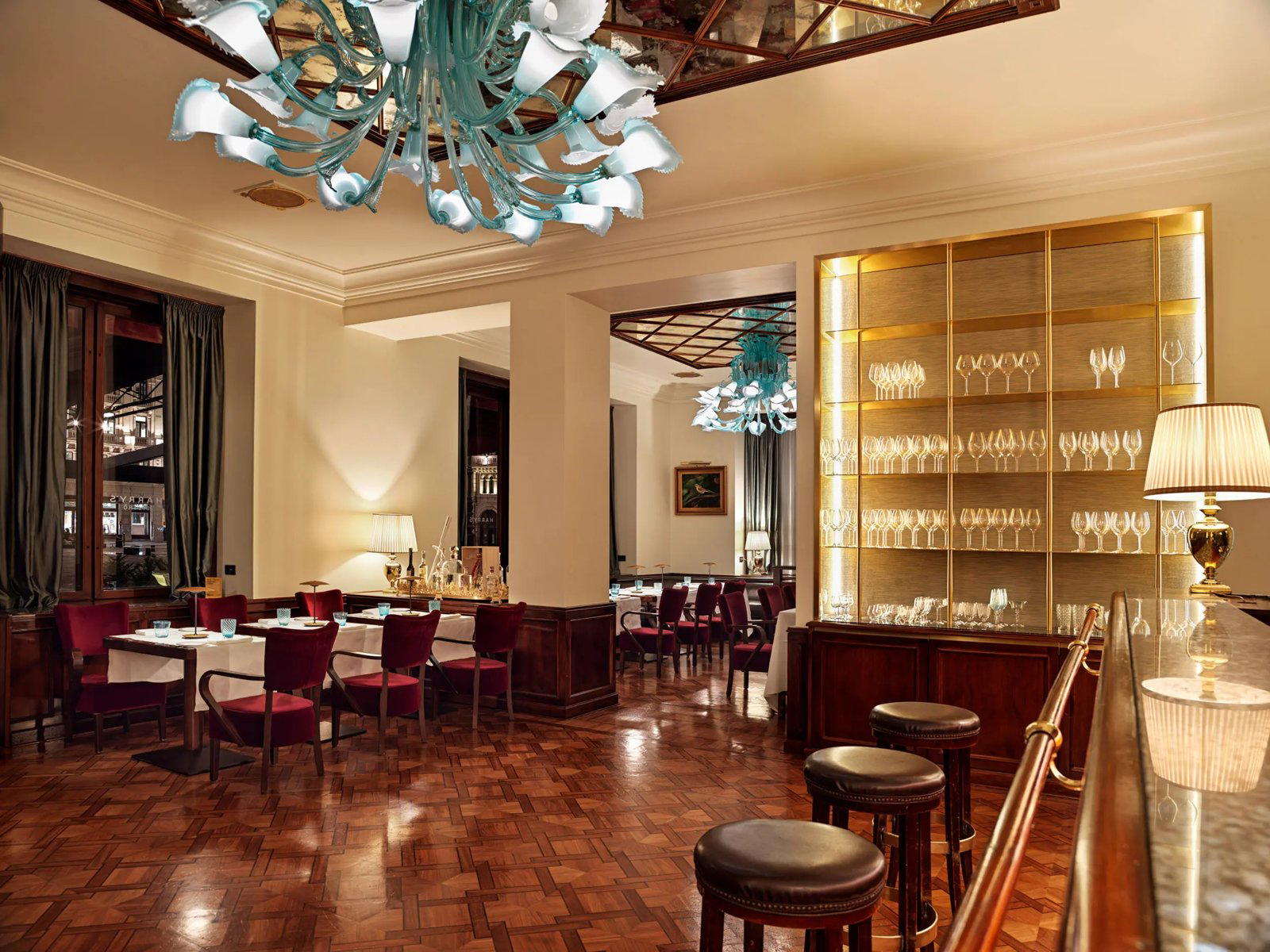
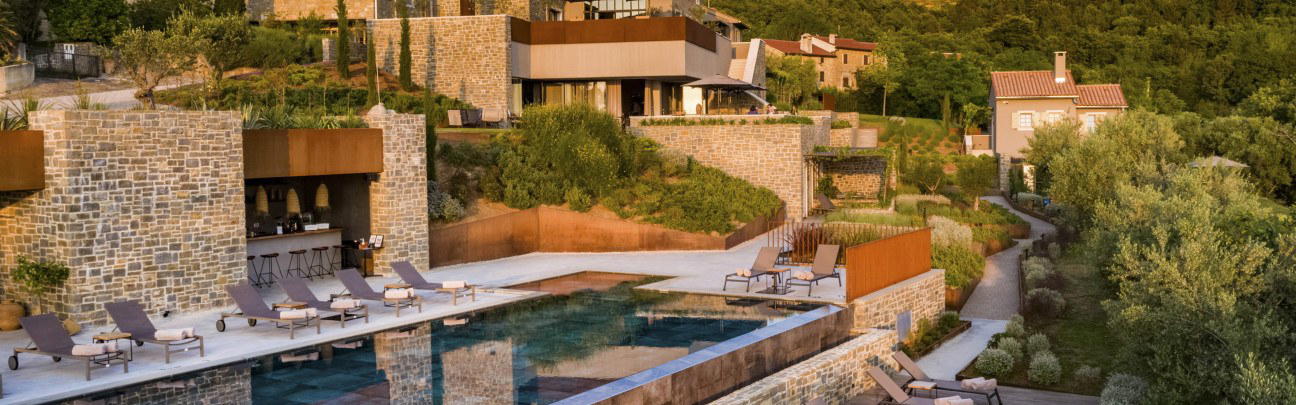
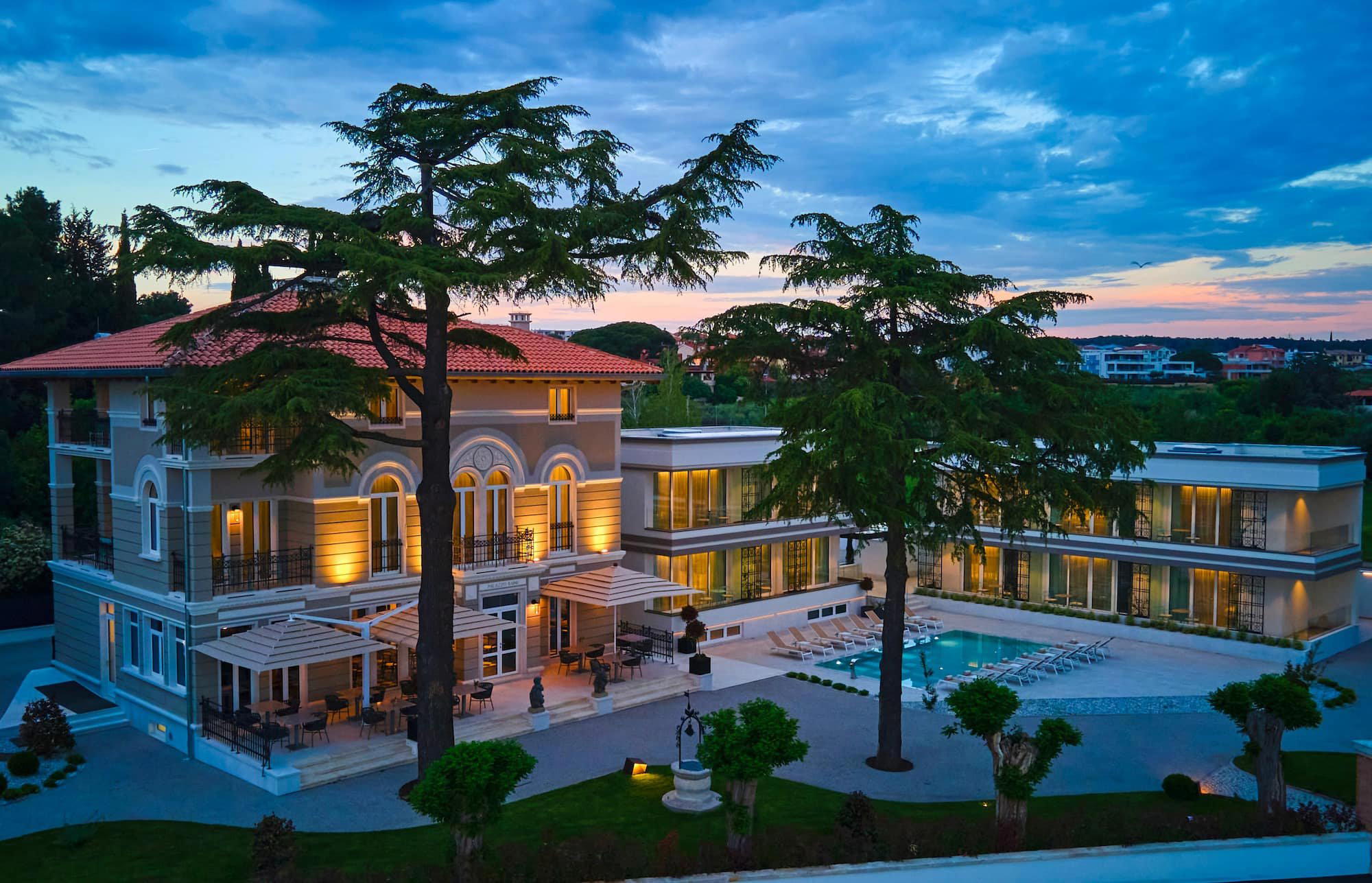
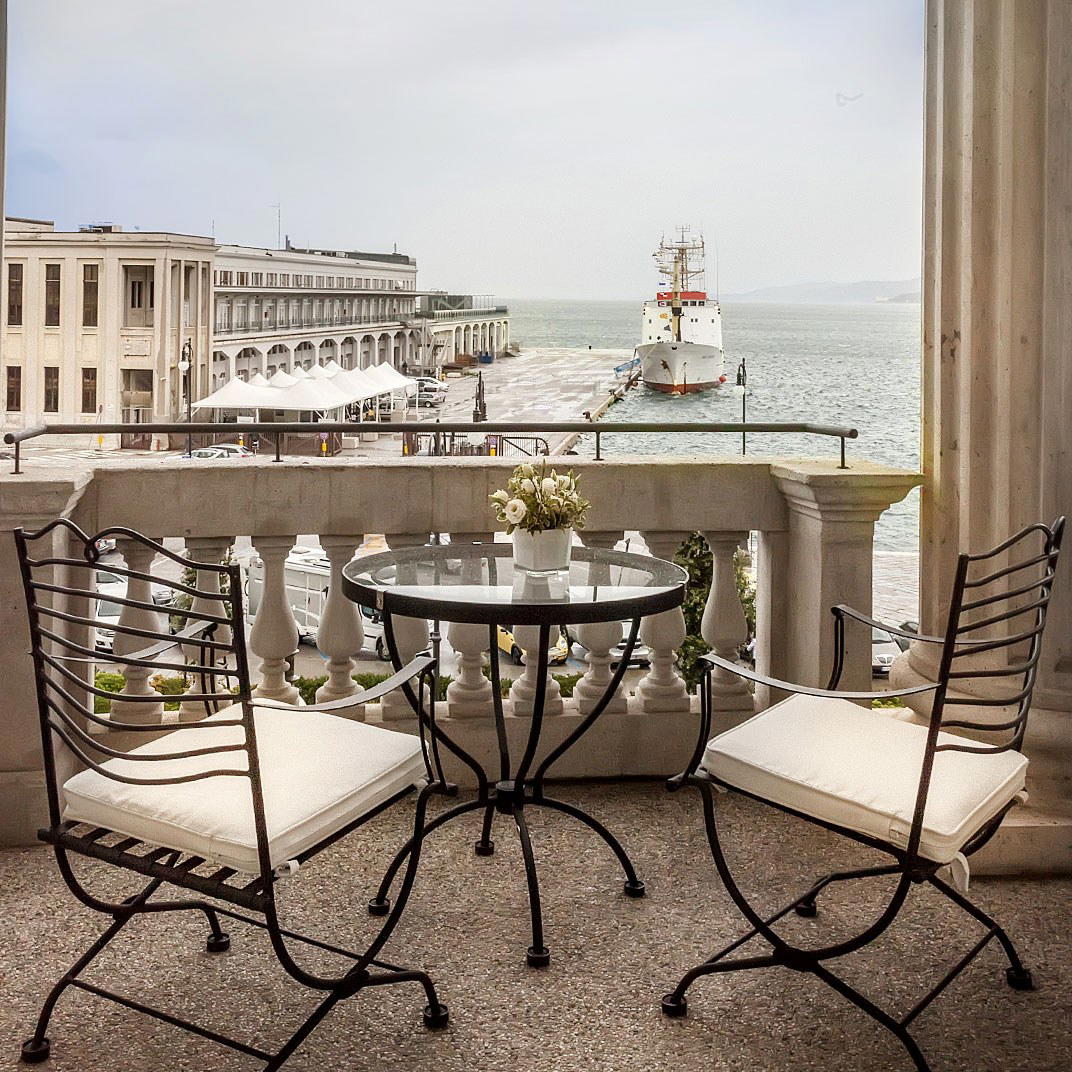
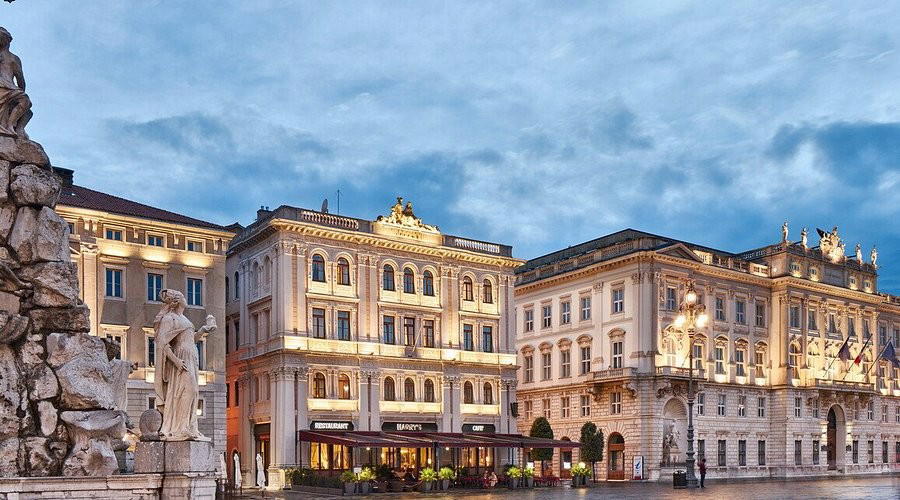
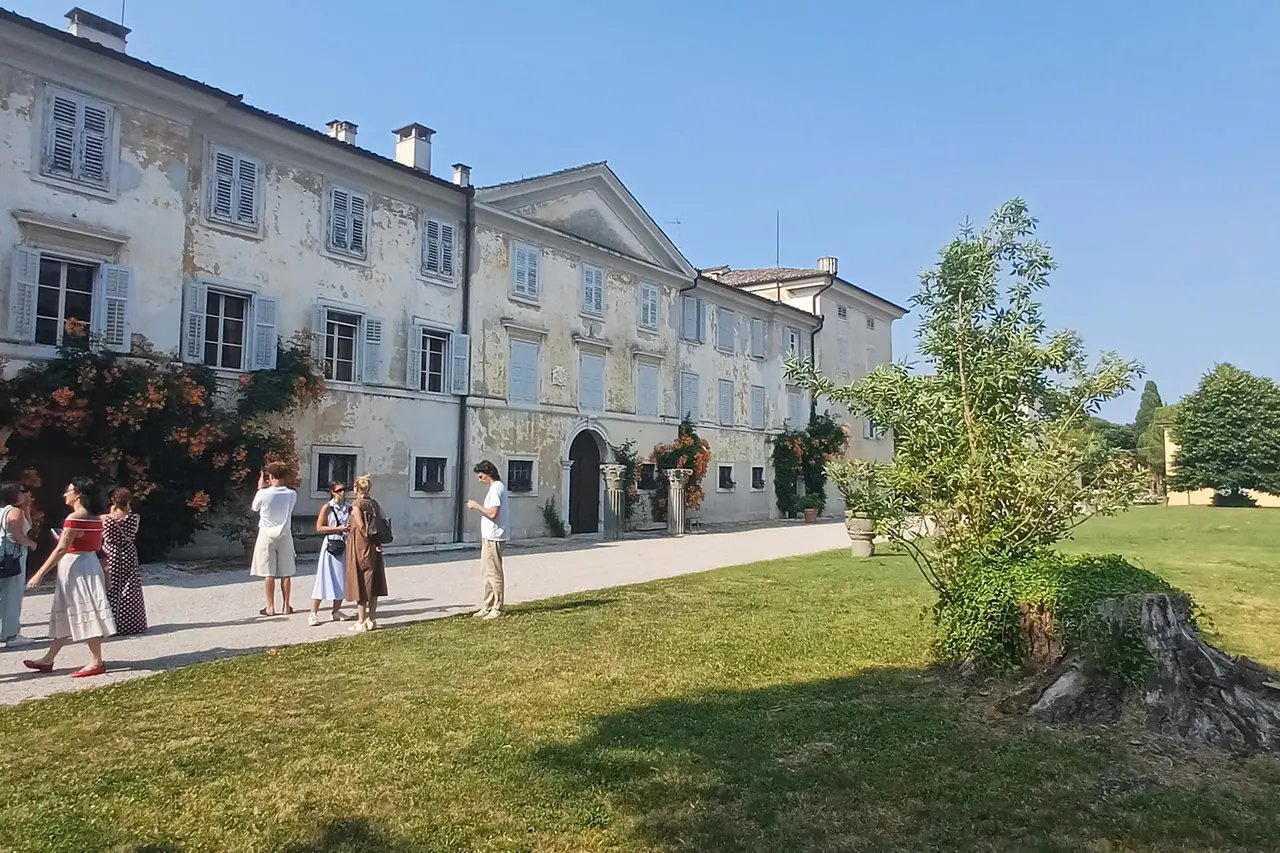
Resort hotel restaurant ambiance.