Mali Raj occupies a quiet address at Trevisol 48 in Rovinj's residential fringe, away from the harbour-front crowds that define the town's more visible dining tier. Worth investigating alongside the town's more documented dining options.
Pearl is the En Primeur Club membership app — saves, bookings, and concierge access live there. Same editors, same standards.
- Address
- Trevisol 48, 52210, Rovinj, Croatia
- Phone
- +38552427082
- Directions
- Get directions
 Saves & bookings on Pearl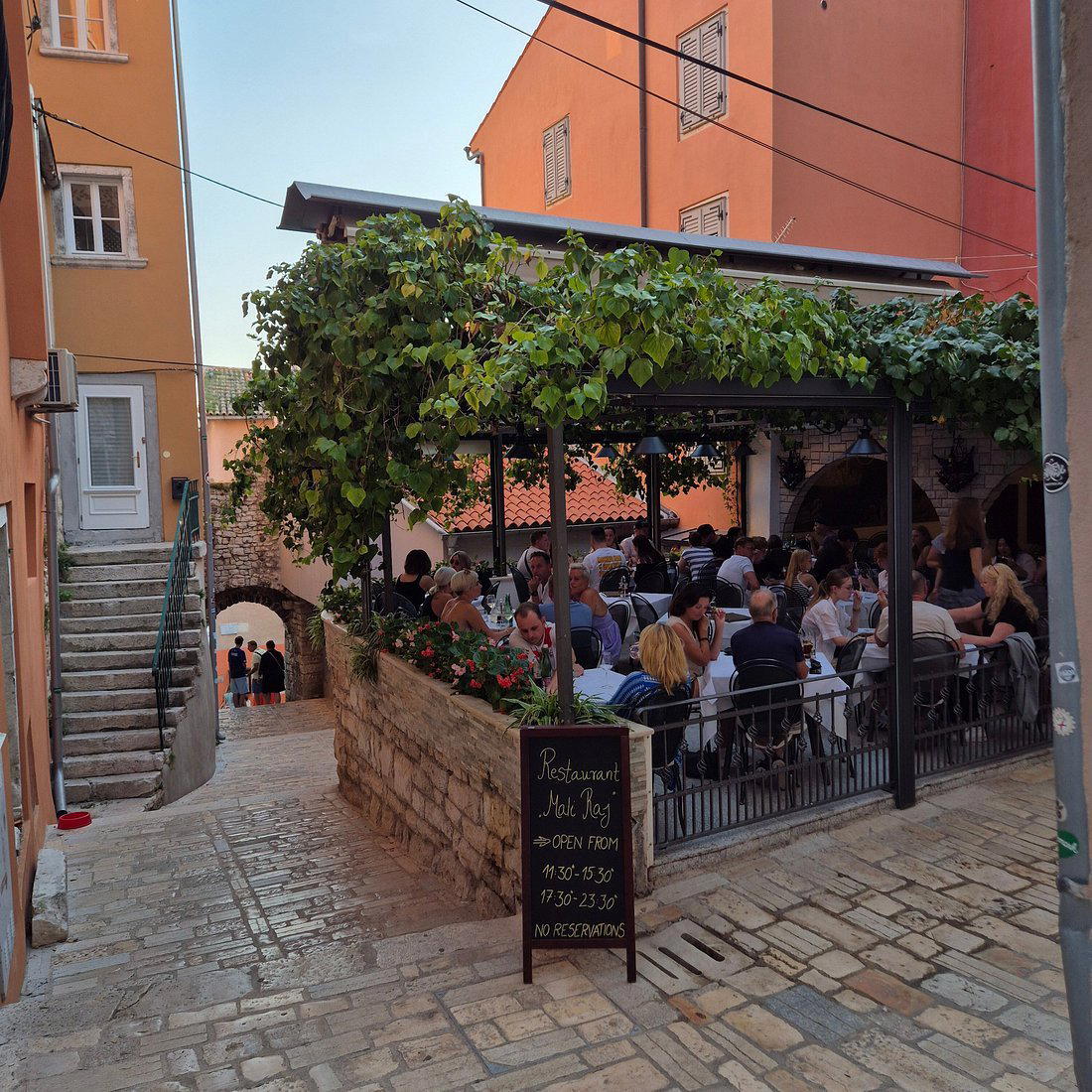
Rovinj Beyond the Harbour: Where the Quieter Tables Are
Rovinj's dining reputation has been built largely on a cluster of addresses that face the Adriatic or occupy the old town's cobbled interior. Monte and Agli Amici Rovinj anchor the town's fine-dining tier, both operating at the €€€€ price point with creative menus built on Istrian ingredients. Cap Aureo adds a hotel-backed creative option at the same level. Below that tier, the town has a longer, less-documented tradition of neighbourhood restaurants where the audience is as much local as tourist, and where the kitchen's relationship to Istrian produce tends to be more matter-of-fact than theatrical. Mali Raj, at Trevisol 48, sits in that second category geographically and, in character too.
The address itself places the restaurant away from the waterfront circuit. Trevisol is a residential street in Rovinj's quieter outer reaches, the kind of location that filters out walk-in tourists and rewards the visitor who has done some research. In towns like Rovinj, where peak-season foot traffic concentrates on a narrow strip of harbour-facing and old-town venues, this positioning matters. It often correlates with a more settled, repeat-customer clientele and a kitchen that has less incentive to play to first-time visitors looking for a headline dish.
The Istrian Context: What the Region Puts on the Table
Any honest account of eating in Rovinj has to start with the regional pantry, because Istria's produce is specific enough to shape every serious kitchen in the area. Truffles from the Motovun forest, particularly the white variety harvested in autumn, appear across the spectrum from tourist-facing pasta counters to the region's more considered dining rooms. Istrian olive oil, produced from the Buža and Rosinjola varieties, has accumulated international competition recognition over the past two decades and now functions as a genuine quality signal when a kitchen chooses to use local over imported. The Adriatic shelf here yields scampi, sea bass, and bream that supply both the upmarket creative kitchens and the simpler grills. Inland, the Buje and Buzet areas contribute sheep's cheeses and cured meats that appear in every format from bar snacks to tasting menus.
This regional depth means that a neighbourhood restaurant working honestly with its supply chain has strong material to work with, regardless of format or ambition level. Croatia's broader fine-dining tier, represented by addresses like Pelegrini in Šibenik, Restaurant 360 in Dubrovnik, and Nebo by Deni Srdoč in Rijeka, has demonstrated that rigorous sourcing and a clear sense of place can produce cooking that competes regionally. At the neighbourhood scale, the same logic applies in a less formalised way. The ingredients are available; what varies is how systematically a kitchen pursues them.
Team Dynamic in a Neighbourhood Setting
One useful frame is what the team dynamic tends to look like at this scale of operation in Istrian towns. At the smaller neighbourhood restaurant tier, the distinction between front-of-house, kitchen, and wine service is often fluid. A single person may handle wine recommendations, table service, and the evening's specials conversation. This is not a limitation; it frequently produces a more coherent dining experience than the divided roles of a larger operation, because the person advising on wine and the person explaining the menu draw on the same knowledge base.
For wine, this matters considerably in Rovinj's context. Istria produces Malvazija Istarska as its signature white, a variety that ranges from light and aromatic at the entry level to structured and age-worthy in the hands of producers like Kozlović and Benvenuti. Teran, the indigenous red, offers an earthy, high-acid profile that pairs well with Istrian cured meats and game. A front-of-house team with serious regional wine knowledge at a venue like Mali Raj would, in principle, be able to guide diners through a list that most visitors to Rovinj have little prior reference for. That kind of integrated service, where the same person who brings the bread can also explain why a particular Malvazija from the interior works better than a coastal bottling for a given dish, is a real asset in a region whose wine identity remains underknown outside Croatia.
Comparable small-team dynamics at a higher formality level appear at Boskinac in Novalja and Alfred Keller in Mali Lošinj, both of which operate with tight teams and a strong regional-produce focus. The pattern holds elsewhere in Croatia's serious dining tier: Dubravkin Put in Zagreb and Krug in Split both demonstrate that smaller, more personal operations can carry considerable culinary authority without large brigade structures.
Rovinj's Broader Restaurant Map
For visitors building an itinerary in Rovinj, the town's dining options benefit from being read as a tiered map rather than a single recommendation. At the formal creative level, Monte and Cave Lab by Monte offer particularly ambitious tasting-menu formats. Dream provides a mid-tier option within the old town footprint. For a different pace, the neighbourhood tier, which includes Mali Raj and comparable addresses, offers meals that are less structured but often more directly connected to the way locals actually eat. The contrast is worth seeking out deliberately rather than defaulting to particularly visible options.
For reference, Le Bernardin in New York City and Atomix in New York City represent the kind of benchmark precision that informs how Croatia's more ambitious kitchens position themselves. LD Restaurant in Korčula and Korak in Jastrebarsko show how Croatian coastal and inland cooking respectively can achieve recognition beyond the tourist circuit. BioMania Bistro Bol in Bol illustrates the growing organic-produce strand of Croatian casual dining.
Planning a Visit
Mali Raj's address at Trevisol 48 in Rovinj is direct to reach on foot from the old town, though the walk takes you away from the main pedestrian circuits. One reliable approach is to visit in person during daylight hours or to ask your accommodation for a local contact. In Rovinj, the peak summer months of July and August compress dining demand significantly; neighbourhood restaurants that are easy to walk into in May or October may require more forward planning in high season. Arriving with some flexibility on timing and a willingness to take what's available on the day tends to produce better experiences at this scale of operation than treating it like a reservation-only formal venue.
Cost Snapshot
Comparable venues nearby, for context on price, style, and recognition.
| Venue | Cuisine | Price | Notes |
|---|---|---|---|
| Mali RajThis venue — the venue you are viewing | old town, Mediterranean Seafood | $$ | Not listed |
| Konoba Jure | Cademia, Traditional Croatian Seafood | $$ | Not listed |
| Restaurant Mediterraneo | Not listed | $$$ | Rovinj Old Town, Mediterranean & Croatian Fine Dining |
| Cave Lab By Monte | Not listed | $$$$ | Old Town, Modern Mediterranean Tasting Menu |
| Škatuleta | American Burgers | $$ | Not listed |
| Tutto Bene | old town, Mediterranean Seafood | $$$ | Not listed |
Continue exploring
More in Rovinj
Restaurants in Rovinj
Browse all →
Bars in Rovinj
Browse all →
Hotels in Rovinj
Browse all →

At a Glance
- Cozy
- Rustic
- Intimate
- Family
- Date Night
- Casual Hangout
- Terrace
- Local Sourcing
- Street Scene
Current opening hours
- Monday
- 11:30 AM–4 PM, 5:30–11:30 PM
- Tuesday
- 11:30 AM–4 PM, 5:30–11:30 PM
- Wednesday
- 11:30 AM–4 PM, 5:30–11:30 PM
- Thursday
- 11:30 AM–4 PM, 5:30–11:30 PM
- Friday
- 11:30 AM–4 PM, 5:30–11:30 PM
- Saturday
- 11:30 AM–4 PM, 5:30–11:30 PM
- Sunday
- 11:30 AM–4 PM, 5:30–11:30 PM
Hours can change for holidays and private events. Last verified .
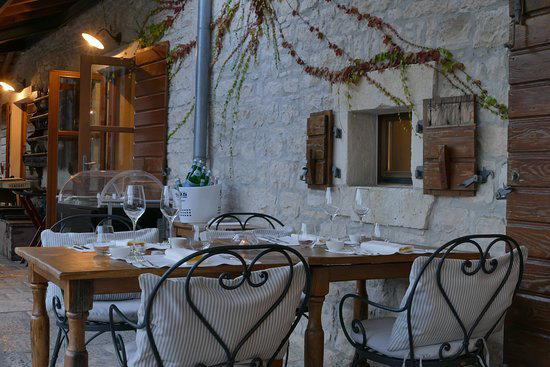
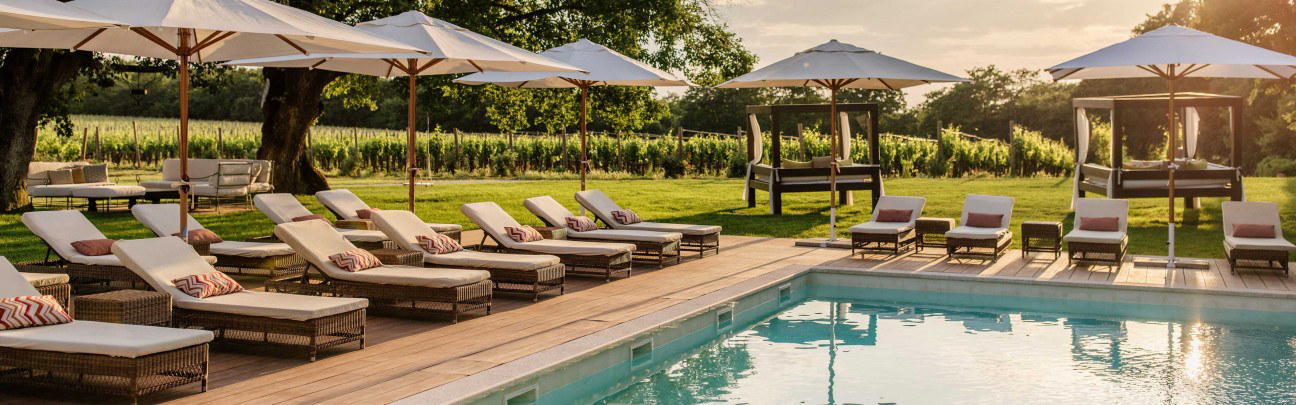
Charming and cozy terrace under grapevines with warm, family-friendly atmosphere.