Restaurant de Eetvilla
Restaurant de Eetvilla occupies a residential address on Soesterbergsestraat in Soest, a town that sits quietly between Amersfoort and the Utrechtse Heuvelrug national park. The restaurant operates in a part of the Netherlands where proximity to forest, heathland, and small-scale agriculture shapes what ends up on the plate. For diners tracking ingredient-led cooking outside the major Dutch cities, Soest represents a useful detour.
Pearl is the En Primeur Club membership app — saves, bookings, and concierge access live there. Same editors, same standards.
- Address
- Soesterbergsestraat 122, 3768 EL Soest, Netherlands
- Phone
- +31356012706
- Website
- eetvilla.nl
- Directions
- Get directions
 Saves & bookings on Pearl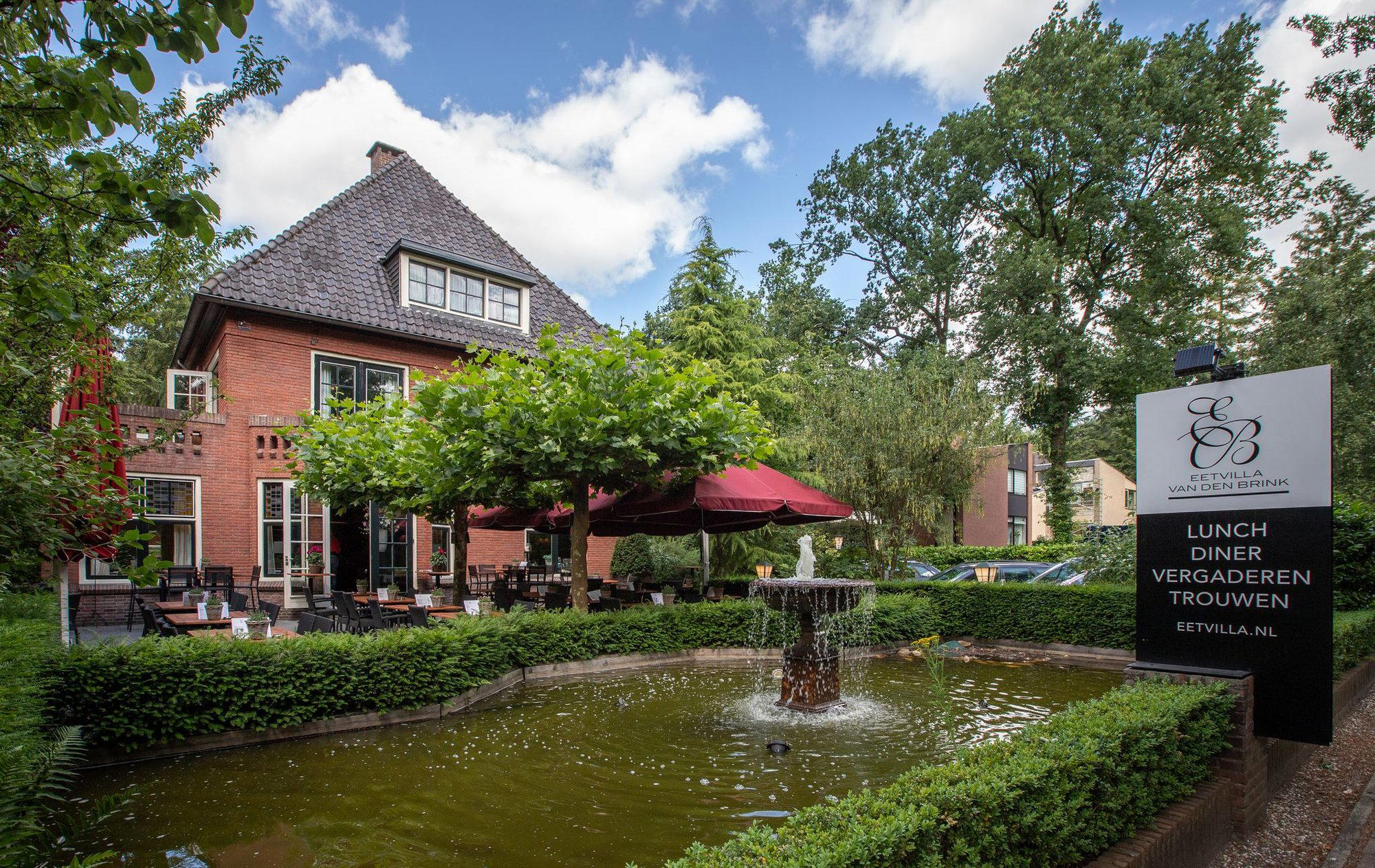
Where Soest's Landscape Shapes the Table
The drive along Soesterbergsestraat gives you a read on the setting before you arrive. Soest is a dining destination that rewards a deliberate detour. The town sits in Utrecht Province between Amersfoort's urban edge and the open heathland of the Utrechtse Heuvelrug, and the restaurants that have found footing here tend to work with that geography rather than against it. The surrounding area supports small dairy producers, market gardeners, and foragers operating in the forest corridors that thread through this part of the Netherlands, the kind of supply network that ingredient-focused kitchens depend on and that urban restaurants often have to construct at greater effort and cost.
Restaurant de Eetvilla sits at number 122 on that street, at a residential scale that places it firmly in the category of destination dining by necessity: you come here with a purpose, not because you passed it on a city walk. That framing matters, because it describes a dining culture that has spread through the Dutch provinces over the past fifteen years, where smaller towns host serious kitchens drawing from the agricultural specificity of their immediate region. De Groene Lantaarn in Staphorst and De Lindenhof in Giethoorn represent comparable cases, kitchens that operate at a high level in towns that reward the detour.
The Ingredient Logic of the Utrechtse Heuvelrug
The Netherlands has a well-documented tradition of market-garden cooking, but the area around Soest offers something slightly different from the polder flatlands further west. The Heuvelrug ridge creates sandy, well-drained soils suited to root vegetables, asparagus in season, and a range of herbs and wild plants that don't thrive in heavier clay terrain. This is also grazing country, with small herds on heath-adjacent pasture producing milk and meat with a character tied to what the animals eat. Kitchens that pay attention to these variables are, in effect, encoding geography into the menu.
That sourcing logic has become a defining feature of the better provincial Dutch restaurants. At De Nieuwe Winkel in Nijmegen, the kitchen has built an entirely plant-based program around regional organic producers, a structure that earned Michelin recognition and placed the restaurant in a comparable set with Brut172 in Reijmerstok for its discipline around provenance. The point is not that every provincial Dutch kitchen follows the same model, but that diners have become increasingly sophisticated about asking where ingredients originate, and restaurants in regions with genuine agricultural identity have a structural advantage in answering that question honestly.
Soest in the Broader Dutch Fine Dining Picture
The Netherlands punches above its size in fine dining per capita, a fact that becomes clearer when you map the Michelin-starred and critically recognised restaurants outside Amsterdam. De Librije in Zwolle, 't Nonnetje in Harderwijk, and Inter Scaldes in Kruiningen are all operating at a level that would anchor a major city's dining scene, yet they sit in smaller towns where the economics of serious cooking are somewhat different: lower rents, tighter labour markets, but also a more committed local clientele that treats the restaurant as a genuine occasion rather than one option among dozens.
Soest fits this provincial pattern. The town itself is not a food tourism hub, which means restaurants here are not competing for passing trade or tourist spend. They're building repeat relationships with diners from Amersfoort, Utrecht, and the broader Utrecht Province who make the trip deliberately. That audience dynamic tends to produce more considered programming: menus that change with the season, relationships with specific suppliers that hold across years, and a format calibrated for the occasion rather than for throughput.
For diners moving between Amsterdam's higher-profile venues and the provinces, Soest offers a useful contrast in scale and setting. Ciel Bleu in Amsterdam and Aan de Poel in Amstelveen operate at the summit of the urban tier; the provincial counterparts like de Eetvilla operate with a different set of constraints and advantages, and the comparison is instructive rather than hierarchical.
The Soest Dining Scene at Ground Level
Soest is a town of roughly 45,000 people, which means its restaurant economy is not large. The presence of a restaurant at the level of de Eetvilla is significant for that reason: it signals a local appetite for serious cooking and a willingness to travel for it, which are the preconditions for a viable kitchen at this price and format level. Stazione Pazzo operates in the same town and represents the kind of complementary option that helps build a local dining culture, different format, different register, but both pointing toward a town that takes food seriously relative to its size.
For a wider picture of what's available in the area, our full Soest restaurants guide maps the options across categories and price points.
Planning Your Visit
Restaurant de Eetvilla is at Soesterbergsestraat 122, 3768 EL Soest. The address is accessible by car from Amersfoort in under fifteen minutes and from Utrecht in roughly twenty-five minutes via the A28. Soest has a train station with connections to Amersfoort, from which the restaurant is reachable by taxi or local transport. As with most destination restaurants at this level in the Dutch provinces, booking in advance is advisable, weekend sittings at restaurants of this type in smaller towns tend to fill several weeks ahead. Contact details and current opening hours should be confirmed directly with the restaurant before travel.
For diners building a broader itinerary around Dutch dining, the region's geography makes it possible to combine Soest with visits to kitchens in Waalre (De Treeswijkhoeve), Heeze (Tribeca), or Nuenen (De Lindehof), or to use Amsterdam as a base and reach Soest as a day trip. Those looking at the higher end of the Dutch market alongside international reference points can cross-reference with FG in Rotterdam or, for a sense of what ingredient-sourcing discipline looks like at the absolute best of the international scale, with Le Bernardin in New York City or Atomix in New York City and De Bokkedoorns in Overveen.
Comparable Spots, Quickly
Comparable venues nearby, for context on price, style, and recognition.
| Venue | Cuisine | Price | Awards | Notes |
|---|---|---|---|---|
| Restaurant de EetvillaThis venue — the venue you are viewing | Italian & International Bistro | $$$ | Not listed | Not listed |
| Stazione Pazzo | Seasonal Italian Osteria | $$$ | Not listed | Soestduinen |
| 't Spiehuis | Dining | Not listed | Michelin Plate | Soest |
| Castello 5 | Italian Pizzeria | $$$ | Not listed | centrum |
| Segugio | Authentic Northern & Central Italian | $$$ | Not listed | Amstelveldbuurt |
| Ristorante 51 | Authentic Italian Trattoria | $$$ | Not listed | Amstel III deel A/B Noord |
Continue exploring
More in Soest
Restaurants in Soest
Browse all →
Bars in Soest
Browse all →
Hotels in Soest
Browse all →
Wineries in Soest
Browse all →
At a Glance
- Cozy
- Elegant
- Classic
- Date Night
- Family
- Group Dining
- Special Occasion
- Private Dining
- Terrace
- Extensive Wine List
- Local Sourcing
Current opening hours
- Monday
- 10 AM–11 PM
- Tuesday
- 10 AM–11 PM
- Wednesday
- 10 AM–11 PM
- Thursday
- 10 AM–11 PM
- Friday
- 10 AM–11 PM
- Saturday
- 10 AM–11 PM
- Sunday
- 10 AM–11 PM
Hours can change for holidays and private events. Last verified .
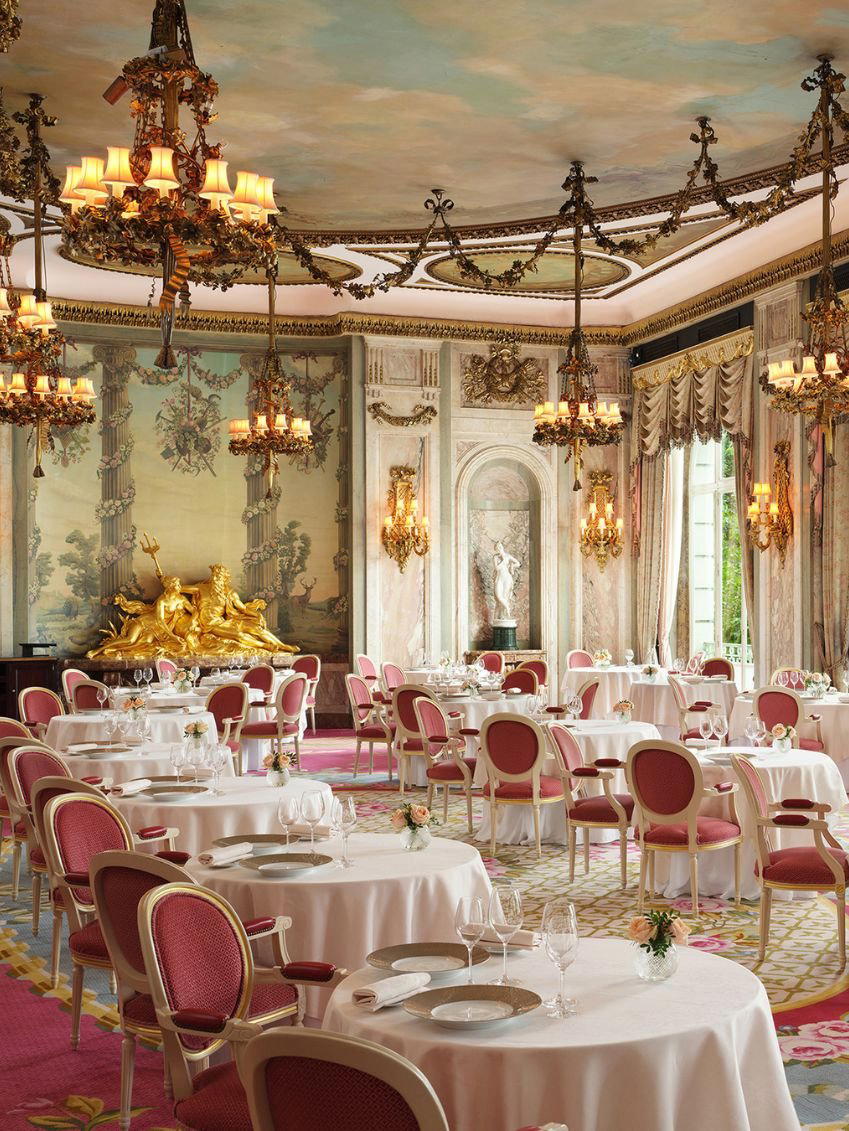
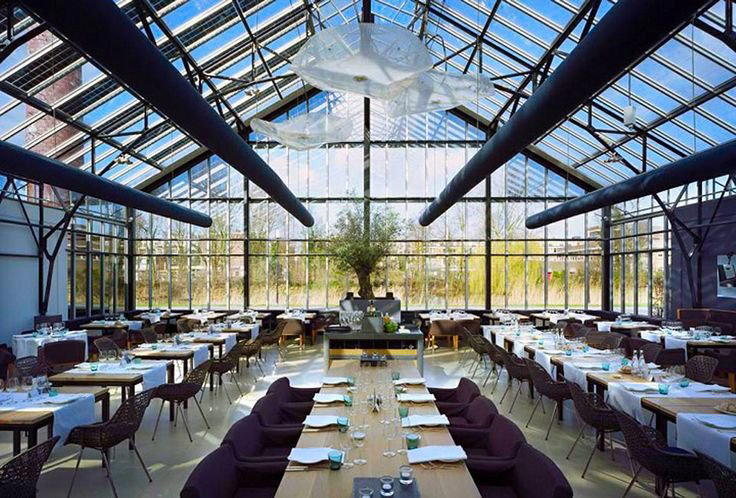
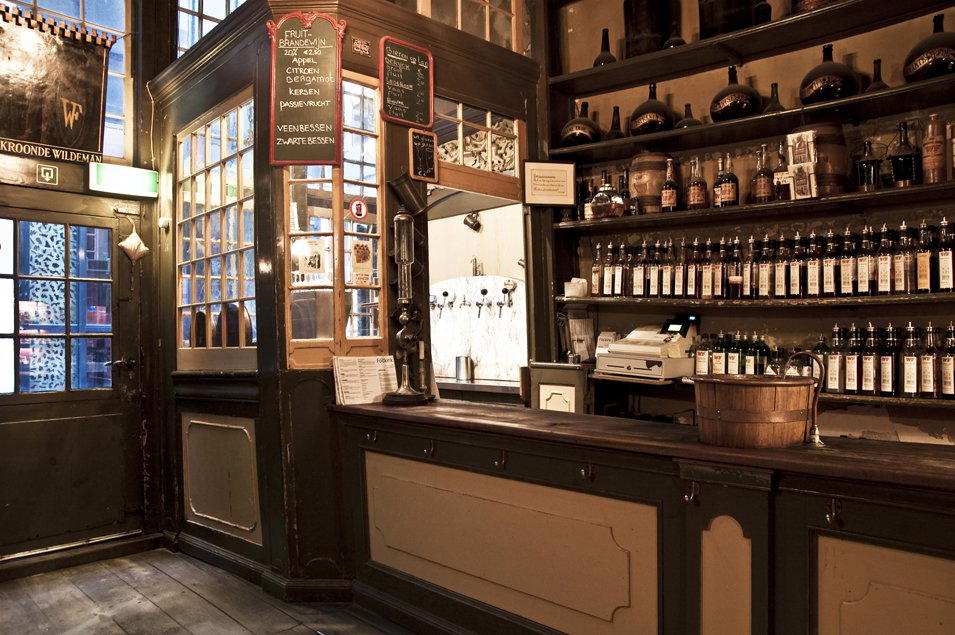
Warm homely atmosphere with contemporary interior, bright spacious rooms, and cozy terrace in a tranquil green setting.