Café Pigalle
Our verdict
Café Pigalle gives Amsterdam’s brasserie appetite a French frame: familiar, produce-led cooking rather than ceremony. The useful way to read it is not as a trophy table, but as part of the city’s everyday European dining culture, where provenance, seasonality and a relaxed room matter more than theatrical technique.

Pearl is the En Primeur Club membership app, where members save venues, book tables and use the concierge.

Approach an Amsterdam brasserie and the cues tend to arrive before the menu does: glass, chatter, tables set close enough for the room to feel social, and a pace that belongs to dinner rather than performance. Café Pigalle sits in that tradition. The more interesting reading is local: Amsterdam has long absorbed outside culinary forms and made them practical, less formal, and more useful to daily life.
Brasserie cooking works when it resists excess. Its authority comes from recognizable ingredients, clear sauces, correct seasoning and a room that can carry both a quick meal and a longer evening. In Amsterdam, that format has particular value because the city’s dining culture often splits between tasting-menu seriousness and casual cafés. A brasserie fills the middle ground: structured enough to feel considered, relaxed enough not to turn dinner into an event with rules.
Brasserie language, filtered through Amsterdam's appetite for ease
The brasserie model is not only about familiar dishes. It is a way of organizing a meal around comfort, repetition and produce. In the Netherlands, that means the plate has to speak to season and supply as much as to outside reference points. Fish, dairy, vegetables, bread and butter carry different weight here than they do in southern Europe; northern cooking rewards restraint because ingredients can turn heavy quickly when technique tries too hard.
That is why Café Pigalle is better understood through terroir and provenance than through spectacle. The brasserie category gives the kitchen a grammar: sauces, grill, salads, shellfish when available, dishes that can be served without explanation. Amsterdam gives it a different accent. The city’s strongest casual restaurants often succeed by letting European templates meet Dutch shopping habits and northern produce rather than forcing imported glamour onto the table.
This also explains the appeal of a brasserie in a city where high-end dining has become increasingly specialized. For a more technique-driven Amsterdam meal, readers can compare the broader category through other dining rooms in the city. For a looser wine-led evening, unnamed wine-focused addresses show another side of Amsterdam’s appetite for informality. Café Pigalle belongs to the practical brasserie lane rather than the destination-tasting-menu lane.
The value of a brasserie is rhythm, not ceremony
A good brasserie gives diners permission to order simply. The format does not need a signature dish to justify itself; the test is whether the meal holds together across staples, seasonal plates and the room’s tempo. That matters in Amsterdam, where visitors often arrive expecting either postcard Dutchness or northern European minimalism. The more accurate picture is broader: Italian rooms, casual Asian addresses, wine bars, cafés and brasseries form a dining culture built on usefulness as much as ambition.
Provenance is the quiet pressure point. Brasserie menus can become generic when they rely on nostalgia alone. In Amsterdam, they gain relevance when they let local seasonality shape the plate: spring vegetables, cold-water fish, dairy richness, bitter leaves, sturdy grains and the northern preference for brightness over weight. Café Pigalle’s brasserie identity should be read through that lens. The point is not novelty; the point is whether the cooking makes sense in this city, in this climate, and in this style of room.
The recognition around Café Pigalle also matters editorially. It has been highlighted by Amsterdam’s tourism authority as a notable recent opening, which frames it less as an awards-driven destination and more as a useful addition to the city’s dining map. A brasserie still asks to be judged by repeatability: can the kitchen deliver recognizable pleasure without turning every plate into a thesis? That is a different kind of confidence, and it suits Amsterdam’s less theatrical dining character.
How to place it in an Amsterdam itinerary
Café Pigalle makes sense for readers who want a brasserie meal without leaving the city’s everyday rhythm behind. It is not the choice for diners seeking an elaborate progression built around ceremony. It is the choice for a brasserie mood: conversation, wine, familiar categories and a plate shaped by season rather than performance.
For wider planning, use Our full Amsterdam restaurants guide alongside Our full Amsterdam hotels guide, Our full Amsterdam bars guide, Our full Amsterdam wineries guide and Our full Amsterdam experiences guide. Dutch dining beyond the capital has its own register too, with regional context changing the Dutch table from city to coast and from village rooms to more formal addresses. For the brasserie form beyond Amsterdam, unnamed dining rooms in other cities can offer useful cross-city reference points without making Amsterdam imitate them.
Frequently asked questions
Would Café Pigalle be comfortable with kids?
A brasserie in Amsterdam such as Café Pigalle usually suits families better than formal dining rooms, because the format is built around an easy, flexible meal. The Amsterdam setting and brasserie style point to a place where kids are more likely to fit the room than disrupt it.
How would you describe the vibe at Café Pigalle?
Café Pigalle reads as a brasserie in Amsterdam, so expect a room built around relaxed pacing rather than ceremony. That format usually means a casual, meal-first atmosphere where the menu and the dining room do the work.
What kind of cuisine does Café Pigalle serve?
Café Pigalle serves brasserie cuisine.
What's the best way to book Café Pigalle?
For Café Pigalle in Amsterdam, the most practical approach is to make a direct reservation request in the style that suits a brasserie. With no phone or website listed here, the restaurant name and Amsterdam are the only fixed points to start from.
What's the signature at Café Pigalle?
Café Pigalle is identified as a brasserie, so the clearest signature is the format itself: brasserie dining in Amsterdam. When a room is defined that way, the appeal is less about a named dish than the restaurant’s classic brasserie rhythm.
In Context
Comparable venues nearby, for context on price, style, and recognition.
| Venue | Cuisine | Price | Notes |
|---|---|---|---|
| Café PigalleThis venue (the venue you are viewing) | French-Mediterranean Brasserie | $30–50 | Not listed |
| Lion Noir | Stylish French Bistro | Not listed | Gouden Bocht, Stylish French Bistro |
| Le Bouchon du centre | Authentic Lyonnaise Bouchon | $20–30 | Spuistraat Zuid, Authentic Lyonnaise Bouchon |
| Vertigo | Classic French Bistro | Not listed | Vondelparkbuurt Oost, Classic French Bistro |
| Bouchon du Centre | Authentic Lyonnaise Bouchon | $20–30 | Utrechtsebuurt Zuid, Traditional Lyonnaise Bouchon |
| Restaurant Seven Seas | French Seafood | Not listed | Scheepvaarthuisbuurt, French Seafood |
Continue exploring
More in Amsterdam
Restaurants in Amsterdam
All restaurants in Amsterdam →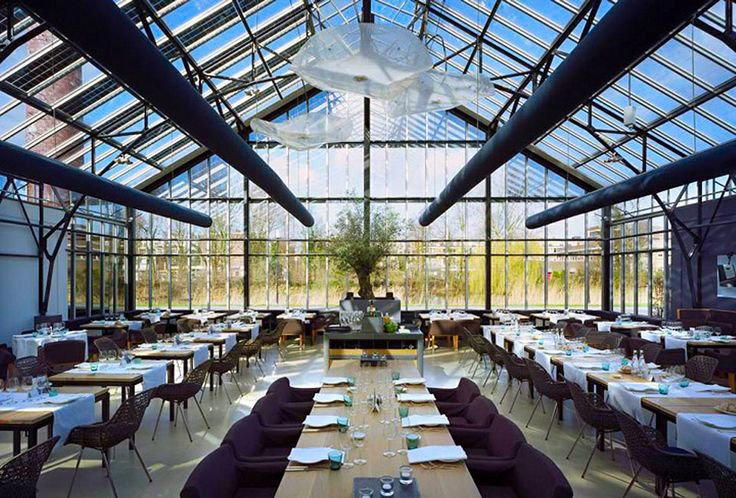
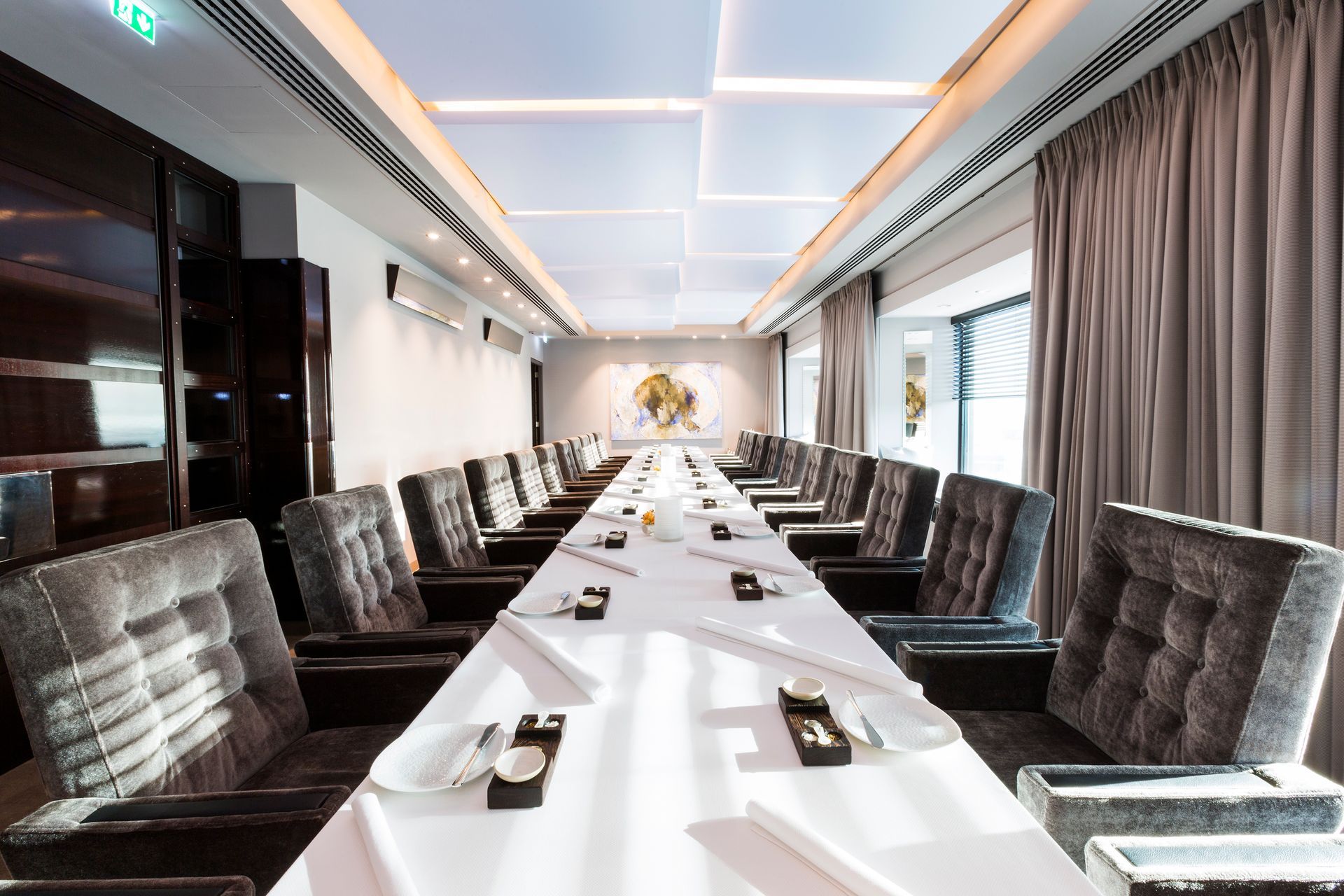
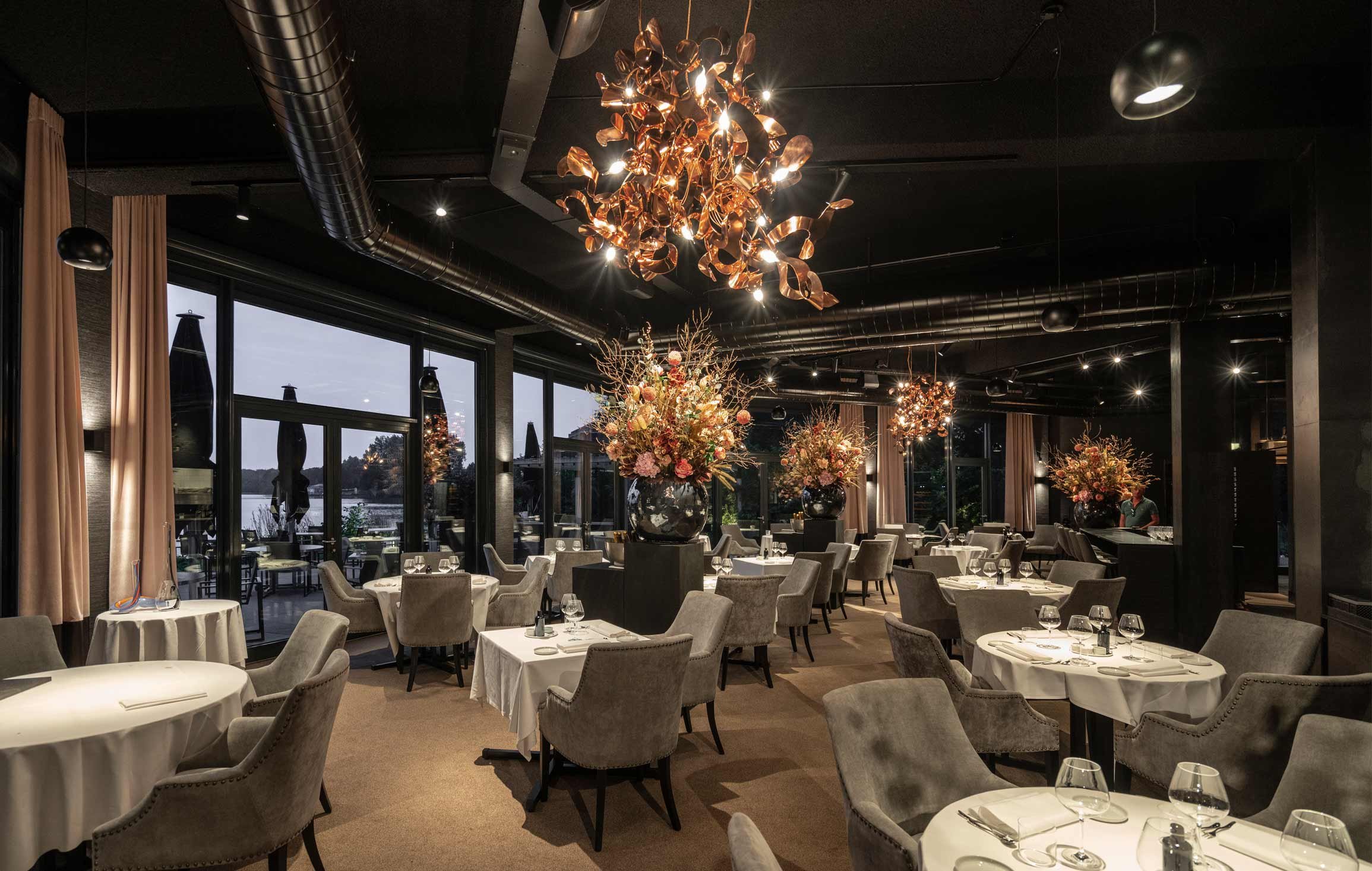
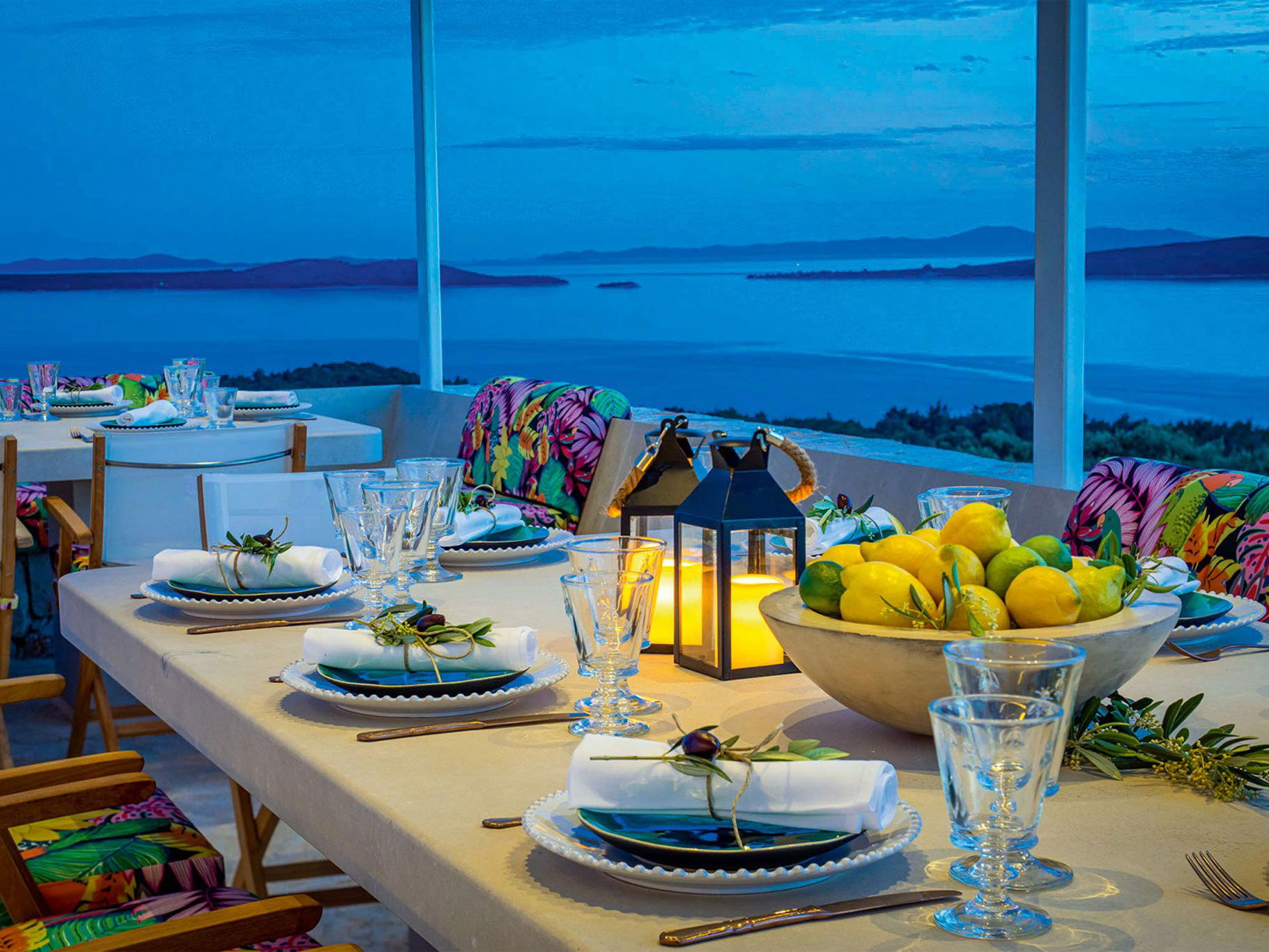
Bars in Amsterdam
All bars in Amsterdam →
Hotels in Amsterdam
All hotels in Amsterdam →
Wineries in Amsterdam
All wineries in Amsterdam →
Details
- Cozy
- Classic
- Lively
- Romantic
- Brunch
- Casual Hangout
- After Work
- Group Dining
- Standalone
- Beer Program
- Craft Cocktails
- A La Carte
- Wine
- Cocktails
- Beer
Current opening hours
- Monday
- 10 AM–11 PM
- Tuesday
- 10 AM–11 PM
- Wednesday
- 10 AM–11 PM
- Thursday
- 10 AM–11 PM
- Friday
- 10 AM–11 PM
- Saturday
- 10 AM–11 PM
- Sunday
- 10 AM–11 PM
Hours can change for holidays and private events. Hours as of .
Warm, relaxed, and gezellig, with French flair and a Mediterranean influence that feels welcoming and homey.