Residenz Wachau
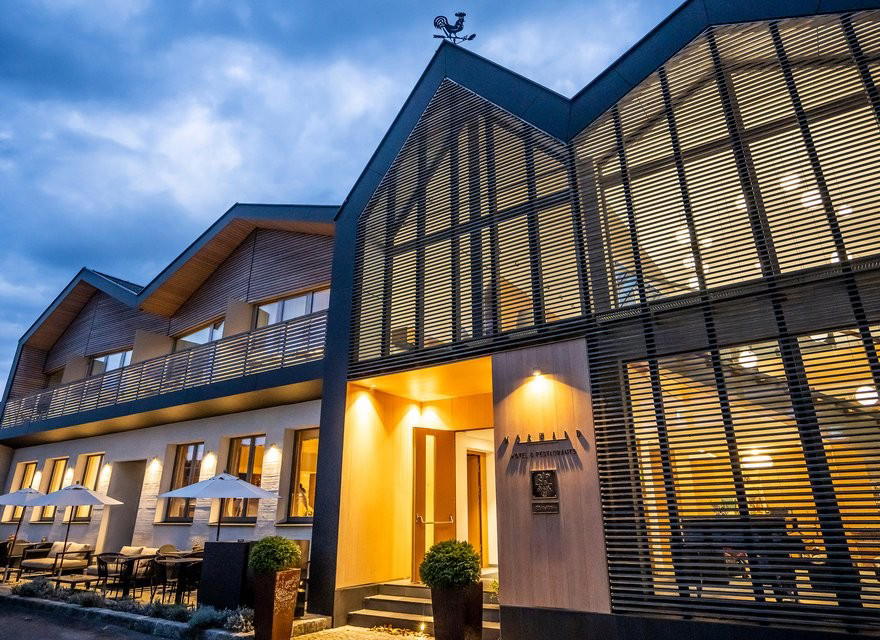
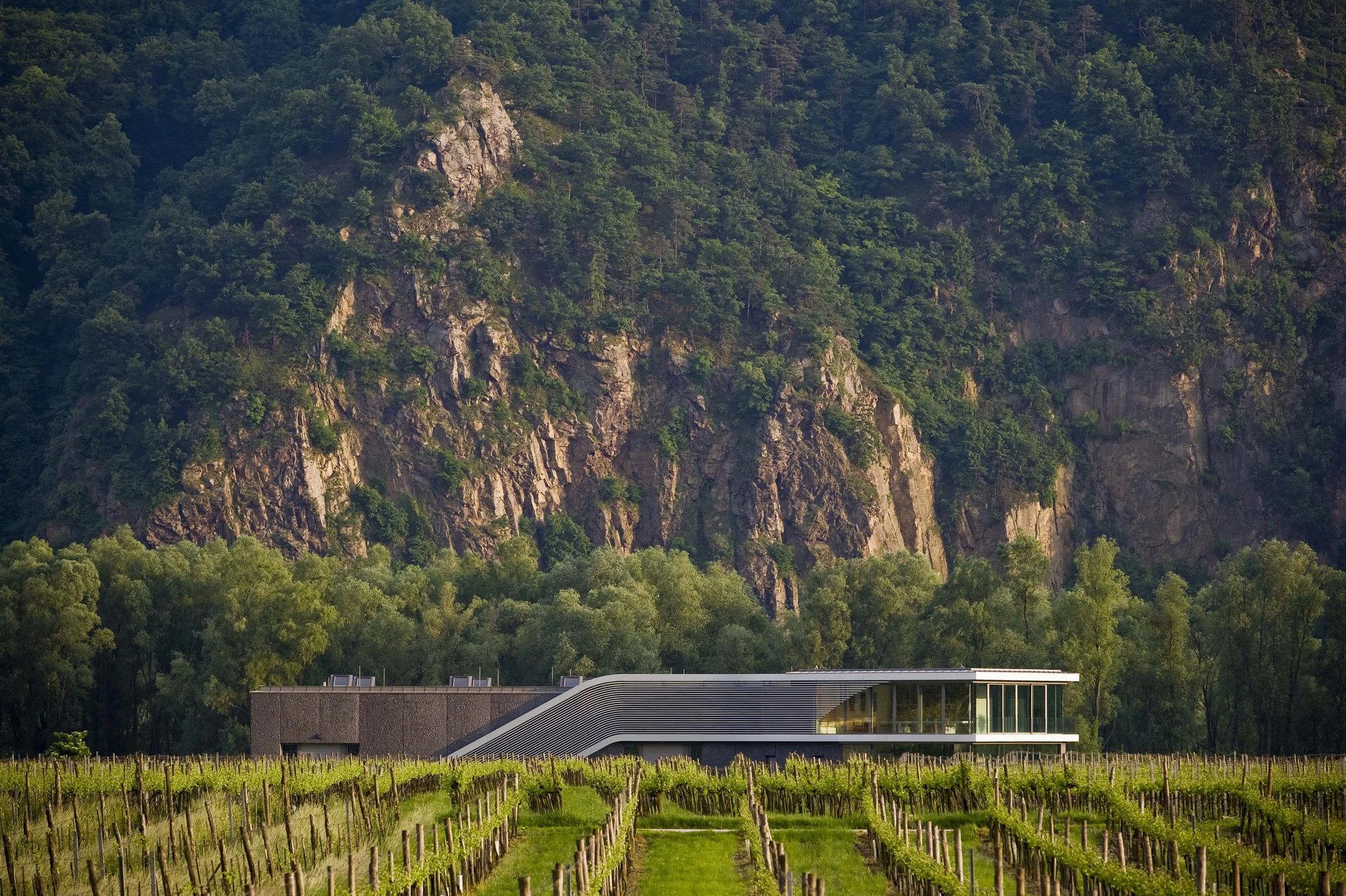
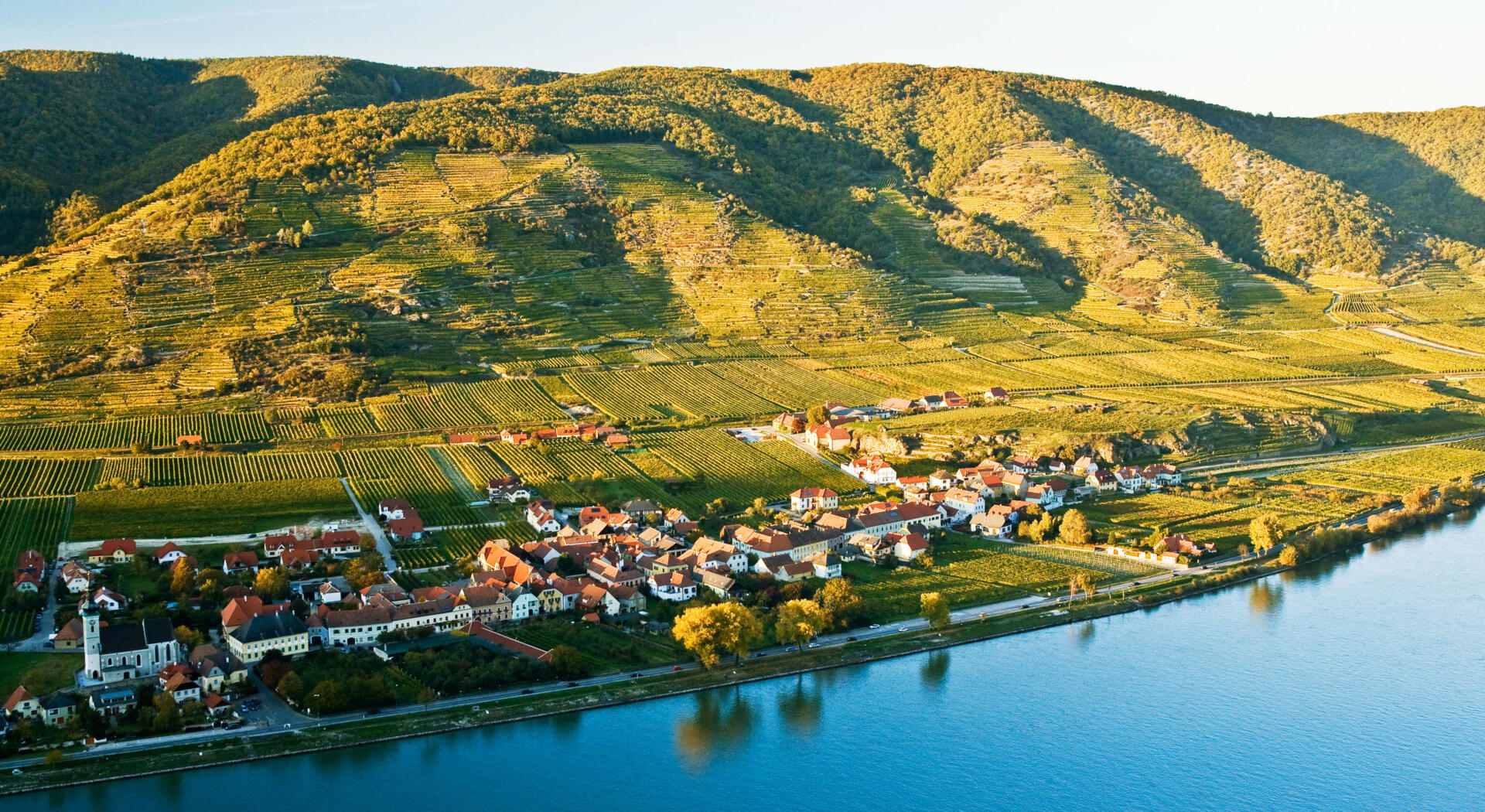
Residenz Wachau sits in the village of Aggsbach Dorf, along one of Lower Austria's most agriculturally expressive river corridors. The Danube's Wachau Valley has shaped a particular kind of Austrian hospitality, rooted in proximity to apricot orchards, riverside vineyards, and kitchen gardens that define the region's table. For travellers exploring Austria's serious dining circuit, this address belongs on the itinerary alongside the broader Wachau conversation.
Pearl is the En Primeur Club membership app — saves, bookings, and concierge access live there. Same editors, same standards.
- Address
- Rosenweg 2, 3394 Aggsbach Dorf, Austria
- Phone
- +434327538221
- Website
- residenz-wachau.at
- Directions
- Get directions
 Saves & bookings on Pearl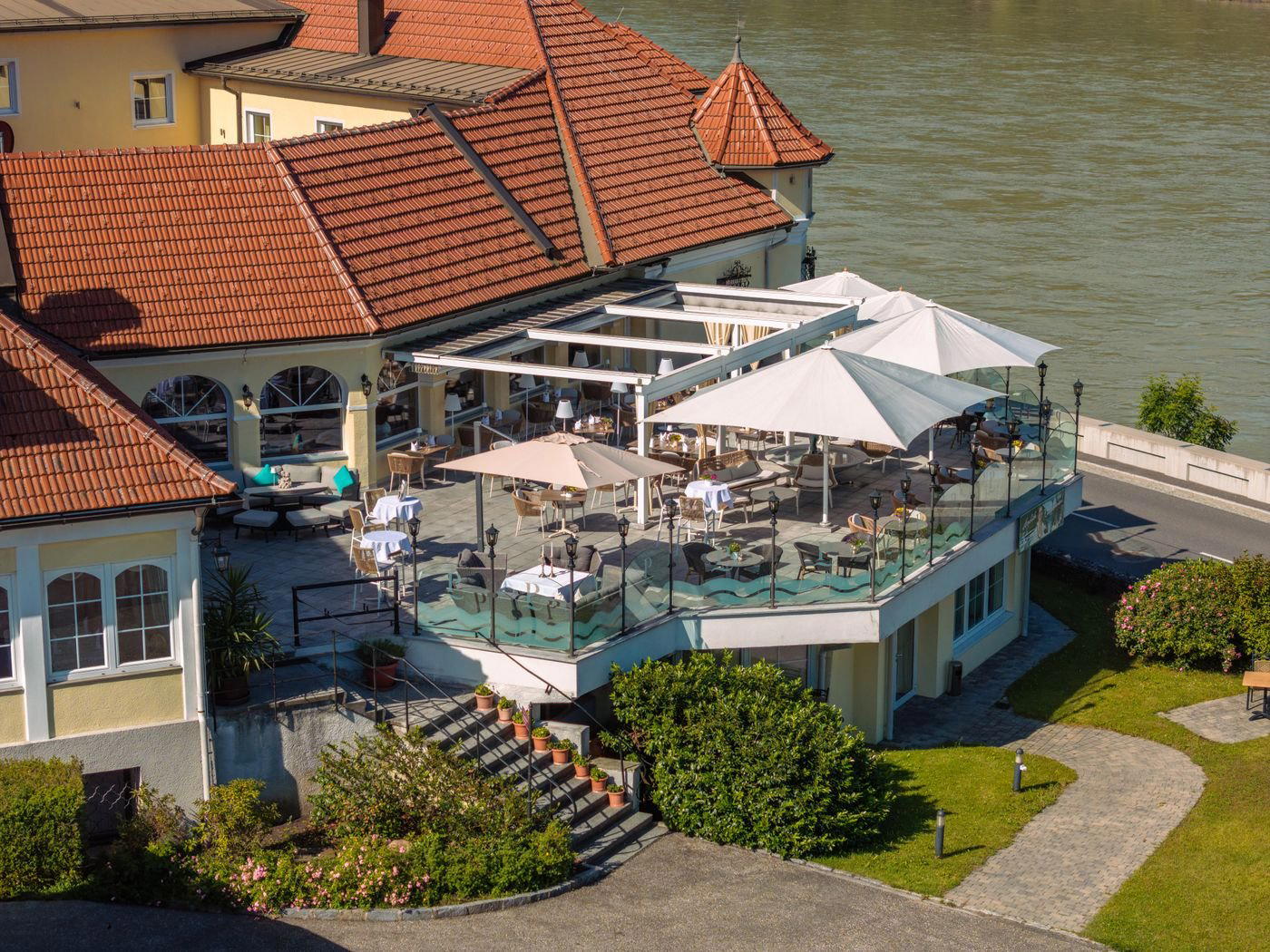
Where the Danube Valley Sets the Table
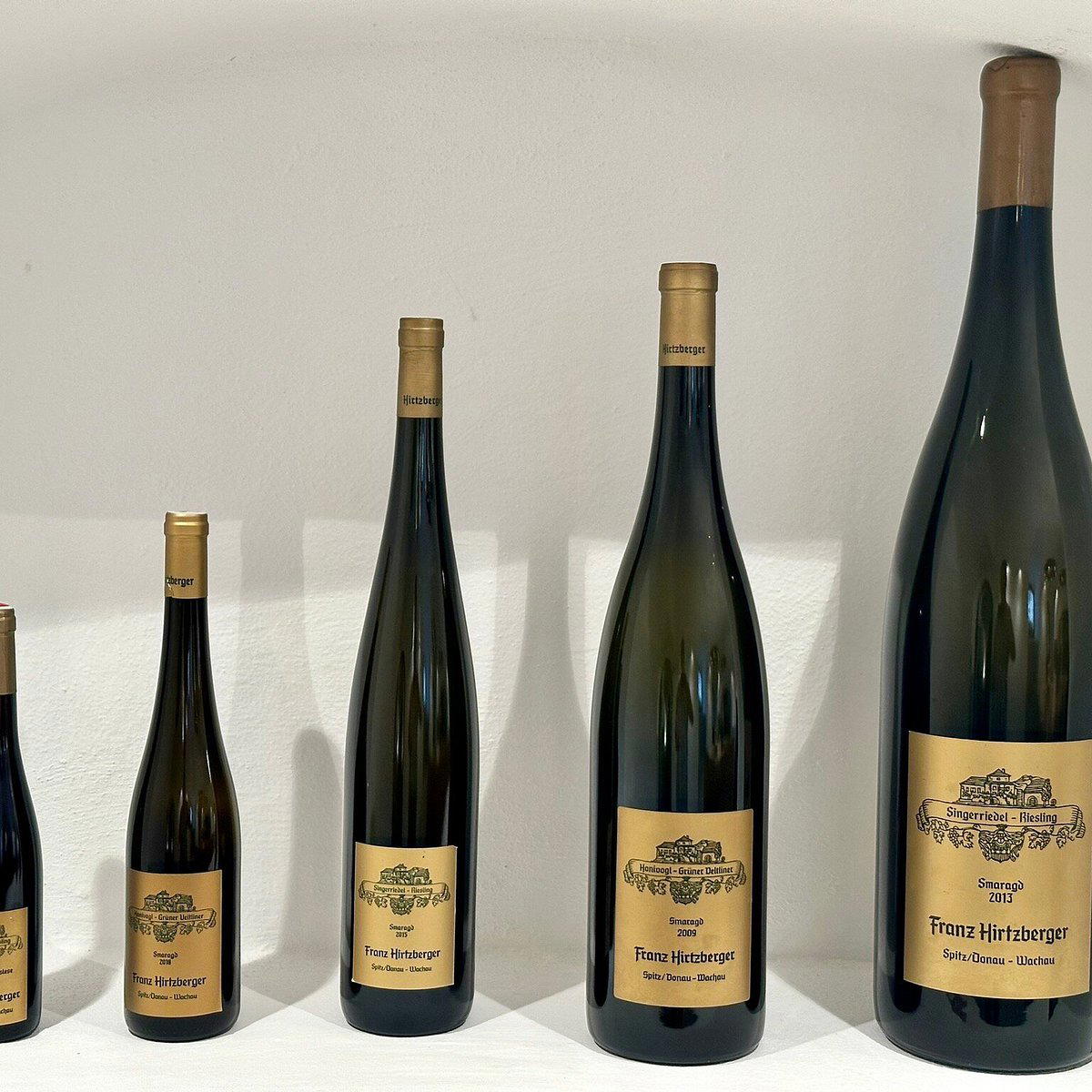
Residenz Wachau is a restaurant in Aggsbach Dorf, Austria, serving Seasonal Austrian Regional Cuisine at a price tier of 3. The Wachau corridor between Melk and Krems is one of Central Europe's most legible food-producing landscapes. Apricot trees line the terraced slopes alongside Grüner Veltliner and Riesling vines, and the villages in between, Dürnstein, Spitz, Aggsbach, have long organised their hospitality around seasonal proximity to those ingredients. What arrives on the plate here isn't a stylistic choice; it's a function of geography. The valley's UNESCO World Heritage designation, granted in 2000, formalised what local producers and kitchens had understood for centuries: the Wachau is a place where terroir extends well beyond the wine glass.
Residenz Wachau, addressed at Rosenweg 2 in Aggsbach Dorf, sits inside that tradition. The village of Aggsbach positions the property on the south bank of the Danube, across from the more-trafficked northern wine route, in a quieter stretch that rewards guests who seek the valley without the high-season crowds of Dürnstein. That geography carries editorial weight: properties on this bank tend to draw visitors who have already done the obvious Wachau itinerary and are returning for something less curated.
The Sourcing Logic of the Wachau Table
Austria's most compelling regional kitchens share a structural logic: the shorter the distance between producer and plate, the more the kitchen's identity sharpens. In the Wachau, that means Marillen (the valley's protected apricot variety, granted EU geographical indication status), river fish from the Danube, and vine-grown produce from slopes that switch aspect and elevation within a few kilometres. The culinary argument for cooking here isn't diversity of supply, it's specificity. A kitchen working inside the Wachau's seasonal calendar cannot escape the apricot in July, the pumpkin and game in autumn, or the asparagus that arrives from the broader Lower Austrian plain in spring.
That sourcing framework connects Residenz Wachau to a broader Austrian dining movement that has positioned regional provenance as its primary credential. Properties like Landhaus Bacher in Mautern an der Donau, itself within Danube cycling distance, have held Michelin recognition for decades by applying classical technique to hyperlocal Wachau produce. The comparison matters because it defines the competitive comparable set along this stretch of river: these are not destination restaurants chasing international-circuit diners, but addresses that earn loyalty from guests returning to the valley specifically for the table.
Further afield, Austrian kitchens like Döllerer in Golling an der Salzach and Kräuterreich by Vitus Winkler in Sankt Veit im Pongau have demonstrated how deep a regional kitchen can push the ingredient-provenance argument when it commits fully to its immediate environment. The Wachau, with its legally defined production boundaries and centuries of documented agricultural practice, gives any serious kitchen here an unusually strong foundation to build on.
Atmosphere Along the South Bank
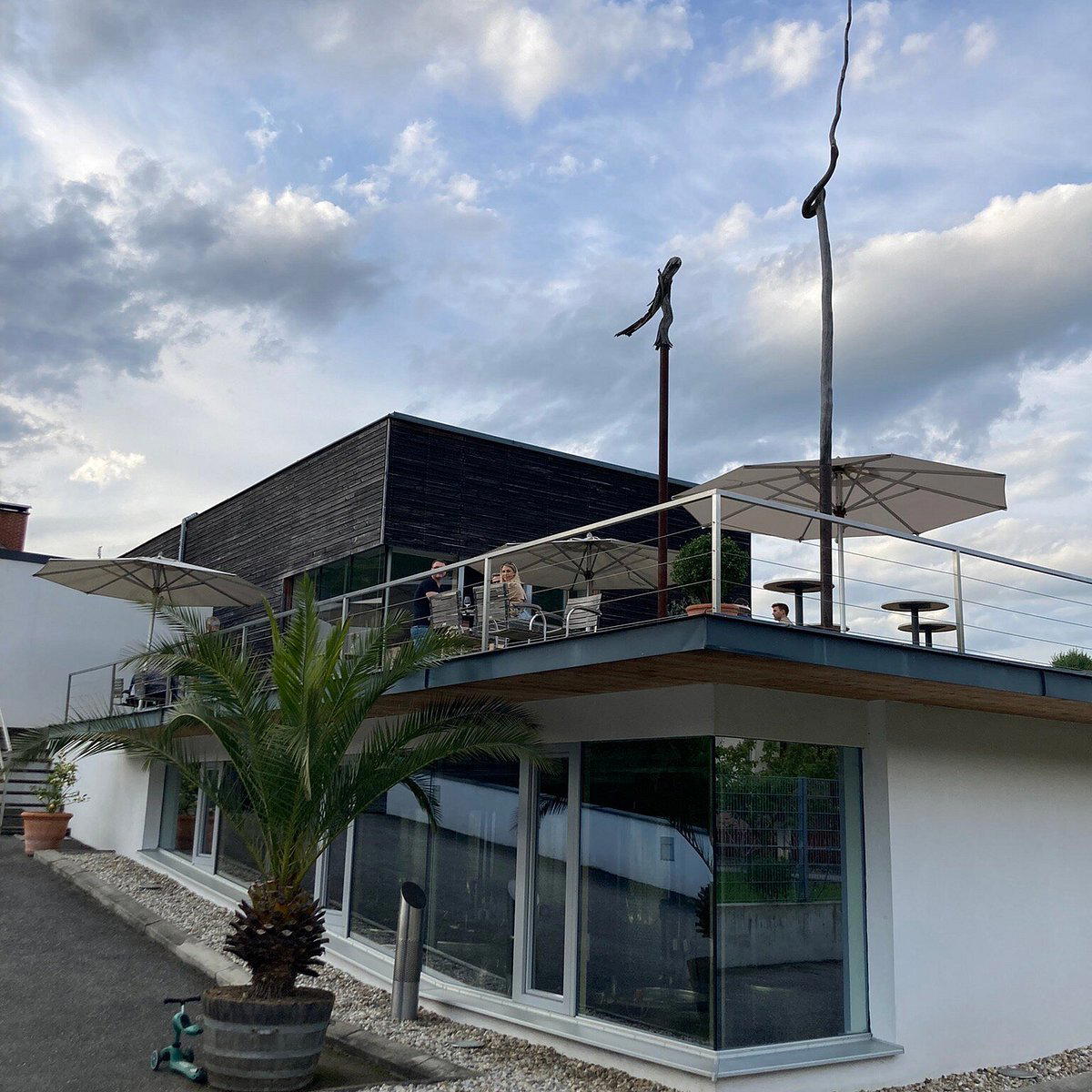
Arriving in Aggsbach Dorf from the Melk direction, the village registers as a pause rather than a destination, stone buildings, vineyard access roads, and the Danube wide and unhurried below the terrace. Properties in this stretch tend to operate at a different register than the more polished villages further east: the service style runs quieter, the guest profile skews toward cyclists and walkers doing the Wachau trail, and the seasonal rhythm is more pronounced. Summer brings the apricot harvest and peak touring traffic; autumn shifts the valley toward game, mushrooms, and the contemplative atmosphere that the Wachau does better than almost anywhere in Central Europe.
For reference, Austria's most formally celebrated restaurants, Steirereck im Stadtpark in Vienna and the alpine circuit that includes Griggeler Stuba in Lech and Gourmetrestaurant Tannenhof in Sankt Anton am Arlberg, operate in a high-production, controlled-environment register. The Wachau's riverside addresses work against that grain, and the atmosphere is more legible for it.
Placing Residenz Wachau in Austria's Broader Dining Circuit
Austria's serious dining circuit is geographically wider than its Michelin map suggests. Recognised addresses cluster in Vienna, Salzburg, and the alpine west, but the Lower Austrian corridor along the Danube carries a distinct culinary identity that often goes underreported outside German-language travel media. Kitchens here work with wine-country produce, and the Wachau DAC wine classification, which defines permitted grape varieties, yields, and alcohol levels, creates a natural alignment between what grows on the slopes and what appears on the plate.
The circuit extends further if you map it by sourcing philosophy rather than awards. Taubenkobel in Schützen am Gebirge in Burgenland and Obauer in Werfen in Salzburg province both demonstrate how Austrian regional kitchens can sustain serious reputations outside the major urban centres. The Wachau belongs to that geography.
For travellers building a multi-stop Austrian itinerary, the Wachau sits naturally between Vienna (roughly 80 kilometres west by road) and the Salzburg circuit. The valley is accessible by train to Melk or Krems, with local bus and ferry connections along the river, making a car unnecessary for the core routing. Cycling the south bank from Melk through Aggsbach to Spitz takes under two hours on flat riverside paths, and the timing aligns well with a lunch stop.
Those planning around Austria's broader restaurant calendar should note that alpine properties like Ikarus in Salzburg, Stüva in Ischgl, and Schwarzer Adler in Hall in Tirol operate within ski-season rhythms, while Wachau addresses follow an agricultural calendar. The apricot harvest window in late July is the valley's peak gastronomic moment. Autumn, when the vendange arrives and the tourist volume drops, is when the south bank quiets into something more considered.
Additional Austrian regional addresses worth cross-referencing include Ois in Neufelden, Artis in Graz, Atelier Fischer in Sankt Gilgen, and Restaurant 141 by Joachim Jaud in Mieming, each of which represents a different register of Austria's regional dining argument. For those arriving from or departing to international circuits, Le Bernardin in New York City and Atomix in New York City offer useful contrast points for how ingredient-provenance framing translates at the highest international tier.
Planning Your Visit
Is Residenz Wachau child-friendly?
The Wachau valley broadly accommodates family travel, cycling paths, river ferries, and the relaxed pace of Aggsbach Dorf all suit children. Whether a specific property matches a family's needs depends on its dining format. Contact the property directly to confirm children's menus or early-evening service options before booking.
What should I expect atmosphere-wise at Residenz Wachau?
Aggsbach Dorf is a quiet village on the south bank of the Danube, away from the busier northern wine route. Properties here operate at a lower volume than Dürnstein or Krems, with an atmosphere shaped by the agricultural calendar rather than peak-season tourism infrastructure. The setting is river-facing and seasonal.
What's the must-try dish at Residenz Wachau?
Across the Wachau region, the protected Marille apricot and locally caught Danube fish are the ingredients that most clearly express the valley's food identity. Any serious kitchen operating here in season will engage with both. Confirming the current menu directly with the property is advisable before visiting.
How far ahead should I plan for Residenz Wachau?
No booking data is confirmed for this property. Generally, Wachau addresses with river-facing positions see peak demand during the apricot harvest period in late July and across the autumn vendange weeks. Planning at least four to six weeks ahead for those windows is prudent, with direct contact to the property the only confirmed booking route at present.
Is Residenz Wachau a good base for exploring the Wachau wine region?
Aggsbach Dorf sits within the Wachau DAC production zone, placing the property in direct proximity to vineyards producing Grüner Veltliner and Riesling under Austria's most strictly defined regional wine classification. The south bank cycling path connects Aggsbach to Melk, Spitz, and Krems without requiring a car, making the property a practical base for covering the valley's key wine villages across two to three days.
Comparison Snapshot
Comparable venues nearby, for context on price, style, and recognition.
| Venue | Cuisine | Price | Notes |
|---|---|---|---|
| Residenz WachauThis venue — the venue you are viewing | Seasonal Austrian Regional Cuisine | $$$ | Not listed |
| Babenbergerhof | Austrian Regional Cuisine | $$$ | Ybbs an der Donau |
| Gasthaus Gruber | Modern Austrian Gastropub | $$$ | Euratsfeld |
| Steinhart | Modern Austrian | $$$ | Favoriten |
| DER WEBER | Regional Austrian Natural Cuisine | $$$ | Bad Schönau |
| Roter Hahn | Modern Austrian Regional | $$ | outskirts |
Continue exploring
More in Schonbuhel Aggsbach
Restaurants in Schonbuhel Aggsbach
Browse all →
Bars in Schonbuhel Aggsbach
Browse all →
Hotels in Schonbuhel Aggsbach
Browse all →
At a Glance
- Romantic
- Scenic
- Elegant
- Cozy
- Date Night
- Special Occasion
- Terrace
- Historic Building
- Hotel Restaurant
- Local Sourcing
- Organic
- Vineyard
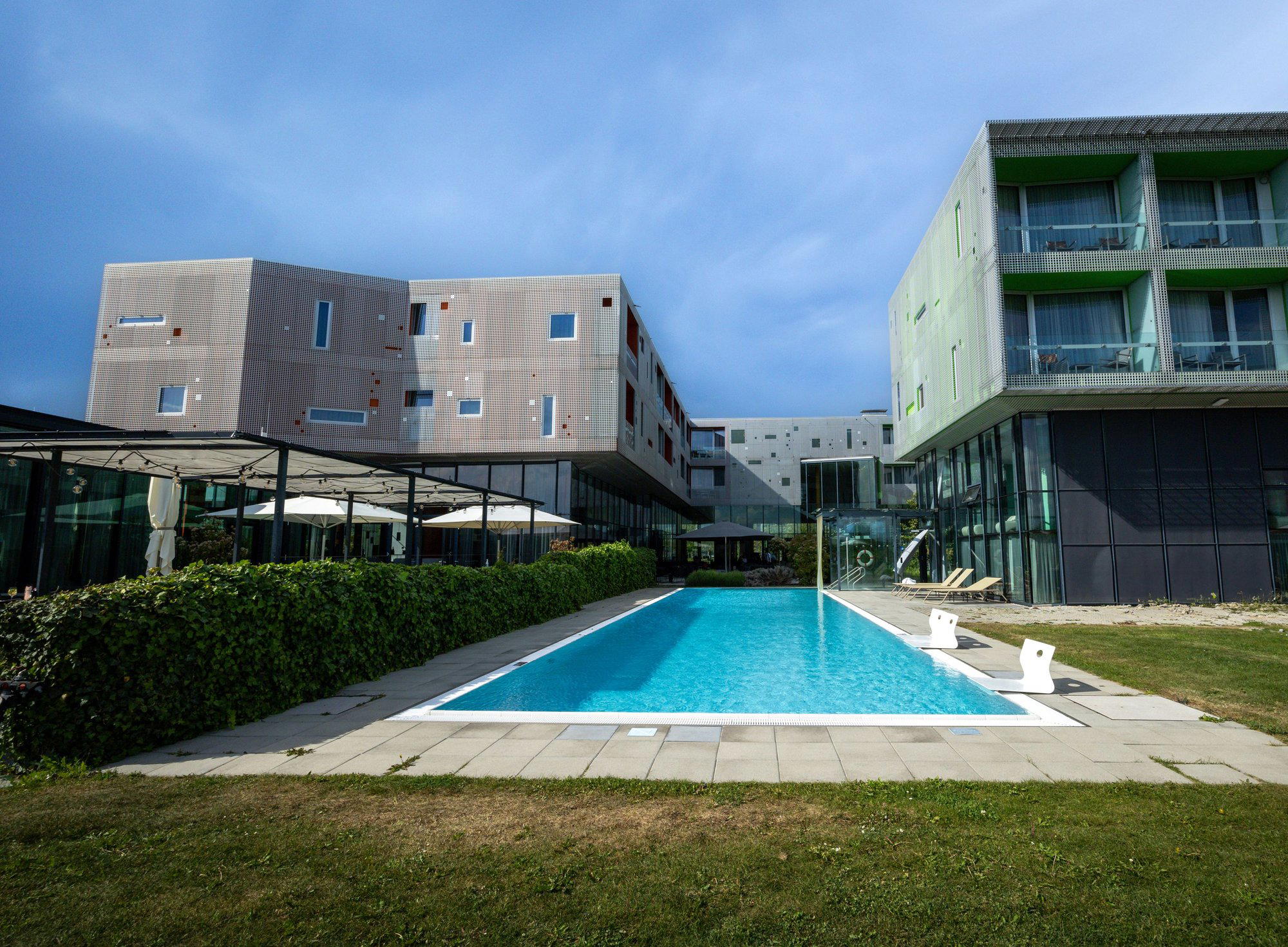
Quiet and cozy atmosphere with terrace views of the Danube, praised for relaxed terrace dining and elegant indoor rooms.