Steinhart occupies an address in Vienna's 10th district that sits well outside the city's established fine-dining corridor, yet the restaurant has built a following among guests who return not for spectacle but for consistency. The kitchen operates within a register that rewards attention: a loyal clientele has developed over time, drawn back by what the room offers rather than what the press says about it.
- Address
- Erika-Krenn-Promenade 15/1/1, 1100 Wien, Austria
- Phone
- +436601100122
- Website
- dassteinhart.at
- Directions
- Get directions
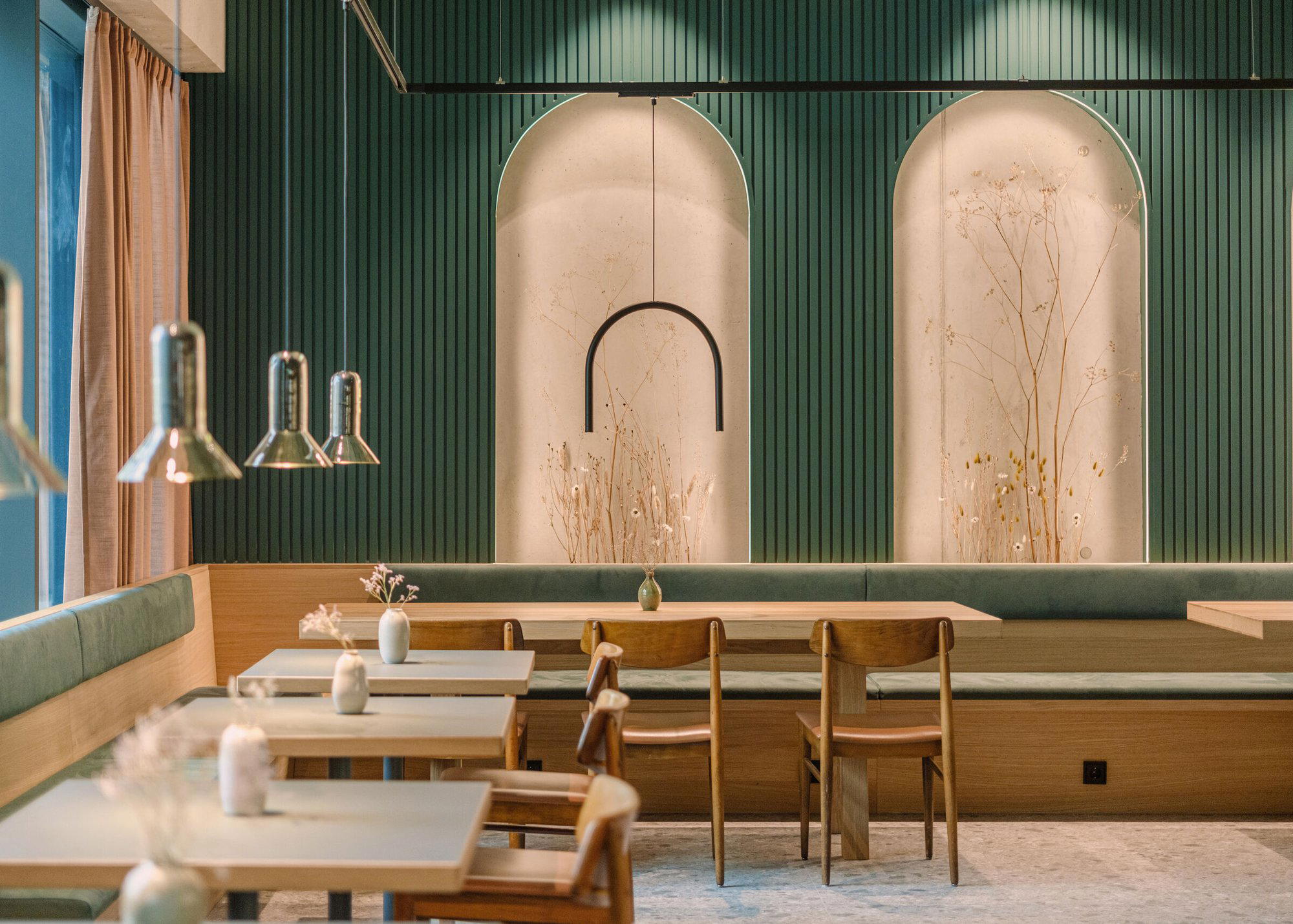
The 10th District and Vienna's Shifting Dining Map
Vienna's restaurant scene has long been anchored to the 1st district and its immediate neighbours: the Ringstrasse hotels, the Stadtpark corridor where Steirereck im Stadtpark holds its position at the summit of the creative Austrian canon, and the inner-city addresses where Konstantin Filippou and Amador maintain their respective footprints. The 10th district, Favoriten, has historically been peripheral to that conversation. It is a densely populated working-class district south of the centre, better known for its Turkish and Balkan communities than for its restaurant stock. That geography matters when considering Steinhart. A restaurant that builds a loyal clientele in Favoriten is doing so without the inherited foot traffic of a tourist-adjacent postcode. The guests who arrive at Erika-Krenn-Promenade 15/1/1 are, largely, choosing to be there.
This dynamic shapes the entire experience. Restaurants that survive and accumulate regulars in non-central districts tend to do so through a specific kind of contract with their neighbourhood: they offer something consistent, fairly priced relative to the area's expectations, and repeatable enough that guests return without needing a special occasion as a pretext. The theatrics that sustain a destination restaurant in the 1st district are largely absent here, and that is not a criticism. It is the structural condition that produces a different kind of dining room.
What the Regulars Are Reading in the Room
The regulars' perspective on a restaurant like Steinhart is rarely about the headline dishes. It is about what the room does reliably: the way service holds its pace on a busy midweek evening, whether the wine list has been maintained with care, and whether the kitchen's output is consistent across visits rather than peaked for a Saturday review. This is the standard by which local regulars judge a neighbourhood address, and it is a harder standard to meet than the single-occasion spectacle that a destination restaurant can use for first impressions.
Vienna's broader neighbourhood dining tier has been quietly maturing. The same pressure that pushed Mraz & Sohn toward creative distinction in the 20th district has created space for more grounded, less performance-oriented kitchens in other non-central postcodes. Steinhart sits within this broader pattern: a restaurant whose address in Favoriten is not incidental but formative. The 10th district's dining expectations are shaped by a population that eats out frequently and knows when a kitchen is coasting.
For a comparison set, it is useful to look beyond Vienna. Austria's wider dining geography includes address-defining restaurants that have built loyal followings far from any urban centre: Döllerer in Golling an der Salzach, Obauer in Werfen, and Landhaus Bacher in Mautern an der Donau have each built multi-decade reputations in towns that require deliberate travel. The mechanism is the same: a kitchen that earns return visits rather than one-time pilgrimages. Steinhart operates on a version of this logic within a metropolitan context, where the deliberate journey is a tram ride south rather than a drive through the Salzach valley.
The Unwritten Menu: Reading Between the Visits
In restaurants with strong regular followings, an unwritten menu develops over time. It is not printed anywhere, but it is understood: the dish that has been on the menu in some form for years, the wine the sommelier opens before you ask, the table that is always yours on a Thursday. This informal grammar of loyalty is what distinguishes a neighbourhood institution from a neighbourhood restaurant. Whether Steinhart has reached that register is a question its regulars would answer differently from a first-time visitor, but the address and its distance from the city's restaurant press suggest that the guest list skews heavily toward the former.
This pattern has parallels in other cities. At Atomix in New York City, a sustained booking culture has developed around a counter format that rewards multiple visits. At Le Bernardin, a decades-long regular clientele has co-authored the restaurant's identity as much as the kitchen has. The scale and register are entirely different, but the underlying dynamic, a kitchen that earns return rather than only first visits, is shared.
Situating Steinhart in the Austrian Fine Dining Conversation
Austria's tighter fine-dining circuit is well-documented. In the Alps, restaurants like Griggeler Stuba in Lech, Gourmetrestaurant Tannenhof in Sankt Anton am Arlberg, and Kräuterreich by Vitus Winkler in Sankt Veit im Pongau operate within a resort-adjacent context where seasonal closure and a destination-tourism clientele are structurally baked in. Ikarus in Salzburg occupies a different niche, rotating guest chefs through a format that is itself the identity. Restaurant 141 by Joachim Jaud in Mieming and Schwarzer Adler in Hall in Tirol represent the Tyrolean end of the spectrum, where regional identity and local sourcing carry significant weight.
Steinhart's position within Vienna specifically, and within Austria more broadly, is harder to pin without fuller data. What the address alone tells us is that this is not a restaurant built for the international Michelin tourist or the expense-account table. Vienna has its share of those at Doubek and elsewhere. The 10th district address suggests a different ambition: a kitchen making its argument to people who live nearby and return because the argument holds up.
Austria's smaller regional circuit also includes Ois in Neufelden, a restaurant that has built recognition in a genuinely peripheral Upper Austrian location. The comparison is instructive: the restaurants that punch above their postcode in Austria tend to be driven by kitchen discipline rather than location advantage. That is the operating condition Steinhart shares.
Know Before You Go
Price Range: Price tier 3.
Hours: Mon: 11 AM to 3 PM; Tue: 11 AM to 3 PM; Wed: 11 AM to 11 PM; Thu: 11 AM to 11 PM; Fri: 11 AM to 11 PM; Sat: Closed; Sun: Closed.
A Quick Peer Check
Comparable venues nearby, for context on price, style, and recognition.
| Venue | Cuisine | Price | Notes |
|---|---|---|---|
| SteinhartThis venue — the venue you are viewing | Modern Austrian | $$$ | Not listed |
| Heu & Gabel | Austrian Seasonal Organic | $$$ | Gaudenzdorf |
| Café & Restaurant Motto am Fluss | Modern Austrian with International Influences | $$$ | Innere Stadt |
| Lokal im Hof | Modern Austrian with International Influences | $$$ | Favoriten |
| Zum Kaiser | Traditional Viennese | $$ | Innere Stadt |
| Figlmüller – Restaurant Bäckerstraße | Traditional Viennese Cuisine | $$ | Innere Stadt |
Continue exploring
More in Vienna
Restaurants in Vienna
Browse all →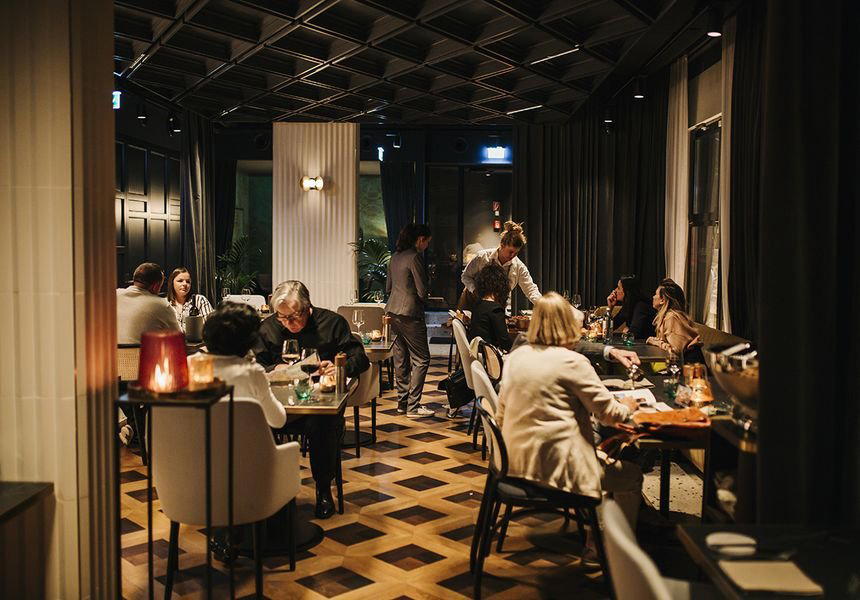
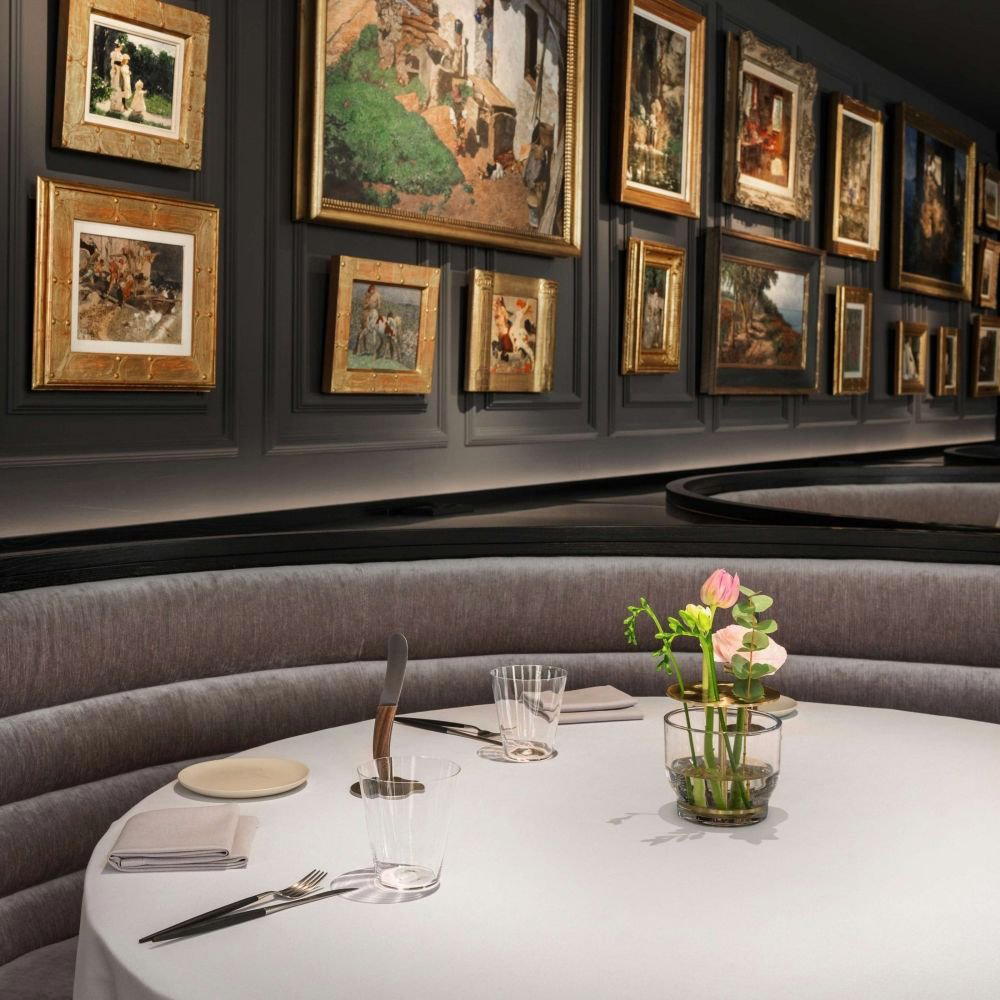
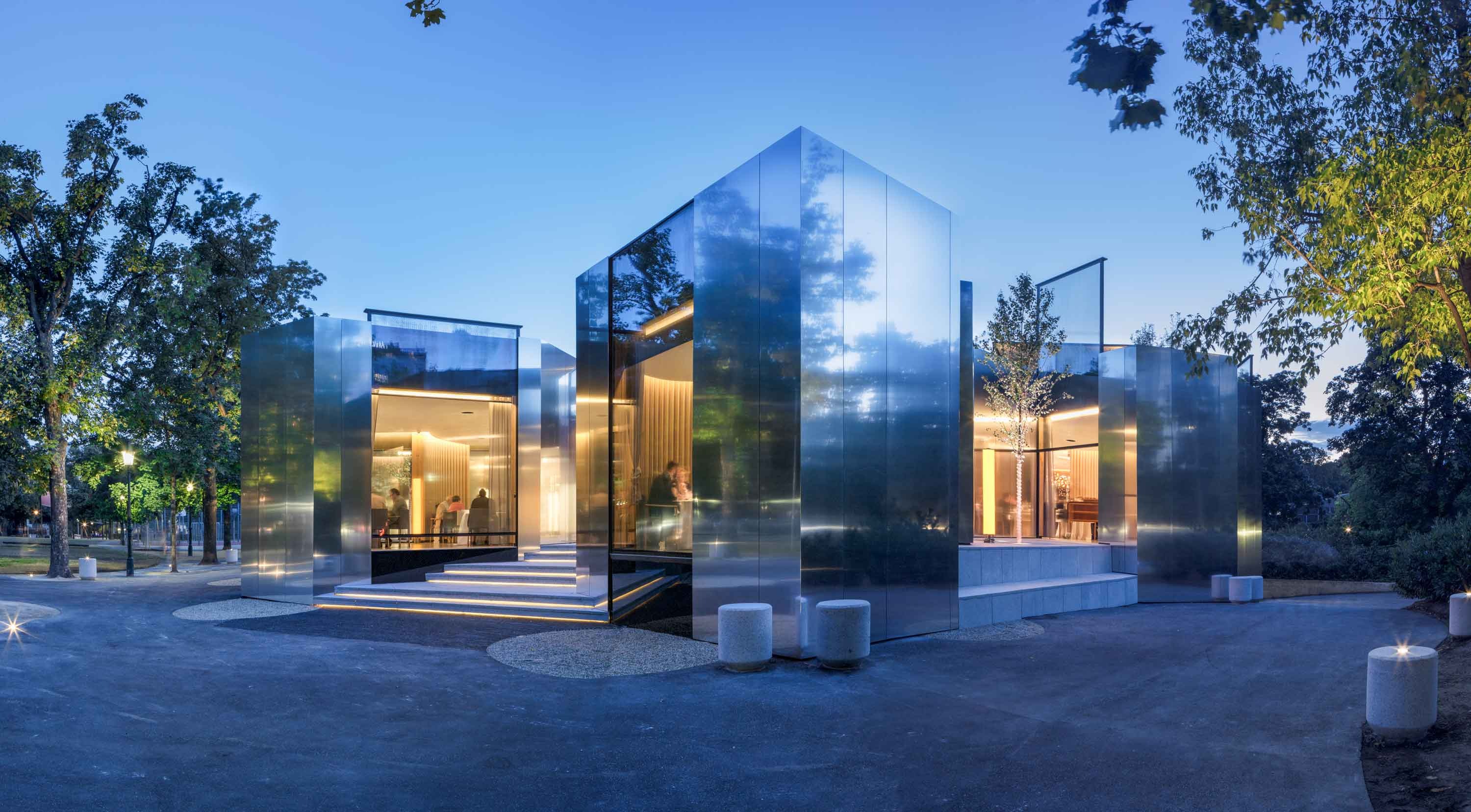
Bars in Vienna
Browse all →
Hotels in Vienna
Browse all →
At a Glance
- Cozy
- Modern
- Elegant
- Historic
- Date Night
- Casual Hangout
- Historic Building
- Craft Cocktails
- Local Sourcing
Current opening hours
- Monday
- 11 AM–3 PM
- Tuesday
- 11 AM–3 PM
- Wednesday
- 11 AM–11 PM
- Thursday
- 11 AM–11 PM
- Friday
- 11 AM–11 PM
- Saturday
- Closed
- Sunday
- Closed
Hours can change for holidays and private events. Last verified .
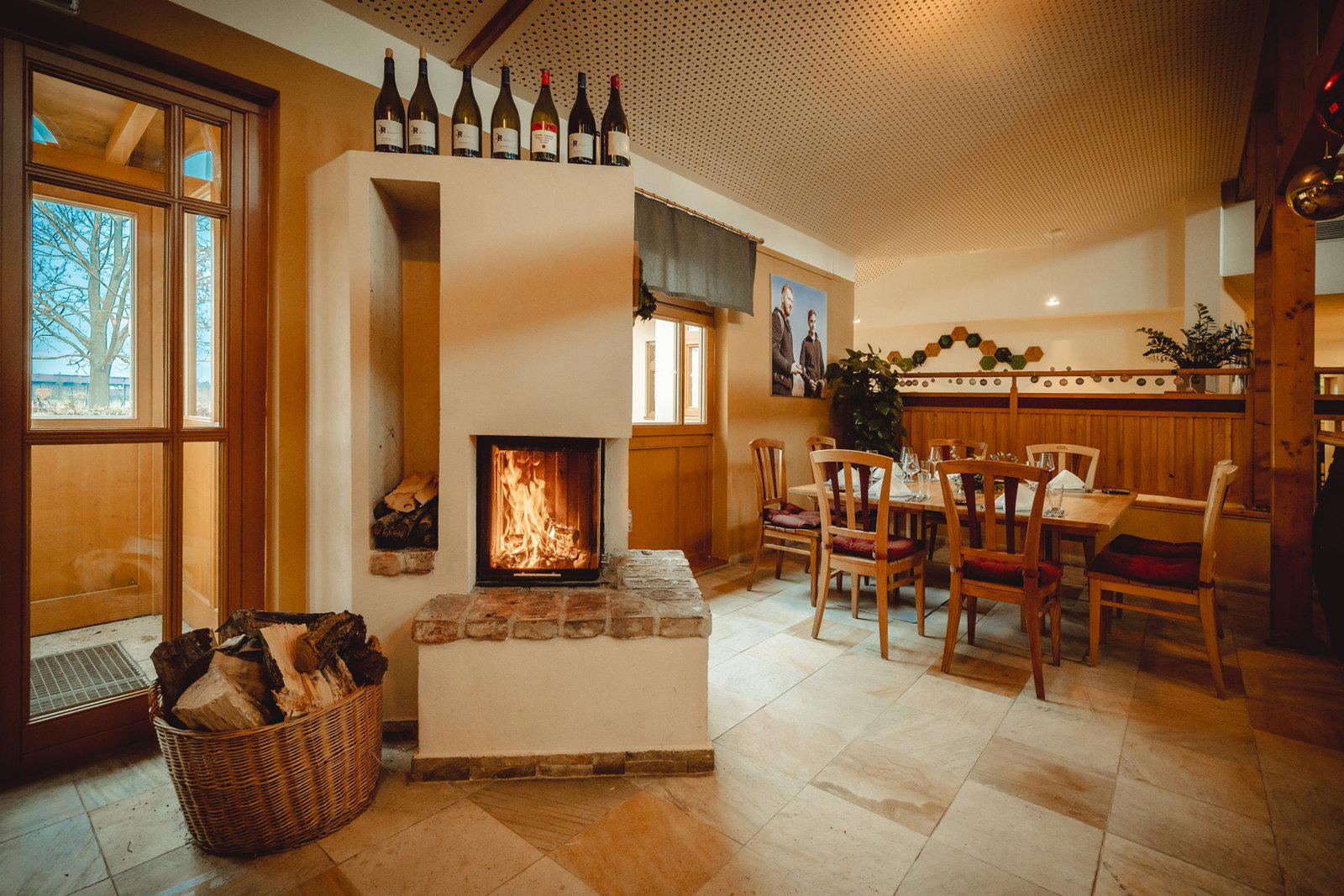
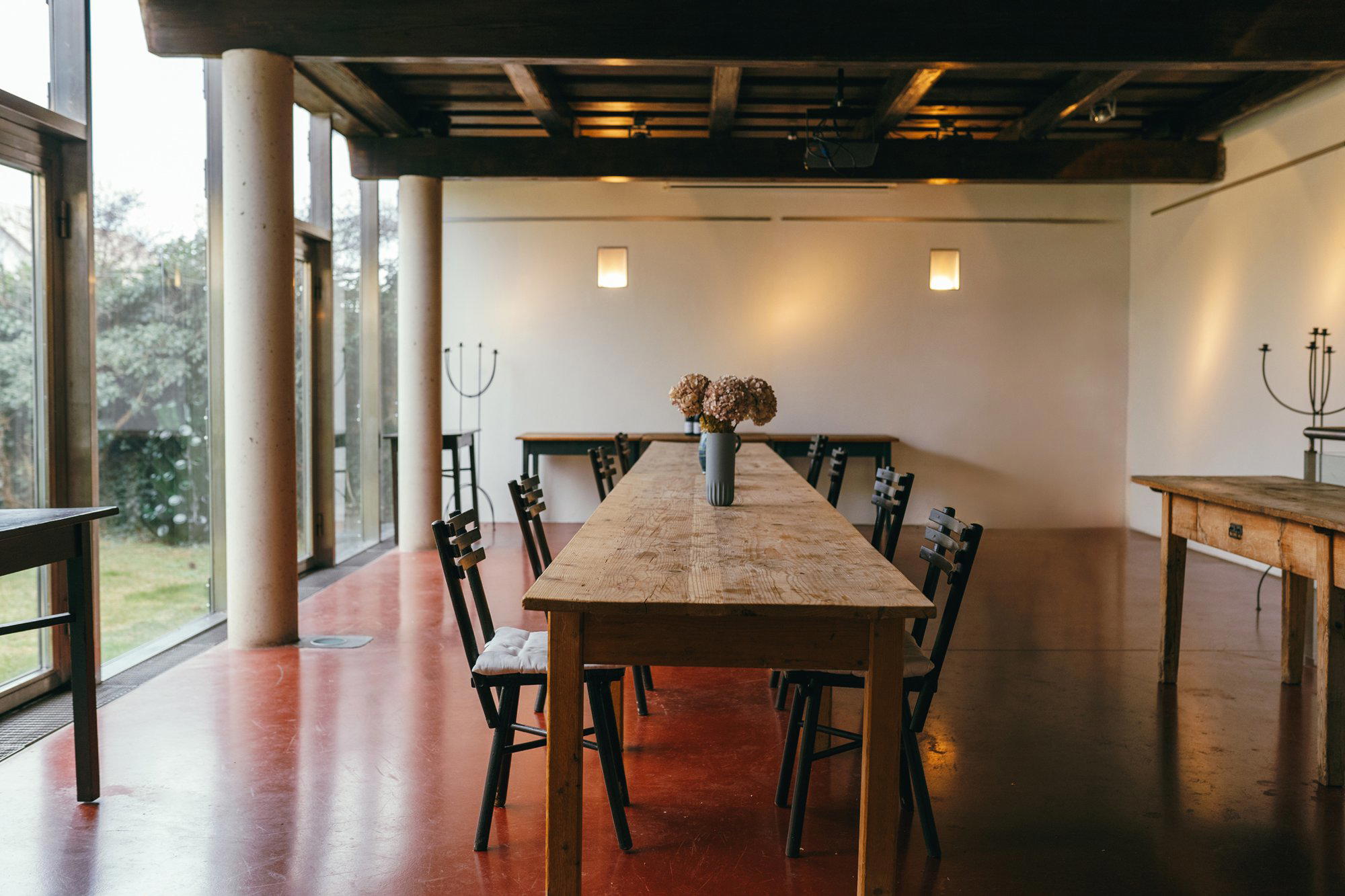
Gemütliche (cozy) atmosphere in old brick walls without formal constraints, featuring elegant interior.