
Ren Shan places regional Chinese cooking inside Shirokane’s quieter dining register, away from the hotel-dining polish and Ginza-style ceremony that often define Tokyo’s premium tables. Its Tabelog 100 Chinese cuisine Tokyo 2026 selection, earlier Tabelog Award Bronze run, wine emphasis, and 20-seat scale point to a small-room experience where kitchen, drinks, and service need to move in close formation.
Pearl is the En Primeur Club membership app — saves, bookings, and concierge access live there. Same editors, same standards.
- Address
- 4 Chome-1-7 Shirokane, Minato City, Tokyo 108-0072, Japan
- Phone
- +81 3-5422-7373
- Website
- rensyan.tenpo-lp.com
 Saves & bookings on Pearl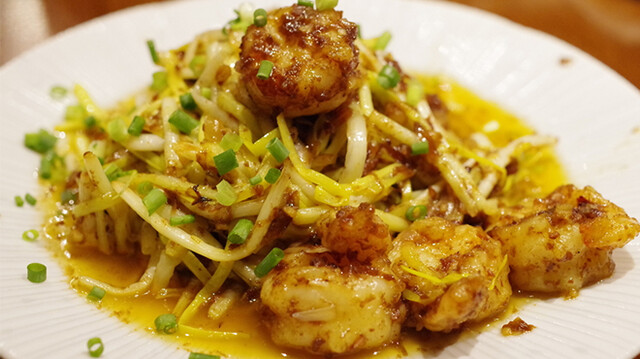
Shirokane sets the tone before the first plate arrives: residential, measured, and less performative than Ginza or Roppongi. Here, Chinese cooking reads differently in Tokyo, not banquet-room status cuisine, and not the casual counter format now spread across the city, but a smaller house-restaurant register where pacing, wine, and regional reference carry the evening.
Ren Shan belongs to that narrower category. It is best read not simply as another “Chinese restaurant in Tokyo,” but as part of the city’s specialist movement: compact rooms, a defined point of view, and recognition that draws diners who know the field. Its selection for Tabelog 100 Chinese cuisine Tokyo 2026 and Tabelog Award Bronze recognition from 2017 through 2022 place it in a competitive Tokyo bracket where consistency matters as much as novelty. A Tabelog score of 3.85 further signals a restaurant that has earned attention in a city where Chinese dining ranges from luxury hotel Cantonese to Sichuan-led casual rooms and chef-driven regional formats.
Regional Chinese cooking in a Shirokane-sized room
Tokyo’s serious Chinese dining has grown more granular over the past decade. Diners now distinguish Cantonese seafood polish from Sichuan heat, Shanghai comfort, Taiwanese-inflected home cooking, and countryside traditions that rarely fit hotel templates. Ren Shan’s stated focus on regional countryside dishes and cherished home-style cooking from various parts of China places it in that latter conversation. The point is not decorative rusticity, but translating domestic and regional formats into a Tokyo room with premium expectations.
That translation requires discipline. A 20-seat restaurant leaves little room for loose choreography: the kitchen cannot hide behind scale, and the dining room cannot coast on ceremony. The team dynamic becomes the story. The cooking makes the argument, but front-of-house rhythm and wine service decide whether regional dishes read as a coherent dinner rather than a collection of references. The wine emphasis matters because Chinese food in Tokyo has moved beyond beer-and-Shaoxing assumptions; spice, vinegar, fermented depth, aromatics, and texture make pairing technical, not decorative.
Shirokane also changes expectations. Nearby comparison points show the variety of the area’s dining economy: . 鮪と炭火焼き うお炭 秋葉原店, 12/10 Shinjuku ten, and 124. KAGURAZAKA (Yakitori) speak to Tokyo’s appetite for narrow-format specialization, while Shirokane peers such as Yakitori Haruka, Sushi Matsuura, Yoshoku Edoya, Sushi Imamura, and Burger Mania Shirokane ten show how the neighborhood accommodates precision dining and everyday comfort. Within that spread, Ren Shan occupies a less common lane: Chinese cooking with awards traction, intimate capacity, and wine-aware service.
Why the recognition matters in Tokyo's Chinese dining field
Awards can flatten restaurants when used as decoration, but here they define the competitive set. Tabelog’s Hyakumeiten lists are category-specific, so the 2026 Chinese cuisine Tokyo selection places Ren Shan against other Chinese specialists, not sushi counters, French tasting rooms, or kaiseki houses. That matters for travelers because Tokyo’s hierarchy is often distorted by international attention. Sushi and kaiseki dominate foreign itineraries; Chinese restaurants with strong local followings can be harder to place unless diners understand the Japanese evaluation systems around them.
The earlier Bronze run adds a second signal: repeat recognition over multiple years. In Tokyo, where fashion turns quickly and new openings draw disproportionate attention, sustained acknowledgment suggests a kitchen not reliant on one news cycle. The late-2015 opening date also matters. By 2026, the restaurant has moved beyond its fragile early period into the harder phase, when regulars, award committees, and comparison diners judge whether the room still keeps its shape.
That makes Ren Shan better suited to diners interested in Chinese regional cooking than to those chasing spectacle. There is no need to force a sushi-counter analogy onto it. The stronger comparison is Tokyo’s broader small-room culture, where scale is intimate, the margin for error is thin, and staff coordination becomes part of the meal’s architecture. Chef biography is not the central proof point; the more persuasive evidence is the format, award history, and category placement.
How to place it within a Tokyo itinerary
For a Tokyo dining week, Ren Shan works as a counterweight to omakase, yakitori, and hotel dining. It gives the itinerary a Chinese regional axis without shifting into banquet formality. That distinction is useful in a city where many premium meals demand fixed ritual: sushi counters organize around the handoff, kaiseki around seasonal progression, and yakitori around grill cadence. A small Chinese room works differently, with shared dishes, sauces, wine, and service timing carrying more of the social tempo.
The planning logic is simple: pair it with neighborhoods that reward slower evenings rather than cross-city rushing. Shirokane and nearby Minato suit travelers staying in central Tokyo hotels, and the area’s quieter character fits a dinner where conversation matters. For broader trip design, Our full Tokyo restaurants guide is the natural next reference, while Our full Tokyo hotels guide, Our full Tokyo bars guide, Our full Tokyo wineries guide, and Our full Tokyo experiences guide help shape the rest of the city around it.
Travelers comparing Japanese dining beyond Tokyo can also read Ren Shan against a wider national map: -Grilled beef Sukiyaki- KAMAKURA TANUKIAN 鎌倉 たぬき庵 in Kamakura,.cafe in Osaka,.know in Kumamoto, (Shoku) Vietnam in Kawasaki, [Curry Senmon Ten] Maruyama Kyoju. in Sapporo, and [ki:] in Kyoto all show how category-specific restaurants gain meaning through place rather than scale. For a transpacific contrast in Japanese-adjacent drinking and casual food culture, Jōdo Saké Bar in Los Angeles and Onigiri Time in Pasadena sit on a different cultural register.
The editorial case is clearest for diners who already have one high-ceremony Japanese meal booked and want another evening with less ritual but equal seriousness. Ren Shan’s strength, signaled by category recognition, compact room, and wine orientation, lies in how Chinese regional cooking is carried by a coordinated team rather than framed as theater. In Tokyo, that restraint is not minor; it is often where better meals hide their confidence.
Peers You’d Cross-Shop
Comparable venues in the metro at similar price points.
| Venue | Cuisine | Price | Notes |
|---|---|---|---|
| Ren ShanThis venue — the venue you are viewing | Creative Chinese countryside cuisine | $$ | |
| 南方中華料理 南三 | Taiwanese | , | Shinjuku |
| 銀座奥田 | Chinese | $$ | Chūō |
| Nihao | Chinese dumpling house (gyoza specialist) | $$ | Shibuya |
| 鮨 日本橋 鰤門 | Chinese | , | Chūō |
| ShunDe DongHai Restaurant | Chinese Restaurant | $$ | Tokyo |










At a Glance
- Intimate
- Cozy
- Modern
- Hidden Gem
- Date Night
- Special Occasion
- Business Dinner
- Group Dining
- After Work
- Standalone
- Design Destination
- Natural Wine
- Beer Program
- Natural Wine
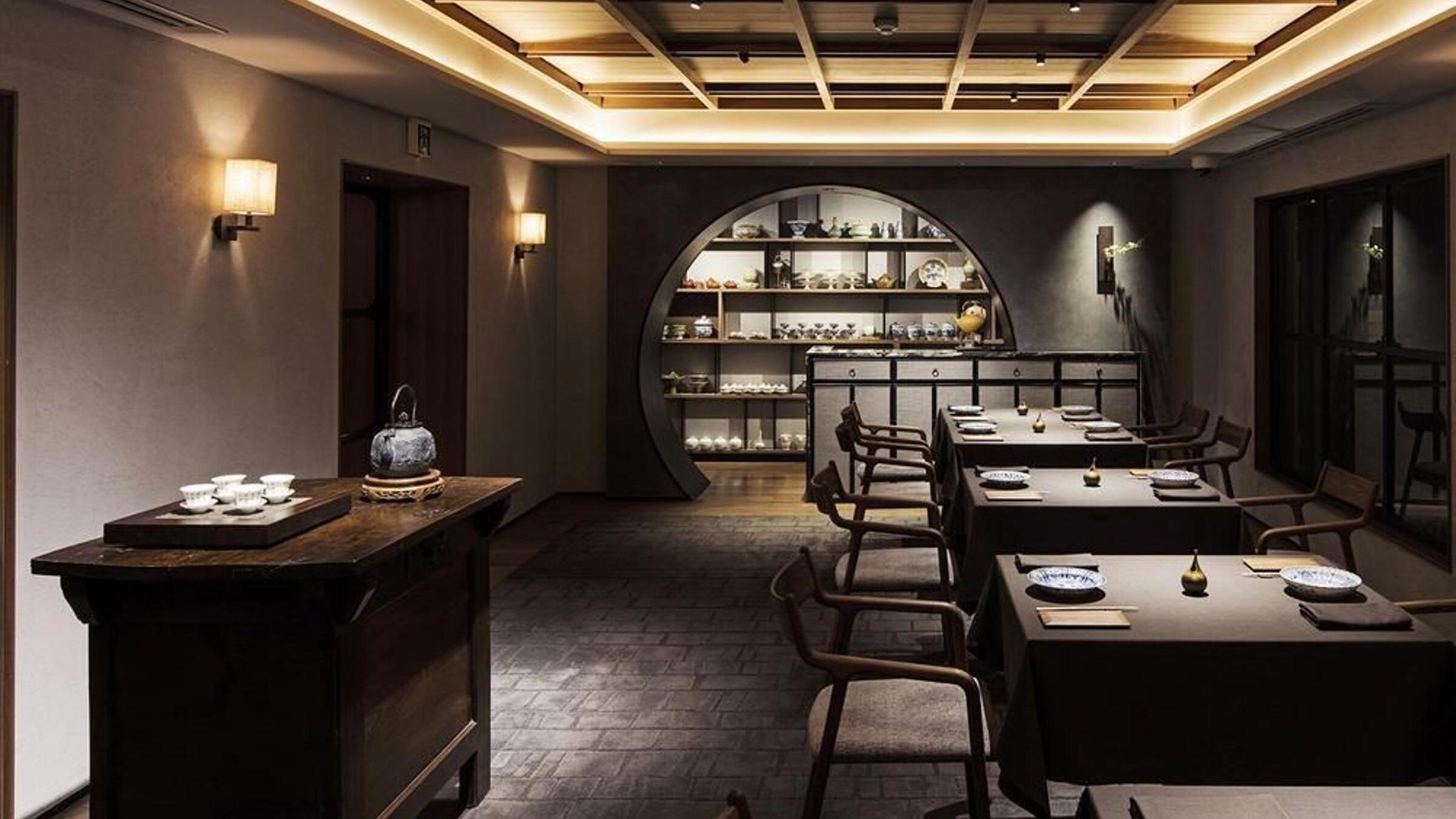
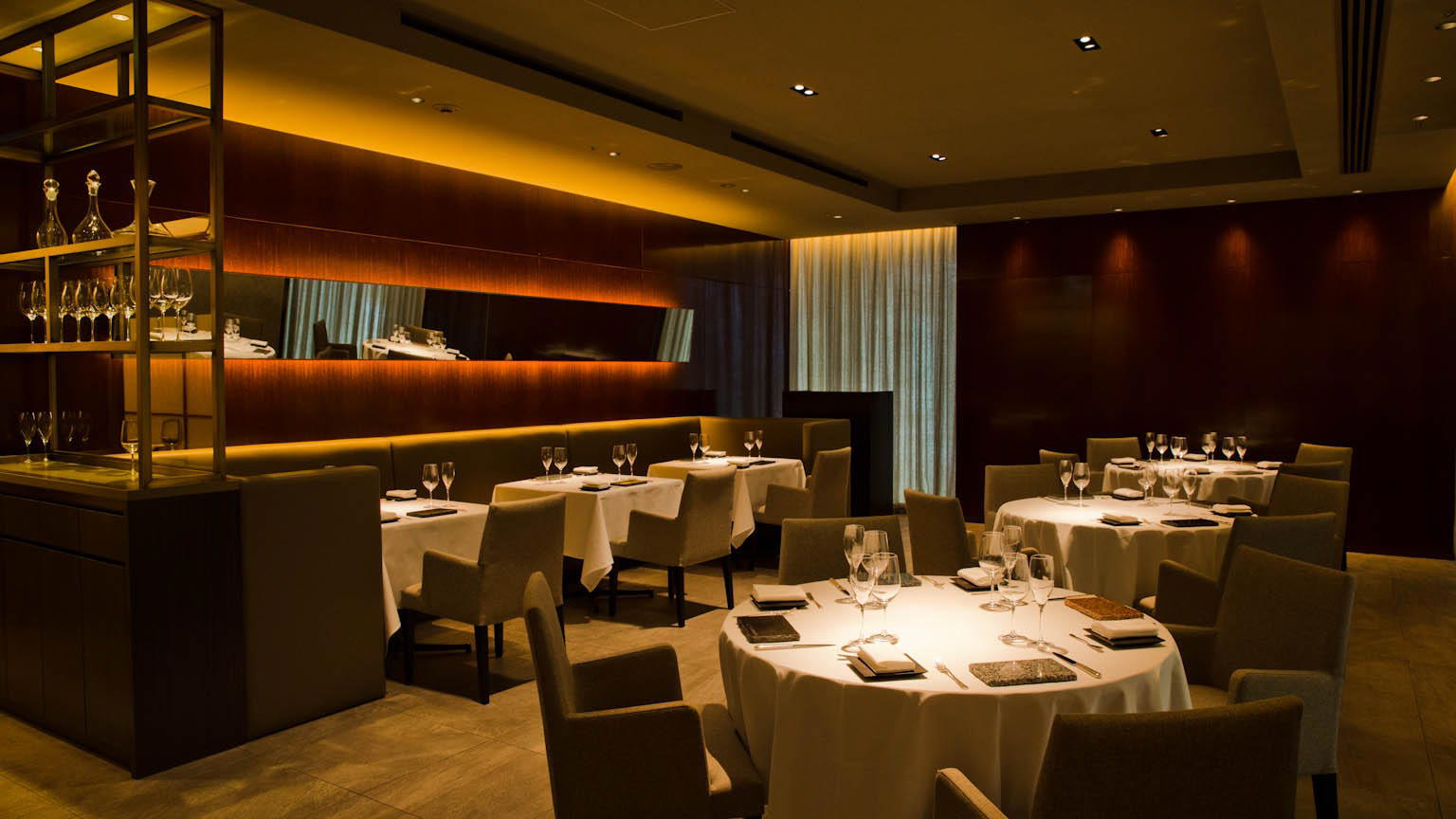
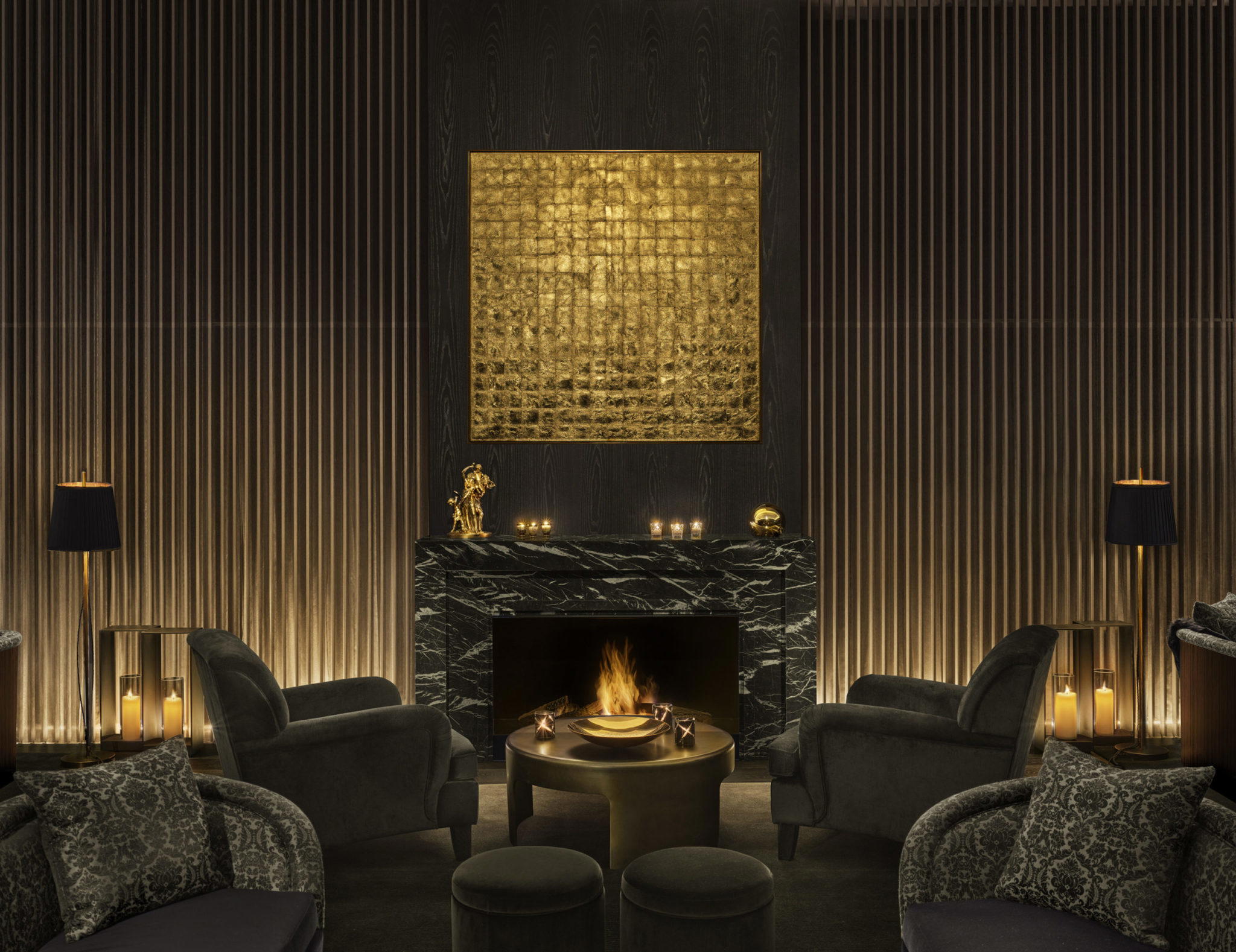
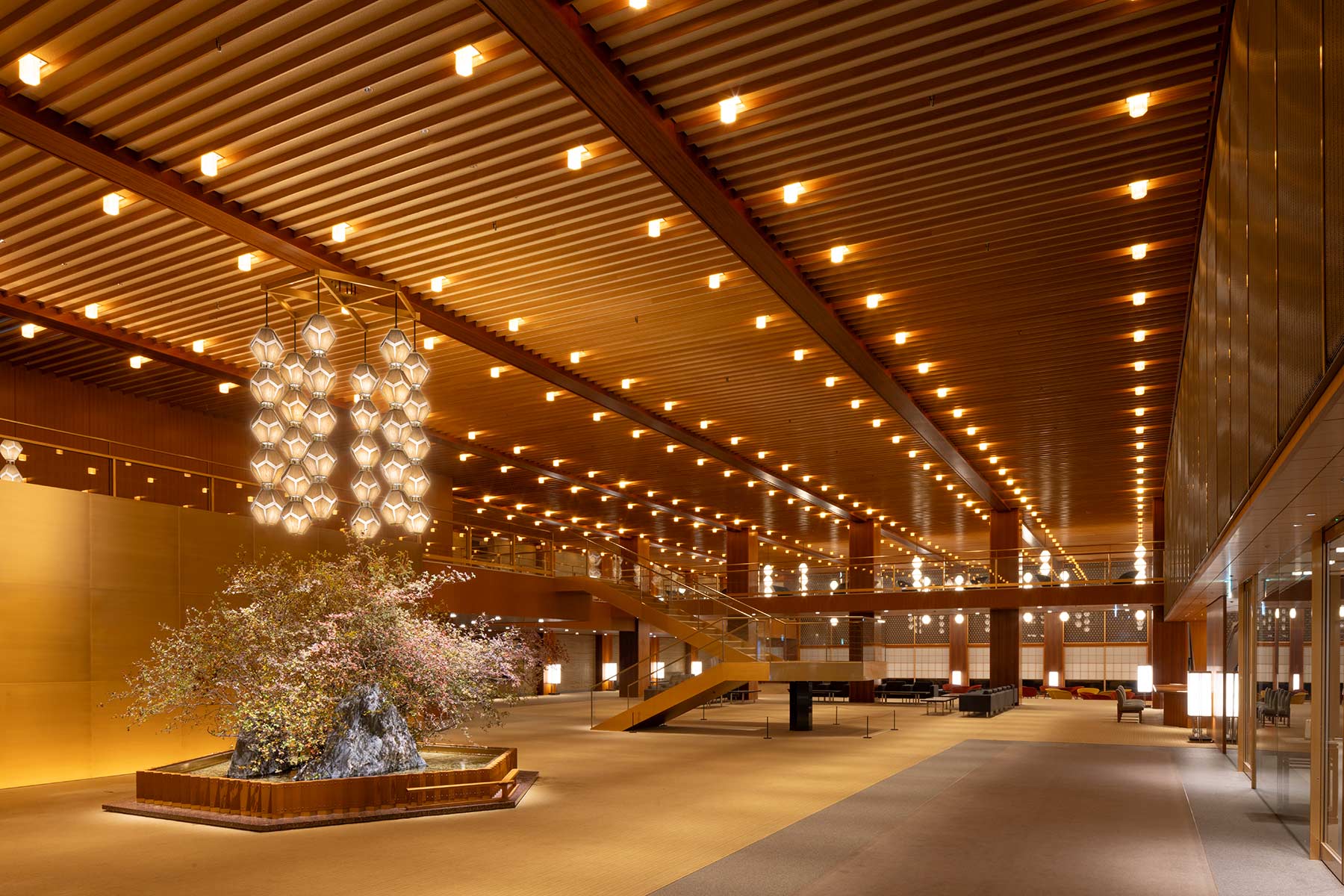
A small, adult-oriented space with chic, unified interior design and high ceilings that create an open yet cozy feel, suited more to relaxed evening dining than casual family meals.