

Set along the SS7/bis outside Nola in Campania, Rear Restaurant sits in the contemporary Italian tier where open-fire cooking meets a wide-ranging menu that spans street food, raw seafood, and elaborately sauced mains. A Michelin Plate and a 2025 OAD Top 320 North America ranking signal its standing. The wine list, built around champagnes and Italian labels, is the connective thread across a kitchen that changes register more than most.
Pearl is the En Primeur Club membership app — saves, bookings, and concierge access live there. Same editors, same standards.
- Address
- SS7/bis, km 50, 80035 Nola NA, Italy
- Phone
- +39 081 1767 1399
- Website
- roworldexperience.com
- Directions
- Get directions
 Saves & bookings on Pearl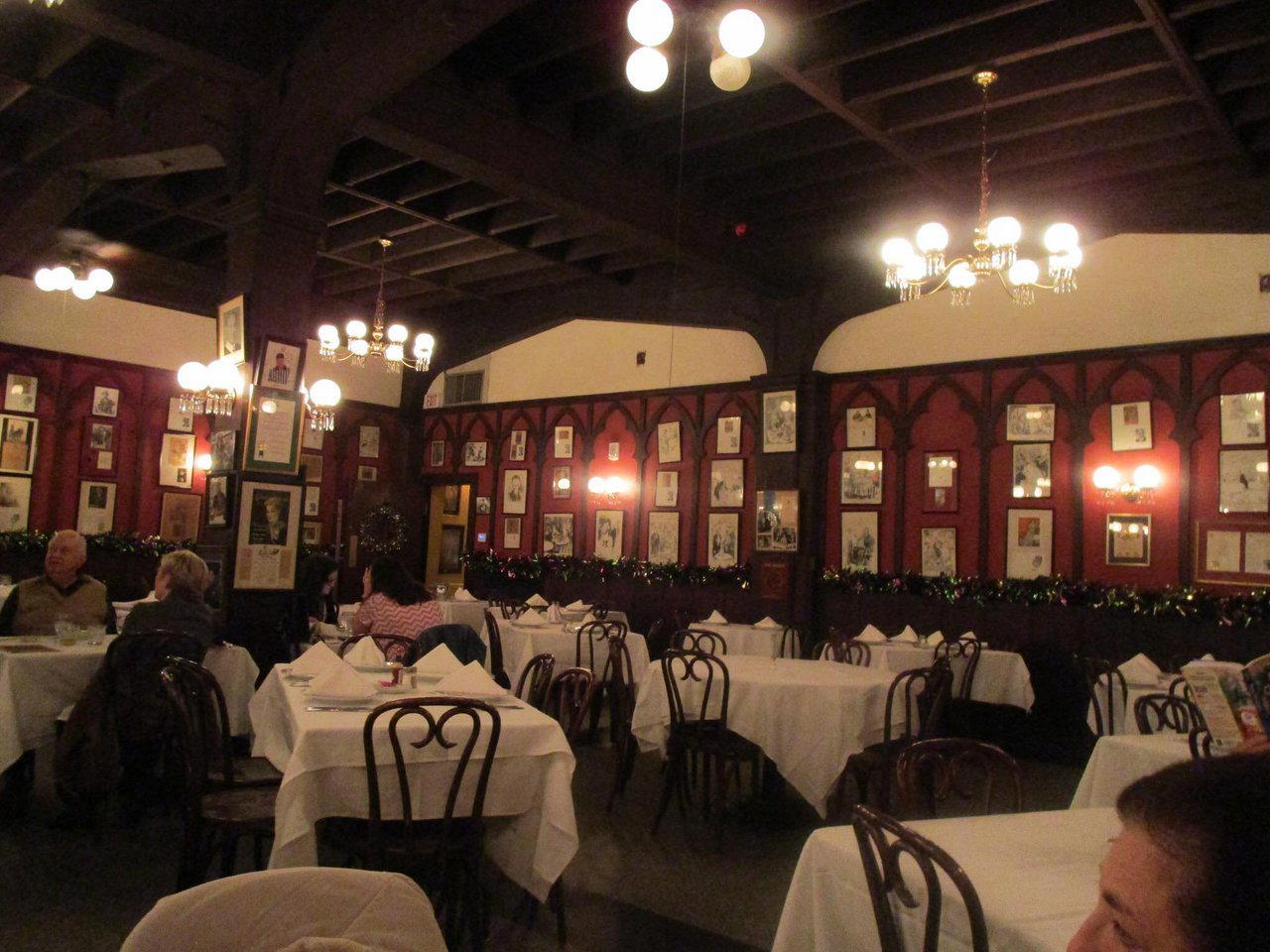
A Kitchen That Plays Multiple Registers
Along the SS7/bis corridor outside Nola, in the Campania hinterland south of Naples, the model of the sprawling contemporary Italian restaurant has evolved considerably over the past two decades. These are not the tight-tasting-menu temples of the north, where a single throughline guides every course. Instead, they tend toward generous plurality: a menu that accommodates the table ordering wood-fired secondi alongside a plate of fried street food, with raw fish and charcuterie sitting comfortably in between. Rear Restaurant, positioned on that road at the km 50 mark, is a modern Italian seafood restaurant in Nola, Italy, with a smart casual dress code and a recommended reservation policy.
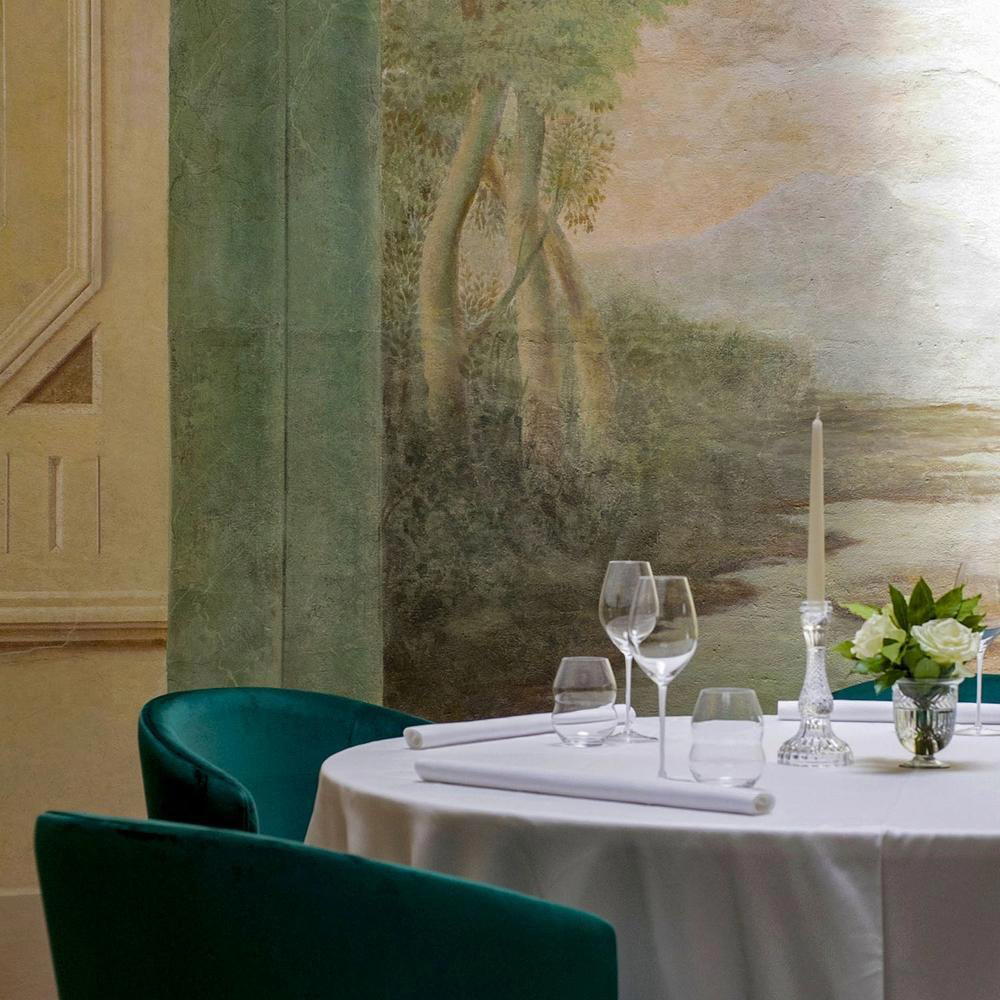
The dining room is modern and deliberately open. One wall is given entirely to the open-view kitchen, a structural choice that reframes the cooking as part of the experience rather than a backstage operation. In a region where kitchen theatre has historically meant wood fires and the smell of rendered pork fat, making the whole apparatus visible is a statement of confidence. The room reads as elegant without trading in formality, which matters for a menu that moves between tacos and whole grilled fish within the same service.
The Menu as a Case Study in Italian Plurality
Italian contemporary cooking, at its least interesting, treats plurality as permission to be unfocused. At its most considered, the range of a menu becomes an editorial argument: that rigorous technique applies equally to a fried sandwich as to a slow-braised main course. Rear Restaurant's menu makes that second argument. Street food items, including fried dishes and sandwiches alongside Spanish prosciutto and tacos, appear not as concessions to casual preference but as part of a deliberate spectrum. The inclusion of tacos, notably, signals a kitchen aware of cross-cultural technique without pretending to be something other than Italian in its anchoring.
Raw fish and seafood form another axis. Campania's coastline has always provided the raw material; the question any kitchen in this part of southern Italy has to answer is what framing to apply. Classic crudi, lightly dressed with olive oil and citrus, compete with more interpretive treatments in this kind of menu architecture. Chef Angelo Auriana's approach leans into the contrast between refined preparation and an open-fire finish on many of the meat and fish mains. The barbecue grill occupies real estate in that open kitchen for a reason. Smoke and char introduce a register that neither classical French technique nor strict Italian tradition owns outright, which gives the kitchen a distinctive accent in a competitive regional tier.
Wine as the Through-Line
In Italian contemporary dining at this price level, the wine list is rarely neutral. It functions either as an afterthought, a regional loyalty exercise, or, at its most considered, as an argument about how the kitchen wants its food understood. The list at Rear Restaurant takes the third position. The noted strength in champagne is unusual for a Campanian address and signals an outward-facing selection philosophy: these are wines chosen to perform across a wide menu rather than to match a fixed tasting sequence.
The pairing logic that follows from a menu this varied is genuinely demanding. A kitchen moving between raw shellfish, fried street food, and barbecued secondi in a single service needs a cellar that can track those shifts without forcing the guest to recalibrate. Champagne and sparkling wines handle the first two categories with ease, cutting through fat and salinity alike. The Italian selection presumably carries the weight across the mains, where a Campanian Aglianico or a Fiano di Avellino from the region's white wine tradition would each bring a different tension to a grilled fish or a meat course off the barbecue. That kind of regional pairing intelligence, the understanding that Campania's wine identity is more complex than the export market acknowledges, is where a considered sommelier program earns its position.
Recognition and Competitive Positioning
Two external signals frame where Rear Restaurant sits in its comparable set. The Michelin Plate (2024) places it in the tier that the guide considers worth visiting but stops short of star recommendation, a category that in southern Italy contains a significant number of technically competent kitchens competing on menu range and value as much as on singular vision. The more telling signal is the Opinionated About Dining ranking of #320 in North America for 2025. OAD's methodology relies on frequent-diner submissions, meaning that ranking reflects repeat engagement from a well-travelled audience rather than a single critic's assessment. At #320 in that list, the restaurant is drawing attention from diners who have enough points of comparison to be selective.4 across 111 reviews adds a ground-level layer: the number of reviews is modest, but the score holds across them.
Among Italian contemporary addresses in the same regional bracket, Re Santi e Leoni in Nola shares both the city and the price tier, making it one direct point of comparison for anyone building an itinerary in this part of Campania. Agli Amici Rovinj in Rovinj represents the Italian contemporary category operating in a different coastal context, useful for understanding how the format travels outside the peninsula.
Planning Your Visit
The restaurant sits on the SS7/bis at km 50, outside Nola in the Naples metropolitan area, which positions it as a destination booking rather than a walk-in option. The address is specific enough that arriving by car is the logical approach from Naples, roughly 25 to 30 kilometres to the west. The €€€ price range puts it at the upper end of the regional mid-tier, where a full meal with wine will represent a deliberate investment rather than a casual lunch spend. For champagne and Italian wine in the quantities the list invites, an evening visit with time to move through multiple courses and the pairing options will return more than a quick lunch booking.
In the Italian contemporary category at the same price tier, Saint-Germain and Zasu each represent a different approach to the contemporary menu format, while Bayona and Emeril's anchor the American-influenced end of the broader fine dining conversation in the region. For the Italian benchmark further up the recognition ladder, Osteria Francescana in Modena remains the reference point against which the contemporary category in Italy measures its ambitions.
Comparable Venues
Comparable venues nearby, for context on price, style, and recognition.
| Venue | Cuisine | Price | Notes |
|---|---|---|---|
| Rear RestaurantThis venue — the venue you are viewing | Modern Italian Seafood | $$$ | Not listed |
| Le Baccanti | Modern Italian Seafood | $$$ | Nola |
| Re Santi e Leoni | Modern Italian Fine Dining | $$$$ | Nola |
| Antica Locanda | Campanian Seafood Trattoria | $$$ | San Leucio |
| Da Lorenzo | Traditional Italian Seafood Trattoria | $$$ | Scala |
| Da Nonna Sceppa | Traditional Campanian Seafood | $$$ | Laura |
Recognition history
Dated appearances from independent guides and award organizations, with the underlying list record or original source where available.
Michelin Plate
Michelin
Michelin Plate
Michelin
Opinionated About Dining Top Restaurants in North America Ranked #320
Opinionated About Dining
Michelin Plate
Michelin
Continue exploring
More in Nola
Restaurants in Nola
Browse all →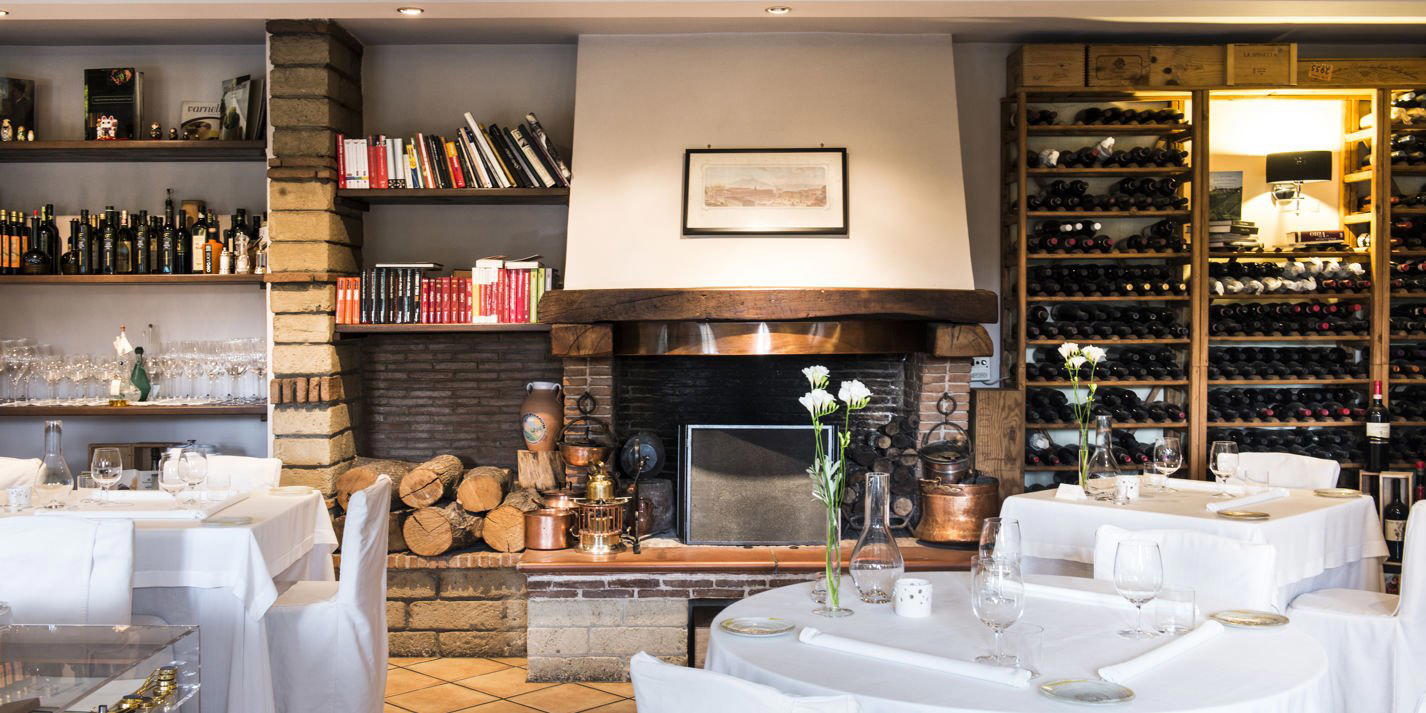
Bars in Nola
Browse all →
Hotels in Nola
Browse all →
At a Glance
- Elegant
- Modern
- Sophisticated
- Intimate
- Date Night
- Special Occasion
- Open Kitchen
- Extensive Wine List
Current opening hours
- Monday
- 1–3:30 PM, 7:30 PM–12 AM
- Tuesday
- 1–3:30 PM, 7:30 PM–12 AM
- Wednesday
- 1–3:30 PM, 7:30 PM–12 AM
- Thursday
- 1–3:30 PM, 7:30 PM–12 AM
- Friday
- 1–3:30 PM, 7:30 PM–12 AM
- Saturday
- 1–3:30 PM, 7:30 PM–12 AM
- Sunday
- 1–4 PM
Hours can change for holidays and private events. Last verified .
Refined and cozy with soft lighting, right music, and an open kitchen.