Contaminazioni


1 Michelin Star
Our verdict
On the volcanic slopes above Naples, Contaminazioni holds a Michelin star and an Opinionated About Dining ranking among Europe's top 300 restaurants for good reason. Chef Giuseppe Molaro runs surprise tasting menus that fold Japanese technique into Campanian produce, producing a style of cooking that sits well outside the region's traditional playbook. Fermented notes, precise acidic counterpoints, and local ingredients reframed through an international lens define the experience.

Pearl is the En Primeur Club membership app — saves, bookings, and concierge access live there. Same editors, same standards.
- Address
- Via S. Sossio, 2, 80049 Somma Vesuviana NA, Italy
- Phone
- +39 081 1874 8325
- Hours
- Mon ClosedTue–Wed 7:30–9:30 PMThu–Sat 12:30–2 PM, 7:30–9:30 PMSun 12:30–2 PM
- Website
- contaminazioni.restaurant
- Directions
- Get directions
- Booking
- Book on the venue's website
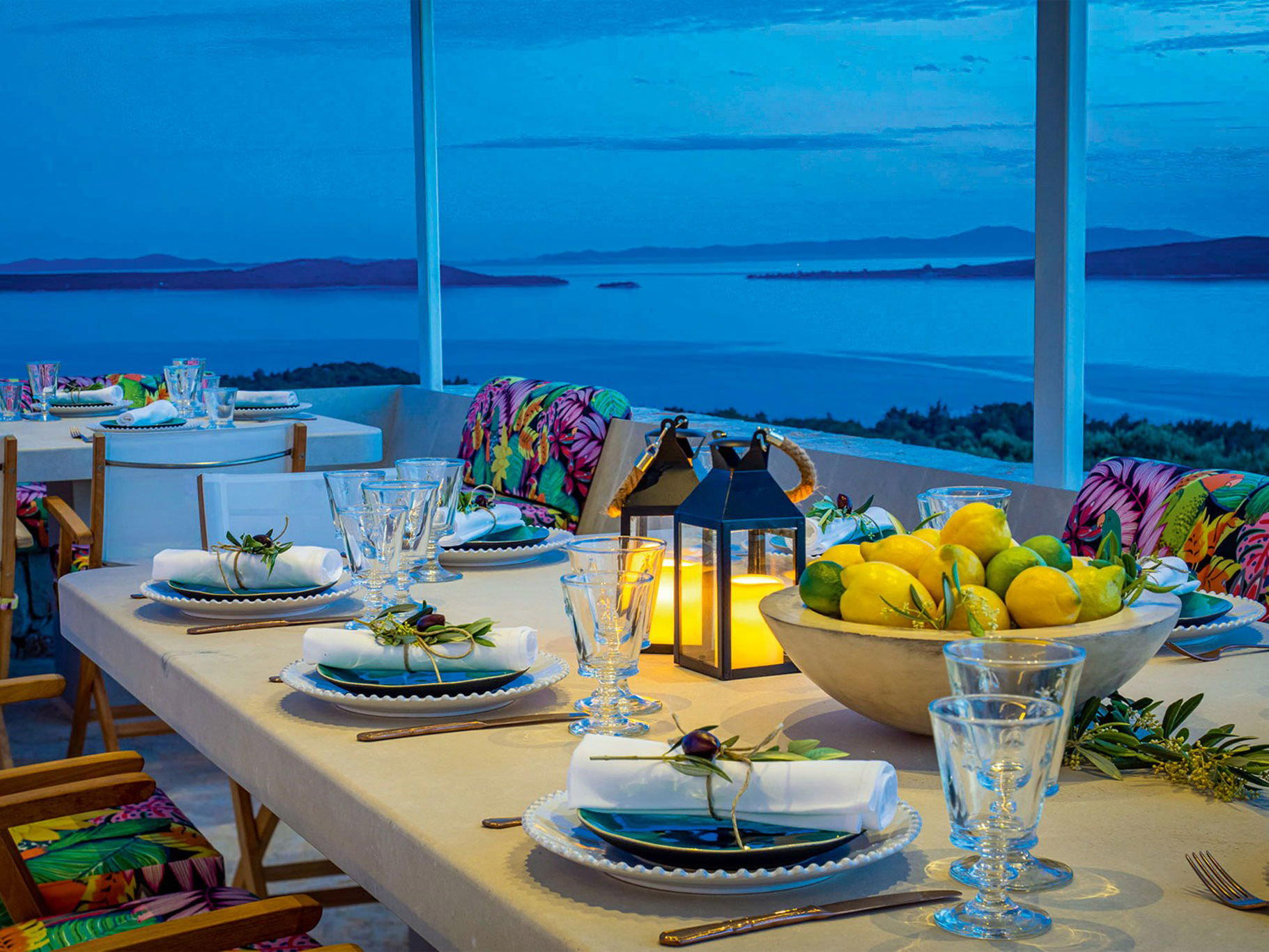
Where Vesuvius Meets Umami: A Campanian Kitchen Rewritten
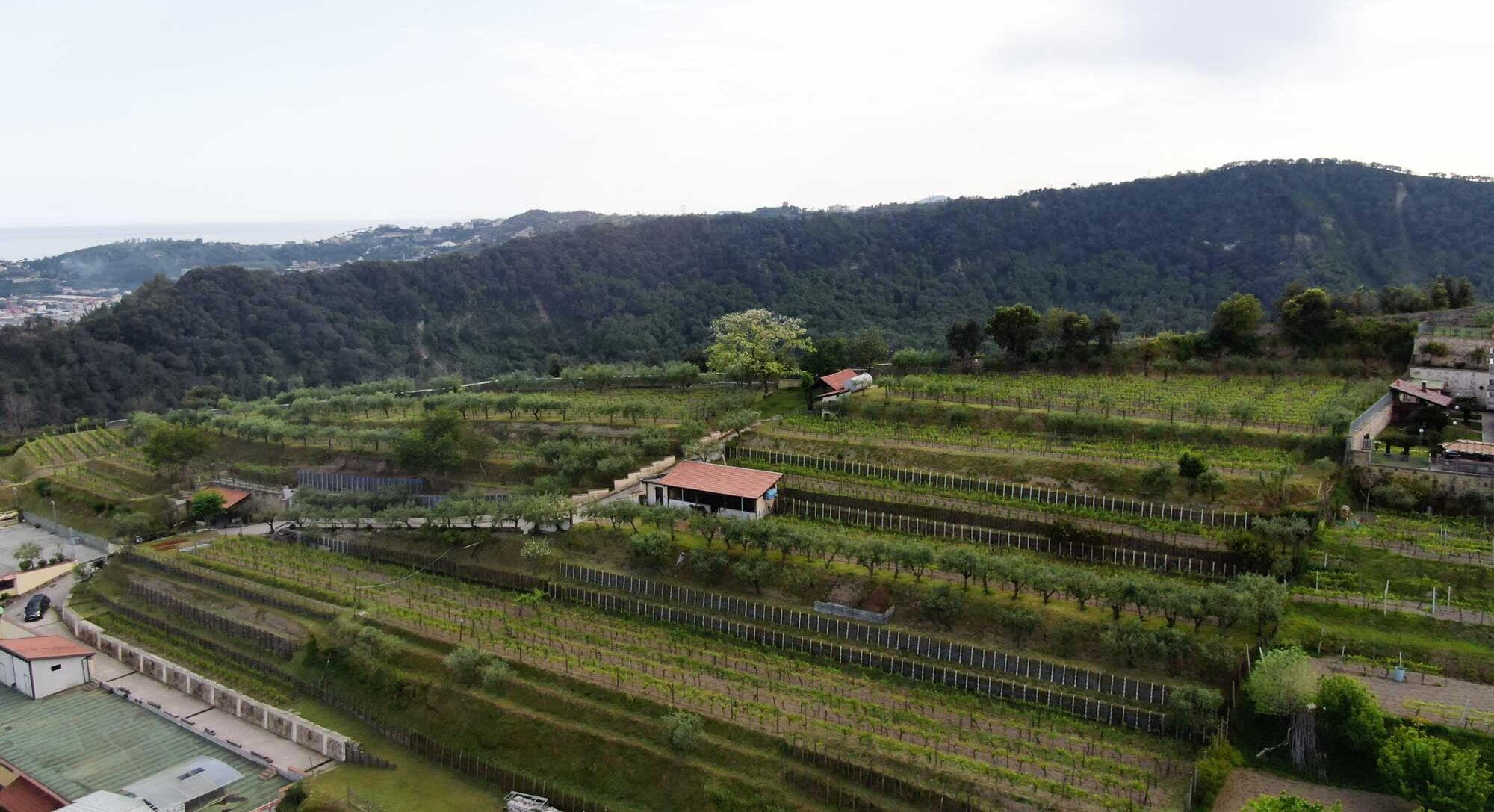
Approaching Somma Vesuviana from Naples, the mountain asserts itself long before the town does. Vesuvius looms over the eastern suburbs of the city in a way that shapes everything below it: the volcanic soil that produces some of Campania's most concentrated produce, the particular light that falls differently here than it does on the coast at Positano or in the crowded centro storico. Restaurants on these slopes have historically traded on that terroir in traditional terms, anchoring menus in ragù, friarielli, and the strong tomato traditions that define the region's culinary identity. Contaminazioni, on Via S. Sossio, proposes something categorically different.
Campanian cooking is one of the most codified regional traditions in Italy. The arguments over authentic pizza, the reverence for buffalo mozzarella from the Caserta plains, the strict boundaries of what a proper Neapolitan seafood dish should look or taste like: these are not casual preferences but deeply held civic convictions. To open a restaurant in this environment that deliberately steps outside those codes is a considered decision, not an accident of inexperience. The comparison is instructive: in northern Italy, restaurants like Osteria Francescana in Modena or Le Calandre in Rubano built reputations on reinterpreting regional tradition through avant-garde technique while remaining in clear dialogue with their culinary roots. Contaminazioni takes a different route: the dialogue here is with Japan as much as with Campania, and the friction between those two reference points is the source material for the menu.
The Logic of Contamination
The name is not incidental. Contaminazioni means contaminations in Italian, a word that in culinary usage signals cross-cultural influence rather than impurity. The surprise tasting menus that Chef Giuseppe Molaro offers follow the logic of the name directly: local ingredients from the Campanian interior and coast appear in preparations shaped by Japanese sensibility, fermentation culture, and a precision with acidity that is more Kyoto than Campania. Fermented and acidic flavours do appear prominently, which Opinionated About Dining's assessors noted specifically in describing the kitchen's approach as sometimes challenging but compelling for those drawn to bold and experimental territory.
This positioning places Contaminazioni in a growing category within Italian fine dining: restaurants that use a strong regional provenance as their ingredient source while refusing to treat regional tradition as their ceiling. Reale in Castel di Sangro operates similarly in Abruzzo, and Quattro Passi in Marina del Cantone represents the Amalfi coastline's version of the same impulse. But the Japanese thread running through Molaro's cooking is specific enough to distinguish Contaminazioni from these peers. It is not fusion in the diluted sense: the influence shows in fermentation methodology, temperature control, textural contrast, and the treatment of umami as a structural element rather than an accent.
The Award Trajectory
The external recognition follows a clear upward line. Opinionated About Dining placed Contaminazioni among its Highly Recommended Leading New Restaurants in Europe in 2023, a list that captures kitchens with upward momentum before Michelin cycles close around them. The Michelin star arrived in 2024, confirming the critical consensus that had been building. OAD's European rankings then placed the restaurant at 259th in 2024 and 289th in 2025, a modest adjustment within a competitive field that includes restaurants with decades of institutional history behind them.
At the level where Contaminazioni now sits, the comparison group includes places like Uliassi in Senigallia and Piazza Duomo in Alba, both significantly more established and priced at the €€€€ tier. Contaminazioni operates at €€€, a meaningful positioning signal in Italian fine dining, where the gap between three and four price bands usually reflects investment in wine cellars, service headcount, and real estate rather than kitchen ambition alone. For the calibre of cooking implied by the award profile, the price point is relatively accessible within its category.
Contrast with Italy's three-star tier is worth naming directly. Restaurants like Enoteca Pinchiorri in Florence, Dal Pescatore in Runate, or Enrico Bartolini in Milan operate at a different scale of infrastructure, with cellars and dining rooms that have accumulated over decades. Contaminazioni is positioned earlier in that institutional arc, which means less ceremony and more focus on what arrives on the plate. For a certain kind of diner, that is the preferable ratio.
The Campanian Context: What Makes This Location Specific
Somma Vesuviana is not a dining destination in the way Positano or the Amalfi coast commands international itineraries. The town sits northeast of Naples, closer in character to the agricultural communities of the Campanian interior than to the coastal tourism infrastructure further south. This matters for understanding the restaurant: Contaminazioni draws on the produce of this inland volcanic zone while operating largely for a regional and national audience rather than the international tourism circuit that sustains restaurants in more visited parts of the South.
Campania's culinary geography is more layered than its international reputation suggests. The coast and the pizza tradition absorb most of the attention, but the volcanic interior produces lentils, chestnuts, figs, and a range of vegetables shaped by mineral-rich soils that chefs working in the modernist register find genuinely productive to work with. The influence of Japan on Molaro's approach intersects productively with this produce: fermentation and umami-forward technique translate well to ingredients that carry intensity and depth from the soil they grow in. The cross-cultural reference does not override the regional ingredient story; it reframes how that story is told.
For context on the broader Campanian dining scene beyond a single restaurant, our full Somma Vesuviana restaurants guide maps the options across the town and surrounding area. Those planning a longer visit can also find relevant resources in our Somma Vesuviana hotels guide, our bars guide, our wineries guide, and our experiences guide for the area.
Modern Italian Elsewhere: The Broader Conversation
Modern Italian cooking at the €€€ to €€€€ tier operates across a wide stylistic range. In the north, Atelier Moessmer Norbert Niederkofler in Brunico draws on Alpine ecology and seasonality as its conceptual framework, while Seta in Milan and Dolce Stil Novo in Veneria Reale represent the formal metropolitan tier of the category. In the northeast, Casa Perbellini 12 Apostoli in Verona anchors its identity in rigorous classical Italian technique. What Contaminazioni contributes to this conversation is specific to its geography: a southern Italian kitchen that uses Japan as a lens rather than as a theme, and that does so from a location where the raw materials of Campanian agriculture are immediately available.
Planning Your Visit
The kitchen operates Tuesday and Wednesday evenings from 7:30 PM until midnight, with extended hours Thursday through Saturday covering both a lunch service from noon to 3 PM and dinner from 8 PM through midnight. Sunday runs a lunch service only, noon to 3 PM, and Monday is closed. The address is Via S. Sossio, 2, in Somma Vesuviana. The restaurant sits at the €€€ price tier, making it accessible relative to comparably awarded peers across Italy. No booking contact details are currently listed in the public record; checking directly with the restaurant through any available channel before travelling is advisable, given that Michelin-starred kitchens at this price point tend to fill reservations quickly.
Frequently asked questions
Is Contaminazioni good for families?
Contaminazioni is better suited to adults with an appetite for experimental cooking. The surprise tasting menu format, with fermented and acidic flavour profiles that Michelin's own notes describe as 'sometimes challenging,' is not structured around choice or familiarity. The €€€ price point reinforces that this is a destination for focused dining rather than a relaxed family occasion.
Is Contaminazioni better for a quiet night or a lively one?
A quiet, focused evening is the natural fit. The tasting menu format at a one-Michelin-star kitchen in Somma Vesuviana — a town without the tourist foot-traffic of the Amalfi coast — sets a deliberate pace. Giuseppe Molaro's Japanese-influenced cooking rewards attention, and the surprise structure means conversation tends to follow the plates rather than compete with them.
Is Contaminazioni Michelin-listed?
Contaminazioni has received recognition including: It’s worth pointing out from the outset that the dishes served at this restaurant on the slopes of Vesuvius are a far cry from the classic, traditional cuisine of Campania. Here, young chef Giuseppe Molaro offers surprise tasting menus of v….
What do regulars order at Contaminazioni?
The kitchen runs surprise tasting menus of varying lengths, so there is no à la carte selection to navigate. The OAD ranking — #289 in Europe for 2025, up from #259 in 2024 — and the Michelin star are built around that format. Committed diners take the full menu; the point is surrendering the choice entirely to Molaro's Japan-informed, Campanian-grounded kitchen.
In Context: Similar Options
| Venue | Cuisine | Price | Awards | Notes |
|---|---|---|---|---|
| ContaminazioniThis venue — the venue you are viewing | Italian-Japanese Contemporary Fusion | $100–150 | 1 Michelin Star | Not listed |
| Atelier Moessmer Norbert Niederkofler | Italian, Creative | Not listed | Michelin 3 Star | Not listed |
| Dal Pescatore | Italian, Italian Contemporary | Not listed | Michelin 3 Star | Not listed |
| Enoteca Pinchiorri | Contemporary Italian Fine Dining | $200–300 | 3 Michelin Stars · World's 50 Best #32 | Italian - French, Italian Contemporary |
| Enrico Bartolini | Creative | Not listed | Michelin 3 Star | Not listed |
| Osteria Francescana | Avant-Garde Italian Contemporary | $300–500 | 3 Michelin Stars · World's 50 Best #1 | Progressive Italian, Creative |
Recognition history
Dated appearances from independent guides and award organizations, with the underlying list record or original source where available.
Michelin 1 Star
Michelin
Opinionated About Dining Top Restaurants in Europe Recommended
Opinionated About Dining
Full recognition history (7 entries)
Michelin 1 Star
Michelin
Opinionated About Dining Top Restaurants in Europe Ranked #289
Opinionated About Dining
Michelin 1 Star
Michelin
Opinionated About Dining Top Restaurants in Europe Ranked #259
Opinionated About Dining
Opinionated About Dining Top New Restaurants in Europe Highly Recommended
Opinionated About Dining
Continue exploring
More in Somma Vesuviana
Restaurants in Somma Vesuviana
Browse all →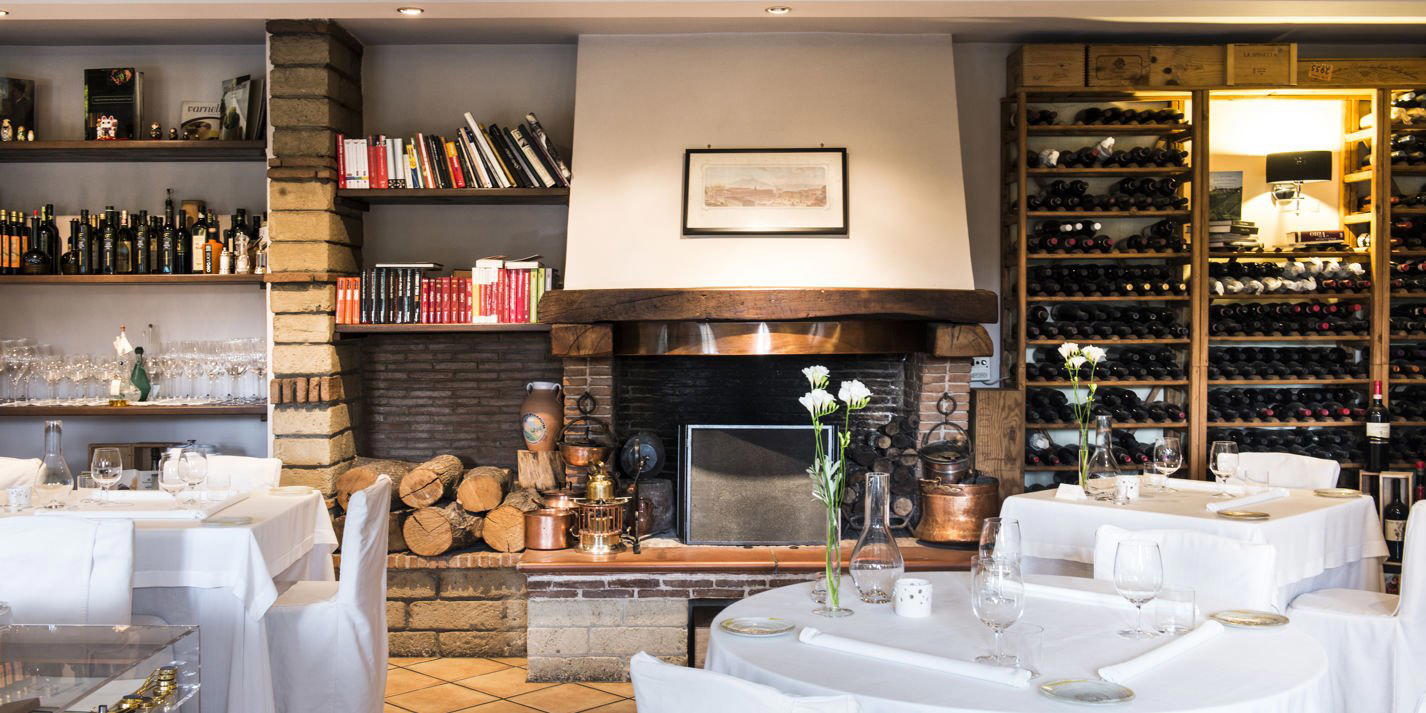
Bars in Somma Vesuviana
Browse all →
Hotels in Somma Vesuviana
Browse all →
Details
- Modern
- Elegant
- Intimate
- Sophisticated
- Date Night
- Special Occasion
- Open Kitchen
- Tasting Menu
- Vegan Options
Current opening hours
- Monday
- Closed
- Tuesday
- 7:30–9:30 PM
- Wednesday
- 7:30–9:30 PM
- Thursday
- 12:30–2 PM, 7:30–9:30 PM
- Friday
- 12:30–2 PM, 7:30–9:30 PM
- Saturday
- 12:30–2 PM, 7:30–9:30 PM
- Sunday
- 12:30–2 PM
Hours can change for holidays and private events. Last verified .
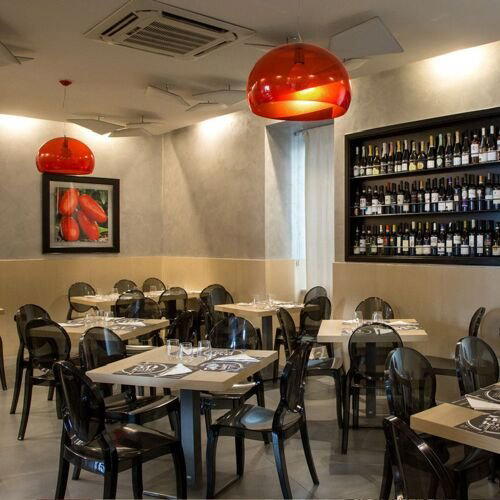
Bright dining room with large glass walls, clean modern design, and welcoming intimate atmosphere.