Bayona



World's 50 Best #45 · James Beard Award Best Chefs
Our verdict
A Dauphine Street address in the French Quarter has anchored Susan Spicer's cooking since 1990, making Bayona one of the most durable fine-dining fixtures in New Orleans. The menu draws from Mediterranean and Asian inflections layered over Louisiana produce, placing it in a category that predates the term 'New American' as a local signifier. Opinionated About Dining ranked it among the top 400 restaurants in North America as recently as 2024.

Pearl is the En Primeur Club membership app, where members save venues, book tables and use the concierge.
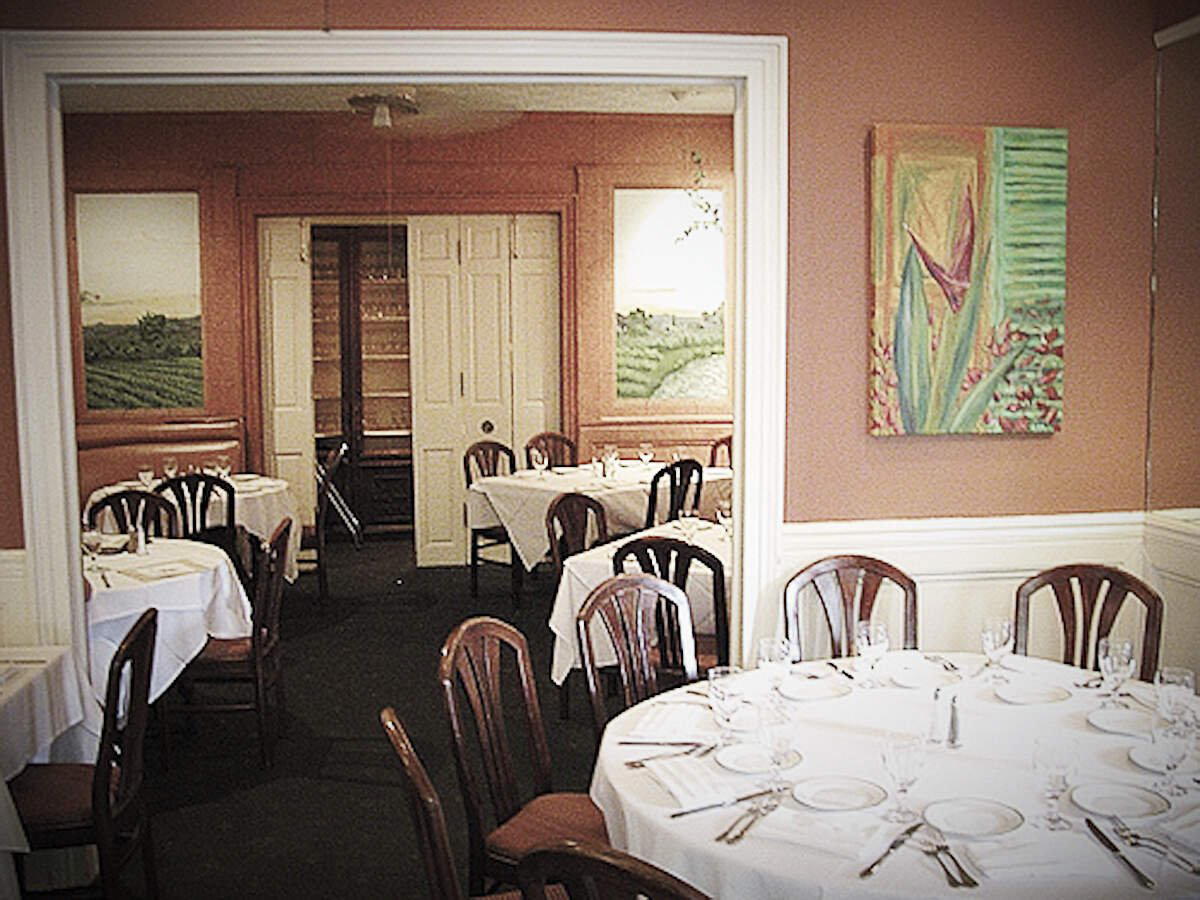
The menu
What to order
- Stuffed Quail
- Veal Sweetbreads
- Grilled Shrimp
Dauphine Street in the French Quarter moves at a different pace from the bourbon-soaked stretch of Bourbon Street two blocks west. The buildings here are older in feel, the foot traffic thinner, and the storefronts more likely to belong to a working restaurant than a souvenir shop. It is into this quieter register that Bayona has operated since 1990, occupying a Creole cottage whose exterior gives little away about what has unfolded inside across three decades of American fine dining. The address has become one of those rare constants in a city whose restaurant scene turns over with surprising speed, a place that regulars treat less as a discovery and more as a fixed point of reference.
New Orleans Fine Dining Before the Current Wave
New Orleans has always generated strong opinions about what constitutes authentic local cooking, and those opinions tend to organise around two poles: the Creole canon, anchored by institutions like Commander's Palace, and the Cajun tradition carried into the contemporary era by kitchens like Emeril's. Bayona arrived in 1990 as something else entirely, a kitchen drawing from Mediterranean technique, North African spice, and Southeast Asian flavour alongside Louisiana produce, at a moment when that kind of synthesis was not yet a standard move in American fine dining. The result was a restaurant positioned slightly outside the local canon, which is part of why it has sustained critical attention well beyond its founding decade.
The Opinionated About Dining ranking trajectory tells a coherent story: ranked 45th globally by the World's 50 Best in 2002, then appearing in OAD's North America rankings at positions ranging from 163rd (Gourmet Casual, 2023) to 360th (2024) to 538th (2025), the restaurant has maintained a presence in serious critical conversation across a span when most contemporaries have faded or closed. For context, that 2002 World's 50 Best placement came in the list's earliest years, when it was still finding its methodology, but the recognition was a signal of how the kitchen was being read internationally at the time. Among New Orleans restaurants active today, very few carry that kind of documented critical longevity.
Within the city's current fine-dining tier, Bayona occupies a different register from Saint-Germain (which pursues a more formally contemporary format) or Re Santi e Leoni (with its Michelin star and Italian-inflected framework). It sits closer in spirit to Coquette and Gautreau's, kitchens that take the New American category seriously without performing it as spectacle. Nationally, the New American format runs a wide spectrum from the tasting-menu formalism of Alinea in Chicago or The French Laundry in Napa to the market-led, à-la-carte approach at Craft in New York City. Bayona's positioning is closer to the latter: ingredient-driven, regionally rooted, and relatively accessible in format without abandoning the kitchen's technical ambitions.
The Cooking: Mediterranean Instinct, Louisiana Produce
The kitchen's defining move is a refusal to treat Louisiana produce as requiring exclusively Louisiana technique. While the surrounding city leans heavily on roux-based foundations and Creole seasoning logic, Bayona has consistently mapped its local sourcing onto a broader technical vocabulary. The approach reflects Susan Spicer's training arc, which included formative time in France and exposure to Mediterranean and Asian cooking that predated the wide American adoption of those influences. In the context of New Orleans fine dining, this has made the restaurant a useful outlier: you can eat impeccably local produce prepared with a frame of reference that the city's more tradition-bound kitchens rarely deploy.
This matters because New Orleans has a powerful gravitational pull toward its own culinary heritage, and restaurants that deviate from that tradition often do so at the cost of local credibility. Bayona has maintained both, critical standing in the national rankings and a loyal local following, which suggests the kitchen has found a synthesis that reads as coherent rather than eclectic. The menu shifts with seasonal availability, and the French Quarter location means the kitchen operates within easy reach of the city's historic market infrastructure.
Nationally, the cooking occupies a thoughtful middle ground. It does not chase the laboratory precision of Le Bernardin in New York City or the produce-obsessive farm integration of Single Thread Farm in Healdsburg. It is closer in spirit to Providence in Los Angeles or The Inn at Little Washington, restaurants where a founding chef's sensibility has been refined rather than reinvented over decades, and where the consistency of that vision is itself a form of argument.
Susan Spicer's Place in the American Culinary Record
The chef's career provides a useful lens for reading the restaurant's trajectory. Spicer trained in France, cooked in the Caribbean, and returned to New Orleans to build a kitchen vocabulary that was unusually wide for the early 1990s American dining context. By the time she opened Bayona in 1990, she had accumulated the kind of technical range that would have been legible in New York or San Francisco but was relatively uncommon in New Orleans's fine-dining tier. The James Beard Awards recognised her twice, as Leading Chef Southeast in 1993 and again in 1995, placing her in the same generational cohort as American chefs who shaped what New American cooking would become over the following decade.
The relevance of that training history is not biographical but structural: it explains why the kitchen reaches for Mediterranean and Asian registers without those choices feeling imported or grafted on. The technique was absorbed early, and the Louisiana context arrived later, which is the inverse of how most local cooks build their repertoire. The result is a restaurant that reads as simultaneously local and international in its culinary logic, a position that has proven easier to maintain over three decades than to replicate.
For comparison, the broader New American category includes chefs like Lazy Bear in San Francisco, where the format is far more formally structured, and kitchens where the chef's background in European fine dining is made explicit through tasting-menu architecture.
Planning a Visit
The restaurant operates a lunch service on Thursday, Friday, and Saturday from 11:30 am to 1:30 pm, and dinner Tuesday through Saturday from 6 pm to either 8:30 pm or 9 pm depending on the night. Monday and Sunday are closed. The French Quarter address at 430 Dauphine Street is walkable from most central New Orleans hotels, though the neighbourhood is more navigable on foot than by car given the Quarter's narrow streets and limited parking. Dinner on Friday or Saturday is the higher-demand service and should be booked with lead time; Thursday lunch is the path-of-least-resistance option for visitors whose schedules allow it.
For those building a broader New Orleans dining itinerary, EP Club's full New Orleans restaurants guide maps the city's range from oyster bars to Michelin-recognised tables. Accommodation and bar planning resources are available in the New Orleans hotels guide and New Orleans bars guide. Those with an interest in the broader cultural and wine programming the city offers can find recommendations in the New Orleans wineries guide and New Orleans experiences guide.
Frequently asked questions
What are the operating hours at Bayona?
Hours at Bayona: Hours: Monday Closed Tuesday 6–8:30 pm Wednesday 6–8:30 pm Thursday 11:30 am–1:30 pm, 6–8:30 pm Friday 11:30 am–1:30 pm, 6–9 pm Saturday 11:30 am–1:30 pm, 6–9 pm Sunday Closed.
What's Bayona known for in terms of accolades?
Bayona has received recognition including: Opinionated About Dining Top Restaurants in North America Ranked #538 (2025); Opinionated About Dining Top Restaurants in North America Ranked #360 (2024); Opinionated About Dining Gourmet Casual Dining in North America Ranked #163 (2023); ….
What It’s Closest To
| Venue | Cuisine | Price | Awards | Notes |
|---|---|---|---|---|
| BayonaThis venue (the venue you are viewing) | Modern Creole Fine Dining | $100–150 | World's 50 Best #45 · James Beard Award Best Chefs | Not listed |
| Emeril’s | Modern Creole-Cajun Fine Dining | $150–200 | 2 Michelin Stars · World's 50 Best #20 | Cajun |
| Re Santi e Leoni | Modern Italian Fine Dining | $100–150 | 1 Michelin Star | Contemporary |
| Commander’s Palace | Modern Creole | $50–100 | La Liste Top Restaurants · Star Wine List | Not listed |
| Pêche Seafood Grill | Modern Seafood Grill | $50–100 | Michelin Plate · James Beard Award Semi Finalist | Not listed |
| Acme Oyster House | Classic New Orleans Seafood & Oysters | $30–50 | Not listed | Not listed |
Recognition history
Dated appearances from independent guides and award organizations, with the underlying list record or original source where available.
World's 50 Best Restaurants #45
World's 50 Best
James Beard Award Best Chefs
James Beard Award
Opinionated About Dining Top Restaurants in North America Recommended
Opinionated About Dining
Full recognition history (7 entries)
Opinionated About Dining Casual in North America Recommended
Opinionated About Dining
Opinionated About Dining Top Restaurants in North America Ranked #538
Opinionated About Dining
Opinionated About Dining Top Restaurants in North America Ranked #360
Opinionated About Dining
Opinionated About Dining Gourmet Casual Dining in North America Ranked #163
Opinionated About Dining
Continue exploring
More in New Orleans
Restaurants in New Orleans
All restaurants in New Orleans →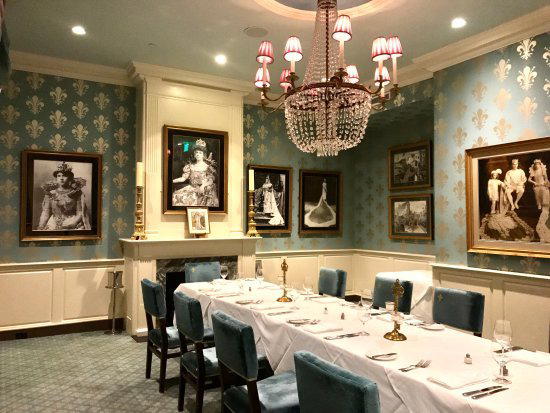
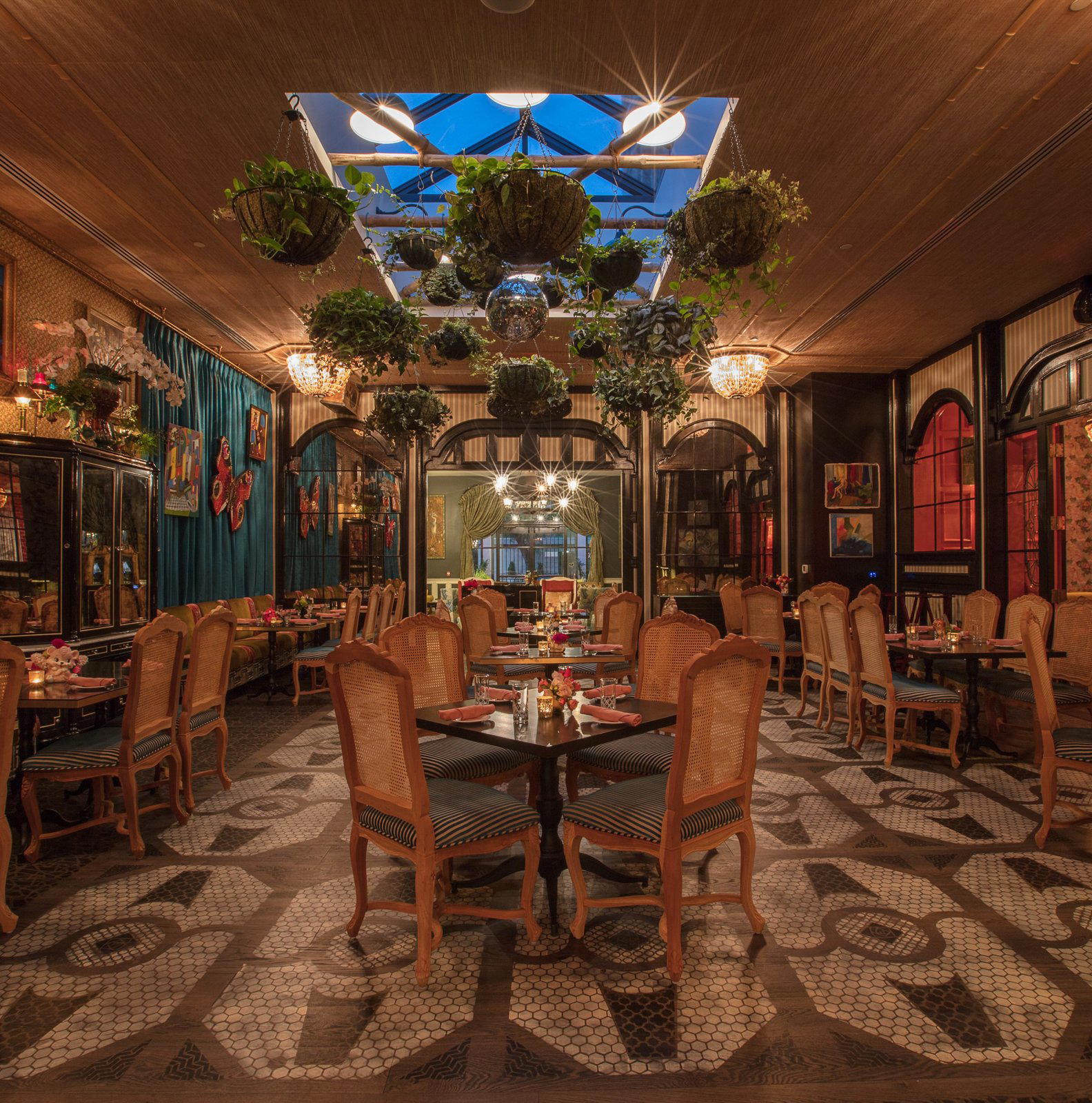
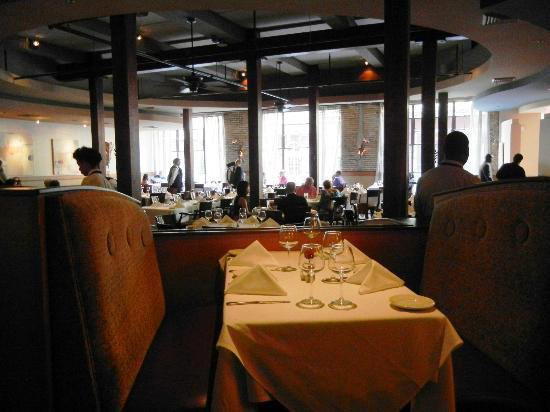
Bars in New Orleans
All bars in New Orleans →
Details
- Romantic
- Elegant
- Cozy
- Intimate
- Classic
- Date Night
- Special Occasion
- Celebration
- Courtyard
- Historic Building
- Extensive Wine List
- Garden
- A La Carte
- Wine
Current opening hours
- Monday
- 11:30 AM–2 PM, 5–9 PM
- Tuesday
- 5–9 PM
- Wednesday
- 5–9 PM
- Thursday
- 11:30 AM–2 PM, 5–9 PM
- Friday
- 11:30 AM–2 PM, 5–9 PM
- Saturday
- 11:30 AM–2 PM, 5–9 PM
- Sunday
- Closed
Hours can change for holidays and private events. Hours as of .
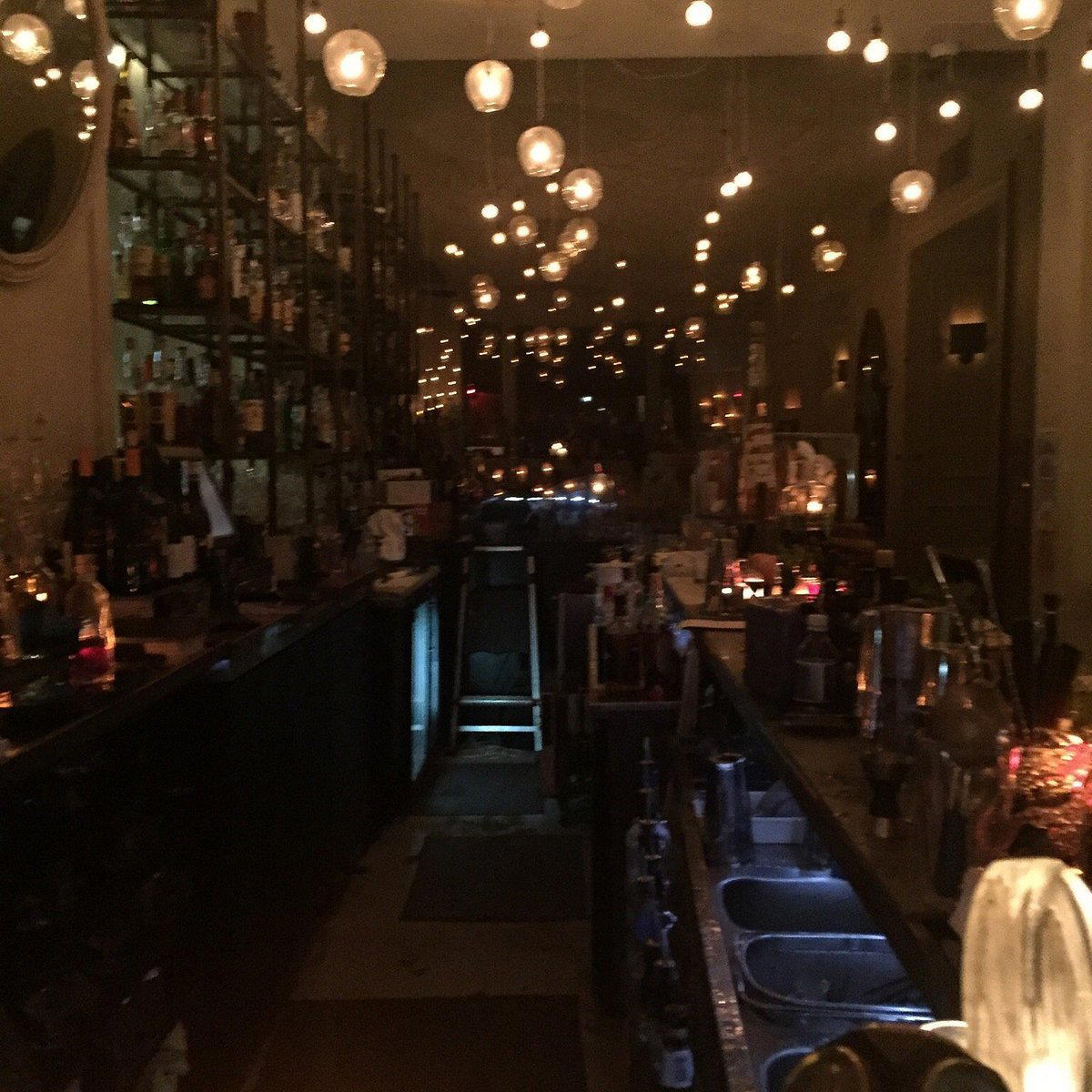
Classy, formal atmosphere with dim lighting, charming historic building, and pleasant courtyard seating; some guests note it can feel cold due to air conditioning.