Positioned on Piazza San Domenico Maggiore in the Spaccanapoli quarter, jamón occupies one of Naples' most historically charged addresses.
Pearl is the En Primeur Club membership app — saves, bookings, and concierge access live there. Same editors, same standards.
- Address
- P.za S. Domenico Maggiore, 9, 80134 Napoli NA, Italy
- Phone
- +39 081 420 2458
- Website
- jamontapasbar.it
- Directions
- Get directions
 Saves & bookings on Pearl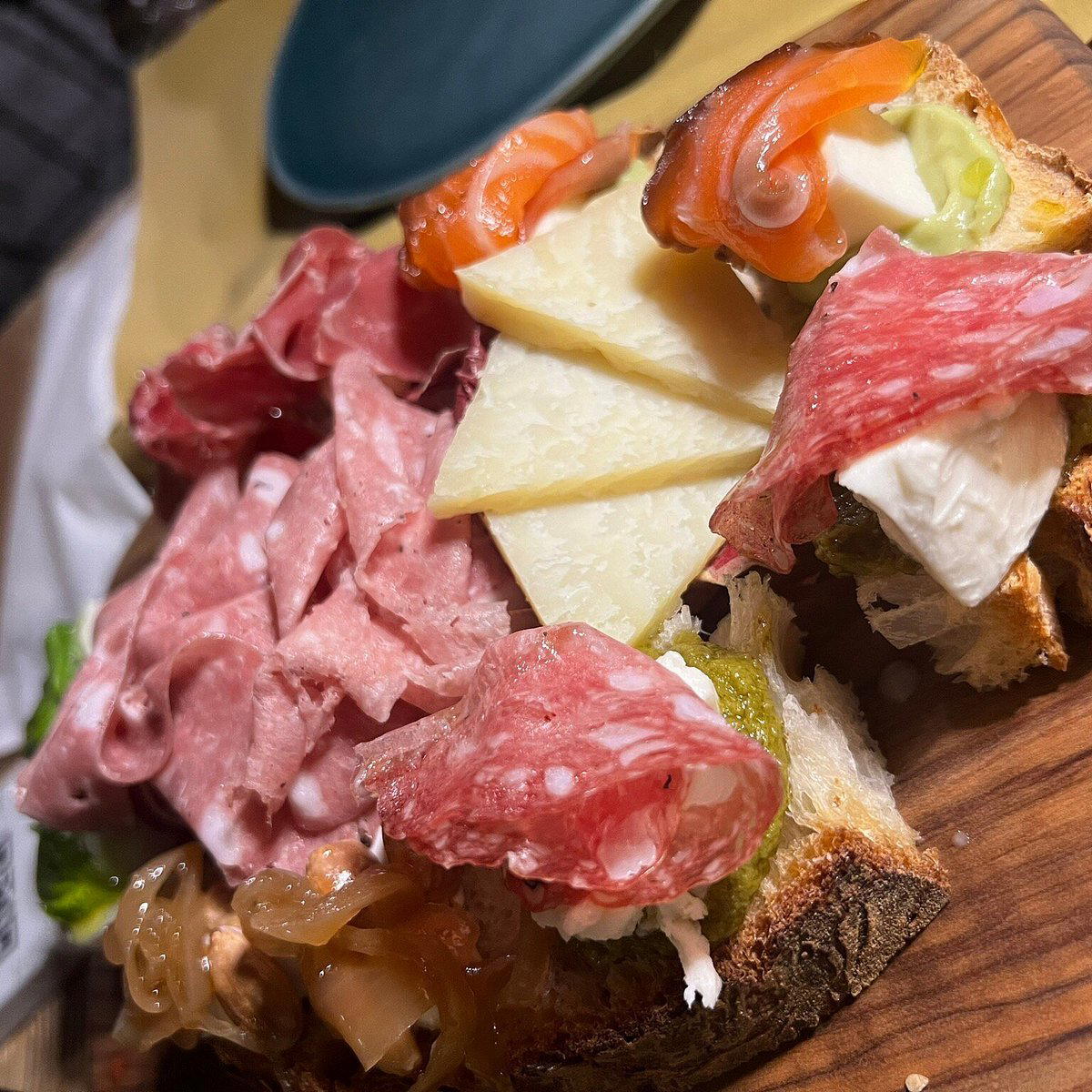
A Square That Drinks on Its Own Terms
Piazza San Domenico Maggiore is not a quiet square. The obelisk at its centre, the looming Gothic-Baroque bulk of the church behind it, and the foot traffic funnelling through from Via Benedetto Croce on one side and Vico San Domenico on the other mean the piazza operates as a kind of pressure valve for the Spaccanapoli corridor. Bars and cafés that open onto it inherit a particular kind of energy: transient but historically aware, the kind of place where a tourist with a guidebook sits three seats from a philosophy student from the university around the corner. jamón, at number 9 on the piazza, occupies that intersection literally and atmospherically.
The name signals something specific. In a city whose bar culture has long defaulted to coffee and sfogliatella, a venue that reaches toward the Iberian pantry — cured meats, the broader language of the tapas counter — is making a positioning choice. Naples and Spain are not strange bedfellows: four centuries of Aragonese and Habsburg rule left architectural, culinary, and linguistic traces across the city, and the Spanish Quarter a short walk west is a reminder that this is a city whose identity was substantially shaped by the Iberian peninsula. jamón, then, reads less as an import and more as a retrieval.
The Bar Behind the Name
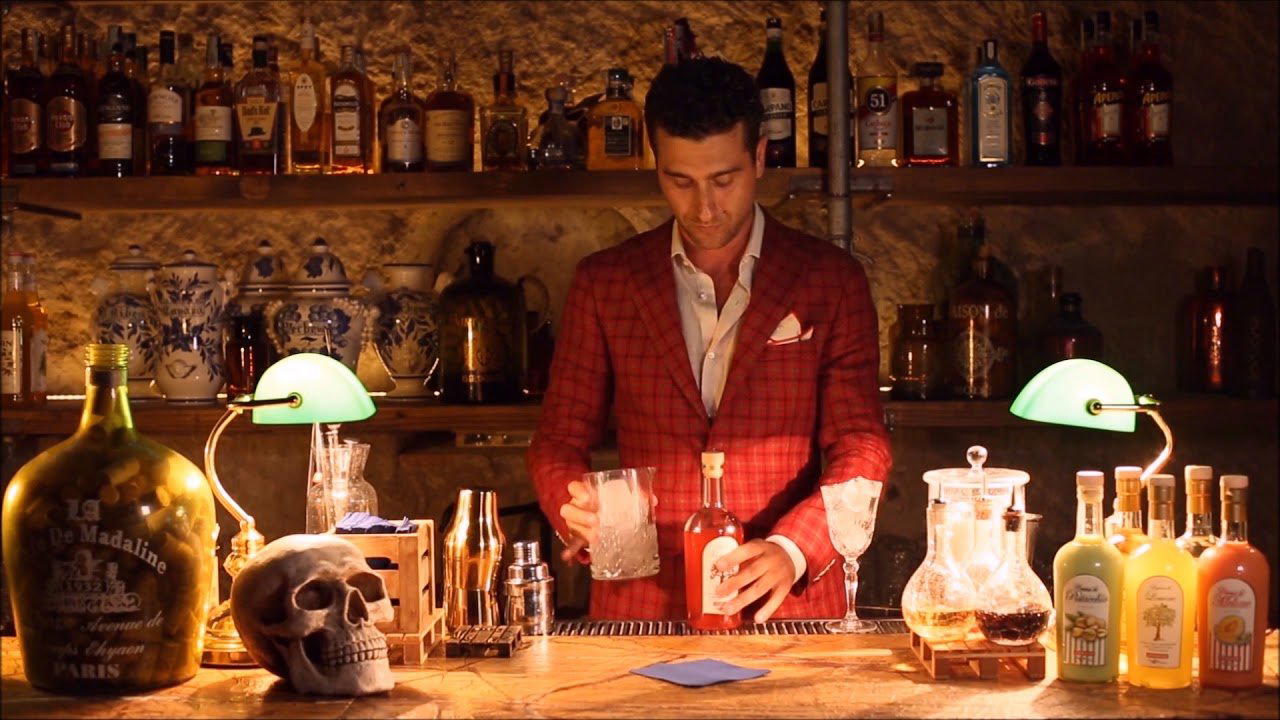
The bartender-as-curator model has become a useful framework for understanding how a generation of Italian drinking establishments has separated itself from the caffè tradition. Where the classic Neapolitan bar is defined by speed, the standing espresso, the quick cornetto, the 80-cent transaction, a craft-bar format asks the person behind the counter to slow things down, to make selection and preparation visible, to position the drink as a considered act rather than a refuelling stop.
jamón operates within that slower register. The Iberian focus implies a certain house literacy: knowing the difference between a Serrano and an Ibérico, understanding which sherry style (fino, manzanilla, amontillado, oloroso) belongs at which moment in an evening, recognising that the right vermouth matters as much as the right gin when the aperitivo hour is taken seriously.
This approach places jamón in a recognisable tier of Naples bars that treat the aperitivo ritual as a subject worth expertise rather than a category to be commodified. Ba Bar and Birdy The Bakery in Chiaia represent a younger, more casual cohort. jamón sits between these poles, neither heritage institution nor neighbourhood newcomer, but a concept-driven address with a clear cultural reference point.
Spaccanapoli as Context, Not Just Address
The neighbourhood matters to how you read the bar. Spaccanapoli, the long straight cut through the city's historic centre, roughly following the line of the ancient Greek street grid, is not a polished tourist corridor in the way that, say, the waterfront at Chiaia is. It is densely residential, commercially chaotic in parts, and genuinely mixed in its demographics. A bar on Piazza San Domenico Maggiore is not insulated from that texture.
That works in jamón's favour, at least in terms of editorial positioning. The bars that tend to define a city's drinking culture over time are rarely the ones in the sanitised districts. They are the ones that absorb neighbourhood friction, that serve locals and visitors without making the distinction feel loaded. The piazza, with its combination of academic (the nearby Oriental University), tourist, and residential traffic, provides exactly that kind of mixed-use audience.
For comparison across Italy's bar scene, the craft-focused aperitivo bar has found particularly strong footing in cities where a specific local tradition gives bartenders something to push against. 1930 in Milan and Drink Kong in Rome each operate from a position of technical ambition that the city's existing culture makes legible by contrast. Gucci Giardino in Florence approaches it from the luxury fashion angle. Naples, whose bar culture has been slower to attract the same international attention, is at a different stage of that arc, which means a venue like jamón operates with both more freedom and less support infrastructure than its northern counterparts.
The international comparison set is useful here too. Bar Leather Apron in Honolulu and Lost and Found in Nicosia both demonstrate how concept-driven bars function in cities that are not primary destinations for spirits tourism, they succeed by building a local following first and attracting visiting drinkers as a consequence. Al Covino in Venice and Enoteca Storica Faccioli in Bologna show how wine-forward formats anchor themselves through product depth and host knowledge rather than cocktail theatrics. jamón's Iberian identity could sit anywhere on that spectrum.
Planning Your Visit
The address, Piazza San Domenico Maggiore 9, in the historic centre of Naples, puts jamón within easy walking distance of the major Spaccanapoli landmarks and roughly 15 minutes on foot from the central station. The piazza itself is most animated in the late afternoon and early evening, which aligns with the aperitivo window that a bar of this type would logically anchor to. For a broader map of the city's drinking options, our full Naples restaurants and bars guide covers the range from historic caffè to contemporary cocktail programs.
Continue exploring
More in Naples
Bars in Naples
Browse all →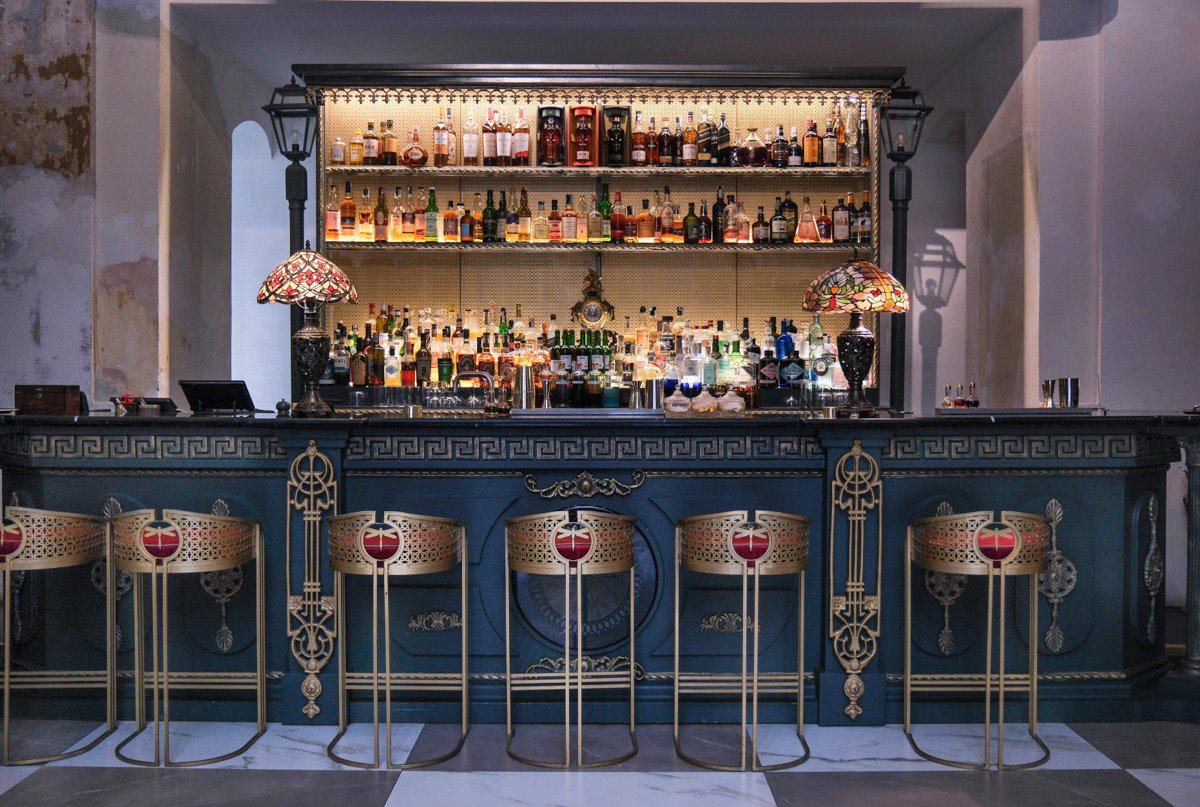
Restaurants in Naples
Browse all →
Hotels in Naples
Browse all →
At a Glance
- Cozy
- Historic
- Intimate
- Casual Hangout
- After Work
- Historic Building
- Seated Bar
- Classic Cocktails
Current opening hours
- Monday
- 11 AM–12 AM
- Tuesday
- 11 AM–12 AM
- Wednesday
- 11 AM–12 AM
- Thursday
- 11 AM–12 AM
- Friday
- 11 AM–12 AM
- Saturday
- 11 AM–12 AM
- Sunday
- 11 AM–12 AM
Hours can change for holidays and private events. Last verified .
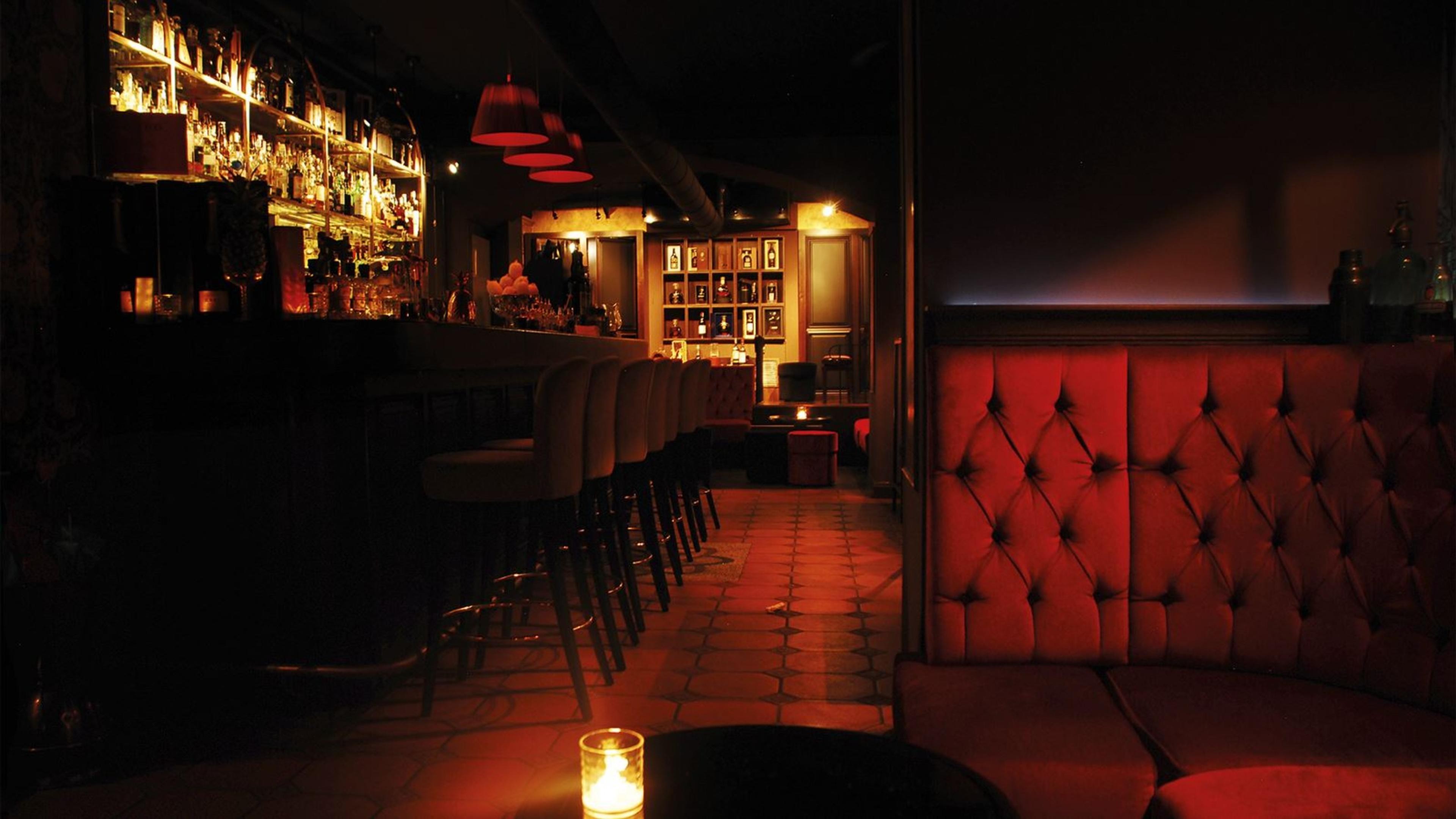
Historic and cozy atmosphere in a wonderful historical place.
Know Before You Go
- Getting there
- P.za S. Domenico Maggiore, 9, 80134 Napoli NA, Italy