
Ramen Rikimaru puts Nagoya station-area ramen in its fast, compact, commuter-facing form: counter seats, table seats, no reservations, and pricing that stays in the sub-JPY 1,000 bracket. Its 2025 Tabelog 100 Ramen Aichi selection gives it a clear quality signal in a city better known abroad for miso katsu and hitsumabushi than for ramen hunting.
Pearl is the En Primeur Club membership app — saves, bookings, and concierge access live there. Same editors, same standards.
- Address
- 愛知県名古屋市中村区名駅4-4-17 北斗ビル 1F
- Phone
- +81525835211
- Website
- josuiramen.jp
 Saves & bookings on Pearl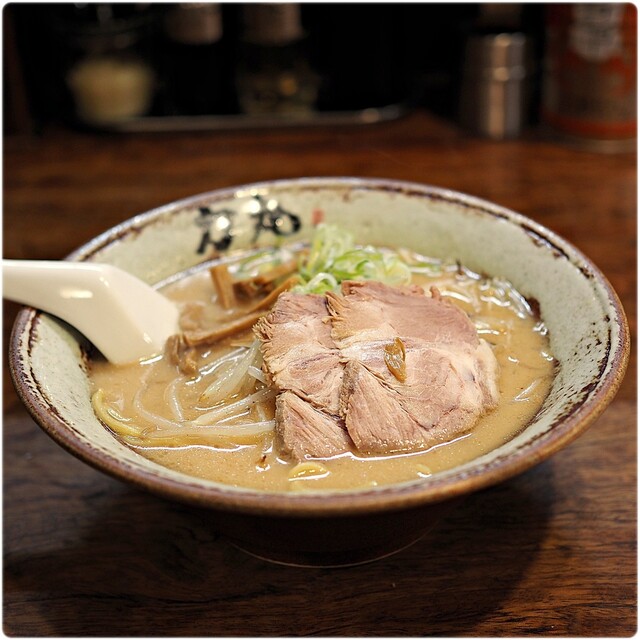
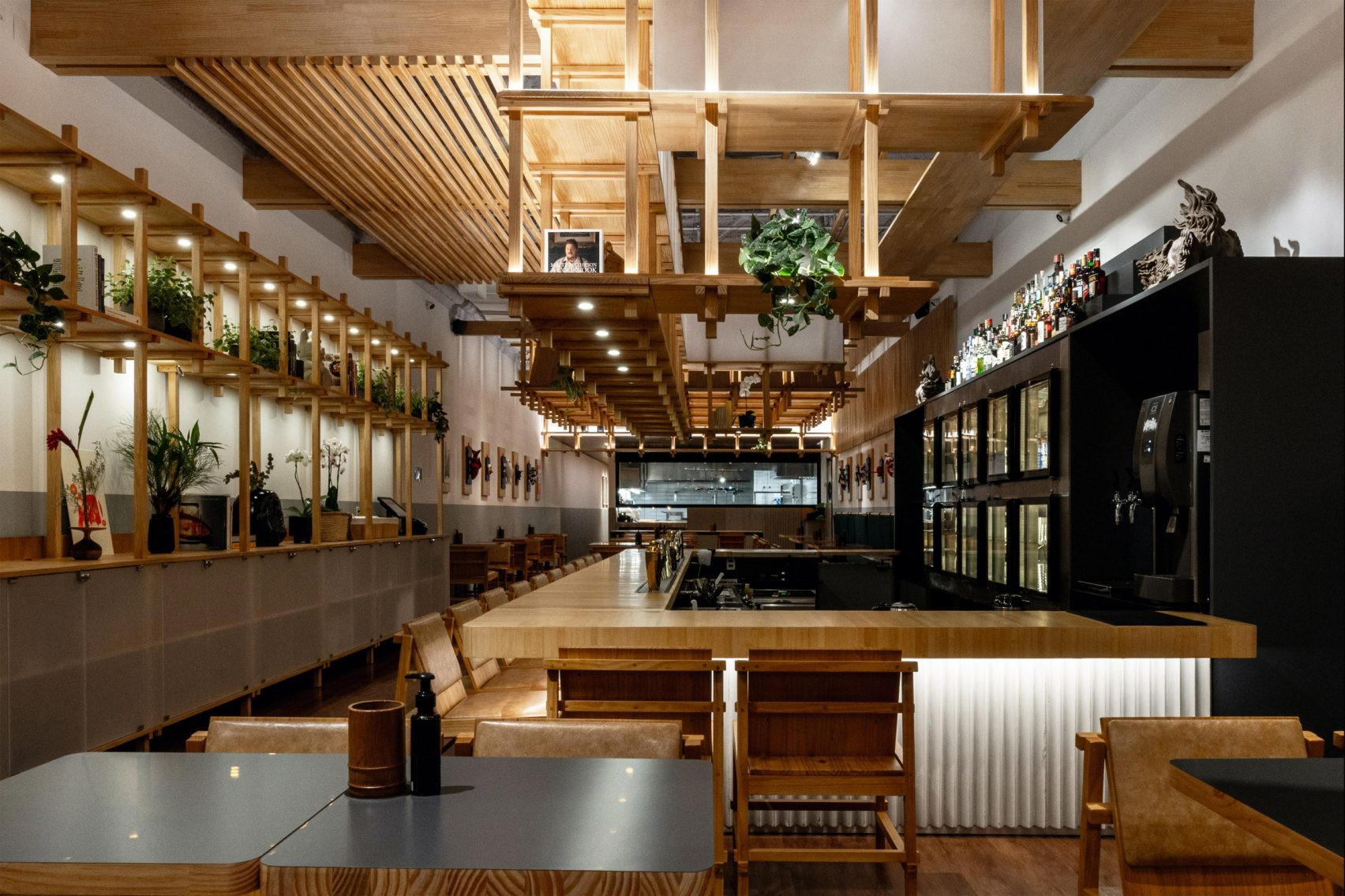
At street level near Meitetsu Nagoya, ramen in this part of the city works less like a long dinner plan than a timed urban reflex. Office workers, rail passengers, solo diners, and small groups compress into compact rooms where the rhythm is set by tickets, bowls, counter turnover, and the short pause between trains. Ramen Rikimaru belongs to that station-side grammar: 22 seats split between an 8-seat counter and 14 table seats, a non-smoking room, and a format built for quick decisions rather than drawn-out ordering.
Nagoya’s dining reputation abroad often circles around regional comfort food, but the city’s ramen culture is sharper than that shorthand suggests. Aichi ramen shops compete across several lanes, from miso-forward bowls to tantan-men, gyoza pairings, and late-service station meals. Selection for Tabelog 100 Ramen Aichi 2025 puts Ramen Rikimaru inside that local ramen conversation, not in the luxury bracket occupied by Nagoya dining rooms such as Chinese Hanten Reiho, Auberge de L'Ill Nagoya, Ningyocho Imahan Nagoya middorandosukuea ten, PIERRE MARCOLINI Nagoya, or Enoteca Pinchiorri. The useful comparison is not ceremony versus informality; it is how much satisfaction a compact noodle shop can deliver at a price tier that leaves room for a second stop in the city.
Station ramen with a lunch-speed pulse and a later-evening second life
The lunch and dinner divide matters here because the room’s function changes with the city around it. By day, ramen near Nagoya Station is a working meal: short queue tolerance, fast seating, and a bowl that has to justify itself before the next appointment. At night, the same category becomes an after-work or post-arrival option, especially in a district where transport access turns dinner into a decision made within minutes. Ramen Rikimaru’s value lies in that dual use. It is inexpensive enough for lunch and practical enough for an evening bowl when a formal restaurant would feel overbuilt.
The listed categories, ramen, dumpling, and tantan-men, place the shop in a familiar Japanese ramen-shop pattern: noodles as the anchor, gyoza as the add-on, spice as an alternate lane rather than a separate concept. That matters for travelers reading Nagoya through one meal at a time. A ramen stop here does not require decoding a tasting-menu format or committing to a long reservation window; the trade-off is that the experience depends on timing and appetite rather than ceremony. Reservations are unavailable, which reinforces the shop’s role in the city’s casual dining ecosystem.
Budget also shifts the way to judge it. The stated range sits at JPY 999 for both lunch and dinner, with review-based spend shown in the JPY 1,000 to JPY 1,999 band. In a city where serious restaurants can move quickly into five-figure dinner pricing, that bracket gives ramen unusual editorial weight. It is not a consolation meal. It is a parallel category with its own standards: broth balance, noodle texture, turnover discipline, and whether the room handles solo diners as naturally as groups.
Why the Aichi ramen signal matters more than a luxury comparison
Ramen rankings in Japan often reward consistency across thousands of repeat meals rather than the theatrical peaks associated with fine dining. A Tabelog 100 Ramen Aichi 2025 selection is therefore a relevant trust signal for this genre. It says the shop has been sorted within a local noodle field, where small differences in soup, seasoning, noodles, and queue tolerance carry more weight than service choreography. For a visitor, that is a stronger cue than generic popularity language.
The room profile also explains the audience. Counter seating makes sense for solo dining, while table seats keep it accessible for pairs, friends, and families with school-age children. That combination is typical of serious everyday ramen: efficient but not exclusionary, tight but not designed solely for obsessives. Credit cards are not accepted, while electronic money and QR code payments are accepted, a practical split that remains common in Japan’s casual restaurant tier. Parking is unavailable, which suits the station-area logic; this is a rail-and-walk address rather than a destination by car.
For readers mapping a broader Nagoya itinerary, this is the kind of ramen stop that pairs well with the city’s other categories rather than replacing them. Use Our full Nagoya restaurants guide for the wider dining field, then branch into Our full Nagoya hotels guide, Our full Nagoya bars guide, Our full Nagoya wineries guide, and Our full Nagoya experiences guide when the trip needs structure beyond a single bowl. Within the restaurant index, nearby editorial pathways include 1022, 451, Aaron, Alan., and All Day Dining Montmartre.
How to read it against Japan's casual dining map
Japan’s casual restaurant culture is full of small-format specialists where the price is modest and the standard is unforgiving. Ramen shops, curry counters, onigiri specialists, neighborhood cafés, Vietnamese counters, sake bars, and charcoal-grill rooms all belong to that broader pattern: narrow formats, quick decisions, and an audience that notices repetition. For comparison across that casual-specialist spectrum, EP Club’s wider index includes -Grilled beef Sukiyaki- KAMAKURA TANUKIAN 鎌倉 たぬき庵 in Kamakura. 鮪と炭火焼き うお炭 秋葉原店 in Tokyo.cafe in Osaka.know in Kumamoto, (Shoku) Vietnam in Kawasaki, [Curry Senmon Ten] Maruyama Kyoju. in Sapporo, Jōdo Saké Bar in Los Angeles, and Onigiri Time in Pasadena.
The editorial case for the restaurant is not rarity or luxury. It is category fit. A station-adjacent ramen shop with no reservations, sub-JPY 1,000 listed pricing, 22 seats, counter access, tantan-men and gyoza in the mix, and a 2025 Aichi ramen selection gives travelers a precise read on Nagoya’s everyday noodle standard. Lunch favors speed and value; evening favors convenience without surrendering the award signal. That is enough reason to treat it as a serious stop, especially for a city itinerary built around contrast rather than only high-spend meals.
Recognition Snapshot
Comparable venues to place this listing in its category.
| Venue | Cuisine | Price | Notes |
|---|---|---|---|
| Ramen RikimaruThis venue — the venue you are viewing | Nagoya ramen shop specializing in spicy miso | $ | Not listed |
| Minochu Honten | Traditional Nagoya Wagashi (Japanese Confectionery) | $ | Naka |
| Mendokoro Suwa | Niboshi ramen shop | $ | Atsuta |
| Kurokawa Yuuan Tei | Japanese (washoku) restaurant | $ | Kita |
| Tori Soba Nagonoki | Local chicken ramen (Tori Soba) in Nagoya | $ | Nishi |
| Chuka Soba Raian | Ramen shop near Nagoya Station | $ | Nakamura |
Recognition history
Dated appearances from independent guides and award organizations, with the underlying list record or original source where available.
Tabelog 100 #99 · No. 99
Tabelog · Tabelog 100 - Ramen - AICHI - 2025
Continue exploring
More in Nagoya
Restaurants in Nagoya
Browse all →



At a Glance
- Lively
- Casual
- Solo
- Casual Hangout
- Late Night
- After Work
- Standalone
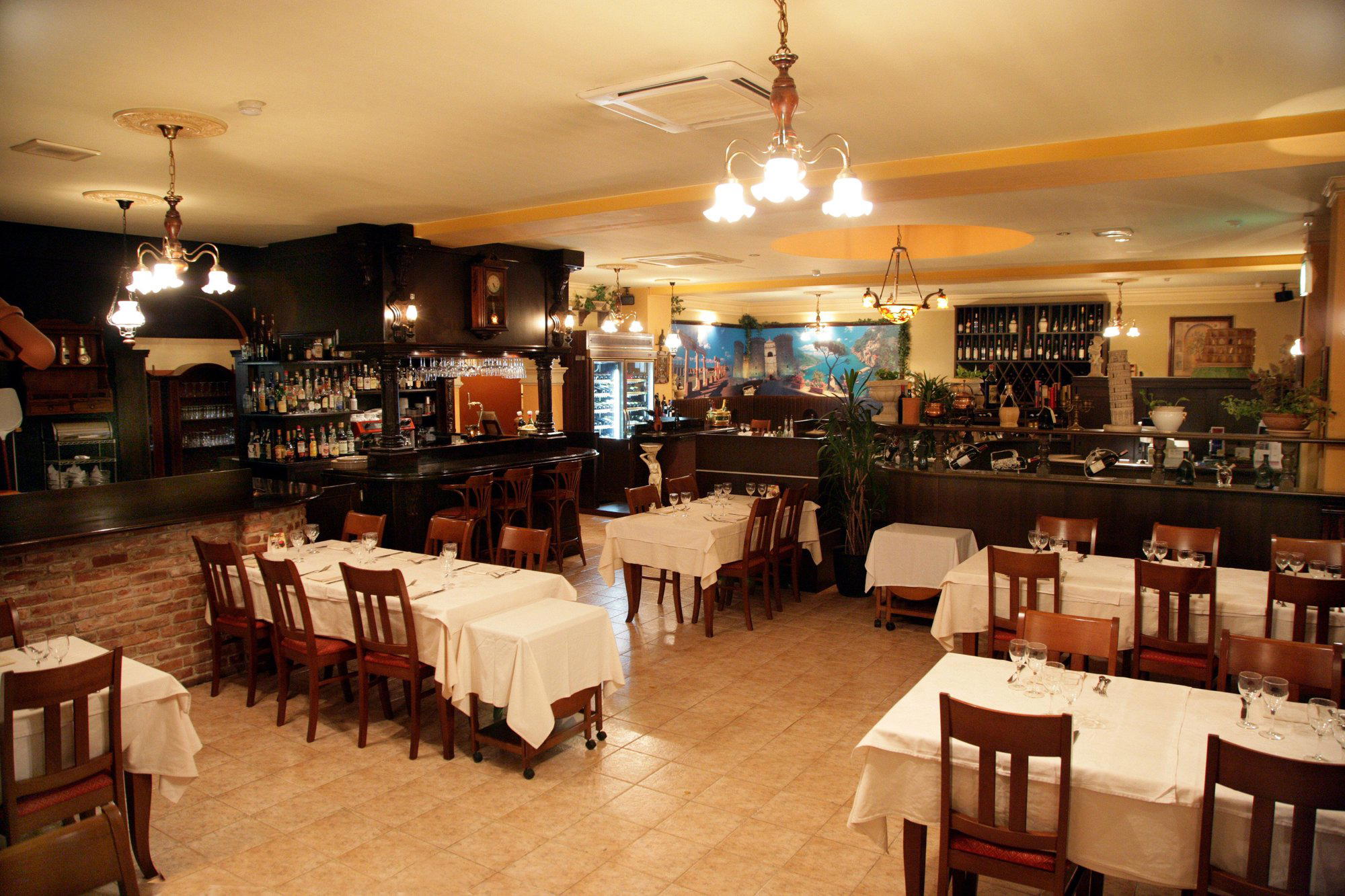
Typical small Nagoya station-area ramen shop with a functional, no-frills interior and a busy, energetic atmosphere driven by office workers and commuters at lunch and late into the night.