
Chuka Soba Raian puts a low-cost ramen counter near Nagoya Station into Aichi’s serious noodle conversation. Its 2025 Tabelog 100 Ramen AICHI selection gives it a clear credential in a city where station-side ramen ranges from fast commuter bowls to specialist shops built for solo diners.
Pearl is the En Primeur Club membership app — saves, bookings, and concierge access live there. Same editors, same standards.
- Address
- 愛知県名古屋市中村区椿町4-12
- Website
- tabelog.com
 Saves & bookings on Pearl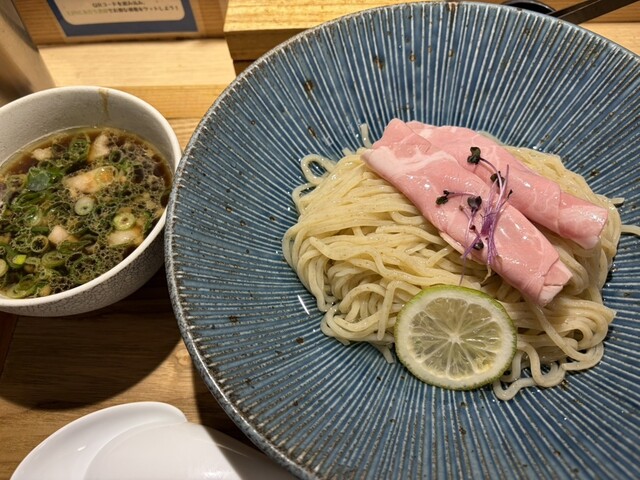
On the west side of Nagoya Station, the ramen scene shifts quickly: hotel lobbies, commuter corridors, ticket gates, then small counters for short decisions and fast meals. This is practical Japanese dining, where a bowl must make its case before the next train, shift, or queue.
That setting matters. Nagoya’s station district is crowded with inexpensive noodle rooms, cafés, set-meal counters, and late-day convenience dining. Chuka Soba Raian sits in a tighter category: ramen selected for Tabelog 100 Ramen AICHI 2025, yet still in the everyday price band that defines much of Japan’s serious ramen culture. Recognition does not make it fine dining; it sharpens expectations around broth clarity, noodle handling, turnover, and consistency.
Station-side ramen with a sharper editorial signal
Nagoya is often read through miso katsu, hitsumabushi, kishimen, and tebasaki, but its ramen culture is more fragmented. Around Meieki, ramen competes with commuter convenience and destination eating. A shop may be judged by office workers at lunch, solo travelers between rail connections, and local ramen followers using awards lists as maps rather than verdicts.
The Tabelog 100 Ramen AICHI 2025 selection places Chuka Soba Raian inside that third conversation. It is not a national tasting-menu signal, but a local filter: among Aichi ramen rooms, this one has moved from ordinary station utility to watched address. For travelers, that is practical. The room follows ramen-counter rhythm rather than long reservation pacing, while the recognition gives it more weight than a random station-area bowl.
The Nagoya Station comparison set is instructive. Niboshi Ramen 88 Honten and Betokon Ramen Shinkyo Meieki nishiguchi ten also sit in the low-cost bracket, while Menya Hayabusa Meieki ten and Suzunami Esuka ten occupy a slightly higher casual range. Piyorin STATION Cafe gentiane JR nagoya eki ten serves a different station-snack purpose. Together, they show how Meieki dining splits into quick specialist eating, commuter comfort, and itinerary filler. Raian’s advantage is not luxury; it is counter format, ramen focus, and a 2025 Aichi award signal.
The counter format is the experience, not a prelude to it
Ramen counters compress a team’s work into a narrow view. Kitchen pace, handoff, seat clearing, and front-of-house timing are inseparable. In a small ramen room, hospitality is flow: how a solo diner is seated, how quickly the bowl lands, how little ceremony intrudes, and how smoothly the next guest moves in. Chuka Soba Raian’s counter seating places it in that tradition, where room discipline is part of the meal’s credibility.
The team dynamic differs from chef-sommelier choreography. There is no wine pairing and no long dining-room narrative. Collaboration happens between noodle station, broth station, cashier, and floor timing. A ramen shop near a major rail hub must deliver concentration without slowing into special-occasion tempo. That tension is why the better station-side counters can feel more serious than their price suggests.
Chuka soba carries expectations: a ramen lineage tied to soy-seasoned soup, Chinese-style wheat noodles, and a cleaner historical frame than some heavier modern styles. Without turning menu into mythology, it tells diners to expect balance rather than excess. In Nagoya, where local food identity often favors assertive seasoning, a chuka soba counter near the station is a useful counterpoint to the city’s louder signatures.
The restaurant opened in 2023. Newer ramen shops in Japan enter a mature, competitive field where reputation can form quickly but must survive repeat local scrutiny. Selection for the 2025 Aichi ramen list suggests early traction rather than long nostalgia. For an out-of-town diner, this is a contemporary Meieki ramen address, not a heritage stop carried by decades of sentiment.
How it fits into a Nagoya food day
Use this stop strategically, not ceremonially. It suits a Nagoya Station day with no room for a drawn-out lunch, or a focused bowl before the city’s heavier regional dishes. Families and solo diners are both part of the stated audience, fitting the Japanese ramen-counter norm better than many visitors expect. Children are welcome, but the format rewards diners who order, eat, and clear the seat without treating the room like an all-afternoon café.
Payment culture is part of the read. Cash-only, no electronic money, and no QR payment accepted puts the restaurant in the older practical lane of Japanese casual dining. That is not a flaw, but visitors dependent on cards and transit-linked wallets should plan. The same applies to parking: this is a rail-station ramen decision, not a destination built around car arrival.
For broader planning, pair this with Our full Nagoya restaurants guide rather than treating one bowl as the complete city. Nagoya’s dining identity is wider than ramen, and a strong day can move from station noodles to regional eel, miso-led cooking, or a hotel bar later. Travelers can also cross-reference Our full Nagoya hotels guide, Our full Nagoya bars guide, Our full Nagoya wineries guide, and Our full Nagoya experiences guide.
Within EP Club’s wider Japan and casual-dining map, useful comparisons are often about format rather than cuisine. Nearby Nagoya entries such as 1022, 451, Aaron, Alan., and All Day Dining Montmartre show the city beyond noodle counters. Elsewhere, quick-service and specialist formats vary, from -Grilled beef Sukiyaki- KAMAKURA TANUKIAN 鎌倉 たぬき庵 in Kamakura and. 鮪と炭火焼き うお炭 秋葉原店 in Tokyo to.cafe in Osaka.know in Kumamoto, (Shoku) Vietnam in Kawasaki, [Curry Senmon Ten] Maruyama Kyoju. in Sapporo, Jōdo Saké Bar in Los Angeles, and Onigiri Time in Pasadena.
The editorial case for the restaurant is concise: a station-area ramen counter with a 2025 Aichi award credential, low-cost positioning, and a format suited to Nagoya’s fast, practical eating culture. Do not approach it as a luxury detour. Approach it as a clean test of how much authority a small ramen counter can carry in a city better known abroad for other dishes.
Just the Basics
Comparable venues by category and price.
| Venue | Cuisine | Price | Notes |
|---|---|---|---|
| Chuka Soba RaianThis venue — the venue you are viewing | Nakamura, Ramen shop near Nagoya Station | $ | Not listed |
| MEI | Nishi, japanese | $ | Not listed |
| Ramen Dai Nagoya ten | Naka, Jiro-style Ramen Shop | $ | Not listed |
| Chuka Soba Ueda Seimen Ten | Naka, Japanese Ramen | $ | Not listed |
| Oosu Bakery | Naka, Japanese Bakery Café | $ | Not listed |
| Baika Do | Not listed | $ | Chikusa, Japanese traditional sweets (wagashi) shop |
Recognition history
Dated appearances from independent guides and award organizations, with the underlying list record or original source where available.
Tabelog 100 #53 · No. 53
Tabelog · Tabelog 100 - Ramen - AICHI - 2025
Continue exploring
More in Nagoya
Restaurants in Nagoya
Browse all →
At a Glance
- Cozy
- Lively
- Solo
- Family
- Casual Hangout
- Late Night
- After Work
- Standalone
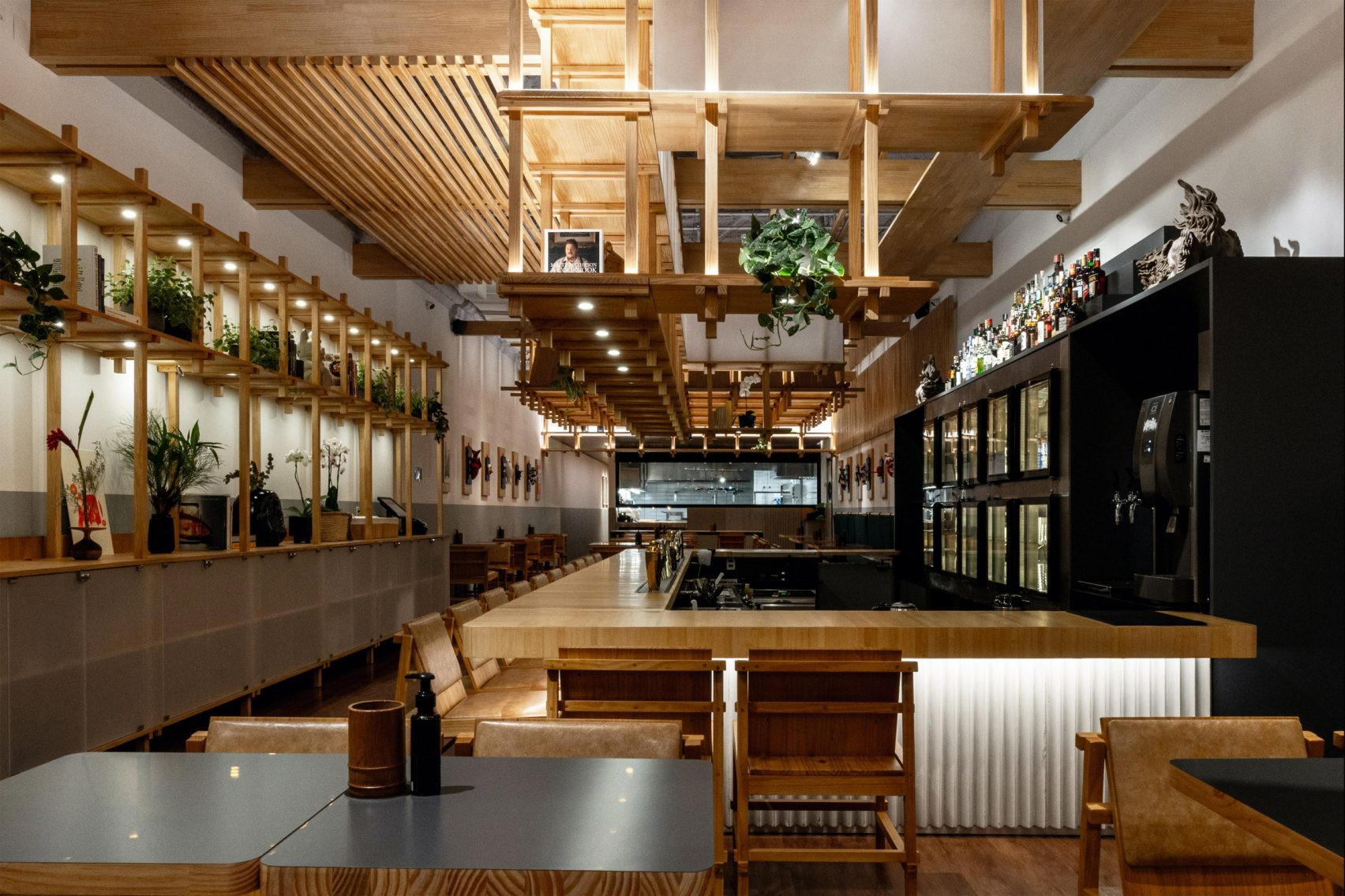
Compact, counter-only ramen shop with a casual, non-smoking atmosphere that suits solo diners and families, typically busy and energetic rather than quiet.