
Minochu Honten sits in Nagoya’s Marunouchi district as a serious stop for wagashi rather than a dessert add-on after dinner. Its Tabelog 100 selections in sweets and Japanese traditional sweets place it within a category where craft, packaging, seasonality, and gift culture matter as much as immediate pleasure.
Pearl is the En Primeur Club membership app — saves, bookings, and concierge access live there. Same editors, same standards.
- Address
- 1 Chome-5-31 Marunouchi, Naka Ward, Nagoya, Aichi 460-0002, Japan
- Phone
- +81 52-231-3904
- Website
- minochu.jp
 Saves & bookings on Pearl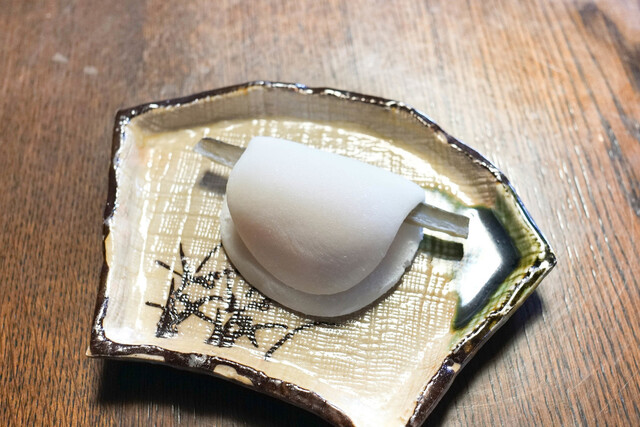
Marunouchi is not Nagoya’s loud dining quarter. The mood is administrative, compact, and practical: office blocks, station exits, modest storefronts, and a rhythm that suits errands as much as lingering. That setting matters for wagashi. Japanese sweets are often judged less by spectacle than by restraint, gifting etiquette, and the confidence of a shop that does not need theatrical cues to announce seriousness.
Minochu Honten belongs to that quieter register. In a city where destination dining often points toward kappo counters, expensive beef, and polished Chinese rooms, traditional sweets occupy a different lane: lower spend, shorter visits, and a stronger connection to seasonal customs. Its selection for Tabelog’s Japanese traditional sweets and sweets lists across multiple years gives the shop a clear credential inside that lane, not as a restaurant competing with dinner counters, but as part of Nagoya’s older grammar of edible gifts and tea-table craft.
Wagashi in Nagoya is a daily craft, not a dessert course
Western dessert culture often treats sweets as a final flourish. Wagashi works differently. It is tied to tea, household visits, seasonal markers, and formal gifting. The pleasure is frequently compact: a small box, a careful portion, a texture calibrated to green tea rather than coffee, a sweetness level designed for pauses rather than excess. That is why a serious wagashi address can feel more like a provisions stop than a restaurant reservation.
Within Nagoya, this distinction is useful. The city has ample high-spend dining, including comparison-room formats such as Kikkou Hanare and Riverente in the JPY 15,000 to JPY 19,999 bracket, and Chinese Meisai Rekishin and Natsune in the JPY 10,000 to JPY 14,999 dinner range. Wagashi sits outside that hierarchy. Minochu Honten’s price band places it in a more accessible tier, yet the recognition attached to the shop signals that access does not mean casual execution. For travellers building a Nagoya food day, that contrast is the point: not every serious stop requires a long meal or a formal room.
The Tabelog 100 Japanese traditional sweets / Japanese sweets cafe EAST selection in 2023 is the clearest public marker. Earlier sweets selections in 2017, 2018, and 2019 add continuity, which matters in a category where fashion changes less visibly than in cocktail bars or tasting-menu restaurants. Reinvention here is rarely a dramatic pivot. It is the more exacting kind: staying legible to contemporary customers while preserving a format built around established Japanese confectionery habits.
The current appeal is continuity with enough modern convenience
The evolution of traditional sweets shops in Japan has not been about abandoning ceremony. It has been about reducing friction around it. Payment methods, take-out formats, smoke-free expectations, and station-area practicality have made wagashi easier to fold into a contemporary travel schedule. The craft remains old-world in its social function, but the usage is modern: a morning purchase before a train, a gift carried to a meeting, or a low-commitment stop between heavier meals.
That is where Minochu Honten reads well in 2026. It is not trying to behave like a dessert bar or a cafe built for long dwell time. Its public profile points to Japanese traditional sweets, take-out service, and a Marunouchi location close to the daily flow of central Nagoya. The shop’s appeal is strongest for travellers who understand that some of Japan’s strongest food experiences are transactional in form but deep in cultural meaning.
This also makes it a useful counterweight to Nagoya’s reservation-led dining. A day might begin with wagashi, move toward noodles or set meals, and reserve the evening for a higher-budget counter. For broader planning, Our full Nagoya restaurants guide is the better map of the city’s dining range, while Our full Nagoya hotels guide, Our full Nagoya bars guide, Our full Nagoya wineries guide, and Our full Nagoya experiences guide help place the sweets stop inside a wider itinerary.
How to place it in a Nagoya food itinerary
The smart reading is not to compare a wagashi counter with tasting-menu dining. Compare it with other low-time, high-specificity food stops: bakeries, tea shops, department-store confectionery halls, and specialist take-out addresses. Those are the places that reveal how a city eats between meals. The restaurant gives Nagoya visitors a way into that rhythm without requiring the time or spend of a full-service restaurant.
For readers cross-shopping other Japanese dining formats, EP Club’s wider restaurant archive shows how different the decision logic can be. A structured meal at 1022, 451, Aaron, Alan., or All Day Dining Montmartre asks for a different kind of attention than a sweets purchase. Regional and international listings such as -Grilled beef Sukiyaki- KAMAKURA TANUKIAN 鎌倉 たぬき庵 in Kamakura. 鮪と炭火焼き うお炭 秋葉原店 in Tokyo.cafe in Osaka.know in Kumamoto, (Shoku) Vietnam in Kawasaki, [Curry Senmon Ten] Maruyama Kyoju. in Sapporo, Jōdo Saké Bar in Los Angeles, and Onigiri Time in Pasadena underline the same point: format determines expectations before cuisine does.
For the restaurant, the right expectation is precision at modest scale. Go for the category, not for restaurant theatre. Nagoya rewards that kind of adjustment, especially for travellers willing to treat sweets as part of the city’s culinary structure rather than a souvenir afterthought.
Comparison Snapshot
Comparable venues at the same tier for side-by-side context.
| Venue | Cuisine | Price | Notes |
|---|---|---|---|
| Minochu HontenThis venue — the venue you are viewing | Traditional Nagoya Wagashi (Japanese Confectionery) | $ | Not listed |
| Noko Chuka Soba Sato | Rich tamari shoyu ramen | $ | Naka |
| coffee house KAKO Hanaguruma honten | Traditional Nagoya kissaten & coffeehouse | $ | Nakamura |
| Yanagibashi Wa nico | Niboshi-focused Ramen Shop with Morning Ramen | $ | Nakamura |
| Kounan JR sentoraru tawazu ten | Ramen & Gyoza Shop | $ | Nakamura |
| tokyo miso style IKEDA | Tokyo-style miso ramen shop | $ | Nakamura |
Recognition history
Dated appearances from independent guides and award organizations, with the underlying list record or original source where available.
Tabelog 100 #18 · No. 18
Tabelog · Tabelog 100 - Japanese traditional sweets / Japanese sweets cafe - EAST - 2023
Continue exploring
More in Nagoya
Restaurants in Nagoya
Browse all →
At a Glance
- Classic
- Quiet
- Well Known
- Solo
- Family
- Casual Hangout
- After Work
- Celebration
- Historic Building
- Standalone
- Design Destination
- Local Sourcing
Current opening hours
- Monday
- 9 AM–6 PM
- Tuesday
- 9 AM–6 PM
- Wednesday
- 9 AM–6 PM
- Thursday
- 9 AM–6 PM
- Friday
- 9 AM–6 PM
- Saturday
- 9 AM–6 PM
- Sunday
- 9 AM–6 PM
Hours can change for holidays and private events. Last verified .
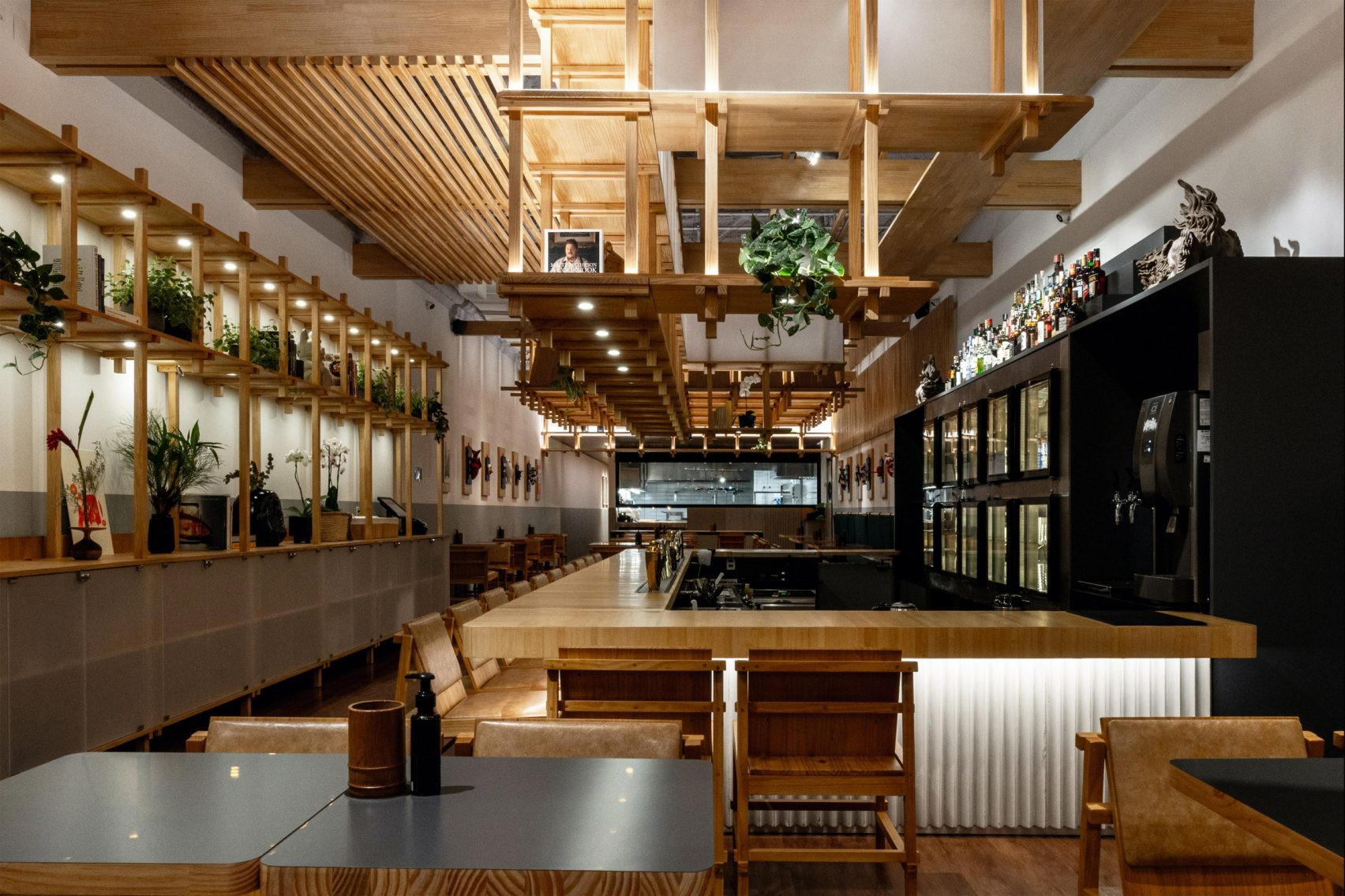
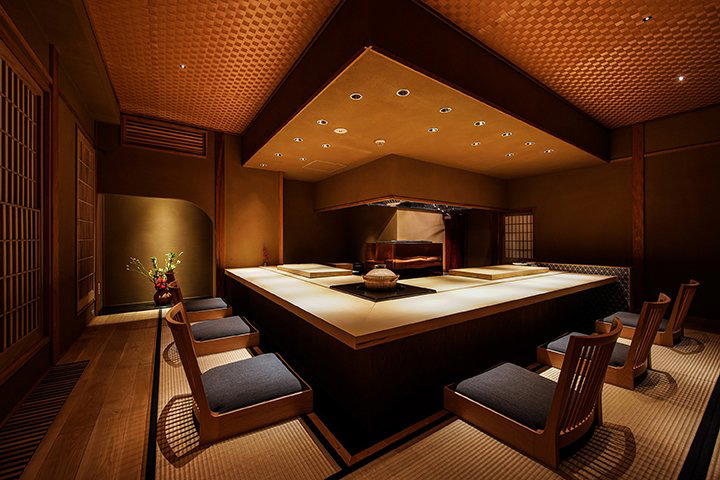
A calm, refined wagashi shop with a quietly elegant, traditional atmosphere and simply arranged displays that highlight the minimalist beauty of the sweets in a settled, understated interior.