
Tori Soba Nagonoki is a compact Nagoya ramen address in the Kokusai Center area, selected for Tabelog Ramen AICHI 100 in 2025. Its appeal sits in a familiar Japanese ramen pattern: low spend, small room, specialist focus, and a reputation built less on ceremony than on execution within a fiercely competitive local noodle culture.
Pearl is the En Primeur Club membership app — saves, bookings, and concierge access live there. Same editors, same standards.
- Address
- 1 Chome-17-16 Nagono, Nishi Ward, Nagoya, Aichi 451-0042, Japan
- Phone
- +81 70-9006-6176
- Website
- nagonoki.com
 Saves & bookings on Pearl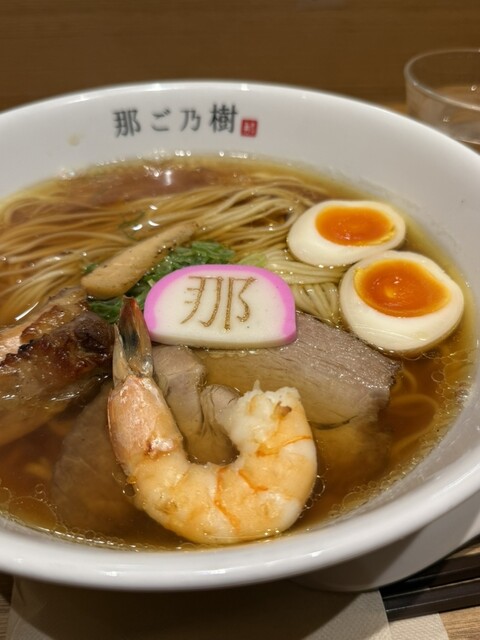
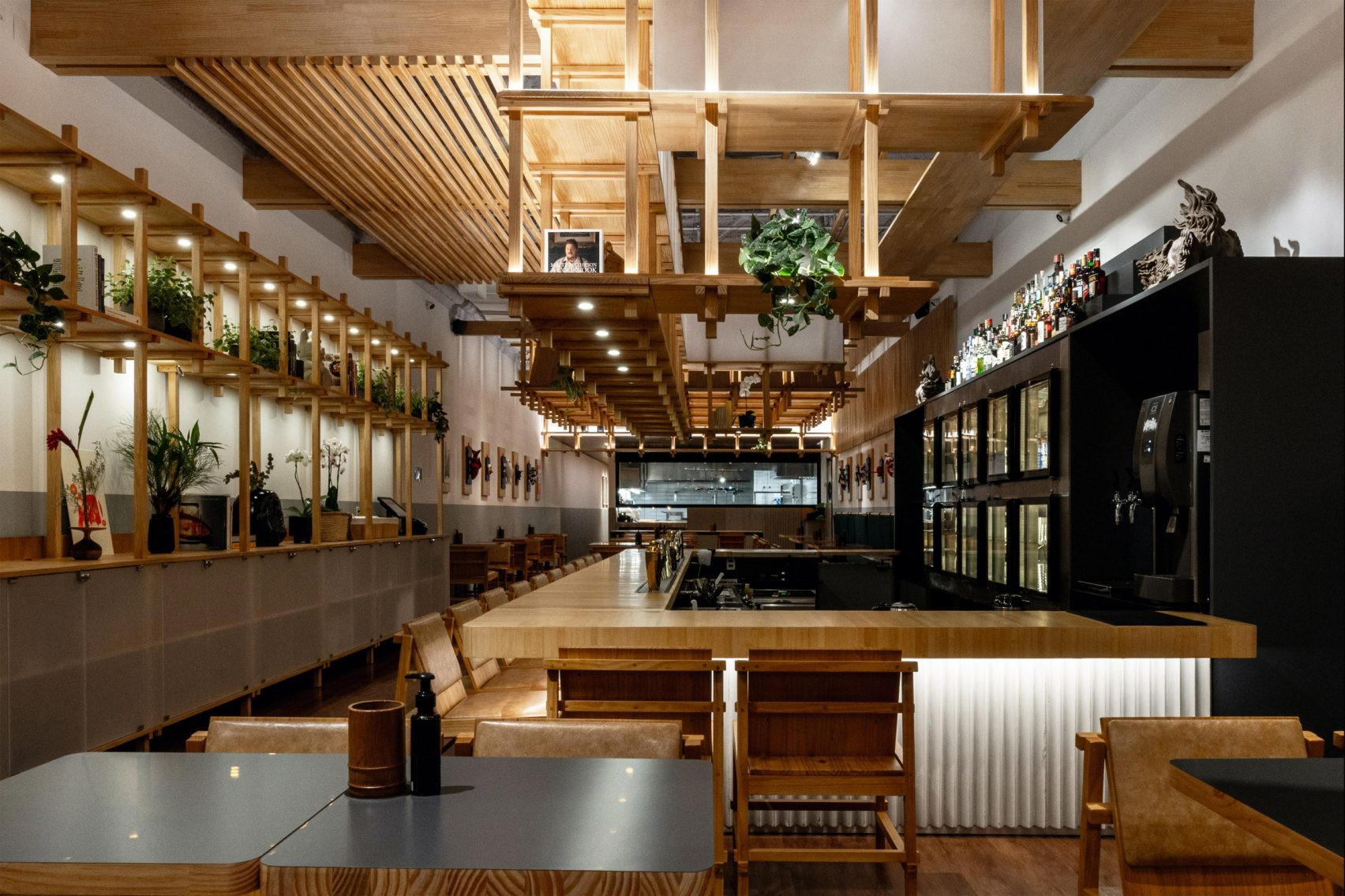
The approach to a small ramen shop in Nagoya is rarely theatrical. The interest is in scale: a narrow room, counter seats close to the kitchen, tables used with economy, and a pace set by bowls rather than courses. In that context, Tori Soba Nagonoki belongs to the city’s compact specialist tier, where the meal is brief, the format is direct, and the judgment comes quickly.
Nagoya’s dining identity is often reduced from outside to miso-katsu, kishimen, tebasaki, and hitsumabushi. Ramen sits differently. It is less a postcard dish than a working urban habit, shaped by station districts, office lunch rhythms, and small operators with highly specific broth and noodle decisions. That makes recognition in ramen more meaningful when it comes through a category list rather than a broad dining award. Selection for Tabelog Ramen AICHI 100 in 2025 places this shop inside a prefectural field where consistency, repeat custom, and specialist scrutiny matter.
Chicken ramen in a city better known for stronger signatures
Aichi’s food culture leans assertive: red miso, grilled eel, peppered wings, thick sauces, and deeply local comfort dishes. Chicken ramen occupies a quieter lane within that vocabulary. It asks for clarity over force, and for balance rather than the regional punch that visitors often associate with Nagoya. That is why a tori soba address can be revealing here. It shows the part of the city’s dining scene that is not performing local identity for tourists, but feeding regulars through narrow specialization.
The small-seat ramen model also changes the critical frame. This is not a long dinner in the mode of OLMO, where a high-spend meal belongs to Nagoya’s destination-dining tier, nor is it the ceremonial appetite of Unagiya Shibafukuya, where eel carries a different price and occasion structure. A ramen shop such as this works on compression: fewer decisions, lower ceremony, and a shorter window in which the kitchen has to make its case. In Japan, that can be the harder format, because there is little room to hide behind service choreography.
The link to the popular Kasugai restaurant Haruki Chinese Noodles gives the address a useful piece of context without turning the story into biography. Nagoya’s better ramen culture often grows through this kind of local lineage: a shop earns loyalty in one city pocket, then a related address tests whether the formula can survive a denser dining district and a different crowd. The point is not personality. It is whether a specialized ramen idea can travel a short distance and retain precision.
Nine seats, counter logic, and the Hyakumeiten signal
Room is small enough that format becomes part of the experience. With nine seats, including counter seating, the meal belongs to Japan’s efficient ramen grammar: enter, order, eat, clear the seat. That scale suits solo diners and small groups better than leisurely tables, though the venue is marked as family friendly and welcomes children. The shop’s non-smoking policy also puts it in the cleaner contemporary camp of casual Japanese dining, where ramen is no longer assumed to be a late-night, rough-edged stop.
Tabelog’s Hyakumeiten lists are not luxury trophies. They are more useful than that for this category. In ramen, where Michelin recognition captures only a sliver of the field, a prefectural 100 selection gives a practical read on local standing. The listed score of 3.63 also needs Japanese context: Tabelog ratings are compressed, and numbers in the mid-3s can indicate serious local traction rather than middling performance. For travelers accustomed to inflated review platforms, that calibration matters.
There is a democratic pleasure in the economics of this category. Nagoya can support polished international rooms, tempura specialists such as Kusunoki Nagoya and Tempura Kusunoki outside the central metro frame, and casual daytime addresses like Cafe de Lyon. Ramen cuts across those tiers because its standards are not tied to spend. The better shops are judged on repeatability: broth clarity, noodle handling, temperature, timing, and the confidence to keep the format tight.
Tori Soba Nagonoki is therefore a useful counterweight to the city’s heavier food stereotypes. It is not the grand Nagoya meal, and that is the point. It sits in the everyday specialist category that serious eaters in Japan often take as seriously as formal dining. The award signal, compact room, and chicken-soba focus make it a precise stop for readers mapping Nagoya through local habits rather than only through named regional dishes.
Where it fits in a Nagoya dining day
The smartest way to read this address is as a targeted ramen stop, not a full-evening anchor. It pairs naturally with a day built around central Nagoya, especially for diners using the Kokusai Center area as a bridge between station-side movement and older neighborhood streets. The format rewards decisiveness: arrive with ramen in mind, expect a compact meal, and save the slower, higher-spend dinner slot for another part of the city.
For broader planning around the city, EP Club’s Nagoya coverage includes Our full Nagoya restaurants guide, Our full Nagoya hotels guide, Our full Nagoya bars guide, Our full Nagoya wineries guide, and Our full Nagoya experiences guide. Nearby editorial reading across Japan and beyond includes 1022, 451, Aaron, Alan., and All Day Dining Montmartre.
Other useful contrasts sit outside Nagoya’s ramen frame: -Grilled beef Sukiyaki- KAMAKURA TANUKIAN 鎌倉 たぬき庵 in Kamakura. 鮪と炭火焼き うお炭 秋葉原店 in Tokyo.cafe in Osaka.know in Kumamoto, (Shoku) Vietnam in Kawasaki, [Curry Senmon Ten] Maruyama Kyoju. in Sapporo, Jōdo Saké Bar in Los Angeles, and Onigiri Time in Pasadena. Read together, they underline the same lesson: casual Japanese formats can be as exacting as formal ones when the category is narrow and the audience knows what to look for.
A Pricing-First Comparison
Nearby venues at a similar price tier for orientation.
| Venue | Cuisine | Price | Notes |
|---|---|---|---|
| Tori Soba NagonokiThis venue — the venue you are viewing | Not listed | $ | Not listed |
| Gokubuto Dakuryu Ramen La Keiko Honten | Naka, Thick Rich Ramen Shop | $ | Not listed |
| Taylor Tail | Higashi, Japanese Bakery-Cafe | $ | Not listed |
| Fujimi Tei Honten | Naka, Kourai-style tonkotsu ramen | $ | Not listed |
| Shin Suzume Honten | Not listed | $ | Naka, Traditional Japanese sweets (mitarashi dango) |
| Chuka Soba Shirakabe Aoi | Not listed | $ | Higashi, Traditional Japanese Ramen & Maze-soba |
Recognition history
Dated appearances from independent guides and award organizations, with the underlying list record or original source where available.
Tabelog 100 #45 · No. 45
Tabelog · Tabelog 100 - Ramen - AICHI - 2025
Continue exploring
More in Nagoya
Restaurants in Nagoya
Browse all →
At a Glance
- Cozy
- Classic
- Solo
- Casual Hangout
- After Work
- Standalone
- Historic Building
- Design Destination
- Local Sourcing
- Farm To Table
Current opening hours
- Monday
- 11:30 AM–2 PM, 6–9 PM
- Tuesday
- 11:30 AM–2 PM, 6–9 PM
- Wednesday
- 11:30 AM–2 PM, 6–9 PM
- Thursday
- 11:30 AM–2 PM, 6–9 PM
- Friday
- 11:30 AM–2 PM, 6–9 PM
- Saturday
- 11:30 AM–2 PM, 6–9 PM
- Sunday
- 11:30 AM–2 PM, 6–9 PM
Hours can change for holidays and private events. Last verified .
Small, counter-focused ramen shop in a traditional merchant neighborhood, offering a cozy, down-to-earth atmosphere just off the busy Nagoya station area.