
Mendokoro Suwa brings Nagoya ramen into a compact counter format near Kanayama, with a regulars’ rhythm rather than destination-dining theatre. Its place on Tabelog’s Ramen AICHI 100 list for 2025, 10-seat counter setup, and sub-¥1,000 listed range put it in the city’s serious everyday ramen tier: precise, repeatable, and built for quick decisions.
Pearl is the En Primeur Club membership app — saves, bookings, and concierge access live there. Same editors, same standards.
- Address
- 1 Chome-10-4 Kanayamacho, Atsuta Ward, Nagoya, Aichi 456-0002, Japan
- Phone
- +81 52-291-4391
- Website
- twitter.com
 Saves & bookings on Pearl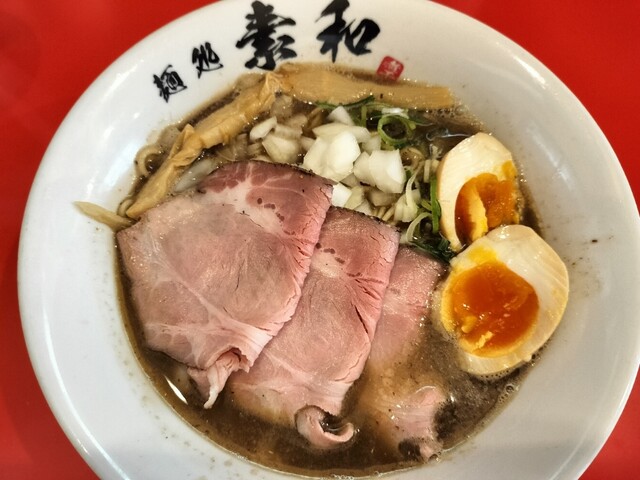
Kanayama’s south-side eating streets do not ask diners to slow down. Commuters move between rail exits, small counters, and late meals with the efficiency of a city that treats ramen as part of daily infrastructure rather than a special-occasion performance. In that setting, Mendokoro Suwa reads as a regulars’ shop before it reads as a destination: compact, counter-led, and designed around repeat visits where the decision is made quickly and the bowl does the arguing.
Nagoya’s dining identity is often flattened into miso katsu, hitsumabushi, and tebasaki, but its ramen culture is broader and more competitive than that shorthand suggests. Aichi’s better ramen rooms tend to reward clarity over spectacle: limited seating, narrow menus, fast turnover, and a clientele that knows when to arrive. Mendokoro Suwa’s selection for Tabelog Ramen AICHI 100 in 2025 places it inside that local conversation, not as a luxury outlier, but as a serious everyday counter with enough consistency to be noticed in a crowded field.
A 10-seat counter built for repeat bowls, not ceremony
The room format matters. Ten counter seats create a particular kind of ramen experience: no lingering procession, no theatrical dining room, and little distance between kitchen rhythm and customer rhythm. In Japan, this is often where ramen is judged with less sentimentality. Regulars return because a shop fits into the week: lunch between meetings, a late bowl after work, or a weekend morning slot when the city has not fully accelerated.
That regulars’ perspective is the sharper lens here. The appeal is not a chef biography or a grand design statement; it is the discipline of a small ramen counter that can handle solo diners, families, and commuter traffic without changing its essential grammar. The setup also makes the meal self-selecting. Diners looking for a long tasting menu or private-room comfort are in the wrong category. Diners who understand the pleasure of a focused counter, a short spend, and a bowl served without ceremony will understand the point quickly.
The listed budget sits in the sub-¥1,000 bracket, which is meaningful in Nagoya. It puts the shop closer to Nakamura So in everyday ramen economics than to higher-spend meat-led rooms such as Yakiniku Jingu or Yakiniku Mitsuboshi. That does not make the meal casual in intent. In Japan’s ramen hierarchy, low price and serious scrutiny often coexist; the pressure is in repetition, not luxury signaling.
Where Nagoya ramen rewards consistency over spectacle
Tabelog’s Hyakumeiten-style recognition is useful because it reflects category depth rather than imported prestige language. For ramen, the comparison is not fine dining. It is the ability to hold attention in a region where station-adjacent counters, neighborhood specialists, and destination bowls all compete for the same limited mealtimes. A 2025 Aichi ramen selection gives Mendokoro Suwa a concrete trust signal, but the more telling detail is how closely the format aligns with the way local diners actually use ramen shops.
Kanayama adds its own pressure. As a rail-connected district with practical foot traffic, it tends to favor places that can serve decisively. Restaurants here are not insulated by resort pacing or hotel-lobby cushioning. They live by repeatability. A counter that earns return visits in this part of Nagoya is usually doing something more valuable than chasing novelty: it is fitting itself into the city’s working day.
That also explains why the absence of a sprawling public-facing narrative is not a weakness. Many strong ramen shops in Japan are understood through behavior: queues at specific hours, quick turnover, regulars ordering without hesitation, and a room that reveals its priorities through seating rather than décor. The restaurant belongs to that tradition. The counter is the format; the award is the external confirmation; the city supplies the test.
How to place it within a Nagoya eating day
For travelers, the smartest use is not to treat this as the sole meal around which a day is built. It works better as a precision stop in a broader Nagoya itinerary: ramen near the rail flow, then a move into the city’s heavier regional food traditions or bar scene.
Within Nagoya’s dining range, this sits on the focused, low-spend end of the spectrum. Nepali Chulo and Binyan occupy different casual lanes, while Yakiniku Jingu and Yakiniku Mitsuboshi move into a higher dinner-spend category. That contrast is the point: ramen can be one of the city’s most serious meals without requiring the spend or duration associated with beef rooms. The decision is less about occasion and more about appetite, timing, and tolerance for counter dining.
For broader Japanese dining context, compare the way small-format specialization appears across cities: 1022, 451, Aaron, Alan., and All Day Dining Montmartre show how different rooms solve the same problem of format and audience. Outside Nagoya, useful contrasts include -Grilled beef Sukiyaki- KAMAKURA TANUKIAN 鎌倉 たぬき庵 in Kamakura. 鮪と炭火焼き うお炭 秋葉原店 in Tokyo.cafe in Osaka.know in Kumamoto, (Shoku) Vietnam in Kawasaki, [Curry Senmon Ten] Maruyama Kyoju. in Sapporo, Jōdo Saké Bar in Los Angeles, and Onigiri Time in Pasadena.
The editorial call is simple: this is a Nagoya ramen counter for diners who value local proof over grand claims. Its credibility comes from category recognition, small-scale counter discipline, and a price tier that keeps it tied to everyday eating. That combination is precisely why regulars matter here. They are not chasing novelty; they are returning to a format that works.
- shoyu niboshi ramen
- shio niboshi ramen
- noko (rich) niboshi ramen
- okaka rice bowl
- maze soba
- tsukemen
Awards and Standing
Comparable venues for orientation by cuisine and category.
| Venue | Cuisine | Price | Notes |
|---|---|---|---|
| Mendokoro SuwaThis venue — the venue you are viewing | Niboshi ramen shop | $ | Not listed |
| Chuka Soba Taiga | Traditional Japanese Ramen (Chuka Soba) | $ | Nakamura |
| Ramen mellow | Ramen shop | $ | Midori |
| Shin Suzume Honten | Traditional Japanese sweets (mitarashi dango) | $ | Naka |
| Menya Ierou | Japanese Ramen | $ | Nakagawa |
| Naruto Ya | Ramen & Tsukemen Shop | $ | Naka |
Recognition history
Dated appearances from independent guides and award organizations, with the underlying list record or original source where available.
Tabelog 100 #61 · No. 61
Tabelog · Tabelog 100 - Ramen - AICHI - 2025
Continue exploring
More in Nagoya
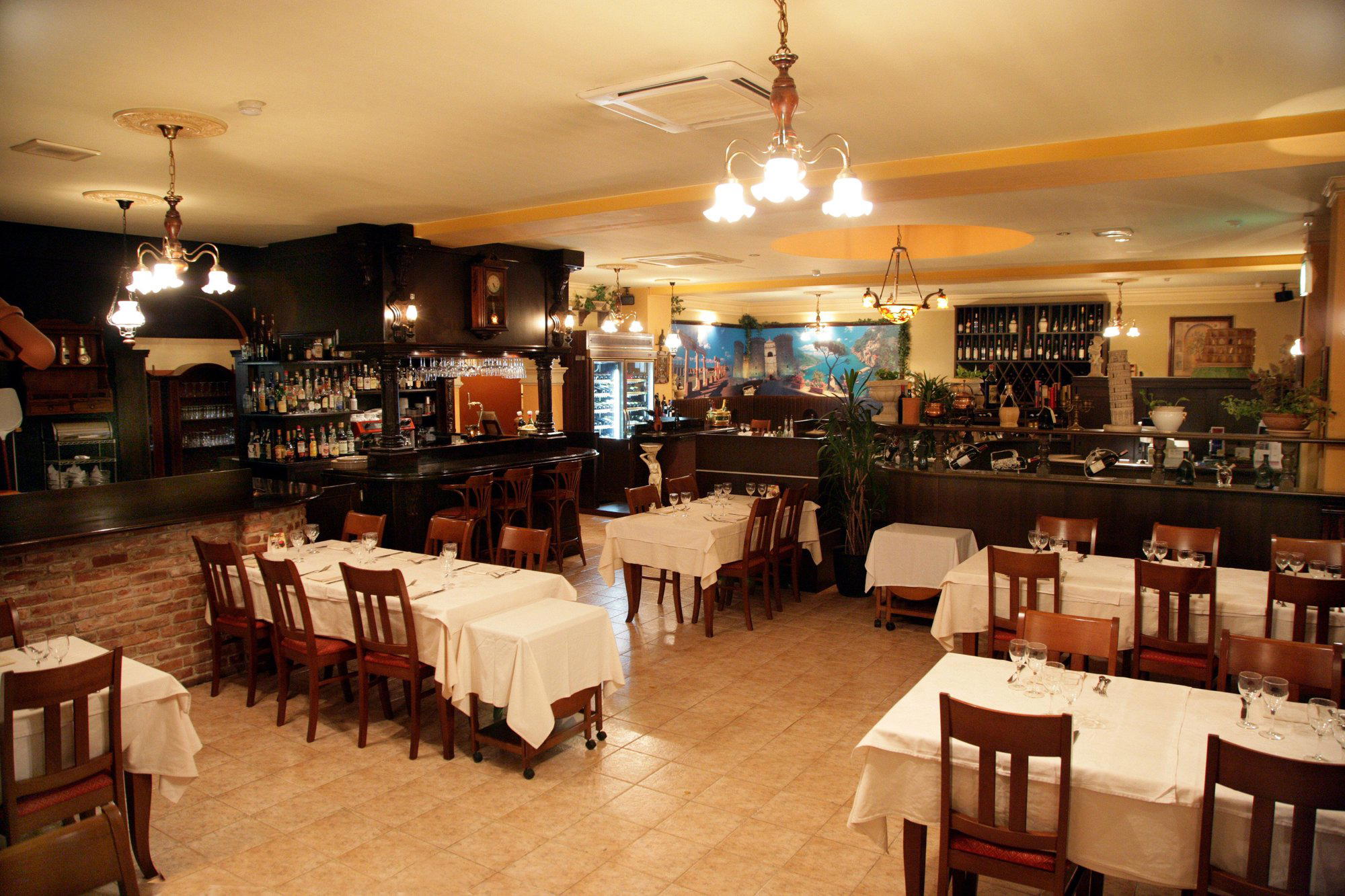
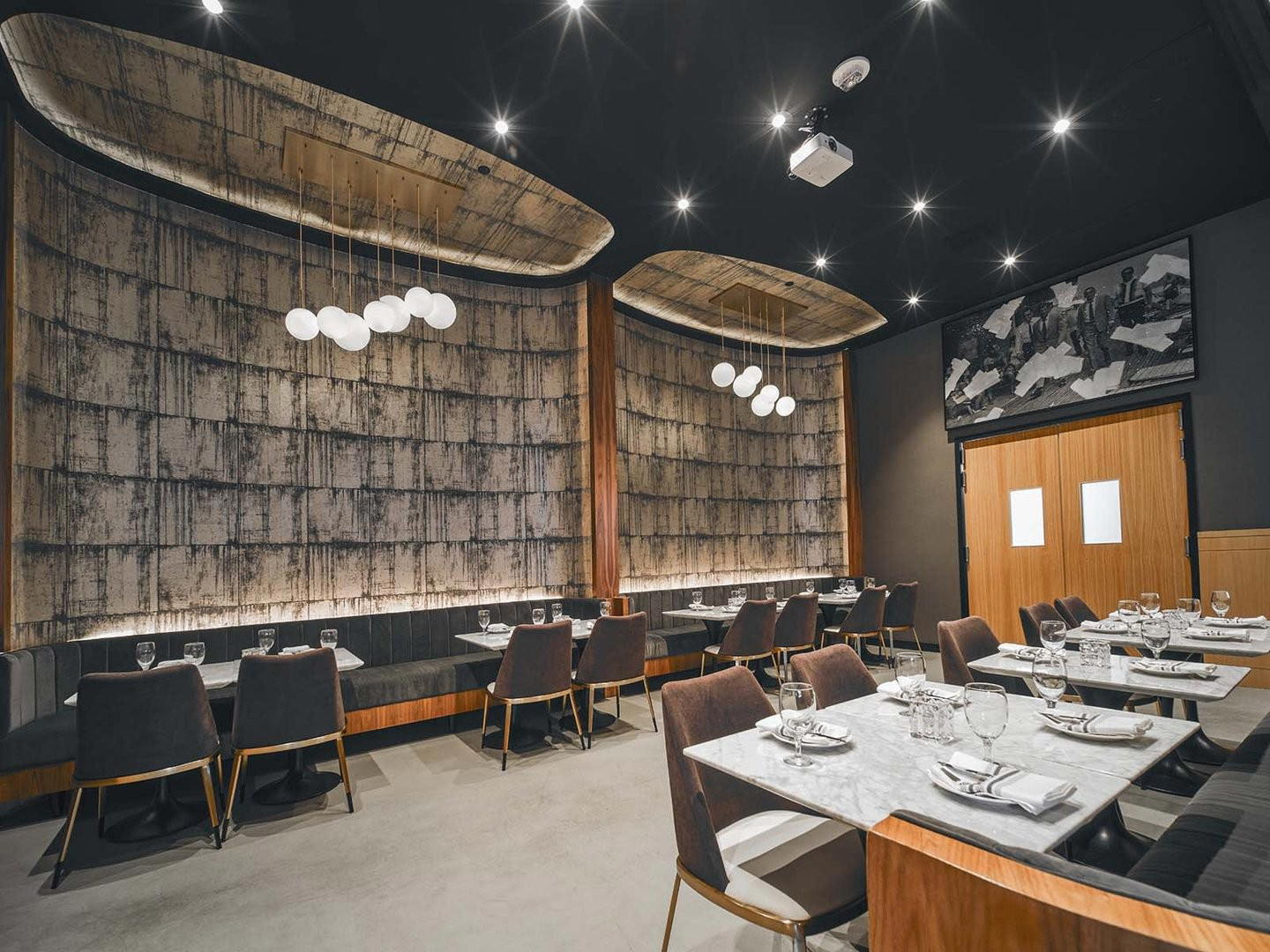
Restaurants in Nagoya
Browse all →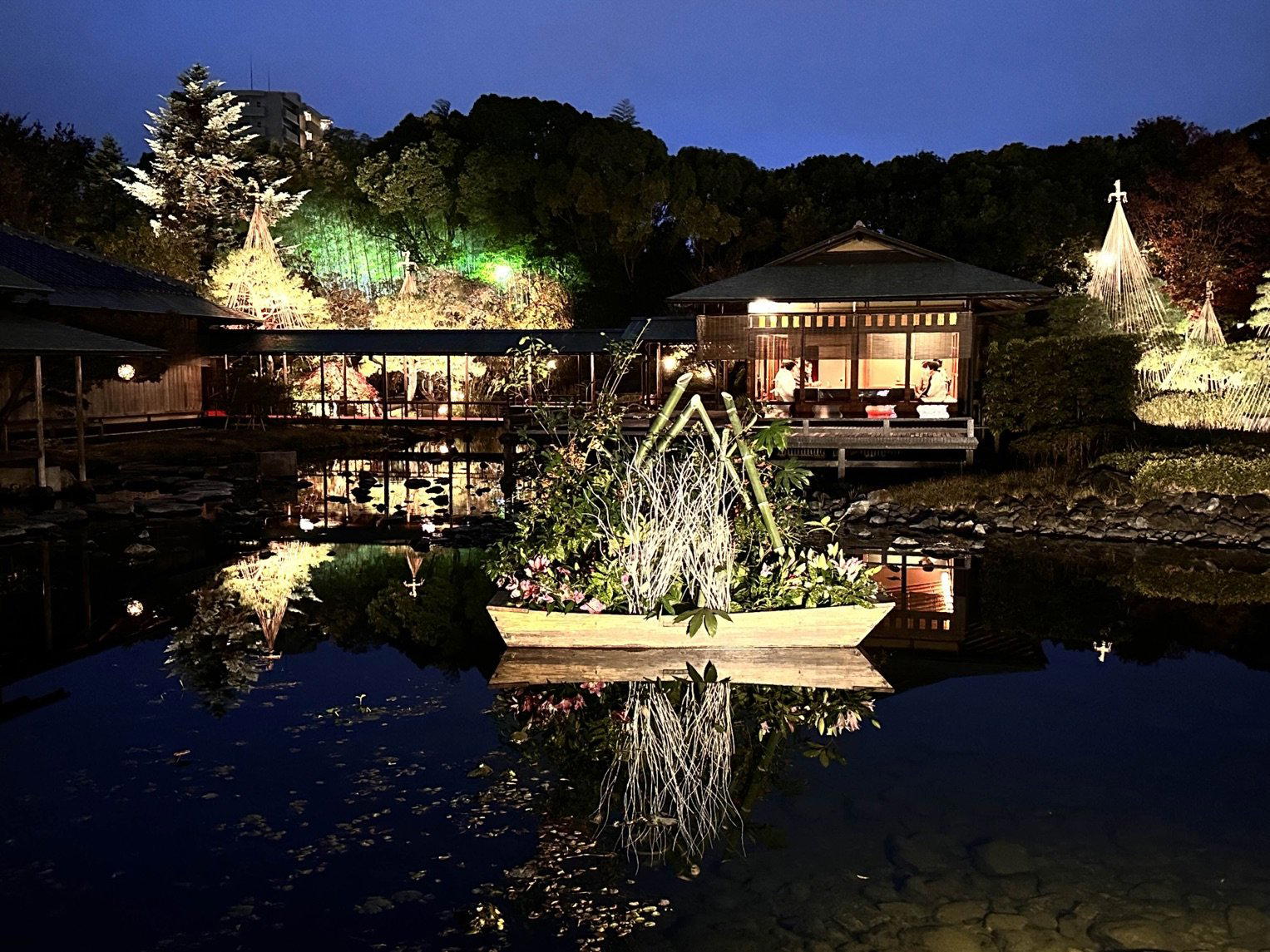
At a Glance
- Cozy
- Lively
- Solo
- Late Night
- Casual Hangout
- After Work
- Standalone
- Street Scene
Current opening hours
- Monday
- 11 AM–2 PM, 6–11 PM
- Tuesday
- 11 AM–2 PM, 6–11 PM
- Wednesday
- 11 AM–2 PM, 6–11 PM
- Thursday
- 7–10 AM, 11 AM–2 PM, 6–11 PM
- Friday
- 7–10 AM, 11 AM–2 PM, 6 PM–12 AM
- Saturday
- 7–10 AM, 11 AM–3 PM, 6–11 PM
- Sunday
- 7–10 AM, 11 AM–3 PM, 6–11 PM
Hours can change for holidays and private events. Last verified .
Compact, casual ramen counter with a local, energetic feel, designed for quick bowls at breakfast, lunch, or after drinks rather than long, lingering meals.