
Airport dining in Tokyo is often judged by speed, but cuud Terminal 1 brings a more selective udon lens to Haneda. Its Tabelog 100 Udon EAST selections in 2024, 2022, and 2020 place a compact curry-udon counter inside a critical category usually associated with destination noodle shops rather than departure-hall convenience.
Pearl is the En Primeur Club membership app — saves, bookings, and concierge access live there. Same editors, same standards.
- Address
- 東京都大田区羽田空港3-3-2 羽田空港第1旅客ターミナル 2F
- Phone
- +81357578857
- Website
- airport-restaurant.com
 Saves & bookings on Pearl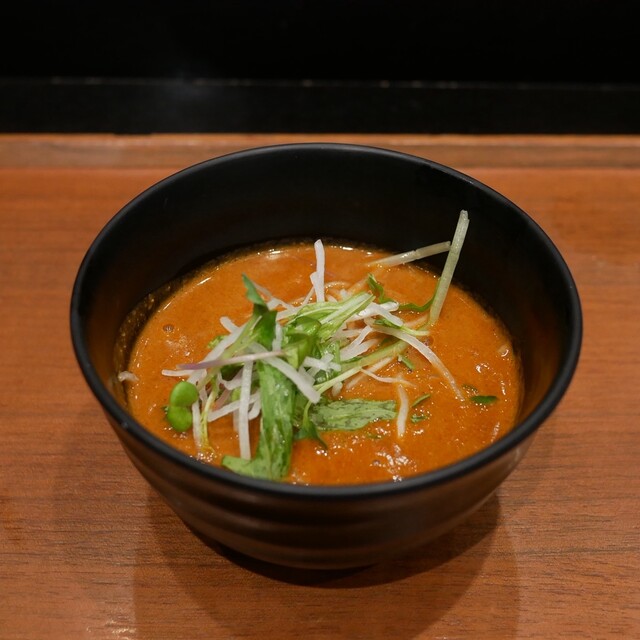
Haneda Terminal 1 has the particular tempo of a domestic airport: rolling suitcases, departure boards, and meals measured against boarding time rather than lingering appetite. Within that setting, udon becomes a practical test of Japanese airport dining. The question is not whether a terminal can feed people quickly; it is whether a terminal can sustain a noodle shop with enough credibility to be judged beyond its location.
cuud Terminal 1 answers that question through reputation rather than spectacle. Its inclusion in Tabelog 100 Udon EAST in 2024, with earlier selections in 2022 and 2020, matters because the udon category in Japan is crowded, regional, and unforgiving. Recognition in that field places an airport counter into a conversation usually dominated by street-side specialists, commuter-town institutions, and shops where diners travel specifically for texture, broth, or curry balance.
Why an airport curry-udon counter earns attention in Tokyo
Tokyo’s noodle culture is often narrated through ramen, soba, and high-precision sushi-adjacent counter dining, but udon occupies a different register. It is everyday food with a narrow margin for error: wheat noodle structure, heat, seasoning, and service rhythm all have to survive repetition. Curry udon adds another layer, because it sits between Japanese noodle craft and the country’s long domestic curry tradition. In an airport, where the dining room is shaped by luggage, families, solo business travellers, and short windows between flights, that format has to be legible fast.
The Haneda setting changes the stakes. Many airport restaurants rely on convenience as their main argument. Here, the award history gives the counter a reason to be read against specialist udon shops rather than merely against other terminal options. That distinction is useful for travellers who already know Tokyo’s broader dining range, from casual curry rooms such as 3 Chome no Curry Ya San to neighbourhood-driven restaurants across our full Tokyo restaurants guide. The appeal is not ceremony; it is category seriousness in a place built for movement.
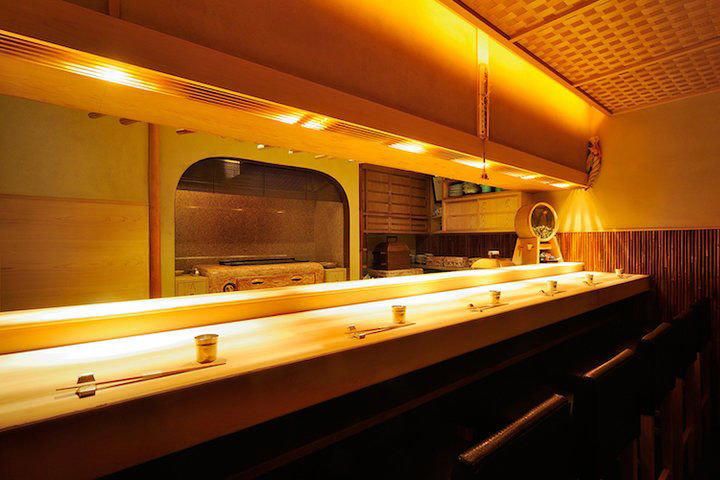
Capacity also shapes the experience. A compact room with counter seating suits the way udon is eaten in transit: direct, efficient, and focused on the bowl rather than a long meal arc. That puts it closer to Tokyo’s everyday specialist culture than to airport dining built around extended table service. It also explains why the recognition carries weight. Tabelog’s Hyakumeiten lists are not global trophy systems; they are domestic signals that reward consistency within specific Japanese categories. For udon, that signal is especially meaningful because the cuisine has so many regional expressions and so many low-price competitors.
Curry udon, Haneda timing, and the value of restraint
Curry udon is easy to underestimate because it reads as comfort food. In practice, the format is a disciplined compromise: thick enough to coat noodles, loose enough to eat cleanly with chopsticks and spoon, warming without turning into simple heaviness. The airport context intensifies that need for restraint. Travellers do not want a tasting menu before security or a fragile dish that collapses under speed. They want a meal that has identity, structure, and a clear finish.
That is where cuud Terminal 1 fits Tokyo better than a generic premium-airport concept would. The city’s dining culture rewards specialization at every level, from yakitori counters such as 124. KAGURAZAKA (Yakitori) to focused casual rooms like 12/10 Shinjuku ten. The same logic applies at Haneda: a narrow offer can be more persuasive than a broad menu trying to please every passenger. In the comparison set around Tokyo, a tonkatsu specialist such as Tonkatsu Aoki or a ramen shop such as Ramen Tei Hinari Ryuou competes through a similarly defined category promise. The useful distinction here is that curry udon carries both noodle-shop familiarity and airport practicality.
The selection history also places the counter in a longer arc. Opened in 2016, it has had time to move beyond novelty and into repeat recognition. For travellers, that matters more than a single burst of attention. Airport restaurants often rise and fall on branding, tenant cycles, and convenience. Repeated category selection suggests a steadier form of credibility, especially when the wider udon field includes independent shops with far fewer operational compromises.
How it fits into a Tokyo itinerary
This is not a substitute for a full evening in the city, and it should not be forced into one. Its strongest use is transitional: before a domestic flight, after arrival, or during a Haneda connection when leaving the airport would turn a meal into logistics. That position gives it a different role from central Tokyo dining, where the decision might involve seafood at . 鮪と炭火焼き うお炭 秋葉原店, a graphic café stop at 2D Cafe, or a longer plan built around drinking and hotels through our full Tokyo bars guide and our full Tokyo hotels guide.
For visitors moving beyond Tokyo, it also works as a useful benchmark for Japanese casual specialization. Compare the idea, not the cuisine, with -Grilled beef Sukiyaki- KAMAKURA TANUKIAN 鎌倉 たぬき庵 in Kamakura.cafe in Osaka.know in Kumamoto, (Shoku) Vietnam in Kawasaki, [Curry Senmon Ten] Maruyama Kyoju. in Sapporo, and [ki:] in Kyoto. Japan rewards places that know exactly what they are, even when the setting is functional.
The broader travel lesson is simple: Haneda is not only an airport to pass through. It is part of Tokyo’s food map, though in a compressed form. A Tabelog-recognized curry-udon counter inside Terminal 1 gives the departure meal a sharper argument than convenience alone. Readers building a wider itinerary can place it alongside our full Tokyo experiences guide, our full Tokyo wineries guide, and overseas Japanese-format references such as Jōdo Saké Bar in Los Angeles and Onigiri Time in Pasadena. The value lies in recognizing a serious everyday format where many travellers expect only compromise.
Budget and Context
Comparable venues for cuisine and category context.
| Venue | Cuisine | Price | Notes |
|---|---|---|---|
| cuud Terminal 1This venue — the venue you are viewing | Ōta, Modern curry udon noodle bar | $$ | Not listed |
| いこま寿司 | Not listed | $$ | Setagaya (Umegaoka), Traditional Edomae Sushi |
| Maru Ichi | Ōta, Tonkatsu Specialist | $$ | Not listed |
| Tonkatsu Enraku | Ōta, Traditional Tonkatsu & Katsu-don | $$ | Not listed |
| 焼肉あたご 虎ノ門 | Minato, Casual Counter Yakiniku | $$ | Not listed |
| Yakiniku Horumon Kinju | Minato, Japanese Yakiniku BBQ | $$ | Not listed |
Recognition history
Dated appearances from independent guides and award organizations, with the underlying list record or original source where available.
Tabelog 100 #53 · No. 53
Tabelog · Tabelog 100 - Udon - EAST - 2024






At a Glance
- Modern
- Trendy
- Well Known
- Solo
- After Work
- Casual Hangout
- Family
- Design Destination
- Standalone
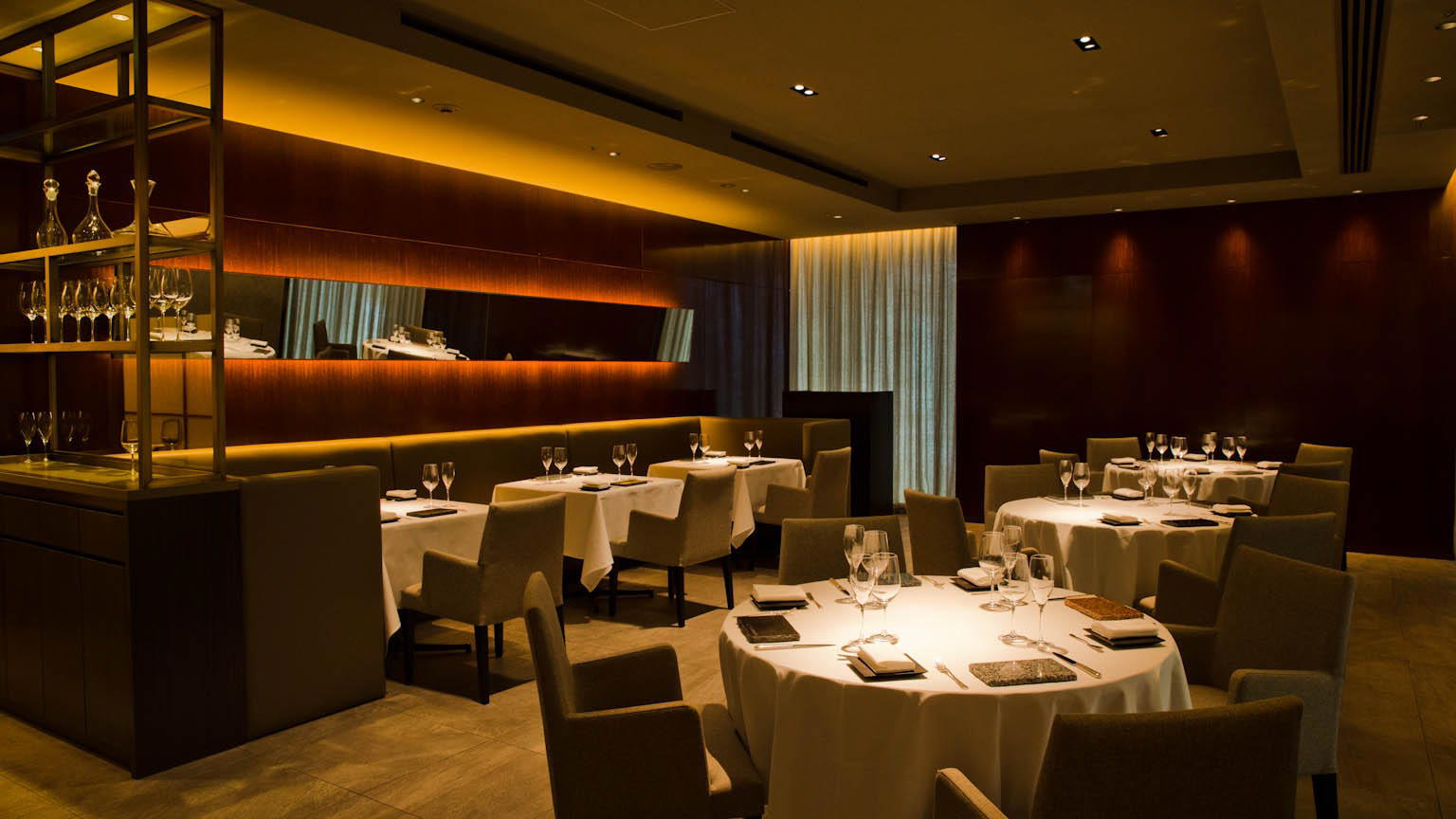
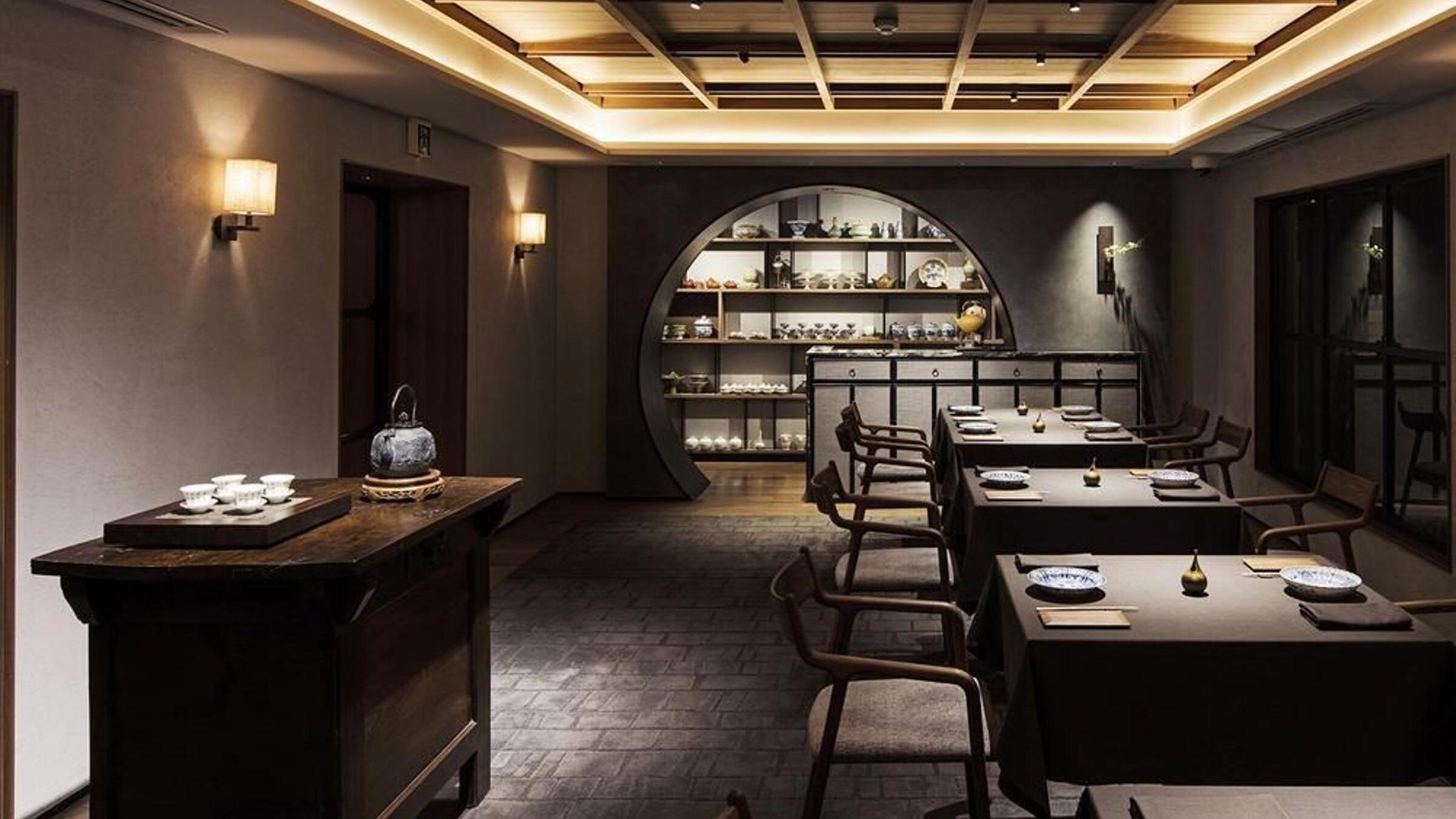
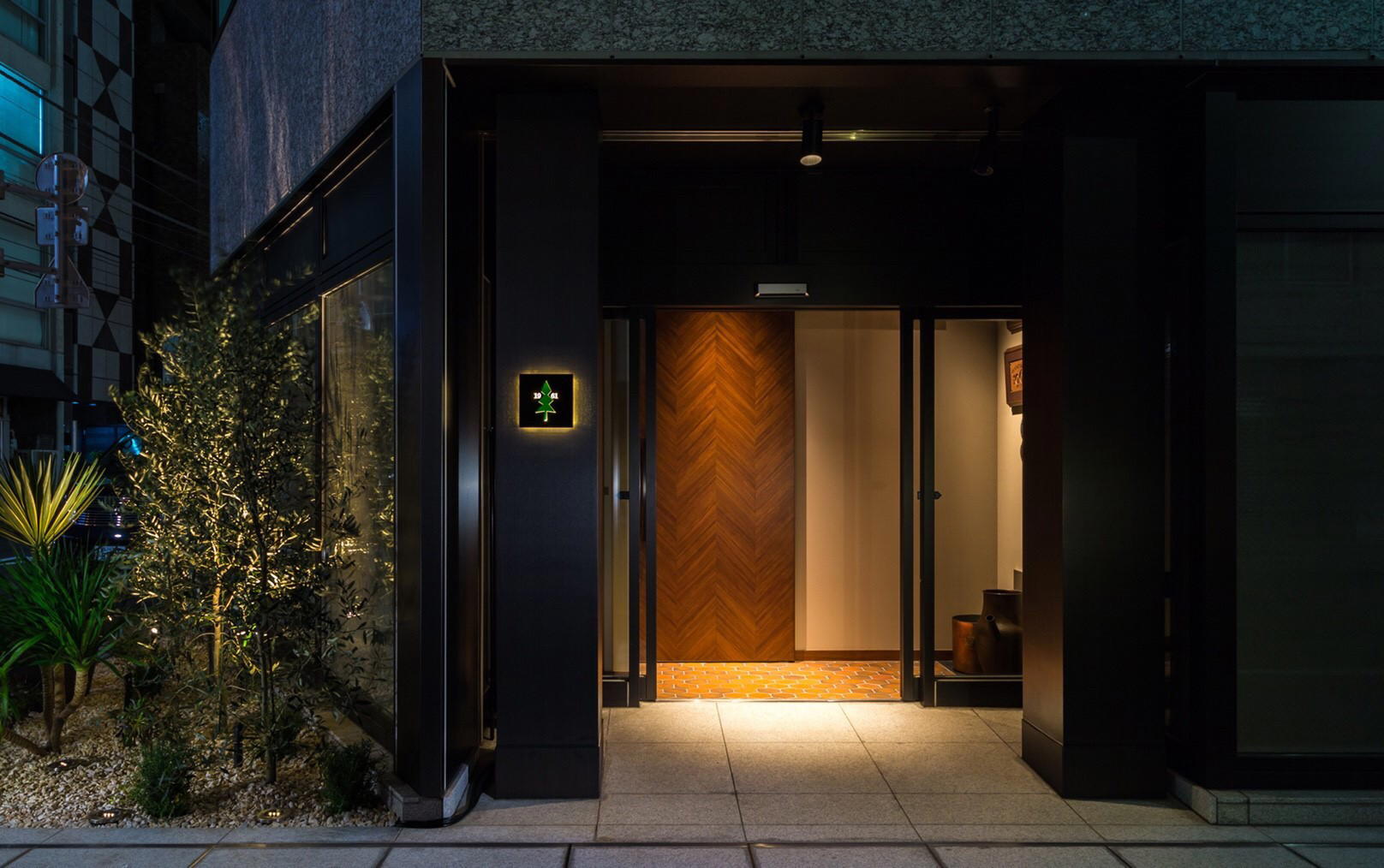
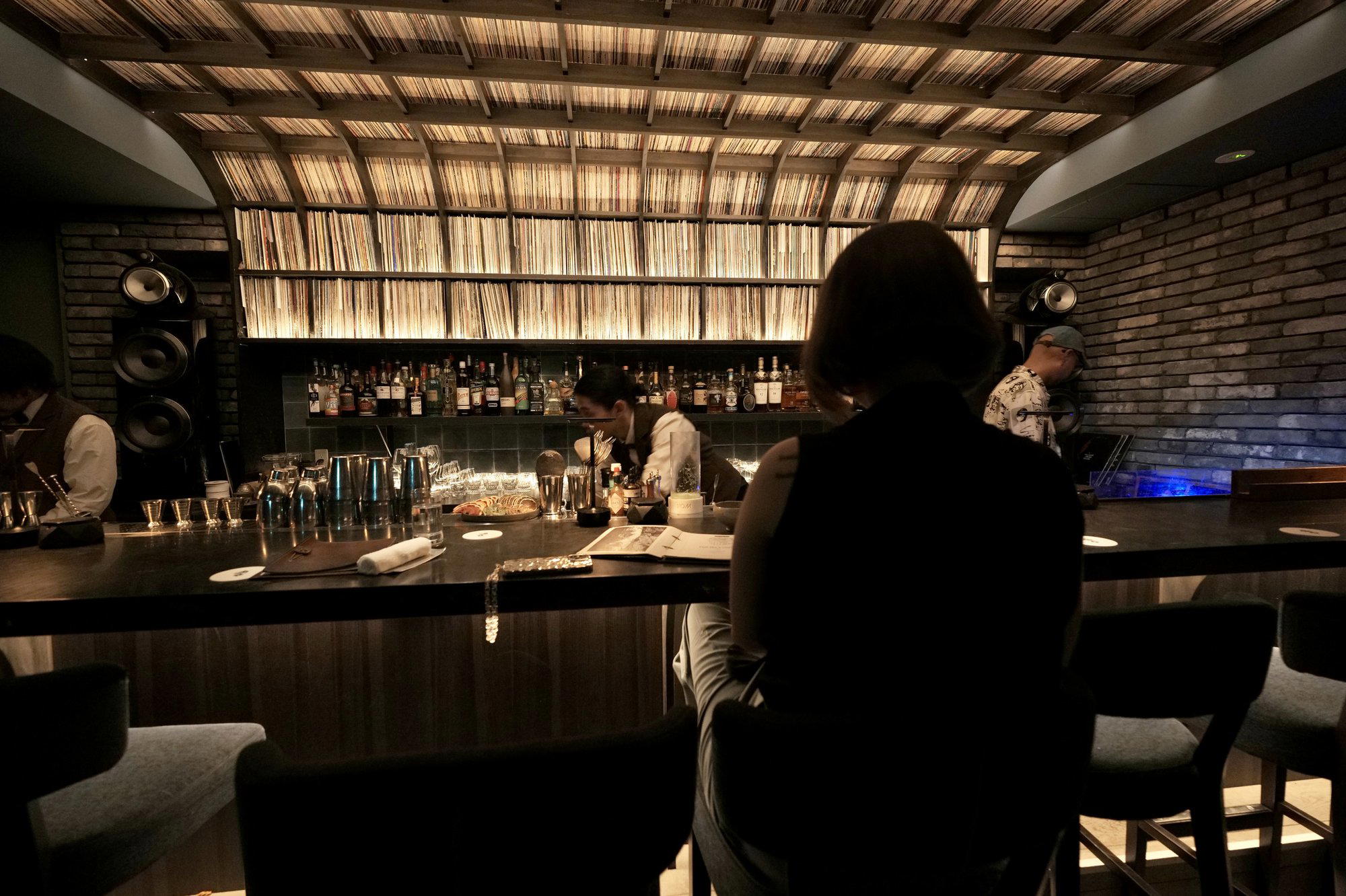
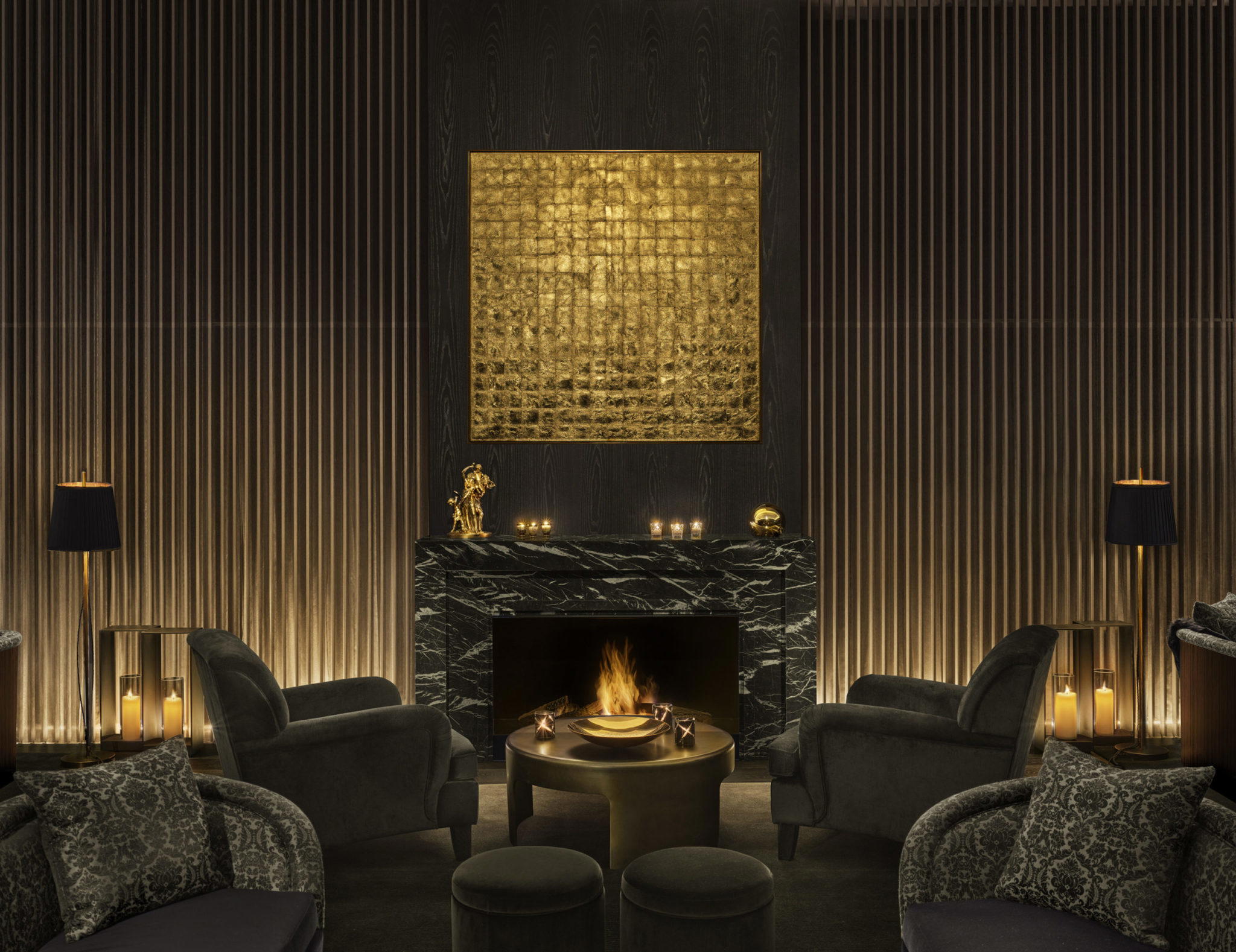
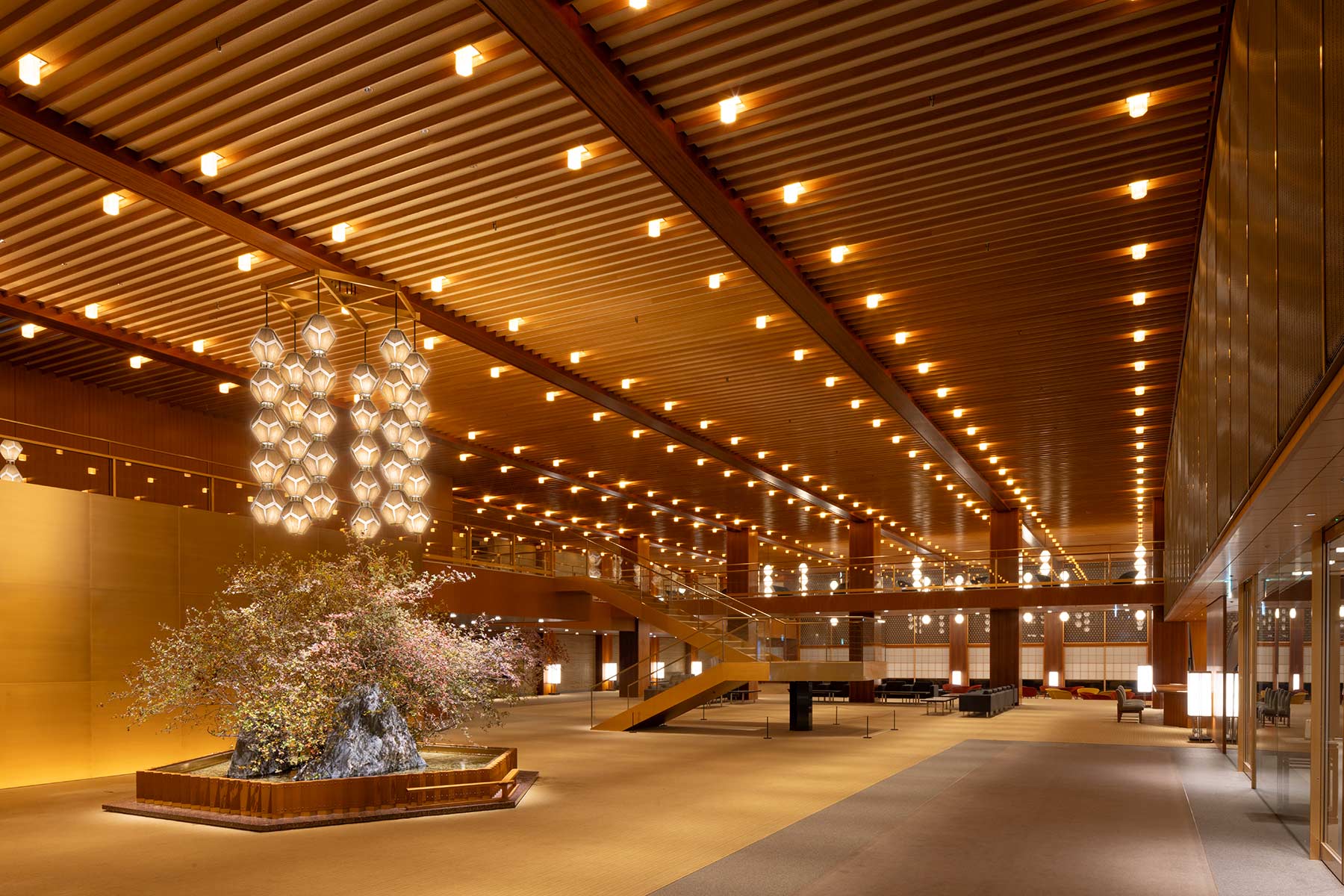
Compact, sleek and modern airport noodle bar with a stylish black-toned interior, counter-oriented seating, and a steady, lively flow of travelers.