
Ramen Free Birds belongs to Yokohama’s serious ramen conversation through repeat Tabelog 100 recognition, including the Kanagawa ramen list for 2025, and a compact counter format that keeps the focus on turnover, concentration, and solo dining. It is a low-price ramen address with a reputation built less on spectacle than on sustained critical visibility in Kanagawa’s competitive noodle culture.
Pearl is the En Primeur Club membership app — saves, bookings, and concierge access live there. Same editors, same standards.
- Address
- 神奈川県横浜市栄区桂町181-12
- Phone
- +81453926379
- Website
- tabelog.com
 Saves & bookings on Pearl
Approaching a suburban ramen counter in Yokohama differs from entering a station-front food hall. The pace drops, the room tightens, and the meal becomes a focused exchange: ticket, bowl, counter, exit. In that setting, recognition matters because there is little to hide behind. Ramen Free Birds has entered Kanagawa’s ramen conversation through repeat selection in the Tabelog 100 ramen lists, including the 2025 Kanagawa edition, with earlier appearances across the East and Kanagawa selections. The pattern says more than one burst of attention, placing it among small-format ramen rooms that earn reputation through consistency rather than hotel polish or tasting-menu theatre.
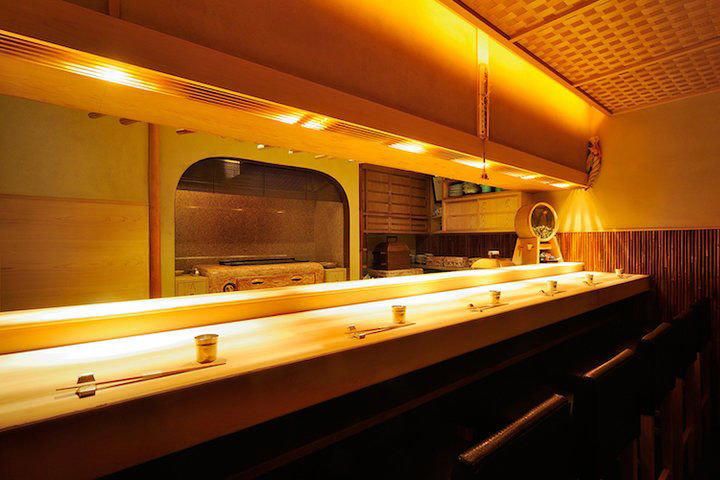
Yokohama’s dining identity is often read through Chinatown, waterfront hotels, coffee culture, and izakaya density, but ramen works locally. Neighbourhood shops compete on broth clarity, noodle handling, speed, and narrow-format discipline. Ramen Free Birds sits in that sharper bracket: an 11-seat counter, no private rooms, no private use, and no reservations. These are not inconveniences; they are how serious ramen functions in Japan, rewarding diners who treat ramen as a precise meal rather than a long sitting.
A compact counter in Yokohama's awards-driven ramen tier
Kanagawa’s ramen field is broad, and Yokohama adds pressure: enough visitors for name recognition, enough residential depth to expose weak counters quickly. Tabelog’s Hyakumeiten selections are a useful filter here. They do not guarantee personal preference, but they matter in a category where many shops share similar price bands and formats. Ramen Free Birds has a Tabelog score of 3.81 and repeat Hyakumeiten history: ramen East recognition in 2019, 2020, and 2023, followed by Kanagawa recognition in 2024 and 2025.
The interest lies in the mismatch between critical attention and everyday ramen economics. This is not a luxury restaurant justifying ceremony; the category’s appeal is how much judgment one bowl and a short seat time can hold. Compared with Ramen Moriya. another Yokohama ramen name in the same broad price conversation, the choice is less about occasion than where to spend a focused noodle stop. Nearby Yokohama ranges beyond ramen, from yakitori at 1000 (Yakitori (Grilled chicken skewers)) to Cantonese-leaning classics such as Aichun, curry specialist rooms like Ajowan, and the Japanese curry-house register of Alpenjiro Honten. The restaurant occupies a narrower, faster, more technical lane.
That lane has codes. Counter seating narrows the distance between kitchen rhythm and diner attention. Solo dining is not second-class; it is often the default. A meal here is not an appointment dressed as leisure, but a queue-and-counter decision, better for diners who tolerate uncertainty than those building a rigid evening around one seating.
Why the reputation matters more than ceremony
Ramen awards read differently from fine-dining awards. There is no long wine pairing, elaborate room narrative, or course sequence to build momentum. The bowl carries the argument. Repeat recognition points to something harder to sustain: relevance in a crowded field where diners compare minute differences in broth structure, noodle texture, aroma, seasoning, and finish. Specific dishes should be judged from the current menu on the day, but the signal is clear: this is a small ramen counter with a track record, not a general Japanese restaurant using ramen as one category among many.
The Yokohama location matters. Central Tokyo ramen fame travels faster internationally, while Kanagawa addresses can require more deliberate planning. That does not make them lesser; it makes them more dependent on local diners and domestic ranking culture. For travellers already moving through Yokohama rather than treating it as a half-day appendix to Tokyo, this counter gives a cleaner read on regional ramen attention than another hotel restaurant or waterfront dining room. It also fits a city itinerary using Our full Yokohama restaurants guide, plus the hotel, bar, wine, and activity layers in Our full Yokohama hotels guide, Our full Yokohama bars guide, Our full Yokohama wineries guide, and Our full Yokohama experiences guide.
Against nearby and regional alternatives, its value is focus. A diner choosing categories might look to Anzen Shokudo for another casual-Japanese register, (Shoku) Vietnam in Kawasaki for Vietnamese cooking in wider Kanagawa, or -Grilled beef Sukiyaki- KAMAKURA TANUKIAN 鎌倉 たぬき庵 in Kamakura for a more set-piece meat meal. The restaurant is the tighter decision: brief, counter-based, awards-backed, and built around ramen craft rather than a broader evening out.
How to place it in a wider Japan itinerary
For visitors moving beyond Yokohama, the useful comparison is not whether ramen outranks sushi, kappo, izakaya, or curry. It is whether the stop adds a clear local note. A Yokohama ramen counter with repeat Hyakumeiten recognition does that better than a generic station meal. It can sit alongside Tokyo casual dining such as. 鮪と炭火焼き うお炭 秋葉原店 in Tokyo, Kansai café culture at.cafe in Osaka, Kyushu dining at.know in Kumamoto, or Sapporo’s curry specialist scene through [Curry Senmon Ten] Maruyama Kyoju. in Sapporo. Outside Japan, Japanese casual formats differ, from Jōdo Saké Bar in Los Angeles to Onigiri Time in Pasadena, but the Yokohama counter format has its own grammar: short dwell time, tight seating, and reputation earned one bowl at a time.
The critical case for the restaurant is simple. It is not for a lingering celebratory dinner and should not be judged like a full-service restaurant. It belongs to the serious ramen subset where repeat recognition, compact scale, and counter discipline outweigh décor or ceremony. For diners who understand that distinction, the draw is clear: Yokohama ramen with a proven local reputation and the stripped-down format to match.
Budget Reality Check
Comparable venues by category and price.
| Venue | Cuisine | Price |
|---|---|---|
| Ramen Free BirdsThis venue — the venue you are viewing | Sakae, Specialty Ramen Shop | $ |
| Ramen Sugita Ya Honten | Isogo, Traditional Yokohama Iekei ramen | $ |
| Suzukiya Akebono chou ten | Naka, Yokohama iekei ramen | $ |
| Mendokoro Niboshi Kaoru Asobiru ten | Nishi, Niboshi Ramen | $ |
| Shio Ramen Honmaru Tei Yokohama ten | Kanagawa, Shio ramen specialty shop | $ |
| Ramen Matsushin | Tsurumi, Classic Japanese Ramen Shop | $ |
Recognition history
Dated appearances from independent guides and award organizations, with the underlying list record or original source where available.
Tabelog 100 #54 · No. 54
Tabelog · Tabelog 100 - Ramen - KANAGAWA - 2025








At a Glance
- Cozy
- Modern
- Intimate
- Solo
- Casual Hangout
- After Work
- Standalone
- Design Destination
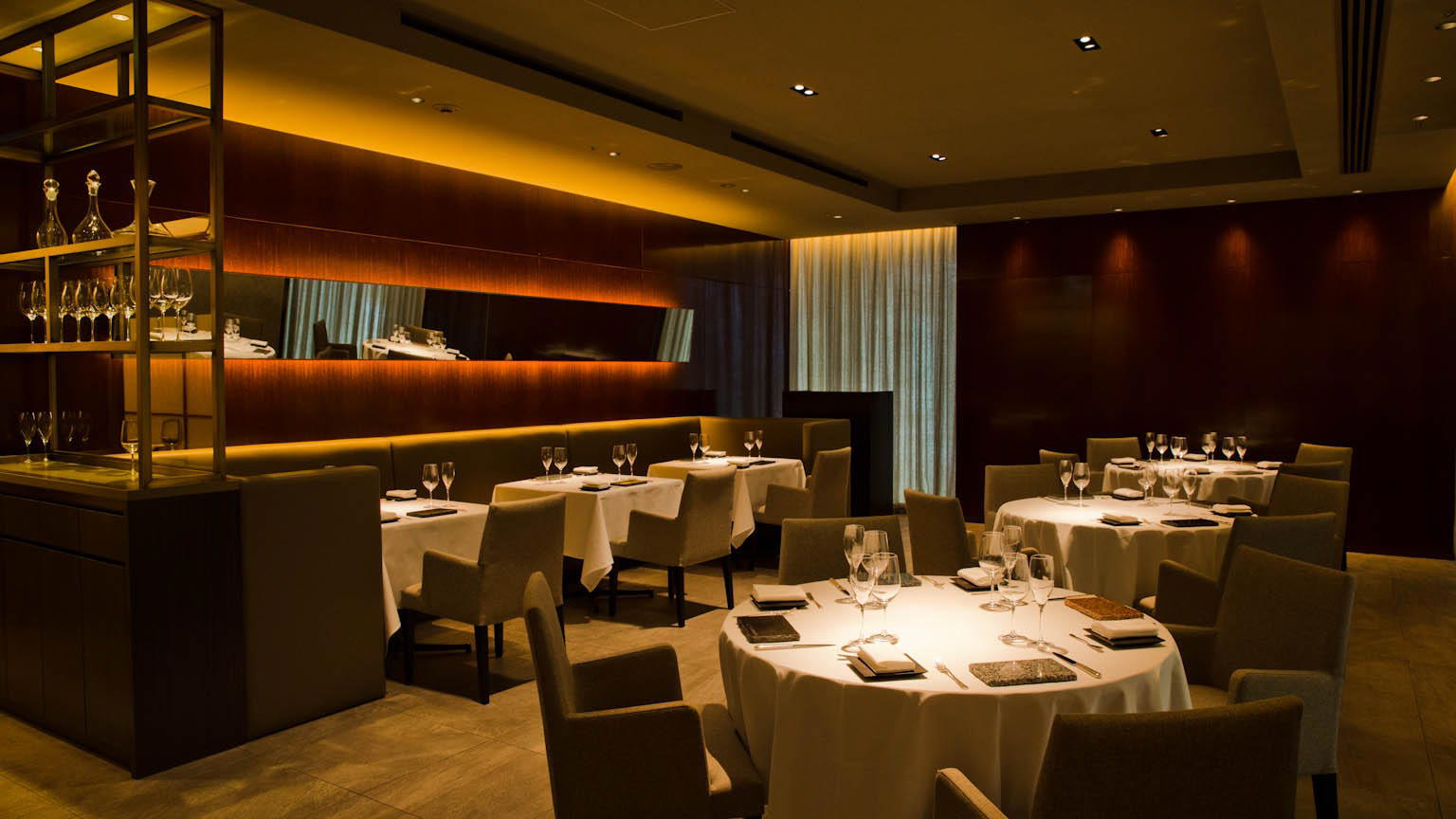
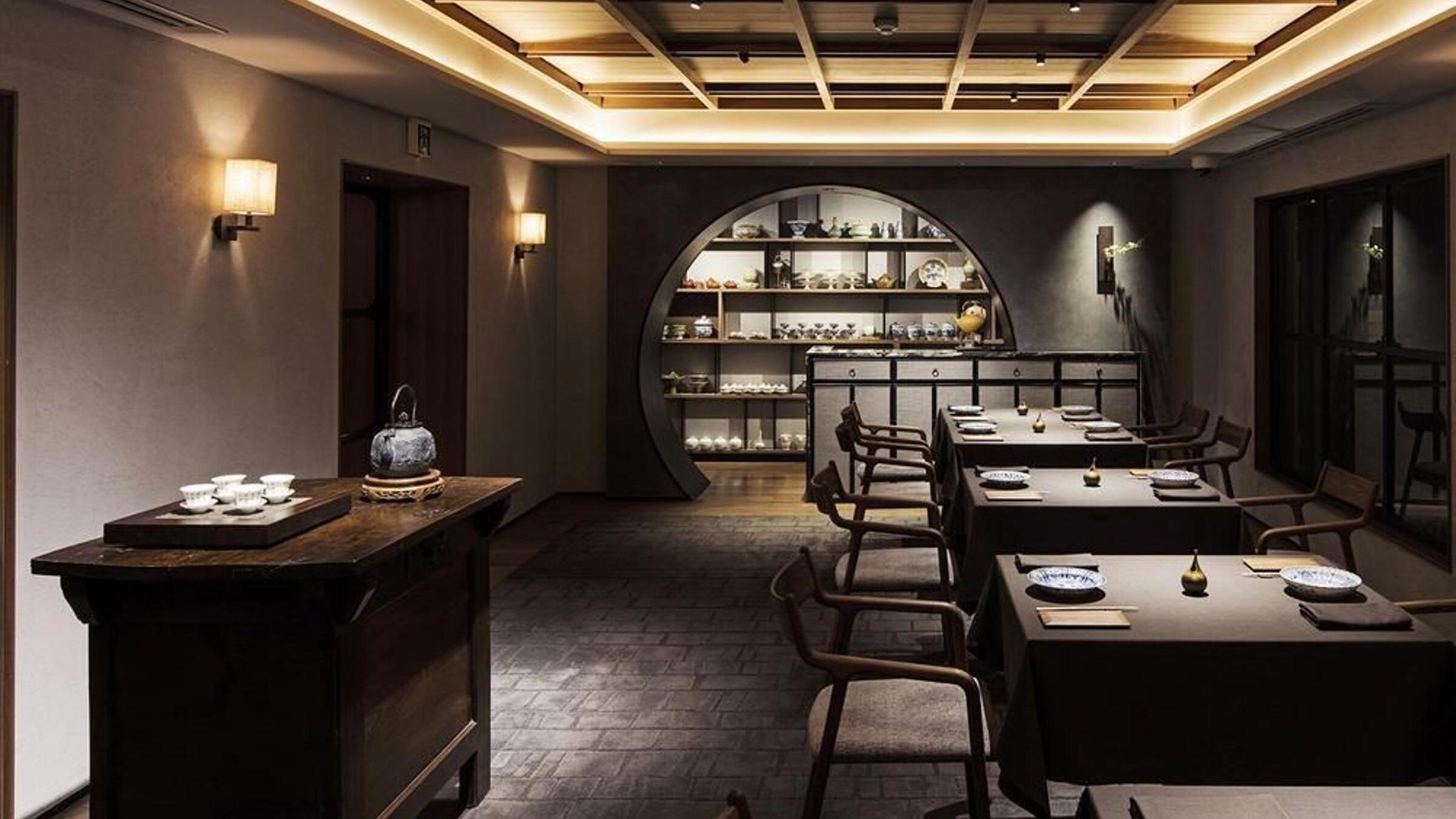
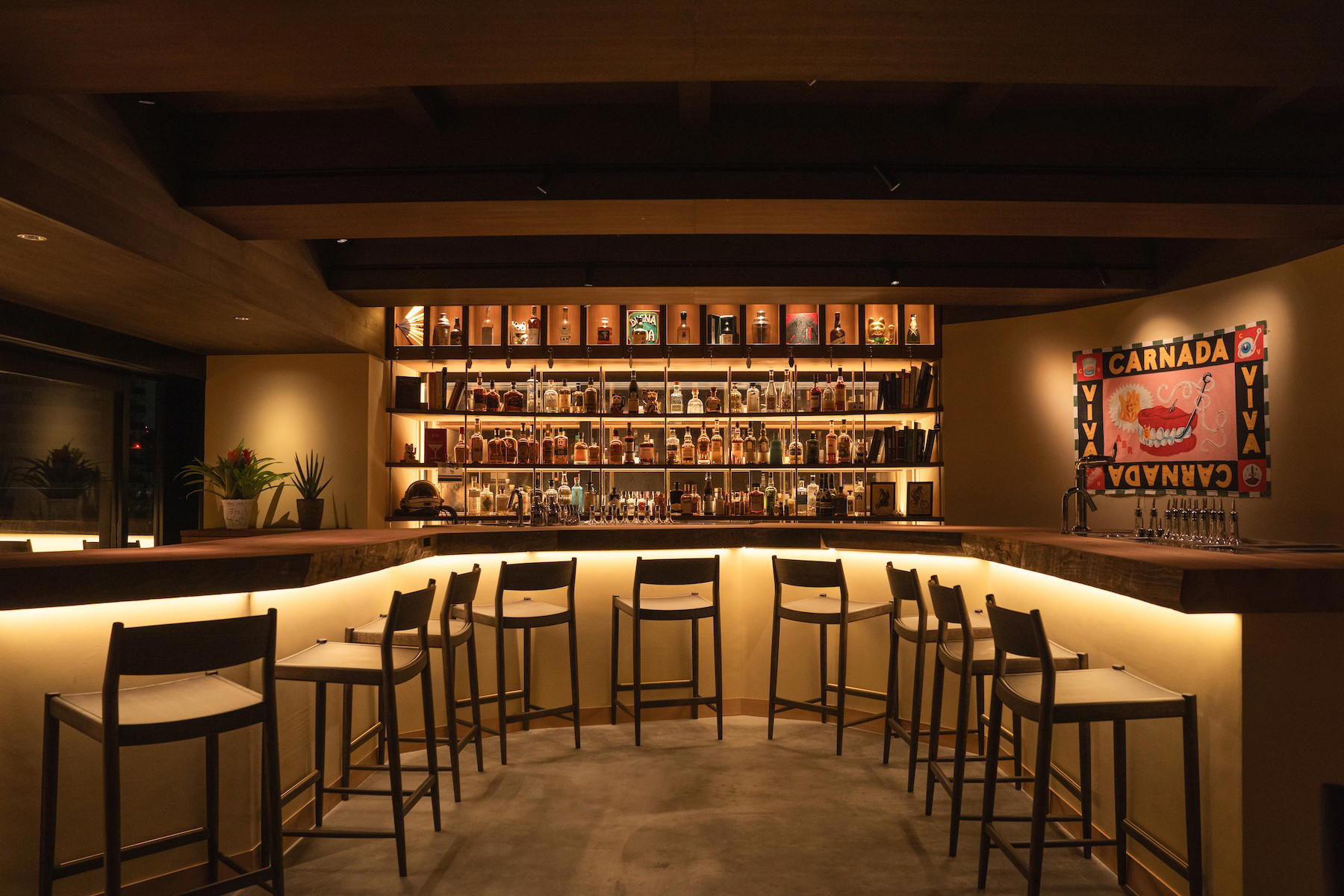
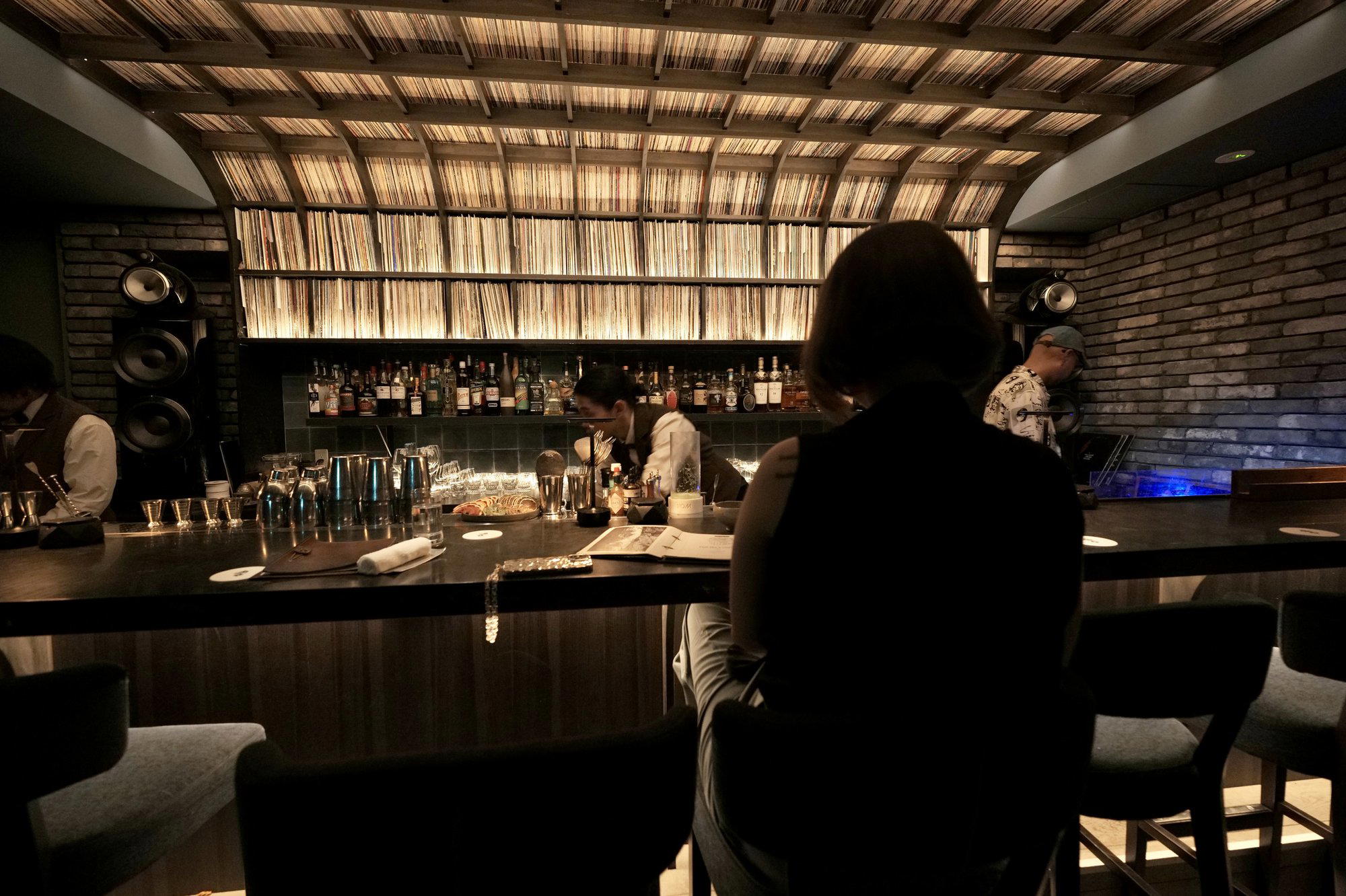
Small 11‑seat, non‑smoking counter ramen shop with a simple, stylish interior that feels cozy and casual, suited especially to solo diners.