
A Yokohama ramen counter framed by the city’s station-side eating culture rather than destination dining ritual. Shio Ramen Honmaru Tei Yokohama ten sits in the Kanagawa salt-ramen conversation with Tabelog Ramen KANAGAWA 100 selections in 2024 and 2025, making it a useful stop for travelers comparing compact ramen counters with Yokohama’s broader casual restaurant scene.
Pearl is the En Primeur Club membership app — saves, bookings, and concierge access live there. Same editors, same standards.
- Address
- 神奈川県横浜市神奈川区鶴屋町1-7-21 タクエー横浜西口第三ビル 1F
- Phone
- +81453140890
- Website
- tabelog.com
 Saves & bookings on Pearl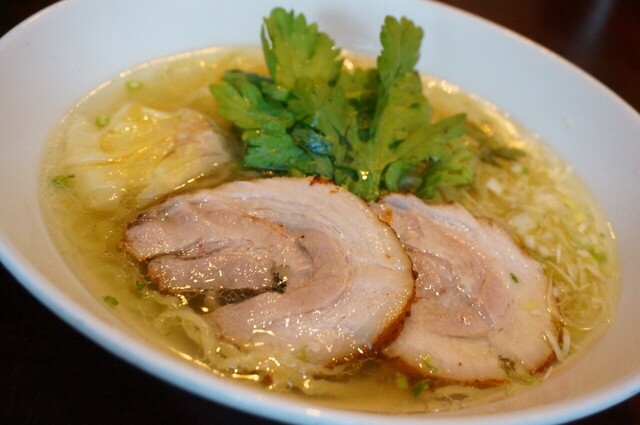
Approaching the Yokohama Station side of Tsuruyacho, the mood shifts from transport hub to quick-turn dining streets: narrow frontages, small counters, office workers moving with purpose, and ramen shops built for concentration rather than ceremony. This is where salt ramen makes sense. Shio ramen depends less on volume and more on balance, with broth clarity, noodle texture, and seasoning doing the work that heavier miso or tonkotsu styles can sometimes hide.
Within that local frame, Shio Ramen Honmaru Tei Yokohama ten belongs to the station-adjacent ramen tier that rewards timing and decisiveness. Tabelog selected it for Ramen KANAGAWA 100 in both 2024 and 2025, a meaningful signal in a prefecture where ramen competition stretches well beyond Yokohama’s tourist corridors. Its Tabelog score of 3.71 places it in the serious enthusiast conversation without turning the meal into a luxury production.
Salt ramen in a station-side Yokohama rhythm
Yokohama’s restaurant identity is often discussed through Chinatown, harbor dining, and polished date-night rooms, but its daily eating culture is just as defined by counters near rail exits. Ramen here is not a pause between attractions; it is part of the city’s commuting grammar. The Kita-Nishi side of Yokohama Station and the Tsuruyacho blocks around it favor concise meals, small rooms, and formats where the kitchen’s confidence has to register quickly.
The house emphasis is shio ramen with homemade noodles, a style that leaves little room for disguise. The listed broth base uses beef bones, chicken carcasses, whole chickens, and grilled flying fish, a combination that points toward layered savor rather than blunt richness. The noodles are described as handmade with domestic wheat, which matters in this category: shio broth needs a noodle with enough presence to hold seasoning without dragging the bowl into heaviness.
That restraint also explains why the restaurant sits differently from Yokohama venues built around longer meals and higher spend. Chiba Hanare and CAMBUSA operate in another dining register, with pricing and pacing closer to occasion dining, while Menba Hamatora is a more direct ramen comparison at a lower listed bracket. Honmaru Tei’s appeal is the middle ground: focused ramen, recognized locally, and close enough to the station to fold into a day without reorganizing it.
A counter format where the city decides the pace
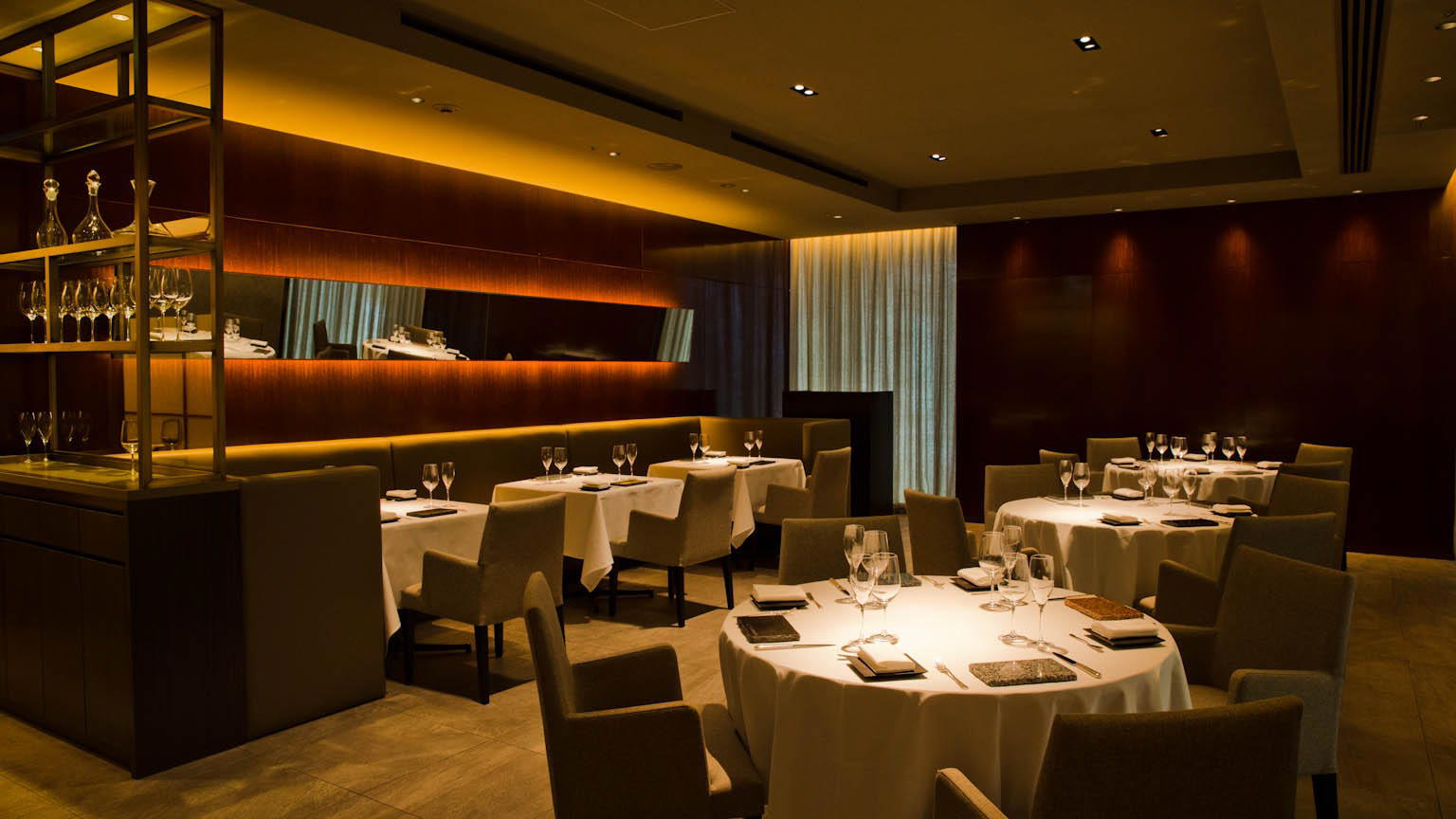
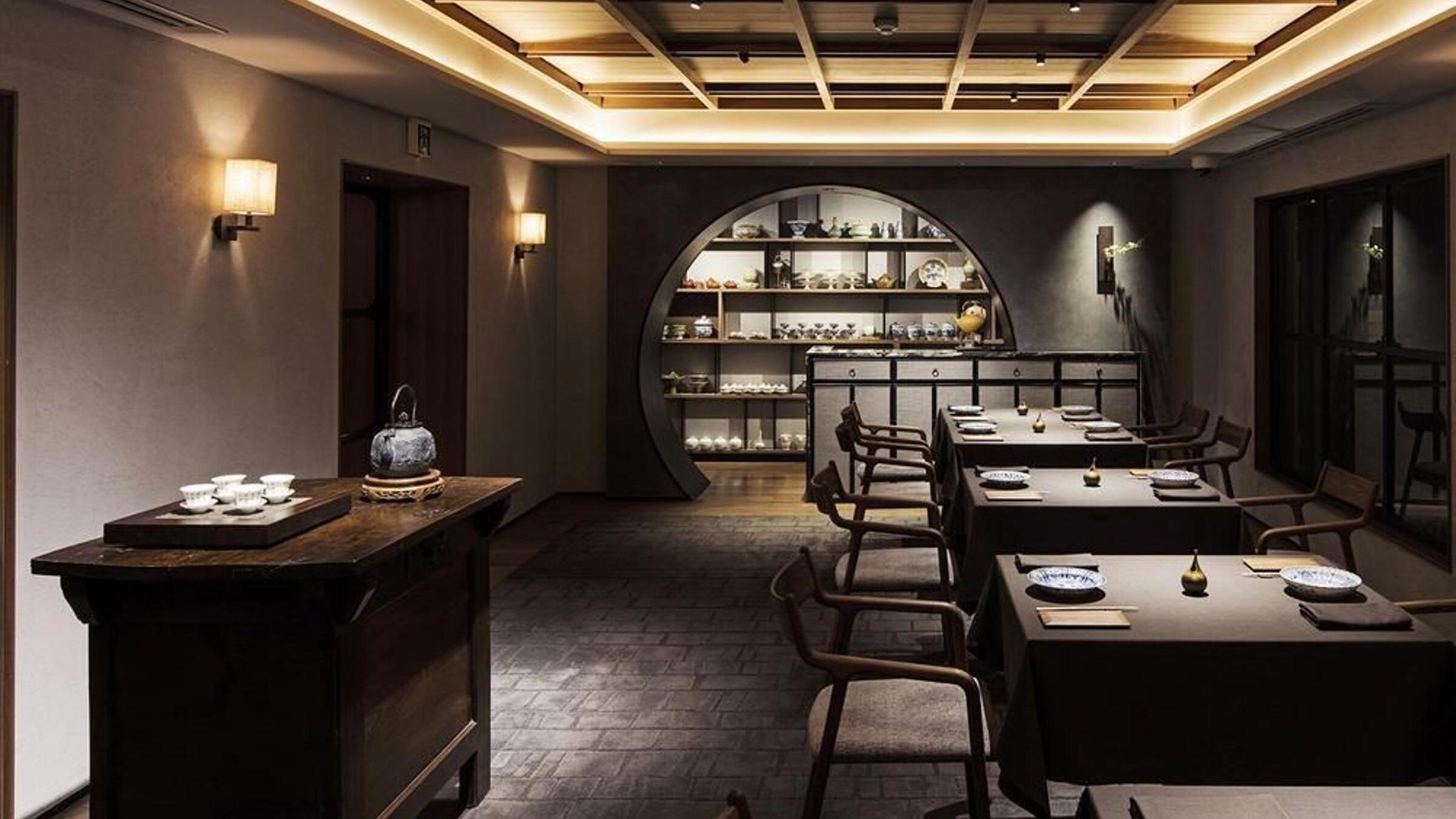
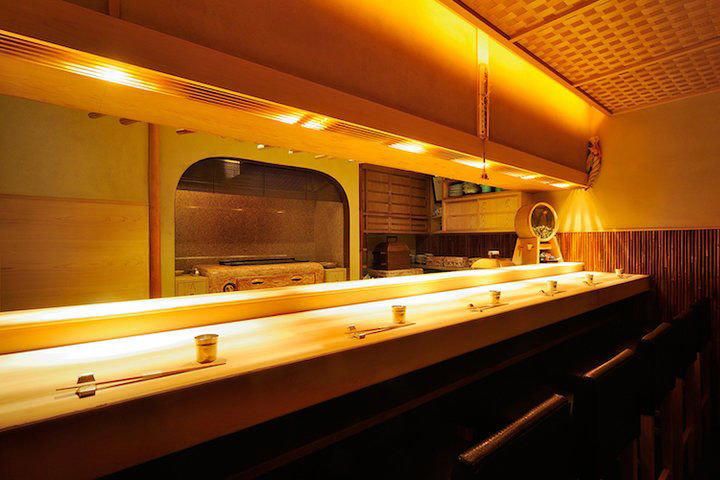
The room is counter-only, with 12 seats, which aligns it with the ramen format Yokohama does well: compact, direct, and low on performance. Counter seating changes the tempo. Diners face the kitchen, turnover matters, and the meal is judged by what lands in the bowl rather than by the choreography surrounding it. For visitors used to Tokyo’s ramen queues or reservation-heavy counters, the Yokohama version can feel more functional, but that is part of the point.
Reservations are unavailable, and that single detail tells travelers how to think about the experience. This is not a table to schedule weeks ahead; it is a place to fit around rail movement, appetite, and queue tolerance. The official listing notes children are welcome, which is not always a given at tight counter-led restaurants in Japan. Private rooms and private use are unavailable, so the format is better understood as a focused meal rather than a lingering group plan.
Cash planning matters here because credit cards, electronic money, and QR code payments are listed as unavailable. Parking is also unavailable, though coin parking is noted nearby. Those details are less glamorous than an award badge, but they are exactly what separates a smooth ramen stop from a clumsy one, especially around a major station area where foot traffic and timing dictate the room.
How to read it against Yokohama's wider dining map
For a traveler building a Yokohama food day, the useful distinction is category, not hype. Ramen counters like this belong beside casual specialists rather than multicourse restaurants. The comparison is closer to how a city feeds itself between errands, trains, and late workdays. A diner weighing noodles against grilled skewers, Chinese comfort food, curry, or Western-inflected Japanese rooms can use Our full Yokohama restaurants guide to map the broader spread, including 1000 (Yakitori (Grilled chicken skewers)), Aichun, Ajowan, and Alpenjiro Honten.
The wider regional picture helps too. Kanagawa’s eating culture is not confined to Yokohama, and the surrounding cities offer their own casual specialists and destination formats. Nearby reference points include (Shoku) Vietnam in Kawasaki and -Grilled beef Sukiyaki- KAMAKURA TANUKIAN 鎌倉 たぬき庵 in Kamakura. For travelers linking Yokohama with other Japanese cities, the contrast broadens through Anzen Shokudo. 鮪と炭火焼き うお炭 秋葉原店 in Tokyo.cafe in Osaka.know in Kumamoto, and [Curry Senmon Ten] Maruyama Kyoju. in Sapporo.
The strongest case for this ramen counter is not spectacle. It is the combination of place, format, and recognition: a small Yokohama station-area room, shio ramen as the organizing idea, and consecutive Tabelog 100 selections in Kanagawa. Travelers planning the rest of the city can pair the meal with Our full Yokohama hotels guide, Our full Yokohama bars guide, Our full Yokohama wineries guide, and Our full Yokohama experiences guide. For readers comparing Japanese comfort formats abroad, Jōdo Saké Bar in Los Angeles and Onigiri Time in Pasadena show how different cities translate compact Japanese dining into their own rhythms.
A Tight Comparison
Comparable options at the same price tier.
| Venue | Cuisine | Price | Notes |
|---|---|---|---|
| Shio Ramen Honmaru Tei Yokohama tenThis venue — the venue you are viewing | Kanagawa, Shio ramen specialty shop | $ | Not listed |
| Iekei Sohonzan Yoshimura Ya | Not listed | $ | Nishi, Iekei ramen (Yokohama-style pork and soy sauce ramen) |
| Ramen Sugita Ya Honten | Isogo, Traditional Yokohama Iekei ramen | $ | Not listed |
| Shirakawa Teuchi Chuka Soba Kosuga | Not listed | $ | Aoba, Traditional Shirakawa-style handmade ramen |
| Maeda Pan | Aoba, Japanese neighborhood bakery | $ | Not listed |
| Sakurai Chuka Soba Ten | Not listed | $ | Hodogaya, Classic Japanese ramen & tsukemen |
Recognition history
Dated appearances from independent guides and award organizations, with the underlying list record or original source where available.
Tabelog 100 #23 · No. 23
Tabelog · Tabelog 100 - Ramen - KANAGAWA - 2025









At a Glance
- Cozy
- Lively
- Solo
- After Work
- Casual Hangout
- Family
- Late Night
- Chefs Counter
- Standalone
- Local Sourcing
Compact, counter-only ramen shop with a casual, bustling atmosphere; guests sit side by side at the counter watching bowls of clear, salt-based ramen being prepared, making it feel cozy and energetic rather than leisurely.