
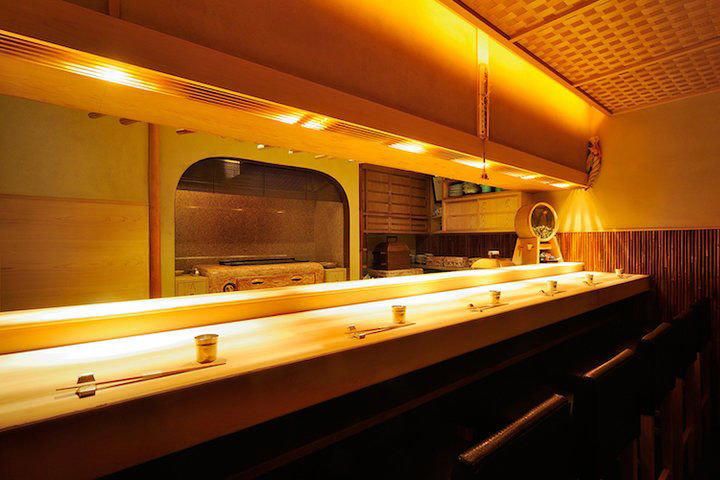
A 12-seat counter in Yokohama’s Akebonocho area, Suzukiya Akebono chou ten belongs to the city’s serious ramen circuit rather than its tourist dining track. Its Tabelog Ramen KANAGAWA “Tabelog 100” selections in 2024 and 2025, counter-only format, and solo-dining rhythm explain why regulars treat it as a repeat stop, not a special-occasion detour.
Pearl is the En Primeur Club membership app — saves, bookings, and concierge access live there. Same editors, same standards.
- Address
- 3 Chome-43-5 Akebonocho, Naka Ward, Yokohama, Kanagawa 231-0057, Japan
- Phone
- +81 45-263-3618
- Website
- x.com
 Saves & bookings on Pearl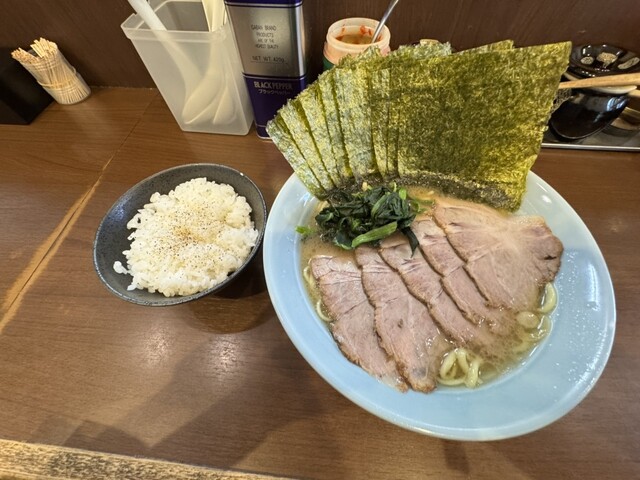
Akebonocho is not the postcard version of Yokohama. The appeal here is lower to the ground: early openings, short counter meals, commuters and locals moving with purpose, and ramen shops judged less by décor than by whether a bowl earns repeat custom. In that setting, Suzukiya Akebono chou ten reads as part of a Japanese category: the small, counter-only ramen room where the regulars’ vote matters as much as formal recognition.
Yokohama’s dining reputation often splits between Chinatown, waterfront hotels, old beef houses, and polished destination restaurants. Ramen works differently. It rewards frequency, timing, and muscle memory. A shop with 12 counter seats and no private rooms is not built for lingering; it is built for turnover, solo diners, and the quiet discipline of a kitchen that has to satisfy people who may return weekly. That is the useful lens here. This is not a chef-led tasting-menu story. It is a neighbourhood ramen story with enough external validation to pull in diners from beyond the immediate area.
A counter ramen shop measured by repeat visits
The regulars’ perspective matters because ramen loyalty in Japan is rarely abstract. Diners return for consistency, portion logic, speed, and the particular balance of a house style. Suzukiya Akebono chou ten has the format signals associated with that culture: counter seating only, solo dining friendliness, and a compact operation where the meal is centered on the bowl rather than service theatre. That places it far from Yokohama’s higher-spend heritage restaurants such as Arai Ya Honten or Ota Nawanoren, where the occasion carries a different social weight.
The recognition gives the shop a second layer of context. Selection for Tabelog Ramen KANAGAWA “Tabelog 100” in both 2024 and 2025 puts it inside a prefectural ramen conversation rather than merely a local lunch list. Its Tabelog score of 3.71 is also meaningful in the Japanese review ecosystem, where numbers cluster tightly and ramen rankings can be unforgiving. None of that guarantees a diner’s personal allegiance, but it explains why the counter has relevance beyond convenience.
Price is part of the story without being the story. Regular ramen culture depends on accessibility: a diner can return without treating the visit as an event. Compared with Yokohama curry specialist Alpenjiro Honten, whose listed spend sits in a higher casual bracket, or old-line beef dining at Arai Ya Honten and Ota Nawanoren, this category operates on a different contract. The value is measured in precision per bowl, not tablecloth ceremony.
Where it fits in Yokohama's casual dining map
Akebonocho and the Bandobashi orbit sit outside the easy harbourfront itinerary, which is exactly why this kind of ramen shop matters. Yokohama’s visitor-facing dining can lean heavily toward views, Chinatown density, and hotel-adjacent convenience. Neighbourhood counters reveal another city: quick meals, repeat patterns, and local ranking systems that reward reliability over spectacle.
That distinction becomes clearer when set against other Yokohama casual addresses. 1000 points to the city’s yakitori culture, where grilled skewers and drinks shape the evening pace. Aichun and Ajowan sit in different everyday-dining lanes, while ramen compresses the meal into a faster, more solitary form. The counter is not a compromise; it is the format’s natural habitat.
For travellers building a Yokohama food day, the useful question is not whether this is a long lunch venue. It is whether the itinerary has room for a focused ramen stop in a neighbourhood that makes fewer concessions to sightseeing. Pairing this kind of address with broader city research is the wiser approach: start with Our full Yokohama restaurants guide, then use Our full Yokohama hotels guide, Our full Yokohama bars guide, Our full Yokohama wineries guide, and Our full Yokohama experiences guide to place the meal in a wider day rather than treating it as a stand-alone trophy stop.
The practical rhythm: early, small, cash-minded
The operating rhythm points to a shop designed for decisive diners. The counter has 12 seats, reservations are unavailable, and payment is listed as cash-only with credit cards, electronic money, and QR code payments not accepted. The regular ramen order is listed at JPY 900, and the broader listed spend remains under JPY 999, keeping the experience in the repeatable everyday bracket. The shop opened on 24 February 2016, which gives it a decade of local pattern by 2026, enough time for habits to form and for reputation to harden.
Access also reinforces the local nature of the visit. Bandobashi Station on the Yokohama Municipal Subway Blue Line is the nearest station, with Kogane-cho Station on the Keikyu Main Line also within walking range. Parking is not provided, though coin parking is noted nearby, so rail access is the cleaner move. The no-smoking dining room and counter-only arrangement make it better suited to solo diners or pairs than groups looking to stretch out.
The editorial verdict is simple: this is the kind of ramen counter that rewards diners who understand the category. The draw is not luxury, rarity, or performance. It is a small room, a recognized place in Kanagawa’s ramen conversation, and the repeat-visit logic that separates serious neighbourhood ramen from casual convenience eating. For a broader Japan dining map, nearby and cross-city references help calibrate the category: Anzen Shokudo, -Grilled beef Sukiyaki- KAMAKURA TANUKIAN 鎌倉 たぬき庵 in Kamakura. 鮪と炭火焼き うお炭 秋葉原店 in Tokyo.cafe in Osaka.know in Kumamoto, (Shoku) Vietnam in Kawasaki, [Curry Senmon Ten] Maruyama Kyoju. in Sapporo, Jōdo Saké Bar in Los Angeles, and Onigiri Time in Pasadena show how focused Japanese formats travel across cities and price tiers.
Recognition Snapshot
Comparable venues for orientation by cuisine and category.
| Venue | Cuisine | Price | Notes |
|---|---|---|---|
| Suzukiya Akebono chou tenThis venue — the venue you are viewing | Yokohama iekei ramen | $ | Not listed |
| Hoppy Sennin | Traditional Japanese Hoppy bar | $ | Naka |
| Hanamichi | Traditional Japanese standing bar (tachinomi) | $ | Naka |
| Ramen Taiko | Specialty Miso Ramen Shop | $ | Minami |
| つけめん 頑者 新横浜ラーメン博物館店 | Tsukemen (Dipping Ramen) | $ | Shin-Yokohama |
| Ramen & Curry Senmonten Taigen | Ramen & Curry | $ | Naka |
Recognition history
Dated appearances from independent guides and award organizations, with the underlying list record or original source where available.
Tabelog 100 #55 · No. 55
Tabelog · Tabelog 100 - Ramen - KANAGAWA - 2025









At a Glance
- Lively
- Classic
- Cozy
- Well Known
- Solo
- Casual Hangout
- After Work
- Late Night
- Chefs Counter
- Standalone
Current opening hours
- Monday
- 7 AM–3 PM
- Tuesday
- 7 AM–2 PM
- Wednesday
- Closed
- Thursday
- 7 AM–3 PM
- Friday
- 7 AM–3 PM
- Saturday
- 7 AM–3 PM
- Sunday
- 7 AM–3 PM
Hours can change for holidays and private events. Last verified .
Tight, counter-only ramen shop with a classic Yokohama iekei feel: bright but simple interior, fast turnover, and an energetic atmosphere driven by a steady queue and focused ramen slurping.