
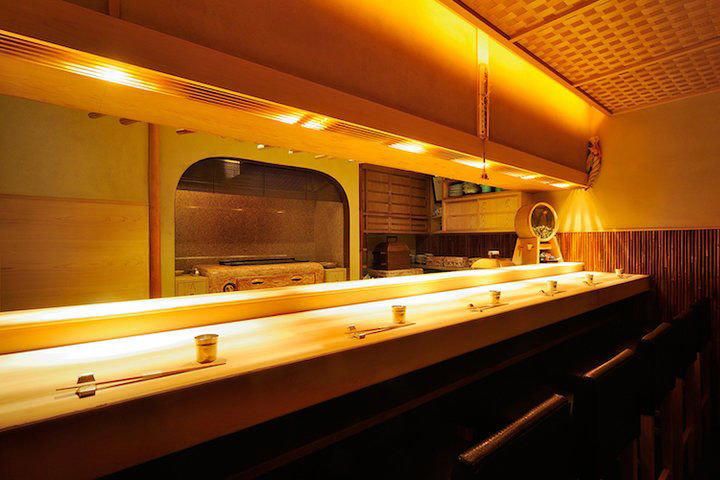
A compact Yokohama Station ramen counter built around niboshi broth and a sake-bar after-dark rhythm. Mendokoro Niboshi Kaoru Asobiru ten has 11 counter seats, Tabelog Ramen Kanagawa 100 selections in 2024 and 2025, and a low-price format that makes it sharper as a specialist stop than a drawn-out dinner plan.
Pearl is the En Primeur Club membership app — saves, bookings, and concierge access live there. Same editors, same standards.
- Address
- 神奈川県横浜市西区高島2-14-9 アソビル 1F
- Website
- niboshikoh.com
 Saves & bookings on Pearl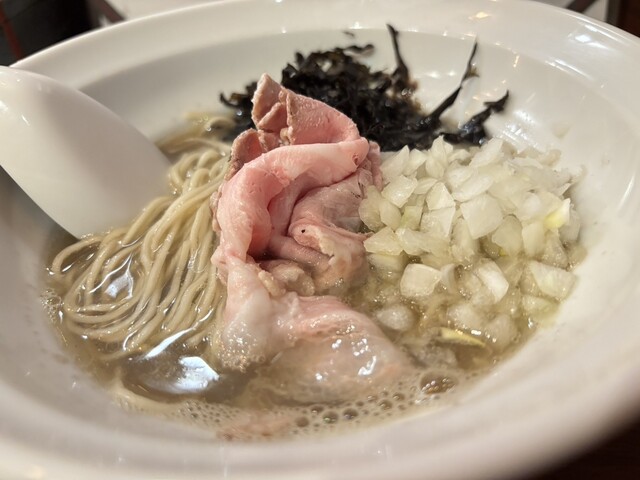
Asobiru’s ground floor moves like a station-side food hall: quick arrivals, short decisions, and counter culture for diners who know what they want. Around Yokohama Station, department-store dining, commuter lunches, curry counters, bakeries, and late-evening drinking rooms crowd the field; the sharper ramen shops succeed by narrowing the offer, not serving every mood.
Mendokoro Niboshi Kaoru Asobiru ten belongs to that focused school. The name signals the menu before the bowl arrives: niboshi, the dried-sardine base that gives Japanese ramen one of its more assertive broth registers. In station dining that can flatten into convenience, a niboshi-led counter makes a pointed argument. The draw is not breadth but repetition, concentration, and a format that lets a small kitchen execute fast without making the meal a booking exercise.
Niboshi ramen as a station-counter language
Niboshi ramen sits apart from tonkotsu richness or miso comfort. Its appeal is structural: dried fish, salt, and aromatic discipline, often read through bitterness, salinity, and depth rather than fat alone. That matters at Yokohama Station, where many restaurants compete with broader menus and softer edges. An 11-seat ramen counter can be more exacting because the transaction is short and the audience self-selecting.
The Tabelog Ramen Kanagawa 100 selections in 2024 and 2025 give the shop a useful public signal in a prefecture with serious ramen density. Tabelog scores and lists are not Michelin-style inspections, but in Japan they carry weight as crowd-and-editorial markers, especially for ramen, where local repeat traffic often indicates more than international fame. A 3.72 score puts it in a credible bracket for a station-adjacent specialist, not a convenience stop that happens to sell noodles.
The closest comparison is not a luxury restaurant but focused single-category eating versus the wider Yokohama station ecosystem. A bakery such as Boulangerie JEAN FRANCOIS Yokohama poruta or a butter-pastry counter such as ECHIRE PATISSERIE AU BEURRE Yokohama takashimaya ten competes on speed and location; Napule Yokohama takashimaya ten sits in a higher, longer-meal price band; Sapporo Soup Curry Ananda works a different comfort-food lane. The ramen counter wins when the brief is narrow: a fast, savoury meal with a defined broth identity.
The sake-bar edge changes the evening brief
Category listing pairs ramen with Japanese sake bar, and that second identity matters. Many ramen shops treat alcohol as an accessory; here, sake and shochu are part of the stated frame, with a Friday evening rule requiring sake after 5pm. Lunch is the cleaner ramen-counter proposition. Evening, especially Friday, leans toward a hybrid format where noodles and drinking culture overlap.
That hybrid is a useful Yokohama pattern. The city’s dining culture has long absorbed port-city variety, but around the station the strongest addresses often use efficient formats: counter seats, fixed specialisms, quick turnover, tight price bands. An 11-seat counter is not for lingering groups or private-room dining. It suits solo diners, pairs, and regulars who can read the room’s rhythm. For travellers, that makes it a practical counterpoint to reservations-heavy dining elsewhere in Japan.
Menu architecture is also a filter. A niboshi-led shop will not suit diners seeking a neutral first ramen in Japan; dried-fish intensity is the point, not a background note. That is why it has value in a Yokohama itinerary. It shows a side of ramen often lost in English-language shorthand, where the category becomes pork broth, egg, and noodles. Kanagawa ramen culture is broader, and this address sits where broth choice states the kitchen’s whole position.
How to place it in a Yokohama eating day
A practical use case is surgical: a station-area ramen stop before or after a wider Yokohama plan. Pair it with Our full Yokohama restaurants guide when building a day across Nishi-ku, Minato Mirai, and the waterfront rather than treating one bowl as the whole evening. Those staying in the city can check neighbourhood logistics through Our full Yokohama hotels guide, while drink-focused readers may want Our full Yokohama bars guide after the ramen counter instead of asking the shop to be a full night out.
For a broader Japanese comfort-food circuit, Yokohama has enough range to keep the comparison local: 1000 (Yakitori (Grilled chicken skewers)) points toward grilled-skewer drinking food, Aichun and Ajowan show how compact specialist restaurants work outside the luxury tier, and Alpenjiro Honten helps read Yokohama’s appetite for curry formats. Travellers extending the lens beyond the city can compare casual specialism at Anzen Shokudo, (Shoku) Vietnam in Kawasaki, [Curry Senmon Ten] Maruyama Kyoju. in Sapporo, and Onigiri Time in Pasadena.
The wider planning frame should stay disciplined. Ramen here is not a formal tasting-menu substitute, and the counter format is not built for a drawn-out celebratory meal. It is stronger as a precision stop in a day that might also include Kamakura dining at -Grilled beef Sukiyaki- KAMAKURA TANUKIAN 鎌倉 たぬき庵 in Kamakura, Tokyo casual seafood at. 鮪と炭火焼き うお炭 秋葉原店 in Tokyo, or Kansai and Kyushu detours such as.cafe in Osaka and.know in Kumamoto. Sake-minded readers can extend the thread internationally with Jōdo Saké Bar in Los Angeles, while non-restaurant planning sits better in Our full Yokohama wineries guide and Our full Yokohama experiences guide.
The editorial case is simple: in a station district full of easy choices, Mendokoro Niboshi Kaoru Asobiru ten matters because it is not trying to be broadly agreeable. Its public recognition, counter-only scale, low price band, and niboshi-led identity make it a specialist ramen stop with a clear lane. Go for the broth style and counter rhythm, not a long dinner arc.
Nearby-ish Comparables
Comparable venues for orientation by cuisine and category.
| Venue | Cuisine | Price | Notes |
|---|---|---|---|
| Mendokoro Niboshi Kaoru Asobiru tenThis venue — the venue you are viewing | Niboshi Ramen | $ | Not listed |
| Menya Numata | Specialty Shio Ramen Shop | $ | Tsurumi |
| G Men 7 | Classic Yokohama ramen shop | $ | Kōnan |
| Men Dokoro Akimoto | Ramen & Tsukemen | $ | Aoba |
| Curry Senmon Ten KEN | Japanese Curry | $ | Aoba |
| Maeda Pan | Japanese neighborhood bakery | $ | Aoba |
Recognition history
Dated appearances from independent guides and award organizations, with the underlying list record or original source where available.
Tabelog 100 #57 · No. 57
Tabelog · Tabelog 100 - Ramen - KANAGAWA - 2025










At a Glance
- Casual
- Cozy
- Modern
- Solo
- Casual Hangout
- After Work
- Standalone
- Sake Program
- Street Scene
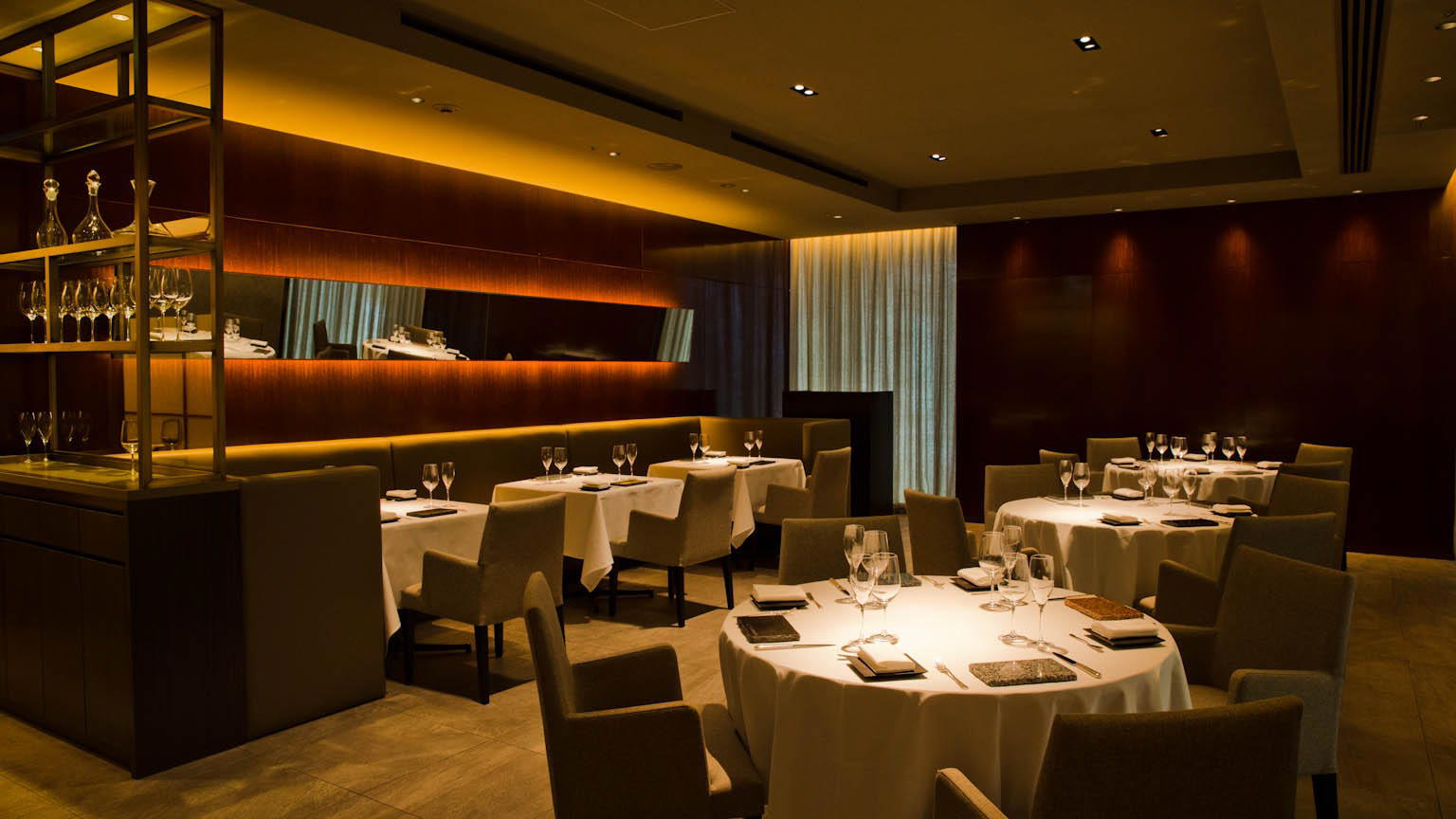
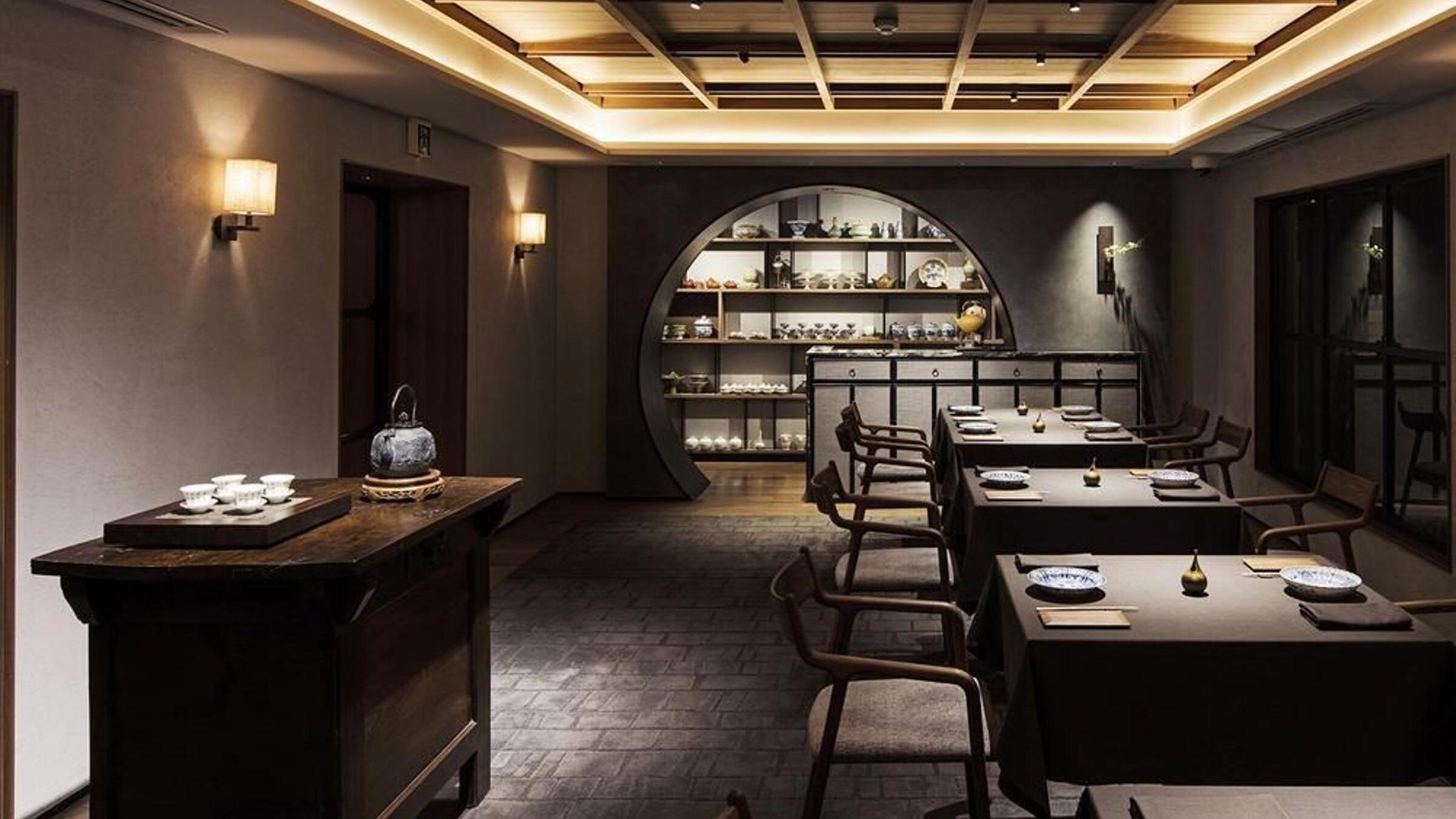
Casual, compact, and sake-bar-adjacent, with a relaxed after-work atmosphere near Yokohama Station.