CAFÉLIA
Located on Avenue Roland-Beaudin in Quebec City's Sainte-Foy district, CAFÉLIA sits in a neighbourhood better known for offices and suburban commerce than destination dining — which is precisely what makes it worth tracking. The address alone signals a local-first operation rather than a tourist-circuit play, the kind of café-restaurant that earns its following through consistency rather than positioning.
Pearl is the En Primeur Club membership app — saves, bookings, and concierge access live there. Same editors, same standards.
- Address
- 935 Ave. Roland-Beaudin, Québec City, Quebec G1V 0H6, Canada
- Phone
- +14185771111
- Directions
- Get directions
 Saves & bookings on Pearl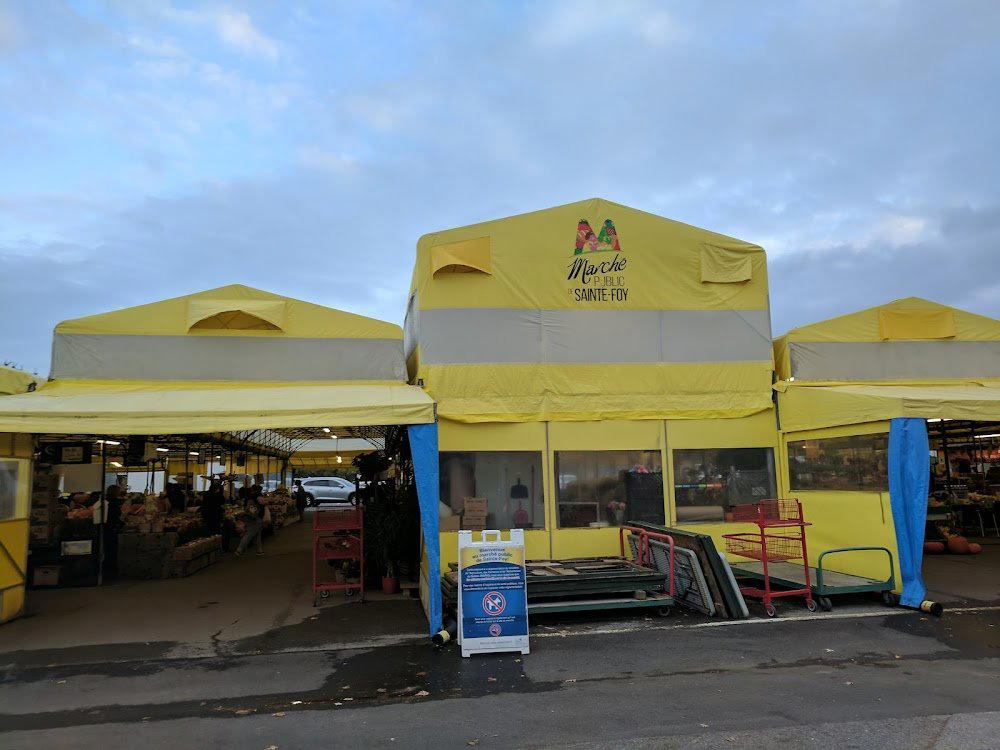
Sainte-Foy's Dining Register: Outside the Old City Circuit
Quebec City's dining conversation tends to cluster around the Old Town and Saint-Jean-Baptiste, where properties like Tanière³ and ARVI anchor the high-end creative tier at the $$$$-price level, and where heritage architecture lends obvious atmosphere. Sainte-Foy, by contrast, is a working district: university campuses, commercial corridors, and the kind of neighbourhood restaurant scene that serves residents rather than visitors. CAFÉLIA's address at 935 Avenue Roland-Beaudin places it squarely in that register. This is not a preamble to the city's more discussed dining rooms; it is a different kind of operation altogether, one that earns its place through proximity to daily life rather than proximity to the Château Frontenac.
That geographical distance from the tourist circuit has consequences for how a meal at CAFÉLIA unfolds. Rooms like this tend toward a different pacing than their Old City counterparts. There is less performance pressure, fewer tables occupied by first-time visitors cross-referencing printed guides, and a higher proportion of regulars who have settled into a relationship with the kitchen over time. For a visitor, that social texture is itself informative: it signals where the city actually eats, rather than where it sends its guests.
The Ritual of the Neighbourhood Meal
Quebec City's café-restaurant culture carries specific customs that distinguish it from the formal dining rooms that appear in most international coverage. The meal here is not structured around a tasting sequence the way that Kebec Club Privé or Laurie Raphaël might be. The pacing follows a looser rhythm, one in which the meal is a reason to stay rather than a countdown to a final course. Coffee arrives as punctuation, not conclusion. Conversation is assumed to outlast the food. These are the dining customs that define the French-Canadian café tradition, and they differ in important ways from the structured dining rituals at higher-price-tier rooms.
Across Canadian cities, this neighbourhood café format occupies a specific and often underserved position in the dining ecosystem. Properties like Cafe Brio in Victoria and AnnaLena in Vancouver demonstrate how a mid-scale operation can build genuine authority through consistency and local embeddedness rather than through tasting-menu ambition.
How Quebec City Prices Its Neighbourhood Tier
The city's dining tiers have become clearer over the past several years. At the leading, $$$$-priced creative and modern-cuisine rooms compete on technical ambition and press coverage. Below them, the $$$-tier operations like Le Clan serve regional cuisine with production-level seriousness. Then there is the neighbourhood tier, which tends to operate at $$ or below, where the value proposition shifts from culinary ambition to consistency, accessibility, and atmosphere. CAFÉLIA's positioning in Sainte-Foy is consistent with this lower tier, where volume and regularity matter more than occasion-dining metrics. Compare this to the prix-fixe structures at Alo in Toronto or the rural destination model of Eigensinn Farm in Singhampton, and the distinction in format and expectation becomes clear. CAFÉLIA is not competing in that arena. It is doing something more quotidian, and doing so on its own terms.
Quebec's Broader Café Tradition
The café-restaurant as a serious dining proposition has deep roots in French-Canadian culture. Unlike the Anglo-Canadian coffee-shop model, the Quebec version often blurs into light restaurant service: breakfast plates with weight behind them, lunch menus that require a kitchen with actual range, and afternoon service that extends well past what a strictly café format would support. This tradition shows up across the province, from Narval in Rimouski to the denser urban dining of Jérôme Ferrer - Europea in Montreal, though those operations occupy higher price tiers than the neighbourhood café. The point is that the format itself carries cultural weight in Quebec that it does not always carry in English-Canadian cities. A good café-restaurant here is not a lesser version of a restaurant; it is its own category, with its own standards and its own clientele.
Rest of Canada has begun to recognise this. Places like The Pine in Creemore and Restaurant Pearl Morissette in Lincoln have built followings around a similar ethos of locality and unhurried pacing, even if their format and price point differ significantly. The broader Canadian dining scene is paying more attention to what happens outside the tasting-menu tier, and neighbourhood operations like CAFÉLIA represent a category that is gaining critical vocabulary even if it has not yet gained the same press infrastructure.
Placing CAFÉLIA in the Quebec City Map
For a reader constructing a Quebec City dining itinerary, the practical question is where CAFÉLIA fits relative to the city's more-documented rooms. The short answer: it fits in a different day-part and a different mood entirely. A dinner at Auberge Saint-Antoine or a tasting menu at one of the Old City's creative rooms is an evening event with planning logistics attached. CAFÉLIA is where you go when you want to eat like someone who lives in Quebec City rather than someone who is visiting it. That is a different kind of value, and for many travellers it is the harder one to find. The full range of what the city offers across price tiers and neighbourhood contexts is covered in our full Quebec City restaurants guide.
Avenue Roland-Beaudin is accessible by city bus from the Old Town, putting it within practical reach even for visitors based in the historic core. The Sainte-Foy district has its own transport logic, and the address sits near commercial and campus activity that generates consistent foot traffic throughout the day. For visitors arriving by car, the suburban street layout offers parking options that the Old City cannot. These logistical details matter at this price tier, where the decision to visit is lower-stakes and therefore more likely to hinge on convenience than on occasion-worthy credentials.
How CAFÉLIA Quebec City compares with similar nearby venues.
| Venue | Cuisine | Price |
|---|---|---|
| Ambre Buvette | Modern Cuisine | $$$ |
| La Bête | Steakhouse | $$$ |
Continue exploring
More in Quebec City
Restaurants in Quebec City
Browse all →
Bars in Quebec City
Browse all →
At a Glance
- Cozy
- Casual Hangout
Current opening hours
- Monday
- 10:30 AM–5 PM
- Tuesday
- 8 AM–5 PM
- Wednesday
- 8:30 AM–5 PM
- Thursday
- 8 AM–7 PM
- Friday
- 8 AM–9 PM
- Saturday
- 8 AM–7 PM
- Sunday
- 8:30 AM–5 PM
Hours can change for holidays and private events. Last verified .
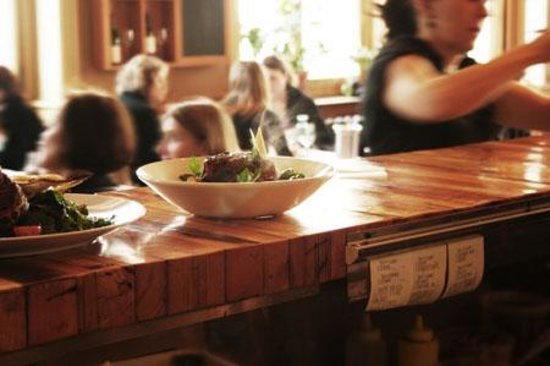
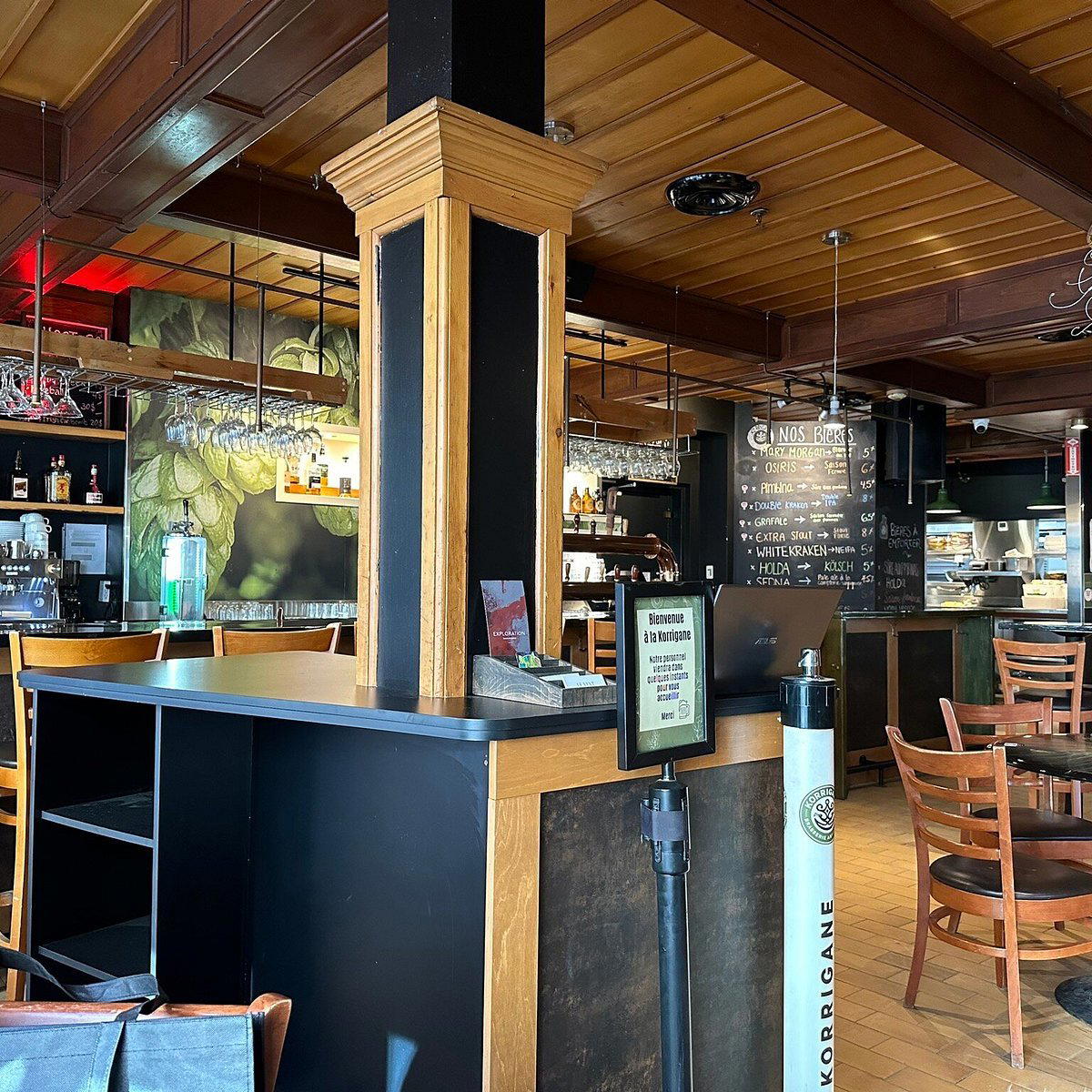
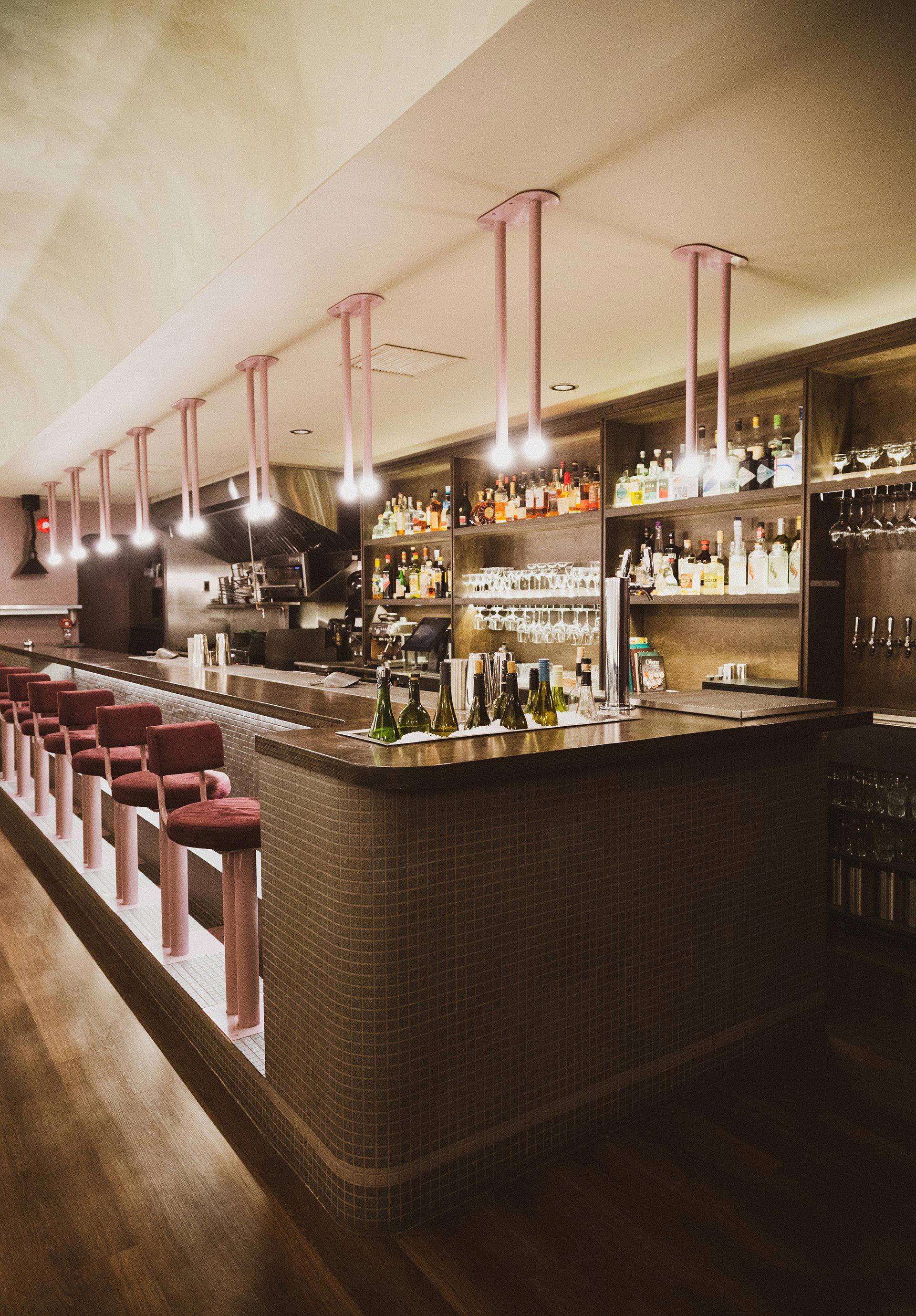
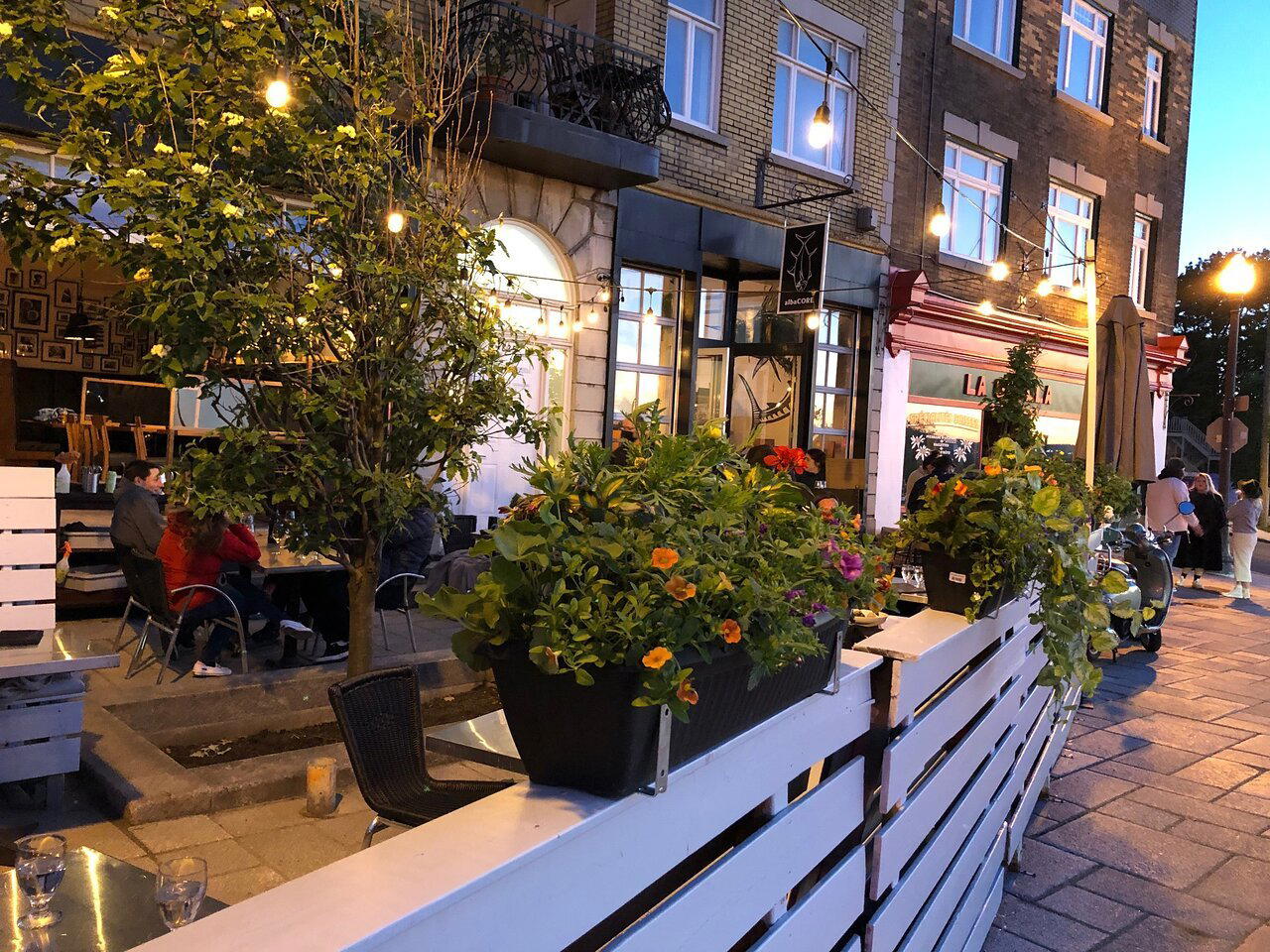
Cozy and welcoming café atmosphere.
Know Before You Go
- Getting there
- 935 Ave. Roland-Beaudin, Québec City, Quebec G1V 0H6, Canada