Le Hobbit


Michelin Plate · Wine Spectator Best of Award of Excellence
Our verdict
On Rue Saint-Jean in the heart of Old Québec, Le Hobbit has held its place in the city's French-traditional dining scene long enough to accumulate a 2025 Michelin Plate alongside. The wine program runs to 1,300 selections across 12,000 bottles, with particular depth in California, Bordeaux, Burgundy, Italy, and Germany. Dinner only, with cuisine pricing at the $66+ tier.

Pearl is the En Primeur Club membership app, where members save venues, book tables and use the concierge.
French Tradition on Rue Saint-Jean
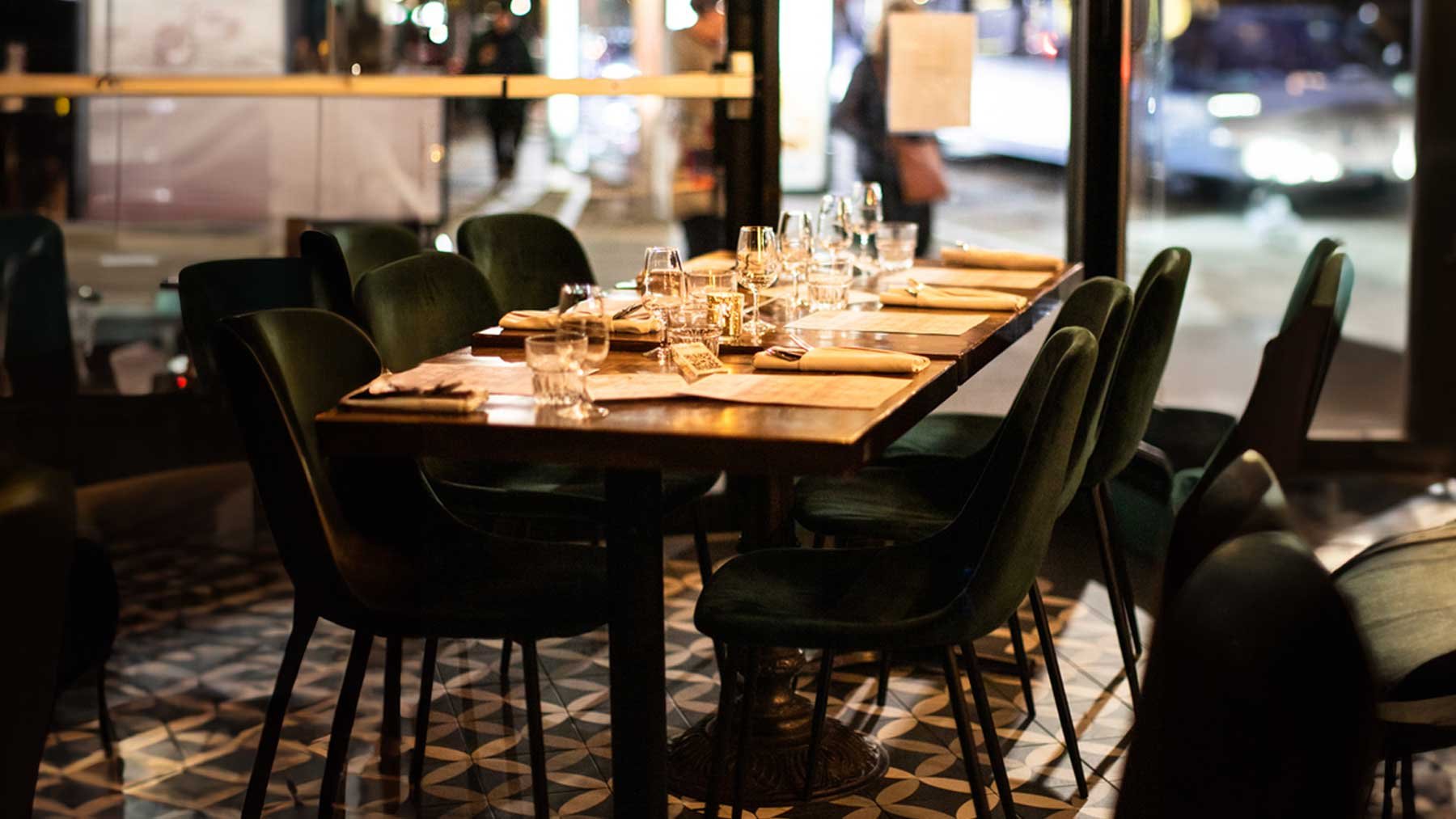
Old Québec's restaurant strip on Rue Saint-Jean operates somewhere between working neighbourhood bistro and heritage dining institution. The street draws a mixed crowd: residents grabbing wine and steak after work, tourists working through the quartier's options, and a quieter contingent of regulars who have been returning to the same tables for years. Le Hobbit restaurant sits in that last category's orbit, a $$ price-point address that has outlasted trends by staying close to the tradition that built French-Canadian dining culture in the first place.
In a city where the higher-profile tables Tanière³ and ARVI both operate at $$$$, the mid-tier in Québec City is sometimes underexamined. Le Hobbit Quebec City sits at $$ on cuisine pricing, while its dinner menu is priced in the $$$ bracket (two-course meals above $66), a split that tells you something about where the value sits: the food reaches above its cover price without abandoning the neighbourhood's accessible character.
What French-Traditional Means in This Context
French cuisine in Québec is not the same conversation as French cuisine in Paris, and it never has been. The tradition here carries the weight of New France settlement, Catholic feast-day cooking, and a climate that shaped everything from the cold cellar to the braising pot. By the time the bistro format arrived in Québec City's old town, it landed onto soil that already had its own deep French-origin culinary logic.
Restaurants working in the traditional idiom in this city are not nostalgia acts. They are, in many cases, the institutional memory of a cuisine that predates the province's modern fine-dining ambitions. The most durable of those addresses keep a classically grounded kitchen alongside a wine list that takes the food seriously, without pivoting to tasting-menu formats or fusion departures. That positioning is increasingly rare in a dining scene that has moved aggressively toward creative and modern cuisines, see Kebec Club Privé and Laurie Raphaël for examples of where that contemporary ambition lands, making the traditional tier a smaller and arguably more considered niche.
For a broader view of how this tier connects to the wider restaurant scene, the full Québec City restaurants guide maps all categories and price points.
The Wine Program as a Separate Argument
Most bistros at the $$ price point carry a functional wine list: two dozen bottles, some by-the-glass options, a reliable house Bordeaux. Le Hobbit operates at a different scale entirely. The cellar runs to 1,300 selections across a physical inventory of 12,000 bottles, with particular depth in California, Bordeaux, Burgundy, Italy, and Germany. Wine pricing is marked $$ on the list's general structure, meaning a range across price points rather than a top-heavy allocation. Corkage is set at $50 for those who bring their own.
A cellar at this scale inside a $$ bistro is an anomaly worth examining. It positions Le Hobbit in a competitive set that crosses price categories: the food is accessible, the wine program has the depth of addresses twice the price. For wine-focused diners who find the city's higher-end rooms too committed to their own tasting-menu logic, this is a meaningful alternative. Wine director and owner Matthew McKinney oversees both the cellar and the room, with sommeliers Wendy Robb and Rafael Hernandez on the floor. That depth of dedicated wine staff is unusual at this price point and signals where the program's priorities lie.
For context on how this wine approach compares to other Canadian tables working a similar integration of traditional cooking and serious cellars, Restaurant Pearl Morissette in Lincoln and Alo in Toronto represent the higher-price end of that spectrum, while AnnaLena in Vancouver shows how a mid-tier address can carry serious cellar ambition in a different regional context.
The Michelin Plate and What It Signals
A 2025 Michelin Plate is not a star, and it should not be read as one. What it does indicate is that Michelin's inspectors found the kitchen producing food worth eating, with no significant quality concerns. In Québec City's dining scene, Michelin recognition at any level carries weight simply because the guide's Canadian coverage is still relatively recent, meaning the pool of recognized addresses is smaller than in long-established markets. The Plate lands Le Hobbit in credentialed company without placing it in the same tier as the city's starred tables.
At that volume, a 4.4 average reflects sustained consistency rather than a peak-season anomaly. It places Le Hobbit above many of the city's louder, more marketed addresses and in line with well-regarded bistros in cities with far more competitive review environments.
For traditional cuisine operating at a comparable cultural register elsewhere in the French-speaking world, Auberge Grand'Maison in Mûr-de-Bretagne and Auga in Gijón offer useful comparisons in how regional French-tradition kitchens earn and maintain recognition outside major capital cities.
Where It Sits in the Québec City Picture
Québec City's dining scene has diversified considerably over the past decade. The boréal-influenced bistro format, exemplified by addresses like Chez Rioux & Pettigrew, runs alongside more technique-driven modern kitchens and a small cluster of creative fine-dining rooms. Traditional French cuisine, which was the foundational category, now occupies a more defined niche within that spread.
Le Hobbit's positioning at $$ for cuisine pricing makes it one of the more accessible Michelin-recognized dinner options in the city, particularly for visitors who want serious cooking without committing to the longer-format, higher-price tasting menus that dominate the upper tier. It is a dinner-only address on Rue Saint-Jean, which places it in the city's most-walked dining corridor and makes it genuinely convenient relative to most of the old town's accommodation.
Closer in spirit, Narval in Rimouski shows how the regional French-Québécois tradition translates outside the capital. The The Pine in Creemore is an instructive comparison for how rural Canadian addresses hold a traditional culinary line under similar constraints.
Planning a Visit
Le Hobbit is at 700 Rue Saint-Jean, within walking distance of the main hotels inside the walled city. Dinner only. Cuisine pricing runs $$$ for a two-course meal (above $66 before drinks and tip); wine pricing is $$ across the list. The corkage fee is $50 if you prefer to bring a bottle from elsewhere. For the broader context of what else to do, drink, and stay in the area, see the Québec City bars guide, the hotels guide, the wineries guide, and the experiences guide.
Frequently asked questions
What part of town is Le Hobbit in?
Le Hobbit is located at 700 Rue Saint-Jean, Québec, QC G1R 1P9, Canada, Québec City.
Is Le Hobbit expensive?
Pricing at Le Hobbit is listed as $$.
Is Le Hobbit Michelin-listed?
Le Hobbit has received recognition including: Michelin Plate (2025); WINE: Wine Strengths: California, Bordeaux, Burgundy, Italy, Germany Pricing: $$ i Wine pricing: Based on the list\'s general markup and high and low price points:$ has many bottles < $50;$$ has a range of pricing;$$$….
What's the signature dish at Le Hobbit?
Specific menu items are not published in available documentation for Le Hobbit. What the record does confirm is a traditional French cuisine format priced at $$$ for a two-course dinner, putting it at the upper end of the Rue Saint-Jean dining tier. The 2025 Michelin Plate suggests inspectors found the kitchen executing its format at a consistent standard. For current menu details, contacting the restaurant directly at 700 Rue Saint-Jean is the reliable route.
What cuisine category does Le Hobbit fall under?
Style and Standing
| Venue | Cuisine | Price | Awards | Notes |
|---|---|---|---|---|
| Le HobbitThis venue (the venue you are viewing) | Modern French Bistro | Not listed | Michelin Plate · Wine Spectator Best of Award of Excellence | Not listed |
| Tanière³ | Modern Quebec Terroir - Avant-Garde Tasting Menu | $300–500 | 2 Michelin Stars · World's 50 Best #9 | Creative |
| ARVI | Modern Quebec Cuisine | $100–150 | 1 Michelin Star | Modern Cuisine |
| Chez Boulay - Bistro Boréal | Boreal French Bistro | $50–100 | Michelin Plate | Modern Cuisine |
| Ambre Buvette | Modern Quebec Fun Dining | $100–150 | Michelin Plate | Modern Cuisine |
| Auberge Saint-Antoine | French Farm-to-Table Fine Dining | $50–100 | Not listed | Canadian Cuisine |
Recognition history
Dated appearances from independent guides and award organizations, with the underlying list record or original source where available.
Michelin Plate
Michelin
Wine Spectator Best of Award of Excellence
Wine Spectator
Full recognition history (3 entries)
Michelin Plate
Michelin