Our verdict
Anima Ristorante Roma occupies the ground floor of The Rome EDITION hotel in the Tridente district, placing it among the capital's hotel dining rooms that have moved well beyond lobby-adjacent convenience. The address positions it near Rome's premium restaurant tier, where the competition includes Michelin-recognized kitchens with serious creative ambitions.

Pearl is the En Primeur Club membership app, where members save venues, book tables and use the concierge.

The menu
What to order
- Cacio e pepe con gamberi
- Spaghetto al Pomodoro con pomodorini gialli del Vesuvio
- La Genovese
- Burro e Alici
- Cavalieri Spaghetti with three tomatoes
Where the Hotel Dining Room Earns Its Own Postcode
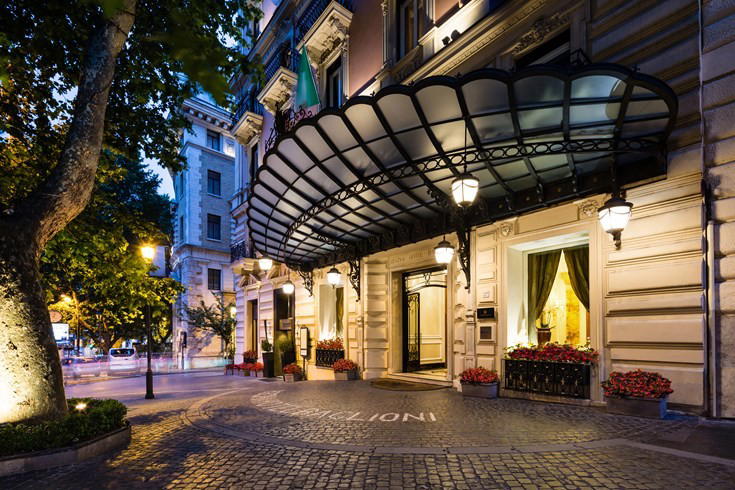
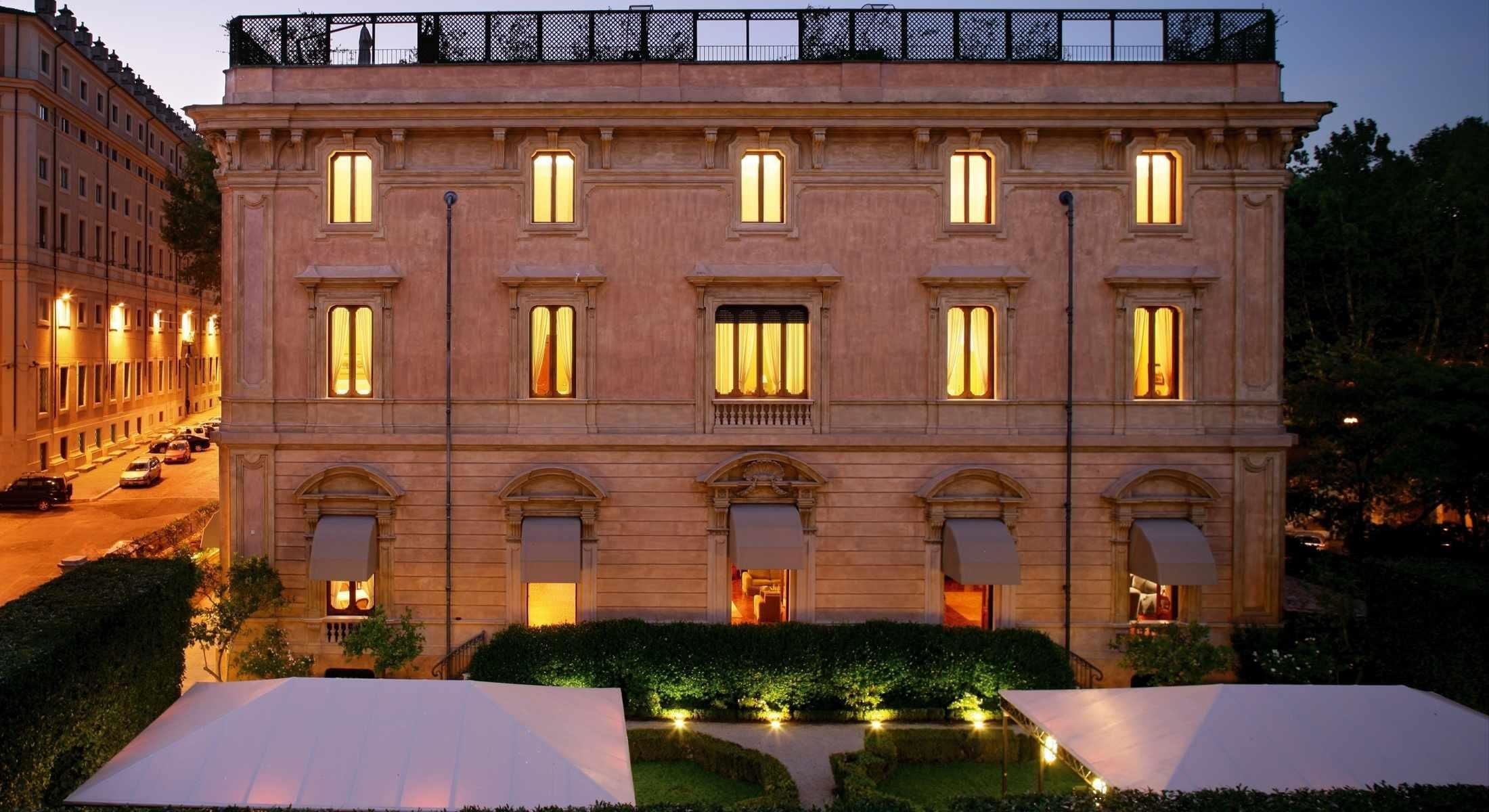
The Tridente has long been where Rome's more polished international visitors spend their evenings, and the Via Veneto-adjacent streets running toward Piazza Barberini carry a particular kind of ambient weight: the hum of well-dressed crowds, the glow from palazzo windows, the sense that the city is performing a version of itself it reserves for guests with high expectations. Anima Ristorante Roma sits inside The Rome EDITION on Salita di S. Nicola da Tolentino, a quiet street that peels away from that noise just enough to make arrival feel considered. The physical approach matters here. You're not walking into a hotel restaurant in the way that phrase once implied, a fallback option between check-in and early sleep. You're entering a room that the neighbourhood has absorbed as part of its dining circuit.
Rome's hotel dining has split into distinct tiers over the past decade. At one end, the grandes dames: La Pergola, with three Michelin stars and a view that compresses the whole city into a single sightline. At the other, hotels with food programs that exist primarily to serve guests who don't want to negotiate a reservation queue. Anima sits in the more interesting middle territory: a hotel restaurant with genuine ambition, operating in a city where the independent creative scene, anchored by places like Il Pagliaccio and Enoteca La Torre, has raised the bar for what a serious dinner in Rome should feel like.
The Atmosphere as Architecture
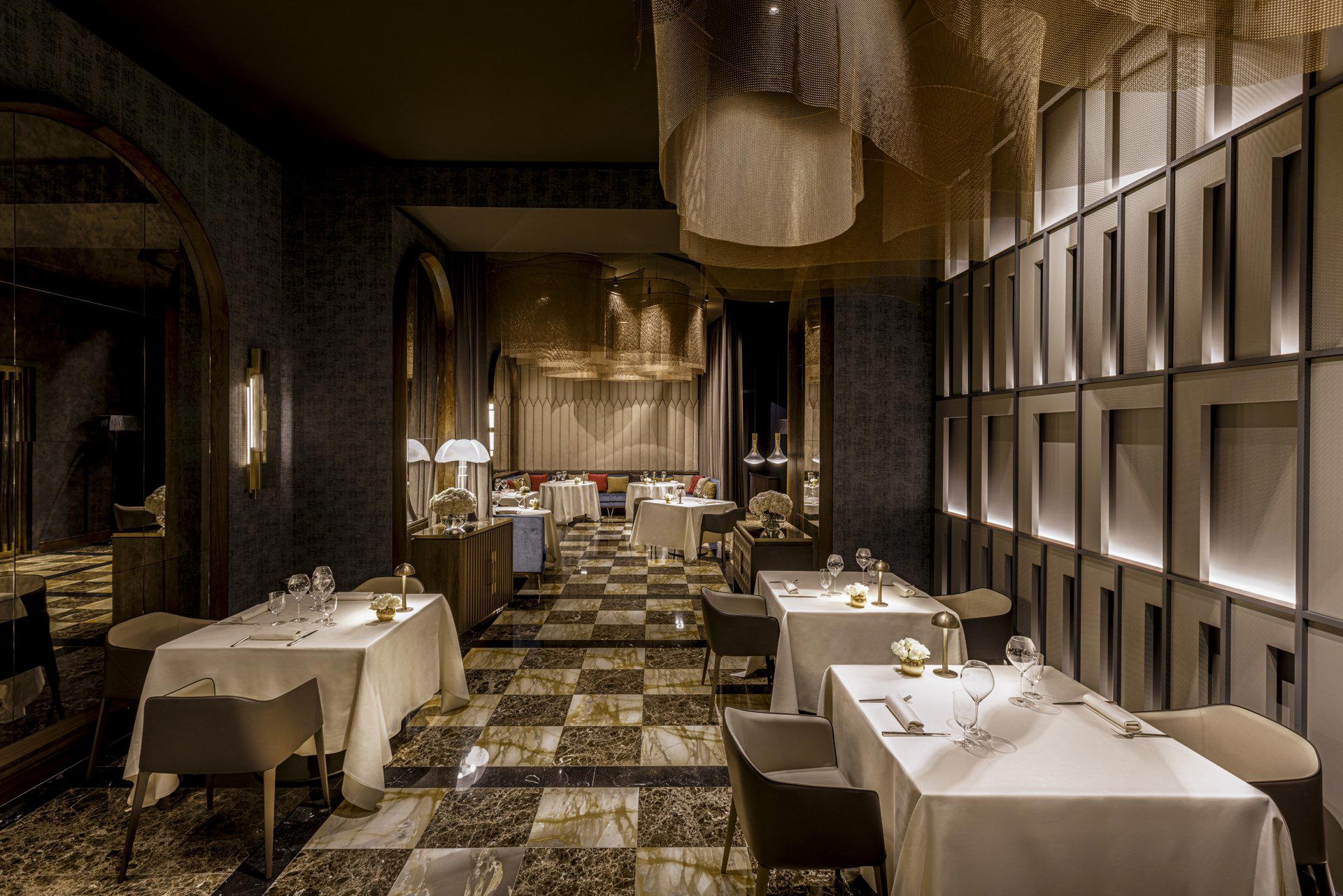
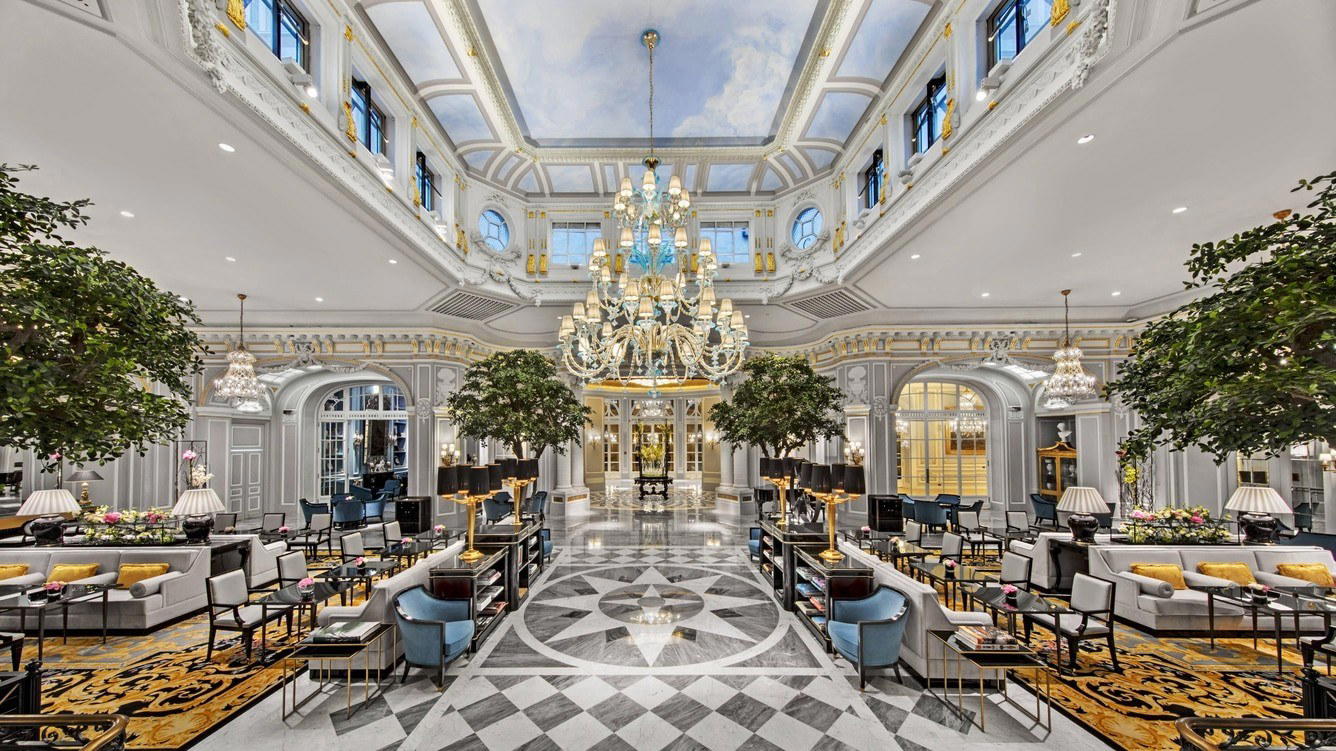
The EDITION brand, developed under Ian Schrager, has built its hotel identity around a specific sensory proposition: spaces that feel expensive without feeling corporate, with light and material as the primary design tools. That sensory logic extends naturally to Anima's dining room. The room at this address reads as intimate by the standards of hotel restaurants in this bracket, not the kind of cavern that swallows sound and leaves tables feeling adrift, but a contained environment where the ambient noise is legible rather than overwhelming. The lighting sits low enough to shift the mood after dark without collapsing into theatrical dimness.
An evening at Anima asks you to engage with the space as part of the experience, not simply to tolerate it while waiting for the food.
Roman Fine Dining in a Competitive Bracket
Rome's fine dining circuit has never operated in isolation from the broader Italian scene. The kitchens that define the country's creative direction, Osteria Francescana in Modena, Piazza Duomo in Alba, Le Calandre in Rubano, all operate at some distance from Rome, and the capital has historically occupied a complicated position in Italian culinary rankings. Its identity is Roman, which means it carries the weight of a specific, deeply codified food culture: carbonara, cacio e pepe, offal, the trattorias of Testaccio. Fine dining in this context requires a particular balancing act, engaging with that tradition without being consumed by it, and offering something that places like Reale in Castel di Sangro or Uliassi in Senigallia don't already do more radically in their own regional contexts.
The hotels that have navigated this leading in Rome tend to do so by anchoring their kitchens in a clear identity rather than chasing a generic modern-Italian template. The most compelling Italian hotel dining programs of recent years, consider Enrico Bartolini in Milan or the long-standing authority of Enoteca Pinchiorri in Florence, have survived precisely because they stand for something specific rather than something broadly accessible. Anima operates in that aspirational bracket, in a city where the competition for the attentive diner's evening is dense and where guests arriving from properties elsewhere in Europe or North America bring comparative reference points built on Le Bernardin-level expectations or experiences drawn from further afield like Lazy Bear in San Francisco.
Planning Your Visit
The restaurant is located at Salita di S. Nicola da Tolentino, 14, in Rome's 00187 postcode, within walking distance of the Barberini metro stop and a short cab or rideshare from the Spanish Steps or Via Veneto. As a hotel restaurant, Anima is open to non-resident diners, though making a reservation rather than attempting to walk in is the practical approach for any evening you have a specific time in mind, the room's contained scale means availability on the same night is not guaranteed, particularly Thursday through Saturday. For broader context on where this restaurant sits within Rome's dining circuit, see our full Rome restaurants guide.
Visitors planning to combine Anima with the wider Italian fine dining itinerary might consider pairing the Rome visit with the more regional cooking found at Quattro Passi in Marina del Cantone, Dal Pescatore in Runate, or the Alpine precision of Atelier Moessmer Norbert Niederkofler in Brunico, all of which offer a different lens on what Italian produce-driven cooking looks like outside the capital.
Frequently asked questions
What should I order at Anima Ristorante Roma?
As a hotel restaurant operating in Rome's creative tier alongside kitchens like Acquolina and Il Pagliaccio, the expectation at this address is a menu that draws on Italian and Roman ingredients with a contemporary treatment. The most reliable approach is to ask the front-of-house team on arrival for the current format and any chef-driven highlights that week.
Can I walk in to Anima Ristorante Roma?
Walk-in availability depends on the evening and the room's current occupancy. In Rome's premium bracket, where restaurants like Enoteca La Torre and La Pergola require advance booking, treating a hotel restaurant as an on-demand fallback is rarely a reliable strategy. Contacting the EDITION hotel directly to confirm current reservation policy and table availability is the practical first step, particularly if you have a fixed date in mind.
What is Anima Ristorante Roma known for?
Anima is known primarily as the signature dining room of The Rome EDITION hotel, occupying a position in Rome's premium hotel restaurant segment. Its address in the Tridente puts it in a neighbourhood associated with the city's more internationally oriented dining, and the EDITION brand's design identity carries through to the room itself. For Rome's most formally credentialed restaurant experiences, the city's Michelin-starred independent kitchens remain the reference points, but Anima serves the specific need for a considered dinner that doesn't require leaving the hotel's orbit.
Is Anima Ristorante Roma a good choice for a business dinner in Rome?
Hotel restaurants in the EDITION tier have built their reputations partly on offering the kind of controlled, professional environment that suits a business context: rooms where the acoustic level allows conversation, service attuned to pacing, and an address that reads as credible to guests arriving from other major cities. For business dining in Rome at this level, Anima's Tridente location and hotel setting give it practical advantages over more intimate or unconventional independent restaurants, where the room dynamics can be less predictable. Booking in advance and confirming the current menu format directly with the hotel is advised.
A Tight Comparison
Comparable options at a glance, pulled from our tracked venues.
| Venue | Cuisine | Price | Awards | Notes |
|---|---|---|---|---|
| Anima Ristorante RomaThis venue (the venue you are viewing) | Modern Italian - Roman & Neapolitan | $50–100 | Not listed | Not listed |
| Enoteca La Torre | Modern Italian Fine Dining | $200–300 | 2 Michelin Stars · La Liste Top Restaurants | Creative |
| Il Pagliaccio | Modern Italian-Japanese Fusion Fine Dining | $150–200 | 2 Michelin Stars · La Liste Top Restaurants | Contemporary Italian, Creative |
| Aroma | Modern Roman Fine Dining | $200–300 | 1 Michelin Star · Falstaff Restaurant - 93 Falstaff Points | Modern Cuisine |
| Idylio by Apreda | Modern Mediterranean-Asian Fusion | $150–200 | 1 Michelin Star · La Liste Top Restaurants | Modern Italian, Italian Contemporary |
| La Palta | Creative Emilia-Romagna Cuisine | $50–100 | 1 Michelin Star · The Best Chef One Knife | Country cooking |
Continue exploring
More in Rome
Restaurants in Rome
All restaurants in Rome →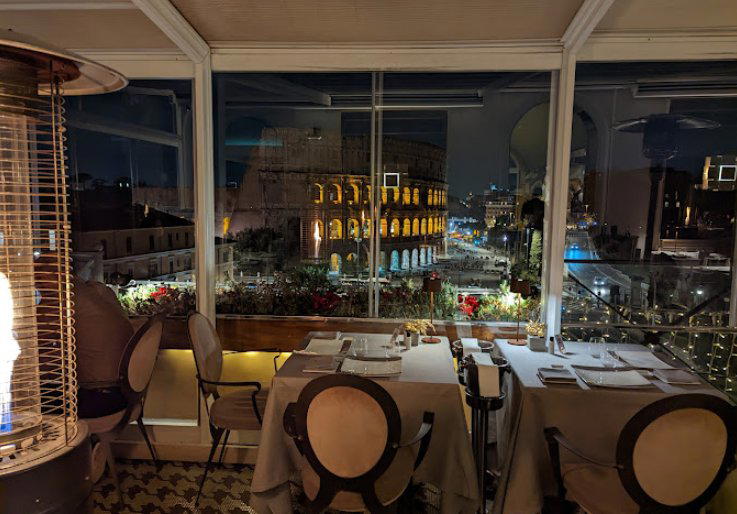
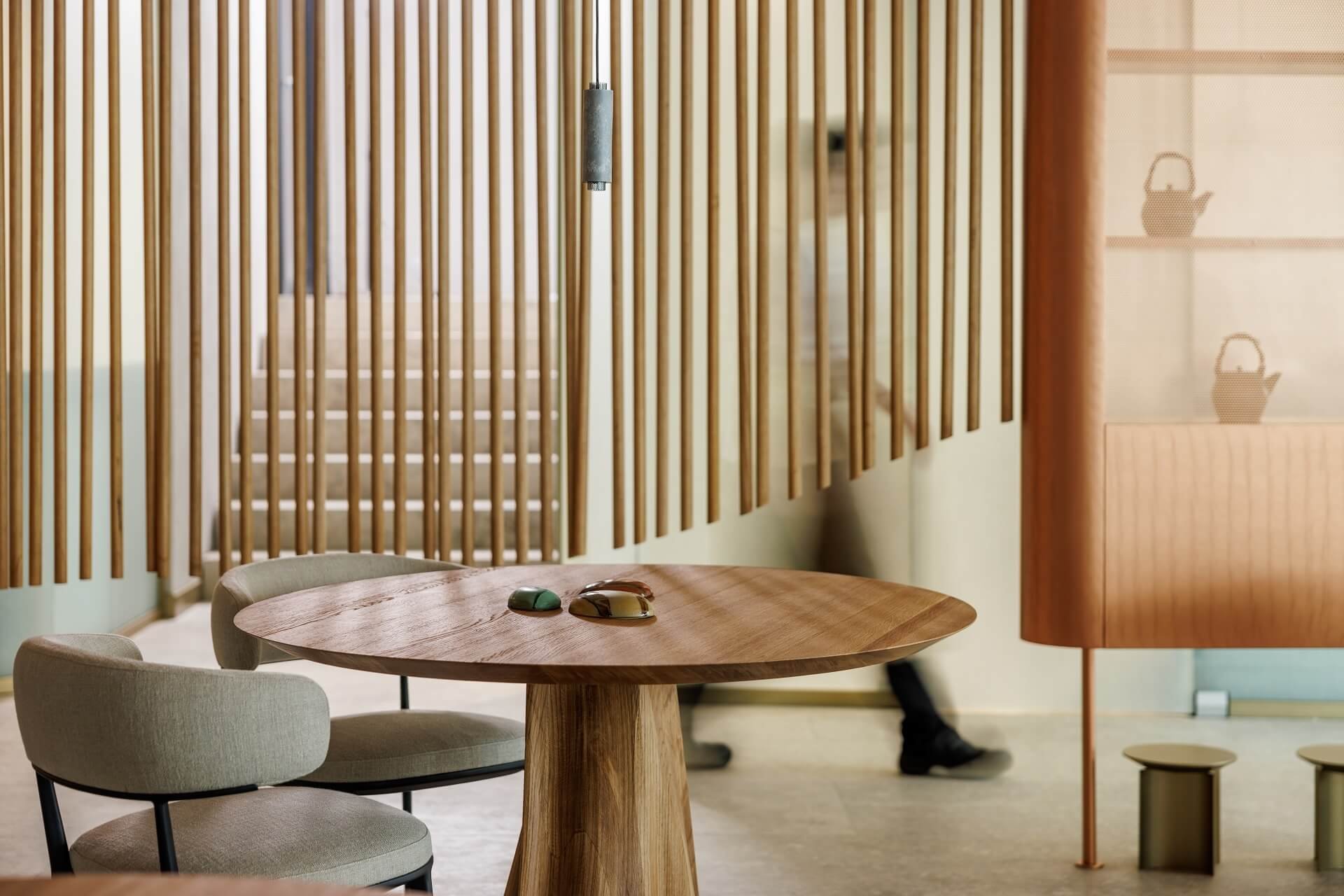
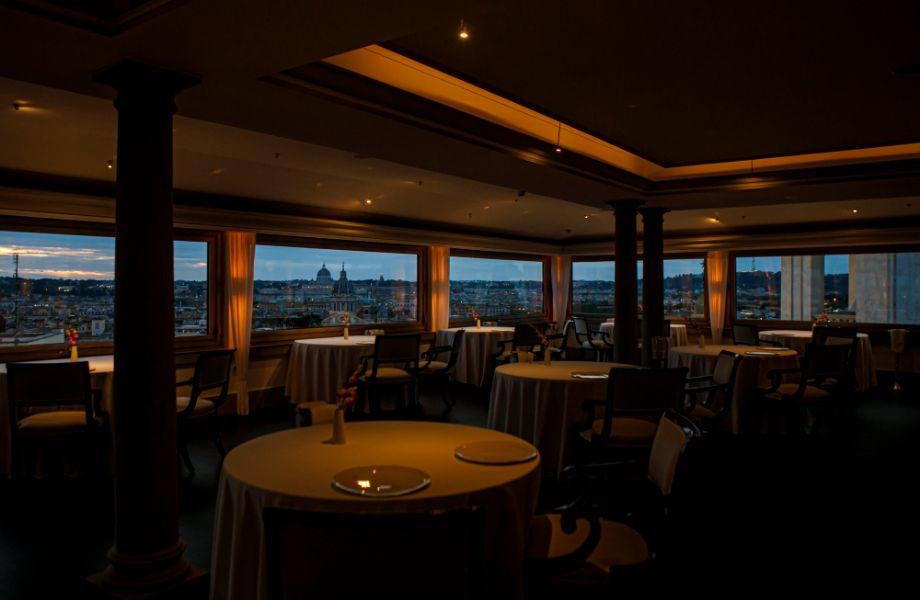
Bars in Rome
All bars in Rome →

Details
- Elegant
- Modern
- Sophisticated
- Romantic
- Date Night
- Business Dinner
- Group Dining
- Celebration
- Special Occasion
- Hotel Restaurant
- Courtyard
- Garden
- Open Kitchen
- Extensive Wine List
- Sommelier Led
- Local Sourcing
- Garden
- A La Carte
- Tasting Menu
- Italian Wine
- Regional Selections
- Vegetarian Friendly
- Pescatarian Friendly
- Allergy Accommodating
Current opening hours
- Monday
- 7–11 AM, 12–11 PM
- Tuesday
- 7–11 AM, 12–11 PM
- Wednesday
- 7–11 AM, 12–11 PM
- Thursday
- 7–11 AM, 12–11 PM
- Friday
- 7–11 AM, 12–11 PM
- Saturday
- 7–11 AM, 12–11 PM
- Sunday
- 7–11 AM, 12–11 PM
Hours can change for holidays and private events. Hours as of .
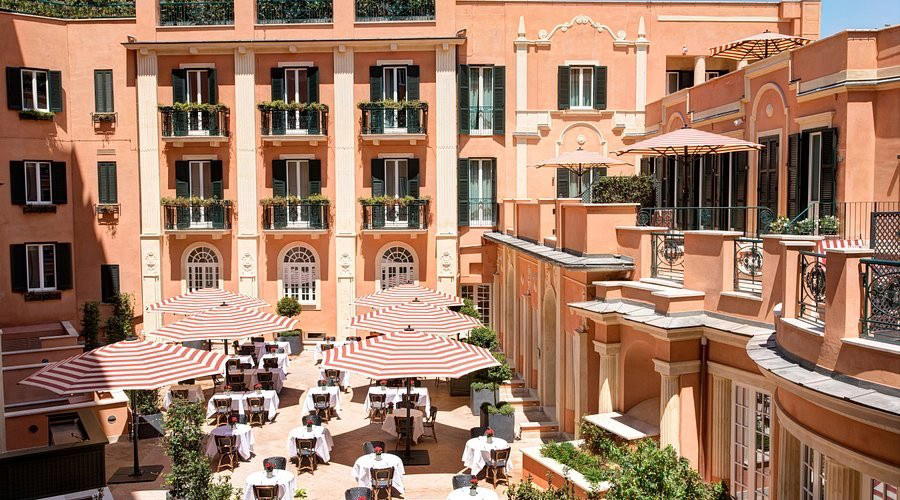
Light-filled with chartreuse and blue upholstery, furnished with lush greenery and over 400 plants creating an elegant indoor setting and charming courtyard atmosphere.